
Measure your ski's waist width (the narrowest point under the binding area) and add 5-15mm of clearance. For example, a ski with an 88mm waist needs a 95mm or 100mm brake. The brake arms should clear the ski edge when deployed but not extend so far that they drag in turns. If you're between sizes, go slightly wider—a brake that's a bit too wide creates minor drag, but one that's too narrow won't deploy properly and could leave your ski runaway on the mountain.
Ski Bindings · Alpine/Downhill Bindings
How do I know what brake width I need?
Related gear types
If this answer nudged you toward a different style, these guides compare specs and trade-offs.
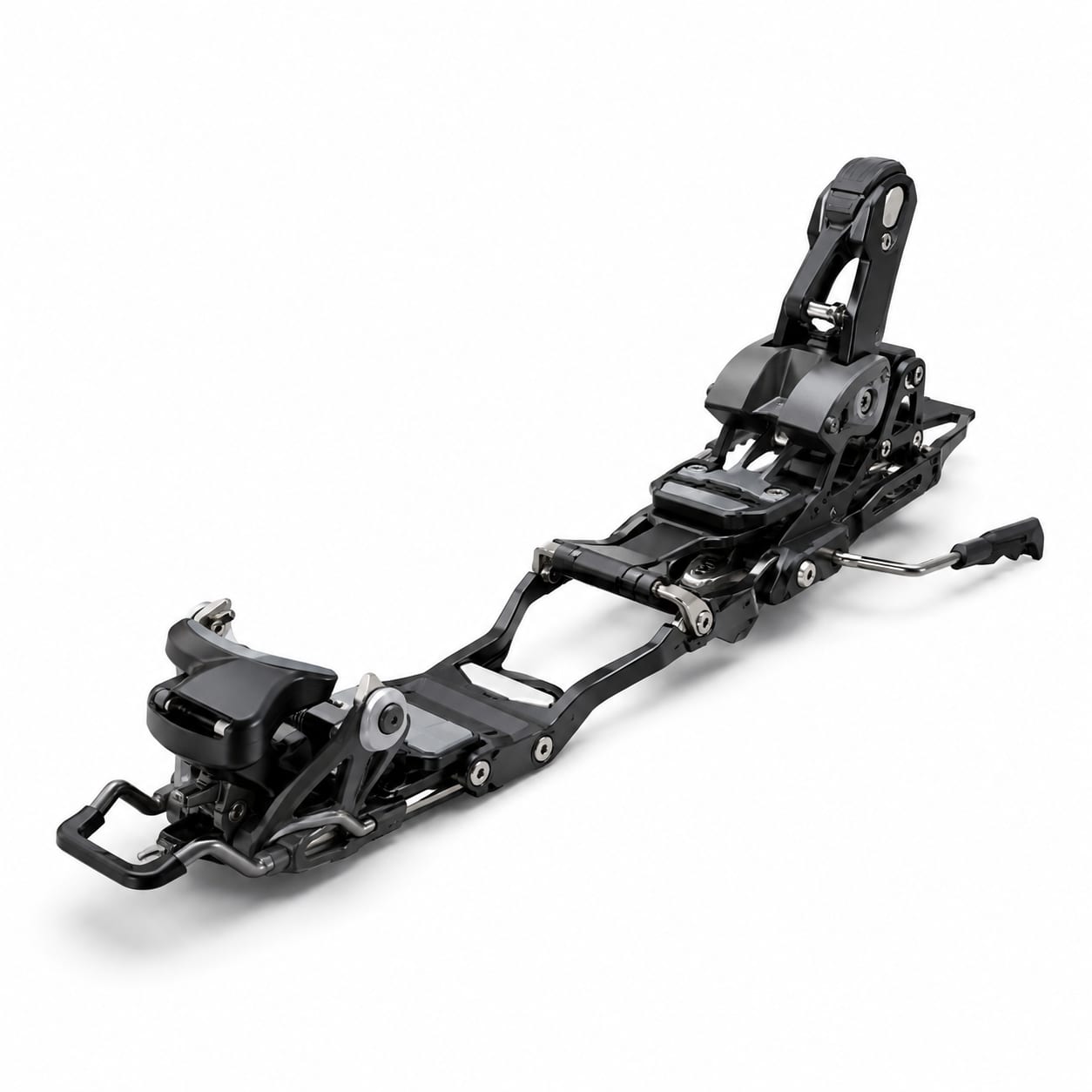
Alpine Touring Frame Bindings
$300 – $650
AT bindings with a hinged frame that allows heel lift for uphill travel and locks down for alpine-like downhill performance.
hinged frame designwalk mode with heel liftalpine-like downhill mode
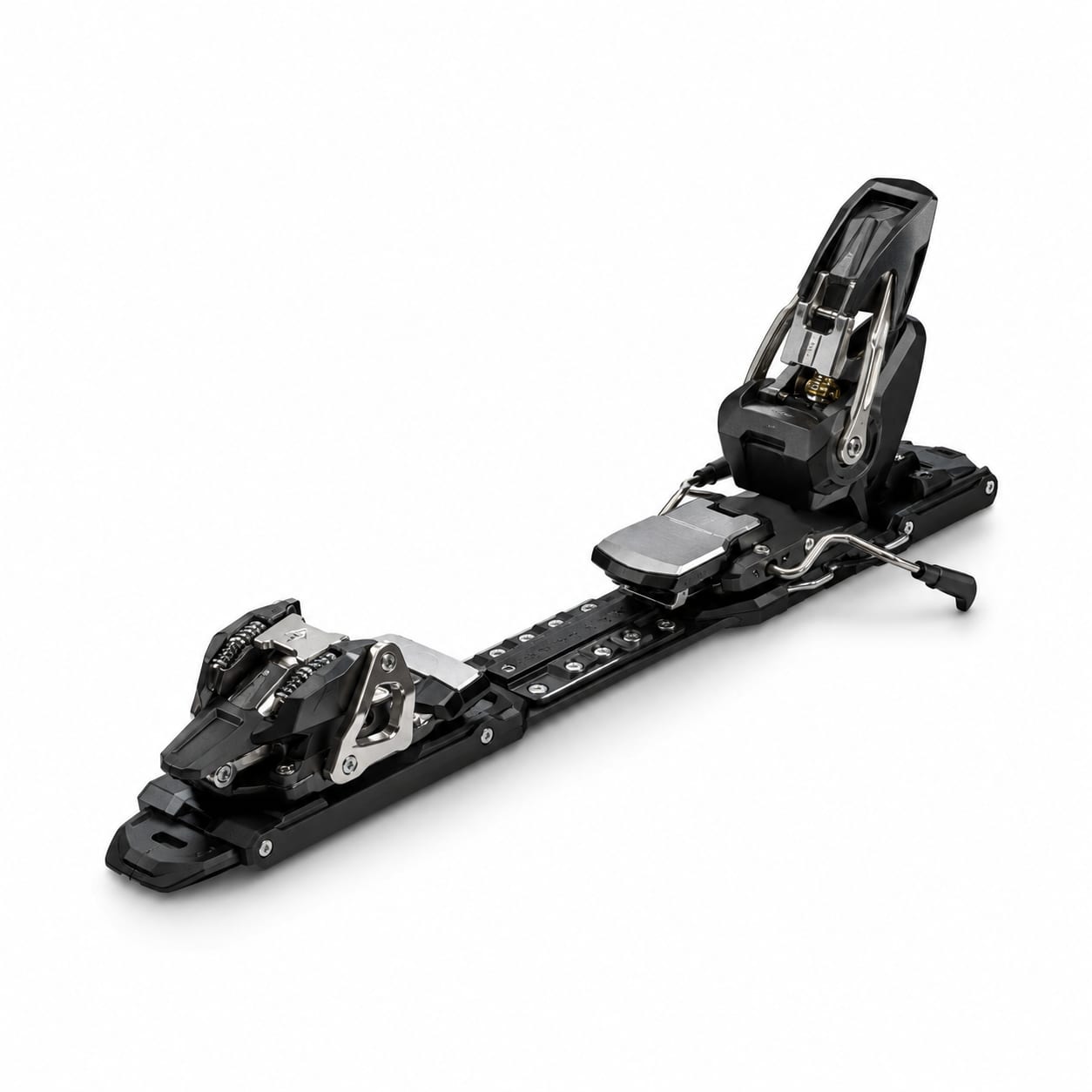
Racing Bindings
$200 – $600
High-performance alpine bindings with elevated DIN ranges and precise power transfer for competitive ski racing.
high DIN rangerigid retentionplate/riser systems
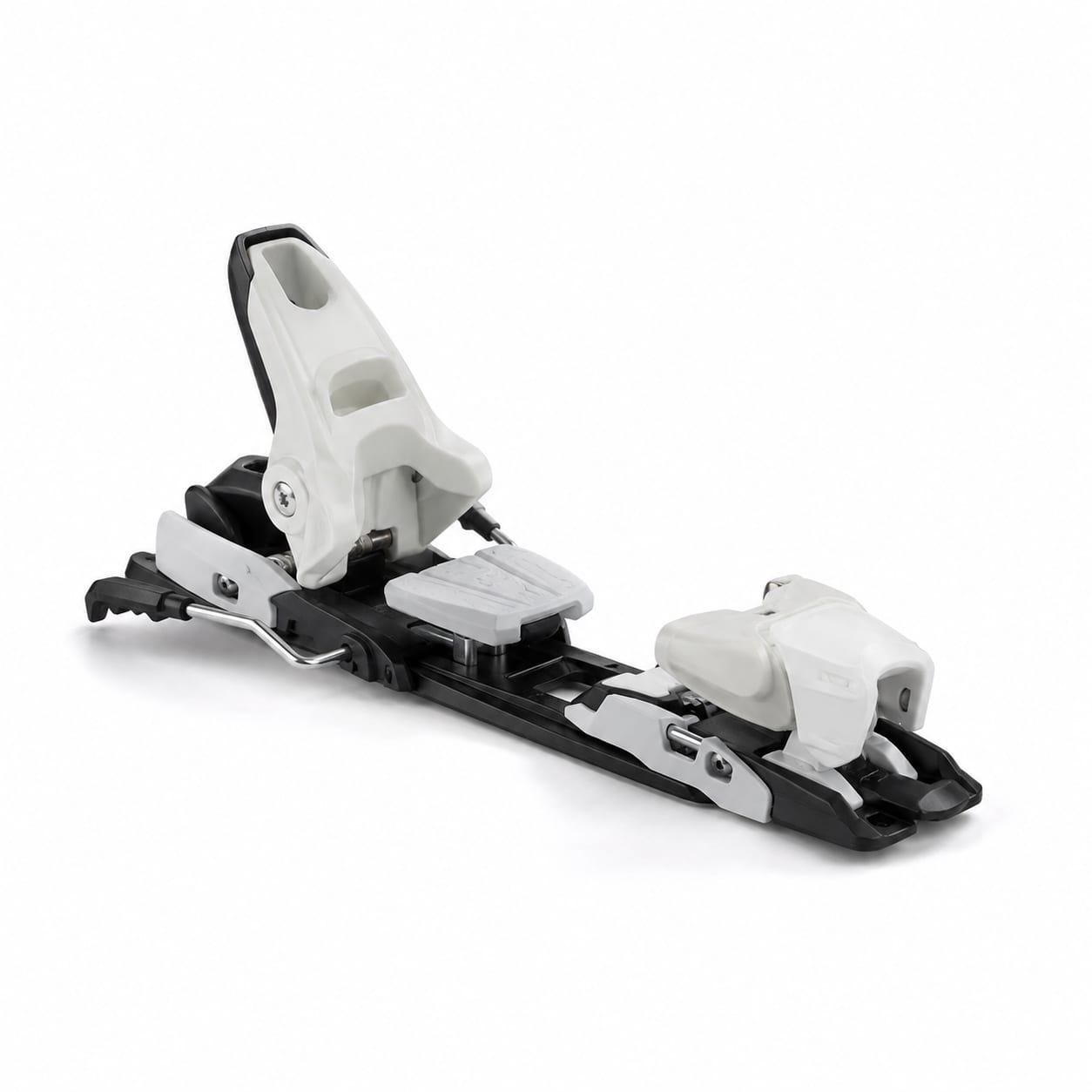
Junior/Youth Bindings
$70 – $200
Alpine bindings with lower DIN ranges and appropriate release values designed for children and lighter-weight youth skiers.
low DIN rangechildren's boot sole compatibilitylightweight construction
More questions
- What DIN setting should I use for my alpine bindings?
- Can I use GripWalk boots with alpine bindings?
- Can I use alpine bindings for backcountry skiing?
- How often should I replace my alpine bindings?