
Most pin bindings come with or accept brakes, and many also offer leash options. Brakes are strongly recommended for safety—they stop your ski after release, preventing it from becoming a hazard to others or sliding away on steep terrain. Leashes are lighter but keep you attached to the ski in a slide, which is dangerous in avalanche terrain. Many experienced backcountry skiers use brakes for this reason. Some ultralight setups omit both, but this is only appropriate for skimo racing where speed trumps safety margins.
Ski Bindings · Tech/Pin Bindings
Do I need brakes or leashes with pin bindings?
Related gear types
If this answer nudged you toward a different style, these guides compare specs and trade-offs.
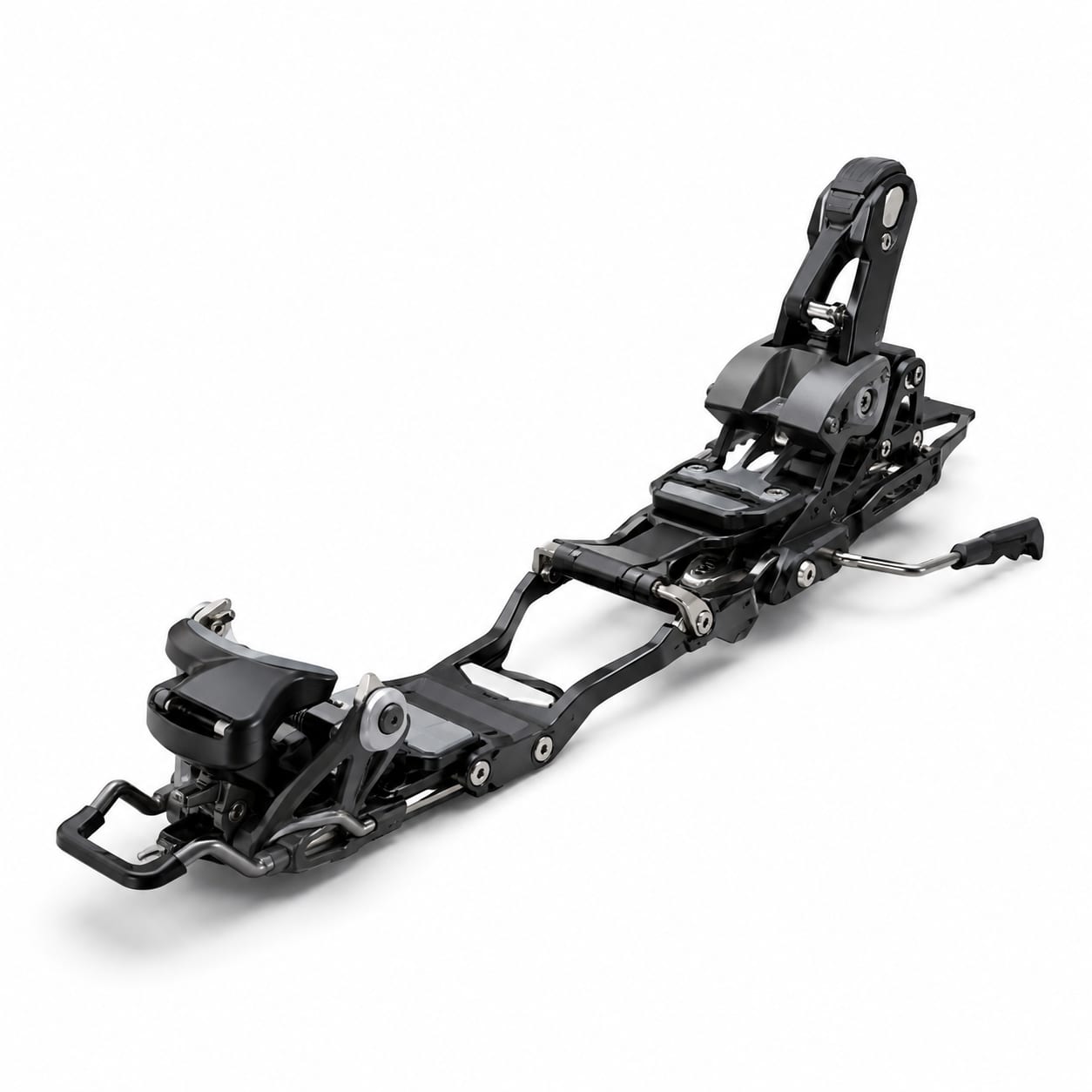
Alpine Touring Frame Bindings
$300 – $650
AT bindings with a hinged frame that allows heel lift for uphill travel and locks down for alpine-like downhill performance.
hinged frame designwalk mode with heel liftalpine-like downhill mode
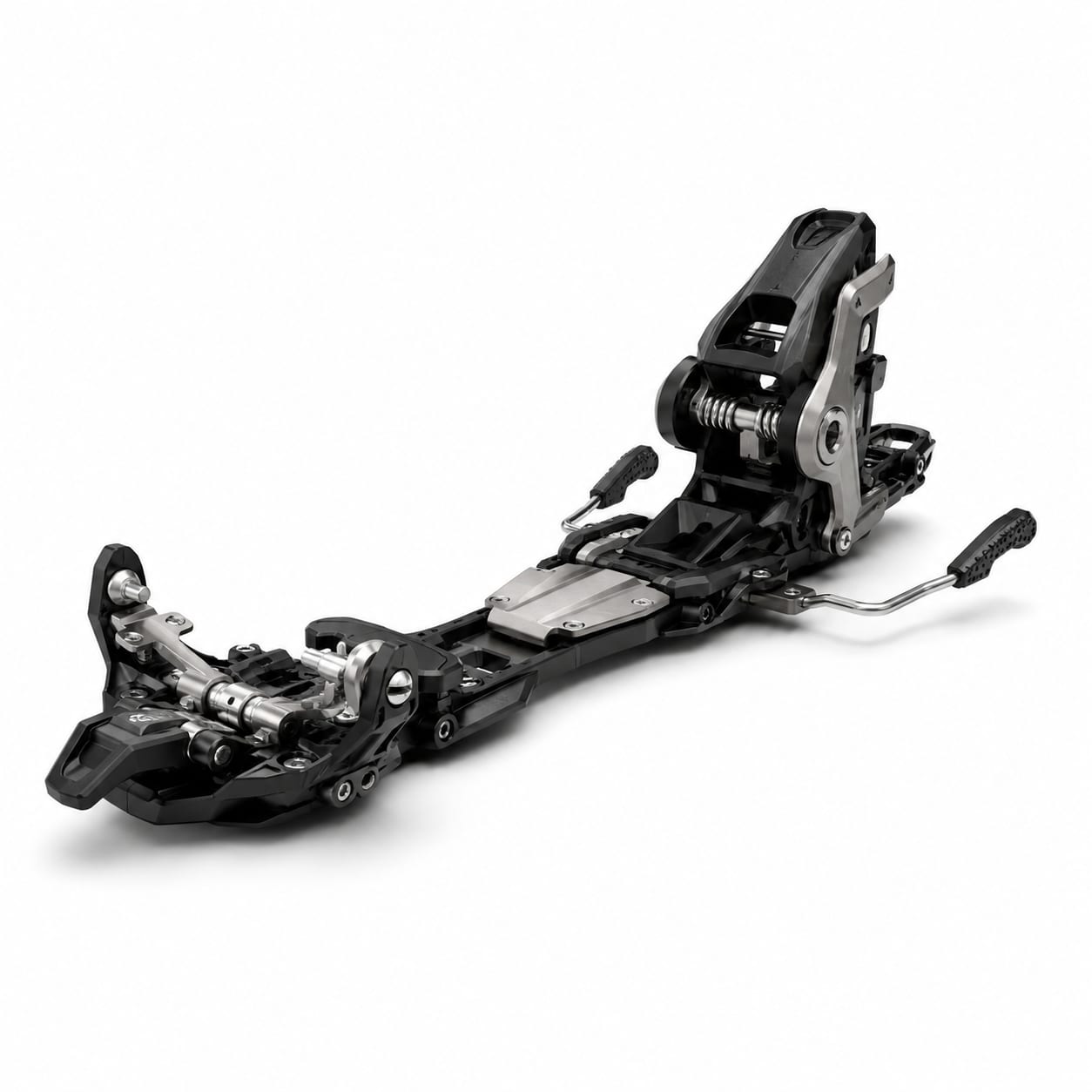
Hybrid AT Bindings
$400 – $750
Bindings combining a tech/pin toe for touring with an alpine-style heel for improved downhill performance and release.
pin toe piecealpine-style heelbrake-equipped
More questions
- Can I use my alpine boots with pin bindings?
- Why do I keep pre-releasing from my pin bindings?
- Are pin bindings safe for backcountry skiing?
- How do I transition between walk and ski mode?