
Slalom (SL) boots tend to have slightly softer flex (130–140 vs. 140–150 for GS) and may have a slightly more upright stance to facilitate quick, short-turn edge transitions. GS and speed event boots prioritize maximum stiffness and aggressive forward lean for stability at higher speeds with longer turns. Some manufacturers make distinct SL and GS models, while others offer a single race platform with adjustable features that can be tuned for either discipline.
Ski Boots · Race Ski Boots
What's the difference between slalom and GS race boots?
Related gear types
If this answer nudged you toward a different style, these guides compare specs and trade-offs.
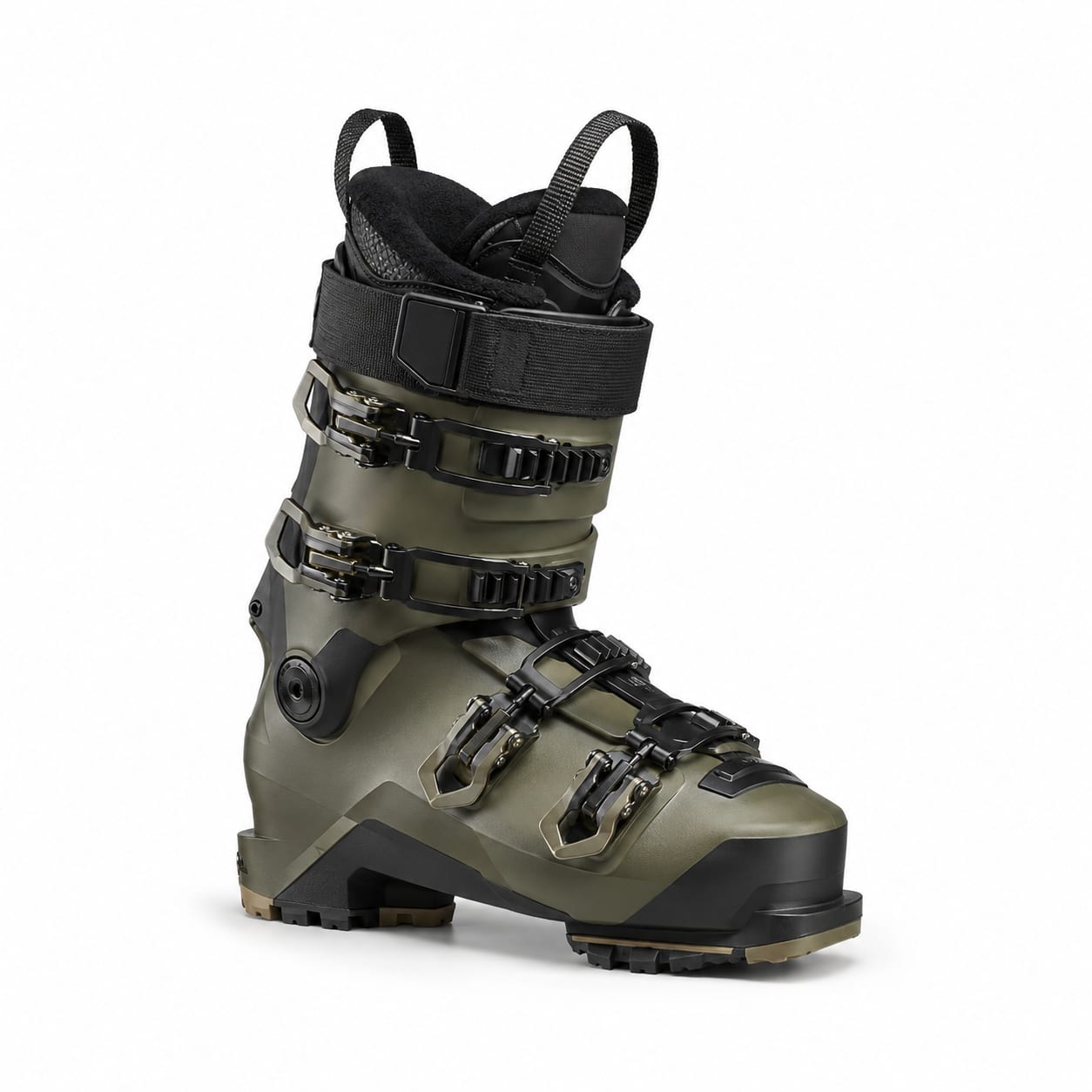
All-Mountain Ski Boots
$300 – $850
Versatile ski boots designed to handle the widest range of terrain and conditions at a resort.
Balanced flex patternMedium last width (97-104mm)GripWalk-compatible soles
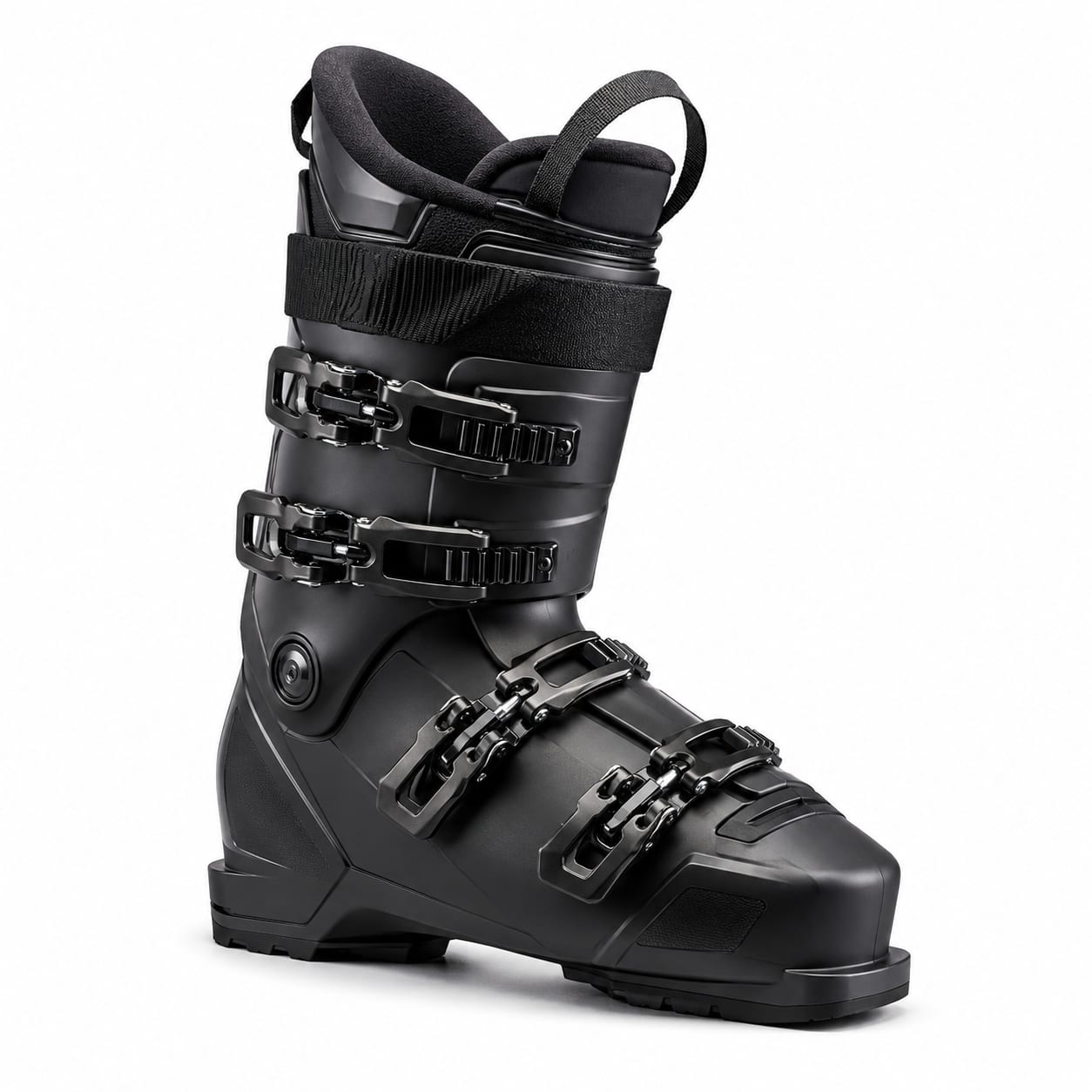
Frontside / Piste Ski Boots
$350 – $950
High-performance boots optimized for groomed run skiing with precise edge control and power transmission.
Narrow last (93-98mm)Stiff flex (110-150)Aggressive forward lean (14-18°)
More questions
- Can I use race boots for regular resort skiing if I'm an expert skier but don't race?
- My feet hurt in race boots—is that normal?
- Do I really need custom footbeds with race boots?
- Can I put GripWalk soles on a race boot?