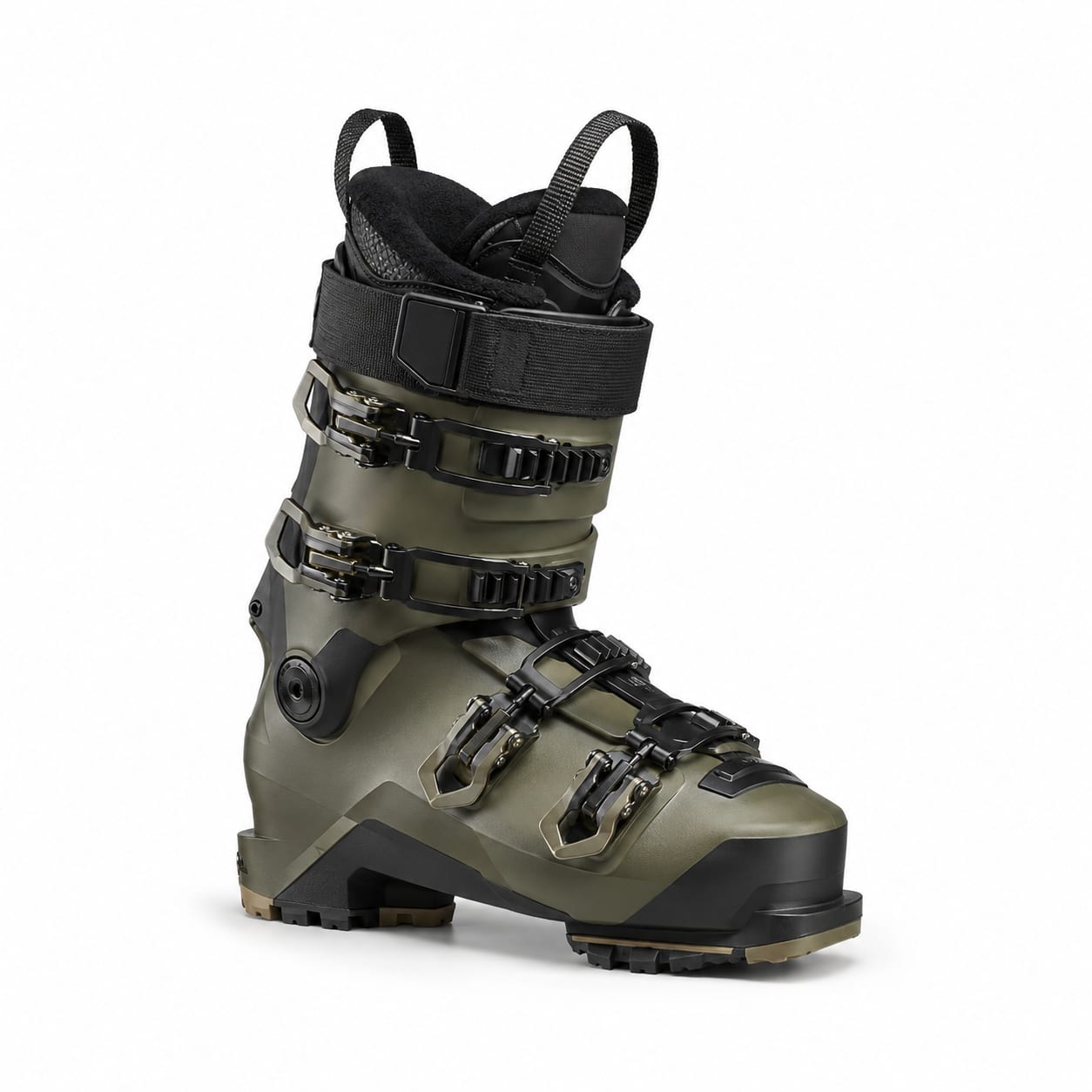
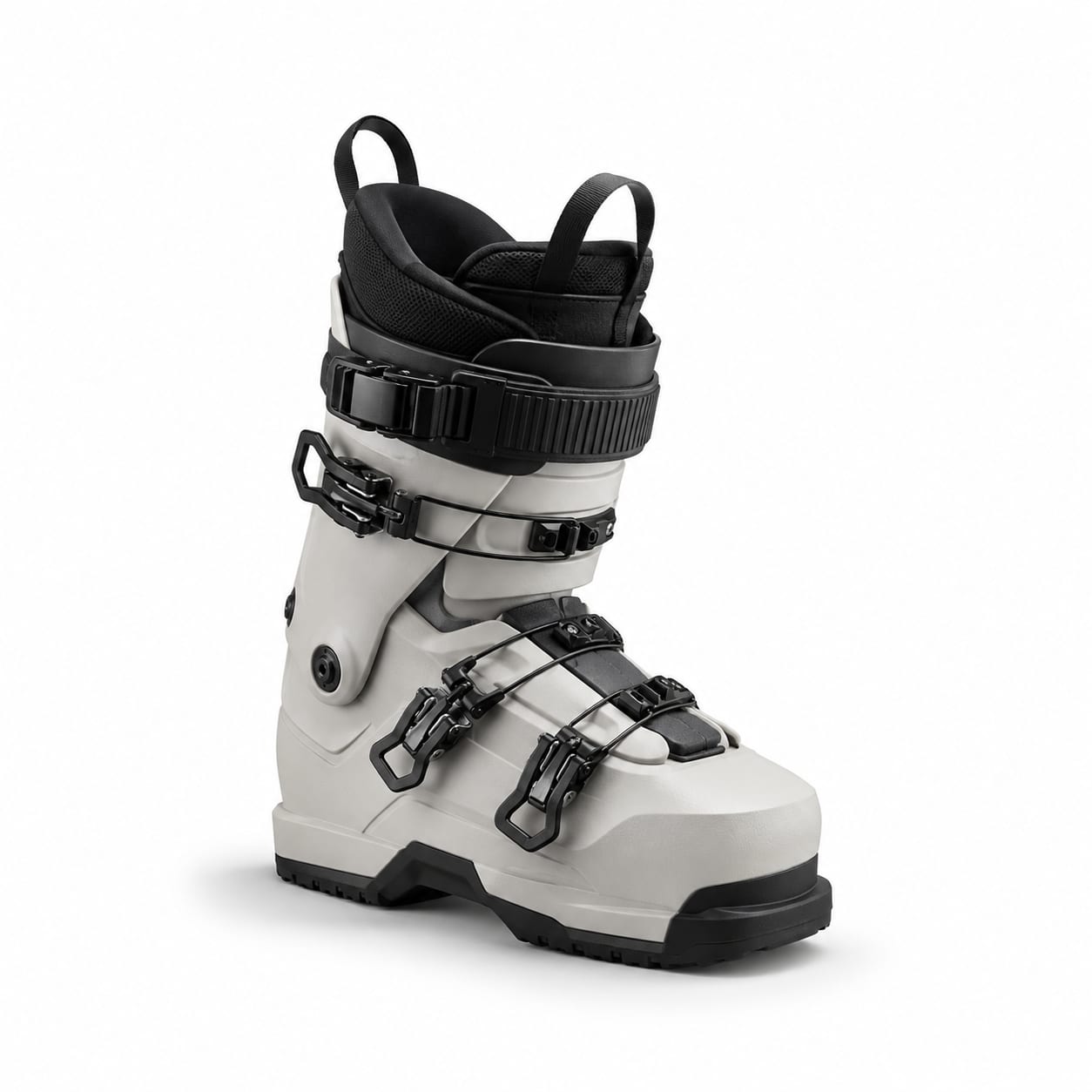
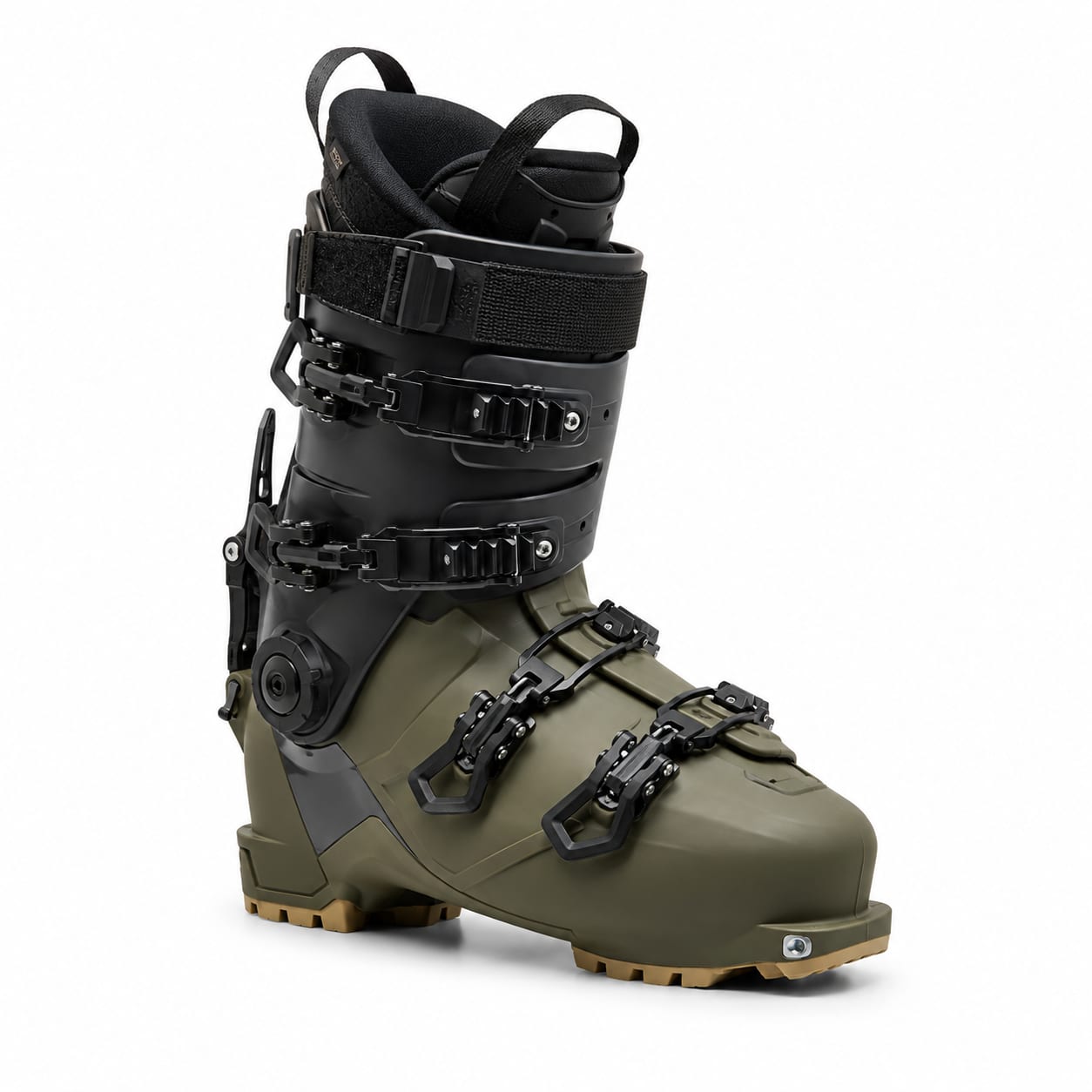
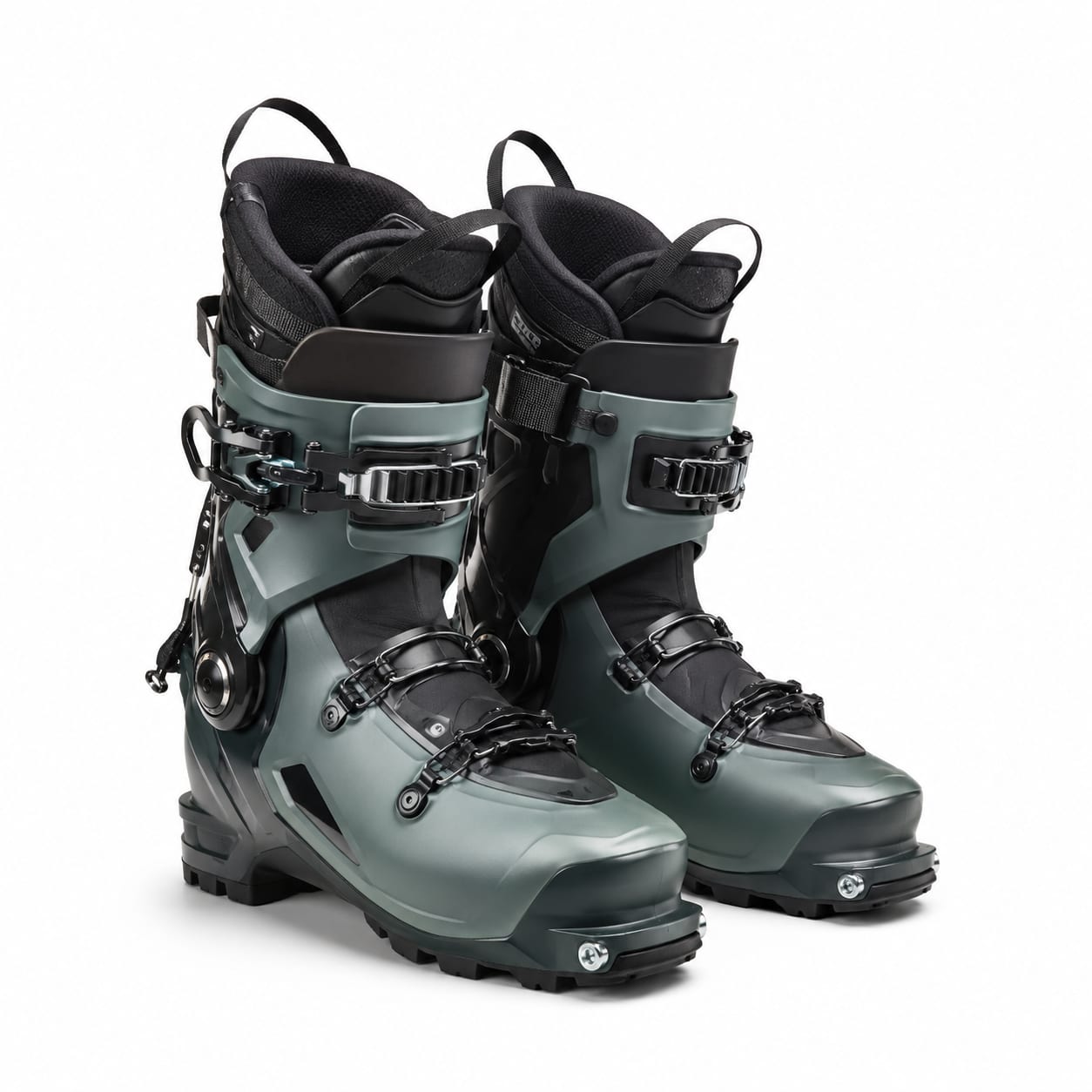
Kitvore.com

Kitvore.com

Specs that matter. Gear that fits.

Ski Boots · Subcategory

Frontside / Piste Ski Boots

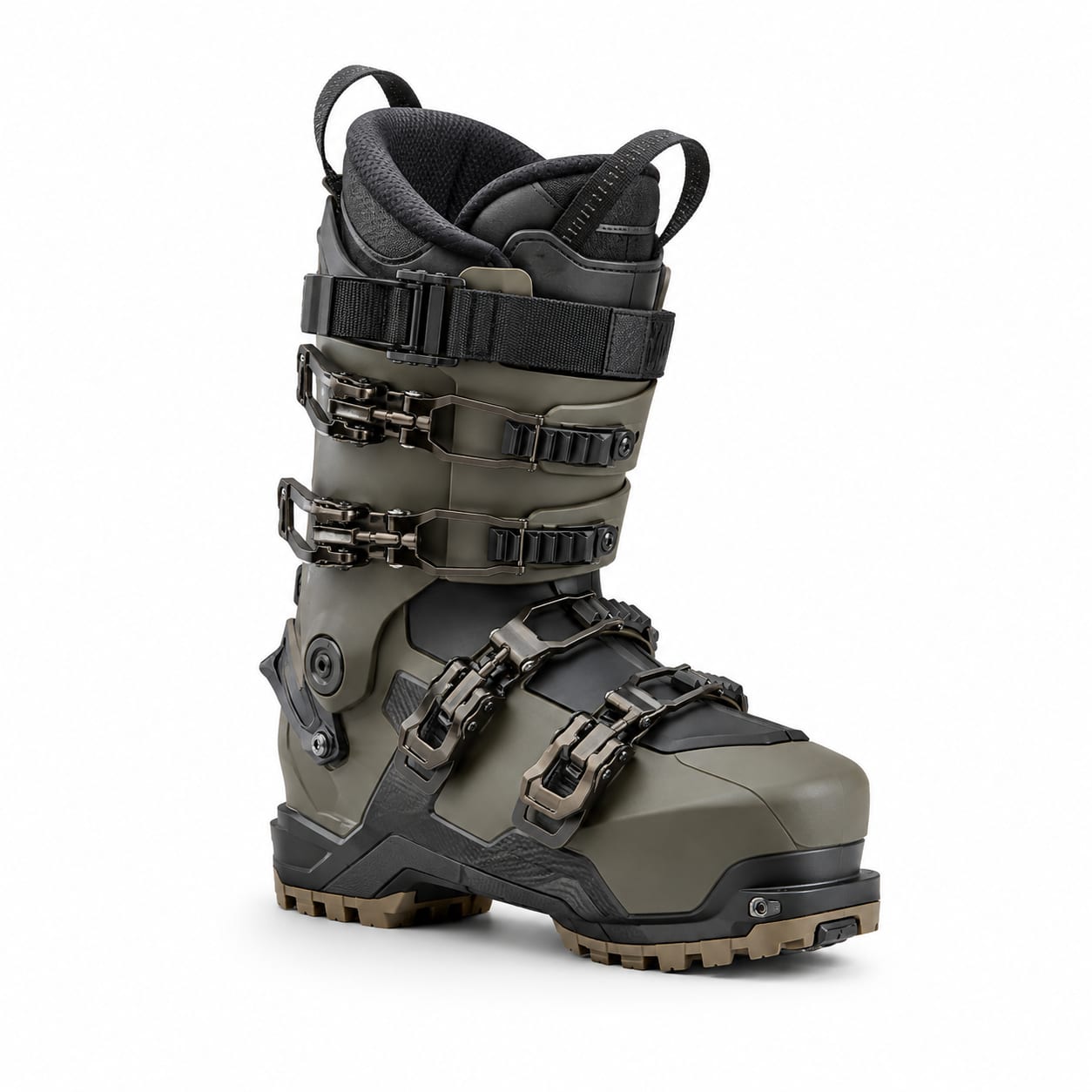
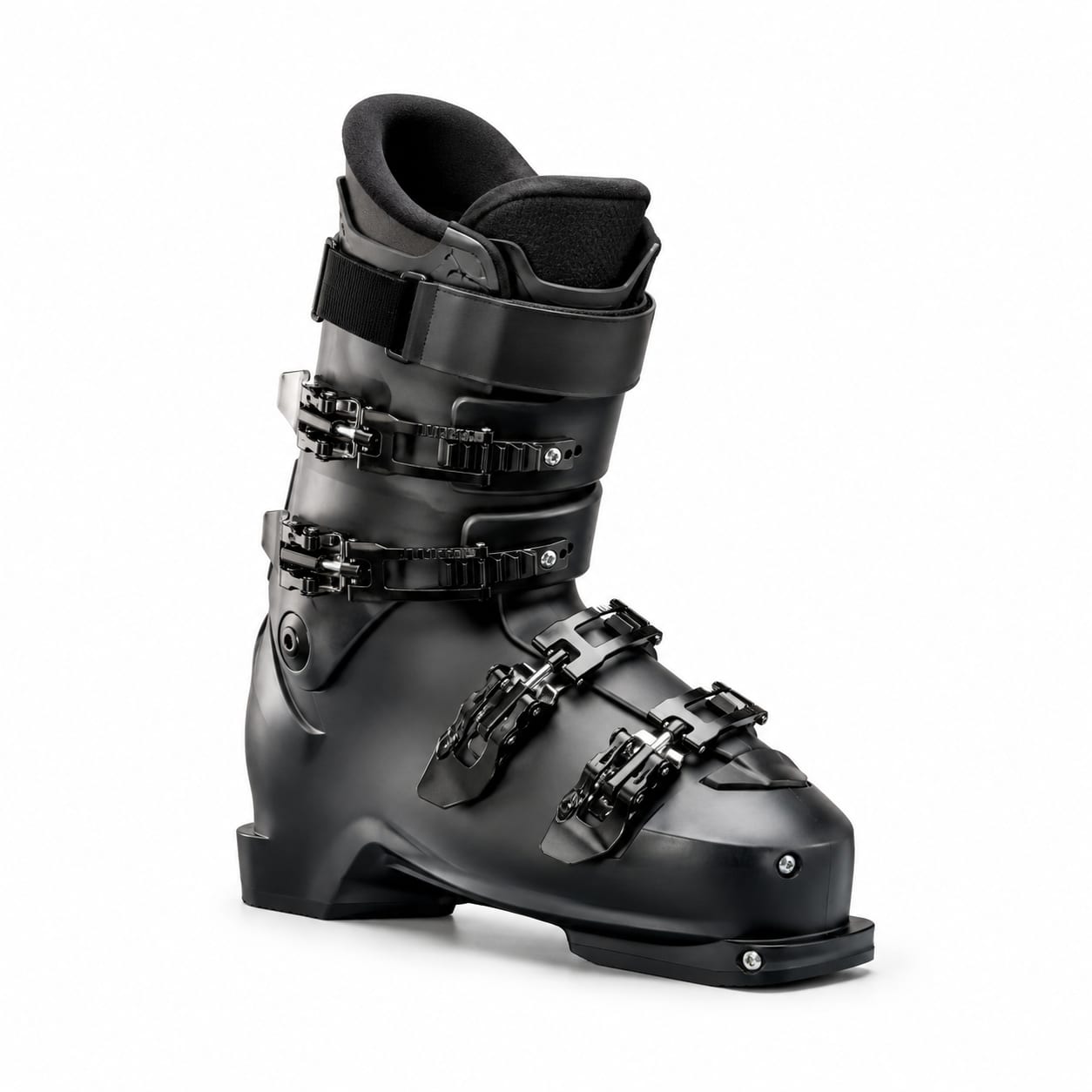
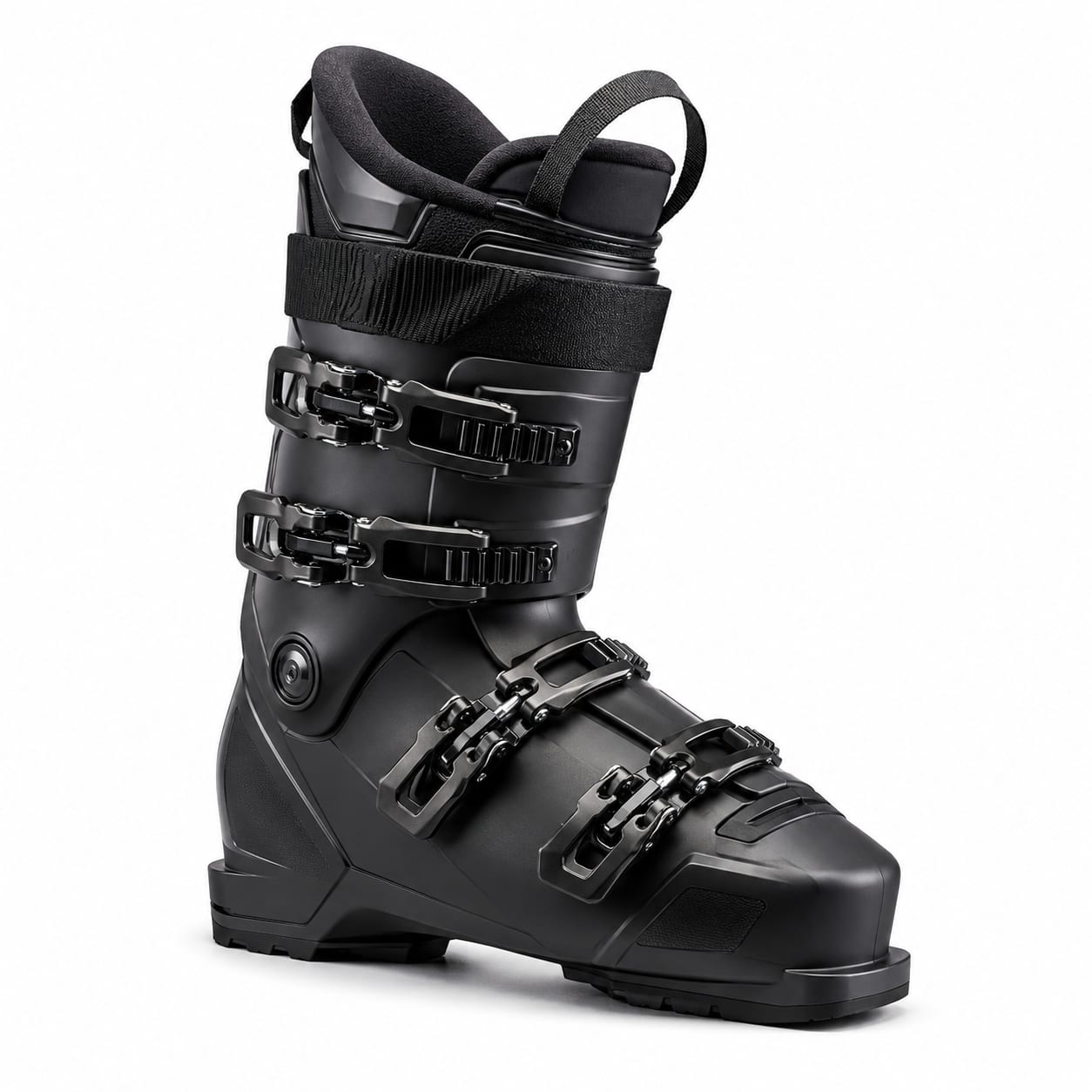
High-performance ski boots engineered for maximum precision, edge control, and power transfer on groomed runs.

Frontside ski boots are the choice for skiers who live for carving clean arcs on groomed snow. With stiff flex, snug fits, and uncompromising construction, they transform every input into instant edge engagement. If your happy place is a freshly groomed blue or black run and you demand razor-sharp responsiveness, this is your category.

$350 – $950premium tierintermediateadvancedexpert

Best known for

Explosive edge-to-edge power transferHigh-speed carving stabilitySnug, performance-oriented fitStiff, responsive flex for aggressive skiing
Frontside / Piste Ski Boots

Guide

Detailed overview

Frontside or piste ski boots are purpose-built for skiers who prioritize groomed-run performance above all else. Characterized by stiff flex ratings (typically 110–130+), narrow last widths (95–98mm), and low-volume insteps, these boots create a direct connection between your leg and the ski edge. Every ounce of energy you put into the boot translates into immediate edge pressure, allowing for precise, high-speed carves and confident grip on hardpack and ice. Unlike all-mountain or freeride boots, frontside boots forgo versatility features like walk mode and wide fits in favor of pure on-piste power. They are the weapon of choice for advanced and expert skiers, former racers, and anyone who treats the groomed run as their racetrack.

Frontside ski boots occupy a specialized niche in the boot landscape, sitting between all-mountain boots and full race boots. While all-mountain boots compromise slightly to handle varied terrain, and race boots are built strictly for competition, frontside boots deliver race-inspired performance in a package that is still skiable for advanced recreational skiers. The defining characteristics are a stiff flex that resists forward bending under aggressive pressure, a narrow last that locks the foot securely for zero slop, and a low-volume instep that maximizes heel hold and energy transfer.

The on-snow experience with a properly fitted frontside boot is transformative compared to softer, roomier boots. When you roll your ankles to initiate a turn, the response is instantaneous—the ski snaps onto its edge and holds with tenacity that softer boots simply cannot match. This is especially noticeable on hardpack, icy groomers, and steep terrain where edge grip is the difference between a confident carve and a sketchy slide. The stiff cuff also provides a stable platform for driving the ski tips at speed, preventing the boot from collapsing under the massive forces generated in high-angle carves.

However, this performance comes with trade-offs. The stiff, snug fit that makes frontside boots so responsive also makes them less forgiving and less comfortable than softer alternatives. Skiers with wider feet or high insteps may find the typical 95–98mm last width uncomfortably tight, though some brands offer wider options in the 100–102mm range. The lack of walk mode means clunky walking in parking lots and lodges, and the aggressive forward lean can fatigue less experienced skiers who lack the ankle mobility and leg strength to maintain proper stance. Frontside boots also tend to be heavier than touring-oriented options, though weight is rarely a primary concern for dedicated piste skiers.

For the right skier—someone who spends 80% or more of their time on groomed runs and has the technique and physical strength to drive a stiff boot—frontside boots are the clear choice. They reward skill with a level of precision and control that no all-mountain boot can fully replicate. The key is honest self-assessment: if you are still developing your technique or prefer a more relaxed skiing style, a slightly softer all-mountain boot will serve you better. But if you crave the feeling of laying down trenches on a freshly groomed run, a frontside boot is your essential tool.

Quick facts

Primary purpose
High-performance groomed run skiing with maximum edge control
Popular brands
LangeTecnicaSalomonNordicaAtomic
Typical terrain
groomed runshardpackicecarved turns

What makes it different

Narrowest fit category; Highest flex ratings outside race; Maximum lateral stiffness; Optimized for hardpack edge grip

Recommended ranges

How this type usually specs out

Each spec is explained in plain language, then we show what buyers usually look for on this type.

Boot Type / Discipline

Boot Type

What it means

The primary intended use category of the ski boot, which determines overall construction, features, and performance characteristics.

Typical for this type

Frontside

In practice

Frontside/piste boots are defined by their frontside classification, meaning they are optimized specifically for groomed-run skiing with construction choices that prioritize edge control and power transfer over versatility.

Compared to other types

Unlike all-mountain boots which balance multiple terrain needs, or freeride boots which add uphill capability, frontside boots are single-mindedly focused on downhill groomed-run performance.

Why it matters: The boot type determines the entire design philosophy. Frontside boots sacrifice walk mode, wide fits, and soft flex to deliver maximum on-piste performance.

Flex Rating (Stiffness)

Flex Rating

What it means

A numerical index indicating how resistant the boot cuff is to forward bending. Higher numbers mean stiffer boots that resist flex more, providing more precise power transfer but requiring more strength and technique to drive.

Typical for this type

110–130

Most common pick: 120

In practice

Frontside boots typically feature stiff to very stiff flex ratings. A flex of 110–120 suits advanced piste skiers, while 130+ is common for expert carvers and those with racing backgrounds. Women's frontside boots typically range from 95–110.

Compared to other types

Significantly stiffer than all-mountain (85–110), freeride (100–120), and freestyle (80–100) boots. Comparable to race boots (130–150) but slightly more accessible.

Why it matters: Stiff flex is essential for frontside boots because it prevents the cuff from collapsing under the high edge angles and forces generated during aggressive carving. It ensures energy is transferred to the ski rather than absorbed by the boot.

Last Width (Forefoot Width)

Last Width

What it means

The width of the boot shell at the widest point (forefoot/ball area), measured in millimeters. This is the single most important fit dimension for comfort and control.

Typical for this type

95–100mm

Most common pick: 97mm

In practice

Frontside boots typically feature narrow to medium lasts. The most common performance widths are 95–97mm for low-volume feet and 98–100mm for medium-volume feet. Some brands offer 102mm options for wider feet who still want piste performance.

Compared to other types

Narrower than all-mountain (98–102mm typical), freeride (99–104mm), and freestyle (100–104mm) boots. Similar to race boots (92–97mm).

Why it matters: A narrower last locks the foot more securely, eliminating slop that would reduce edge precision. Even small amounts of foot movement inside the shell translate to delayed or imprecise edge engagement at high speeds.

Volume / Instep Height

Volume / Instep Height

What it means

The overall internal volume and height of the boot through the instep and midfoot area. Categorized as low, medium, or high volume, this affects both comfort and heel hold.

Typical for this type

Low Volume to Medium Volume

In practice

Most frontside boots are low volume to maximize heel hold and minimize internal movement. Medium-volume options exist for skiers with average insteps who still want piste performance. High-volume frontside boots are rare.

Compared to other types

Frontside boots skew lower in volume than all-mountain and freeride boots, which often offer medium and high-volume options for comfort-oriented skiers.

Why it matters: Low volume ensures the foot is held firmly, particularly at the heel and instep, which is critical for precise edge control. Any heel lift or instep movement results in power loss and delayed response.

Shell Material

Shell Material

What it means

The primary plastic or composite material used in the boot shell and cuff, which affects weight, stiffness, cold-weather performance, and ease of entry.

Typical for this type

Polyurethane Pu Or Composite

In practice

Polyurethane (PU) is the dominant shell material for frontside boots due to its consistent flex across temperatures, excellent energy transmission, and proven durability. Some premium models use composite construction with PU lower shells and stiffer or lighter cuff materials.

Compared to other types

Unlike touring boots which favor lightweight Grilamid or Pebax, frontside boots prioritize the consistent power delivery of PU. Composite shells are a premium option that blends PU's power with weight savings in the cuff.

Why it matters: PU provides the most consistent and predictable flex, which is essential for the precise, repeatable performance that frontside skiers demand. It maintains its characteristics in cold weather better than polyamide alternatives.

Liner Type

Liner Type

What it means

The type of inner boot/liner that provides insulation, cushioning, and customizable fit around the foot and ankle.

Typical for this type

Intuition Or Thermo Formable

In practice

Mid-to-high-end frontside boots typically come with Intuition-style heat-moldable foam liners or quality thermo-formable stock liners. These provide the custom fit needed for performance skiing. Entry-level frontside boots may have basic thermo-formable liners.

Compared to other types

Frontside boots at similar price points tend to have equal or better liners than all-mountain boots. Race boots may feature custom foam injected liners for maximum precision.

Why it matters: A heat-moldable liner conforms to your foot shape, filling voids and locking the heel. This is especially important in frontside boots where any internal movement compromises edge precision.

Number of Buckles

Buckle Count

What it means

The number of closure buckles on each boot. More buckles provide finer adjustment and more even closure pressure, while fewer buckles save weight and simplify entry.

Typical for this type

4

In practice

All frontside boots feature 4 buckles, which is the standard for maximum closure precision and even pressure distribution. This is non-negotiable for the performance demands of piste skiing.

Compared to other types

Touring boots may use 2–3 buckles to save weight, and some freeride boots use 3. Frontside boots always use 4 for maximum performance.

Why it matters: Four buckles allow independent adjustment across the toe, instep, ankle, and lower leg. This fine-tuned closure is essential for the precise fit and power transfer that frontside skiing demands.

Walk Mode / Hike Mechanism

Walk Mode

What it means

A mechanism that unlocks the cuff from the lower shell, allowing a greater range of forward motion for walking, hiking, or skinning.

Typical for this type

False (Occasionally True On Newer Models)

In practice

Traditional frontside boots do not include walk mode, as it adds weight, complexity, and a potential flex point that can reduce power transfer. However, some newer frontside models are beginning to incorporate walk mechanisms as the feature becomes more expected even among resort skiers.

Compared to other types

Unlike freeride and touring boots where walk mode is standard, most frontside boots omit it for pure performance. Some modern all-mountain boots include walk mode as a convenience feature.

Why it matters: The absence of walk mode eliminates a potential weak point in the boot's structure, ensuring maximum power transfer and consistent flex. The trade-off is awkward walking in lodges and parking lots.

Walk Range of Motion (Degrees)

Walk Range of Motion

What it means

The total range of forward cuff rotation when in walk mode, measured in degrees. Greater range makes walking, skinning, and hiking easier and more natural.

Typical for this type

N/A for most frontside boots; 15–25° for models with walk mode

Most common pick: N/A (No Walk Mode)

In practice

The majority of frontside boots lack walk mode entirely, so walk range is not applicable. The few frontside models that include walk mode typically offer a limited range of 15–25°, sufficient for lodge walking but not for serious skinning.

Compared to other types

Freeride boots typically offer 25–40°, and touring boots offer 50–70°. Frontside boots with walk mode have the most limited range.

Why it matters: If you occasionally hike to sidecountry or want easier walking, a frontside boot with walk mode can be a compromise. However, the limited range means these are not suitable for touring.

Boot Sole Length (BSL)

Boot Sole Length

What it means

The length of the boot sole in millimeters, critical for binding setup and adjustment. Different from mondo point size; the same size boot can have different BSL across brands.

Typical for this type

Determined By Foot Size; Not A Choice Dimension

Most common pick: Varies By Size (E.G., 306mm for men's 26.5, 293mm for women's 24.5)

In practice

BSL is determined by your mondo point size and varies by brand and model. Frontside boots do not have unusual BSL characteristics compared to other alpine boots. Always verify BSL when switching boots to ensure binding compatibility.

Compared to other types

Comparable to all-mountain and freestyle boots. Touring boots may have different BSL due to tech-compatible soles.

Why it matters: BSL must be known for proper binding adjustment. Using boots with a different BSL than your previous pair requires binding re-adjustment for safety.

Forward Lean Angle

Forward Lean

What it means

The angle of the cuff relative to vertical, positioning the skier's body forward over the skis. Affects stance, balance, and the ability to drive the ski tips.

Typical for this type

15–18°

Most common pick: 17°

In practice

Frontside boots typically have more aggressive forward lean angles (15–18°) to position the skier in an athletic, forward stance that drives the ski tips. Many models offer adjustable forward lean with 2–3 positions.

Compared to other types

More aggressive than all-mountain (14–16°), freeride (14–16°), and freestyle (12–15°) boots. Similar to race boots (16–20°).

Why it matters: More forward lean encourages an aggressive stance that keeps weight over the ski tips, which is essential for initiating and maintaining carved turns. However, it requires adequate ankle mobility and leg strength.

GripWalk Sole Compatibility

GripWalk Compatible

What it means

Whether the boot features a GripWalk sole profile (rockered, rubberized) that requires GripWalk-compatible bindings for safe use.

Typical for this type

Depends On Existing Binding Compatibility

Most common pick: Alpine Standard Or Gripwalk

In practice

Frontside boots are available in both alpine standard (DIN) soles and GripWalk soles. Alpine standard remains common for pure piste performance, but GripWalk is increasingly offered as it improves walking comfort without significant performance penalty. Choose based on your binding compatibility.

Compared to other types

Frontside boots are more likely to offer alpine standard soles than freeride or touring boots, which increasingly default to GripWalk or tech soles.

Why it matters: If you have GripWalk-compatible bindings, GripWalk soles significantly improve walking comfort on hard surfaces. If you have standard alpine bindings, you must use alpine standard soles for safety.

Weight Per Pair (grams)

Weight Per Pair

What it means

The total weight of both boots in grams. Weight significantly affects touring efficiency and all-day fatigue, with lighter boots being easier on the uphill but sometimes sacrificing downhill performance.

Typical for this type

3800–4400g

Most common pick: 4000g

In practice

Frontside boots are among the heavier ski boot categories, typically weighing 3800–4400g per pair for men's models. The robust PU shells, 4-buckle construction, and lack of weight-saving measures contribute to this weight, which is a byproduct of their performance-first design.

Compared to other types

Heavier than touring (1800–3200g) and freeride (3200–4000g) boots. Similar to all-mountain boots (3500–4200g). The weight is a trade-off for maximum power and stability.

Why it matters: Weight is not a primary concern for frontside boots since they are designed for lift-served skiing. The mass contributes to stability at speed and dampening of vibrations on hardpack.

Micro-Adjustable Buckles

Micro-Adjustable Buckles

What it means

Whether the buckles can be fine-tuned with a screw mechanism for precise tension adjustment beyond the standard catch positions.

Typical for this type

True (Strongly Recommended)

In practice

Micro-adjustable buckles are standard on nearly all mid-range and above frontside boots. They allow precise tension tuning, which is critical for the exact fit that frontside performance demands.

Compared to other types

More consistently featured than on entry-level all-mountain or freestyle boots. Standard on frontside boots at all but the lowest price points.

Why it matters: Micro-adjustment lets you fine-tune closure tension throughout the day as feet swell or conditions change. This level of precision is important for maintaining consistent performance and comfort in a snug-fitting boot.

Power Strap Type

Power Strap

What it means

The velcro or mechanical strap at the top of the cuff that provides additional closure power and fine-tuning of upper cuff tension.

Typical for this type

Wide Velcro Or Buckle Strap

In practice

Frontside boots typically feature wide velcro straps (40mm+) or mechanical/buckle straps. The wider or more robust strap provides better upper cuff closure power, which is important for driving the ski tips and maintaining forward pressure.

Compared to other types

Frontside boots more commonly feature wide velcro or buckle straps compared to all-mountain and freestyle boots, which may use standard 30–35mm velcro straps.

Why it matters: A robust power strap ensures the upper cuff is firmly connected to the lower leg, preventing energy loss at the top of the cuff. This is particularly important for the aggressive forward pressure used in carved turns.

Cuff Alignment / Cant Adjustment

Cuff Alignment Adjustment

What it means

The ability to adjust the lateral angle of the cuff relative to the lower shell, accommodating bowlegged or knock-kneed stances for proper edge engagement.

Typical for this type

True (Recommended)

In practice

Cuff alignment adjustment is commonly available on frontside boots, allowing the cuff angle to be adjusted laterally to accommodate bowlegged or knock-kneed stances. This is important for achieving proper edge engagement on both skis.

Compared to other types

More consistently offered than on entry-level all-mountain or freestyle boots. Standard on performance-oriented frontside models.

Why it matters: Proper cuff alignment ensures both skis engage edges equally, which is critical for symmetric carving performance. Misalignment can cause one edge to grip while the other slides, undermining the precision that frontside boots are designed to deliver.

Recommended Skill Level

Recommended Skill Level

What it means

The skier ability level the boot is designed and optimized for, which correlates with flex, features, and overall construction philosophy.

Typical for this type

Advanced to Expert

In practice

Frontside boots are designed for advanced to expert skiers who have the technique, strength, and ankle mobility to drive a stiff, responsive boot. Intermediate skiers who are progressing rapidly and primarily ski groomers may consider softer frontside models (flex 100–110).

Compared to other types

Frontside boots target a higher skill level than all-mountain (intermediate to advanced) and freestyle (intermediate to advanced) boots. Similar to race boots (expert only) but slightly more accessible.

Why it matters: A boot that is too stiff for your ability level will cause fatigue, poor technique, and discomfort. Frontside boots demand that the skier can properly flex and drive the boot; otherwise, the stiffness works against you rather than for you.

Evaluation

Strengths and trade-offs

Pros

What this type does best

Unmatched edge-to-edge precision

Critical

The stiff flex and snug fit create a direct connection between your leg and ski edge, delivering instantaneous response to every movement. This precision allows for confident, high-speed carving that softer boots cannot replicate.

Maximum power transfer

Critical

Every ounce of energy you put into a frontside boot goes directly to the ski. There is no slop to absorb input, no soft flex to collapse under pressure. This efficiency translates to less fatigue and more control over the course of a day.

Superior grip on hardpack and ice

High

The combination of stiff flex, precise fit, and aggressive forward lean allows you to drive edges into hard snow with authority. Where softer boots might feel sketchy on icy groomers, frontside boots hold with confidence.

Stability at speed

High

The robust construction and stiff cuff provide a stable platform that doesn't chatter or collapse at high speeds. This inspires confidence to push harder and ski faster on open groomers.

Race-inspired performance accessible to recreational skiers

High

Frontside boots deliver much of the precision and response of race boots in a more forgiving package. Advanced skiers get race-level performance without the extreme demands of a true race boot.

Adjustable features for fine-tuning

Medium

Most frontside boots offer adjustable forward lean, cuff alignment, and micro-adjustable buckles, allowing you to dial in your stance and fit for optimal performance.

Durable construction

Medium

PU shell construction is proven and long-lasting. Frontside boots are built to handle the forces of aggressive carving season after season without significant degradation in performance.

Cons

Trade-offs to be aware of

Unforgiving for less skilled skiers

Significant

The stiff flex that makes frontside boots so responsive also makes them demanding. Skiers without the technique or strength to properly drive the boot will experience fatigue, poor technique, and frustration rather than enhanced performance.

Limited versatility off-piste

Significant

Frontside boots are optimized for groomed snow. In powder, moguls, and variable off-piste conditions, their stiffness and narrow fit can feel harsh and unforgiving. They are not the right choice if you regularly venture off the groomers.

Comfort challenges for wider or high-volume feet

Moderate

The narrow lasts and low-volume insteps that define frontside boots can be painful for skiers with wide feet or high insteps. While some wider options exist, the performance-oriented fit inherently prioritizes control over comfort.

Poor walking experience

Moderate

Without walk mode and with stiff flex, walking in frontside boots is clunky and awkward. Navigating parking lots, lodges, and stairs is noticeably less comfortable than in boots with walk mode and softer flex.

Can cause fatigue on long days

Minor

The aggressive forward lean and stiff flex require constant engagement of the leg muscles. Less conditioned skiers may find their legs burning earlier in the day compared to softer, more upright boots.

Best for

Terrain

Groomed runsHardpackIcy groomersSteep groomed pitches

Snow conditions

HardpackIcy conditionsFirm groomersSpring morning groomers

Skill level

AdvancedExpert

Riding style

CarvingHigh-speed cruisingRace trainingPerformance piste skiing

Rider profile

Former racers who ski resortAggressive piste skiers who prioritize carvingAdvanced skiers who spend 80%+ time on groomersSkiers who value precision over comfortStrong, athletic skiers with good ankle mobility

Not ideal for

Reasons

Too stiff for developing skiers to flex properly, leading to poor technique and fatigueNarrow fit and stiff flex transmit too much vibration in moguls and variable snowNo walk mode makes them impractical for any uphill travelAggressive forward lean and stiff cuff are overkill for casual, relaxed skiing

Terrain

Deep powderTight mogulsBackcountryVariable off-piste snow

Skill level

BeginnerLower intermediate

Riding style

Freestyle and parkBackcountry touringCasual cruisingMogul skiing

Compare

How it stacks up

This page

Frontside / Piste Ski Boots

Superior edge grip, power transfer, and carving precision. Stiffer flex and snugger fit provide noticeably more responsive performance on groomed snow.

Alternative

All-Mountain Ski Boots

More versatile for varied terrain, more comfortable fit options, often include walk mode, and more forgiving flex for mixed-condition skiing.

Bottom line

Choose frontside if you spend 80%+ of your time on groomers and prioritize carving performance. Choose all-mountain if you regularly ski off-piste, moguls, or want a more comfortable, versatile boot.

This page

Frontside / Piste Ski Boots

More accessible flex and fit for advanced recreational skiers. Less expensive while still delivering race-inspired performance. More comfortable for all-day skiing.

Alternative

Race Ski Boots

Maximum possible stiffness (130–150 flex) and precision for competitive racing. Tighter fits and more aggressive geometry for the absolute highest level of performance.

Bottom line

Choose frontside for high-performance recreational piste skiing. Choose race only if you are actively competing in sanctioned races and need every possible advantage.

This page

Frontside / Piste Ski Boots

Better edge-to-edge precision and power transfer on hardpack. Stiffer, more consistent flex without the compromise of walk mode mechanism. Lighter than many freeride boots despite lacking walk mode.

Alternative

Freeride Ski Boots

Walk mode for sidecountry access and lodge walking. Wider fit options and slightly more forgiving flex for variable snow. Better versatility for mixed on-piste and off-piste days.

Bottom line

Choose frontside if you never leave the resort and want maximum piste performance. Choose freeride if you regularly access sidecountry, ski powder, or want the convenience of walk mode.

This page

Frontside / Piste Ski Boots

Far superior edge grip and carving performance. More stable at high speeds. Better power transfer for driving skis on steep, firm terrain.

Alternative

Freestyle / Park Ski Boots

Softer flex provides better feel and shock absorption for landings. More comfortable for all-day park sessions. Wider fits accommodate thicker socks and foot swelling from impacts.

Bottom line

Choose frontside for groomed-run performance skiing. Choose freestyle if you spend significant time in the terrain park, hitting features, or prefer a softer, more playful feel.

Shopping

Buying tips

  • 1

    Be honest about your ability. A frontside boot that is too stiff is worse than a slightly softer all-mountain boot. If you cannot comfortably flex the boot in a shop, it is too stiff for you on the hill.

  • 2

    Prioritize fit over flex number. A 100-flex boot that fits your foot perfectly will outperform a 130-flex boot that is too wide or has heel slip. Last width and volume matter more than the flex index.

  • 3

    Get professionally fitted. Frontside boots demand a precise fit, and a bootfitter can assess your foot shape, recommend the right last width and volume, and make modifications if needed.

  • 4

    Consider your existing bindings when choosing between alpine standard and GripWalk soles. GripWalk soles are a nice convenience but only if your bindings are compatible.

  • 5

    Factor in liner pack-out. A frontside boot should feel very snug out of the box—almost uncomfortably tight—because the liner will compress 5–10% over the first 10–15 days of skiing. If it feels perfect in the shop, it will be too loose after break-in.

  • 6

    If you have wide feet but want frontside performance, look for models in 100–102mm lasts from brands like Tecnica, Dalbello, or Nordica that offer wider performance fits. Do not size up to compensate for width.

  • 7

    Test forward lean adjustment if available. Start with the middle setting and experiment over several days. More lean feels more aggressive but requires more ankle mobility and leg strength.

  • 8

    Do not buy frontside boots online without trying them on first unless you are replacing an identical model. The fit is too precise to risk a mismatch.

Care

Maintenance notes

  • Dry liners after every use by removing them from the shell. This prevents odor, bacterial growth, and liner deterioration that compromises fit.
  • Inspect buckles and ladder straps for wear or damage at the start and midpoint of each season. Replace worn parts before they fail on the hill.
  • Store boots buckled in a cool, dry place during the off-season. Unbuckled storage can cause the shell to deform over time, altering the fit and flex.
  • Keep the boot soles clean and free of debris. Damaged or worn soles can affect binding release function, which is a safety concern.
  • If you have GripWalk soles, inspect the rubber tread periodically. Worn tread reduces walking traction and may affect binding engagement.
  • Consider replacing liners after 80–100 days of use. Packed-out liners compromise the precise fit that frontside boots require for optimal performance.
  • Avoid leaving boots in hot cars or near heat sources, which can deform the shell material and alter the flex characteristics.

Progression

Skill development path

Frontside boots are appropriate for skiers at the advanced level and above. If you are an intermediate skier who is rapidly progressing and primarily skis groomers, you can transition to a softer frontside boot (flex 100–110) as a stepping stone. As your technique, strength, and ankle mobility develop, you can move to stiffer models (115–130). The key milestones for frontside boot readiness are: the ability to carve clean turns on blue and black groomers without skidding, sufficient leg strength to maintain a flexed stance for a full run, and enough ankle mobility to comfortably hold an aggressive forward lean. If you find yourself sitting back or unable to maintain forward pressure, the boot may be too stiff for your current ability.

FAQ

Common questions

Each question has a dedicated page with a full answer and links to the buying guide.

How do I know if a frontside boot is too stiff for me?

Try this test in the shop: with the boot buckled and your knee driving forward, you should be able to flex the boot forward without straining. If you cannot comfortably hold a flexed position for 10–15 seconds, the boot is likely too stiff. On-snow signs include sitting back, inability to initiate turns smoothly, and burning quads early in the day. When in doubt, go slightly softer—you can always move to a stiffer boot next season.

Can I use frontside boots for occasional off-piste skiing?

Yes, but with limitations. Frontside boots will work in light powder and soft off-piste snow, but they will feel harsh and unforgiving in crud, moguls, and variable conditions. If you only occasionally venture off-piste, they are manageable. If you regularly ski off-piste more than 20% of the time, consider an all-mountain or freeride boot instead.

What is the difference between frontside boots and race boots?

Race boots are stiffer (130–150 flex vs. 110–130 for frontside), have tighter fits (92–95mm vs. 95–100mm), more aggressive forward lean, and are designed specifically for competitive racing. Frontside boots deliver similar on-piste performance in a more accessible, slightly more comfortable package. Most advanced recreational skiers are better served by frontside boots than race boots.

Do I need GripWalk soles on a frontside boot?

It depends on your bindings. GripWalk soles significantly improve walking comfort on hard surfaces, which is a real benefit in parking lots and lodges. However, you must have GripWalk-compatible bindings (look for the GW symbol). If your bindings are standard alpine only, you must use alpine standard soles. If you are buying both boots and bindings new, GripWalk is worth considering for the walking comfort.