
Ski Goggles · FAQ
Questions about Photochromic Ski Goggles
Straight answers on fit, specs, and when this type makes sense — each topic has its own page with links back to the buying guide.
Open Photochromic Ski Goggles guide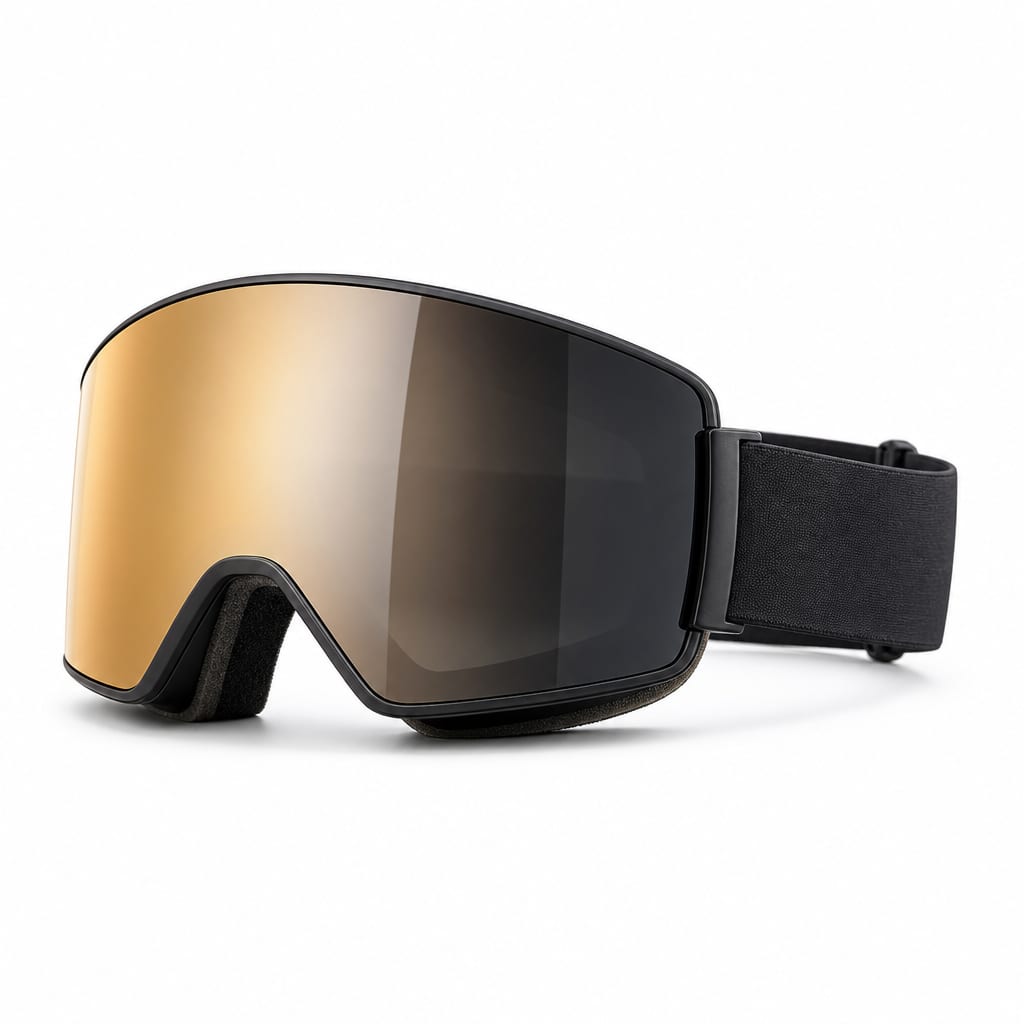
6 topics
Pick a question
Every answer links to the full subcategory guide and related gear types when it helps you decide.
How long does it take for photochromic ski goggles to transition?
Most modern photochromic ski goggles transition from light to dark in approximately 30–60 seconds and from dark to light in 45–90 seconds. The darkening reaction is typically faster than the lightening reaction. Cold temperatures below -10°C (14°F) can slow the lightening reaction noticeably. While not instantaneous, the transition is fast enough for most on-mountain weather changes, which tend to be gradual rather than sudden.
Read answer →02Do photochromic goggles work for night skiing?
Photochromic goggles are not ideal for night skiing. Even in their lightest state, most photochromic lenses have a VLT of 70-85%, which is lower than a dedicated clear night lens at 90%+ VLT. Additionally, there is no UV light at night to activate the photochromic reaction, so the lens stays in its base lightened state. If you night ski regularly, carry a clear lens for your interchangeable photochromic goggle or own a separate night-skiing goggle.
Read answer →03Are photochromic goggles worth the extra cost?
For skiers who regularly encounter variable conditions, photochromic goggles are absolutely worth the premium. They eliminate the need for spare lenses, reduce the risk of lens damage during swaps, and provide seamless adaptation through changing weather. If you ski primarily in consistent conditions (always sunny or always overcast), a fixed-lens goggle matched to those conditions may be more cost-effective. Consider that a single photochromic goggle at $200–$300 can replace two or three fixed-lens setups that would cost $300–$500 total.
Read answer →04Do photochromic goggles work in cold weather?
Yes, but with a caveat. The photochromic chemical reaction slows in cold temperatures, particularly the lightening (clearing) reaction. In temperatures below -10°C (14°F), you may notice the lens takes longer to lighten when moving from sun to shade or when clouds roll in. The darkening reaction is less affected by cold. Modern photochromic goggle technologies have improved cold-weather performance significantly compared to earlier generations, but some slowdown in extreme cold is still expected.
Read answer →05Can I still swap lenses on a photochromic goggle?
Many photochromic goggles feature interchangeable lens systems, allowing you to swap to a dedicated lens for extreme conditions. This is useful for very bright high-altitude days where you want a lower VLT than the photochromic range provides, or for night skiing where you need a clear lens. Check the specific model for its lens interchangeability system—magnetic quick-swap systems are the most convenient for on-mountain changes.
Read answer →06Why doesn't my photochromic goggle get as dark as my friend's sunny-day goggle?
Photochromic goggles have a VLT range (e.g., 22%–80%) that spans from moderately dark to quite light, but they cannot achieve the extremely low VLT of a dedicated sunny lens (8–15%). This is a physical limitation of current photochromic technology—the molecules can only restructure so much. For the vast majority of sunny skiing conditions, the darkest state of a photochromic lens provides adequate glare protection. Only in extreme high-altitude or glacier conditions might you want a dedicated darker lens.
Read answer →