
Photochromic goggles are not ideal for night skiing. Even in their lightest state, most photochromic lenses have a VLT of 70-85%, which is lower than a dedicated clear night lens at 90%+ VLT. Additionally, there is no UV light at night to activate the photochromic reaction, so the lens stays in its base lightened state. If you night ski regularly, carry a clear lens for your interchangeable photochromic goggle or own a separate night-skiing goggle.
Ski Goggles · Photochromic Ski Goggles
Do photochromic goggles work for night skiing?
Related gear types
If this answer nudged you toward a different style, these guides compare specs and trade-offs.
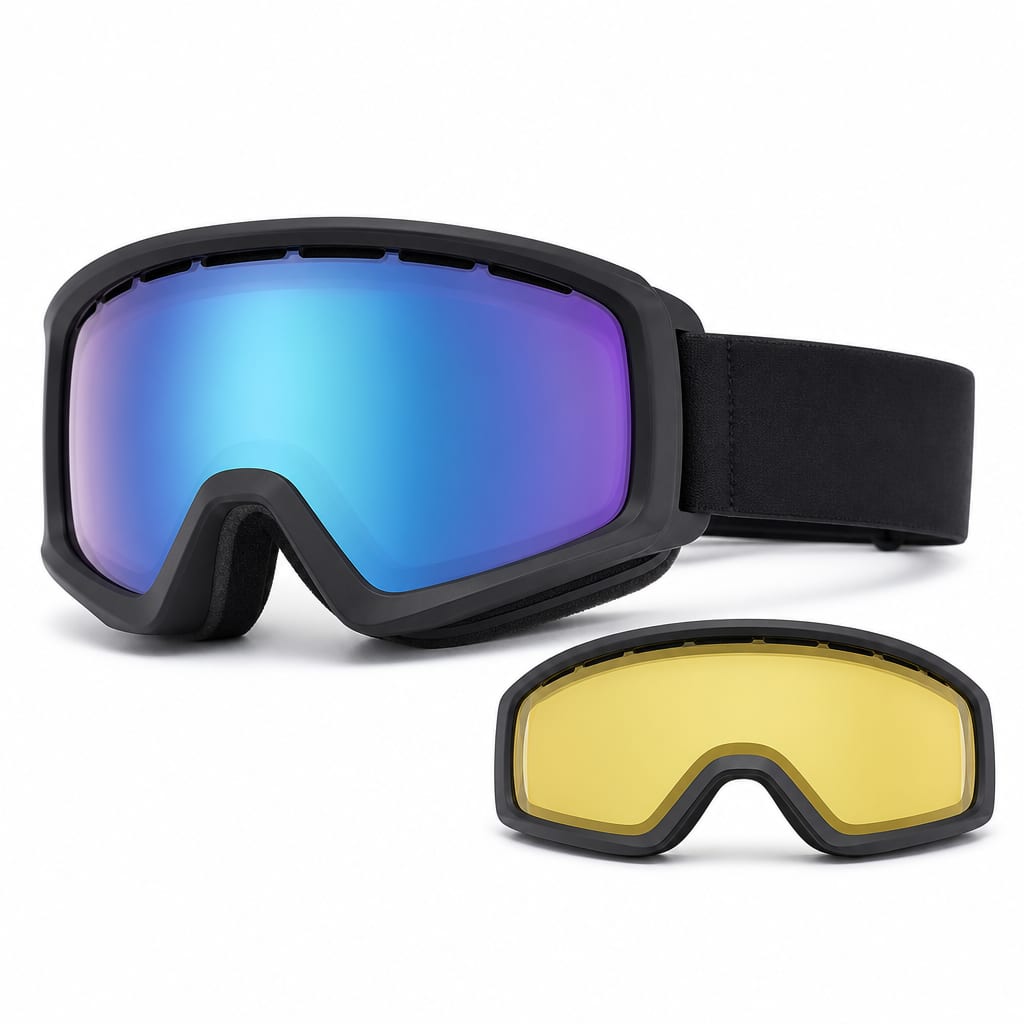
All-Mountain Ski Goggles
$50 – $250
Versatile goggles designed for general use across varied terrain and light conditions.
versatile lens tintshelmet-compatible framesmoderate VLT range
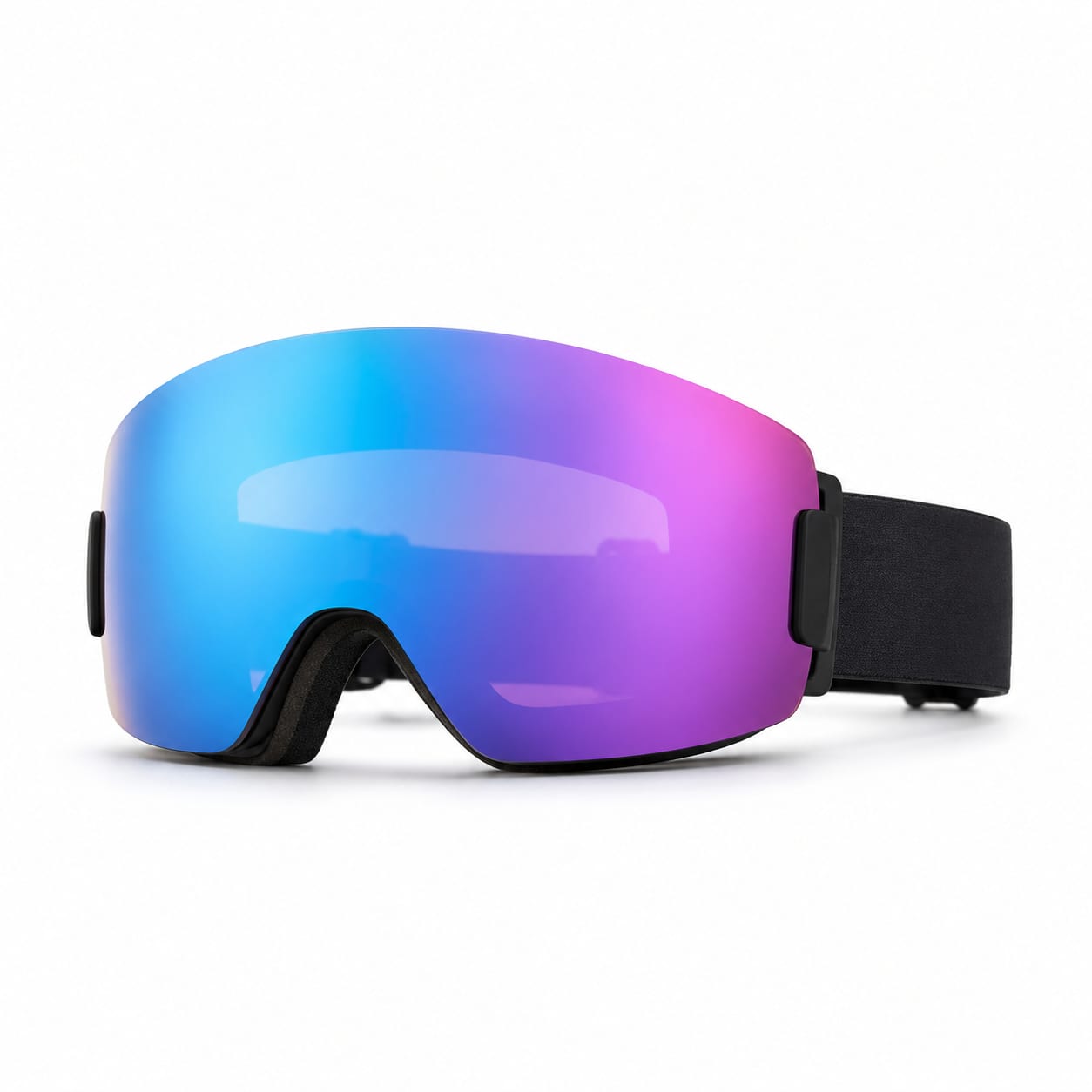
Frameless Ski Goggles
$80 – $300
Goggles with minimal or no frame structure maximizing field of view and modern aesthetics.
minimal frame visibilitymaximum peripheral visionmagnetic lens attachment
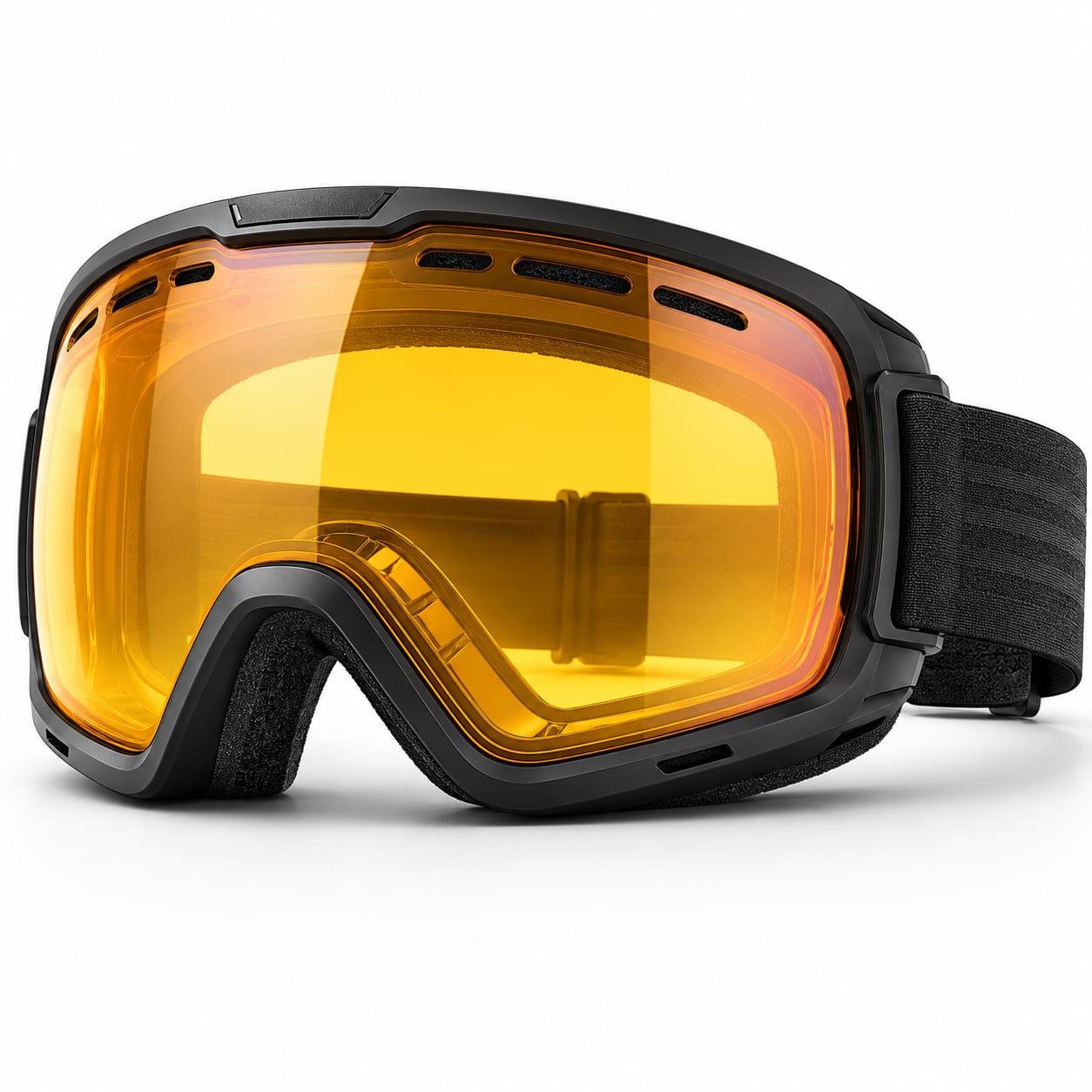
Low-Light / Storm Ski Goggles
$60 – $250
Goggles optimized for flat light, overcast skies, and storm conditions with high-VLT lenses.
high VLT lenses (60-90%)contrast-enhancing tintsyellow/amber/rose lens colors
More questions
- How long does it take for photochromic ski goggles to transition?
- Are photochromic goggles worth the extra cost?
- Do photochromic goggles work in cold weather?
- Can I still swap lenses on a photochromic goggle?