
Photochromic goggles have a VLT range (e.g., 22%–80%) that spans from moderately dark to quite light, but they cannot achieve the extremely low VLT of a dedicated sunny lens (8–15%). This is a physical limitation of current photochromic technology—the molecules can only restructure so much. For the vast majority of sunny skiing conditions, the darkest state of a photochromic lens provides adequate glare protection. Only in extreme high-altitude or glacier conditions might you want a dedicated darker lens.
Ski Goggles · Photochromic Ski Goggles
Why doesn't my photochromic goggle get as dark as my friend's sunny-day goggle?
Related gear types
If this answer nudged you toward a different style, these guides compare specs and trade-offs.
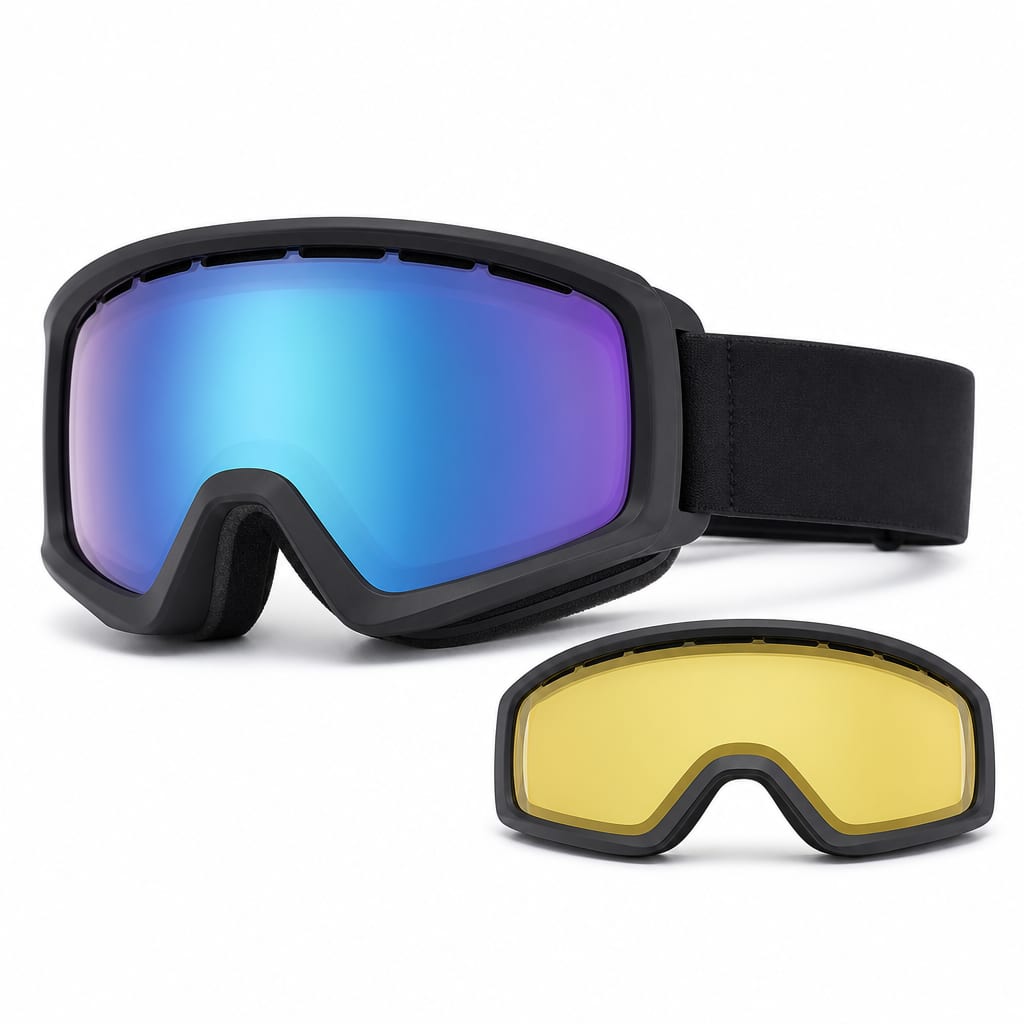
All-Mountain Ski Goggles
$50 – $250
Versatile goggles designed for general use across varied terrain and light conditions.
versatile lens tintshelmet-compatible framesmoderate VLT range
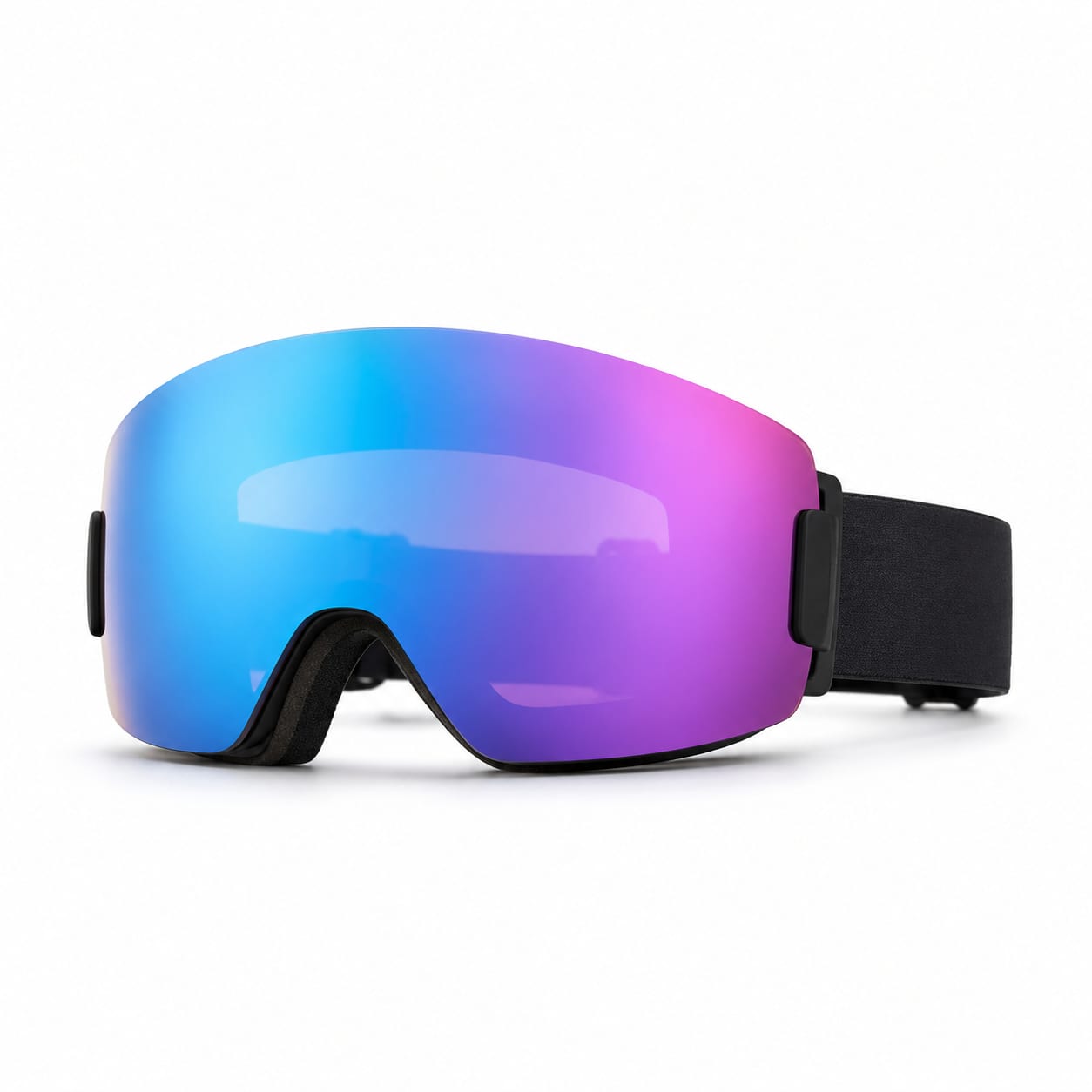
Frameless Ski Goggles
$80 – $300
Goggles with minimal or no frame structure maximizing field of view and modern aesthetics.
minimal frame visibilitymaximum peripheral visionmagnetic lens attachment
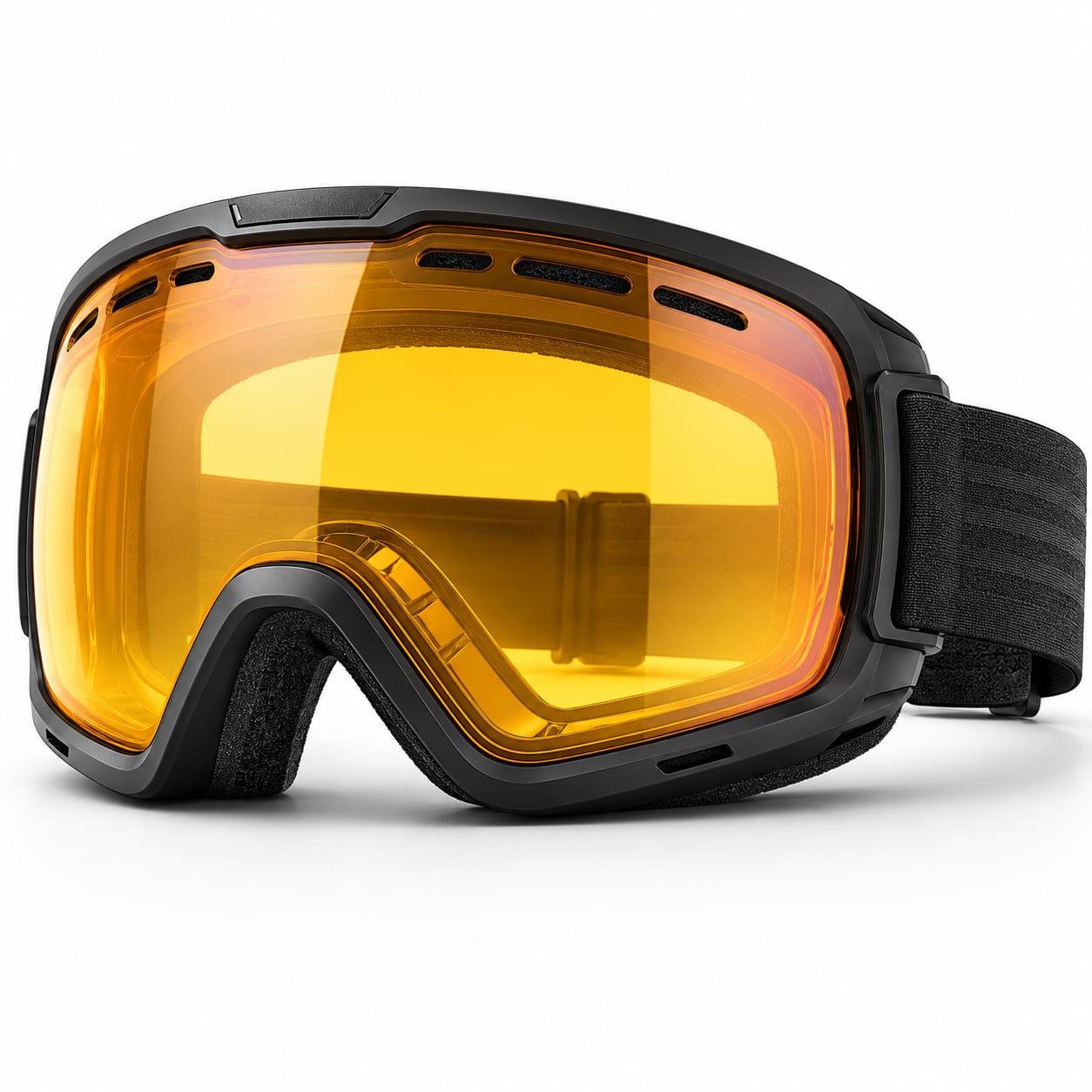
Low-Light / Storm Ski Goggles
$60 – $250
Goggles optimized for flat light, overcast skies, and storm conditions with high-VLT lenses.
high VLT lenses (60-90%)contrast-enhancing tintsyellow/amber/rose lens colors
More questions
- How long does it take for photochromic ski goggles to transition?
- Do photochromic goggles work for night skiing?
- Are photochromic goggles worth the extra cost?
- Do photochromic goggles work in cold weather?