
Most modern photochromic ski goggles transition from light to dark in approximately 30–60 seconds and from dark to light in 45–90 seconds. The darkening reaction is typically faster than the lightening reaction. Cold temperatures below -10°C (14°F) can slow the lightening reaction noticeably. While not instantaneous, the transition is fast enough for most on-mountain weather changes, which tend to be gradual rather than sudden.
Ski Goggles · Photochromic Ski Goggles
How long does it take for photochromic ski goggles to transition?
Related gear types
If this answer nudged you toward a different style, these guides compare specs and trade-offs.
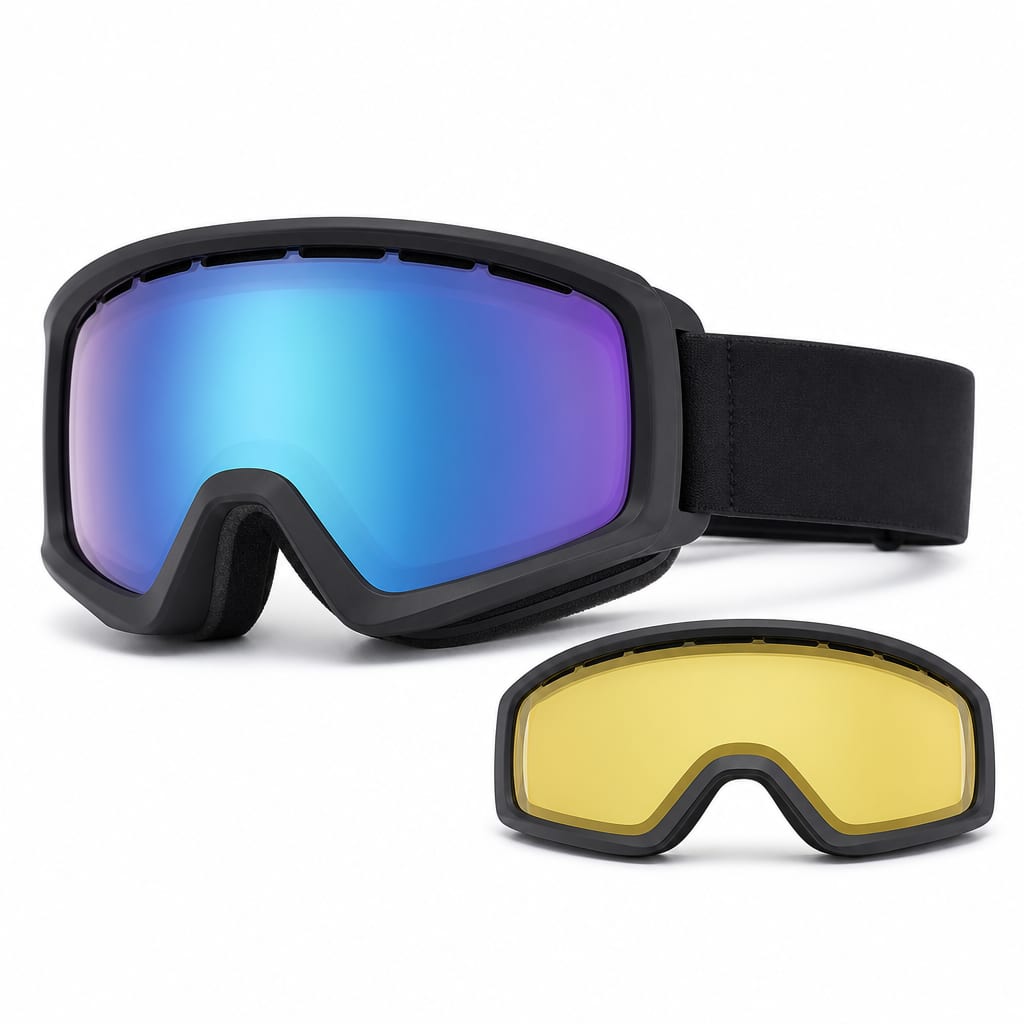
All-Mountain Ski Goggles
$50 – $250
Versatile goggles designed for general use across varied terrain and light conditions.
versatile lens tintshelmet-compatible framesmoderate VLT range
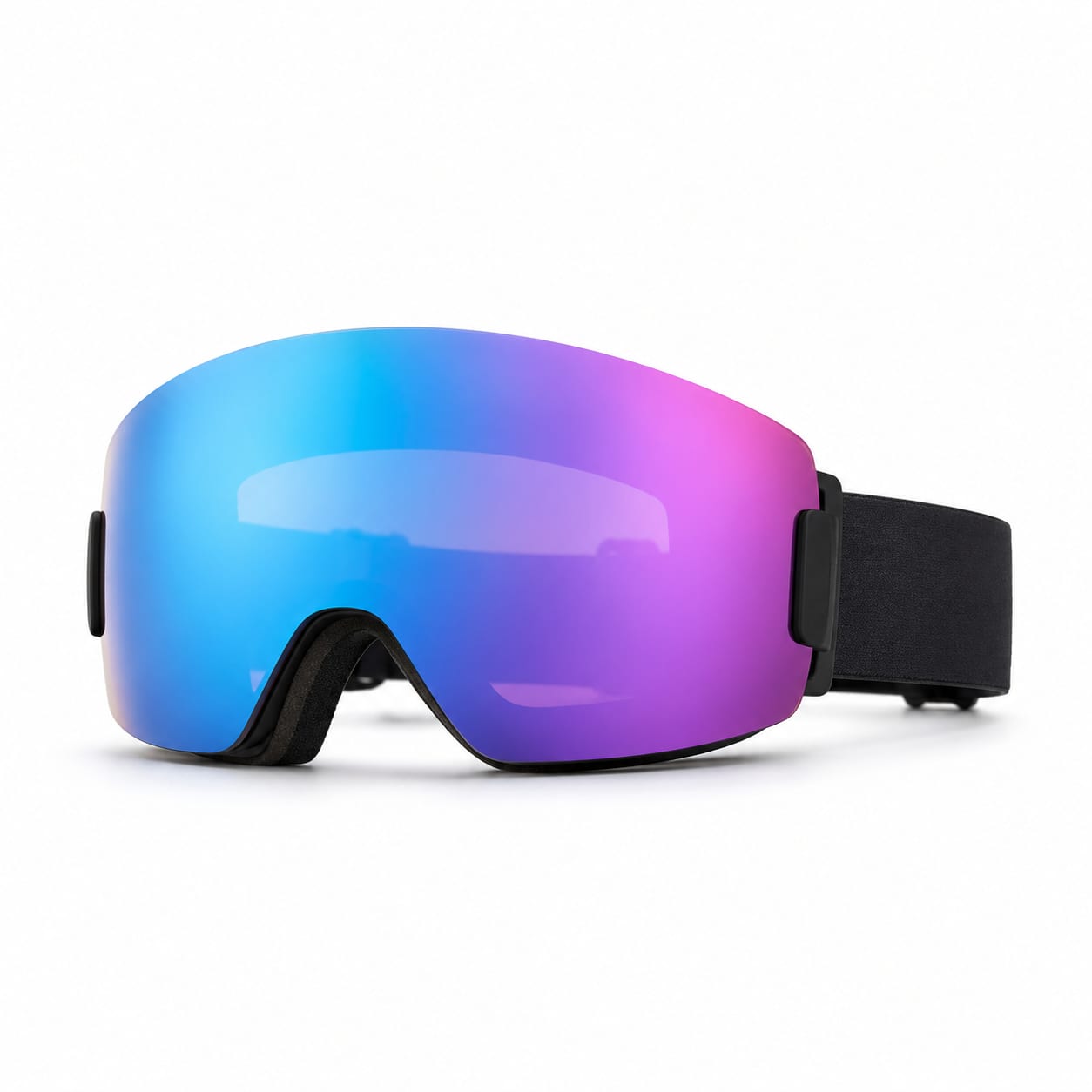
Frameless Ski Goggles
$80 – $300
Goggles with minimal or no frame structure maximizing field of view and modern aesthetics.
minimal frame visibilitymaximum peripheral visionmagnetic lens attachment
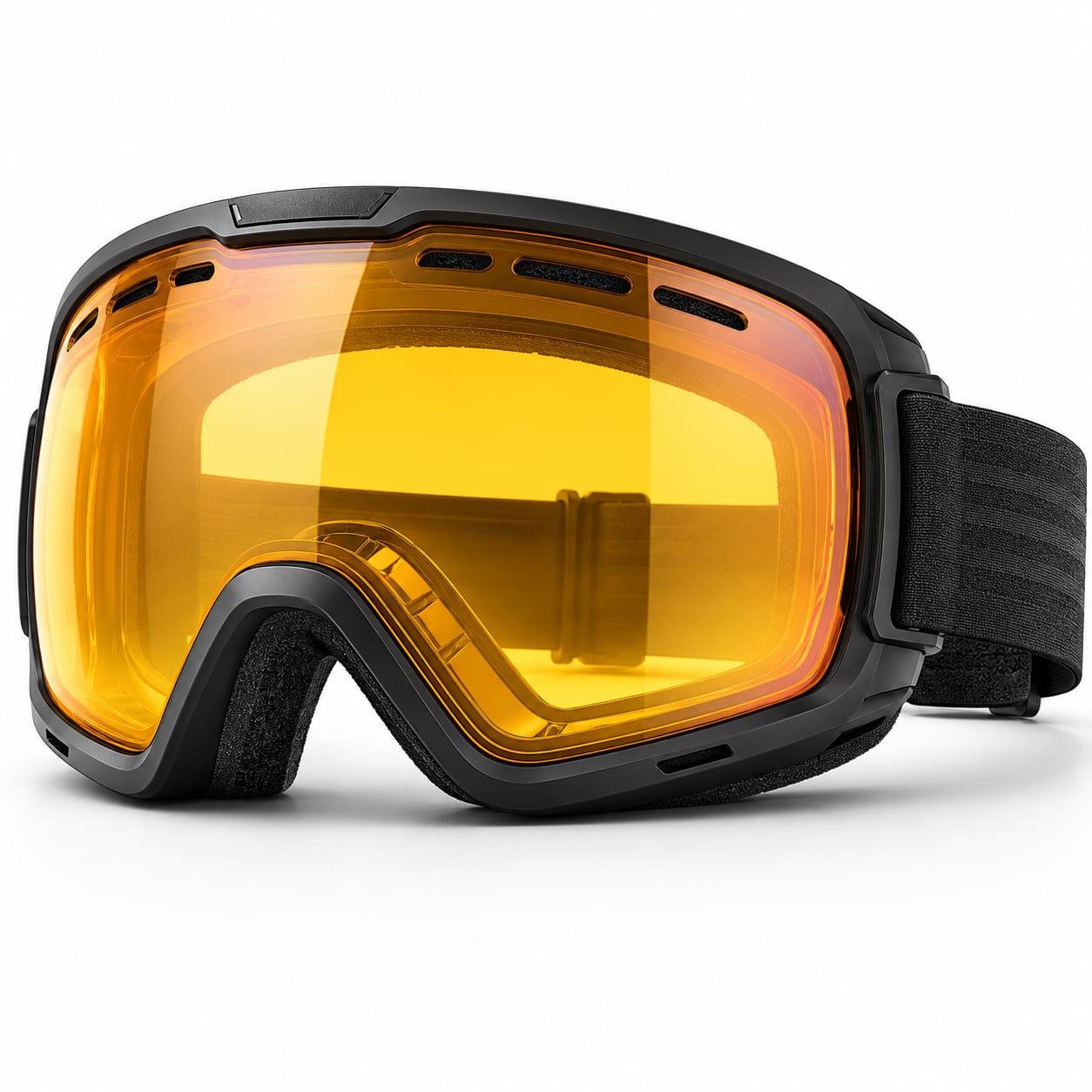
Low-Light / Storm Ski Goggles
$60 – $250
Goggles optimized for flat light, overcast skies, and storm conditions with high-VLT lenses.
high VLT lenses (60-90%)contrast-enhancing tintsyellow/amber/rose lens colors
More questions
- Do photochromic goggles work for night skiing?
- Are photochromic goggles worth the extra cost?
- Do photochromic goggles work in cold weather?
- Can I still swap lenses on a photochromic goggle?