
CE Level 1 (≤18 kN force transmission) is sufficient for most recreational skiers with normal bone density. CE Level 2 (≤9 kN) is strongly recommended if you have osteoporosis, low bone density, a previous hip fracture, or if you ski at high speeds, in the terrain park, or race. Since hip fractures can occur at 3-10 kN depending on bone density, Level 2 provides a much larger safety margin for those at elevated risk. For healthy younger skiers, Level 1 with smart foam is a practical balance of protection and wearability.
Ski Hip Protectors · Impact Shorts / Crash Pants
Do I really need CE Level 2 protection, or is Level 1 enough?
Related gear types
If this answer nudged you toward a different style, these guides compare specs and trade-offs.
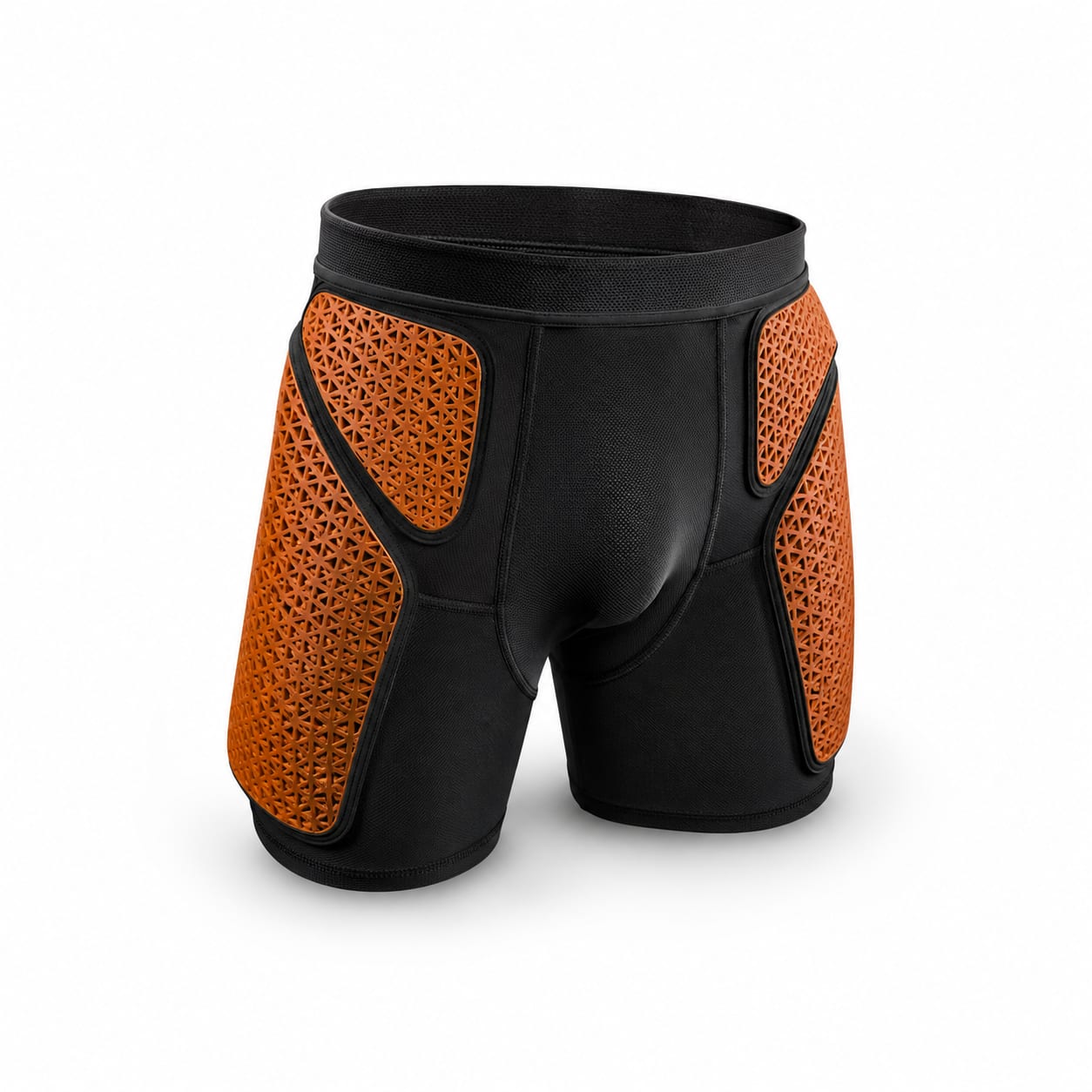
D3O / Smart Material Hip Protectors
$60 – $220
Hip protectors using reactive smart materials that remain flexible and harden instantly on impact.
Non-Newtonian reactive materialFlexible during wearInstant stiffening on impact
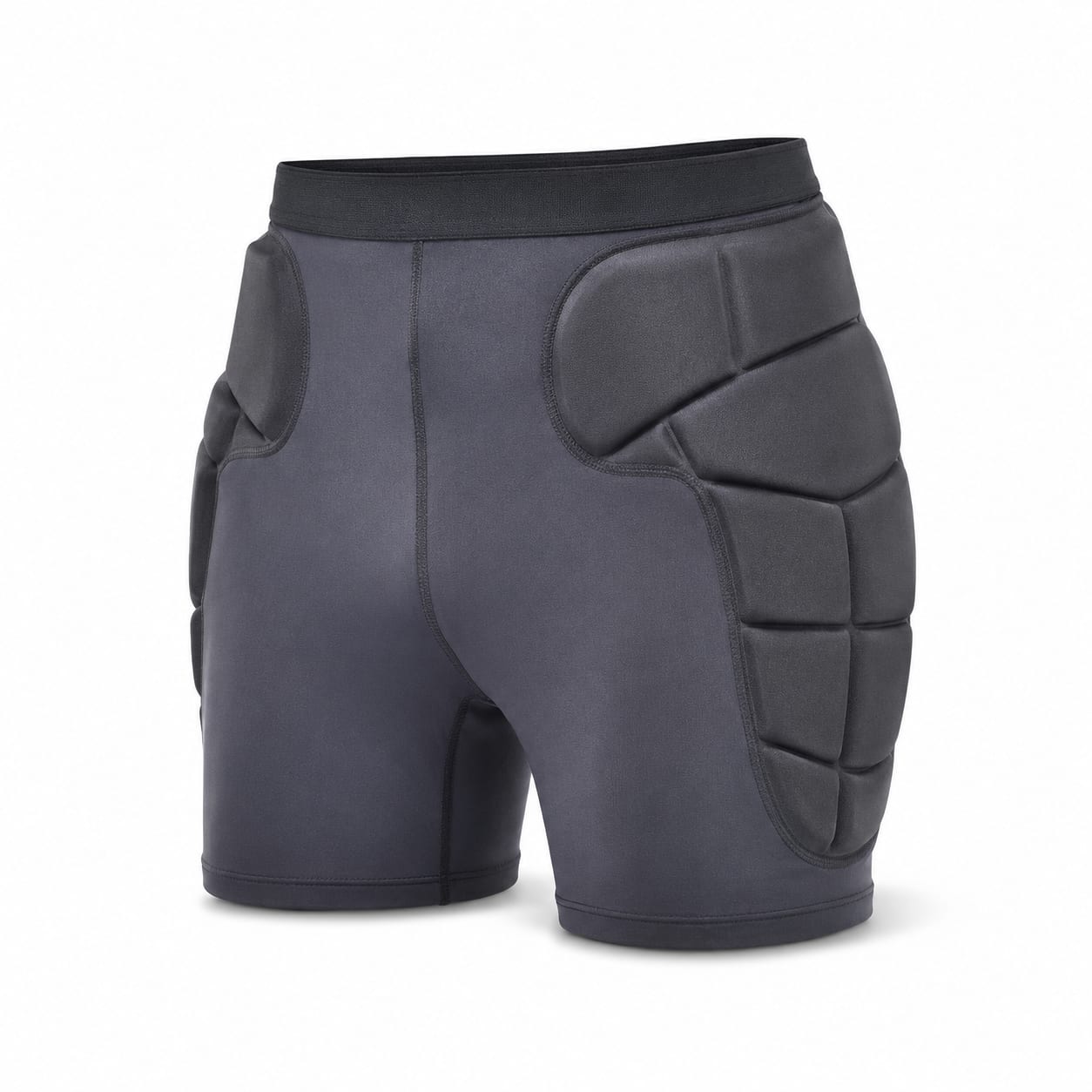
Soft Foam Hip Protectors
$25 – $90
Traditional flexible foam-padded hip protectors prioritizing comfort and everyday wearability.
EVA or PU foam paddingFlexible and comfortableLow profile
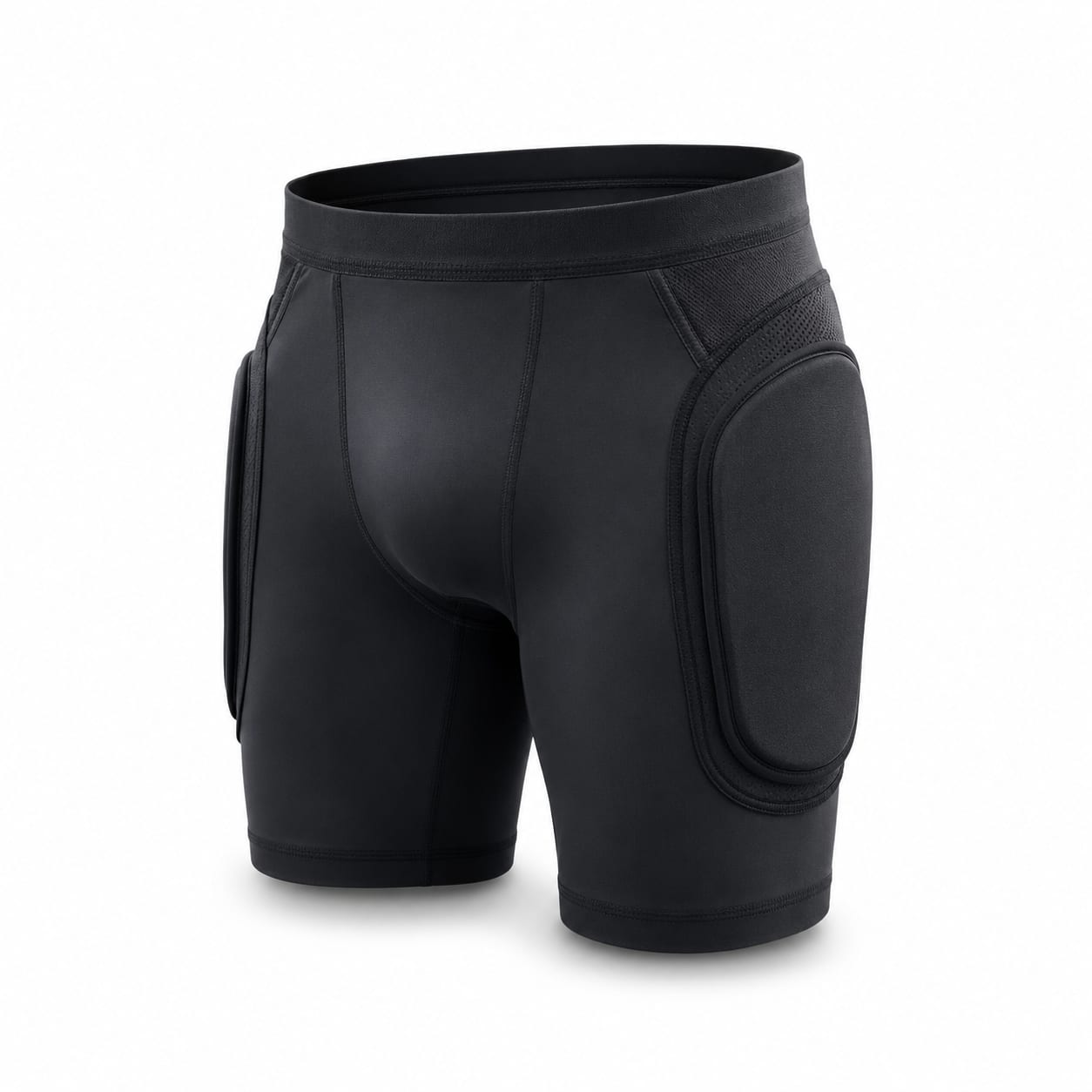
Compression Shorts with Hip Pads
$45 – $150
Tight-fitting base layer shorts with integrated hip padding that layer seamlessly under ski pants.
Compression fitIntegrated pad pocketsMoisture-wicking fabric
More questions
- Can I wear impact shorts under my regular ski pants, or do I need special pants?
- Will impact shorts make me too hot while skiing?
- How do I know if the pads are positioned correctly over my hip joints?
- How long do impact shorts last before needing replacement?