Kitvore.com

Kitvore.com

Specs that matter. Gear that fits.

Ski Hip Protectors · Subcategory

Compression Shorts with Hip Pads

Form-fitting compression shorts with integrated hip padding that stay securely in place while skiing.

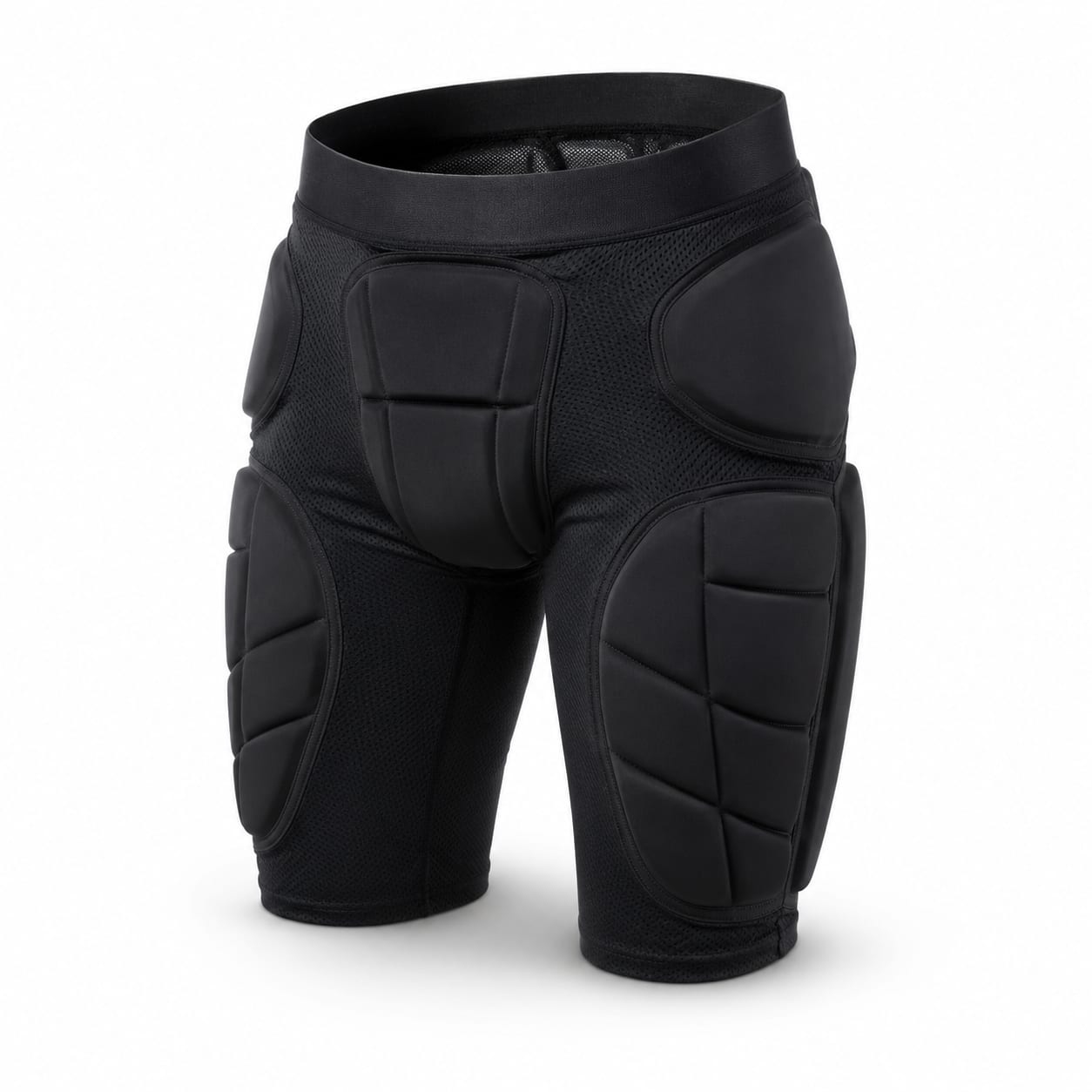
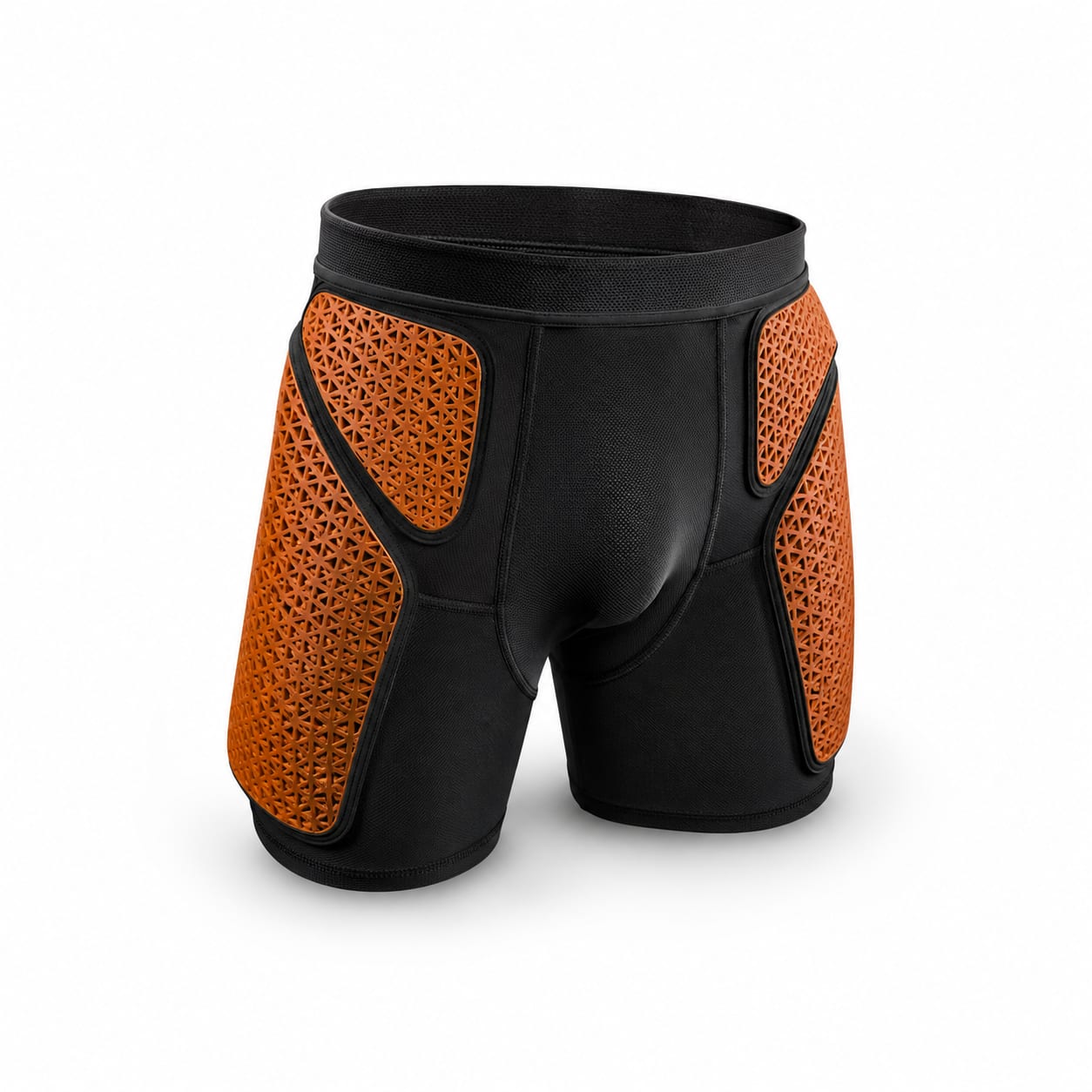
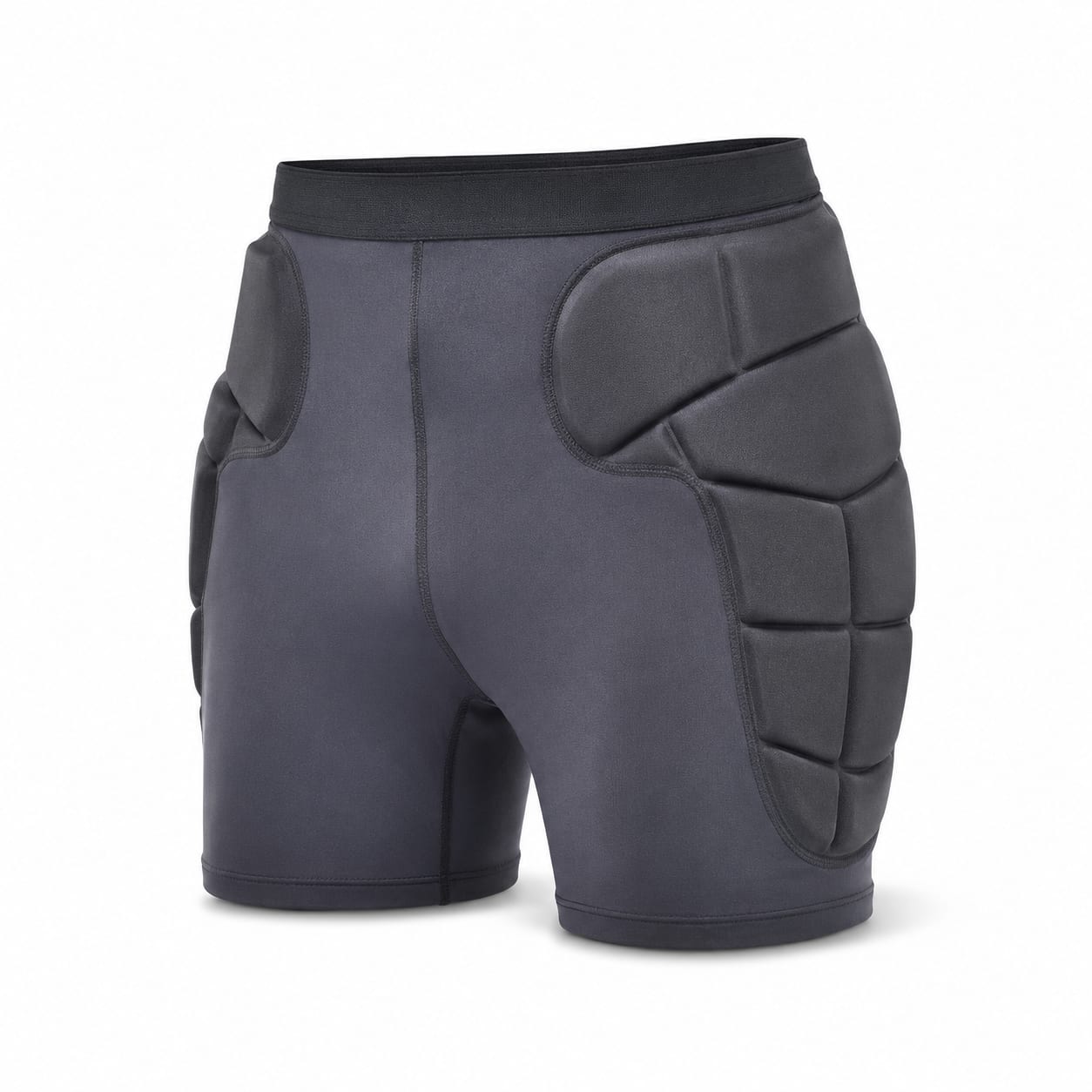
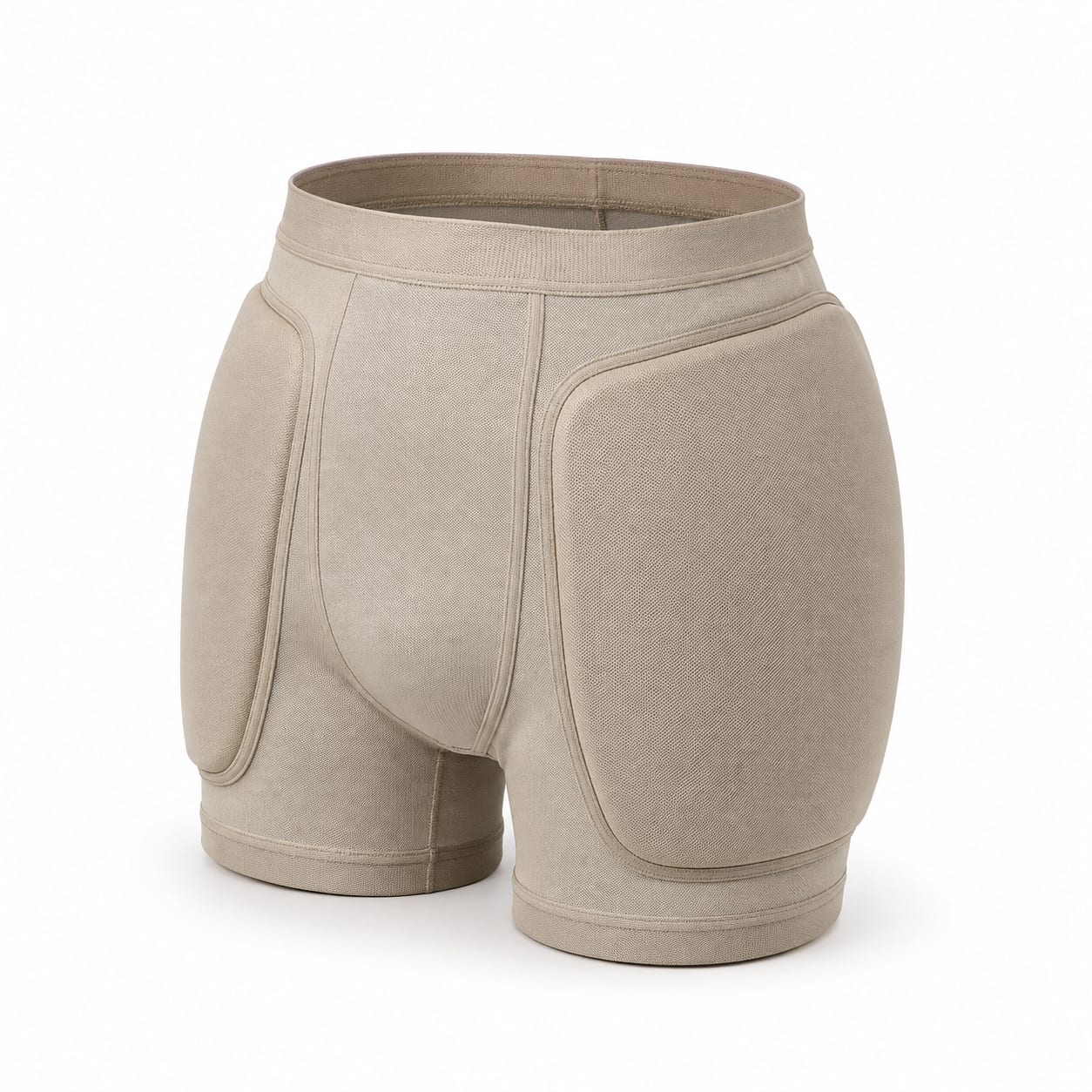
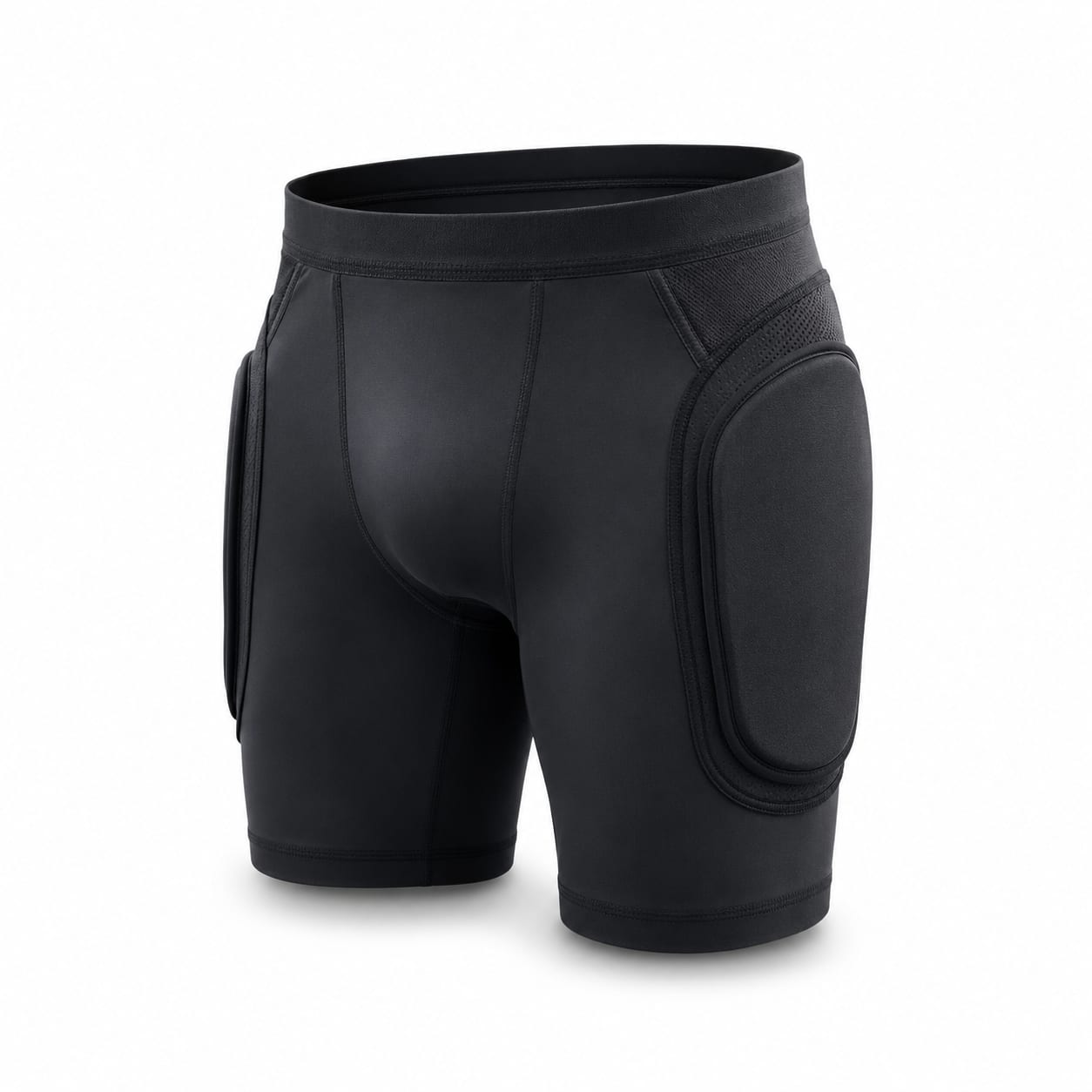
Compression Shorts with Hip Pads combine the secure, second-skin fit of performance athletic shorts with strategically placed impact-absorbing pads over the hips and often the tailbone. They are the most popular style of ski hip protector because they eliminate pad shifting during active skiing, can be worn discreetly under ski pants, and are available with premium smart foam technologies like D3O and SAS-TEC for excellent protection without bulk.

$45 – $150mid tierintermediateadvancedexpert

Best known for

Secure pad placement that doesn't shift during active skiingDiscreet low-profile fit under ski pantsCombining hip and tailbone protection in one garmentComfort for all-day wear on the mountain
Compression Shorts with Hip Pads

Guide

Detailed overview

Compression Shorts with Hip Pads are the most widely adopted form of ski hip protection, designed as a pull-on garment that integrates protective padding directly into a stretchy, body-hugging short. Unlike wrap belts or strap-on pads that can migrate during vigorous movement, compression shorts use the tension of the fabric itself to lock pads firmly over the greater trochanter—the bony prominence on the upper thigh where hip fractures most commonly occur. Most models extend coverage to the tailbone and some include side hip or outer thigh padding, making them a comprehensive lower-body protection solution in a single garment. They are available with a range of padding materials from basic EVA foam to advanced viscoelastic smart foams like D3O, SAS-TEC, and Poron XRD, which remain soft and flexible during movement but instantly stiffen upon impact to absorb energy. The compression fit also provides mild muscle support and can improve proprioception during skiing. These shorts are worn as a base or mid layer under ski pants and are designed to be unobtrusive enough that skiers forget they are wearing them—critical for ensuring consistent use throughout the day.

Compression Shorts with Hip Pads represent the gold standard in everyday ski hip protection, trusted by everyone from cautious beginners to aggressive freeskiers. The genius of the design lies in its simplicity: by embedding protective pads into a compression short, the garment uses the body's own contours and the fabric's elastic tension to keep padding exactly where it needs to be. This solves the fundamental problem that plagues other hip protector designs—pad migration. When you're carving turns, navigating moguls, or recovering from a near-fall, the last thing you want to worry about is whether your hip pads have shifted out of position. Compression shorts make that concern virtually disappear.

The protective performance of these shorts depends heavily on the padding material chosen. Entry-level models typically use EVA foam, which provides decent cushioning at an affordable price but tends to be thicker and less responsive than premium alternatives. Mid-range and high-end models employ smart foam technologies like D3O, SAS-TEC, or Poron XRD—materials that are soft and pliable during normal movement but instantly harden when subjected to impact forces. This rate-sensitive behavior allows manufacturers to use thinner pads that still meet or exceed CE Level 1 or Level 2 certification standards, resulting in a protector that is both highly protective and barely noticeable under ski pants. For skiers with osteoporosis or those recovering from hip injuries, CE Level 2 certified compression shorts with SAS-TEC or D3O padding offer the best combination of serious protection and wearable comfort.

Fit is arguably the most critical factor when choosing compression shorts with hip pads. The pads must align precisely over the greater trochanter to be effective—misaligned pads provide little to no fracture protection regardless of their impact rating. This is why gender-specific models are so important: women's wider pelvic structure means that unisex or men's shorts often position the pads too close together, leaving the actual hip joint exposed. Similarly, sizing must be based on actual hip and waist measurements rather than clothing size guesses. A short that is too loose will allow pads to drift; one that is too tight may ride up above the hip joint. Most quality brands provide detailed size charts, and taking the time to measure properly is essential.

Practical considerations like breathability, washability, and layer compatibility round out the decision matrix. Compression shorts are worn under ski pants, often against the skin or over a thin base layer, which means heat management matters—especially on warm spring days or during high-exertion skiing. Models with mesh panels and moisture-wicking fabrics significantly improve comfort on long days. Removable pads are a major convenience for washing, allowing the short to be machine-washed while the pads air dry. For multi-day ski trips, having a model that dries overnight is essential. The pull-on design, while excellent for stability, does require removing ski boots and pants for bathroom breaks—a minor but real consideration that some skiers factor into their choice.

Quick facts

Primary purpose
Streamlined hip protection that doubles as a supportive base layer
Popular brands
G-FormDainesePOCMcDavidEVOC
Typical terrain
All mountainRace coursesBackcountry

What makes it different

Compression fit keeps pads locked in place; doubles as performance base layer

Recommended ranges

How this type usually specs out

Each spec is explained in plain language, then we show what buyers usually look for on this type.

Protection Level / Certification

Protection Level / Certification

What it means

The certified level of impact protection, typically based on EN 1621-1 or similar standards, indicating how much force is transmitted through the protector.

Typical for this type

CE Level 1 For Recreational Skiers; CE Level 2 For Osteoporosis, Injury Recovery, Or High-Speed/Freestyle Skiing

Most common pick: Ce Level 1

In practice

Most compression shorts with hip pads carry CE Level 1 certification (≤18 kN force transmission), which is adequate for typical recreational falls. Premium models with SAS-TEC or D3O padding often achieve CE Level 2 (≤9 kN), providing significantly better impact absorption for higher-risk scenarios.

Compared to other types

Compression shorts are available in both CE Level 1 and Level 2, matching or exceeding the protection levels of wrap/belt and strap-on alternatives. Hard shell racing protectors may offer slightly better force distribution but at the cost of comfort and discretion.

Why it matters: Certification level directly correlates with how much impact force reaches your hip joint. A hip fracture can occur at approximately 3-10 kN depending on bone density, so lower force transmission meaningfully reduces fracture risk.

Padding Material

Padding Material

What it means

The type of impact-absorbing foam or material used in the protector, which determines flexibility, weight, and impact response behavior.

Typical for this type

D3O Or SAS-TEC For Best Balance Of Comfort And Protection; Poron XRD For Thin Profile; EVA Foam For Budget Options

Most common pick: D3o

In practice

D3O is the most common premium material in compression shorts, offering excellent flexibility during movement and strong impact absorption. SAS-TEC is slightly firmer but often achieves CE Level 2. Poron XRD provides a very thin profile. EVA foam is found in budget models but requires greater thickness for comparable protection.

Compared to other types

Compression shorts benefit most from smart foam materials because the close fit allows these rate-sensitive materials to perform optimally. Wrap/belt styles may use similar materials but with less consistent contact against the body.

Why it matters: The padding material determines the protection-to-bulk ratio. Smart foams allow thinner, more comfortable pads that still meet high certification standards, making the shorts more likely to be worn consistently.

Construction Type

Construction Type

What it means

The overall design and form factor of the hip protector, affecting how it is worn and what areas it covers.

Typical for this type

Impact Shorts (Full Short) For Comprehensive Protection; Pad Inserts For Modularity

Most common pick: Impact Shorts

In practice

Compression shorts with hip pads are by definition the 'impact shorts' construction type—a full compression short with integrated or insertable padding covering hips and typically tailbone. This is the defining characteristic of the subcategory.

Compared to other types

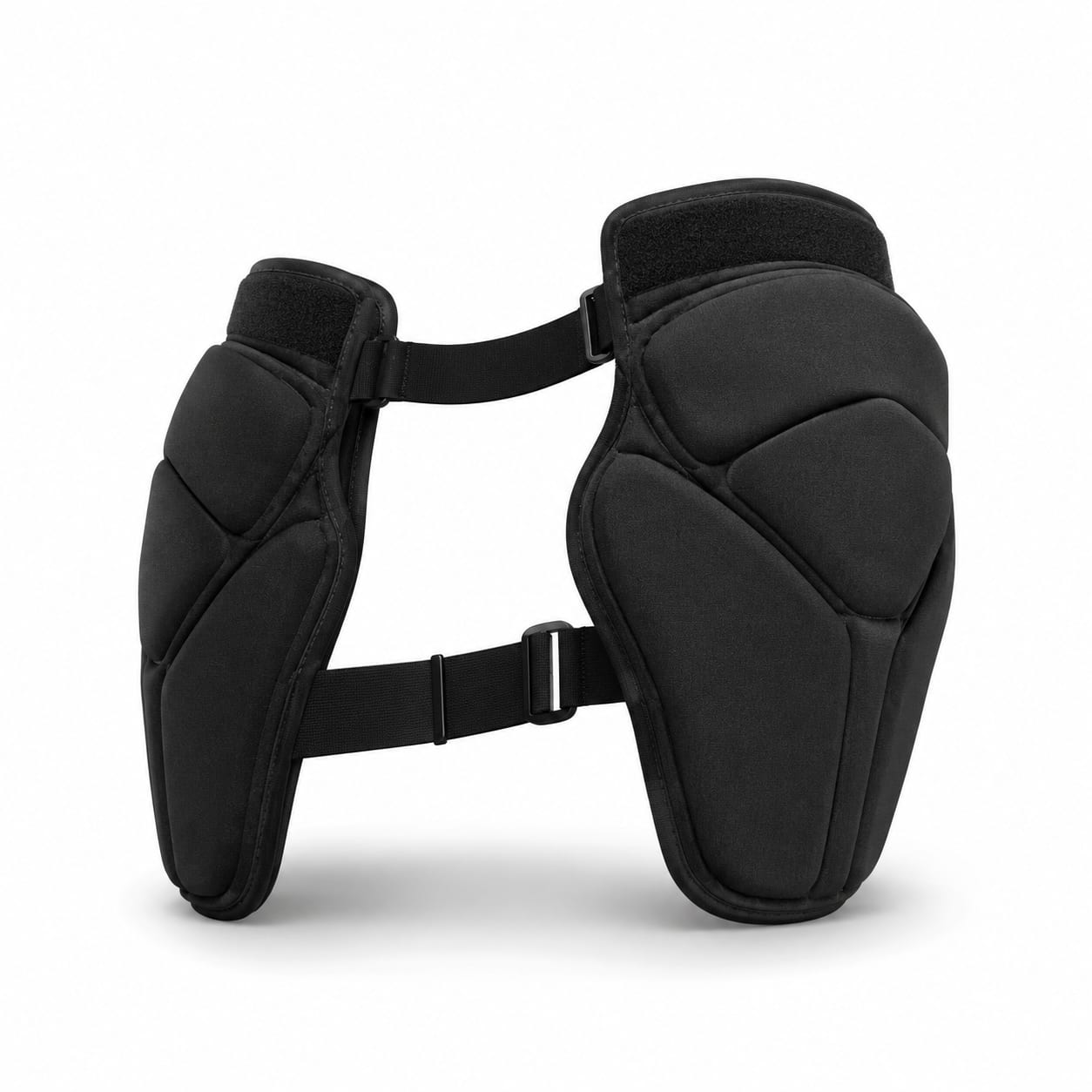
Unlike wrap/belt styles that only cover the hip area, or strap-on pads that cover minimal surface area, compression shorts provide integrated hip, tailbone, and often thigh coverage with superior pad stability.

Why it matters: The full-short construction ensures pads stay in position and provides the most comprehensive coverage in a single garment, including areas like the tailbone that other construction types often miss.

Size

Size

What it means

The size of the hip protector, typically based on waist or hip circumference, which determines fit and pad positioning.

Typical for this type

Choose Based On Actual Hip Circumference At Widest Point, Following Brand-Specific Size Charts; When Between Sizes, Size Up Slightly

Most common pick: Varies By Individual—Measure Hips And Waist

In practice

Proper sizing is critical because the compression fit is what keeps pads aligned over the greater trochanter. Sizes range from XS to XXL across most brands, but measurements vary significantly between manufacturers. Measure both waist and hips and consult the specific brand's chart.

Compared to other types

Compression shorts require more precise sizing than wrap/belt or strap-on styles because they lack adjustable closures. However, this precision is what ensures consistent pad placement during activity.

Why it matters: Incorrect sizing is the most common reason hip protectors fail to protect—pads that are misaligned due to poor fit provide little to no fracture protection regardless of their certification level.

Padding Thickness

Padding Thickness

What it means

The thickness of the protective padding at the hip, which affects both the level of protection and the bulk under clothing.

Typical for this type

8-12 mm for smart foam (D3O/SAS-TEC/Poron XRD); 15-20 mm for EVA foam

Most common pick: 10 mm

In practice

Smart foam compression shorts typically use 8-12 mm padding that provides excellent impact absorption due to the material's rate-sensitive properties. EVA foam models require 15-20 mm to achieve comparable protection levels. The thinnest profiles (5-8 mm) use Poron XRD for near-invisibility under clothing.

Compared to other types

Compression shorts achieve better protection at lower thickness than wrap/belt or strap-on styles because the close, consistent fit allows smart foams to perform optimally without gaps or shifting.

Why it matters: Thickness affects both protection and wearability. Thinner smart foam pads are more likely to be worn consistently because they are comfortable and discreet, while thick EVA pads may be abandoned due to bulk.

Coverage Area

Coverage Area

What it means

The body areas protected by the hip protector beyond the basic hip joint.

Typical for this type

At Minimum: Hip Joint (Greater Trochanter); Recommended: Hip Joint + Tailbone; Ideal: Hip Joint + Tailbone + Side Hip

Most common pick: Hip Joint, Tailbone, Side Hip

In practice

Most compression shorts cover the hip joints (greater trochanters) and tailbone as standard. Many extend coverage up to the side hip (iliac crest) and some include outer thigh padding. The integrated short design makes it easy to include multiple coverage zones in one garment.

Compared to other types

Compression shorts offer the most comprehensive coverage of any subcategory because the full-short design naturally accommodates hip, tailbone, and thigh pads. Wrap/belt styles typically only cover the hip joint area.

Why it matters: Beginners frequently fall backward onto their tailbone, making coccyx protection important. Side hip coverage protects the iliac crest, which is especially relevant for older skiers with higher fracture risk.

Weight

Weight

What it means

The total weight of the hip protector, affecting comfort and fatigue during a full day of skiing.

Typical for this type

200-350 g for most skiers; under 250 g for lightweight preference; 350-450 g for maximum coverage models

Most common pick: 280 g

In practice

Typical compression shorts with hip and tailbone pads weigh between 200-350 g. Lightweight models with thin smart foam and minimal coverage sit around 200-250 g. Full-coverage models with outer thigh and side hip padding can reach 350-450 g. The weight is well-distributed across the garment, making it barely noticeable during skiing.

Compared to other types

Compression shorts are slightly heavier than minimalist wrap/belt or strap-on styles due to the full fabric short construction, but the weight penalty is minimal and offset by better comfort and stability.

Why it matters: Weight affects comfort on long ski days, but distribution matters more than total weight. A well-fitting 350 g short feels lighter than a poorly fitting 200 g one that constantly shifts and requires adjustment.

Breathability

Breathability

What it means

The ability of the protector to allow moisture vapor and heat to escape, preventing overheating and sweat accumulation.

Typical for this type

Moderate For All-Season Use; High For Spring Skiing Or Hot-Natured Skiers; Low Is Rarely Necessary

Most common pick: Moderate

In practice

Most compression shorts offer moderate breathability with moisture-wicking fabrics and some mesh panels in non-pad zones. High-breathability models feature extensive mesh paneling and advanced wicking treatments but may sacrifice some durability. The compression fabric itself provides some warmth, which is beneficial in cold conditions but can cause overheating on warm spring days.

Compared to other types

Compression shorts generally offer better breathability than wrap/belt styles because the full fabric construction allows for strategic mesh placement and moisture-wicking across a larger surface area.

Why it matters: Since these shorts are worn under ski pants—often with additional base layers—heat accumulation is a real concern. Overheating leads to sweating, discomfort, and potentially chilling when moisture cools during lift rides.

Mobility / Range of Motion

Mobility / Range of Motion

What it means

How freely the wearer can move while wearing the protector, affecting skiing technique and comfort.

Typical for this type

Unrestricted to Slightly Restricted For Best Skiing Experience; Avoid Moderately Restricted Models Unless Maximum Protection Is Required

Most common pick: Slightly Restricted

In practice

Quality compression shorts with smart foam pads (D3O, SAS-TEC, Poron XRD) typically offer unrestricted to slightly restricted mobility. The pads are flexible during normal movement and only stiffen on impact. Thicker EVA foam or models with extensive coverage may feel slightly restricted during deep flexion or wide stances. The compression fit itself can actually enhance proprioception and muscle support.

Compared to other types

Compression shorts generally offer better mobility than hard shell protectors and comparable mobility to wrap/belt styles. The integrated design eliminates the chafing and binding that can occur with separate strap-on components.

Why it matters: Restricted mobility can affect skiing technique and reduce the likelihood of wearing the protector consistently. A protector that sits in a locker provides zero protection.

Layer Compatibility

Layer Compatibility

What it means

How the hip protector is designed to be worn in relation to other layers—under or over base layers and ski pants.

Typical for this type

Next-To-Skin (Base Layer) For Best Pad Positioning; Mid Layer Option For Those Who Prefer A Moisture-Wicking Base Underneath

Most common pick: Base Layer

In practice

Most compression shorts are designed to be worn directly against the skin or over thin underwear, functioning as a base layer under ski pants. This provides the best pad positioning and least shifting. Some skiers prefer wearing a thin moisture-wicking base layer underneath, which works well if the short still fits snugly over it.

Compared to other types

Compression shorts are designed specifically as under-garment base layers, unlike over-pants racing protectors. This makes them more versatile for recreational skiing but means they must fit under existing ski pants.

Why it matters: Layer compatibility affects both comfort and pad positioning. Wearing the short as intended ensures pads stay aligned, while improper layering can cause shifting or excessive heat retention.

Closure System

Closure System

What it means

How the hip protector secures to the body, affecting ease of use, adjustability, and stability during activity.

Typical for this type

Pull-On Compression Style For Maximum Stability And Simplicity

Most common pick: Pull On

In practice

The pull-on design is the defining closure system for compression shorts—no zippers, velcro, or buckles to fail or cause discomfort. The compression fit itself keeps the garment and pads securely in place. Some models include a waistband drawstring for additional security, but the primary retention comes from the compression fabric.

Compared to other types

Unlike wrap/belt styles with velcro that can loosen, or zip-closure models with potential failure points, pull-on compression shorts offer the most reliable and stable fit for active skiing.

Why it matters: The pull-on design provides the most stable pad placement during active skiing because there are no closures to loosen or fail. It also eliminates pressure points from zippers or buckles that can cause discomfort during a full day on the mountain.

Washability

Washability

What it means

How the hip protector can be cleaned, important for hygiene during multi-day ski trips.

Typical for this type

Machine Washable With Removable Pads For Best Convenience And Pad Longevity

Most common pick: Machine Washable

In practice

Most quality compression shorts feature removable pads that allow the short to be machine washed while pads air dry. This is the most practical arrangement for ski trips. Some models with permanently integrated pads can be fully machine washed, but this may reduce pad lifespan over many wash cycles. Always check the care label—smart foams should generally not be machine washed or dried with heat.

Compared to other types

Compression shorts with removable pads offer better washability than wrap/belt styles with permanently attached pads, and far better hygiene than wipe-clean-only hard shell protectors worn next to skin.

Why it matters: Skiing is a sweaty activity, and next-to-skin garments need regular washing. Removable pads make this practical while preserving the protective foam's performance characteristics.

Gender-Specific Fit

Gender-Specific Fit

What it means

Whether the protector is designed for specific body proportions, as hip shape and pad placement differ between men and women.

Typical for this type

Women: Choose Women'S-Specific Models For Correct Pad Spacing; Men: Men'S Or Unisex; Youth: Youth-Specific Models Only

Most common pick: Available In Mens, Womens, Unisex, And Youth

In practice

Gender-specific fit is critically important for compression shorts because the pad placement must align with the greater trochanter, which is positioned differently on male and female pelvises. Women's models have wider-set pads and a higher waist-to-hip ratio. Unisex models are a compromise that may not position pads correctly for either gender, particularly for women with wider hips.

Compared to other types

Compression shorts offer the widest range of gender-specific options because the garment must conform to body shape for both pad placement and compression function. Wrap/belt styles are more adjustable but less anatomically optimized.

Why it matters: Incorrect pad placement renders even the highest-certified protector ineffective. Women wearing unisex or men's shorts frequently have pads that sit too close together, missing the actual hip joint.

Low Profile / Discretion

Low Profile / Discretion

What it means

How visible the protector is under ski clothing, affecting aesthetic preference and willingness to wear.

Typical for this type

Low Profile For Most Skiers; Ultra Low Profile For Style-Conscious Skiers With Fitted Pants; Standard Profile Acceptable Under Looser Ski Pants

Most common pick: Low Profile

In practice

Compression shorts with smart foam pads typically achieve a low profile that is slightly visible under tight clothing but not obvious under normal ski pants. Ultra-low-profile models using Poron XRD or thin D3O can be virtually invisible. The close fit of compression shorts actually helps with discretion because there are no loose edges or shifting pads that create visible bulges.

Compared to other types

Compression shorts achieve better discretion than wrap/belt styles (which can create visible lines or bulges) and far better than hard shell protectors. The integrated, smooth construction creates a streamlined silhouette under clothing.

Why it matters: Discretion directly affects whether skiers will consistently wear their protector. A low-profile design that is invisible under ski pants removes the social barrier to wearing protection, which is especially important for younger skiers.

Impact Absorption Rating

Impact Absorption Rating

What it means

The measured force transmission through the protector during standardized impact testing, indicating real protective performance.

Typical for this type

Under 18 KN (CE Level 1 Minimum); Under 10 KN Recommended For Meaningful Fracture Risk Reduction; Under 9 KN (CE Level 2) For High-Risk Skiers

Most common pick: 12 kN

In practice

Quality compression shorts with smart foam pads typically transmit 8-15 kN in standardized testing. CE Level 1 models generally achieve 12-18 kN, while CE Level 2 models achieve 6-9 kN. The best-performing models with SAS-TEC or D3O padding can transmit as low as 6-8 kN, approaching the performance of much bulkier hard shell protectors.

Compared to other types

Premium compression shorts with smart foams achieve impact absorption comparable to hard shell protectors at a fraction of the bulk. Budget EVA foam models may transmit 15-18 kN, similar to basic wrap/belt styles.

Why it matters: Hip fractures can occur at approximately 3-10 kN depending on bone density. Protectors transmitting under 10 kN provide meaningful fracture risk reduction, while those transmitting 15-18 kN may only reduce injury severity rather than prevent fractures.

Antimicrobial Treatment

Antimicrobial Treatment

What it means

Whether the protector has antimicrobial or odor-control treatment to prevent bacterial growth during multi-day use.

Typical for this type

Antimicrobial Treatment Recommended For Multi-Day Ski Trips; Not Critical For Day-Trip Skiers Who Wash After Each Use

Most common pick: True

In practice

Most quality compression shorts include antimicrobial or odor-control treatment on the fabric, which helps prevent bacterial growth and odor during multi-day use. This is a standard feature in mid-range and premium models. It does not replace regular washing but extends wearability between washes.

Compared to other types

Compression shorts benefit more from antimicrobial treatment than over-pants styles because they are worn directly against the skin where sweat and bacteria accumulate.

Why it matters: On multi-day ski trips where daily washing isn't practical, antimicrobial treatment keeps the garment fresher and more pleasant to wear, increasing the likelihood that skiers will continue wearing protection throughout the trip.

Durability / Lifespan

Durability / Lifespan

What it means

How long the protector maintains its protective qualities under regular use, as impact foams can degrade over time.

Typical for this type

Moderate to High Durability (2-3+ Seasons); Inspect Annually And Replace If Foam Shows Compression Or Cracking

Most common pick: Moderate Durability

In practice

Compression shorts with smart foam pads typically last 2-3 seasons of regular use (20-40 ski days per season). D3O and SAS-TEC maintain their viscoelastic properties well over time, while EVA foam may compress and lose effectiveness after 1-2 seasons. The fabric and elastic components also degrade with washing and use, particularly at the waistband and leg openings.

Compared to other types

Compression shorts with smart foams offer comparable or better durability than wrap/belt styles. The enclosed construction protects pads from abrasion and UV exposure better than exposed strap-on pads.

Why it matters: Degraded foam provides less protection than when new, meaning a protector that was CE Level 1 when purchased may no longer meet that standard after several seasons. Annual inspection is essential.

Evaluation

Strengths and trade-offs

Pros

What this type does best

Superior pad stability during active skiing

Critical

The compression fit locks pads firmly over the greater trochanter, eliminating the shifting that plagues wrap/belt and strap-on designs. Pads stay exactly where they need to be even during aggressive turns, moguls, and falls.

Comprehensive coverage in one garment

High

Unlike targeted hip-only protectors, compression shorts typically include hip, tailbone, and often side hip or thigh padding in a single integrated garment, providing all-around lower body protection without multiple pieces.

Low profile and discreet under ski pants

High

Smart foam compression shorts are barely visible under normal ski pants, removing the aesthetic barrier that prevents many skiers from wearing protection. The smooth, integrated design creates no visible lines or bulges.

All-day comfort for extended wear

High

The compression short design is comfortable enough to wear from first chair to last run. The fabric wicks moisture, provides mild muscle support, and doesn't chafe or bind during repetitive skiing movements.

Excellent protection-to-bulk ratio with smart foams

High

D3O, SAS-TEC, and Poron XRD allow compression shorts to achieve CE Level 1 or Level 2 certification with pads as thin as 8-12 mm, providing serious protection without the bulk of traditional thick foam or hard shell designs.

Simple pull-on design with no failure points

Medium

No zippers to break, no velcro to wear out, no buckles to fumble with cold fingers. The pull-on compression design is reliable, easy to use, and has no mechanical components that can fail during a ski day.

Mild muscle support and proprioception benefit

Medium

The compression fit provides gentle muscle support for the glutes, hips, and thighs, which can reduce fatigue on long ski days and improve body awareness during technical skiing.

Cons

Trade-offs to be aware of

Difficult to remove for bathroom breaks

Moderate

The pull-on design requires removing ski pants and boots to take off the shorts for bathroom breaks, which is inconvenient especially in cold weather. This is the most commonly cited practical complaint.

Can be warm under insulated ski pants

Moderate

The compression fabric and pads add an extra layer of insulation, which can cause overheating on warm days or during high-exertion skiing. This is compounded by the fact that they're worn under already-insulated ski pants.

Sizing must be precise for effective protection

Moderate

Unlike adjustable wrap/belt styles, compression shorts have no fit adjustment. If the size is wrong, pads won't align with the hip joint, rendering protection ineffective. Sizing also varies significantly between brands.

Compression fit may be uncomfortable for some body types

Minor

Skiers with larger builds, sensitive skin, or who dislike tight-fitting clothing may find the compression sensation uncomfortable, especially during the break-in period. Some body types don't conform well to standard compression short patterns.

Elastic degradation reduces effectiveness over time

Minor

The compression that keeps pads in position depends on elastic fibers that degrade with washing and use. After 2-3 seasons, the shorts may lose enough compression that pads begin to shift, requiring replacement even if the foam is still functional.

Best for

Terrain

Groomed runsMogulsTerrain parksOff-piste and powderIce and hardpack

Snow conditions

All snow conditionsIcy conditions where falls are more likelySpring skiing with variable snowLow visibility conditions

Skill level

BeginnerIntermediateAdvancedExpert

Riding style

All-mountain skiingFreestyle and parkCarvingMogul skiingBackcountry skiing

Rider profile

Older skiers concerned about hip fracturesSkiers with osteoporosis or low bone densityBeginners learning to ski who fall frequentlyFreestyle skiers hitting rails and jumpsSkiers recovering from hip injuriesParents who want protection while skiing with childrenStyle-conscious skiers who want discreet protection

Not ideal for

Reasons

Skiers who cannot tolerate compression clothing against their skinVery hot-natured skiers in warm spring conditions who overheat easilyRacers who need FIS-compliant hard shell protection rather than soft foamSkiers who need to frequently remove and re-don protection throughout the day

Riding style

Competitive racing where FIS-certified hard shell protection is required

Compare

How it stacks up

This page

Compression Shorts with Hip Pads

Far superior pad stability—compression shorts lock pads in place while wrap/belt styles can shift during active skiing. Also provides tailbone and thigh coverage that belt styles lack, and offers better discretion under clothing with no visible belt lines.

Alternative

Wrap/Belt Style Hip Protectors

Wrap/belt styles are cooler and less restrictive since they don't cover the full lower body. They're easier to put on and remove, and more convenient for bathroom breaks. Also typically less expensive.

Bottom line

Choose compression shorts if you want reliable pad placement and comprehensive coverage. Consider wrap/belt styles only if you overheat easily or need quick on/off convenience, and are willing to accept some pad shifting risk.

This page

Compression Shorts with Hip Pads

Purpose-built pad design ensures optimal shape, thickness, and placement for impact protection. Integrated construction means pads can't shift within pockets or be accidentally left behind. Better overall protection quality.

Alternative

Removable Pad Inserts (Pockets in Compatible Shorts)

Pad inserts offer modularity—you can swap pad types, remove pads for washing, or use the same shorts with different pad configurations. Often more affordable since you can replace just the pads when they wear out.

Bottom line

Choose compression shorts with integrated or purpose-designed pads for best protection. Pad inserts are a reasonable alternative if you value modularity and easy pad replacement, but verify that the pocket design holds pads securely in position.

This page

Compression Shorts with Hip Pads

Dramatically better pad stability—strap-on pads are notorious for shifting during active movement, which can leave the hip joint unprotected at the moment of impact. Compression shorts also provide multi-zone coverage while strap-on pads typically cover only the hip joint.

Alternative

Strap-On Pads

Strap-on pads are the lightest and most minimal option, and can be worn with any underwear or base layer. They're also the least expensive and most breathable since there's no full short construction.

Bottom line

Strongly prefer compression shorts over strap-on pads for skiing. The shifting risk with strap-on pads is significant during the dynamic movements of skiing, making them unreliable for fall protection. Strap-on pads are better suited for low-activity applications.

This page

Compression Shorts with Hip Pads

Far more comfortable, flexible, and discreet. Compression shorts can be worn all day without significantly affecting skiing technique or appearance. They're also more affordable and don't require special clothing to accommodate them.

Alternative

Hard Shell Racing Protectors

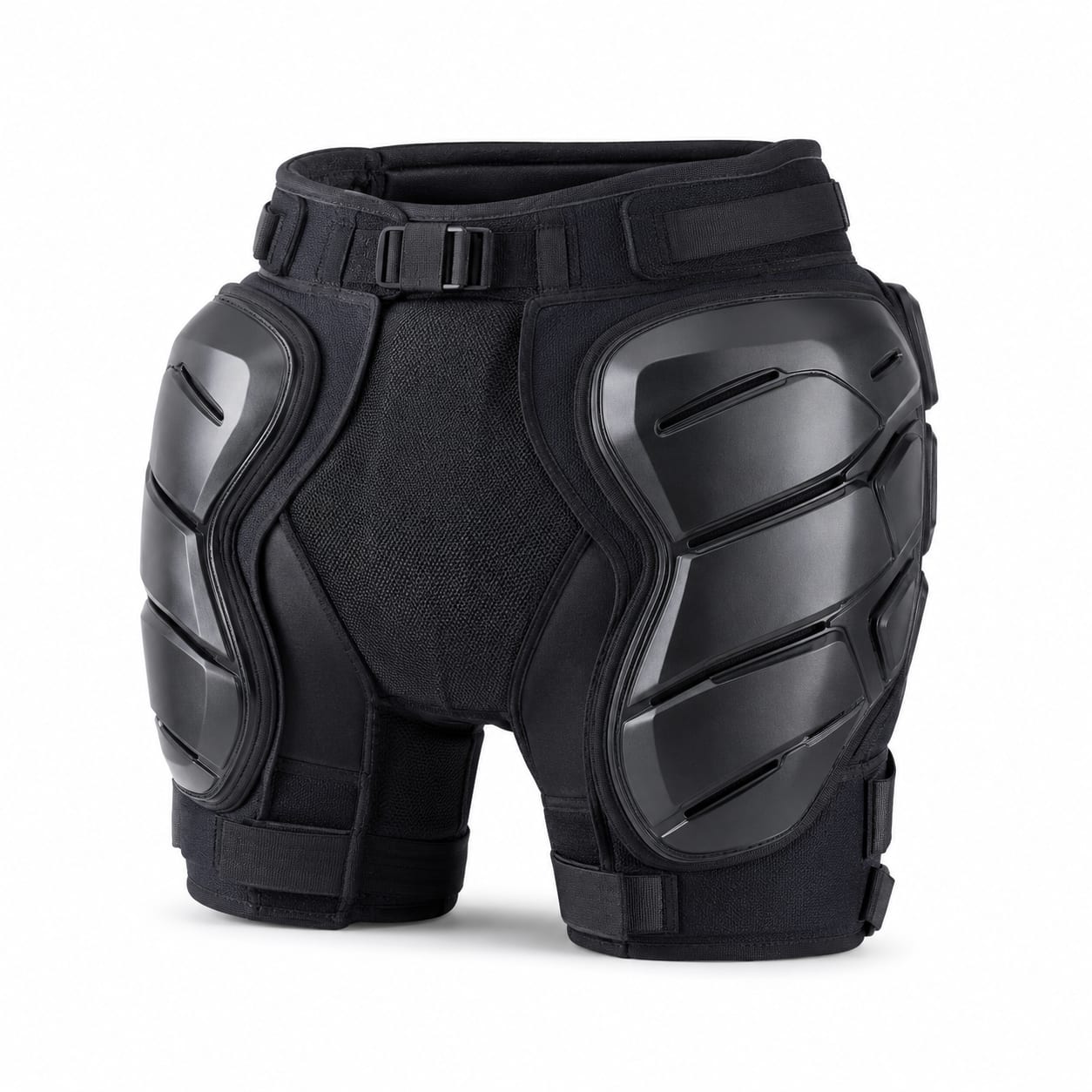
Hard shell protectors offer maximum impact force distribution and penetration resistance, and may be required for competitive racing. They provide the highest level of protection for extreme high-speed impacts.

Bottom line

Choose compression shorts for recreational skiing, freestyle, and general fall protection. Hard shell protectors are only necessary for competitive racing or scenarios where maximum penetration resistance is required. For most skiers, compression shorts with CE Level 2 smart foam provide comparable real-world protection with far better comfort.

Shopping

Buying tips

  • 1

    Measure your waist and hips before ordering—do not guess your size based on normal clothing. Use a flexible tape measure at the widest point of your hips and consult the specific brand's size chart, as sizing varies dramatically between manufacturers.

  • 2

    If you are a woman, choose a women's-specific model. The greater trochanter sits wider on female pelvises, and unisex or men's shorts will position pads too close together, leaving your actual hip joint unprotected.

  • 3

    Prioritize smart foam materials (D3O, SAS-TEC, Poron XRD) over EVA foam. The protection-to-comfort ratio is significantly better, and the thin profile means you'll actually wear them consistently.

  • 4

    If you have osteoporosis, low bone density, or are recovering from a hip injury, invest in CE Level 2 certified shorts. The difference in force transmission (under 9 kN vs. under 18 kN) is meaningful for fracture prevention.

  • 5

    Check that your ski pants have enough room to accommodate the shorts underneath. Try the combination at home before a ski trip—overly tight pants over hip pads will be uncomfortable and may restrict circulation.

  • 6

    Look for models with removable pads for easier washing. This is especially important for multi-day trips where you need the shorts to dry overnight after washing.

  • 7

    Consider buying two pairs if you ski frequently—having a clean, dry pair ready eliminates the temptation to skip wearing protection when yesterday's pair is still damp.

  • 8

    Test the fit in a skiing stance (knees slightly bent, leaning forward) rather than standing upright. Pads should remain positioned over the bony prominence of your upper thigh in this position.

Care

Maintenance notes

  • Remove pads before washing the short. Machine wash the short in cold water on a gentle cycle and hang dry. Never use fabric softener as it degrades moisture-wicking properties.
  • Hand wash or wipe clean smart foam pads with a damp cloth and mild soap if needed. Never machine wash or machine dry D3O, SAS-TEC, or Poron XRD pads—heat and agitation degrade their impact-absorbing properties.
  • Inspect pads annually before each ski season. Look for permanent compression (pads that no longer spring back), cracking, hardening, or separation from their fabric covering. Replace any pads showing these signs.
  • Replace the entire protector after any significant impact event. Smart foams are designed for single-impact performance in severe falls—while they may appear intact, their protective properties may be compromised.
  • Store shorts flat or loosely folded in a cool, dry place during the off-season. Do not store with pads compressed under heavy objects, as this can cause permanent deformation.
  • Allow shorts to air dry fully after each use before storing. Persistent moisture breeds bacteria and degrades elastic fibers, shortening the garment's effective lifespan.

Progression

Skill development path

Compression shorts with hip pads are valuable across all skill levels but serve different purposes at each stage. Beginners benefit most from the confidence boost of knowing they have protection, which helps them commit to learning movements without fear of painful falls. The tailbone coverage is especially important at this stage since beginners frequently fall backward. Intermediate skiers pushing into more challenging terrain and faster speeds rely on hip protection for the harder falls that come with progression. Advanced and expert skiers benefit from the low-profile smart foam designs that provide protection without compromising performance—critical for high-speed carving, moguls, and freestyle where fall forces are greatest. For older skiers or those with medical conditions, compression shorts transition from optional safety gear to essential medical equipment, and CE Level 2 certification becomes a priority regardless of skill level.

FAQ

Common questions

Each question has a dedicated page with a full answer and links to the buying guide.

Can I wear compression hip shorts under my regular ski pants, or do I need special pants?

Yes, compression hip shorts are designed to be worn under your normal ski pants. Most standard ski pants have enough room to accommodate them, especially low-profile models with smart foam pads. If your ski pants are very fitted or slim-cut, you may need to size up or choose an ultra-low-profile protector. Try the combination at home before heading to the mountain to ensure comfort and adequate room.

Do compression hip shorts actually prevent hip fractures, or just reduce bruising?

Quality compression shorts with CE-certified pads can meaningfully reduce hip fracture risk, not just bruising. CE Level 2 protectors transmit less than 9 kN of force, and hip fractures typically require 3-10 kN depending on bone density. This means CE Level 2 protectors can reduce force below fracture threshold for many falls. CE Level 1 protectors (under 18 kN) reduce injury severity and may prevent fractures in lower-impact falls. Non-certified pads provide only bruise reduction. For skiers with osteoporosis, CE Level 2 is strongly recommended.

How do I know if the pads are positioned correctly on my hips?

The pads should cover the greater trochanter—the bony prominence you can feel on the upper outside of each thigh, roughly at the level of your hip joint crease. When wearing the shorts, press on the pad and you should feel the bony point underneath it. If the pad sits above or inside this point, the sizing or gender fit is wrong. Test pad position in a skiing stance (knees bent, slightly forward lean) since your body position changes when skiing. If pads shift off the greater trochanter when you move, the shorts don't fit correctly.

Are D3O and SAS-TEC pads really better than regular foam, or is it just marketing?

Smart foams like D3O and SAS-TEC are genuinely superior to standard EVA foam for impact protection. They are rate-sensitive materials that remain soft and flexible during normal movement but instantly stiffen when subjected to impact forces, absorbing significantly more energy per millimeter of thickness. This means a 10 mm D3O pad can outperform a 20 mm EVA pad in impact testing while being far more comfortable to wear. Independent EN 1621-1 testing consistently shows smart foams achieving better force transmission scores at lower thickness. The main downside is cost—smart foam protectors are typically 30-50% more expensive than EVA equivalents.