Kitvore.com

Kitvore.com

Specs that matter. Gear that fits.

Ski Hip Protectors · Subcategory

Impact Shorts / Crash Pants

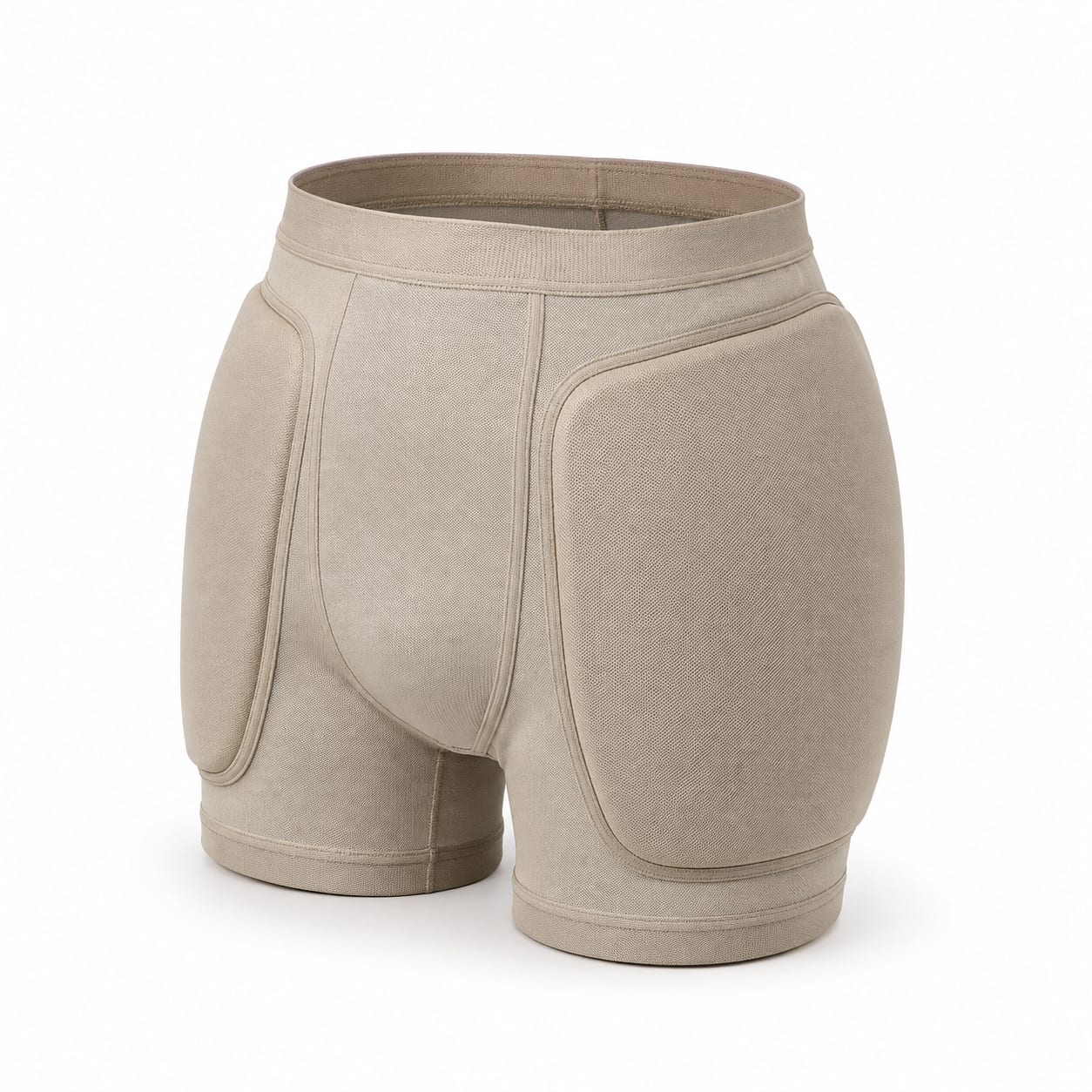
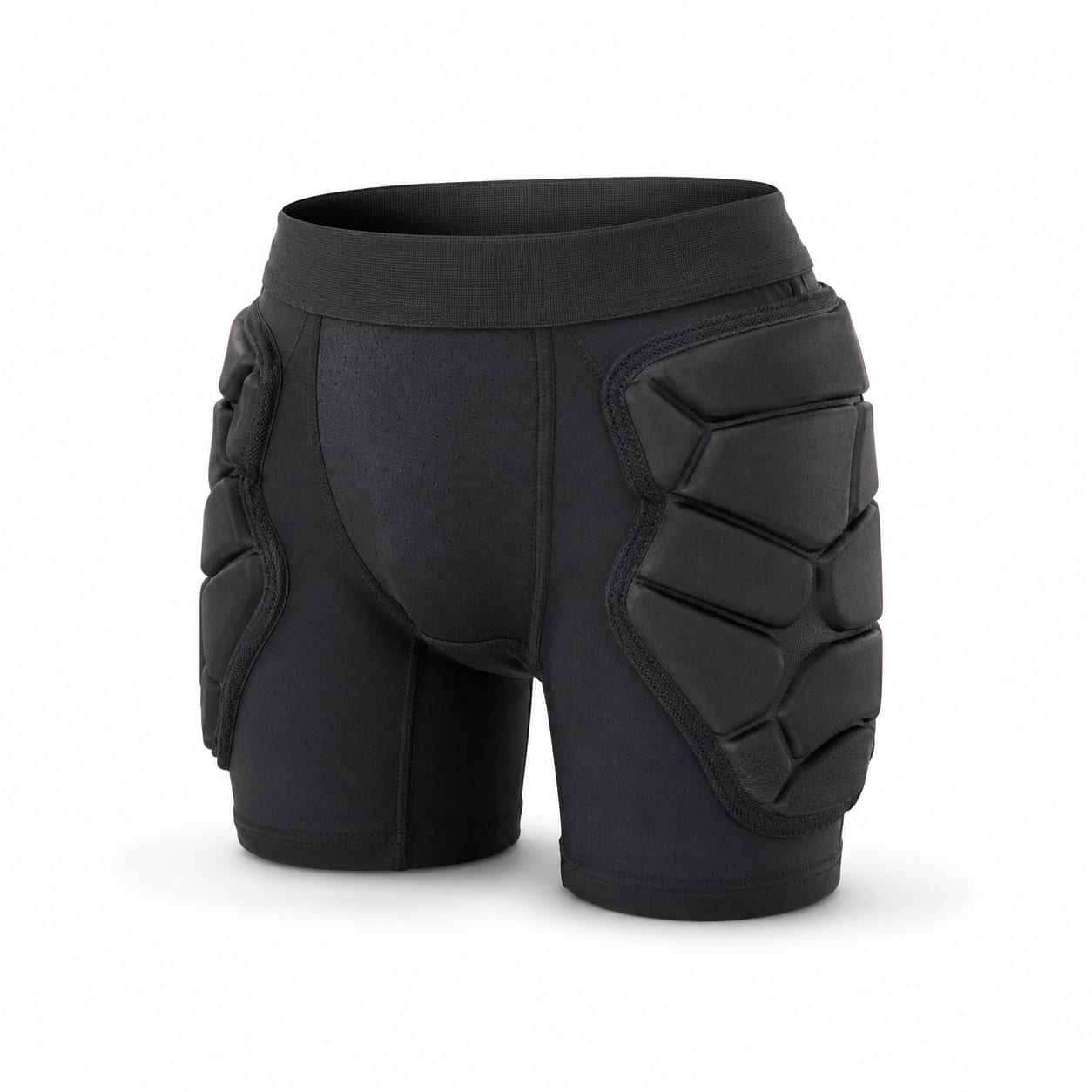
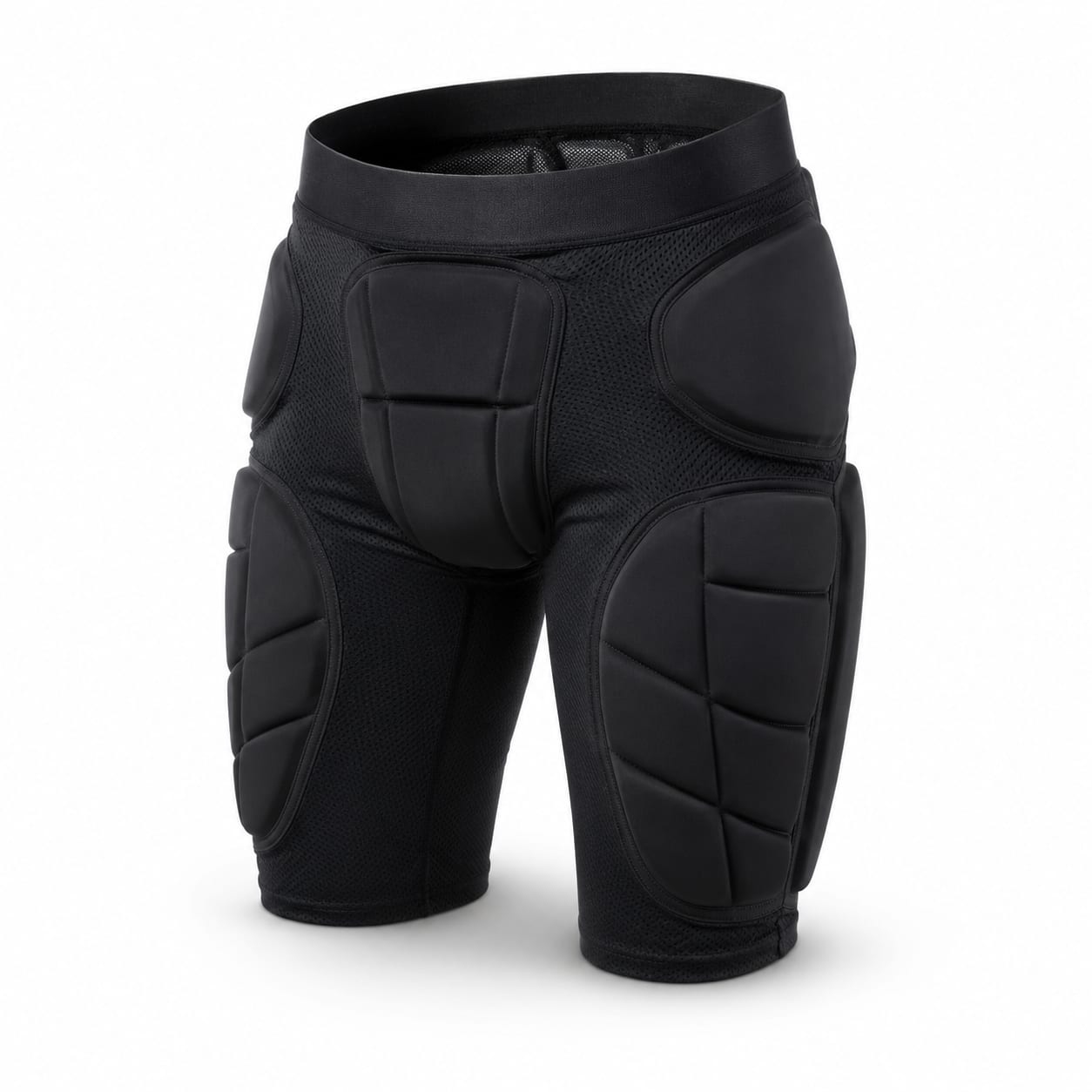
Full compression shorts with integrated padding covering hips, tailbone, and thighs for comprehensive fall protection on the slopes.

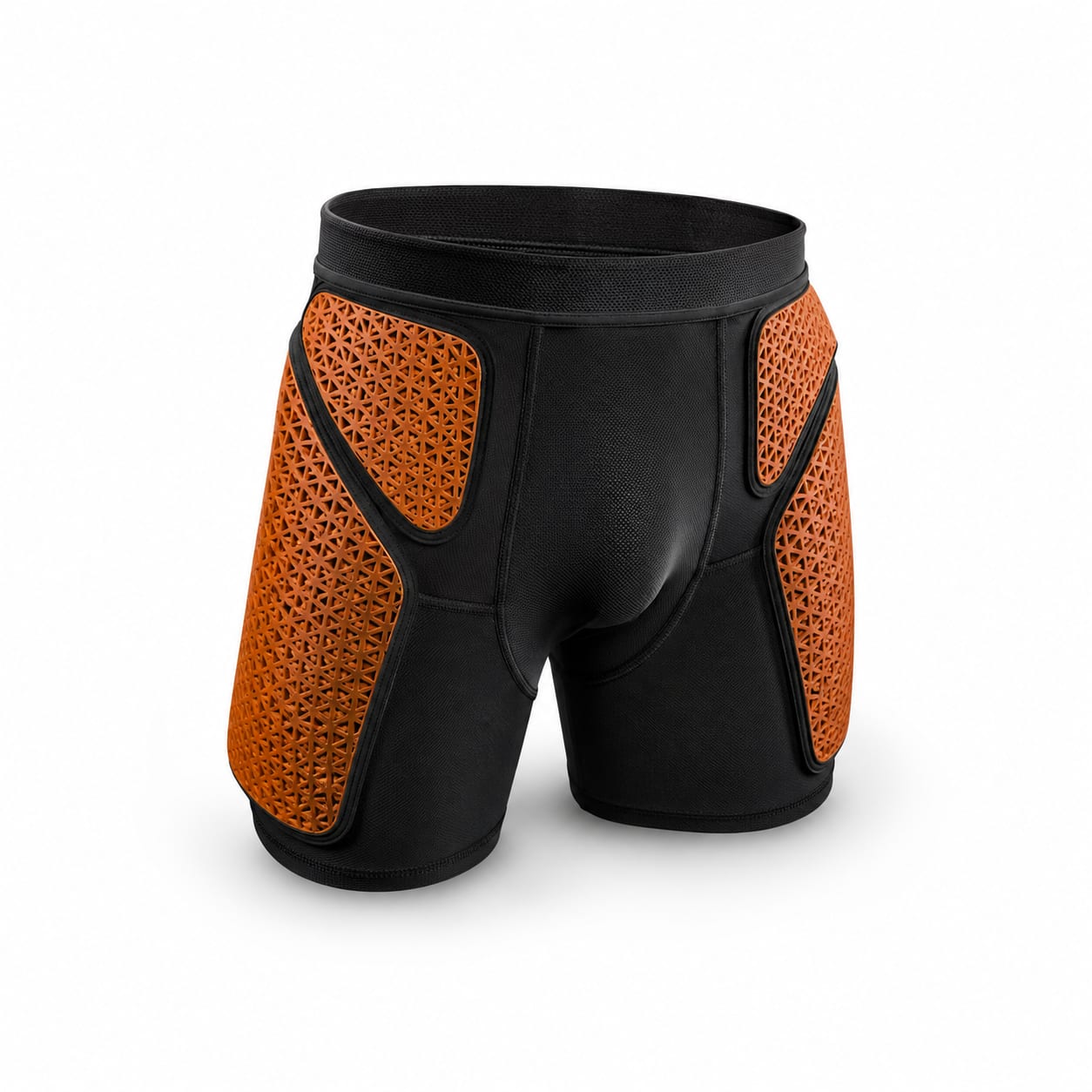
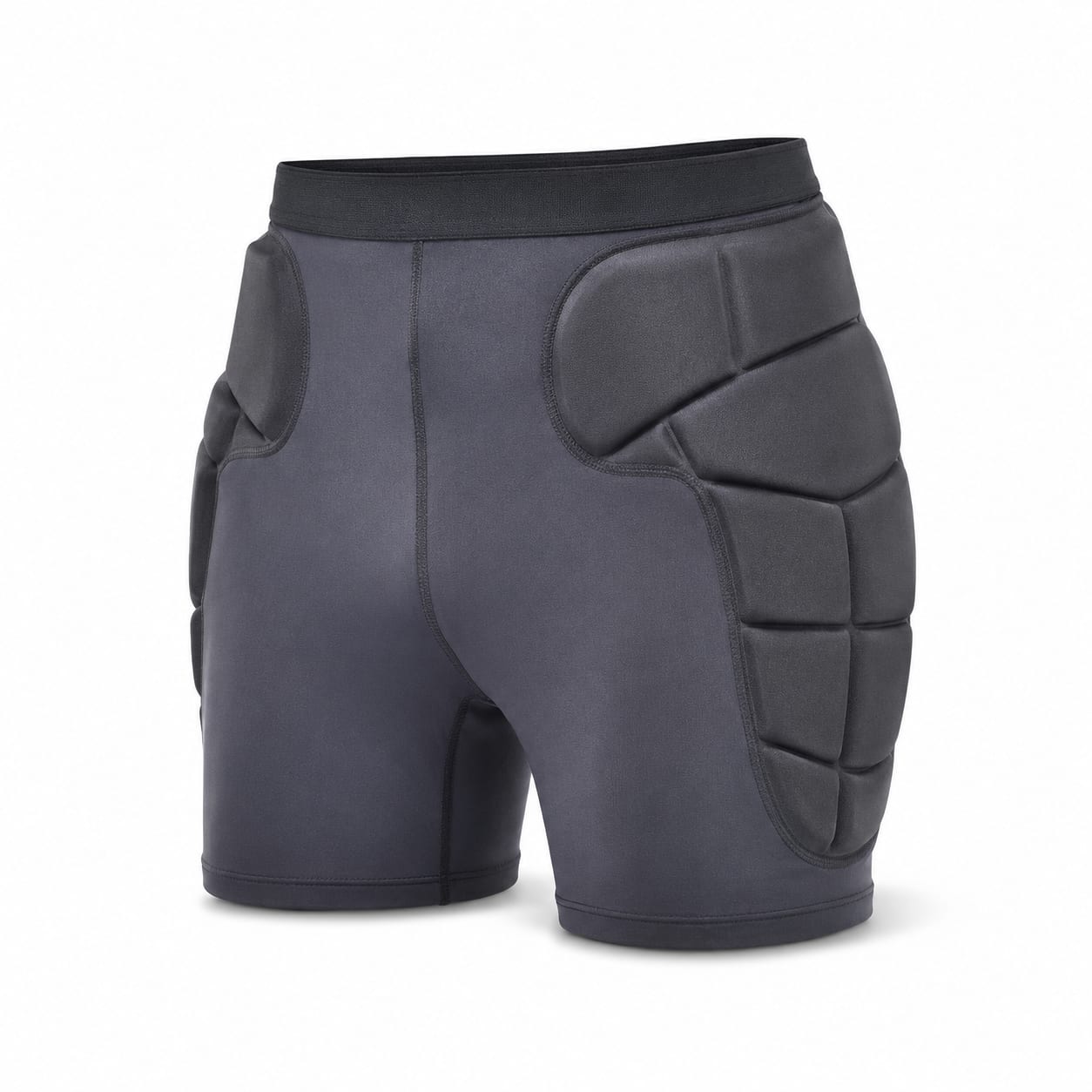
Impact shorts—also called crash pants—are the most popular and versatile form of ski hip protection, combining a compression short base with strategically placed padding over the hip joints, tailbone, and often outer thighs. They stay securely in place during active skiing, offer the broadest coverage of any hip protector style, and are available in options ranging from low-profile smart foam designs for recreational skiers to heavy-duty certified models for racers and those with medical risk factors. If you want one piece of protective gear that you can put on and forget about all day, this is it.

$40 – $180mid tierbeginnerintermediateadvanced

Best known for

Comprehensive multi-zone coverage (hips, tailbone, thighs)Secure fit that keeps pads locked in position during fallsAll-in-one convenience—no separate pads to position or adjustWide range of protection levels from casual to race-certified
Impact Shorts / Crash Pants

Guide

Detailed overview

Impact shorts are the gold standard in ski hip protection, offering a full compression short with integrated or removable protective padding across multiple impact zones. Unlike belt-style or strap-on alternatives, impact shorts distribute padding across the hips (greater trochanter), tailbone (coccyx), and often the outer thighs and buttocks in a single garment that stays put through aggressive skiing and repeated falls. They are available with CE Level 1 or Level 2 certification, and with padding materials ranging from basic EVA foam to advanced viscoelastic smart foams like D3O and SAS-TEC that remain flexible during movement but stiffen instantly on impact. The pull-on compression fit ensures pads remain aligned over critical fracture sites, which is essential for effective protection—especially for older skiers or those with osteoporosis. The trade-off is warmth and bulk: wearing padded shorts under already-insulated ski pants adds a layer that can feel hot on warm days, and thicker pads may be visible under slim-fitting pants. However, modern low-profile designs using smart foams have largely addressed these concerns, making impact shorts practical for everyday recreational use.

Impact shorts have become the default choice for ski hip protection because they solve the fundamental problem that defeats other protector styles: pad migration. When you fall skiing—whether it's a slow-speed slide on ice or a high-speed cartwheel—pads that shift off the hip joint provide no protection at all. The compression short design holds pads firmly against the greater trochanter, which is the bony prominence on the upper thigh where the vast majority of hip fractures originate. This secure positioning is the single most important factor in whether a hip protector actually works in a real fall.

The coverage advantage of impact shorts over simpler designs cannot be overstated. A typical pair protects not just the hip joints but also the tailbone—a critical zone for beginners who tend to fall backward—and often extends down the outer thighs and up to the iliac crest. This multi-zone approach means you're protected in a wider range of fall scenarios: side falls onto the hip, backward falls onto the tailbone, and glancing impacts along the thigh. For skiers with osteoporosis or those recovering from injury, this comprehensive coverage provides meaningful fracture risk reduction that targeted hip-only pads cannot match.

Material technology has transformed the wearability of impact shorts in recent years. Early designs used thick EVA foam pads that were bulky, hot, and visible under clothing—leading many skiers to leave them in the locker. Modern smart foams like D3O, SAS-TEC, and Poron XRD remain soft and flexible during normal movement but harden instantly upon impact, allowing thin 8-12 mm pads to deliver protection that rivals or exceeds older 20+ mm EVA designs. This means today's impact shorts can be genuinely low-profile and still provide CE-certified protection, removing the stigma and discomfort that previously discouraged regular use.

Choosing the right impact shorts comes down to matching protection level and coverage to your risk profile, then ensuring proper fit. CE Level 1 (transmitting ≤18 kN of force) is adequate for most recreational skiers with normal bone density. CE Level 2 (≤9 kN) is strongly recommended for anyone with osteoporosis, a previous hip fracture, or who skis at high speeds or in the terrain park. Women should seek out women's-specific models because the wider female pelvis positions the greater trochanters further apart—unisex or men's shorts may place pads too close together to cover the actual hip joint. Finally, measure your waist and hips carefully and consult each brand's size chart, as sizing varies dramatically between manufacturers and pads that don't sit over the bone are essentially decorative.

Quick facts

Primary purpose
Comprehensive lower-body impact protection for skiing and snowboarding
Popular brands
DainesePOCDemon UnitedSlytechG-Form
Typical terrain
All mountainTerrain parkGroomed runsBackcountry

What makes it different

Covers hips, tailbone, and thighs in one garment unlike standalone pads

Recommended ranges

How this type usually specs out

Each spec is explained in plain language, then we show what buyers usually look for on this type.

Protection Level / Certification

Protection Level / Certification

What it means

The certified level of impact protection, typically based on EN 1621-1 or similar standards, indicating how much force is transmitted through the protector.

Typical for this type

CE Level 1 For Recreational Skiers; CE Level 2 For Osteoporosis, Freestyle, Or Racing

In practice

Most impact shorts carry CE Level 1 certification under EN 1621-1, transmitting no more than 18 kN of force. Premium and race-oriented models achieve CE Level 2 (≤9 kN), which is roughly twice the impact absorption. A smaller number of budget models are non-certified.

Compared to other types

Impact shorts offer the widest range of certification options among hip protector styles. Wrap/belt and strap-on styles are more commonly non-certified or Level 1 only, while pad inserts vary depending on the specific pads used.

Why it matters: Certification is the only objective measure of whether a hip protector will actually reduce fracture risk. Uncertified pads provide unverified and unpredictable protection.

Padding Material

Padding Material

What it means

The type of impact-absorbing foam or material used in the protector, which determines flexibility, weight, and impact response behavior.

Typical for this type

D3O Or SAS-TEC For Best Balance Of Comfort And Protection; EVA Foam For Budget Options; Hard Shell For Maximum Protection

In practice

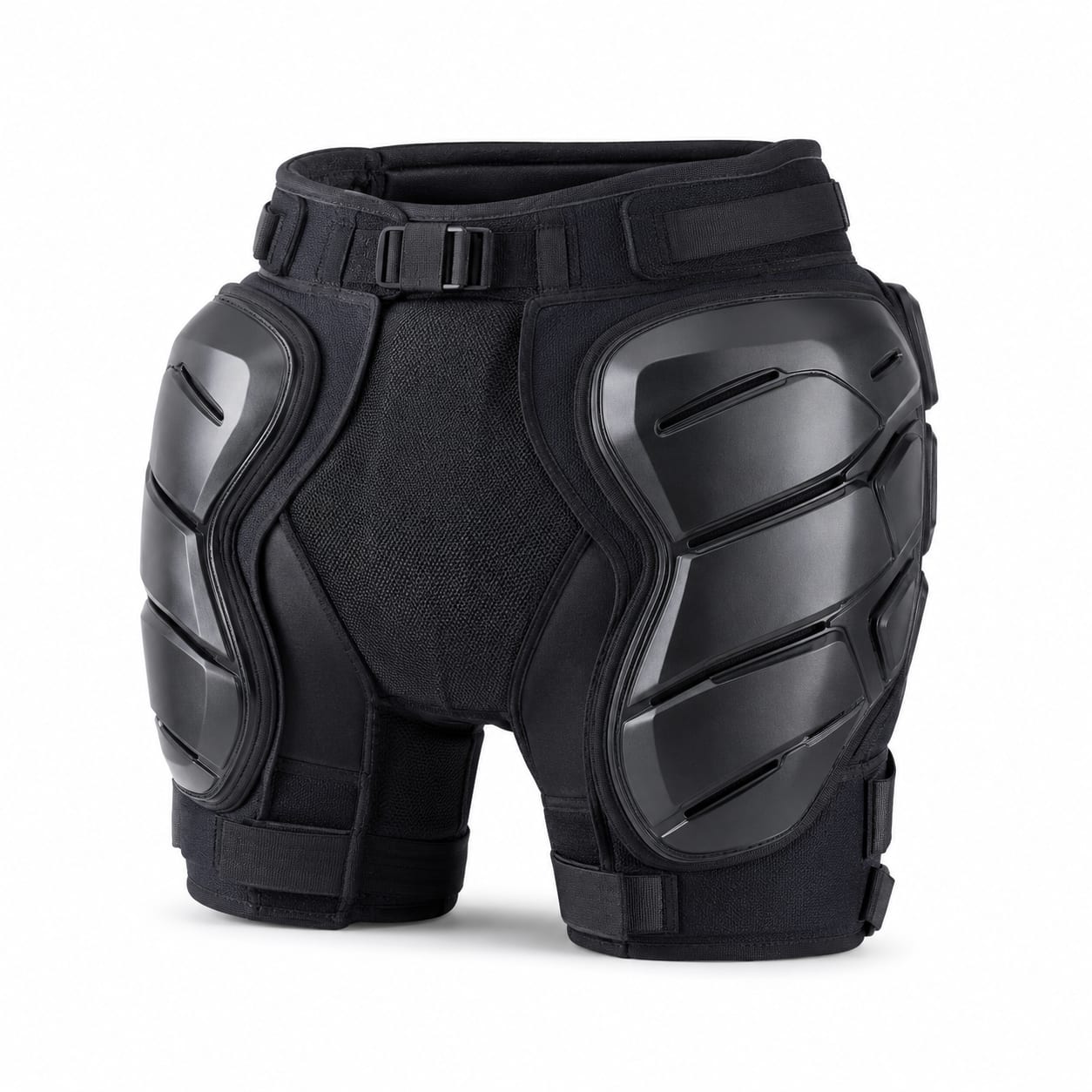
Premium impact shorts predominantly use D3O or SAS-TEC viscoelastic smart foams that stay soft during movement and harden on impact. Mid-range options may use Poron XRD. Budget models typically use EVA foam. Hard shell over-foam construction appears in race-oriented models.

Compared to other types

Impact shorts are available with all padding material types. Wrap/belt styles tend toward EVA or basic foam due to their simpler construction. Strap-on pads rarely use premium smart foams. Pad inserts can use any material but are limited by pocket thickness constraints.

Why it matters: Smart foams allow thinner, more comfortable pads that deliver equal or better protection than thicker traditional foams. This directly affects whether you'll actually wear the shorts consistently.

Construction Type

Construction Type

What it means

The overall design and form factor of the hip protector, affecting how it is worn and what areas it covers.

Typical for this type

Full Short Construction Is The Defining Characteristic Of This Subcategory

Most common pick: Impact Shorts (Full Short)

In practice

This subcategory is defined by the full compression short construction with integrated padding. Pads may be permanently sewn in or held in internal pockets (removable insert design). The short extends from waist to mid-thigh, providing a stable platform for pad positioning.

Compared to other types

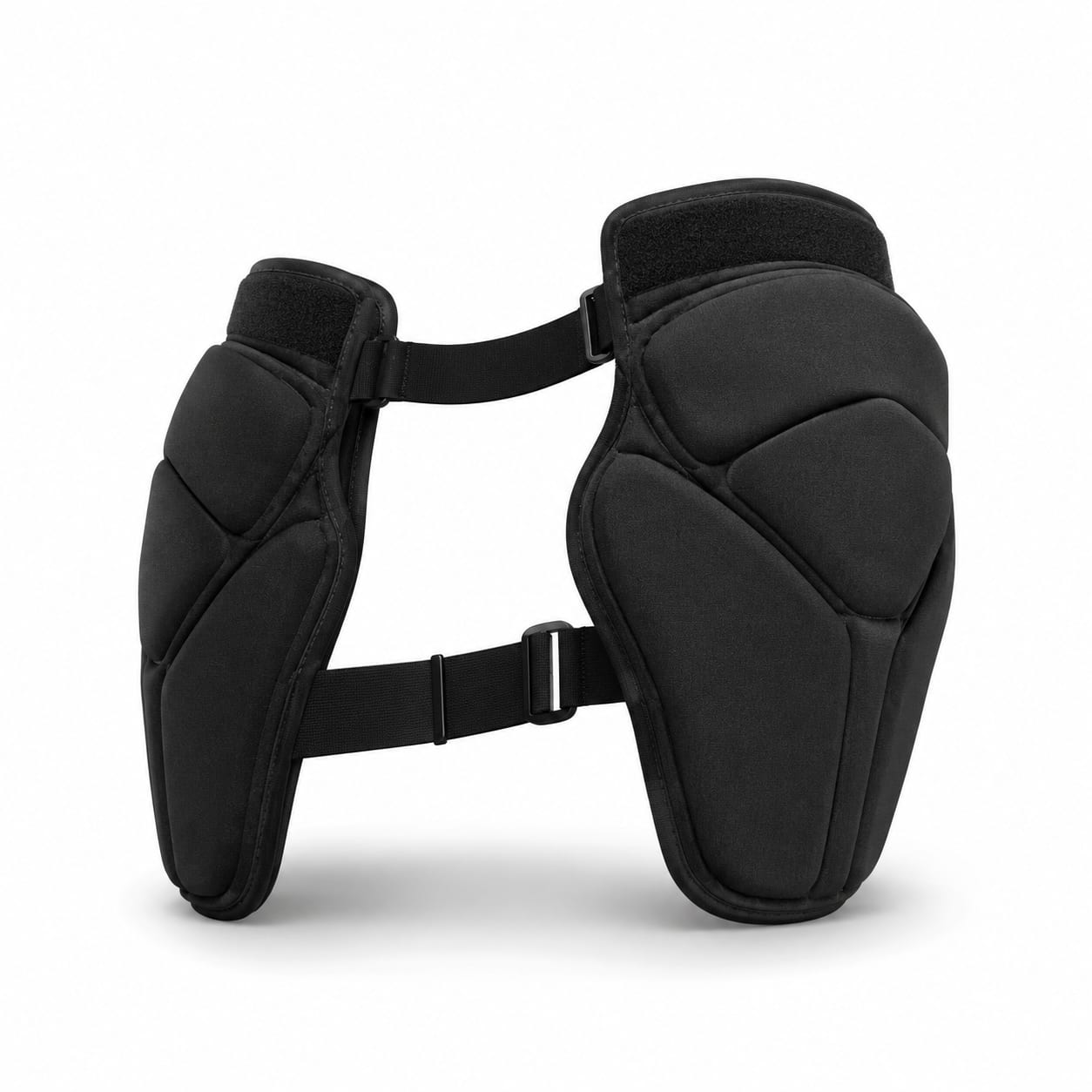
Compared to wrap/belt styles, impact shorts offer more coverage and better stability but more warmth. Compared to strap-on pads, they are far more secure and comprehensive. Compared to pad inserts, they provide a more integrated and reliable system but less modularity.

Why it matters: The full short construction is what keeps pads securely aligned over impact zones during active skiing and falls. It's the primary advantage of this subcategory over all others.

Size

Size

What it means

The size of the hip protector, typically based on waist or hip circumference, which determines fit and pad positioning.

Typical for this type

Based On Individual Waist/Hip Measurement; Consult Brand-Specific Chart

Most common pick: M (Waist 80-90 Cm, Hip 97-104 Cm)

In practice

Impact shorts use compression fit, so sizing is critical. They are sized by waist and hip circumference, typically ranging from XS to XXL. Because the compression short must hold pads firmly in place, sizing is less forgiving than normal clothing.

Compared to other types

Impact shorts have the most critical sizing requirements because the compression fit must simultaneously be snug enough to hold pads in place and comfortable enough for all-day wear. Wrap/belt styles offer more adjustability but less precise pad positioning. Strap-on pads are the most sizing-forgiving but also the most shift-prone.

Why it matters: Incorrect sizing causes pads to ride up, shift sideways, or gap—rendering protection ineffective. Too large and pads migrate off the hip joint; too small and the shorts are unbearably uncomfortable.

Padding Thickness

Padding Thickness

What it means

The thickness of the protective padding at the hip, which affects both the level of protection and the bulk under clothing.

Typical for this type

8-12 mm for smart foam (D3O/SAS-TEC); 15-25 mm for EVA foam; 15-20 mm for maximum protection

Most common pick: 10-15 mm at hip

In practice

Hip pad thickness in impact shorts typically ranges from 8 mm in ultra-low-profile smart foam designs to 25 mm in maximum-protection EVA or hard shell models. Smart foam pads achieve equivalent or better protection at roughly half the thickness of EVA foam.

Compared to other types

Impact shorts can accommodate the full range of padding thicknesses because the short construction supports and positions the pads. Wrap/belt styles tend to use thinner pads to reduce bulk at the waist. Strap-on pads are limited in thickness because thick pads shift more on straps.

Why it matters: Thickness affects both protection level and wearability. Thicker pads provide more absorption with traditional foams but are more visible under clothing and can restrict movement. Smart foams break this trade-off by being thin yet highly effective.

Coverage Area

Coverage Area

What it means

The body areas protected by the hip protector beyond the basic hip joint.

Typical for this type

Minimum: Hip Joint + Tailbone; Ideal: Hip Joint + Tailbone + Side Hip + Outer Thigh

Most common pick: Hip Joint, Tailbone, Outer Thigh, Side Hip

In practice

Impact shorts are the most comprehensive coverage option, typically protecting the hip joints (greater trochanter), tailbone (coccyx), and often extending to the outer thighs and side hip (iliac crest). Some models also include buttock padding. The multi-zone coverage is a defining advantage of this subcategory.

Compared to other types

Impact shorts offer the broadest coverage of any hip protector style. Wrap/belt styles typically cover only the hip joints and possibly side hip. Strap-on pads cover only the specific zones they're attached to. Pad inserts depend on the pocket layout of the host garment.

Why it matters: Falls on skiers happen in many directions. Hip-only protection misses backward falls onto the tailbone (common for beginners) and side impacts along the thigh. More coverage zones mean protection in more fall scenarios.

Weight

Weight

What it means

The total weight of the hip protector, affecting comfort and fatigue during a full day of skiing.

Typical for this type

200-300 g for low-profile models; 300-450 g for full-coverage models; 450-600 g for maximum protection

Most common pick: 280-380 g

In practice

Impact shorts typically weigh between 200 and 500 grams depending on padding material, thickness, and coverage area. Smart foam models with targeted coverage are the lightest; hard shell or full-coverage EVA models are the heaviest.

Compared to other types

Impact shorts are heavier than wrap/belt styles (150-300 g) and strap-on pads (100-200 g) due to the full short construction and multi-zone padding. However, the weight includes the compression short fabric that serves the critical function of holding pads in place.

Why it matters: Weight affects comfort on long ski days but is less critical than fit and pad stability. A well-fitting 400 g short is more comfortable than a poorly fitting 200 g one. Weight distribution across the hips matters more than total weight.

Breathability

Breathability

What it means

The ability of the protector to allow moisture vapor and heat to escape, preventing overheating and sweat accumulation.

Typical for this type

Moderate For All-Season Use; High For Spring Skiing Or Hot-Natured Skiers

In practice

Most impact shorts offer moderate breathability with moisture-wicking fabrics and some mesh panels in the non-padded zones. The padded areas inherently trap more heat. High-breathability models use extensive mesh construction but may sacrifice some durability.

Compared to other types

Impact shorts are less breathable than wrap/belt or strap-on styles because the full short construction covers more body surface area. However, they are more breathable than wearing separate base layer shorts plus a hip protector, since they combine both functions.

Why it matters: Impact shorts are worn under ski pants, creating a layered system that can become uncomfortably warm—especially on spring days or during high-exertion skiing. Overheating leads to sweat accumulation, discomfort, and potentially not wearing the protector.

Mobility / Range of Motion

Mobility / Range of Motion

What it means

How freely the wearer can move while wearing the protector, affecting skiing technique and comfort.

Typical for this type

Unrestricted to Slightly Restricted For Aggressive Skiing; Slightly

Most common pick: Slightly Restricted

In practice

Modern smart foam impact shorts typically offer unrestricted to slightly restricted mobility. The compression short fabric is inherently flexible, and smart foam pads remain soft during movement. Thicker EVA or hard shell models can cause moderate restriction, especially in deep hip flexion or wide stance positions.

Compared to other types

Impact shorts with smart foam offer comparable or better mobility than wrap/belt styles because the compression fit moves naturally with the body. Strap-on pads can restrict movement at the strap attachment points. Hard shell pad inserts are the most restrictive regardless of construction type.

Why it matters: If a protector restricts your skiing technique, you'll either ski worse or stop wearing it. Mobility is a practical safety factor because the best protector is the one you actually wear.

Layer Compatibility

Layer Compatibility

What it means

How the hip protector is designed to be worn in relation to other layers—under or over base layers and ski pants.

Typical for this type

Next-To-Skin For Best Pad Positioning; Mid-Layer Acceptable With Thin Base Underneath

Most common pick: Base Layer (Next-To-Skin)

In practice

Most impact shorts are designed to be worn directly against the skin or over thin underwear, functioning as both protective gear and a base layer. Some skiers prefer wearing a thin moisture-wicking base layer underneath. The shorts go under ski pants in all cases.

Compared to other types

Impact shorts are almost exclusively designed as base or mid layers, unlike over-pants racing protectors. This makes them more versatile for recreational skiing but means your ski pants must have enough room to accommodate them comfortably.

Why it matters: Layer compatibility determines whether the protector works with your existing clothing system. Impact shorts worn as a base layer provide the most secure pad positioning. Wearing them over a thick base layer can allow pads to shift relative to the body.

Closure System

Closure System

What it means

How the hip protector secures to the body, affecting ease of use, adjustability, and stability during activity.

Typical for this type

Pull-On For Best Stability And Pad Positioning

Most common pick: Pull-On (Compression Short)

In practice

The vast majority of impact shorts use a pull-on compression short design with no closures. This provides the most secure and stable fit, keeping pads locked in position. Some models feature a zip closure at the front for easier on/off, and a few use Velcro waist adjustments.

Compared to other types

Impact shorts predominantly use pull-on closure, which is the most secure option. Wrap/belt styles use Velcro closures for adjustability. Strap-on pads use elastic straps. Over-pants designs may use snap/buckle closures. For skiing, the pull-on compression short is generally the most reliable.

Why it matters: Closure system affects both pad stability and convenience. Pull-on shorts keep pads most securely positioned but can be difficult to put on when damp and make bathroom breaks less convenient. Zip closures add convenience but create a potential pressure point and failure point.

Washability

Washability

What it means

How the hip protector can be cleaned, important for hygiene during multi-day ski trips.

Typical for this type

Machine Washable With Removable Pads For Best Hygiene And Pad Longevity

Most common pick: Machine Washable (Pads Removed)

In practice

Most quality impact shorts feature removable pads that allow the short fabric to be machine washed. Pads are typically hand-washed or wiped clean. Some budget models have permanently sewn-in pads that may be machine washable as a unit but can degrade the foam over time.

Compared to other types

Impact shorts with removable pads offer the best washability of any hip protector style. Wrap/belt styles are similarly washable. Strap-on pads are easy to clean separately but the straps can be harder to wash. Over-pants designs are typically wipe-clean only.

Why it matters: Skiing is a sweaty activity, and impact shorts worn next to skin for multiple days need regular washing. Removable pads allow thorough cleaning of the fabric while preserving the impact material from washing machine degradation.

Gender-Specific Fit

Gender-Specific Fit

What it means

Whether the protector is designed for specific body proportions, as hip shape and pad placement differ between men and women.

Typical for this type

Women'S-Specific For Female Skiers; Men'S-Specific For Male Skiers; Youth For Children

Most common pick: Available In Men'S, Women'S, And Unisex

In practice

Quality impact shorts are available in gender-specific cuts that account for the different waist-to-hip ratios and greater trochanter positioning between men and women. Women's models have wider hip construction with pads positioned further apart to match the broader female pelvis. Unisex models are common at lower price points but compromise on pad placement.

Compared to other types

Impact shorts have the best gender-specific options because the full short construction allows anatomical patterning. Wrap/belt styles offer some women's models. Strap-on pads and pad inserts are typically unisex, which is problematic for women's pad positioning.

Why it matters: The female pelvis is wider and positions the greater trochanters further apart than the male pelvis. Pads that are too close together on a woman's body miss the actual hip joint entirely, providing no meaningful fracture protection. This is not a comfort issue—it's a safety issue.

Low Profile / Discretion

Low Profile / Discretion

What it means

How visible the protector is under ski clothing, affecting aesthetic preference and willingness to wear.

Typical for this type

Low Profile For Most Skiers; Ultra-Low Profile For Style-Conscious Skiers With Smart Foam; Standard Profile Acceptable Under Looser Ski Pants

Most common pick: Low Profile

In practice

Modern impact shorts with smart foam pads achieve a low profile that is slightly visible under tight clothing but not obvious under normal ski pants. Ultra-low-profile models using thin D3O or Poron XRD are virtually invisible. Standard-profile models with thicker padding are noticeable under slim pants. Hard shell models are high-profile and clearly visible.

Compared to other types

Impact shorts with smart foam achieve comparable or better discretion than wrap/belt styles because the pads are integrated into the short rather than adding bulk at the waistband. Strap-on pads can be low-profile but may create visible lumps if they shift. Pad inserts depend on the host garment.

Why it matters: Profile affects willingness to wear. Many skiers—especially younger ones—abandon protectors that look bulky or obvious under clothing. A protector left in the lodge provides zero protection. Low-profile designs remove this barrier to consistent use.

Impact Absorption Rating

Impact Absorption Rating

What it means

The measured force transmission through the protector during standardized impact testing, indicating real protective performance.

Typical for this type

Under 10 KN For Meaningful Fracture Risk Reduction; Under 15 KN For General Protection

Most common pick: 12-18 kN (CE Level 1); 6-9 kN (CE Level 2)

In practice

CE Level 1 impact shorts transmit between 12-18 kN of force in standardized testing. CE Level 2 models transmit 6-9 kN. Non-certified models vary widely and unpredictably. Since hip fractures can occur at approximately 3-10 kN depending on bone density, lower transmission values provide meaningfully better fracture prevention.

Compared to other types

Impact shorts offer the widest range of impact absorption performance because they accommodate all padding materials and thicknesses. The best CE Level 2 impact shorts with SAS-TEC or D3O achieve 6-8 kN transmission—among the best available in any hip protector format.

Why it matters: Impact absorption is the whole point of wearing a hip protector. The kN rating tells you exactly how much force reaches your body in a fall. For skiers with osteoporosis or low bone density, achieving under 10 kN transmission (CE Level 2) is strongly recommended.

Antimicrobial Treatment

Antimicrobial Treatment

What it means

Whether the protector has antimicrobial or odor-control treatment to prevent bacterial growth during multi-day use.

Typical for this type

Recommended For Multi-Day Ski Trips; Not Critical For Day-Trip Skiers Who Wash After Each Use

Most common pick: Yes (Most Models)

In practice

Most mid-range and premium impact shorts include antimicrobial or odor-control treatment on the fabric. This helps prevent bacterial growth and odor during multi-day use when washing isn't practical. It does not replace regular washing.

Compared to other types

Impact shorts are more likely to include antimicrobial treatment than simpler protector styles because they cover more skin surface and are worn as a base layer. Wrap/belt and strap-on styles may not include this feature.

Why it matters: Antimicrobial treatment is a quality-of-life feature that makes wearing impact shorts on multi-day ski trips more pleasant. Without it, sweat-soaked shorts can develop odor quickly, especially when stored in a boot bag overnight.

Durability / Lifespan

Durability / Lifespan

What it means

How long the protector maintains its protective qualities under regular use, as impact foams can degrade over time.

Typical for this type

High Durability (3+ Seasons) For Smart Foam Models; Moderate (2-3 Seasons) For EVA Foam; Inspect Annually

Most common pick: Moderate Durability (2-3 Seasons)

In practice

Smart foam impact shorts (D3O, SAS-TEC) typically maintain protective performance for 3+ seasons because the viscoelastic material resists permanent compression. EVA foam models tend to compress and lose effectiveness after 1-2 seasons of regular use. The compression short fabric and elastic generally last 2-4 seasons depending on washing frequency and care.

Compared to other types

Impact shorts with smart foam offer better durability than wrap/belt or strap-on styles that typically use EVA foam. The full short construction also protects the pads from abrasion and UV exposure better than exposed pad designs. Removable pad inserts allow replacing just the pads when they degrade, extending the life of the garment.

Why it matters: A hip protector with degraded foam provides a false sense of security. Impact foams that feel permanently compressed, cracked, or have lost flexibility should be replaced immediately regardless of the fabric's condition.

Evaluation

Strengths and trade-offs

Pros

What this type does best

Most secure pad positioning of any hip protector style

Critical

The compression short holds pads firmly against the greater trochanter and other impact zones through aggressive movement and falls. Unlike belt or strap styles, pads cannot migrate off the hip joint during a fall—ensuring protection is where you need it when impact occurs.

Comprehensive multi-zone coverage

Critical

Impact shorts protect the hip joints, tailbone, and often outer thighs and side hips in a single garment. This covers the most common fall directions—side falls, backward falls, and glancing impacts—providing protection that hip-only designs cannot match.

All-in-one convenience

High

Put them on like underwear and you're protected. No adjusting pads, no positioning belts, no worrying about whether straps are tight enough. This simplicity increases the likelihood of consistent use, which is the most important factor in any protector's effectiveness.

Widest range of protection levels and materials

High

Impact shorts are available in CE Level 1, CE Level 2, and non-certified options with every padding material from budget EVA to premium D3O and hard shell. This means you can find an impact short matched to any risk profile and budget.

Gender-specific anatomical fit available

High

Quality brands offer women's-specific models with wider hip construction and pad spacing that matches the female pelvis. This ensures pads actually cover the greater trochanter on women's bodies—a critical safety requirement that unisex designs often fail to meet.

Removable pads for washing and replacement

Medium

Most impact shorts feature removable pads that allow machine washing of the short fabric and separate cleaning of the pads. When pads eventually degrade, you can replace just the pads rather than the entire garment, improving long-term value.

Functions as a base layer

Medium

Impact shorts serve double duty as both protective gear and a moisture-wicking base layer. This eliminates the need for a separate base layer short under your ski pants, simplifying your layering system.

Cons

Trade-offs to be aware of

Added warmth under ski pants

Moderate

The full compression short adds a significant layer under already-insulated ski pants. On warm spring days or for skiers who run hot, this can cause overheating and sweat accumulation. Breathable models help but cannot fully eliminate this issue.

Bathroom inconvenience with pull-on design

Moderate

Pull-on compression shorts must be pulled down for bathroom breaks, which is more cumbersome than snap or zip closures. For women in particular, removing impact shorts in a ski bathroom can be awkward, especially when damp with sweat.

Sizing is critical and brand-variable

Moderate

Impact shorts must fit precisely to position pads correctly, but sizing varies dramatically between brands. A medium in one brand may fit like a small in another. Getting the wrong size means pads don't align with the hip joint, rendering the protector ineffective. This makes online purchasing risky without trying on first.

Can be visible under slim-fitting ski pants

Minor

Even low-profile models may show pad outlines under tight or thin ski pants, particularly at the tailbone and hip joints. Standard-profile and thick-padded models are clearly visible. This aesthetic concern can discourage consistent wear, especially among younger skiers.

More expensive than simpler protector styles

Minor

Quality impact shorts with smart foam pads typically cost $80-200, which is more than wrap/belt styles ($40-100) or strap-on pads ($20-60). The integrated construction and premium materials justify the cost but represent a higher initial investment.

Tailbone pad can be uncomfortable on chairlifts

Minor

The tailbone padding that protects against backward falls creates a cushion between you and the chairlift seat. Some skiers find this uncomfortable or feel it pushes them forward on the seat. This is a minor but persistent annoyance throughout the ski day.

Best for

Terrain

Groomed runsMogulsTerrain parksIce and hardpackOff-piste and variable snow

Snow conditions

Icy conditions (high fall risk)HardpackVariable and unpredictable snowAll conditions with appropriate breathability selection

Skill level

BeginnerIntermediateAdvancedExpert

Riding style

All-mountain skiingFreestyle and parkCarvingMogul skiingRacing (with appropriate certification level)

Rider profile

Older skiers with osteoporosis or low bone densitySkiers recovering from hip or tailbone injuriesBeginners who fall frequentlyFreestyle skiers hitting rails and jumpsRisk-averse skiers who want comprehensive protectionParents wanting protection for themselves or children

Not ideal for

Reasons

Skiers who overheat easily in warm conditions may find full shorts too hotSkiers who refuse to wear anything visible under fitted pants and need ultra-low-profile alternativesBudget-constrained buyers who only need basic hip coverage and would be served by cheaper wrap/belt styles

Riding style

Skimo racing (weight and bulk penalty)Cross-country skiing (overkill protection, excessive warmth)

Compare

How it stacks up

This page

Impact Shorts / Crash Pants

Far superior pad stability and multi-zone coverage. Impact shorts protect hips, tailbone, and thighs in one secure garment that won't shift during falls. The compression fit ensures pads stay aligned over the greater trochanter—something belt styles struggle with during active skiing.

Alternative

Wrap/Belt Style Hip Protectors

Wrap/belt styles are lighter, cooler, less expensive, and easier to put on and remove. They work well for skiers who only need hip joint protection and prioritize minimal bulk. They're also more adjustable for skiers whose weight fluctuates.

Bottom line

Choose impact shorts unless you specifically need minimal coverage or run extremely hot. The security and coverage advantages are significant for real-world fall protection.

This page

Impact Shorts / Crash Pants

Integrated construction means pads are always correctly positioned in purpose-built pockets. No risk of inserting pads incorrectly or having them shift within oversized pockets. The compression short is engineered as a complete protective system.

Alternative

Removable Pad Inserts

Pad inserts offer modularity—you can use the same pads in different garments or upgrade pads without replacing the entire system. They're also easier to wash thoroughly since both the garment and pads can be cleaned separately and completely.

Bottom line

Impact shorts are better for most skiers because the integrated system ensures correct pad placement. Pad inserts are a good choice if you already own compatible garments or want the flexibility to swap pads between activities.

This page

Impact Shorts / Crash Pants

Dramatically better pad stability. Strap-on pads are notorious for shifting during active movement and falls, which can leave the hip joint completely unprotected when you need it most. Impact shorts also offer multi-zone coverage that strap-on pads cannot practically provide.

Alternative

Strap-On Pads

Strap-on pads are the lightest, cheapest, and most minimal option. They work for very low-speed activities or as a confidence booster for cautious skiers who rarely fall. They're also the easiest to share between people of different sizes.

Bottom line

Strongly prefer impact shorts for skiing. Strap-on pads are not reliable for the dynamic falls that occur in skiing, and the risk of pad migration makes them a poor choice for anyone with genuine fracture risk.

This page

Impact Shorts / Crash Pants

More comfortable, more discreet, and better for all-day recreational skiing. Impact shorts work within your normal layering system rather than adding an external layer. They're also easier to move in and don't require special pants to accommodate them.

Alternative

Over-Pants Racing Protectors

Over-pants racing protectors offer maximum protection with hard shell construction, are easy to put on and remove between runs, and don't require removing ski pants. They're the standard for competitive racing where maximum force distribution is required.

Bottom line

Choose impact shorts for recreational skiing, freestyle, and all-mountain use. Over-pants protectors are appropriate only for competitive racing or training where you need to quickly add and remove maximum protection between runs.

Shopping

Buying tips

  • 1

    Measure your waist at the navel and hips at the widest point before ordering—never guess your size based on normal clothing. Sizing varies dramatically between brands, and incorrect sizing means pads won't align with your hip joints.

  • 2

    Women should choose women's-specific models, not unisex. The female pelvis positions the greater trochanters further apart, and unisex or men's shorts will place pads too close together to cover the actual hip joint. This is a safety issue, not a comfort preference.

  • 3

    If you have osteoporosis, low bone density, or a previous hip fracture, invest in CE Level 2 certified shorts. The difference between Level 1 (≤18 kN) and Level 2 (≤9 kN) transmission is significant for fracture risk reduction, as hip fractures can occur at 3-10 kN depending on bone density.

  • 4

    Prioritize smart foam materials (D3O, SAS-TEC, Poron XRD) over EVA foam. Smart foams allow thinner, more comfortable pads that deliver equal or better protection, maintain performance longer, and make the shorts more likely to be worn consistently.

  • 5

    Check that your ski pants have enough room to accommodate the impact shorts comfortably underneath. Try the combination before your trip—tight ski pants over padded shorts restrict movement and create pressure points that make both items miserable.

  • 6

    If you ski in warm conditions or run hot, look for models with mesh panels and high breathability ratings. The difference between moderate and high breathability impact shorts is very noticeable on a 40°F spring day under insulated pants.

  • 7

    Consider models with removable pads for easier washing and the ability to replace pads when they degrade. Removable pads also let you customize protection—using thicker pads on high-risk days and thinner pads for casual skiing.

  • 8

    Test range of motion before committing: put the shorts on and get into a skiing stance with knees bent and hips flexed. If you can't comfortably achieve a deep athletic position, the pads are too thick or the shorts are too small.

Care

Maintenance notes

  • Remove pads before washing the short fabric. Machine wash the fabric on gentle cycle with cold water and hang dry. Never put the fabric in the dryer—heat degrades the elastic and compression properties.
  • Clean pads separately by hand with mild soap and water. Never machine wash smart foam pads (D3O, SAS-TEC, Poron XRD)—the agitation and heat permanently damage the viscoelastic properties. Air dry pads completely before reinserting.
  • Inspect pads at the start of each season. Look for permanent compression (pads that don't spring back when pressed), cracking, hardening, or visible deformation. Any of these signs means the pad should be replaced—degraded foam provides a false sense of security.
  • Replace impact shorts after any major impact event where the pads absorbed significant force. Smart foams are designed for single major impacts—the material may appear intact but have reduced protective capacity. This is especially important for CE Level 2 certified pads.
  • Store impact shorts with pads removed during the off-season. Keep pads flat (not folded or compressed) in a cool, dry place away from direct sunlight. UV exposure and sustained compression degrade foam performance over time.
  • If pads develop persistent odor despite washing, soak the fabric in a mixture of white vinegar and water (1:4 ratio) for 30 minutes before washing. This kills odor-causing bacteria that survive normal washing.

Progression

Skill development path

Impact shorts are valuable across all skill levels but for different reasons. Beginners fall frequently and often backward, making the tailbone and hip coverage critical—start with CE Level 1 smart foam shorts that you'll actually wear rather than bulky Level 2 models that discourage use. Intermediates falling less often but at higher speeds benefit from upgrading to CE Level 2 as the consequences of a fall increase. Advanced and expert skiers in terrain parks, steep terrain, or racing should use CE Level 2 certified shorts with comprehensive coverage. Skiers with osteoporosis or fracture risk should use CE Level 2 regardless of skill level—the medical risk outweighs any comfort or aesthetic consideration. As skill improves and fall frequency decreases, some skiers transition to lighter wrap/belt styles, but many experienced skiers keep wearing impact shorts because the comprehensive protection and secure fit provide confidence that enables more aggressive skiing.

FAQ

Common questions

Each question has a dedicated page with a full answer and links to the buying guide.

Can I wear impact shorts under my regular ski pants, or do I need special pants?

Most impact shorts are designed to be worn under your regular ski pants as a base or mid layer. You don't need special pants, but you do need pants with enough room to accommodate the padding comfortably. Slim-fitting or tight ski pants may not have enough space, creating pressure points and restricting movement. Try the combination at home before your trip. If your current ski pants are too tight, either size up in pants or choose ultra-low-profile impact shorts with thin smart foam pads.

Do I really need CE Level 2 protection, or is Level 1 enough?

CE Level 1 (≤18 kN force transmission) is sufficient for most recreational skiers with normal bone density. CE Level 2 (≤9 kN) is strongly recommended if you have osteoporosis, low bone density, a previous hip fracture, or if you ski at high speeds, in the terrain park, or race. Since hip fractures can occur at 3-10 kN depending on bone density, Level 2 provides a much larger safety margin for those at elevated risk. For healthy younger skiers, Level 1 with smart foam is a practical balance of protection and wearability.

Will impact shorts make me too hot while skiing?

They add warmth, but modern designs manage this well. Smart foam pads are thinner and less insulating than thick EVA foam. Many models include mesh panels in non-padded zones for ventilation. If you run hot or ski in spring conditions, choose a high-breathability model with extensive mesh construction. You can also wear a thinner base layer underneath to help wick moisture. On cold days, the extra warmth is actually welcome. The key is matching the breathability rating to your typical skiing conditions and personal temperature preferences.

How do I know if the pads are positioned correctly over my hip joints?

The hip joint you need to protect is the greater trochanter—the bony prominence on the outside of your upper thigh, roughly at the level of your crotch. Put the shorts on and feel for this bone through the pad. The center of the pad should sit directly over this point. If the pads are too close together (common for women in unisex shorts) or ride up above the hip joint, they won't protect you in a fall. Walk around, squat, and mimic a skiing stance—if the pads stay over the bone through movement, the fit is correct.