Protection Level / Certification
Protection Level / Certification
What it means
The certified level of impact protection, typically based on EN 1621-1 or similar standards, indicating how much force is transmitted through the protector.
Typical for this type
CE Level 1 For Recreational Skiers; CE Level 2 For Those With Osteoporosis Or High-Risk Skiing
In practice
Most D3O hip protectors achieve CE Level 1 certification (≤18 kN force transmission). Premium models with thicker smart foam or dual-density construction can reach CE Level 2 (≤9 kN). The majority of products in this subcategory are Level 1.
Compared to other types
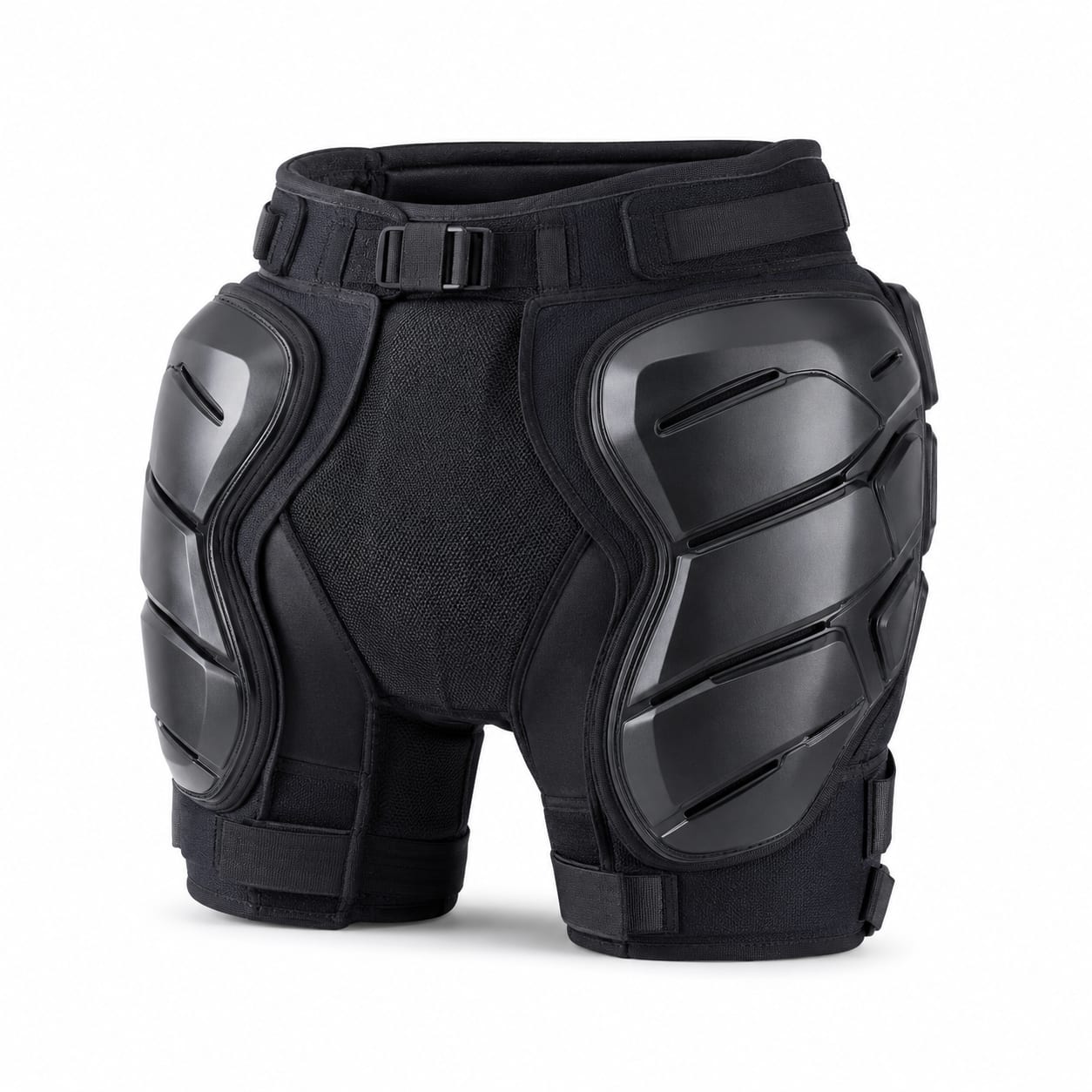
Smart materials match or exceed the certification levels of EVA foam protectors at roughly half the thickness. Hard shell protectors more commonly achieve CE Level 2 but with much greater bulk and restricted mobility.
Why it matters: CE certification provides verified, standardized impact performance. D3O's advantage is achieving this certification with significantly less bulk than traditional materials, making certified protection practical for everyday skiing.
Padding Material
Padding Material
What it means
The type of impact-absorbing foam or material used in the protector, which determines flexibility, weight, and impact response behavior.
Typical for this type
D3O For Best Flexibility; SAS-TEC For Slightly Firmer Feel With Excellent Absorption; Poron XRD For Thinnest Profile
In practice
This subcategory is defined by the use of rate-sensitive smart materials. D3O is the most prevalent, offering the softest at-rest feel. SAS-TEC is slightly firmer but provides excellent impact absorption and is common in CE Level 2 models. Poron XRD offers the thinnest possible profile.
Compared to other types
Unlike EVA foam which is always firm, or hard shells which are always rigid, smart materials adapt their behavior to the situation. This makes them uniquely suited for ski protection where both comfort and impact response are essential.
Why it matters: The smart material is the core differentiator—it enables the combination of flexibility and impact protection that defines this subcategory. Material choice affects feel, thickness, and impact performance.
Construction Type
Construction Type
What it means
The overall design and form factor of the hip protector, affecting how it is worn and what areas it covers.
Typical for this type
Impact Shorts For Best Security And Coverage; Pad Inserts For Modularity With Compatible Garments
Most common pick: Impact Shorts (Full Short)
In practice
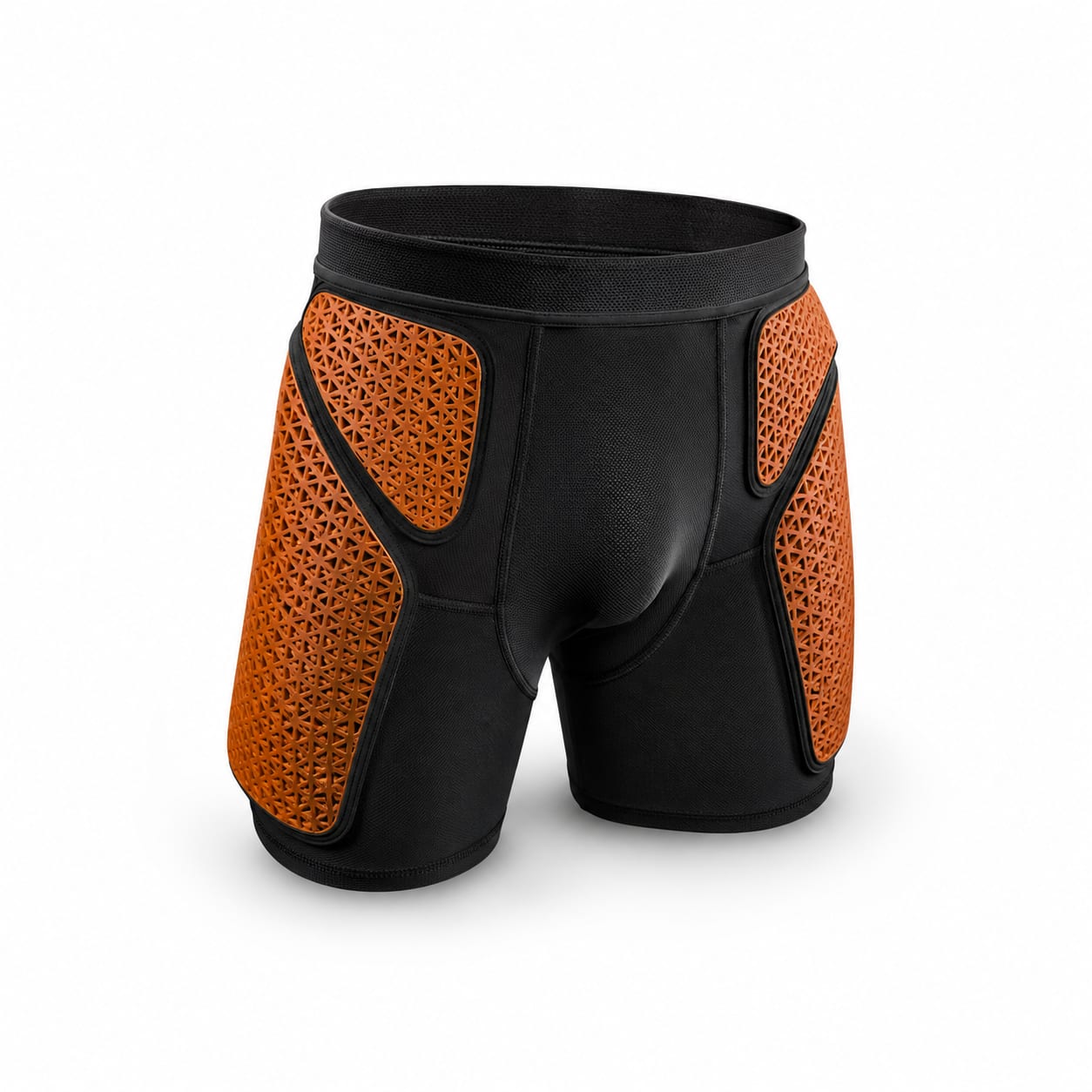
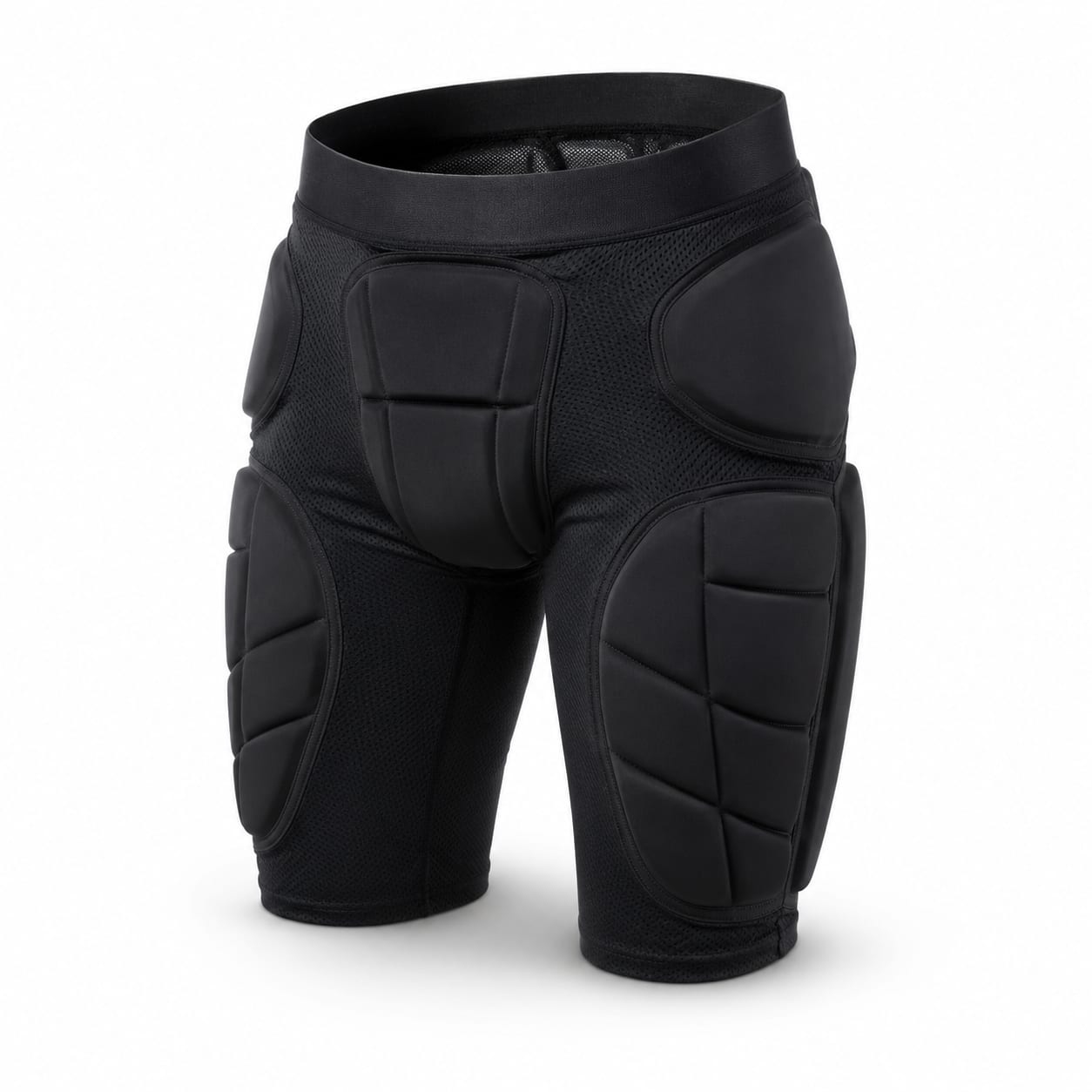
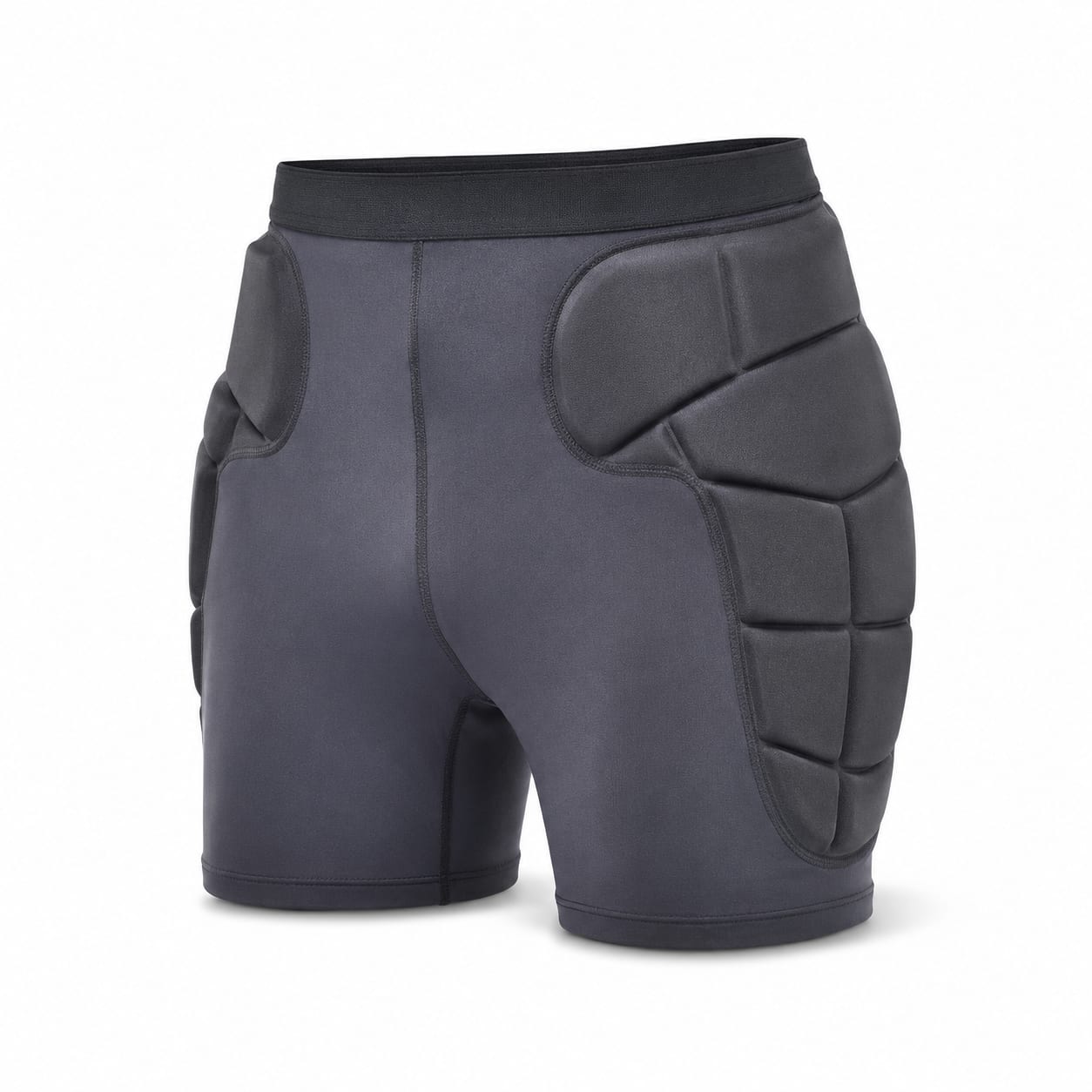
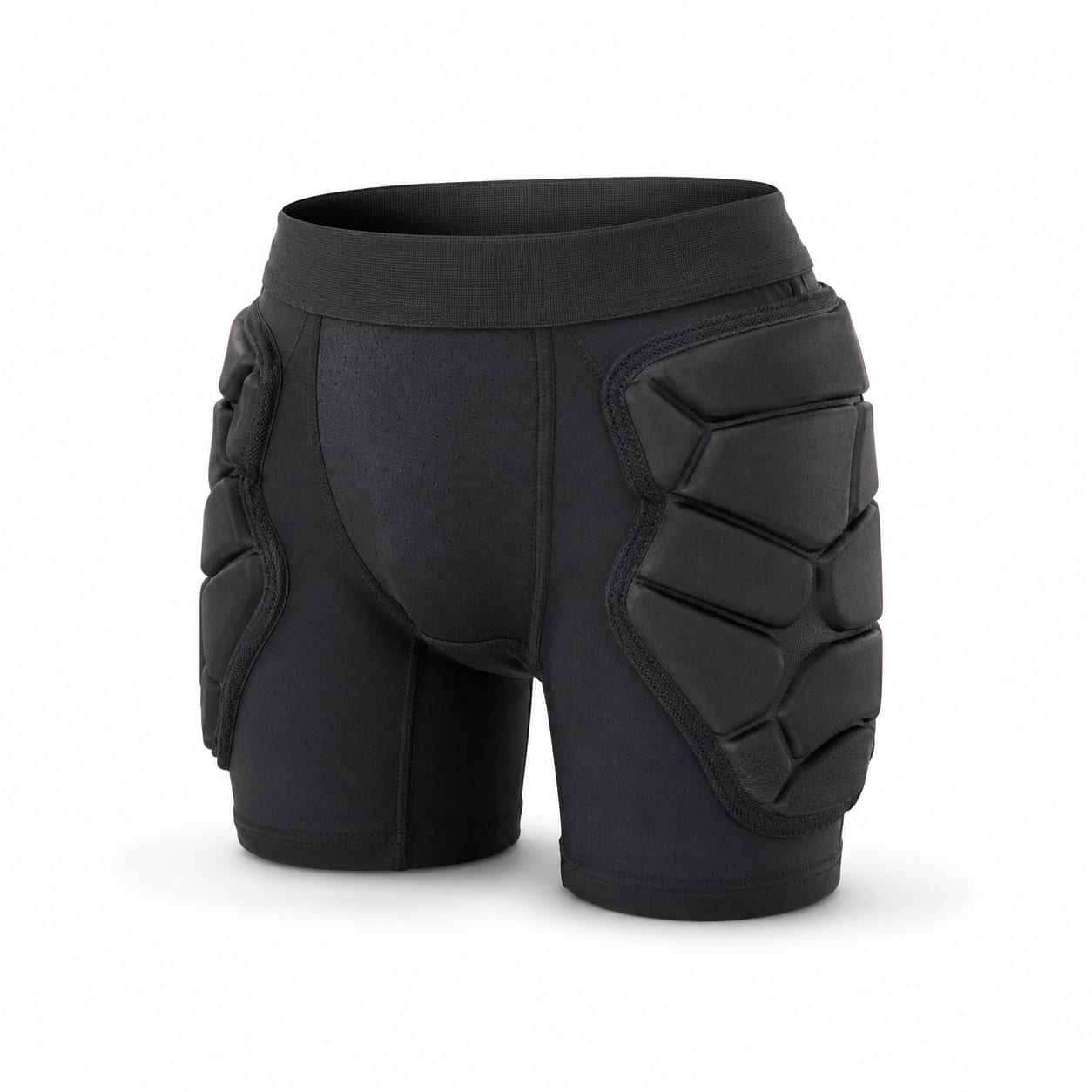
The majority of D3O hip protectors use the impact shorts construction, where smart foam pads are integrated into or inserted into pockets on a compression short. This keeps the flexible pads securely positioned over the hip joints during active skiing.
Compared to other types
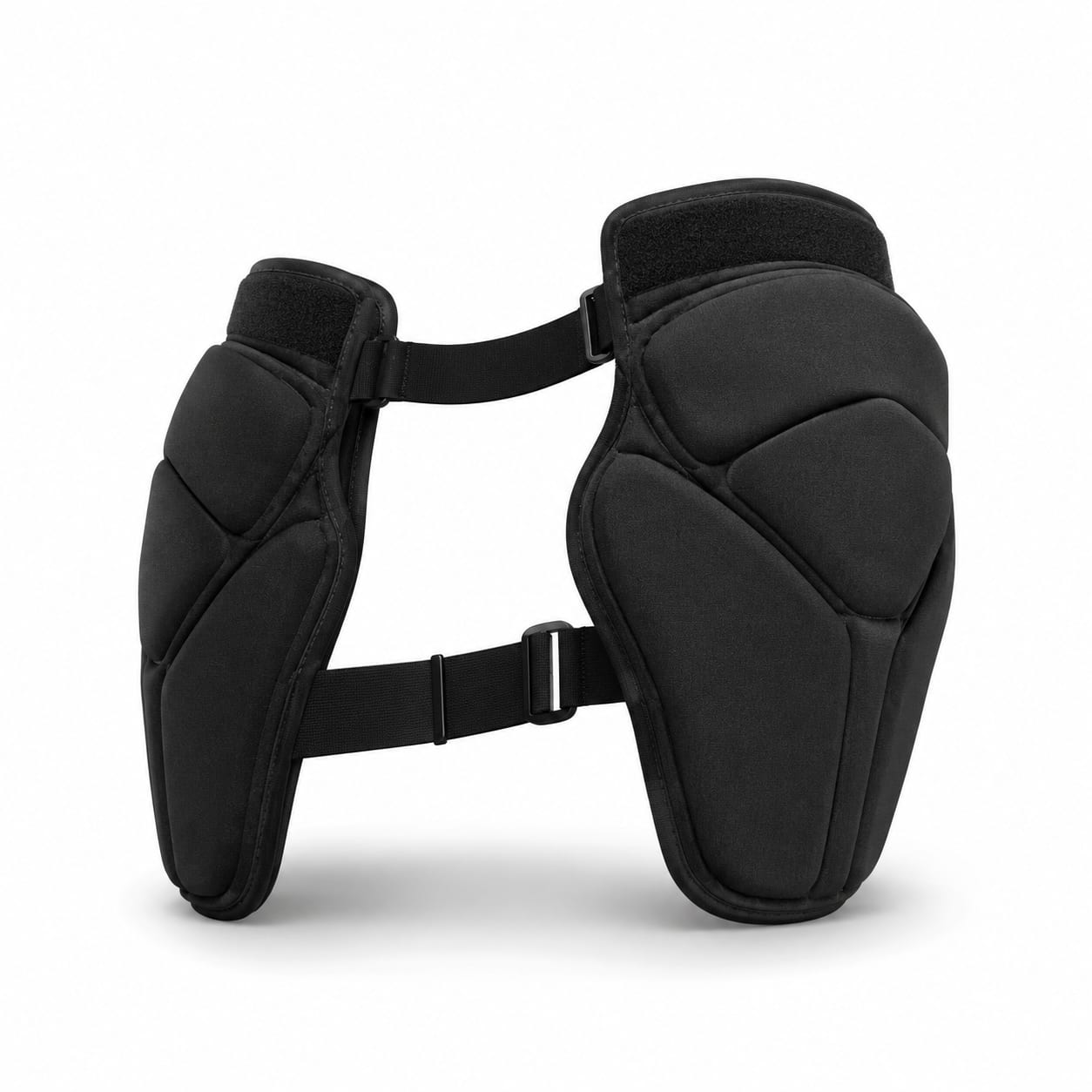
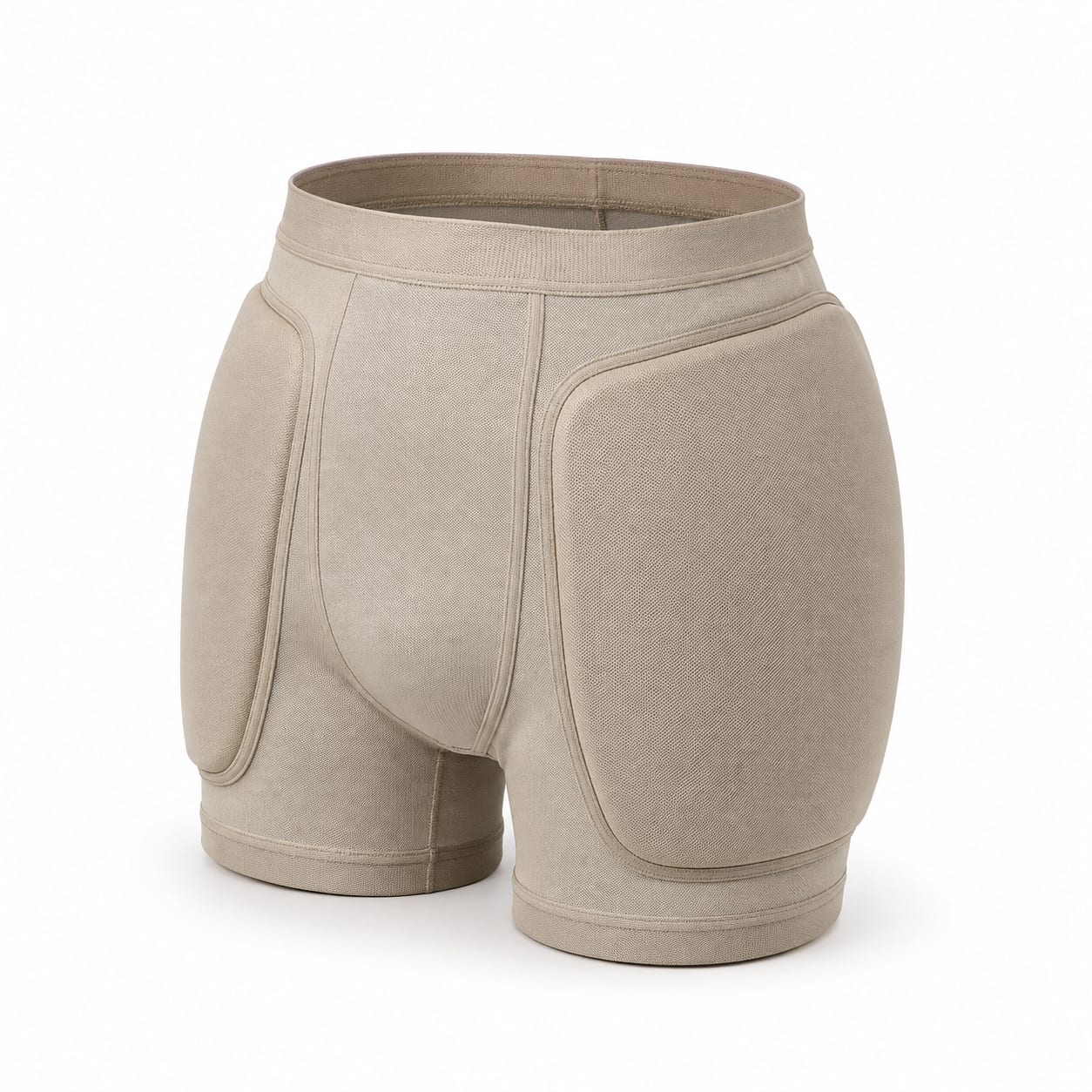
Smart material protectors are also available as removable pad inserts, which is less common with hard shell designs. The lighter weight of smart foam makes wrap/belt styles more viable than with heavier materials, though impact shorts remain the most popular.
Why it matters: Impact shorts keep smart material pads properly aligned even during vigorous movement. Since D3O pads are thinner and lighter than EVA equivalents, the shorts feel less bulky while providing the same or better security.
What it means
The size of the hip protector, typically based on waist or hip circumference, which determines fit and pad positioning.
Typical for this type
Measure Waist And Hips; Consult Brand-Specific Size Chart; When Between Sizes, Size Up Slightly
Most common pick: S-XL (Most Common Range)
In practice
D3O protectors are available across the standard size range from XS to XXL. Because the smart foam is thinner and more flexible than alternatives, sizing is slightly more forgiving—small gaps in fit are less noticeable. However, proper sizing remains critical for pad alignment over the greater trochanter.
Compared to other types
Smart material protectors are slightly more forgiving in fit than hard shell models because the flexible pads conform to body contours. EVA foam protectors have similar sizing requirements but may feel more uncomfortable if slightly misaligned due to their rigidity.
Why it matters: Even with flexible smart foam, pads must sit over the hip joint to be effective. Compression fit ensures the material stays in contact with the body so it can respond properly during impact. Loose-fitting shorts allow pads to shift off the protection zone.
Padding Thickness
Padding Thickness
What it means
The thickness of the protective padding at the hip, which affects both the level of protection and the bulk under clothing.
Typical for this type
8-10 mm for low-profile CE Level 1; 12-15 mm for enhanced protection or CE Level 2
Most common pick: 8-12 mm
In practice
D3O and similar smart materials achieve certified protection at significantly lower thicknesses than conventional foams. Typical D3O hip pads range from 8-12mm, with some CE Level 2 models reaching 14-15mm. This is roughly half the thickness needed for equivalent EVA foam performance.
Compared to other types
EVA foam protectors typically require 15-25mm thickness for comparable protection. Hard shell protectors vary but the shell plus foam liner often totals 15-20mm. Smart materials deliver the best protection-to-thickness ratio of any padding type.
Why it matters: Thinner pads mean less bulk under clothing, better mobility, and greater willingness to wear the protector consistently. The efficiency of smart materials per millimeter of thickness is their primary practical advantage.
Coverage Area
Coverage Area
What it means
The body areas protected by the hip protector beyond the basic hip joint.
Typical for this type
At Minimum Hip Joint; Add Tailbone For Beginners; Full Coverage (Hip Joint, Tailbone, Side Hip, Outer Thigh) For Comprehensive Protection
Most common pick: Hip Joint + Tailbone + Side Hip
In practice
Most D3O impact shorts cover the hip joint (greater trochanter), tailbone, and side hip (iliac crest) as standard. The thin profile of smart foam makes it practical to include these areas without excessive bulk. Some models extend coverage to outer thighs and buttocks.
Compared to other types
Hard shell protectors often limit coverage to hip joint only due to bulk. EVA foam models with equivalent coverage are significantly thicker and warmer. Smart materials make full coverage shorts viable for all-day comfort.
Why it matters: Smart material's low profile enables broader coverage without the bulk penalty of traditional materials. This means you can get tailbone and side hip protection that would be uncomfortably thick with EVA foam, making comprehensive coverage practical for everyday wear.
What it means
The total weight of the hip protector, affecting comfort and fatigue during a full day of skiing.
Typical for this type
200-280 g for low-profile models; 280-380 g for full coverage with tailbone and thigh pads
Most common pick: 200-320 g
In practice
D3O smart foam is denser than EVA foam but used in much thinner amounts, resulting in lighter overall protectors. Typical D3O impact shorts weigh 200-320g depending on coverage. Full coverage models with tailbone and thigh pads reach 350-380g.
Compared to other types
D3O protectors are typically 20-30% lighter than EVA foam models with equivalent coverage and certification, and 30-50% lighter than hard shell protectors. The weight advantage comes from needing less material to achieve the same impact performance.
Why it matters: Lighter weight reduces fatigue and makes the protector less noticeable during a full day of skiing. The weight savings from thinner smart foam compounds over the course of a ski day contribute to overall comfort.
Breathability
Breathability
What it means
The ability of the protector to allow moisture vapor and heat to escape, preventing overheating and sweat accumulation.
Typical for this type
Moderate For All-Season Use; High For Spring Skiing Or Hot-Natured Skiers
In practice
Most D3O impact shorts feature moisture-wicking compression fabrics with mesh panels in non-impact zones. The smart foam itself is less breathable than open-cell foam, but because it is used in thin layers, the overall breathability impact is moderate. Premium models add ventilation channels.
Compared to other types
D3O protectors are generally more breathable than thick EVA foam models because there is less insulating material. Hard shell protectors trap the most heat. Smart material shorts benefit from thinner pads that interfere less with moisture transfer.
Why it matters: Even with smart materials, impact shorts add a layer under ski pants. Breathability affects comfort on warm days and during high-exertion skiing. The thinner profile of D3O pads means less insulation than thicker EVA alternatives.
Mobility / Range of Motion
Mobility / Range of Motion
What it means
How freely the wearer can move while wearing the protector, affecting skiing technique and comfort.
Typical for this type
Unrestricted For Performance Skiing; Slightly Restricted Is Acceptable For General Recreation
In practice
This is the standout advantage of D3O protectors. The smart foam is soft and pliable during movement, allowing essentially unrestricted range of motion. Skiers report that quality D3O impact shorts feel like wearing slightly thicker compression shorts with no meaningful limitation on hip flexion, extension, or rotation.
Compared to other types
D3O protectors offer the best mobility of any certified hip protection. EVA foam restricts movement proportionally to thickness. Hard shell protectors are the most restrictive. Only smart materials can deliver certified protection with truly unrestricted movement.
Why it matters: Mobility directly affects skiing technique and enjoyment. Protectors that restrict movement discourage use or degrade performance. D3O's unrestricted mobility is the primary reason many skiers choose smart materials over cheaper alternatives.
Layer Compatibility
Layer Compatibility
What it means
How the hip protector is designed to be worn in relation to other layers—under or over base layers and ski pants.
Typical for this type
Base Layer (Next-To-Skin) For Best Pad Positioning; Mid Layer Over Thin Base For Moisture Management
Most common pick: Base Layer / Mid Layer
In practice
Most D3O impact shorts are designed to be worn as a base layer directly against the skin or over thin underwear. Their low profile makes them compatible with virtually any ski pants. Some skiers prefer wearing them over a thin moisture-wicking base layer for better sweat management.
Compared to other types
D3O protectors have the best layer compatibility due to their low profile. EVA foam models may require sizing up ski pants. Hard shell protectors often need dedicated outerwear or significantly larger pants. Smart material shorts work with existing ski wardrobe.
Why it matters: The thin profile of D3O protectors makes layer compatibility straightforward—they fit under ski pants without sizing up. This is a significant practical advantage over bulkier protectors that may require larger pants or create uncomfortable pressure points.
Closure System
Closure System
What it means
How the hip protector secures to the body, affecting ease of use, adjustability, and stability during activity.
Typical for this type
Pull-On For Most Skiers; Ensures Best Pad Stability
Most common pick: Pull-On (Compression Short)
In practice
The vast majority of D3O hip protectors use a pull-on compression short design. The snug compression fit keeps the flexible smart foam pads in close contact with the body, which is important for proper impact response. Some models with removable pads may feature a zip front for easier entry.
Compared to other types
Similar to EVA foam impact shorts, pull-on is the dominant closure. Hard shell protectors more commonly use wrap/belt or buckle closures. D3O's lighter weight makes pull-on easier to manage than with heavier alternatives.
Why it matters: Pull-on compression provides the most secure pad positioning for active skiing. Since D3O pads need to be in contact with the body to perform optimally, the compression fit is functionally important, not just a design choice.
What it means
How the hip protector can be cleaned, important for hygiene during multi-day ski trips.
Typical for this type
Machine Washable With Removable Pads For Best Hygiene And Pad Longevity
Most common pick: Machine Washable (Pads Removed)
In practice
Most D3O impact shorts feature removable pads that can be taken out before machine washing the compression short. The D3O pads themselves should be hand-washed or wiped clean—machine washing can degrade the smart foam's properties over time. Some integrated models allow full machine washing but may reduce pad lifespan.
Compared to other types
Similar washability to EVA foam protectors with removable pads. Hard shell protectors are easiest to clean (wipe clean) but are typically worn as outer layers. D3O pads require more careful washing than EVA foam but less than hard shell fabric components.
Why it matters: Proper washing extends the life of both the garment and the smart foam. D3O material is sensitive to high heat and aggressive washing, which can alter its rate-sensitive properties. Removable pads allow proper care of each component.
Gender-Specific Fit
Gender-Specific Fit
What it means
Whether the protector is designed for specific body proportions, as hip shape and pad placement differ between men and women.
Typical for this type
Women Should Seek Women'S-Specific Models For Correct Pad Placement On Wider Hips; Men'S Models For Male Skiers
Most common pick: Available In Men'S, Women'S, And Unisex
In practice
Major D3O protector brands offer gender-specific models. Women's versions feature wider hip cuts with pads positioned further apart to align with the female greater trochanter. This is particularly important with smart materials because the pads must be in contact with the body to function properly—misaligned pads on wider female hips leave gaps.
Compared to other types
Gender-specific fit is equally important across all padding materials, but the consequence of poor fit may be more pronounced with D3O because the material's impact response depends on being in contact with the body surface.
Why it matters: Correct pad placement is essential for D3O protectors because the material needs body contact for optimal impact response. Women wearing unisex or men's models may have pads sitting too close together, leaving the actual hip joint uncovered.
Low Profile / Discretion
Low Profile / Discretion
What it means
How visible the protector is under ski clothing, affecting aesthetic preference and willingness to wear.
Typical for this type
Ultra Low Profile For Style-Conscious Skiers; Low Profile For Most Recreational Skiers
Most common pick: Ultra Low Profile to Low Profile
In practice
Low profile is a defining characteristic of D3O protectors. At 8-10mm thickness, the pads are virtually invisible under normal ski pants. The smart foam conforms to body contours rather than creating visible ridges or bulges. Most users report that nobody can tell they are wearing hip protection.
Compared to other types
D3O protectors offer the best discretion of any certified hip protection. EVA foam models at equivalent protection levels are visibly bulky. Hard shell protectors are the most visible. Only smart materials can deliver certified protection that is truly invisible under clothing.
Why it matters: Discretion is often the deciding factor in whether a skier actually wears their protector. D3O's ultra-low profile removes the aesthetic barrier that causes many skiers to leave bulky pads at home, making it a practical safety advantage.
Impact Absorption Rating
Impact Absorption Rating
What it means
The measured force transmission through the protector during standardized impact testing, indicating real protective performance.
Typical for this type
Under 12 KN For Strong Protection; Under 9 KN For CE Level 2 And Maximum Fracture Risk Reduction
Most common pick: 10-15 kN
In practice
D3O hip protectors typically transmit 10-15 kN in standardized testing, comfortably meeting CE Level 1 requirements (≤18 kN). Premium models with optimized geometry or dual-density construction can achieve 8-10 kN, meeting CE Level 2. The material's rate-sensitive behavior means it performs better at higher impact energies relative to static testing.
Compared to other types
D3O achieves comparable or better kN ratings than EVA foam at roughly half the thickness. Hard shell protectors can achieve the lowest kN values (best absorption) but with significant bulk and mobility penalties. Smart materials offer the best absorption-to-bulk ratio.
Why it matters: Impact absorption is the core function. D3O's efficient energy absorption per unit of thickness means meaningful protection in a wearable package. For skiers with osteoporosis, seeking models under 10 kN provides the best fracture risk reduction.
Antimicrobial Treatment
Antimicrobial Treatment
What it means
Whether the protector has antimicrobial or odor-control treatment to prevent bacterial growth during multi-day use.
Typical for this type
Recommended For Multi-Day Ski Trips; Standard On Most Premium Models
Most common pick: True
In practice
Most quality D3O impact shorts include antimicrobial or odor-control treatment on the compression fabric. This is a practical feature for multi-day ski trips where washing may not be possible. The treatment does not affect the smart foam's impact properties.
Compared to other types
Antimicrobial treatment is equally common across premium protectors regardless of padding material. Budget EVA foam models are less likely to include it. Hard shell protectors worn as outer layers have less need for it.
Why it matters: Antimicrobial treatment reduces odor and bacterial growth during multi-day use. While not essential, it improves the experience of wearing a base-layer protector for consecutive ski days.
Durability / Lifespan
Durability / Lifespan
What it means
How long the protector maintains its protective qualities under regular use, as impact foams can degrade over time.
Typical for this type
2-3 seasons with regular use; inspect annually for foam hardening or compression set
Most common pick: Moderate Durability (2-3 Seasons)
In practice
D3O smart foam maintains its rate-sensitive properties well over time but can gradually harden or develop compression set after 2-3 seasons of regular use. The material is sensitive to prolonged heat exposure and UV light. Compression short fabrics typically wear out before the smart foam degrades. With proper care, many users get 3+ seasons.
Compared to other types
D3O is more durable than EVA foam (which compresses permanently faster) but less durable than hard shell plastic (which is essentially permanent). SAS-TEC may have slightly better long-term durability than D3O. The fabric components have similar lifespan across all types.
Why it matters: Smart foam that has hardened or lost flexibility will not perform as intended during impacts. Annual inspection is important—foam that feels permanently stiff, has visible cracks, or no longer conforms to body contours should be replaced.