Protection Level
Protection Level
What it means
The overall degree of impact protection the knee pad provides, from basic bruise prevention to certified armor-level protection against high-energy impacts.
Typical for this type
Moderate to High
In practice
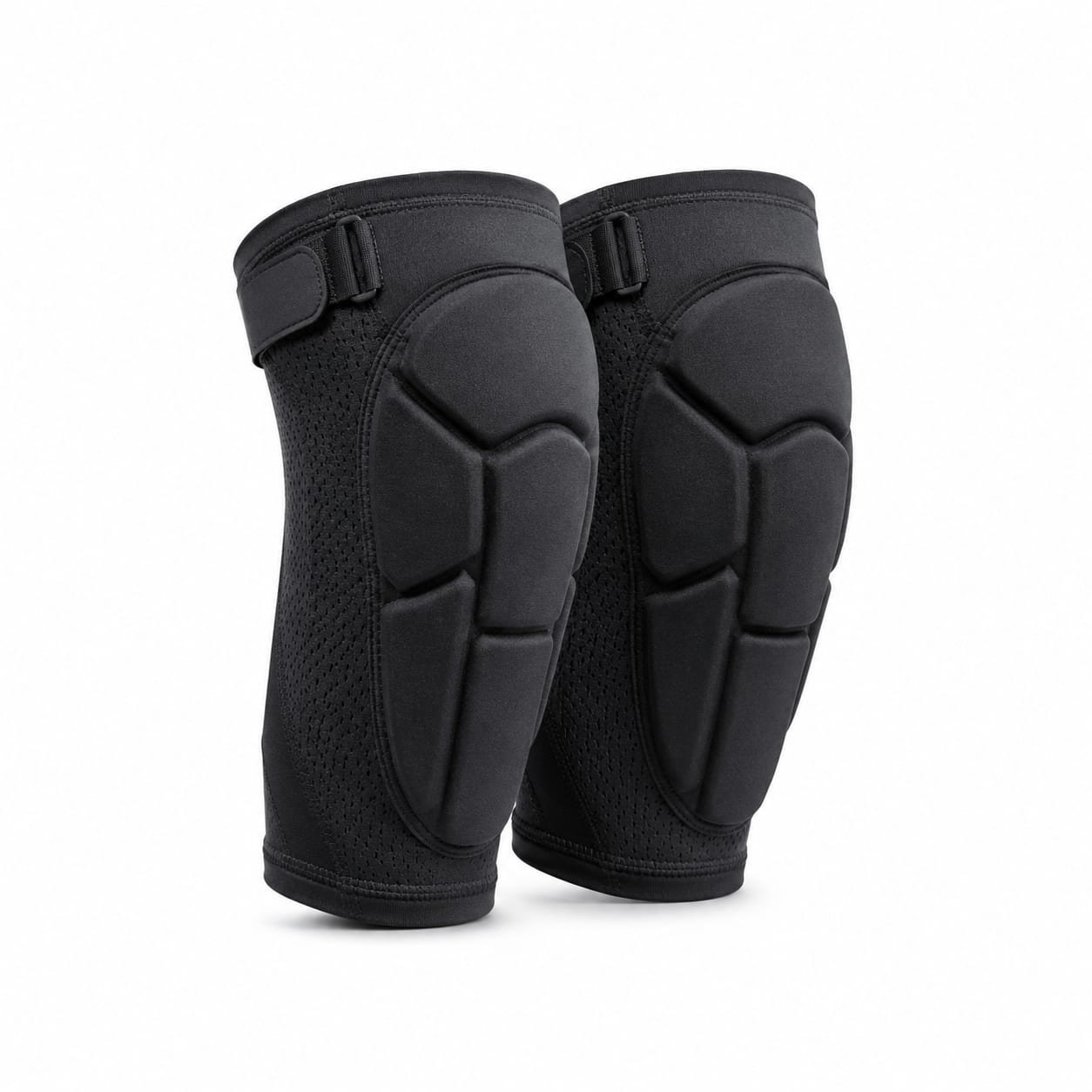
Soft shell impact knee pads typically offer moderate protection, with premium models using smart materials reaching into the high protection range. They absorb impact energy through foam compression and material stiffening rather than distributing it across a hard surface.
Compared to other types
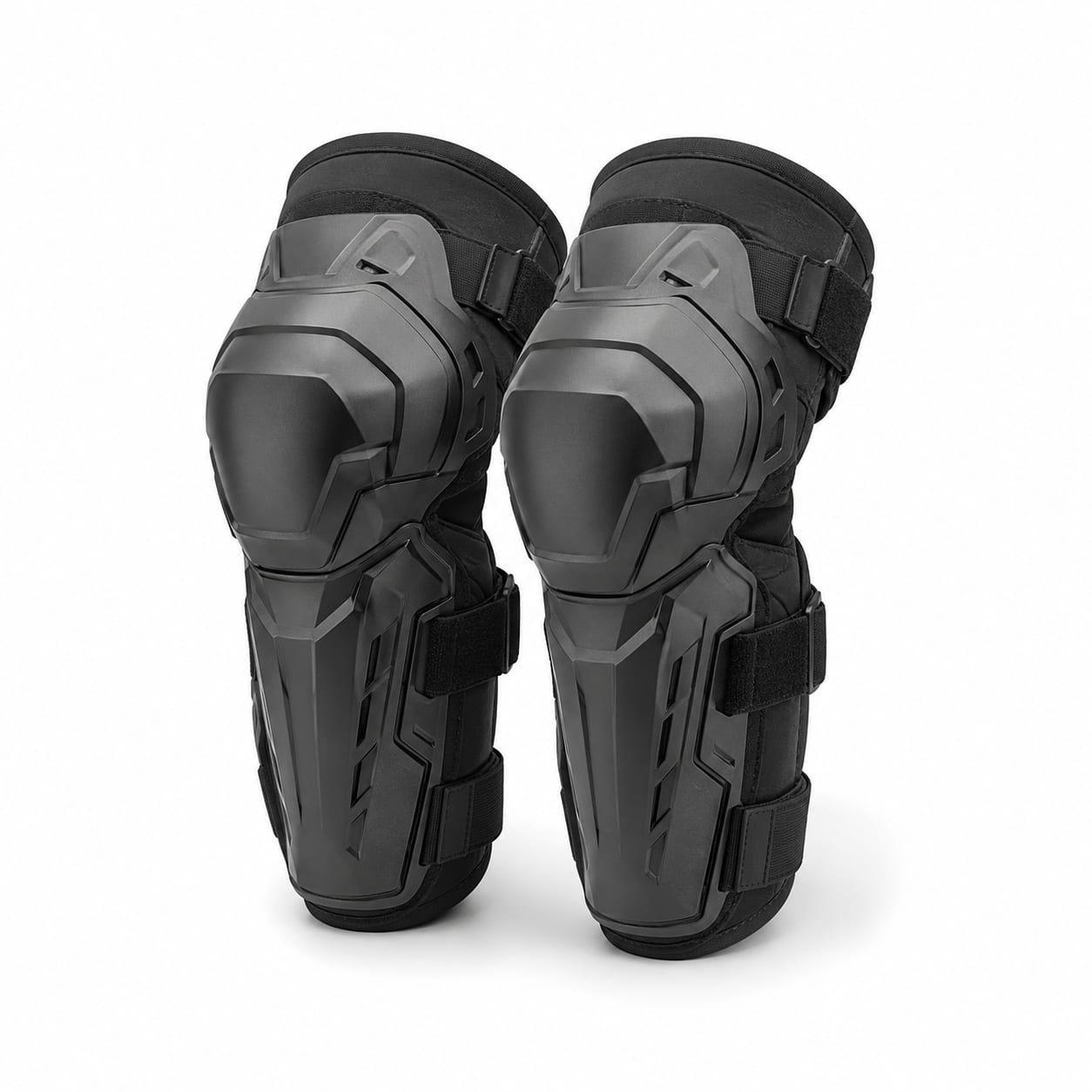
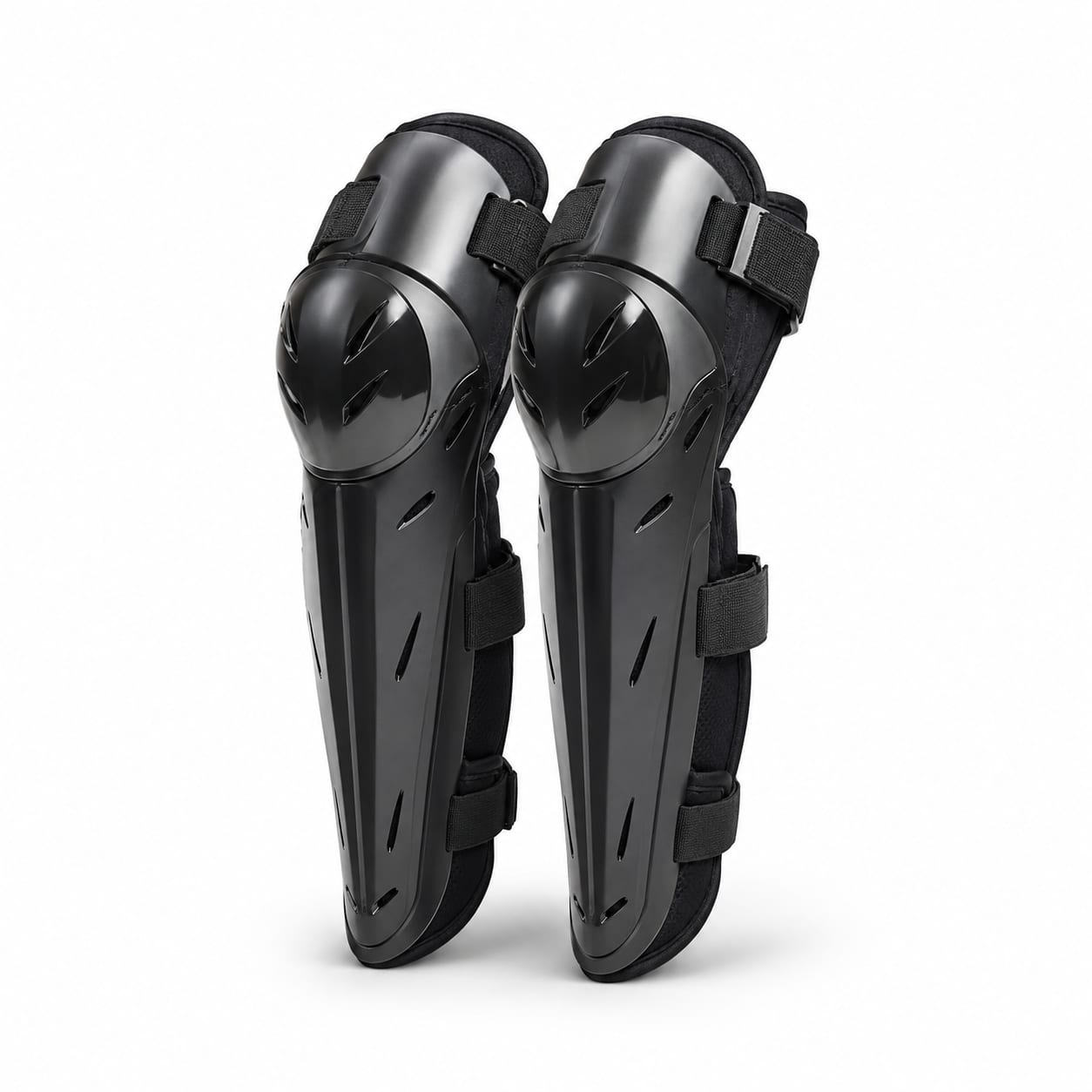
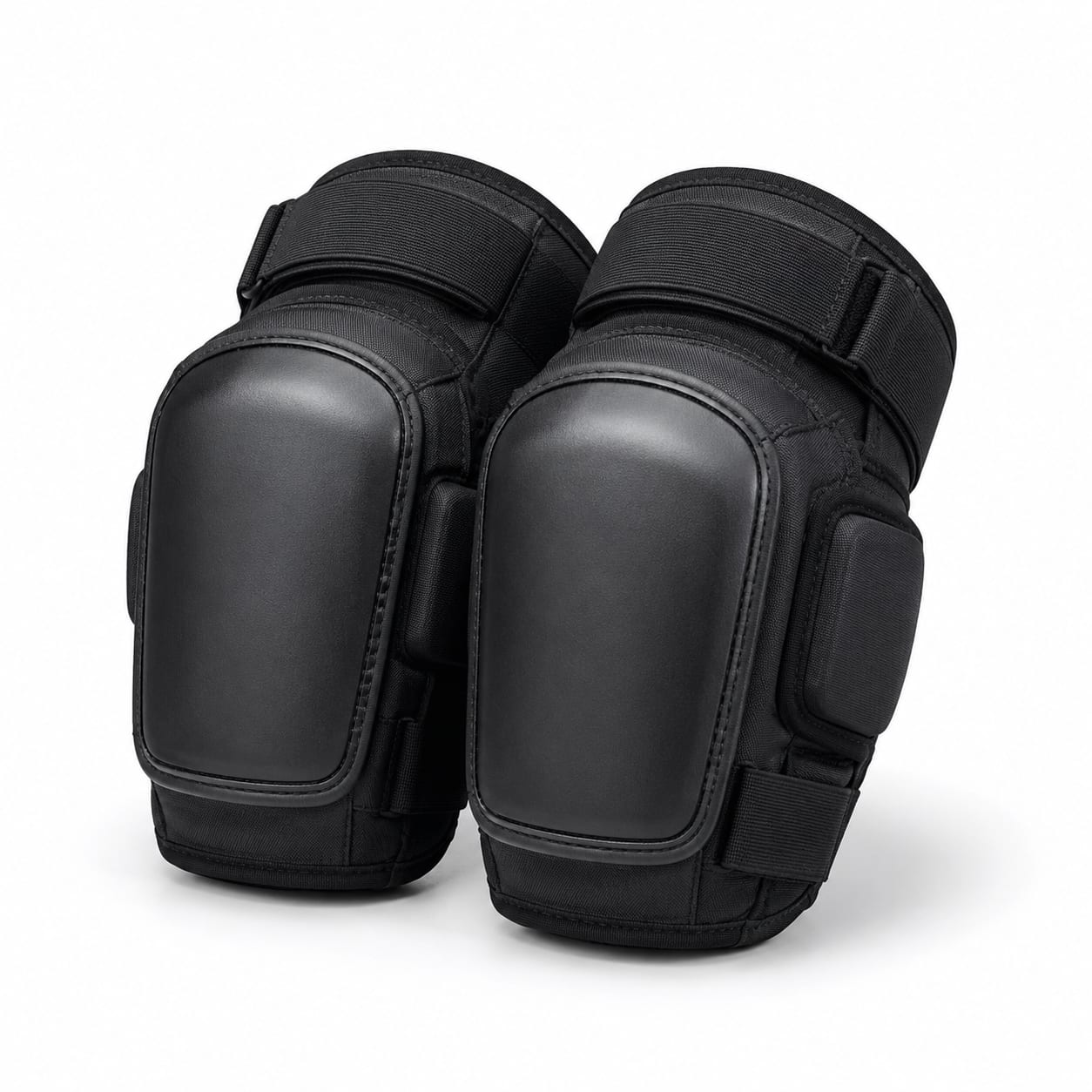
Less protection than hard shell or hybrid pads which distribute force across a rigid surface, but significantly more than basic foam-only comfort pads. Premium soft shell pads with D3O or Poron XRD approach hard shell protection levels for single impacts.
Why it matters: Moderate protection handles the vast majority of recreational skiing falls — edge catches, mogul impacts, and sliding out on hardpack. It's the sweet spot where protection meets wearability.
Padding Material
Padding Material
What it means
The primary impact-absorbing material used in the knee pad construction, which determines how energy from impacts is managed.
Typical for this type
D3O Or Poron XRD For Premium; Multi-Density Foam For Mid-Range
Most common pick: D3o
In practice
D3O is the most common premium material in soft shell ski pads due to its rate-sensitive properties — flexible during movement, rigid on impact. Poron XRD offers similar performance with excellent energy absorption. Mid-range models use multi-density foam layering for progressive absorption.
Compared to other types
Hard shell pads often combine these materials with a rigid cap for dual-mode protection. Soft shell pads rely entirely on the padding material's performance, making material choice more critical in this subcategory.
Why it matters: The padding material is the core of a soft shell pad's protection since there's no hard shell to distribute force. Smart materials like D3O and Poron XRD are what make soft shell pads viable for real impact protection rather than just comfort padding.
What it means
The external construction type of the knee pad, affecting how it interacts with snow, clothing, and impacts.
Typical for this type
Soft Shell
In practice
By definition, this subcategory uses soft shell construction with no rigid external components. The outer layer is typically a durable stretch fabric or abrasion-resistant textile over foam or smart material padding.
Compared to other types
Unlike hard shell pads with rigid PE/PP caps that distribute force and slide on snow, soft shells absorb force directly through padding. Unlike hybrids with semi-rigid segments, soft shells have no rigid components at all.
Why it matters: The soft shell construction is what defines this subcategory's advantages: flexibility, low profile, comfort, and the ability to conform to the knee's shape during movement.
CE Certification
CE Certification
What it means
European safety certification level under EN 1621-1 standard for limb protectors, indicating verified impact force transmission levels.
Typical for this type
EN 1621-1 Level 1 Minimum For Meaningful Protection
Most common pick: En 1621 1 Level 1
In practice
Most quality soft shell impact knee pads carry EN 1621-1 Level 1 certification, verifying they transmit no more than 35 kN from a 50 kN impact. Premium models may achieve Level 2. Budget models may lack certification entirely.
Compared to other types
Hard shell race pads typically carry Level 2 certification. Soft shell pads more commonly achieve Level 1, with Level 2 being less common due to the difficulty of meeting the 20 kN threshold without rigid components.
Why it matters: CE certification provides independent verification that the pad actually performs as claimed. Without it, you're relying solely on manufacturer claims about protection levels.
What it means
The sizing of the knee pad, typically based on knee circumference and thigh circumference measurements.
Typical for this type
XS to XXL — Measure Knee Circumference At Kneecap Center
Most common pick: M
In practice
Soft shell pads are available across the full size range. Proper sizing is especially critical because the flexible construction relies on a snug fit to stay positioned correctly — there's no hard shell to create structure.
Compared to other types
Sizing is more critical for soft shell pads than hard shell models because the flexible construction depends on proper tension and compression to stay in place. Hard shells maintain position partly through their rigid structure.
Why it matters: An improperly sized soft shell pad will migrate during activity more readily than a hard shell, since it lacks rigid structure to maintain its shape. Too loose means it slides; too tight means discomfort and restricted circulation.
What it means
The method used to secure the knee pad to the leg, affecting ease of use, adjustability, and how well the pad stays in position.
Typical for this type
Hybrid (Sleeve + Strap) For Best Performance; Slip-On For Casual Use
Most common pick: Hybrid
In practice
The hybrid closure — a compression sleeve with one or two additional straps — is the most popular configuration for soft shell impact pads. The sleeve provides all-day comfort and base positioning, while the straps prevent migration during aggressive skiing and falls.
Compared to other types
Soft shell pads favor sleeve-based systems because the flexible construction works naturally with compression. Hard shell race pads more commonly use buckle straps for maximum security under high-impact forces.
Why it matters: Closure type directly affects whether the pad stays in place during a fall. A pad that shifts on impact may leave your knee unprotected exactly when you need it most.
Padding Thickness
Padding Thickness
What it means
The maximum thickness of the protective padding at the knee center, affecting both protection level and bulk under clothing.
Typical for this type
8–18mm
Most common pick: 12mm
In practice
Soft shell impact pads typically range from 8mm at the low end to 18mm for maximum protection models. The sweet spot is 10–14mm, which provides solid impact absorption while maintaining a low enough profile to fit under most ski pants without issue.
Compared to other types
Soft shell pads tend to be thinner than hard shell models because smart materials like D3O provide more protection per millimeter than traditional foam. Hard shell pads often have 15–25mm of padding plus the shell itself.
Why it matters: Thickness directly determines both protection level and under-pant fit. Too thin and you lack meaningful impact absorption; too thick and the pad won't fit under your ski pants or will create uncomfortable bunching behind the knee.
Coverage Area
Coverage Area
What it means
The extent of the knee and surrounding area that the pad protects, from minimal kneecap-only coverage to extended protection including shin and thigh.
Typical for this type
Knee Only For Minimal Bulk; Knee + Upper Shin For All-Mountain
Most common pick: Knee And Upper Shin
In practice
Most soft shell impact pads extend coverage to the upper shin below the kneecap, protecting a common impact zone without adding significant bulk. This is the most practical coverage for all-mountain skiing where falls often involve contact below the knee.
Compared to other types
Hard shell race pads often extend to knee + lower thigh for gate strike protection. Soft shell pads rarely include thigh coverage since they're not designed for gate training, where thigh strikes are common.
Why it matters: Extended shin coverage protects against a frequently impacted area — the upper shin takes hits in forward falls, mogul impacts, and edge catches. The additional coverage adds minimal bulk in soft shell construction.
Weight (Per Pair)
Weight (Per Pair)
What it means
The total weight of both knee pads together, affecting fatigue during all-day skiing and the feel of the pads on the legs.
Typical for this type
250–450g
Most common pick: 320g
In practice
Soft shell impact pads are generally lightweight, with most quality models falling between 250–450g per pair. The absence of hard plastic shells and the use of lightweight smart materials keep weight down significantly compared to hard shell alternatives.
Compared to other types
Significantly lighter than hard shell pads (typically 500–900g per pair) and comparable to or slightly lighter than hybrid designs. This weight advantage is one of the key comfort benefits of soft shell construction.
Why it matters: Lighter pads reduce leg fatigue during full days of skiing. Since soft shell pads are designed for all-day wear, weight matters more than in race pads that are worn for specific training sessions.
Breathability
Breathability
What it means
How well the knee pad allows moisture and heat to escape, preventing sweat buildup and maintaining comfort during active skiing.
Typical for this type
Medium to High
Most common pick: Medium
In practice
Most soft shell impact pads offer medium breathability through mesh panels, perforated padding, and moisture-wicking inner liners. The flexible construction allows for more ventilation design options than rigid hard shell pads. Premium models achieve high breathability with extensive mesh zones.
Compared to other types
Soft shell pads generally offer better breathability than hard shell models, which trap heat behind the rigid cap. The flexible construction allows designers to incorporate mesh zones that would compromise a hard shell's structural integrity.
Why it matters: Since soft shell pads are worn for full ski days, breathability prevents sweat buildup that causes discomfort and can lead to chilling on chairlifts. The under-layer wearing style makes moisture management especially important.
Mobility Rating
Mobility Rating
What it means
How freely the knee can bend and move while wearing the pad, critical for skiing technique and comfort.
Typical for this type
Unrestricted to Slight Restriction
Most common pick: Slight Restriction
In practice
Quality soft shell impact pads with smart materials offer nearly unrestricted to slightly restricted mobility. The flexible construction and absence of rigid components means the pad bends naturally with the knee. Any restriction comes from padding thickness behind the knee during deep flexion.
Compared to other types
Soft shell pads offer the best mobility of any knee pad subcategory. Hard shell pads typically rate moderate to significant restriction due to the rigid cap. Hybrid pads fall between the two.
Why it matters: Mobility is the primary reason skiers choose soft shell pads. Unrestricted movement means no adaptation to skiing technique, which translates to better performance and less fatigue throughout the day.
Layering Compatibility
Layering Compatibility
What it means
Whether the knee pad is designed to be worn under ski pants, over them, or can work either way.
Typical for this type
Under Layer Only Or Both
Most common pick: Under Layer Only
In practice
Most soft shell impact pads are designed primarily for under-layer wear, fitting directly against skin or a base layer under ski pants. Their low-profile construction and compression sleeve design make this the natural wearing configuration. Some models with straps can work over pants as well.
Compared to other types
Hard shell race pads are often designed for over-layer wear for quick removal between race runs. Soft shell pads prioritize under-layer wear for comfort and aesthetics, which is what most non-racing skiers prefer.
Why it matters: Under-layer wear keeps the pad hidden, secure, and warm. It also means the pad is held against the body by the ski pants, which helps maintain positioning. This is the preferred configuration for most recreational and all-mountain skiers.
Articulation Design
Articulation Design
What it means
Whether the knee pad features pre-curved or hinged construction that mimics the natural bend of the knee.
Typical for this type
Pre-Curved For Best Balance Of Comfort And Performance
Most common pick: Pre Curved
In practice
Pre-curved construction is the standard for quality soft shell impact pads. The padding is shaped to match the knee's natural bent position, which reduces bunching behind the knee during flexion and ensures the pad sits correctly without adjustment.
Compared to other types
Soft shell pads typically use pre-curved design rather than the hinged articulation found in high-end hard shell race pads. The flexible construction makes hinges unnecessary — the entire pad flexes naturally.
Why it matters: Pre-curved articulation prevents the padding from bunching behind the knee during deep bends — a common source of discomfort with flat pads. It also ensures the protective material maintains proper coverage position throughout the range of motion.
Antimicrobial Treatment
Antimicrobial Treatment
What it means
Whether the knee pad interior has antimicrobial treatment to prevent odor-causing bacteria growth from sweat during skiing.
Typical for this type
True For Multi-Day Use; Not Critical For Occasional Skiing
Most common pick: True
In practice
Most mid-range and premium soft shell impact pads include antimicrobial treatment on the inner lining. Since these pads are worn directly against skin or base layers for full ski days, the treatment helps prevent odor buildup from sweat during multi-day ski trips.
Compared to other types
Antimicrobial treatment is more common and more important in soft shell pads than hard shell models because soft shells have more fabric contact with skin and are worn for longer durations.
Why it matters: Antimicrobial treatment is particularly valuable for soft shell pads because they're worn for extended periods against the skin. Without it, pads can develop persistent odor after just a few days of skiing, especially during spring conditions.
Water Resistance
Water Resistance
What it means
How well the knee pad repels water from snow, preventing the padding from absorbing moisture and becoming heavy and cold.
Typical for this type
Water Resistant For Most Conditions; Waterproof For Spring Skiing
Most common pick: Water Resistant
In practice
The majority of soft shell impact pads feature a DWR-coated or water-resistant outer fabric that sheds light moisture and snow. This prevents the padding from absorbing snow melt during falls in powder or wet conditions, which would make the pads heavy and cold.
Compared to other types
Soft shell pads generally offer better water resistance than basic foam pads but may not match the waterproofing of hard shell caps, which naturally shed water. The fabric outer of soft shells requires DWR treatment to achieve water resistance.
Why it matters: Wet pads become heavy, cold, and uncomfortable — and can freeze on chairlift rides. Water resistance is especially important for under-layer pads since you can't easily remove them to dry during the ski day.
Grip / Anti-Slip System
Grip / Anti-Slip System
What it means
Features that prevent the knee pad from sliding down the leg or rotating out of position during active skiing and falls.
Typical for this type
Silicone Grips Minimum; Rubberized Band For Aggressive Skiing
Most common pick: Silicone Grips
In practice
Silicone gripper strips or dots on the interior surface are the standard anti-slip system in soft shell impact pads. They grip against skin or base layers to prevent the pad from sliding down during activity. This is critical for soft shell pads since they lack the structural rigidity of hard shells to help maintain position.
Compared to other types
Grip systems are more critical for soft shell pads than hard shell models because the flexible construction provides no structural resistance to migration. Hard shells maintain position partly through their rigid shape, while soft shells rely entirely on grip and closure systems.
Why it matters: A soft shell pad without an effective grip system will inevitably slide down during active skiing, especially during high-angle traverses and aggressive turns. When a pad migrates, it leaves the knee unprotected and creates distracting discomfort.