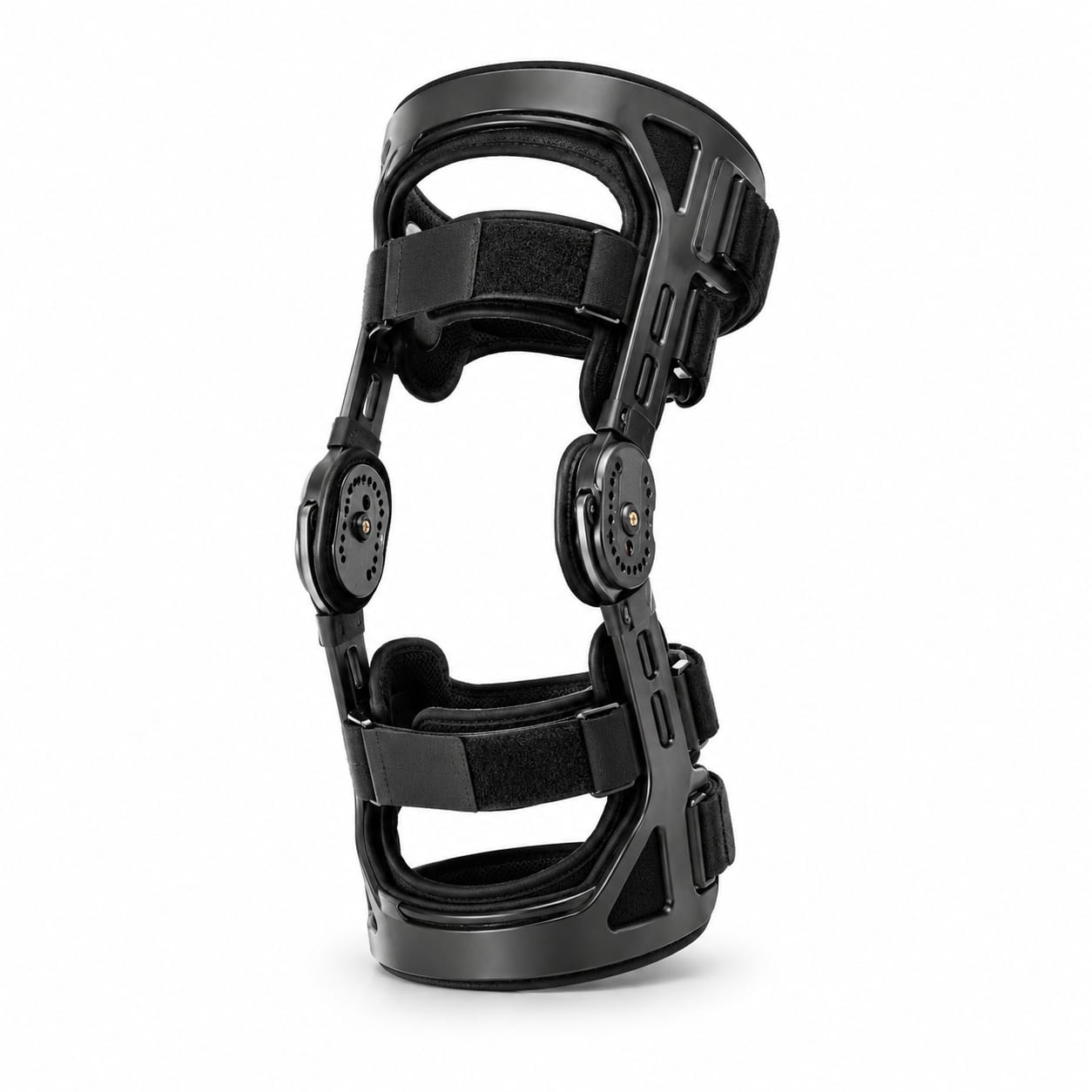
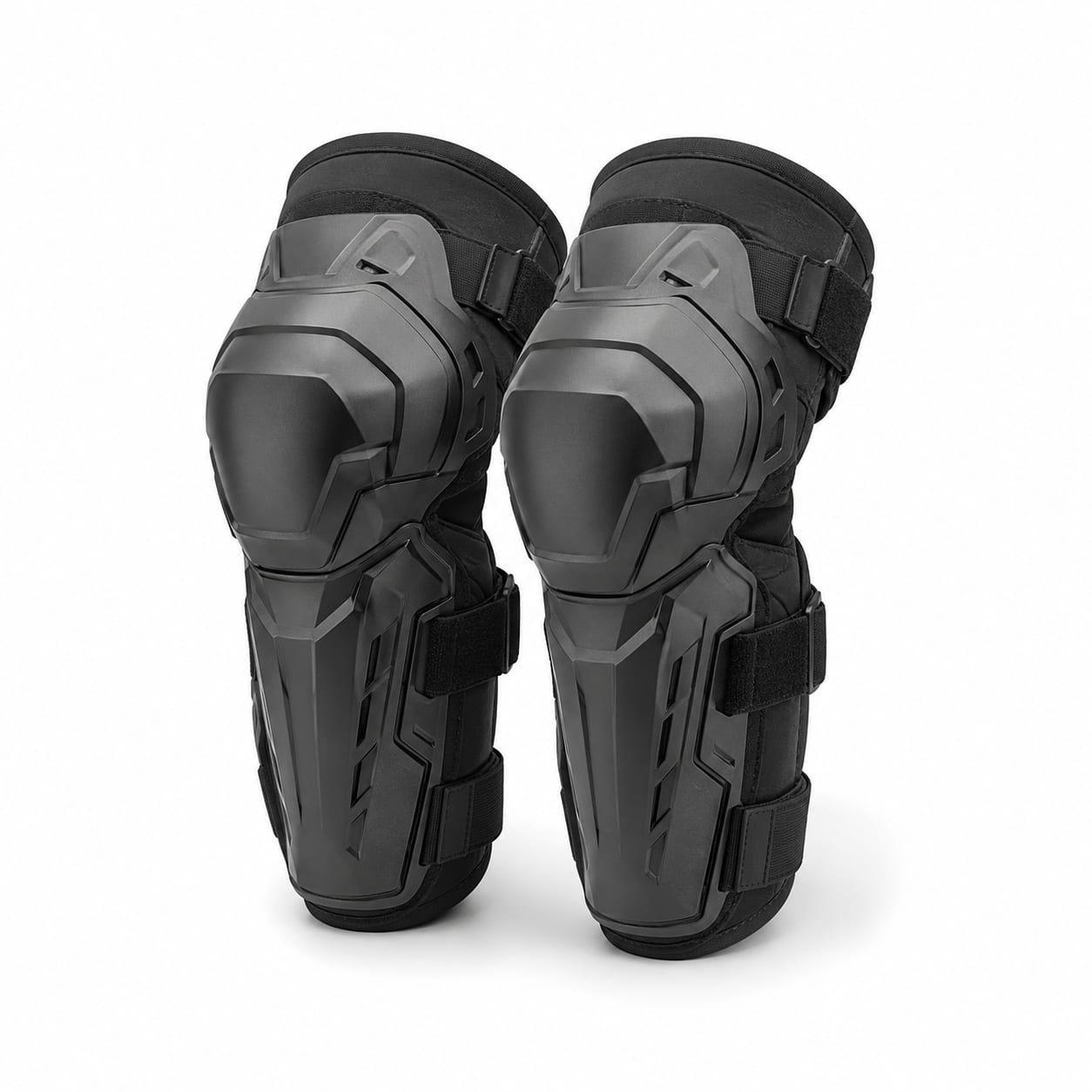
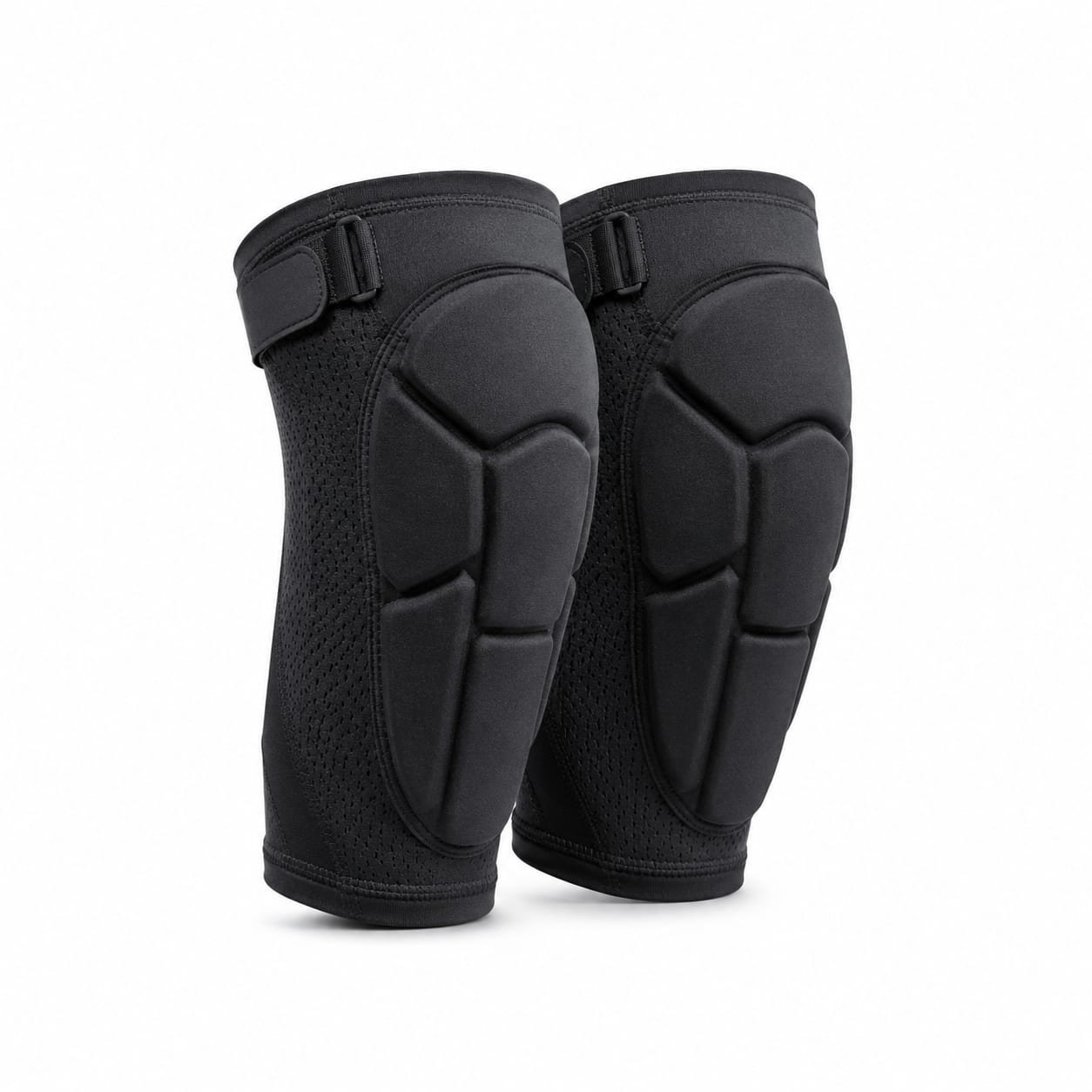
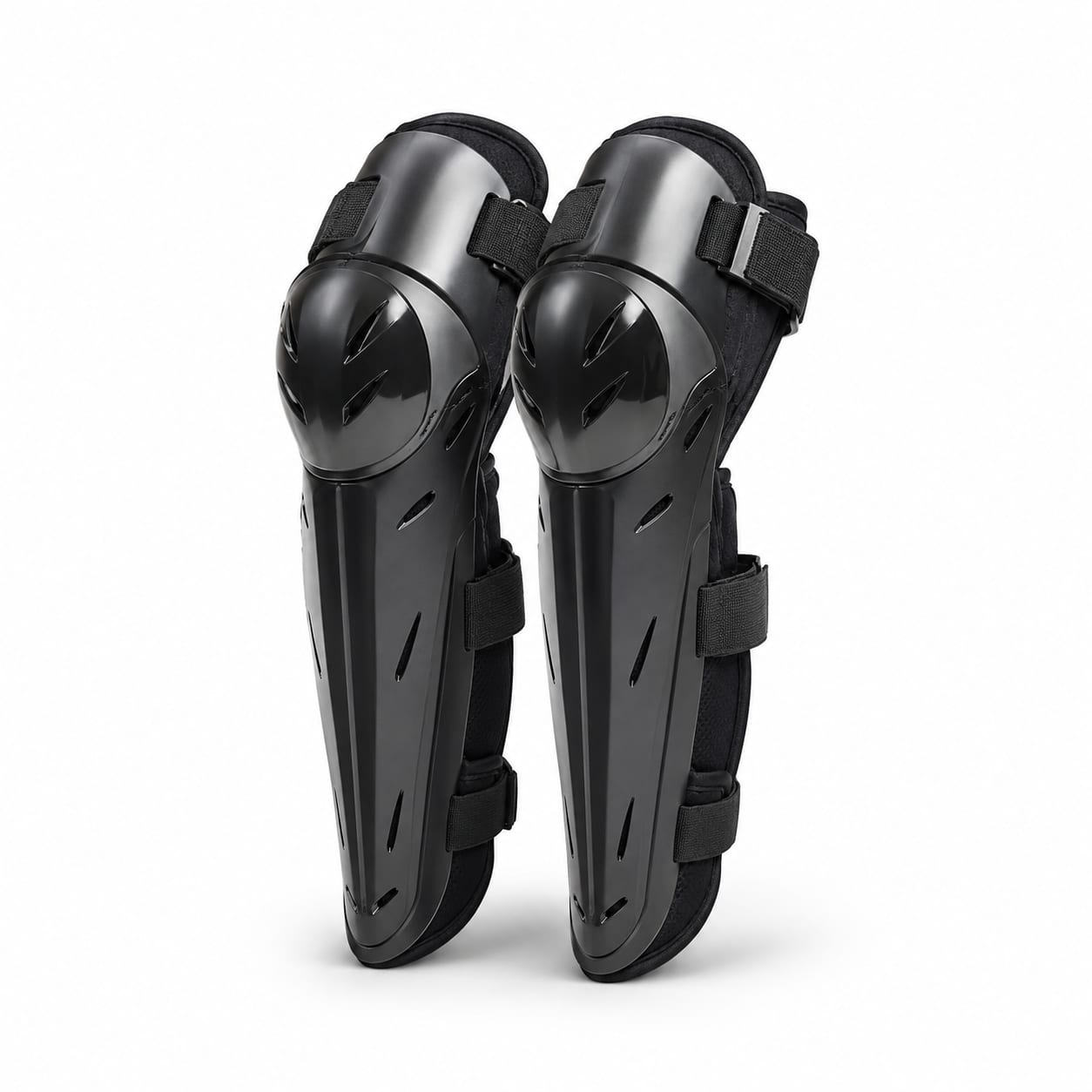
Hinged knee braces represent the most protective and supportive subcategory of ski knee protection. Unlike soft pads that only cushion impacts, hinged braces feature rigid frames—typically constructed from carbon fiber, aircraft-grade aluminum, or high-strength polymers—with one or two mechanical hinge mechanisms per side that track the knee's natural range of motion while preventing excessive lateral, medial, and rotational movement. This dual function of impact absorption and joint stabilization makes them uniquely suited for skiers with compromised knee ligaments or those operating at speeds and forces where knee injury risk is extreme. The hinges themselves are engineered to replicate the knee's multi-axis movement, often with adjustable range-of-motion stops that can be set by medical professionals to limit flexion or extension during recovery. The rigid frame distributes impact forces across a wider area of the leg, while interior padding provides cushioning against direct blows. Modern hinged braces from manufacturers like CTi, DonJoy, and Össur have evolved significantly, with lighter materials and more anatomical designs that reduce the bulk and discomfort that plagued earlier generations. However, they remain the heaviest and most restrictive knee protection option, and their cost is substantially higher than any other subcategory. For skiers with a history of knee injury, they are often not optional—they are the difference between skiing confidently and skiing in fear, or between skiing at all and sitting out the season.
Hinged knee braces occupy a unique position in ski protection because they address both impact trauma and joint instability—two of the most common and serious knee injury mechanisms in skiing. When a skier catches an edge at speed, the forces transmitted through the knee can exceed the tensile strength of ligaments, particularly the ACL, which bears the brunt of rotational and valgus stress during twisting falls. A soft knee pad will cushion the blow if the knee hits the snow or a gate, but it cannot prevent the ligament from tearing under torsional load. A hinged brace, by contrast, physically resists those dangerous movements through its rigid frame and hinge geometry, acting as an external ligament system.
The engineering of modern ski hinged braces has advanced considerably. Early designs were heavy, hot, and poorly fitted, leading to low compliance rates among skiers who found them too uncomfortable for all-day wear. Current premium models use carbon fiber composite frames that are both lighter and stiffer than the aluminum frames they replaced. Hinge mechanisms have become more sophisticated, with multi-axis articulation that better tracks the knee's natural screw-home mechanism—the slight external rotation that occurs during terminal extension. Some models feature adjustable extension stops that can be progressively opened as rehabilitation advances, making them suitable for the entire recovery timeline from early post-surgical skiing back to full competition.
Fit is arguably more critical for hinged braces than any other knee protection subcategory. An improperly fitted brace can create pressure points that cause pain and skin breakdown over a full day of skiing, or worse, fail to provide the intended stabilization because the hinge axis does not align with the knee's anatomical axis. Most quality hinged braces require measurement of the thigh circumference, calf circumference, and leg length, and many are available in left-specific and right-specific designs that account for the natural valgus angle of the knee. Custom-molded options exist for skiers whose anatomy falls outside standard sizing, though at significantly higher cost.
The weight and bulk of hinged braces remain their primary drawbacks. A typical pair weighs between 600 and 1100 grams, and the rigid frame can be difficult to fit under standard ski pants. Many racers wear them over their race suits, which is acceptable in competition but less desirable for recreational skiers concerned with aesthetics. The restriction in deep flexion can affect skiing technique, particularly in moguls or deep powder where aggressive knee bend is required. However, most skiers who need hinged braces report that the psychological benefit of feeling supported far outweighs the physical adjustments, and that the restriction becomes less noticeable with consistent use.
Cost is a significant consideration. Quality hinged braces range from $200 to over $1000 per brace, with custom models reaching $2000 or more. Insurance may cover some or all of the cost when prescribed for post-surgical or post-injury use, but skiers purchasing them preventatively will typically pay out of pocket. Given that a single ACL reconstruction can cost $20,000 to $50,000 in the United States plus months of rehabilitation, many skiers and racing programs view hinged braces as a cost-effective investment in injury prevention.