
A properly fitted hinged brace should have its hinge axis aligned directly with your knee joint axis—you can verify this by bending your knee and confirming the hinge pivot point stays centered on the side of your knee. The frame arms should contact your thigh and calf evenly without gaps, and all straps should close securely without maxing out their adjustment range. You should be able to flex your knee to the brace's allowed range without pain, pinching, or the frame digging into your leg. If you feel pressure points after 15 minutes of wearing the brace while moving, the fit is likely wrong.
Ski Knee Pads · Hinged Knee Braces
How do I know if my hinged brace fits correctly?
Related gear types
If this answer nudged you toward a different style, these guides compare specs and trade-offs.
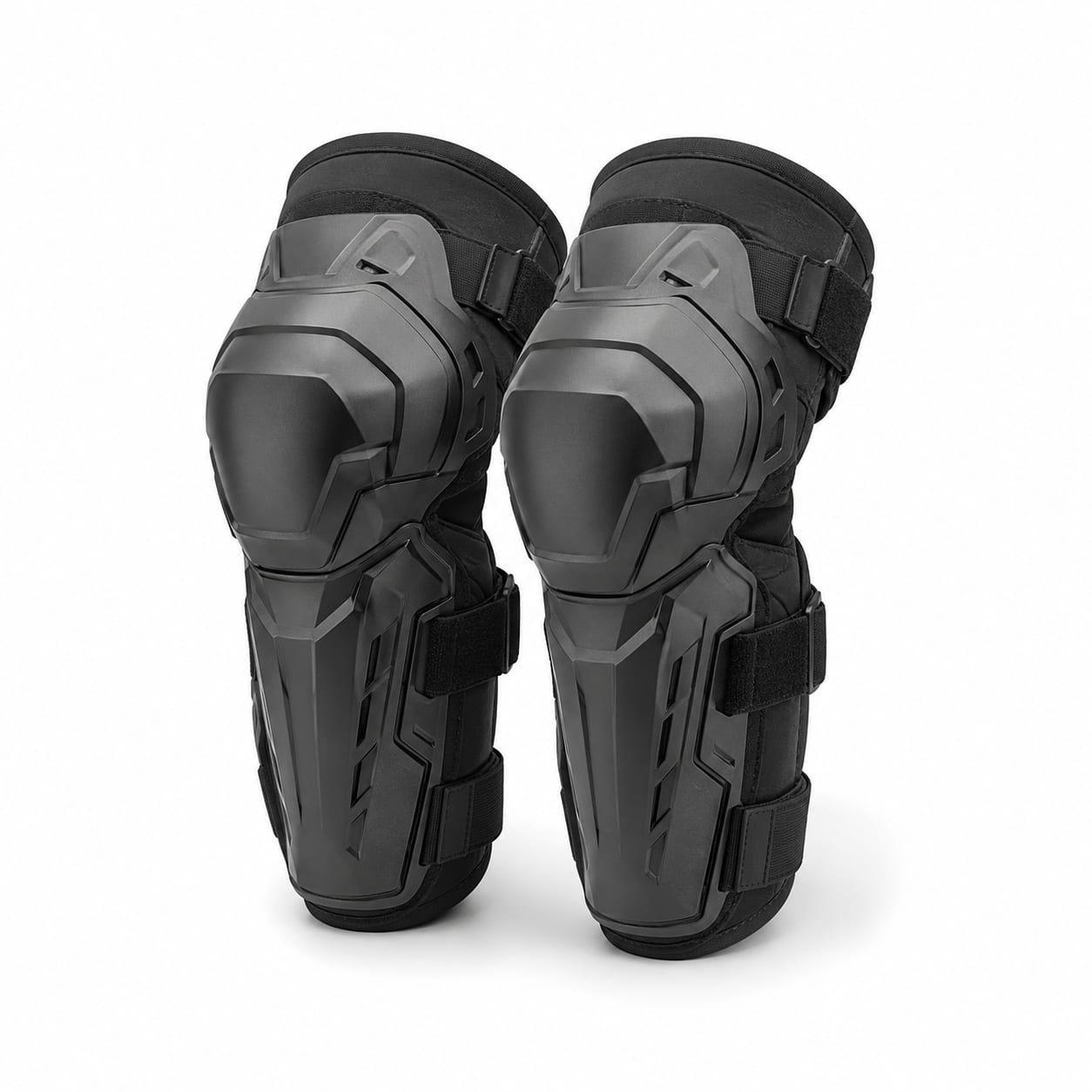
Hard Shell Impact Knee Pads
$40 – $150
Rigid-shell knee pads delivering maximum impact protection for aggressive skiing.
rigid plastic or composite outer shellthick EVA or similar foam backingadjustable straps or sleeve design
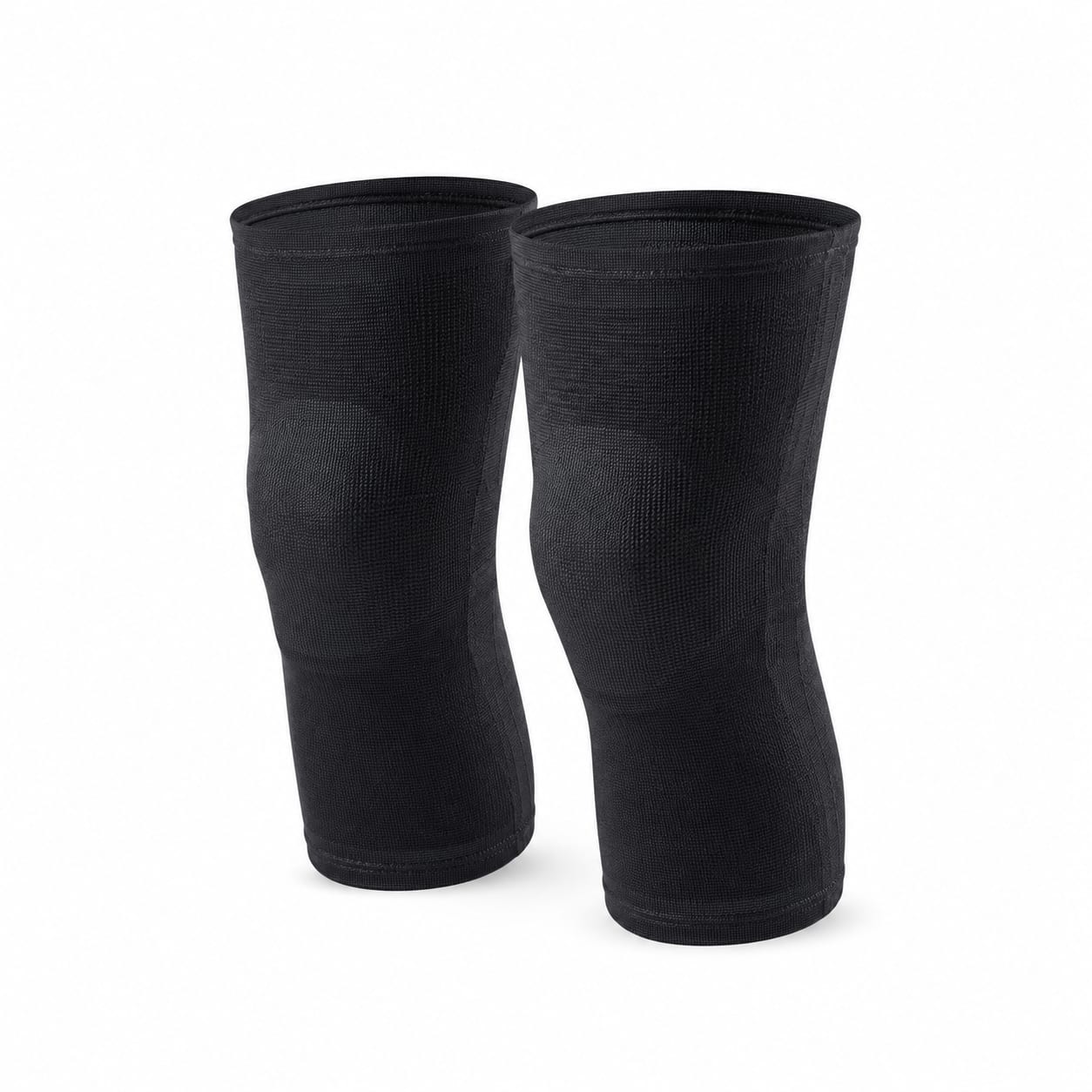
Compression Knee Sleeves
$12 – $60
Neoprene or knit sleeves providing warmth, compression, and mild knee support without significant padding.
neoprene or knit constructiongraduated compressionno significant impact padding
More questions
- Do I need a hinged knee brace if I've never had a knee injury?
- Can I wear a hinged knee brace under my ski pants?
- Will insurance cover my hinged knee brace?
- How long do hinged knee braces last?