
Graduated compression is one of the most researched technologies in sports medicine. Studies consistently show that 15-20 mmHg compression improves venous return, reduces muscle oscillation, and decreases perceived fatigue. The key is proper fit and adequate compression level — a loosely fitting 'compression' sock provides no benefit. Look for socks with stated mmHg ratings from reputable brands, as these have verified compression profiles.
Ski Socks · Compression Ski Socks
Do compression ski socks really work, or is it just marketing?
Related gear types
If this answer nudged you toward a different style, these guides compare specs and trade-offs.
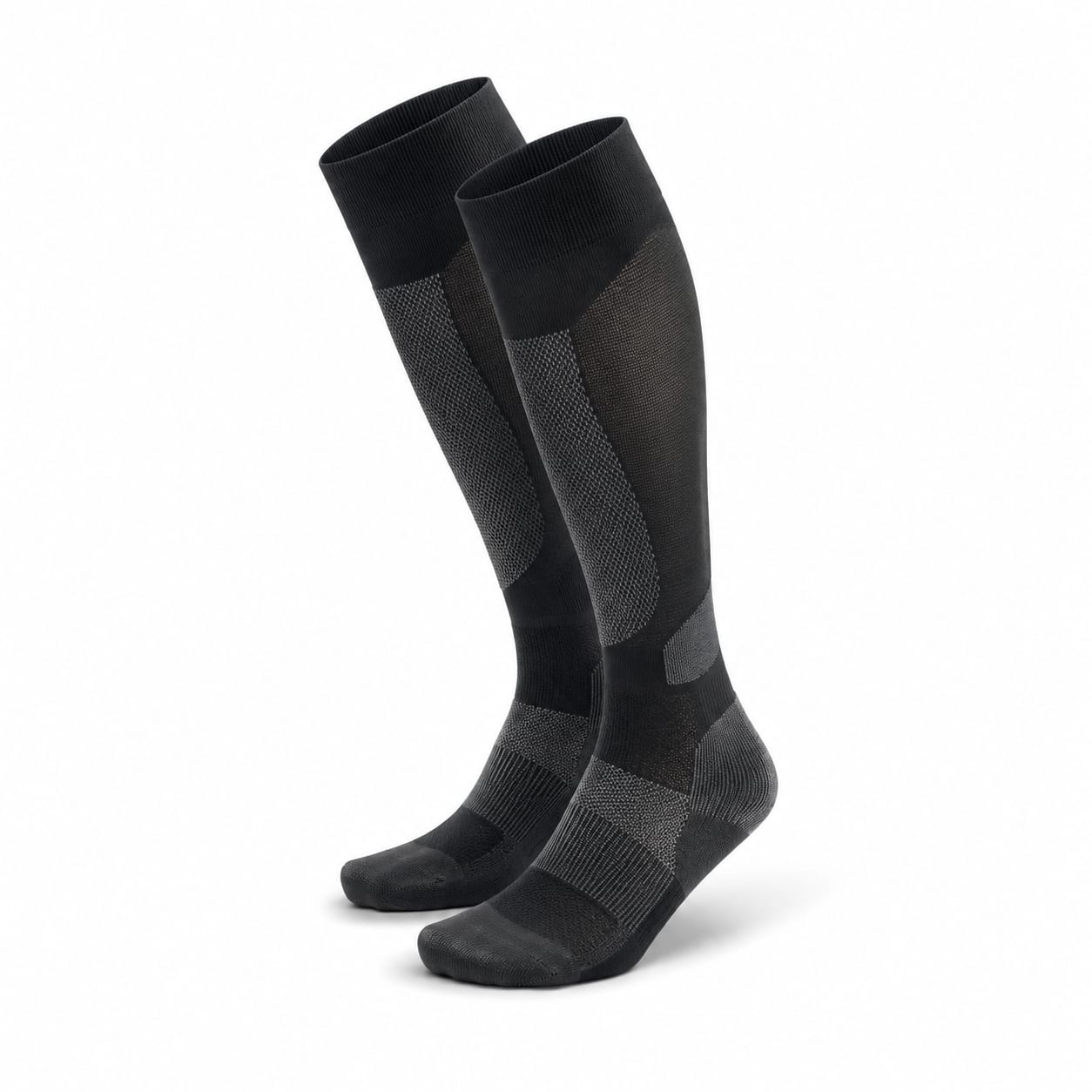
Lightweight Ski Socks
$15 – $38
Minimal-cushion ski socks designed for a responsive, close-to-boot fit with maximum feel and temperature regulation in mild conditions.
ultra-thin constructionminimal or no cushion zonesover-the-calf height
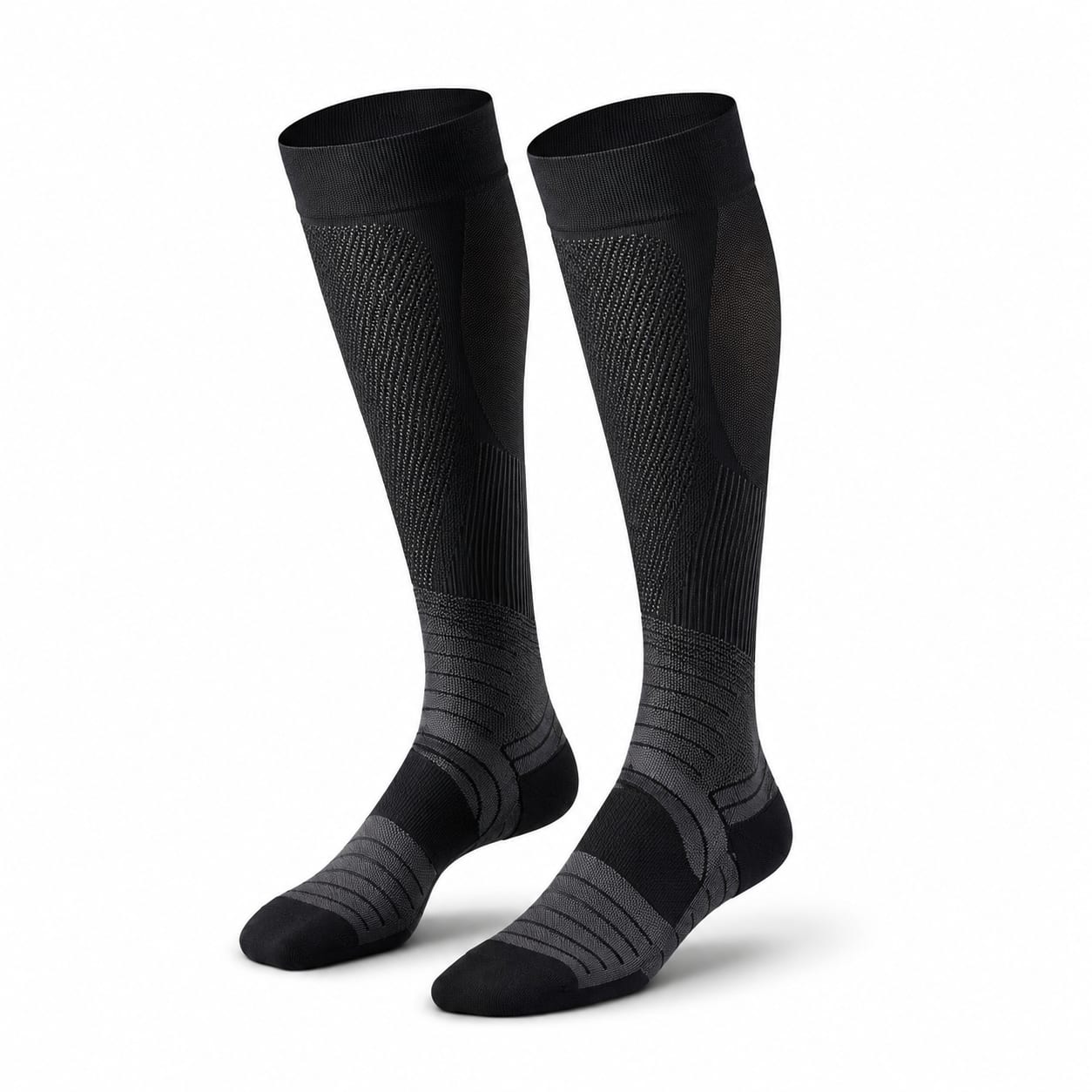
Race Ski Socks
$25 – $60
Ultra-thin, precision-fit ski socks engineered for competitive racers requiring maximum power transmission and boot sensitivity.
ultra-thin constructionanatomical left/right fitcompression zones
More questions
- Will compression ski socks make my feet colder because they're thinner?
- How tight should compression ski socks feel?
- Can I wear compression ski socks for recovery after skiing?
- Why are compression ski socks so hard to put on?