Kitvore.com

Kitvore.com

Specs that matter. Gear that fits.

Ski Socks · Subcategory

Race Ski Socks

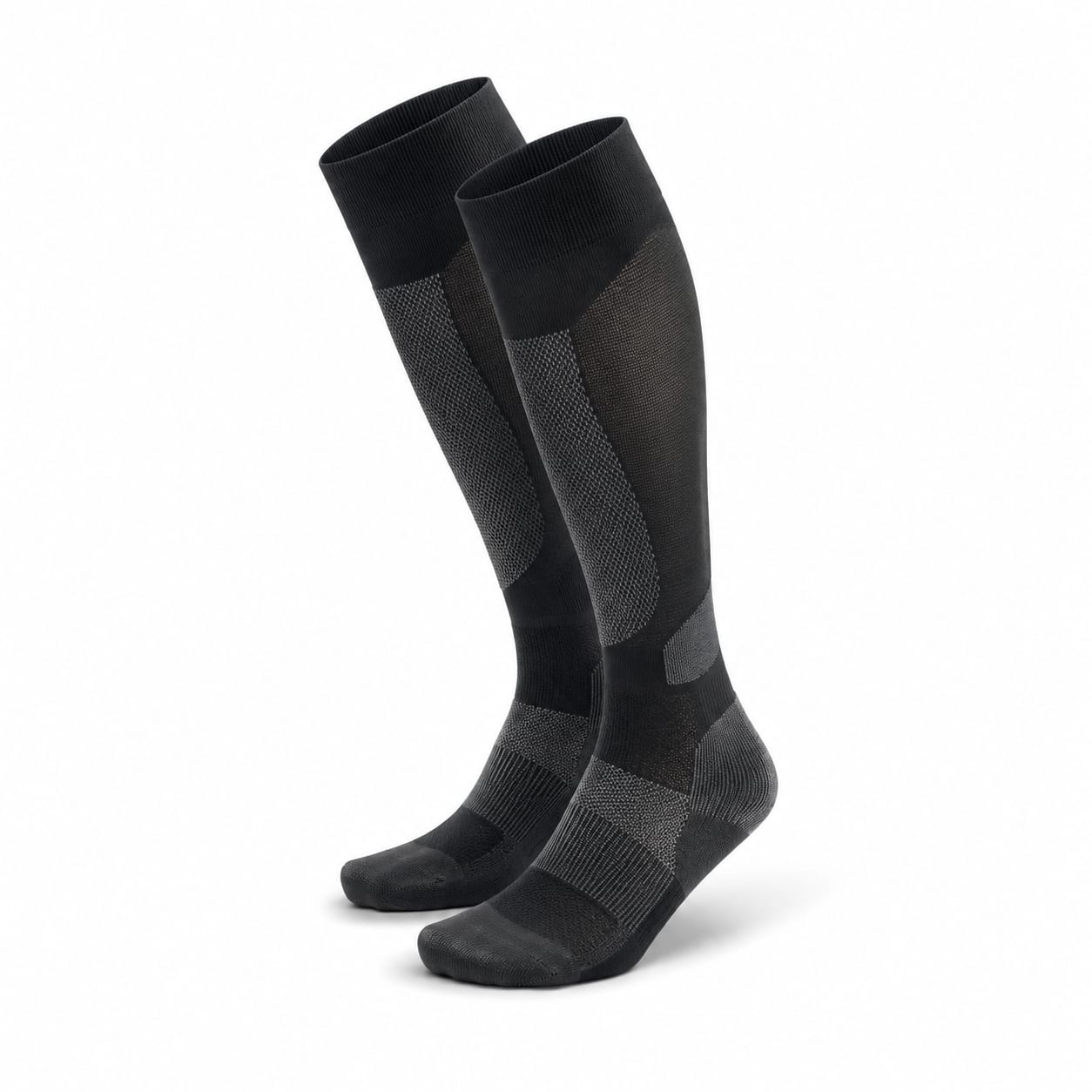
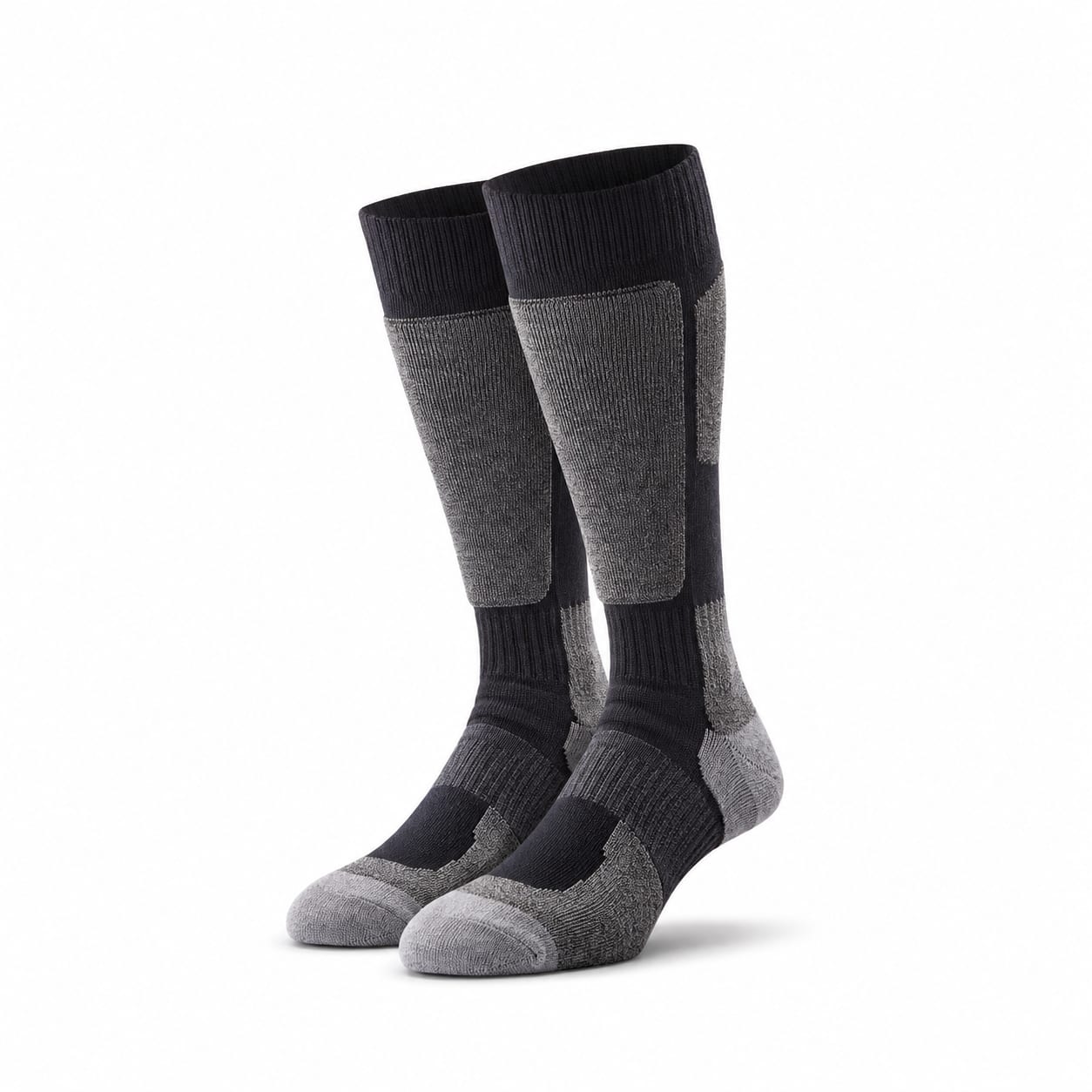
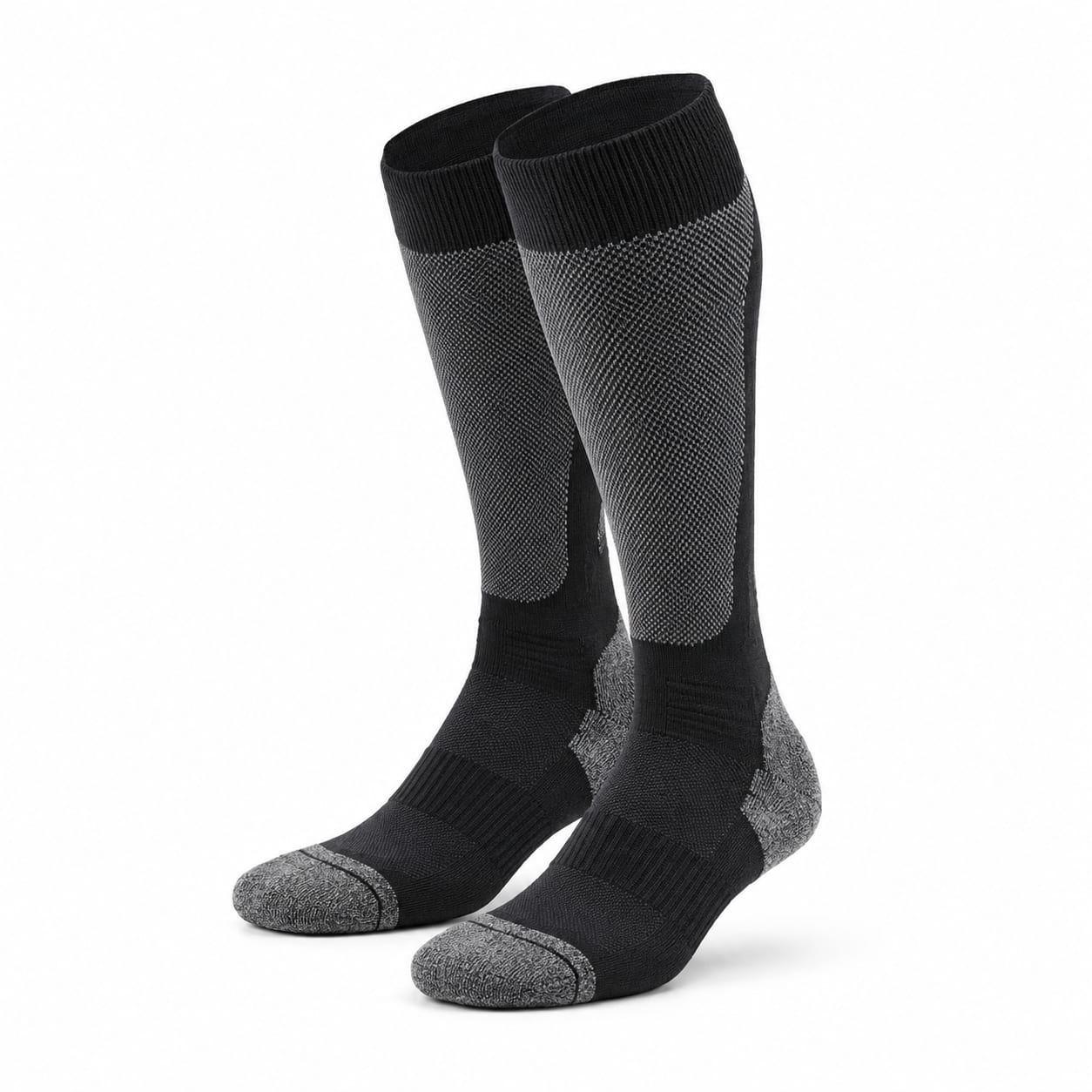
Ultra-thin, high-compression socks engineered for maximum boot feel and precision in competitive alpine ski racing.

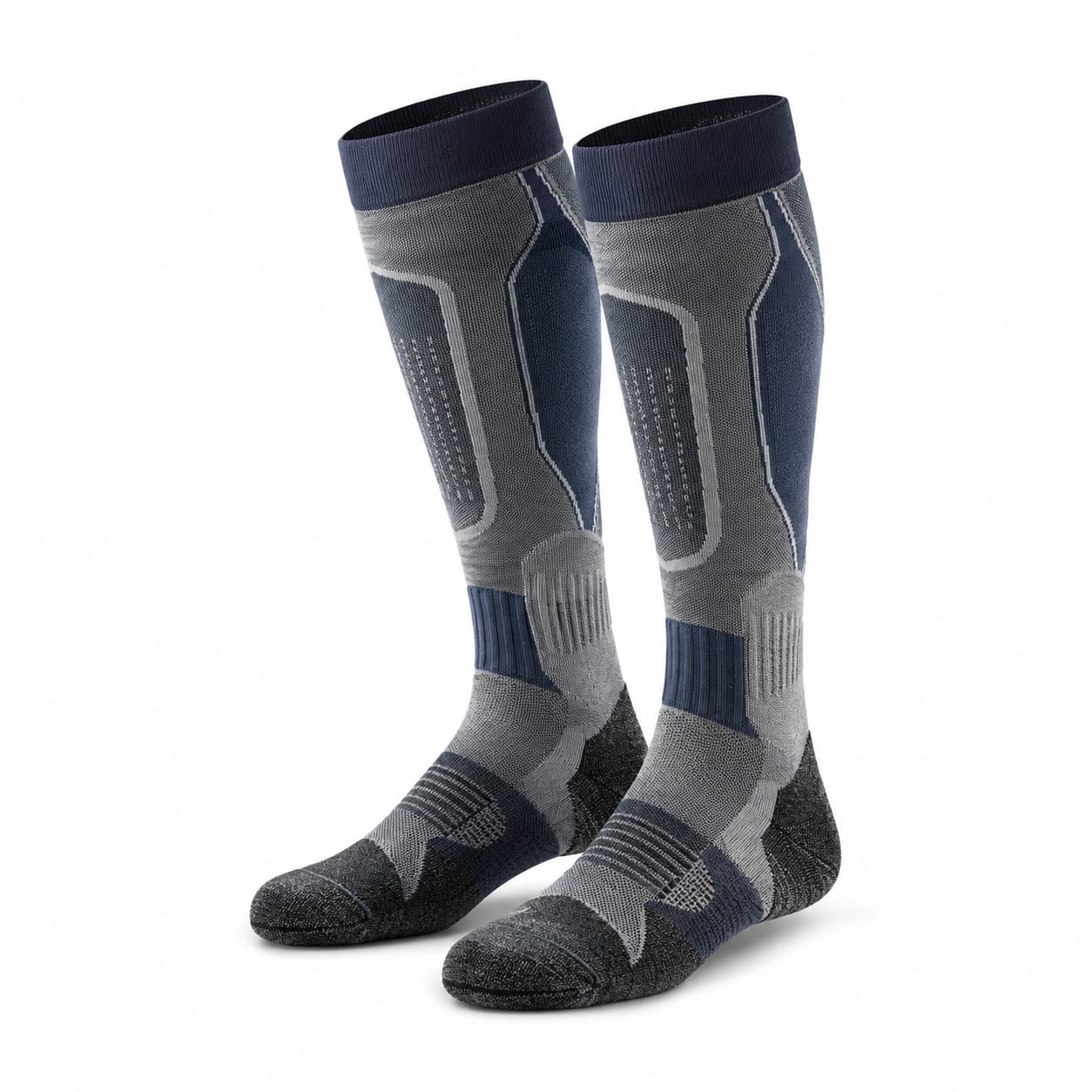
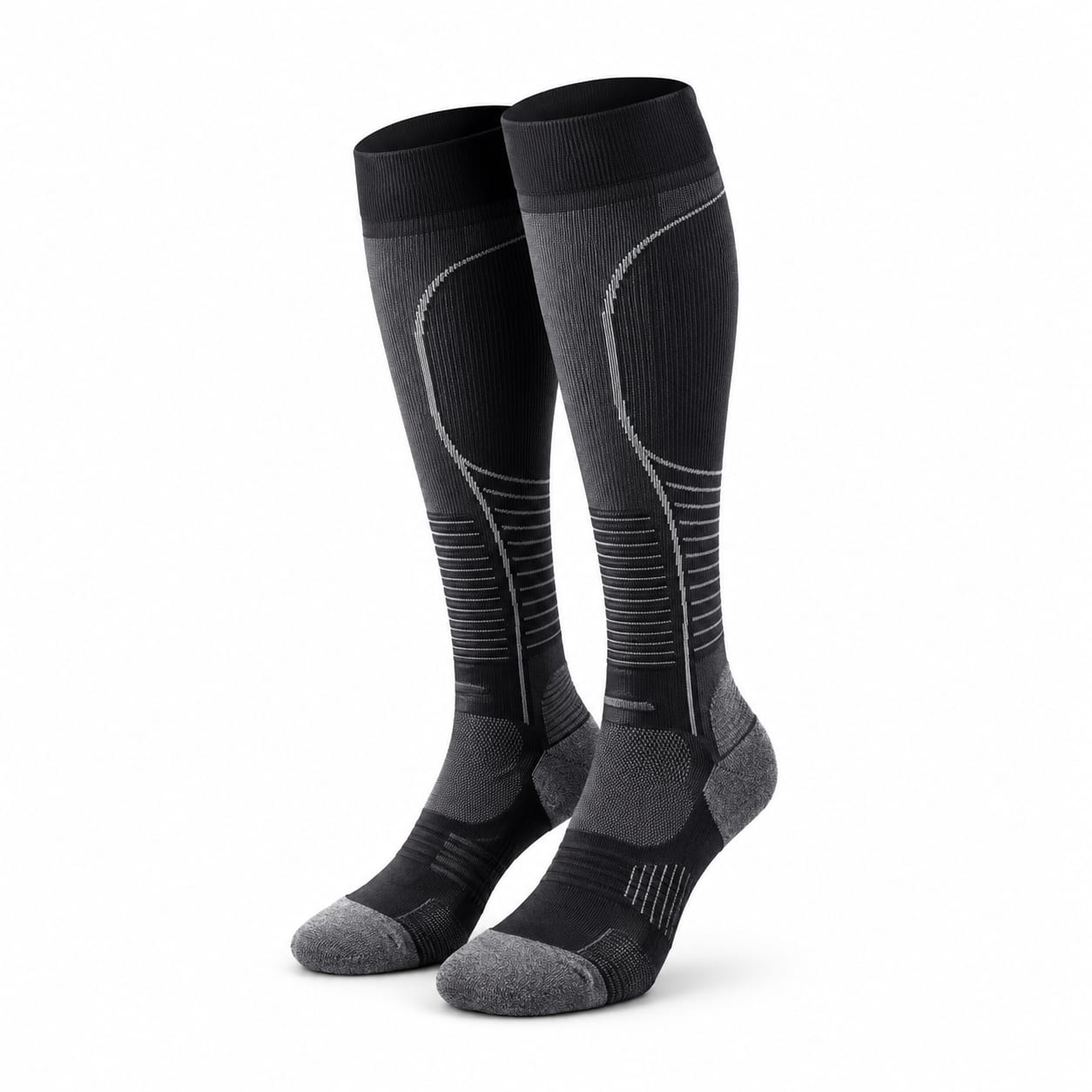
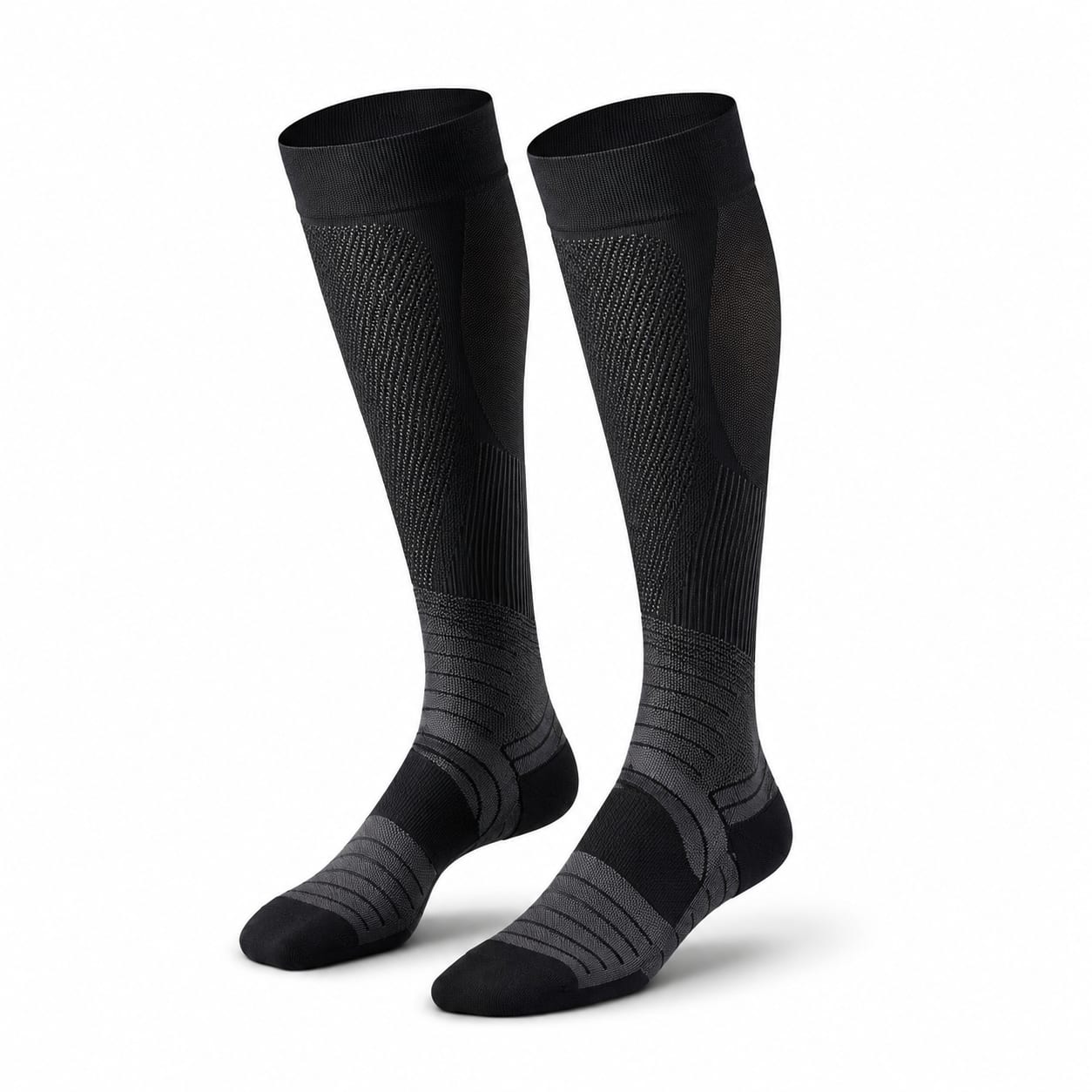
Race ski socks are the thinnest, most precisely constructed socks in the ski sock category, built specifically for competitive racers who demand unfiltered communication between foot and boot. With minimal cushioning, firm graduated compression, and anatomical left/right shaping, they eliminate excess material that could compromise the exacting fit of a race-fit boot. Every detail—from seamless toe closures to targeted ventilation—is optimized for speed, power transmission, and all-day performance during training blocks and race days.

$25 – $60premium tieradvancedexpert

Best known for

Ultra-thin construction for maximum boot feel and responsivenessFirm graduated compression for blood flow and muscle supportAnatomical left/right specific fit eliminating bunchingMinimal cushioning that preserves precise race boot fitPremium materials like merino-synthetic blends and silk blends
Race Ski Socks

Guide

Detailed overview

Race ski socks represent the most specialized end of the ski sock spectrum, designed for competitive alpine racers who operate in tightly fitted, high-performance boots where every millimeter of volume matters. Unlike recreational ski socks that prioritize cushioning and warmth, race socks strip away excess material to deliver the closest possible connection between foot and boot shell. This minimal construction allows racers to feel every nuance of edge engagement, pressure distribution, and boot flex—critical feedback that translates directly to faster times and more precise turns. The typical race sock features ultralight cushioning or no cushioning at all, an ultralight thickness profile, and firm graduated compression (20-30 mmHg) that enhances venous return, reduces muscle vibration, and delays fatigue during long training sessions and multi-run race days. Compression also improves proprioception—the body's awareness of joint position—which helps racers maintain precise body positioning at high speeds. Construction quality is paramount in race socks. Anatomical left/right shaping ensures zero excess material inside the boot, while seamless or hand-linked toe closures eliminate friction points that could become painful over hours in a rigid shell. Primary fibers are typically merino-synthetic blends (40-60% merino) that balance moisture management and odor resistance with the durability and shape retention needed for frequent use, though some racers prefer silk blends for their unmatched smoothness and low bulk. Shin cushioning is typically absent or minimal, as racers prefer to feel the boot tongue directly for precise forward pressure control. Ventilation is targeted rather than extensive, managing moisture without compromising the thin, consistent construction racers rely on. Heel and toe reinforcement remains important even at this thin gauge, as the friction inside race boots is intense and frequent replacement is costly. Race socks are not for everyone. Recreational skiers will find them too thin, too tight, and too unforgiving for comfort-oriented skiing. But for racers—from U10 athletes to FIS competitors and masters—these socks are an essential piece of performance equipment that directly impacts how effectively they can drive their skis.

Race ski socks exist at the extreme performance end of the ski sock category, and understanding why they're built the way they are requires understanding the unique demands of alpine ski racing. Race boots are the stiffest, tightest-fitting boots in skiing, with minimal inner volume and rigid shells that transmit every movement directly to the ski. In this environment, excess sock material isn't just uncomfortable—it's a performance liability. A wrinkle, a bunched toe, or an extra millimeter of cushioning can create pressure points, reduce circulation, and dull the precise feel that racers depend on for edge control at 40+ mph. This is why race socks are ultralight: they need to disappear inside the boot while still managing moisture and providing enough structure to stay in place all day.

Compression is the other defining feature of race ski socks, and it serves multiple performance purposes. Graduated compression (firmest at the ankle, decreasing up the calf) improves venous return, helping deoxygenated blood flow back to the heart more efficiently. This reduces the pooling of blood in the lower legs during long lift rides and between runs, which means less heaviness and fatigue when the starting gate opens. Compression also reduces muscle vibration—the micro-oscillations in muscle fibers caused by the intense forces of racing—which delays the onset of muscle fatigue and soreness. Perhaps most importantly for racers, compression enhances proprioception, the body's sense of where its limbs are in space. Better proprioception means more precise movements and faster corrections, both critical when hundredths of a second separate podium positions.

Material choice in race socks reflects the same performance-first philosophy. Merino-synthetic blends dominate the category, typically in the 40-60% merino range. This provides enough merino for moisture management and odor resistance while maintaining the durability and shape retention that pure merino struggles with after repeated use in aggressive boots. Some racers prefer silk blends, which offer an incredibly smooth interface against the skin and the lowest possible bulk, though they sacrifice some durability. Cotton is never used in legitimate race socks—it retains moisture, loses shape, and creates the cold, clammy environment that leads to blisters and numbness. The remaining fiber content is typically nylon for abrasion resistance and elastane or spandex for stretch recovery, ensuring the sock maintains its compression and shape over many training days.

The fit details separate truly race-specific socks from merely thin socks. Anatomical left/right construction ensures each sock mirrors the exact shape of its intended foot, with no excess material at the toes or sides. Seamless or hand-linked toe closures eliminate the raised seam that can become excruciating inside a tight race boot over hours of use. Arch support is typically moderate, providing a secure midfoot wrap that prevents the sock from shifting during aggressive skiing. The height is usually over-the-calf or knee-high, with knee-high preferred by many racers for full compression coverage above the calf muscle and to ensure no skin contacts the boot shell even during deep flex. These details may seem minor, but in a sport where equipment is measured in hundredths of a second, every point of contact between body and boot matters.

For racers considering race-specific socks, the most important advice is to match the sock to the boot, not to general comfort preferences. If you're skiing in a 130+ flex race boot with a race-fit liner, an ultralight race sock is the correct choice—even if it feels too thin or too tight compared to recreational socks you may be used to. The sock should feel like a second skin, with no wrinkles or slack anywhere. If you can feel the sock inside your boot, it's either too thick or too large. Size down if between sizes, and always check the brand's specific size chart. Race socks are an investment in performance, and when properly fitted, they become an invisible but essential part of the racer's equipment package.

Quick facts

Primary purpose
Eliminate material between foot and boot for maximum power transmission, sensitivity, and race performance
Popular brands
FalkeSmartwool PhDLorpenCepSockwell
Typical terrain
race coursesgroomed steep terraintraining venues

What makes it different

Thinnest ski socks available; Left/right specific construction common; Often feature graduated compression; Premium pricing for specialized design

Recommended ranges

How this type usually specs out

Each spec is explained in plain language, then we show what buyers usually look for on this type.

Height

Sock Height

What it means

The height of the sock measured from the heel to the top of the cuff. Critical for preventing skin contact with the top of the ski boot shell.

Typical for this type

Over The Calf to Knee High

In practice

Race socks are most commonly knee-high or over-the-calf. Knee-high is preferred by many racers because it provides full compression coverage above the calf muscle and ensures no skin contacts the boot shell even during deep forward flex.

Compared to other types

Race socks are more likely to use knee-high construction than all-mountain or recreational socks, which typically use over-the-calf. The extra height supports full graduated compression and accommodates the deeper flex angles of race boots.

Why it matters: In a race boot with aggressive forward lean, the cuff top can ride up during deep flex. Knee-high socks guarantee complete coverage and uninterrupted compression throughout the full range of motion, preventing any skin-to-shell contact that could cause chafing or break the compression seal.

Cushioning

Cushioning Level

What it means

The overall amount and density of padding built into the sock, affecting warmth, comfort, and boot fit. More cushioning means more warmth but less room in the boot.

Typical for this type

Ultralight to Light

In practice

Race socks overwhelmingly feature ultralight or no cushioning. This minimal construction preserves the precise fit of race boots and maximizes the feel between foot and boot shell, allowing racers to sense every nuance of edge pressure and boot engagement.

Compared to other types

All-mountain socks typically use light to medium cushioning for comfort, while recreational and beginner socks often use medium to heavy. Race socks are the only subcategory where ultralight cushioning is the standard and preferred choice.

Why it matters: Race boots fit with millimeter precision, and any additional cushioning volume can alter the fit enough to reduce power transmission and responsiveness. Ultralight cushioning ensures the foot sits exactly where the boot was designed to hold it, with no compliant layer absorbing energy.

Material

Primary Fiber Material

What it means

The dominant fiber type used in the sock construction, which determines moisture management, warmth, odor resistance, and durability.

Typical for this type

Merino Synthetic Blend Or Silk Blend

In practice

Merino-synthetic blends (typically 40-60% merino with nylon and elastane) dominate race socks, balancing moisture management and odor resistance with the durability and shape retention needed for frequent use in aggressive boots. Silk blends are also used in premium race models for their unmatched smoothness and minimal bulk.

Compared to other types

All-mountain and recreational socks also commonly use merino-synthetic blends but may use higher merino percentages (50-70%). Race socks tend toward lower merino content (40-60%) to prioritize durability and shape retention under more demanding conditions.

Why it matters: Race socks endure intense friction, compression forces, and frequent washing. Pure merino lacks the durability for this environment, while pure synthetics lack the moisture management that keeps feet dry during high-output race runs. The blend provides the best of both, and silk adds a friction-reducing smoothness that sensitive racers appreciate.

Merino %

Merino Wool Content

What it means

The percentage of merino wool in the sock's fiber composition. Higher percentages provide more natural performance benefits but may reduce durability.

Typical for this type

35% - 60%

Most common pick: 45%

In practice

Race socks typically contain 40-55% merino wool, which is enough for effective moisture management and odor resistance while leaving sufficient nylon and elastane for durability, compression integrity, and shape retention under the demanding conditions of race boot use.

Compared to other types

All-mountain and premium recreational socks often range from 50-70% merino, prioritizing softness and natural performance. Race socks tend to have slightly lower merino content, trading some natural benefits for the durability and compression retention that racers need.

Why it matters: Too little merino (below 35%) and the sock loses the moisture-wicking and temperature-regulating benefits that keep feet dry during high-intensity race runs. Too much merino (above 60%) and the sock may lack the structural integrity to maintain compression and resist packing out after repeated use in tight boots.

Compression

Compression Level

What it means

The degree of graduated compression built into the sock, measured in mmHg. Compression improves blood flow, reduces fatigue, and enhances proprioception.

Typical for this type

Moderate to Firm

In practice

Race socks typically feature firm compression (20-30 mmHg), which provides maximum circulatory benefit, reduces muscle vibration during high-force turns, and enhances proprioception for precise body positioning. Moderate compression (15-20 mmHg) is found in some race models for skiers who find firm compression uncomfortable.

Compared to other types

All-mountain socks typically use light to moderate compression. Recreational and beginner socks often have no compression or light compression. Race socks are the only subcategory where firm compression is standard, reflecting the performance demands of competitive skiing.

Why it matters: Firm compression directly supports race performance by improving venous return between runs, reducing the muscle vibration that causes fatigue during high-G turns, and enhancing the proprioceptive awareness that allows racers to make precise, subconscious adjustments to body position. These benefits are most pronounced at firm compression levels.

Thickness

Thickness Category

What it means

The overall thickness of the sock construction, which directly affects boot fit, warmth, and feel. Related to but distinct from cushioning level.

Typical for this type

Ultralight

In practice

Race socks are almost exclusively ultralight thickness. This extremely thin, almost sheer construction takes up minimal volume inside the race boot and provides the closest possible contact between foot and boot liner for maximum power transmission and feel.

Compared to other types

All-mountain socks range from lightweight to midweight. Recreational socks are typically midweight to heavyweight. Race socks are uniquely ultralight, and this is the single most distinguishing physical characteristic of the subcategory.

Why it matters: Race boots are fitted with very little extra volume, and even a lightweight (as opposed to ultralight) sock can add enough material to alter the fit, create pressure points, or reduce the responsiveness that racers depend on. Ultralight thickness ensures the sock disappears inside the boot while still providing moisture management and structural integrity.

Left/Right Specific

Anatomical Fit Construction

What it means

Whether the sock is constructed with specific left and right foot shaping for improved fit and reduced bunching inside the boot.

Typical for this type

Anatomical Lr

In practice

Race socks almost universally feature anatomical left/right specific construction. Each sock is shaped precisely for its intended foot, eliminating any excess material that could bunch, wrinkle, or create pressure points inside the precisely fitted environment of a race boot.

Compared to other types

Anatomical left/right construction is more common and more important in race socks than in any other subcategory. While some premium all-mountain socks offer it, many recreational socks use universal fit. For racers, anatomical fit is essentially mandatory.

Why it matters: In a race boot, even a small wrinkle or fold in the sock can become a painful pressure point over hours of training. Anatomical construction ensures the sock conforms exactly to the foot shape with no surplus material anywhere—critical when the boot fit leaves zero room for imperfection.

Shin Padding

Shin Cushioning

What it means

Dedicated cushioning zone on the front of the sock that protects the shin from ski boot pressure and impact. One of the most important zone-specific features.

Typical for this type

None to Light

In practice

Race socks typically have no dedicated shin cushioning, or at most very light shin padding. Racers prefer to feel the boot tongue directly for precise forward pressure control, and any cushioning layer can dampen this critical feedback and alter the boot's flex characteristics.

Compared to other types

All-mountain socks typically feature medium shin cushioning for comfort during long days. Recreational and beginner socks often have heavy shin cushioning to prevent shin bang. Race socks are unique in prioritizing feel over cushioning, typically opting for no shin padding at all.

Why it matters: Forward pressure against the boot tongue is the primary mechanism for driving the tips of the skis in racing. Shin cushioning introduces a compliant layer between the shin and the tongue, reducing the immediacy and precision of this pressure input. For racers who need to modulate forward pressure with millimeter precision, unbuffered contact is essential.

Toe Seam Type

Toe Construction

What it means

How the toe area of the sock is constructed and seamed. Affects comfort and blister risk in the tight toe box of a ski boot.

Typical for this type

Seamless Or Hand Linked

In practice

Race socks feature seamless or hand-linked toe construction to eliminate any raised seam that could cause friction or pressure inside the tight toe box of a race boot. Hand-linked toes are found on the most premium race models for virtually undetectable seam smoothness.

Compared to other types

Premium all-mountain socks also commonly use seamless construction, but mid-range and recreational socks may use flat-knit seams. Race socks almost universally use seamless or better, as the consequences of a rough seam are more severe in the tighter fit of a race boot.

Why it matters: The toe box of a race boot is one of the lowest-volume areas, and a raised toe seam can create significant discomfort, numbness, or blistering over hours of training. Seamless or hand-linked construction removes this risk entirely, which is critical in an environment where foot discomfort directly degrades performance.

Arch Support

Arch Support

What it means

Built-in compression or elastic support in the arch/instep area of the sock. Provides a more secure fit and can reduce foot fatigue.

Typical for this type

Moderate to Firm

In practice

Race socks typically feature moderate arch support, with a noticeable compression band through the midfoot that keeps the sock locked in place and provides a secure, supportive feel. Some racers prefer firm arch support for additional stability and fatigue reduction during long training days.

Compared to other types

All-mountain socks typically use light to moderate arch support. Recreational socks may have light or no arch support. Race socks lean toward moderate to firm, reflecting the higher importance of sock stability and the more demanding conditions inside a race boot.

Why it matters: Arch support in race socks serves primarily to prevent the sock from shifting during aggressive skiing—any movement of the sock inside the boot can create wrinkles and pressure points. The secondary benefit is reduced foot fatigue from the sustained pressure of race boot liners against the midfoot, which is especially valuable during multi-hour training blocks.

Ventilation

Ventilation Zones

What it means

Mesh or thinner-knit zones designed to increase breathability and moisture escape in high-heat areas like the top of the foot and between toes.

Typical for this type

Targeted

In practice

Race socks use targeted ventilation zones—typically thinner mesh knitting on the top of the foot and between toes—to manage moisture without adding bulk or compromising the thin, consistent construction that racers depend on.

Compared to other types

All-mountain socks also commonly use targeted ventilation. Recreational socks may have no ventilation for simplicity. Backcountry socks may use extensive ventilation for uphill moisture management. Race socks stick with targeted ventilation as the optimal balance for their thin construction.

Why it matters: Racing generates significant foot heat and moisture, and trapped sweat inside a race boot leads to blisters, cold feet after the run, and degradation of the boot liner over time. Targeted ventilation allows moisture to escape from the hottest zones without introducing the extensive mesh panels that would alter the sock's feel and compression profile.

Odor Control

Antimicrobial Treatment

What it means

Whether the sock has an applied antimicrobial treatment (e.g., silver ions, Polygiene) to reduce odor-causing bacteria. Merino wool has natural antimicrobial properties.

Typical for this type

True Or False

In practice

Many race socks include an antimicrobial treatment (such as silver ion infusion) to extend odor-free wear during multi-day training blocks and race weekends where laundering opportunities may be limited. However, the merino content already provides natural odor resistance.

Compared to other types

Antimicrobial treatment is somewhat more common in race socks than in other subcategories due to the multi-day use patterns of competitive skiers. However, it's not universal, and the natural odor resistance of merino wool means it's a nice-to-have rather than essential.

Why it matters: Racers often train multiple days in a row and may wear the same pair of socks for several sessions between washes. Antimicrobial treatment helps prevent bacterial growth and odor buildup during these extended use periods, which is especially valuable at away races and training camps.

Gender Fit

Gender-Specific Fit

What it means

Whether the sock is designed with gender-specific proportions. Women's-specific socks account for typically narrower heels, higher arches, and different calf proportions.

Typical for this type

Mens Or Womens (Gender-Specific)

In practice

Race socks are typically offered in gender-specific fits—men's and women's models with proportions tailored to the typical foot shape differences. Women's race socks feature narrower heel pockets, higher arch support, and smaller calf circumference. This gender-specific approach is especially important in racing where boot fit precision is paramount.

Compared to other types

Gender-specific fits are available across all subcategories but are most important in race socks due to the minimal tolerance for fit imperfections. Unisex construction is less common in race-specific models than in general ski socks.

Why it matters: The precise fit requirements of race boots make gender-specific sock construction more important than in recreational skiing. A women's foot in a men's-cut sock may experience heel slippage, arch misalignment, or calf bunching—all of which compromise the exacting fit that racers depend on. Properly gender-proportioned socks eliminate these issues.

Reinforced Areas

Reinforced Zones

What it means

Specific areas of the sock with extra-durable construction to resist wear from ski boot friction and extend sock life.

Typical for this type

Heel And Toe (Minimum)

Most common pick: Heel, Toe

In practice

Race socks reinforce the heel and toe areas where boot friction is most intense. Despite their ultralight construction, these reinforcement zones use denser knitting to resist wear and extend sock life. Some models also add shin reinforcement to prevent the shin area from packing out.

Compared to other types

All subcategories benefit from heel and toe reinforcement, but it's especially important in race socks because their ultralight base construction is inherently less durable. The reinforcement compensates for the thin overall construction in the highest-wear areas.

Why it matters: Race boots create more friction on socks than any other type of ski boot due to their rigid construction, tight fit, and the aggressive forces of racing. Without reinforcement, ultralight race socks would wear through quickly at the heel and toe. Reinforcement extends the life of what are typically premium-priced socks.

Warmth Level

Warmth Rating

What it means

The overall warmth category of the sock, determined by thickness, material, and construction. Indicates the temperature range the sock is designed for.

Typical for this type

Lightweight Warmth

In practice

Race socks are rated for lightweight warmth, prioritizing moisture management over insulation. The high-intensity nature of racing generates significant body heat, and the ultralight construction ensures feet stay dry rather than warm and sweaty, which leads to cold feet after the run.

Compared to other types

All-mountain socks are typically all-season warmth. Recreational and cold-weather socks are often heavyweight warmth. Race socks are uniquely lightweight in their warmth rating, reflecting the high-output nature of competitive skiing and the fact that racers prioritize dry feet over warm feet.

Why it matters: Racers generate enormous heat during a race run, and a warmer sock would cause overheating, sweating, and then evaporative cooling—resulting in cold, damp feet on the lift ride back up. Lightweight warmth with excellent moisture management keeps feet in a more consistent temperature zone throughout the training or race day cycle.

Size

Size Range

What it means

The sock size, which must correspond to the skier's shoe size for proper fit. Ill-fitting socks cause bunching, wrinkles, and discomfort in ski boots.

Typical for this type

Exact Shoe Size Match (Never Size Up)

Most common pick: 4 - 14 US

In practice

Race socks must be sized precisely to the skier's shoe size with no excess material. When between sizes, racers should size down rather than up. The size range for race socks typically spans from youth/junior sizes through adult large, with women's and men's specific sizing.

Compared to other types

Sizing matters in all ski socks, but the tolerance for imperfect sizing is much lower in race socks. Recreational skiers can get away with a slightly loose sock, but racers cannot. Race sock sizing also tends to offer more granular size options to accommodate this precision requirement.

Why it matters: In the ultra-precise fit environment of a race boot, a sock that's even half a size too large will have excess material that can bunch at the toes or heel, creating pressure points and reducing feel. A sock that's too small will pull tight, restrict circulation, and cause cold feet. Exact sizing is more critical in race socks than any other subcategory.

Evaluation

Strengths and trade-offs

Pros

What this type does best

Maximum Boot Feel and Responsiveness

Critical

The ultralight, minimal-cushion construction provides the closest possible connection between foot and boot, allowing racers to feel every nuance of edge pressure, boot flex, and snow feedback. This translates directly to faster, more precise skiing.

Firm Compression Enhances Performance

Critical

Graduated compression (20-30 mmHg) improves blood flow, reduces muscle vibration during high-G turns, delays fatigue, and enhances proprioception for better body position awareness—all measurable performance benefits for competitive racers.

Anatomical Fit Eliminates Bunching

High

Left/right specific construction ensures zero excess material inside the boot, preventing the wrinkles and pressure points that can become painful and distracting during hours of training in tightly fitted race boots.

Preserves Precise Race Boot Fit

High

Ultralight thickness takes up minimal volume inside the boot, maintaining the exact fit that racers and bootfitters have dialed in. Thicker socks would alter this carefully calibrated fit and reduce power transmission.

Superior Moisture Management

High

Merino-synthetic blend construction with targeted ventilation zones effectively manages the high moisture output of racing, keeping feet dry and preventing the blisters and cold feet that result from trapped sweat.

Seamless Construction Prevents Hot Spots

Medium

Seamless or hand-linked toe closures eliminate the friction points that cause blisters and numbness in the tight toe box of a race boot, enabling longer, more comfortable training sessions.

Durable Despite Thin Construction

Medium

Reinforced heel and toe zones compensate for the ultralight base construction, providing abrasion resistance where boot friction is most intense and extending the life of premium-priced race socks.

Cons

Trade-offs to be aware of

Uncomfortable for Non-Racers

Significant

The ultralight thickness and firm compression feel too thin and too tight for recreational skiers accustomed to cushioned socks. They provide minimal padding and no warmth buffer, making them uncomfortable for casual skiing.

No Shin Protection

Moderate

The absence of shin cushioning means no protection against shin bang or boot pressure. Racers accept this trade-off for feel, but skiers with shin sensitivity will find race socks punishing on the front of the leg.

Premium Price Point

Moderate

Race socks are among the most expensive ski socks due to their specialized construction, anatomical shaping, compression engineering, and premium materials. Expect to pay 30-50% more than quality all-mountain socks.

Cold in Low-Output Situations

Moderate

The lightweight warmth rating means race socks provide minimal insulation. During cold lift rides, slow training drills, or waiting at the start gate, feet can get cold because the sock relies on body heat generation rather than insulation.

Firm Compression Can Be Difficult to Put On

Minor

The 20-30 mmHg compression that benefits performance also makes race socks noticeably harder to put on than regular socks, especially for younger racers or those with limited hand strength or mobility.

Unforgiving of Sizing Errors

Minor

Because race socks have zero excess material, being even slightly off in sizing creates immediate problems—too large and they bunch, too small and they restrict circulation. There's no margin for error as there is with more forgiving sock types.

Best for

Terrain

Groomed race coursesIce and hardpackSteep groomed runsTraining courses

Snow conditions

Hardpack and iceCold to moderate temperaturesGroomed snowRace-day conditions

Skill level

AdvancedExpertProfessional/Competitive

Riding style

Giant SlalomSlalomSuper-GDownhillRace training

Rider profile

FIS-level competitorsMasters racersClub and academy racersSerious race-training skiersSkiers with race-fit boots seeking maximum performance

Not ideal for

Reasons

Too thin and unforgiving for recreational comfortNo cushioning for impact absorption in moguls or parksFirm compression unnecessary for casual skiingPremium price not justified for non-competitive useLightweight warmth insufficient for cold, low-output days

Terrain

Deep powderBackcountryTerrain parksMogul fields

Skill level

BeginnerIntermediate

Riding style

Casual resort cruisingFreestyleBackcountry touringApres-ski social skiing

Compare

How it stacks up

This page

Race Ski Socks

Superior boot feel, power transmission, and compression benefits. Ultralight construction preserves precise race boot fit. Anatomical shaping eliminates all bunching. Firm compression provides measurable performance benefits for competitive skiing.

Alternative

All-Mountain Ski Socks

More comfortable for all-day recreational skiing with cushioning where needed. Better warmth for cold days. More versatile across conditions and boot types. Lower price point. Forgiving fit that works for a wider range of skiers.

Bottom line

Choose race socks only if you ski in race-fit boots and compete or train seriously. All-mountain socks are the better choice for 90% of skiers, including advanced skiers who don't race.

This page

Race Ski Socks

Firmer compression for greater circulatory and proprioceptive benefits. More consistent ultralight construction throughout. Typically better anatomical shaping. Designed specifically for the demands of race boots rather than just being a thin sock.

Alternative

Lightweight Performance Ski Socks

Light cushioning in key zones provides some impact protection without much bulk. More comfortable for skiers who want performance feel but not the extreme thinness of race socks. Often available at a lower price. More versatile for performance all-mountain skiing.

Bottom line

If you have race boots and race, get race socks. If you have performance boots but don't race, lightweight performance socks offer a more comfortable middle ground with most of the feel benefits.

This page

Race Ski Socks

Dramatically better boot feel and responsiveness. Compression supports performance and recovery. Preserves boot fit rather than altering it. Anatomical construction more precise. Superior moisture management for high-output skiing.

Alternative

Midweight Resort Ski Socks

Significantly more comfortable for casual skiing. Better warmth for cold days. Medium cushioning absorbs shock and reduces fatigue for recreational skiing. Much lower price point. Works well with average and loose boot fits.

Bottom line

These serve completely different purposes. Race socks are performance equipment for competitive skiers; midweight resort socks are comfort-oriented for recreational skiing. Don't cross these categories—match the sock to your skiing.

This page

Race Ski Socks

No comparison on performance—race socks are infinitely better for boot feel, power transmission, and precision. Heavyweight socks would be a disaster in a race boot, altering fit and eliminating feel.

Alternative

Heavyweight/Cold Weather Ski Socks

Much warmer for genuinely cold conditions. Heavy cushioning fills volume in loose boots. More comfortable for beginners and cold-sensitive skiers. Better for rental boots with excess volume.

Bottom line

These categories are opposites. Race socks for racing and performance; heavyweight socks for cold feet and loose boots. Never use heavyweight socks in race boots—the fit compromise alone would negate any warmth benefit.

Shopping

Buying tips

  • 1

    Size down if you're between sizes—excess material in a race boot creates pressure points and reduces feel. A slightly snug sock will stretch to fit; an oversized sock will never stop bunching.

  • 2

    Match the sock to your boot, not your comfort preference. If you're in a 130+ flex race boot with a race liner, you need an ultralight race sock. Using a thicker sock 'for comfort' will compromise your boot fit and performance.

  • 3

    Look for firm graduated compression (20-30 mmHg) if you're a serious competitor. If you've never worn compression socks, start with moderate (15-20 mmHg) and transition to firm as you adapt.

  • 4

    Knee-high height is worth considering even if you've traditionally worn over-the-calf. The extra coverage ensures uninterrupted compression above the calf and prevents any shell-to-skin contact during deep race flex.

  • 5

    Invest in at least 2-3 pairs so you always have a dry, fresh pair for training. Rotating pairs also extends the life of each sock, which matters at race sock price points.

  • 6

    Check the brand's specific size chart before ordering—sizing varies significantly between manufacturers, and race sock sizing is less forgiving of mismatches than recreational sock sizing.

  • 7

    If you have wide feet or a high instep, look for race socks with slight stretch zones in the forefoot. Some models accommodate these shapes while maintaining the ultralight race construction.

  • 8

    Don't assume the most expensive race sock is the best for you. Focus on fit, compression level, and material blend that matches your specific needs—these matter more than brand prestige.

Care

Maintenance notes

  • Wash race socks inside out in cold or warm water (never hot) to preserve the compression elasticity and fiber integrity. Hot water degrades elastane and reduces compression over time.
  • Never use fabric softener—it coats the merino fibers and reduces their moisture-wicking capability, which is critical for race sock performance.
  • Air dry flat or hang dry. Machine drying on heat breaks down the elastic fibers that provide compression and shape retention. If you must use a dryer, use the lowest heat setting.
  • Rotate between at least 2-3 pairs to allow each sock to fully recover its shape and compression between uses. Wearing the same pair day after day accelerates compression loss.
  • Trim toenails regularly—long or sharp toenails are the number one cause of premature wear in the toe box of ultralight race socks.
  • Inspect regularly for thinning at the heel and toe reinforcement zones. Once these areas start to thin, the sock is approaching the end of its effective life and should be replaced before it fails during training.
  • Store race socks laid flat or loosely rolled, never balled up, to maintain the shape and compression integrity of the arch support and calf areas.

Progression

Skill development path

Race ski socks are appropriate for skiers at the advanced level and above who are either competing in alpine racing or training seriously in race-fit boots. Young racers (U10 and above) should transition to race-specific socks as soon as they move into race boots, as the fit and feel benefits are immediate and significant. Skiers who have never worn compression socks should start with moderate compression before moving to firm, allowing their legs to adapt over 2-3 weeks of training. Masters racers returning to the sport should not assume they need thicker socks than they used in their younger years—modern race boots and socks are both thinner and more performance-oriented than equipment from even 10 years ago. The key progression is: beginner/intermediate in all-mountain socks → advanced in lightweight performance socks → competitive in ultralight race socks with firm compression.

FAQ

Common questions

Each question has a dedicated page with a full answer and links to the buying guide.

Why are race ski socks so thin? Don't my feet need cushioning?

Race socks are thin because cushioning reduces boot feel and alters the precise fit of race boots. In a properly fitted race boot, your foot is held securely by the liner and shell—cushioning adds a compliant layer that absorbs energy and dampens the feedback you need for precise edge control. If your feet hurt in race socks, the issue is almost certainly boot fit, not sock thickness. A bootfitter can address pressure points and volume issues far more effectively than a thicker sock ever could.

Can I wear race ski socks for regular recreational skiing?

You can, but you probably won't enjoy it. Race socks are too thin and too compressive for comfortable recreational skiing. They provide no cushioning for long days, minimal warmth for cold lift rides, and the firm compression can feel unnecessarily tight when you're not pushing at race intensity. If you have race boots and sometimes ski recreationally in them, race socks are fine. But if you have recreational boots, all-mountain or lightweight performance socks will be much more comfortable and still provide good feel.

How do I know if the compression is too tight?

Firm compression should feel snug and supportive but never painful, numbing, or tingly. If your feet feel cold or numb within 15-20 minutes of putting on the socks and boots, the compression may be too firm or the sock may be too small. Other signs of excessive compression include visible deep indentations when you remove the sock, or a pins-and-needles sensation. If you experience these symptoms, try moderate compression (15-20 mmHg) or size up. Never sacrifice circulation for compression—the performance benefits only work when blood flow is improved, not restricted.

Do I really need left/right specific socks?

For racing, yes. The difference is subtle but real: anatomical socks have no excess material anywhere, which means no bunching, no wrinkles, and no pressure points inside the boot. In a race boot where the fit is precise to the millimeter, even a small fold in a universal-fit sock can become a distraction or a pain point over hours of training. If you're spending the money on race boots and race socks, the anatomical fit is part of the complete performance package.