
Ski Underwear · FAQ
Questions about Bamboo and Natural Fiber Base Layers
Straight answers on fit, specs, and when this type makes sense — each topic has its own page with links back to the buying guide.
Open Bamboo and Natural Fiber Base Layers guide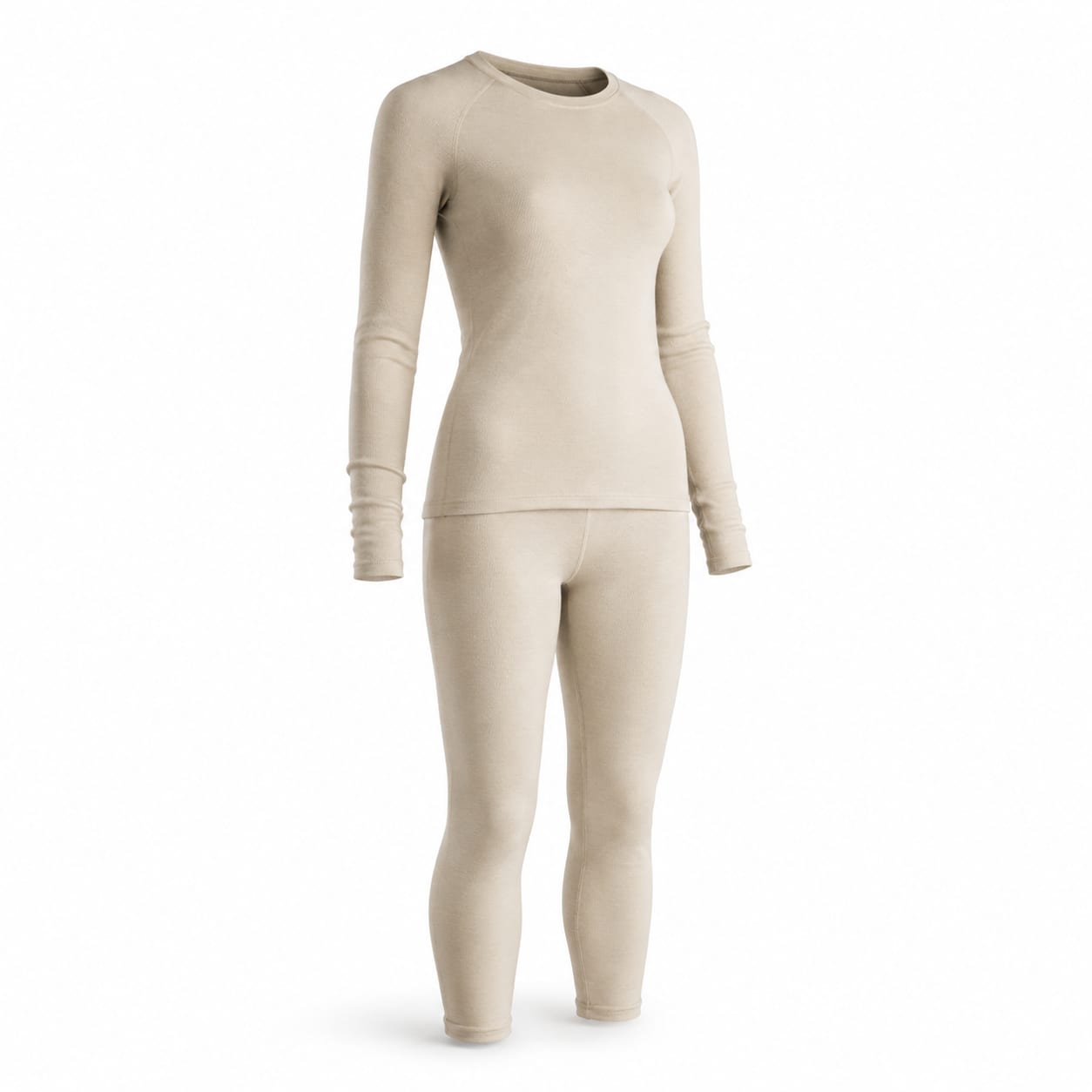
6 topics
Pick a question
Every answer links to the full subcategory guide and related gear types when it helps you decide.
Is bamboo viscose really eco-friendly if it requires chemical processing?
It depends on the manufacturing method. Traditional viscose processing uses harsh chemicals (carbon disulfide, sodium hydroxide) that can harm workers and the environment if not properly managed. However, responsible manufacturers use closed-loop systems that capture and recycle 95%+ of these chemicals. The lyocell process is even cleaner, using a non-toxic solvent in a closed loop. Look for brands that specifically advertise closed-loop or lyocell processing. The bamboo crop itself is exceptionally sustainable—it grows without pesticides, needs minimal water, and regenerates from its root system. When produced responsibly, bamboo fabric has a significantly lower environmental impact than petroleum-based synthetics.
Read answer →02How does bamboo compare to merino wool for skiing?
Bamboo is softer and more breathable than merino, making it more comfortable in mild conditions and for riders with sensitive skin. However, merino wool provides significantly better warmth (especially per gram), superior odor resistance (5+ days vs. 2–3 days for bamboo), and the crucial warm-when-wet property that bamboo lacks. Merino is also more durable. For cold resort days and multi-day trips, merino is the better performer. For spring skiing, comfort-focused resort days, and riders who find wool irritating, bamboo excels. Bamboo-merino blends offer a compelling middle ground.
Read answer →03Can I wear bamboo base layers for backcountry skiing?
Bamboo base layers are not ideal for backcountry touring. The fabric absorbs moisture readily but dries slowly, which creates a chill risk during rest transitions after high-output climbing. In backcountry scenarios, you alternate between intense exertion (sweating heavily) and stationary observation (rapidly cooling), and bamboo's slow drying becomes a liability. Synthetics or merino wool, which wick and dry faster, are better choices. If you insist on bamboo for backcountry use, choose a bamboo-merino blend and pair it with excellent mid-layer ventilation to manage moisture during transitions.
Read answer →04Why does my bamboo base layer have a funny smell when new?
New bamboo viscose fabric often retains a slight chemical odor from the manufacturing process, particularly from the sodium hydroxide and carbon disulfide used in viscose production. This is normal and harmless but should dissipate after 1–2 washes. Always wash new bamboo base layers in cold water with gentle detergent before first wear. If the chemical smell persists after 2–3 washes, it may indicate lower-quality manufacturing with incomplete chemical recovery—consider returning the product. High-quality bamboo from reputable brands should have minimal new-fabric odor.
Read answer →05How long do bamboo base layers typically last?
With proper care (cold wash, flat dry, gentle detergent), bamboo base layers typically last 1–2 seasons of regular ski use (30–50 days per season). This is significantly shorter than synthetics (3–5 seasons) or merino wool (2–4 seasons). The weak point is fiber durability—bamboo viscose is inherently less strong than wool or synthetic fibers, especially when wet. You'll notice thinning at high-friction areas (inner thighs, underarms, seat) and pilling across the fabric surface. Extending life requires careful washing, avoiding machine drying entirely, and rotating between multiple pairs to reduce per-garment wear.
Read answer →06Are bamboo base layers warm enough for cold winter skiing?
For temperatures below 15°F (-9°C), pure bamboo base layers alone are typically insufficient for most riders. They provide light to moderate warmth—excellent for mild days but inadequate for deep cold without substantial mid-layer support. If you regularly ski in cold conditions, consider: (1) bamboo-merino blends that add warmth, (2) midweight bamboo options if available, or (3) layering a lightweight bamboo base under a heavier merino or synthetic mid-layer. Many riders use bamboo as their next-to-skin layer for comfort, then add warmer mid-layers for cold-weather insulation.
Read answer →