
Bamboo base layers are not ideal for backcountry touring. The fabric absorbs moisture readily but dries slowly, which creates a chill risk during rest transitions after high-output climbing. In backcountry scenarios, you alternate between intense exertion (sweating heavily) and stationary observation (rapidly cooling), and bamboo's slow drying becomes a liability. Synthetics or merino wool, which wick and dry faster, are better choices. If you insist on bamboo for backcountry use, choose a bamboo-merino blend and pair it with excellent mid-layer ventilation to manage moisture during transitions.
Ski Underwear · Bamboo and Natural Fiber Base Layers
Can I wear bamboo base layers for backcountry skiing?
Related gear types
If this answer nudged you toward a different style, these guides compare specs and trade-offs.
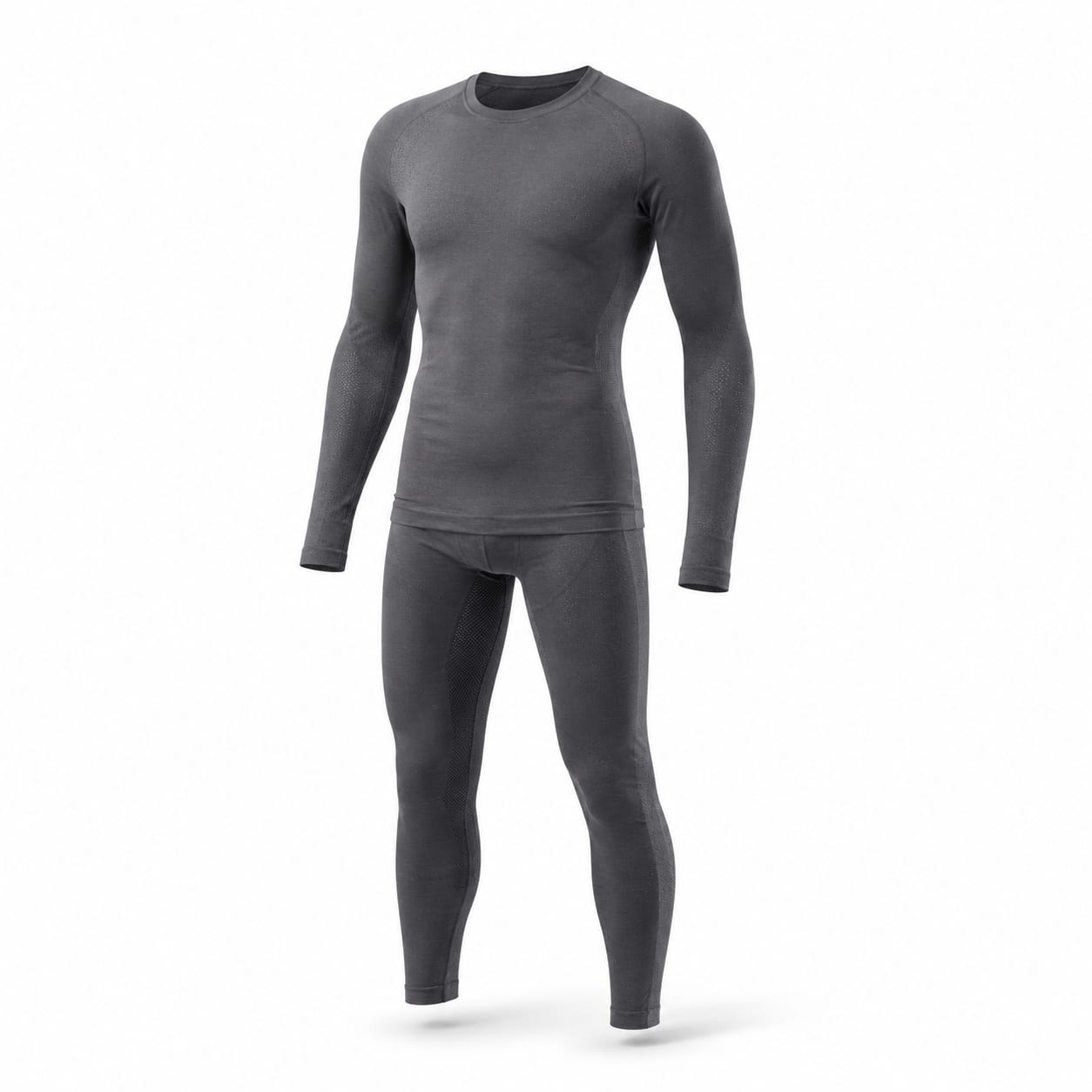
Lightweight Base Layers
$25 – $90
Thin, highly breathable base layers for high-output skiing in mild conditions or warm-skinned individuals.
ultra-thin fabrichigh breathabilityrapid moisture wicking
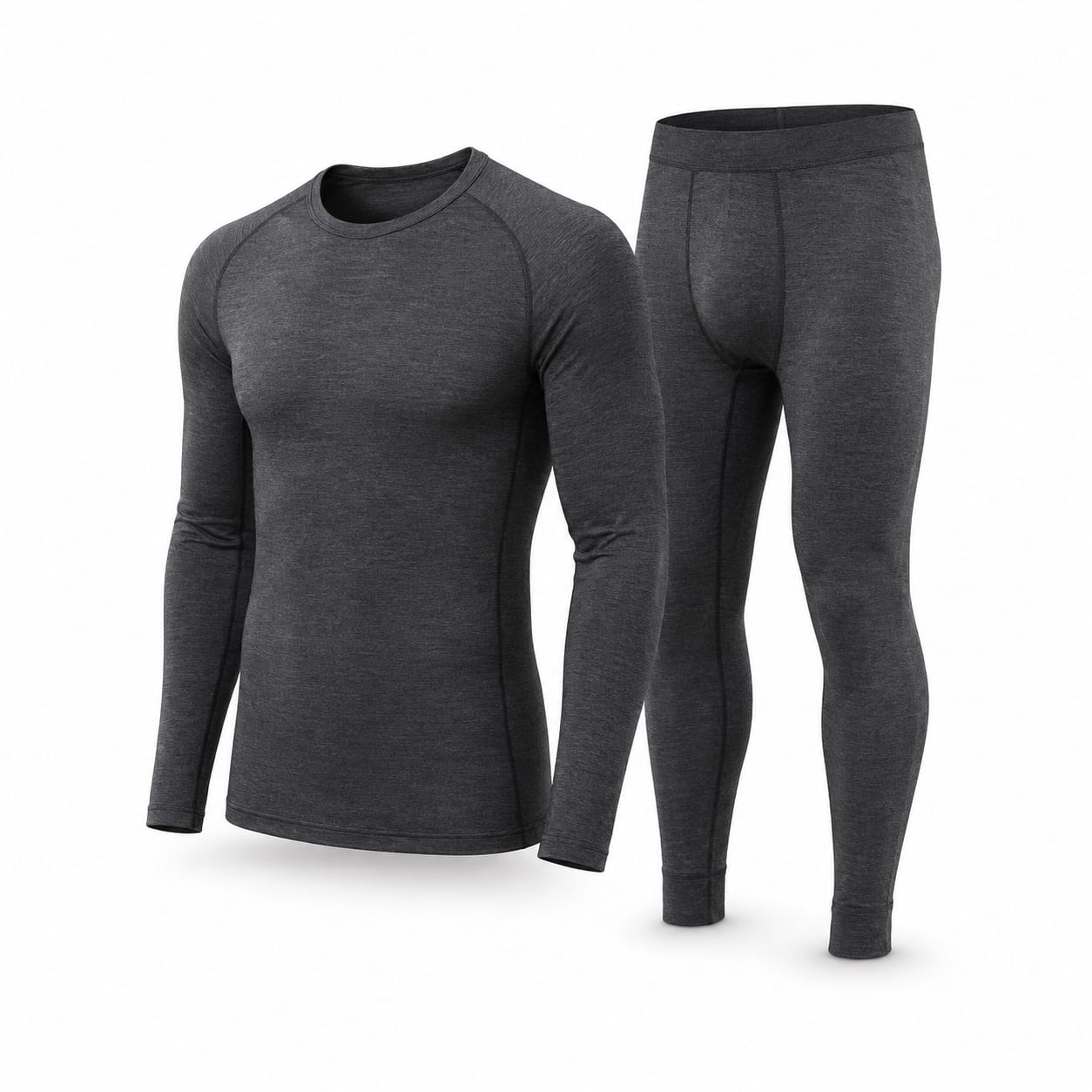
Merino Wool Base Layers
$50 – $200
Premium natural-fiber base layers prized for odor resistance, temperature regulation, and next-to-skin comfort.
natural odor resistanceexcellent thermoregulationsoft next-to-skin feel
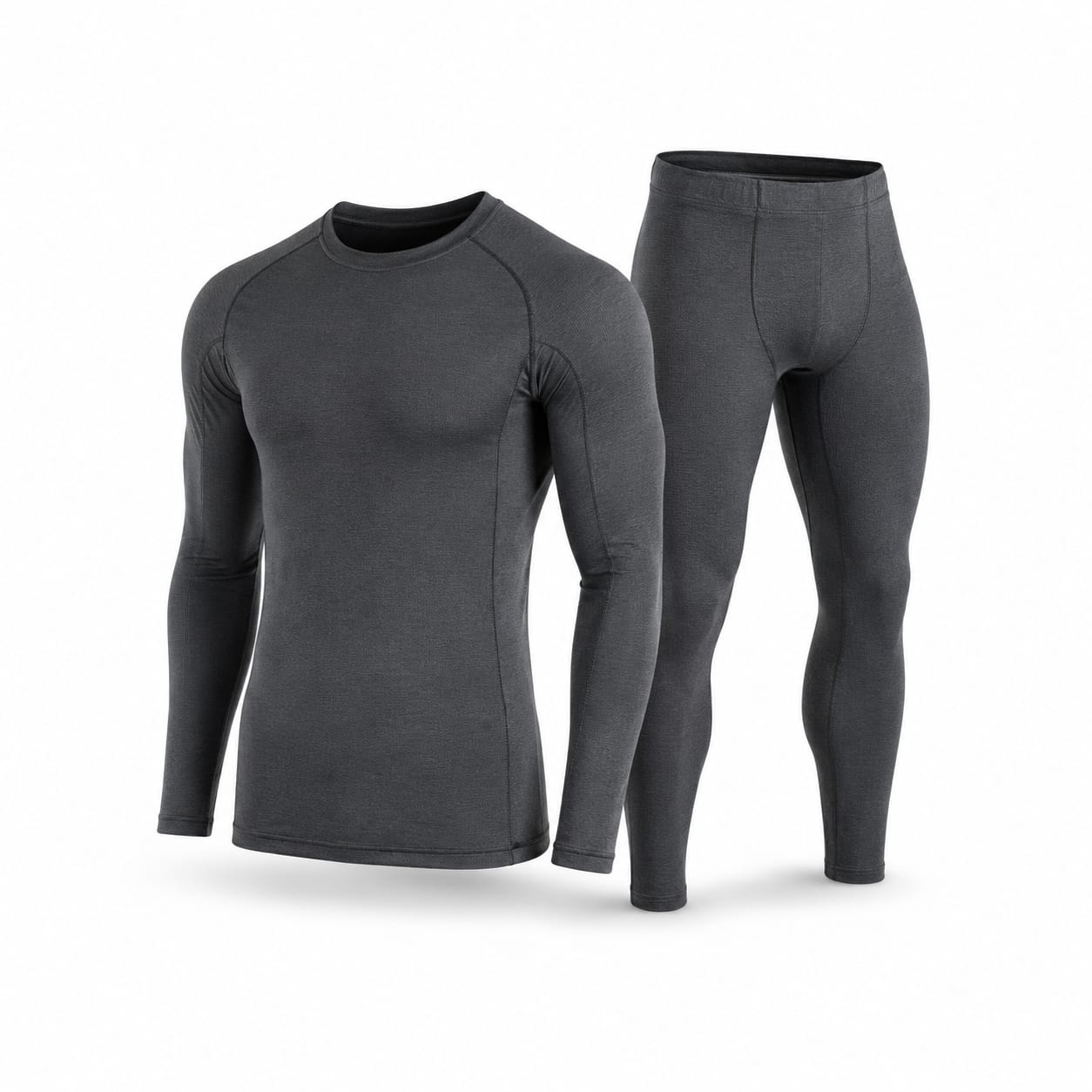
Synthetic Base Layers
$20 – $80
Budget-friendly, quick-drying base layers made from polyester or polypropylene for reliable moisture management.
rapid dryinghighly durableaffordable
More questions
- Is bamboo viscose really eco-friendly if it requires chemical processing?
- How does bamboo compare to merino wool for skiing?
- Why does my bamboo base layer have a funny smell when new?
- How long do bamboo base layers typically last?