
For temperatures below 15°F (-9°C), pure bamboo base layers alone are typically insufficient for most riders. They provide light to moderate warmth—excellent for mild days but inadequate for deep cold without substantial mid-layer support. If you regularly ski in cold conditions, consider: (1) bamboo-merino blends that add warmth, (2) midweight bamboo options if available, or (3) layering a lightweight bamboo base under a heavier merino or synthetic mid-layer. Many riders use bamboo as their next-to-skin layer for comfort, then add warmer mid-layers for cold-weather insulation.
Ski Underwear · Bamboo and Natural Fiber Base Layers
Are bamboo base layers warm enough for cold winter skiing?
Related gear types
If this answer nudged you toward a different style, these guides compare specs and trade-offs.
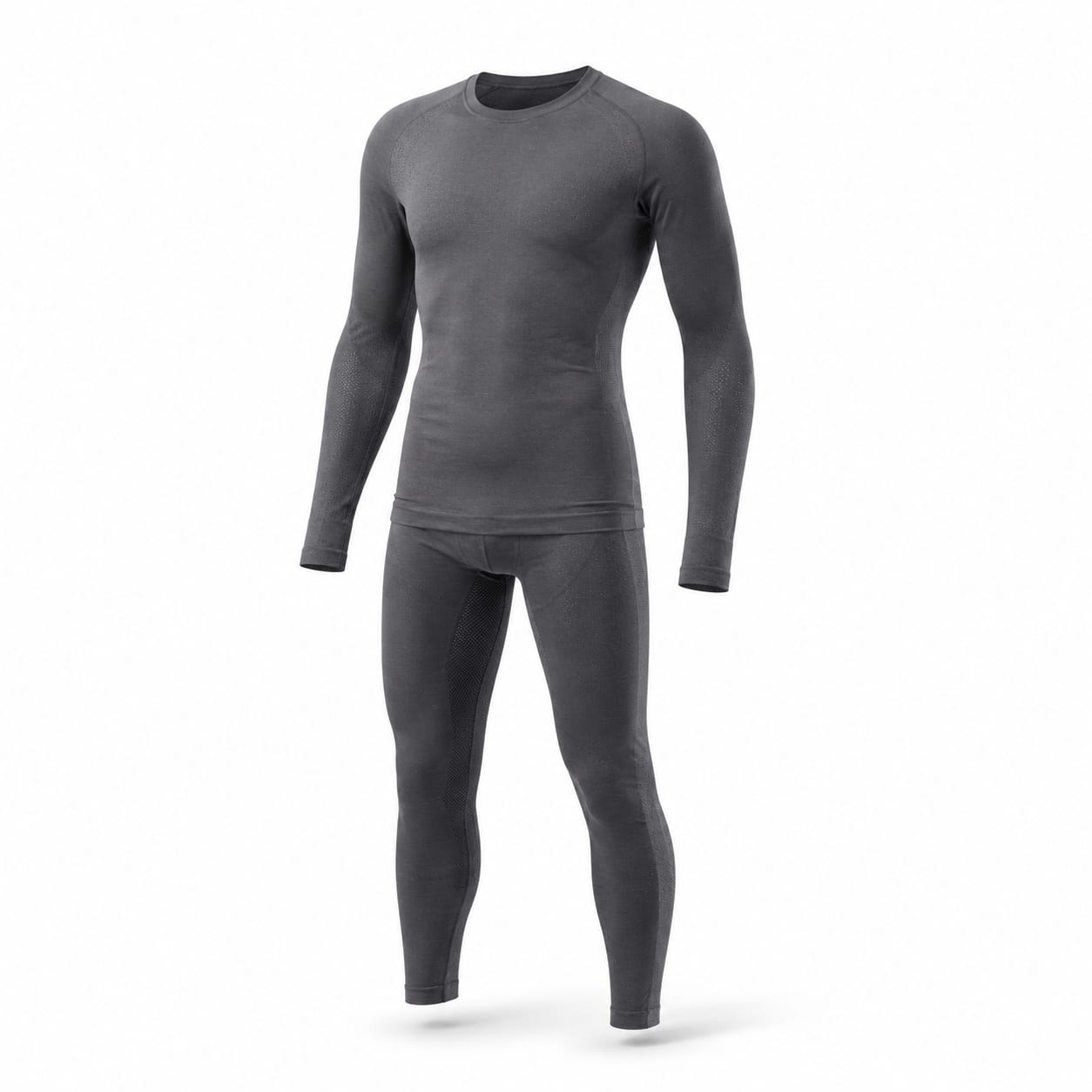
Lightweight Base Layers
$25 – $90
Thin, highly breathable base layers for high-output skiing in mild conditions or warm-skinned individuals.
ultra-thin fabrichigh breathabilityrapid moisture wicking
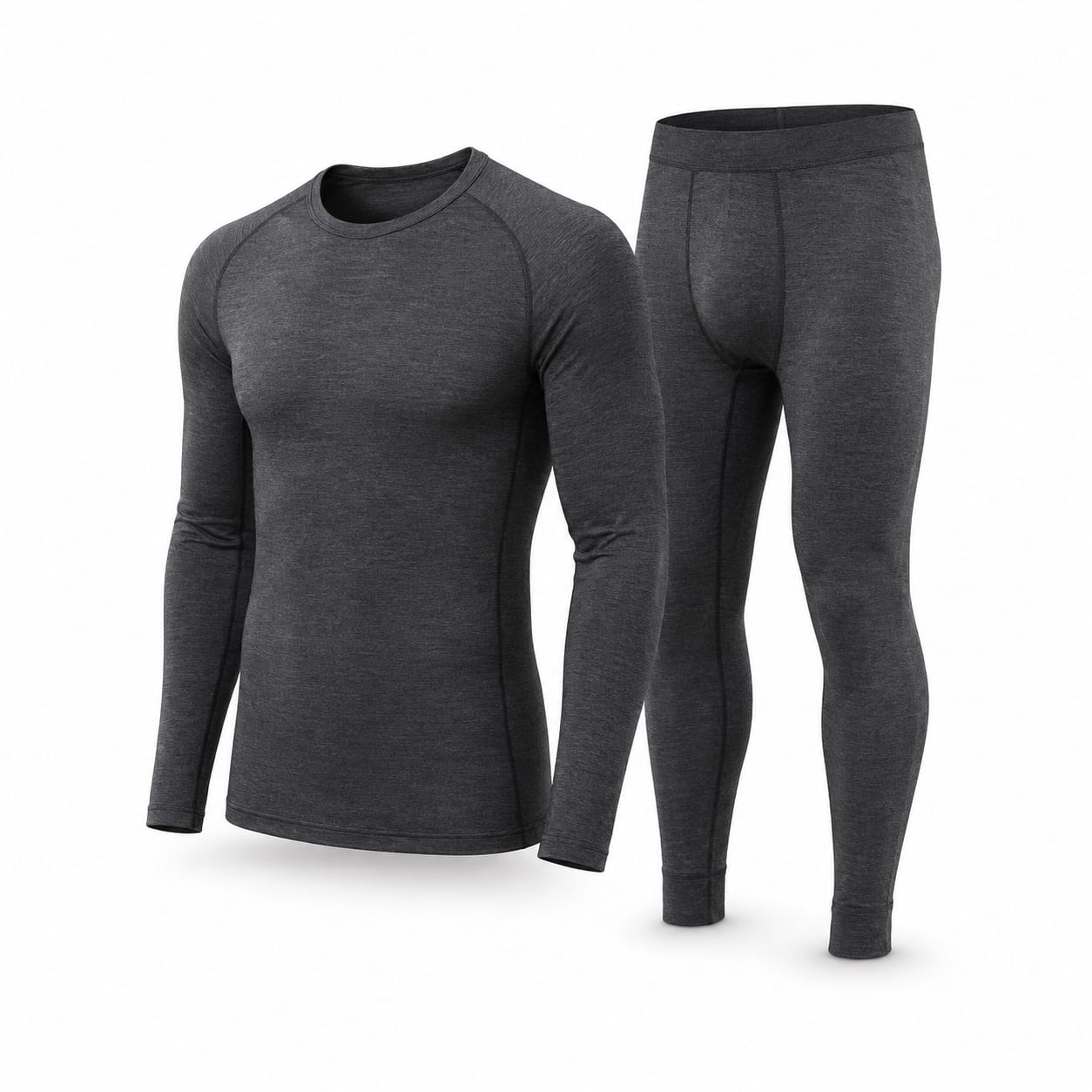
Merino Wool Base Layers
$50 – $200
Premium natural-fiber base layers prized for odor resistance, temperature regulation, and next-to-skin comfort.
natural odor resistanceexcellent thermoregulationsoft next-to-skin feel
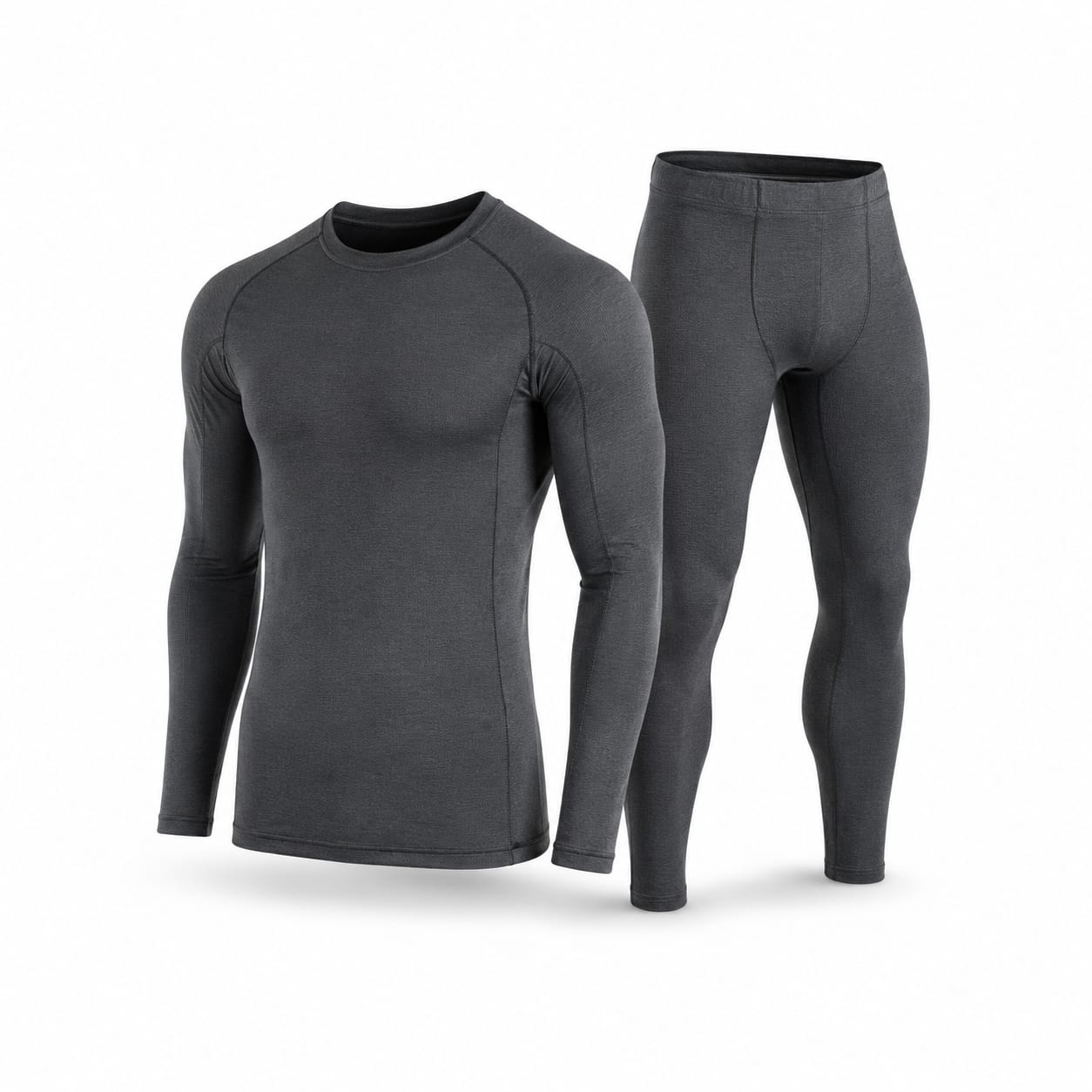
Synthetic Base Layers
$20 – $80
Budget-friendly, quick-drying base layers made from polyester or polypropylene for reliable moisture management.
rapid dryinghighly durableaffordable
More questions
- Is bamboo viscose really eco-friendly if it requires chemical processing?
- How does bamboo compare to merino wool for skiing?
- Can I wear bamboo base layers for backcountry skiing?
- Why does my bamboo base layer have a funny smell when new?