
It depends on the manufacturing method. Traditional viscose processing uses harsh chemicals (carbon disulfide, sodium hydroxide) that can harm workers and the environment if not properly managed. However, responsible manufacturers use closed-loop systems that capture and recycle 95%+ of these chemicals. The lyocell process is even cleaner, using a non-toxic solvent in a closed loop. Look for brands that specifically advertise closed-loop or lyocell processing. The bamboo crop itself is exceptionally sustainable—it grows without pesticides, needs minimal water, and regenerates from its root system. When produced responsibly, bamboo fabric has a significantly lower environmental impact than petroleum-based synthetics.
Ski Underwear · Bamboo and Natural Fiber Base Layers
Is bamboo viscose really eco-friendly if it requires chemical processing?
Related gear types
If this answer nudged you toward a different style, these guides compare specs and trade-offs.
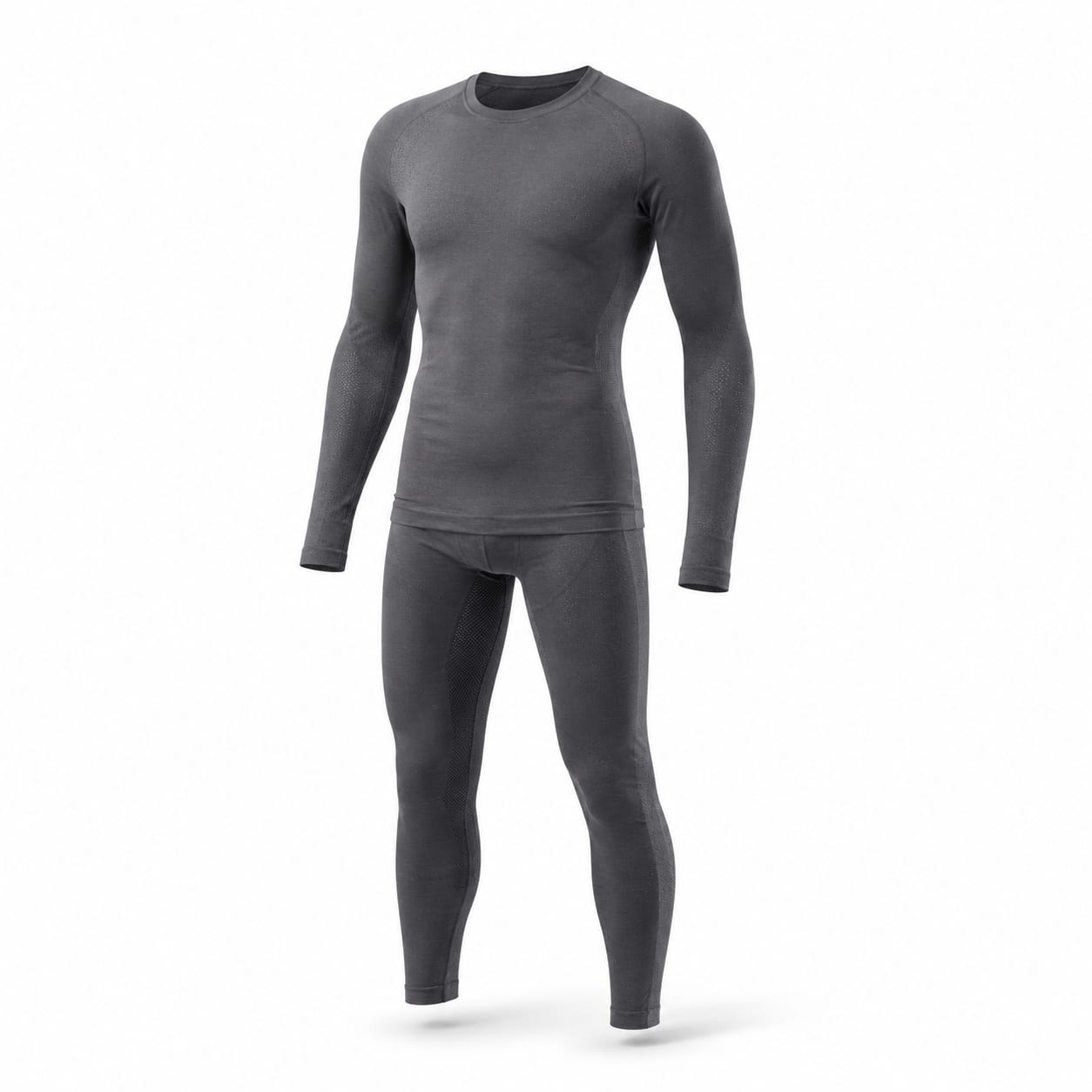
Lightweight Base Layers
$25 – $90
Thin, highly breathable base layers for high-output skiing in mild conditions or warm-skinned individuals.
ultra-thin fabrichigh breathabilityrapid moisture wicking
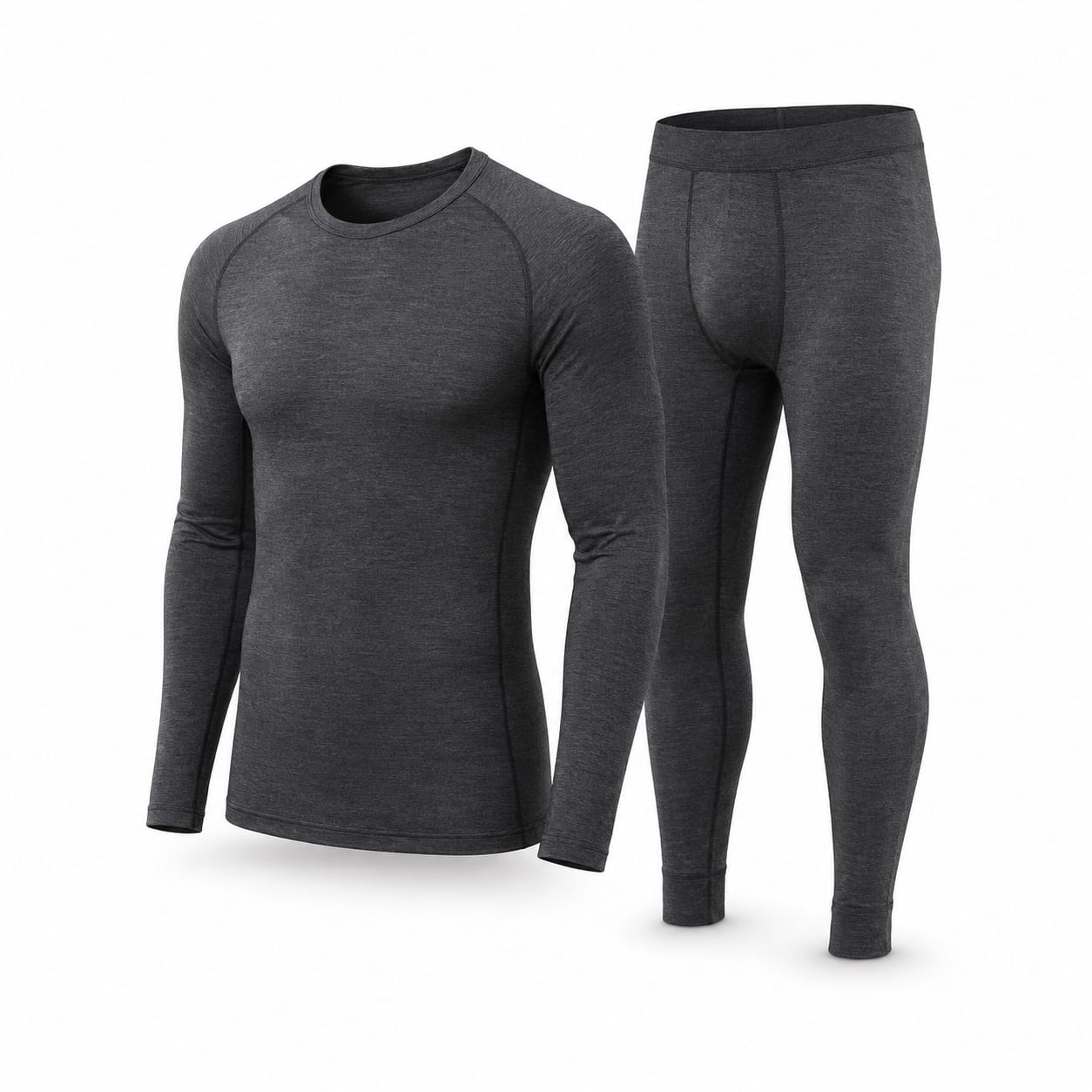
Merino Wool Base Layers
$50 – $200
Premium natural-fiber base layers prized for odor resistance, temperature regulation, and next-to-skin comfort.
natural odor resistanceexcellent thermoregulationsoft next-to-skin feel
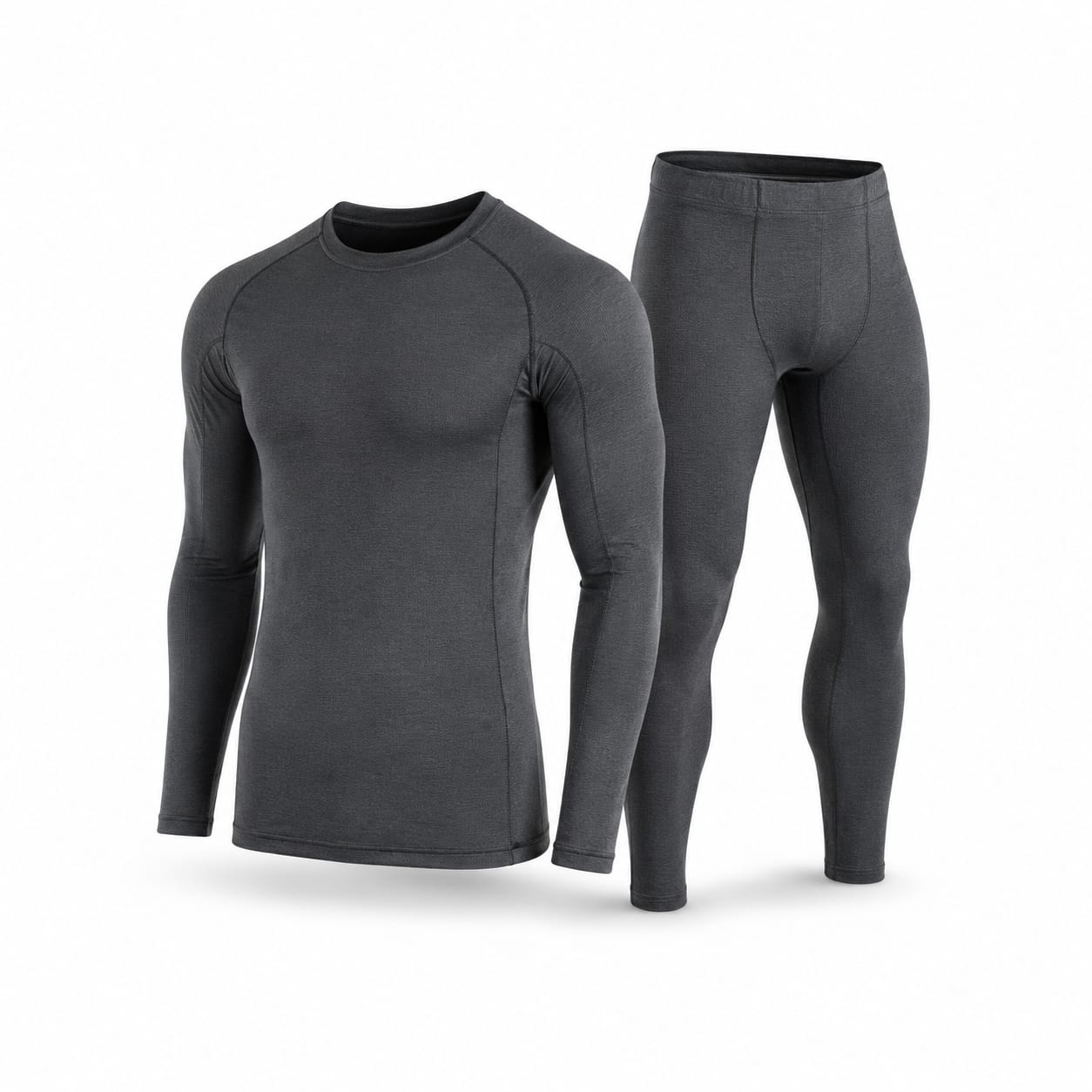
Synthetic Base Layers
$20 – $80
Budget-friendly, quick-drying base layers made from polyester or polypropylene for reliable moisture management.
rapid dryinghighly durableaffordable
More questions
- How does bamboo compare to merino wool for skiing?
- Can I wear bamboo base layers for backcountry skiing?
- Why does my bamboo base layer have a funny smell when new?
- How long do bamboo base layers typically last?