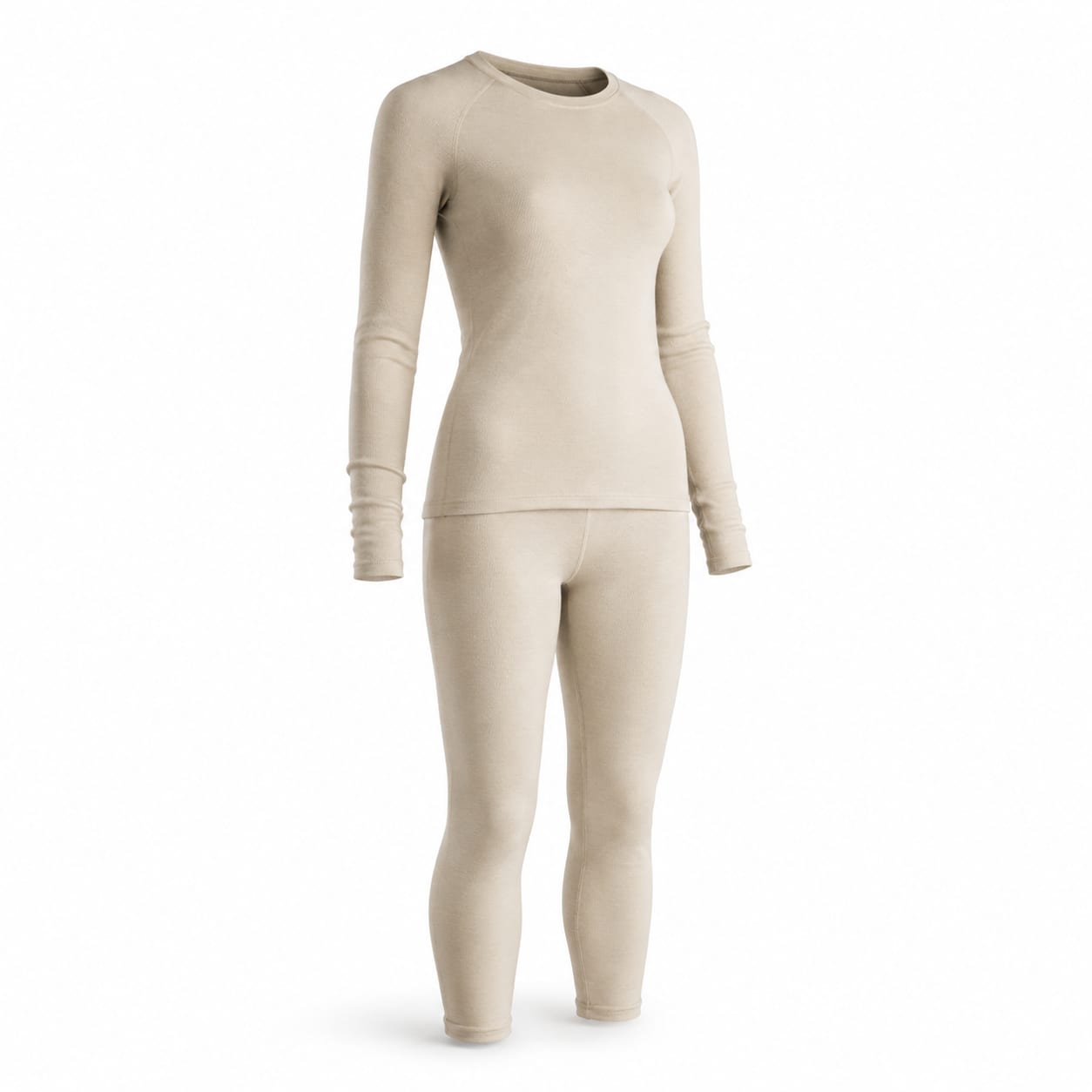
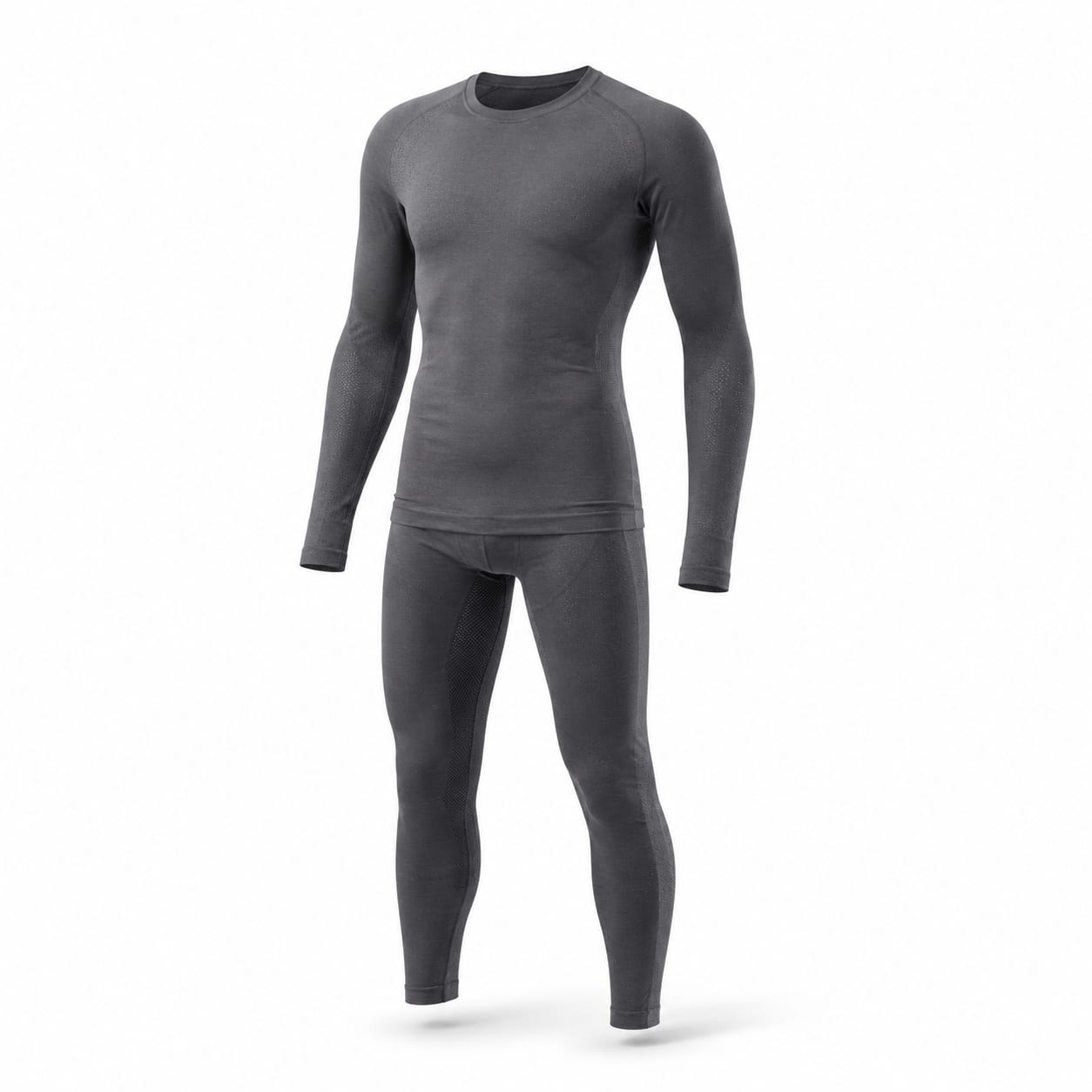
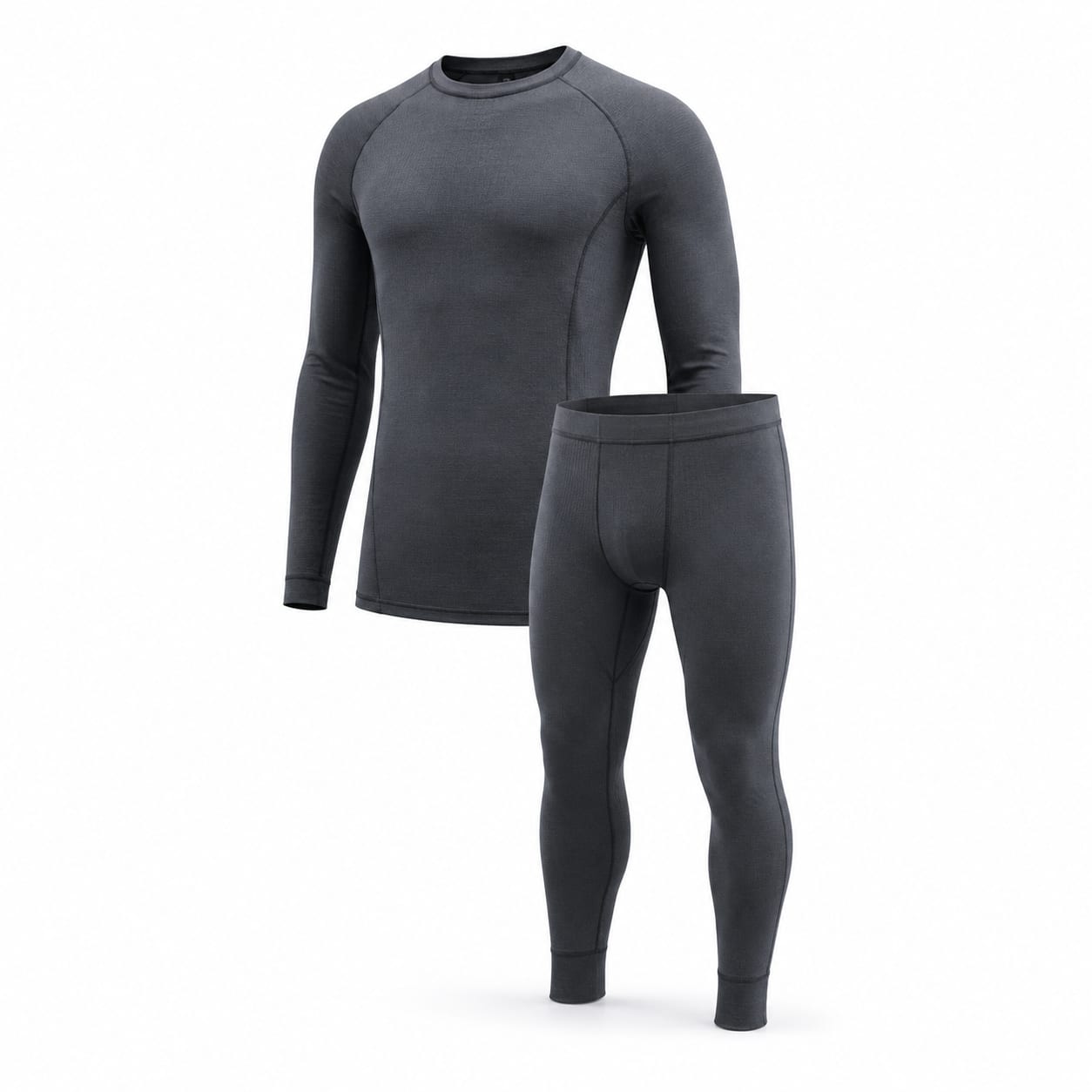
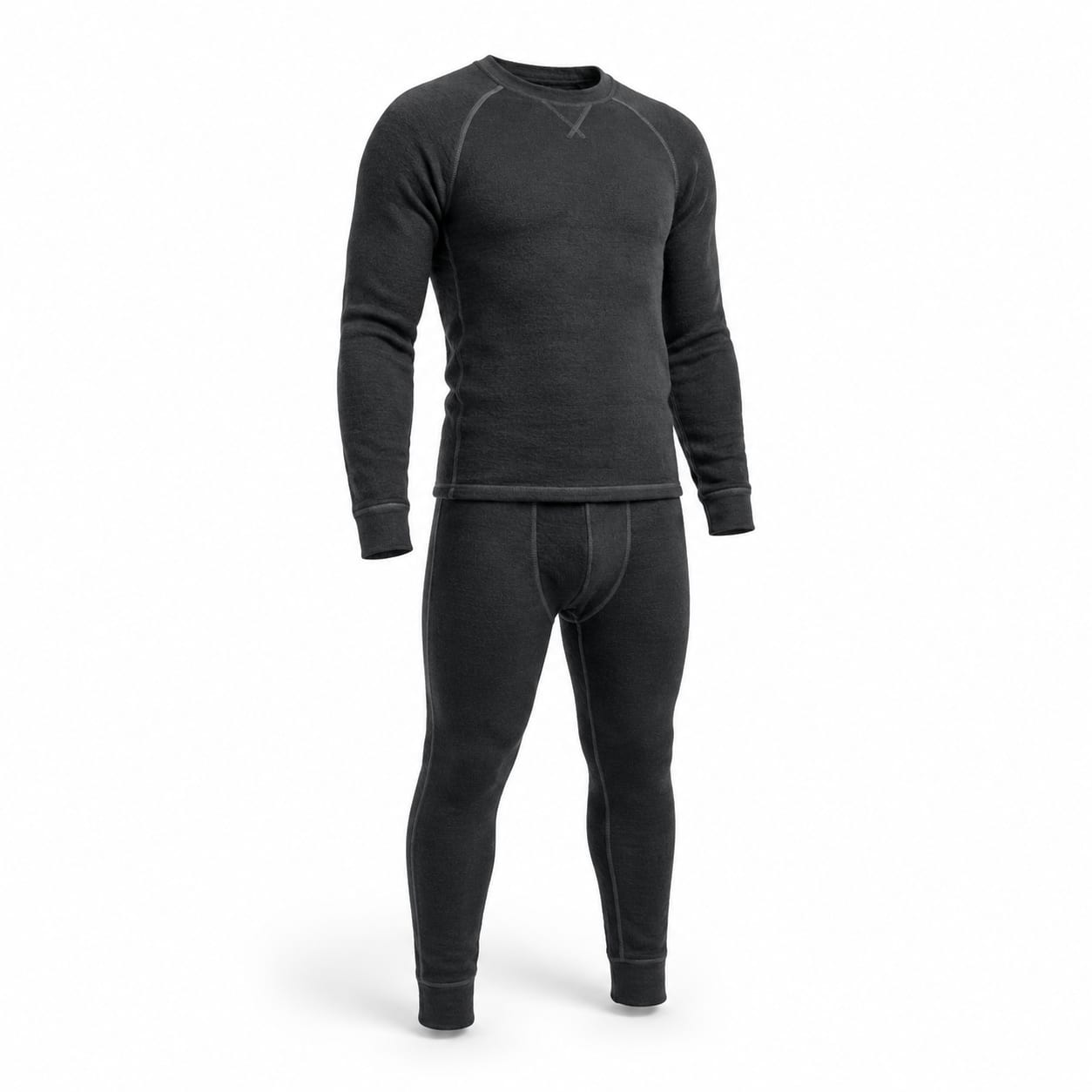
Material Type
Material Type
What it means
The primary fabric composition of the base layer, which determines moisture management, odor resistance, warmth, durability, and care requirements.
Typical for this type
95–100% bamboo viscose for pure softness; 60–70% bamboo / 25–30% merino blends for improved warmth and durability
Most common pick: Bamboo viscose (regenerated cellulose) with 3–5% spandex; sometimes blended with organic cotton or merino wool
In practice
Bamboo base layers primarily use bamboo viscose, a semi-synthetic fiber made from regenerated bamboo cellulose. Unlike the enum options (merino, synthetic polyester, etc.), bamboo viscose is a cellulose-based fiber with properties closest to silk—soft, breathable, and moisture-absorbent. Most ski-specific models add spandex for stretch recovery, and premium blends incorporate merino wool for enhanced warmth and odor resistance.
Compared to other types
Bamboo viscose is softer than merino wool and far softer than any synthetic. It absorbs more moisture than synthetics but wicks slower. It provides less insulation than merino at equivalent weights. Unlike synthetics, it's biodegradable and produced from a renewable resource, though the chemical processing required for viscose production reduces the environmental advantage compared to mechanically processed natural fibers.
Why it matters: The bamboo viscose material determines the base layer's signature softness, breathability, and eco-profile. However, it also limits durability and drying speed compared to synthetics, and provides less warmth per gram than merino wool. Understanding this trade-off is essential for setting realistic performance expectations.
What it means
The fabric weight category, which correlates with warmth, bulk, and intended temperature range. Measured in grams per square meter (g/m²) of fabric.
Typical for this type
150–200 g/m² for ski-specific bamboo base layers; lighter weights are too fragile, Heavier Weights Are Rare And Overheat Quickly
Most common pick: Lightweight (130–180 g/m²)
In practice
Bamboo base layers are most commonly found in lightweight constructions. The fabric's natural breathability and moisture absorption make it well-suited to this weight class, where it provides light insulation without overheating. Midweight bamboo options exist but are less common because the fabric's lower insulation efficiency means heavier bamboo doesn't warm as effectively as equivalent-weight merino.
Compared to other types
Bamboo base layers skew lighter than merino wool options, where midweight is the most common ski-specific class. Synthetics span all weight classes. Bamboo at 180 g/m² feels warmer than synthetic at the same weight but cooler than merino at the same weight due to differences in fiber structure and loft.
Why it matters: Weight class directly affects warmth and versatility. Bamboo's lightweight nature makes it ideal for mild conditions and active skiing but limits its usefulness in deep cold. Choosing the right weight ensures you stay comfortable without overheating or freezing.
What it means
How closely the garment conforms to the body, affecting moisture wicking efficiency, layering compatibility, and freedom of movement.
Typical for this type
Slim fit with 3–5% spandex for recovery; avoid compression as bamboo fibers lack the durability for sustained stretch
Most common pick: Slim / Form-Fitting
In practice
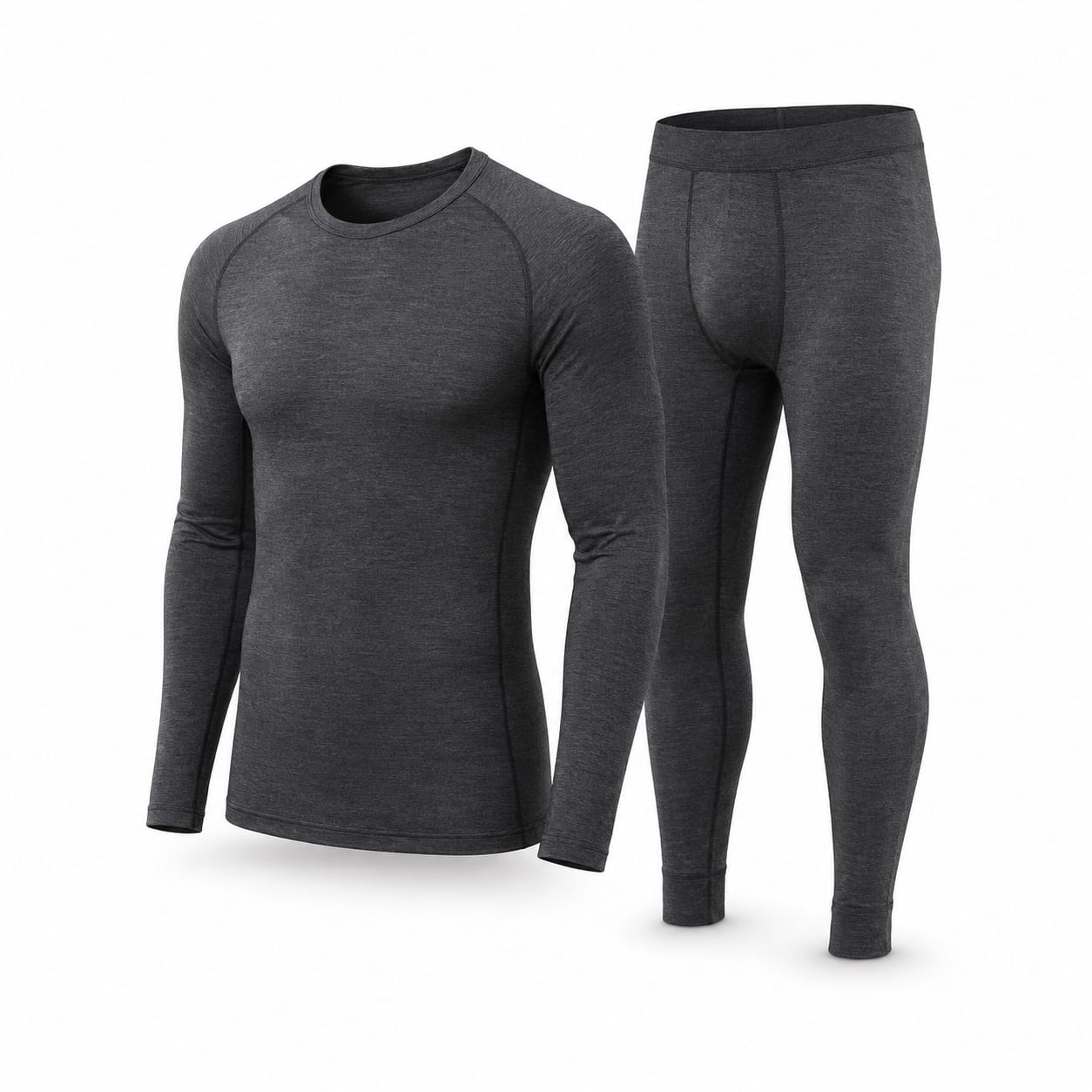
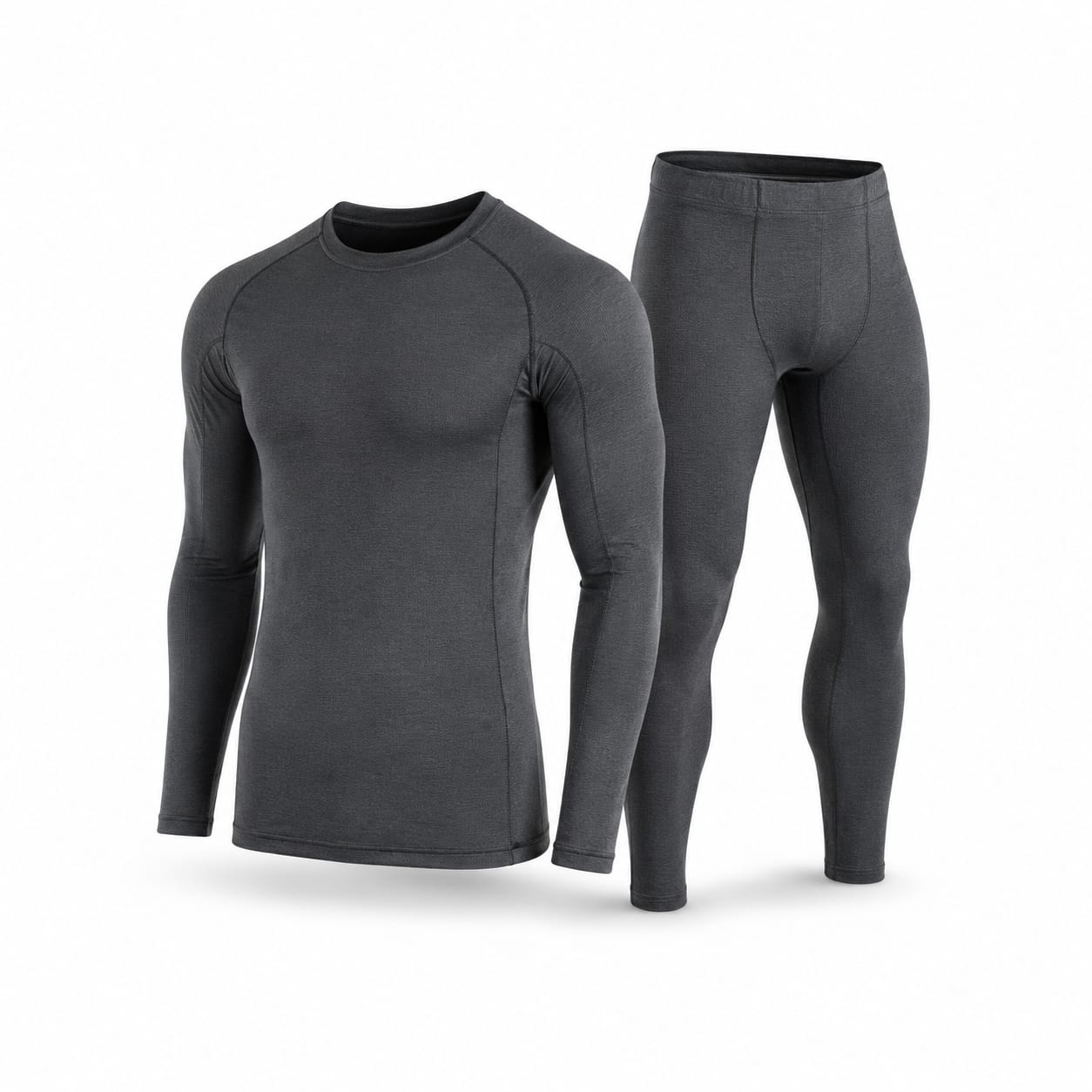
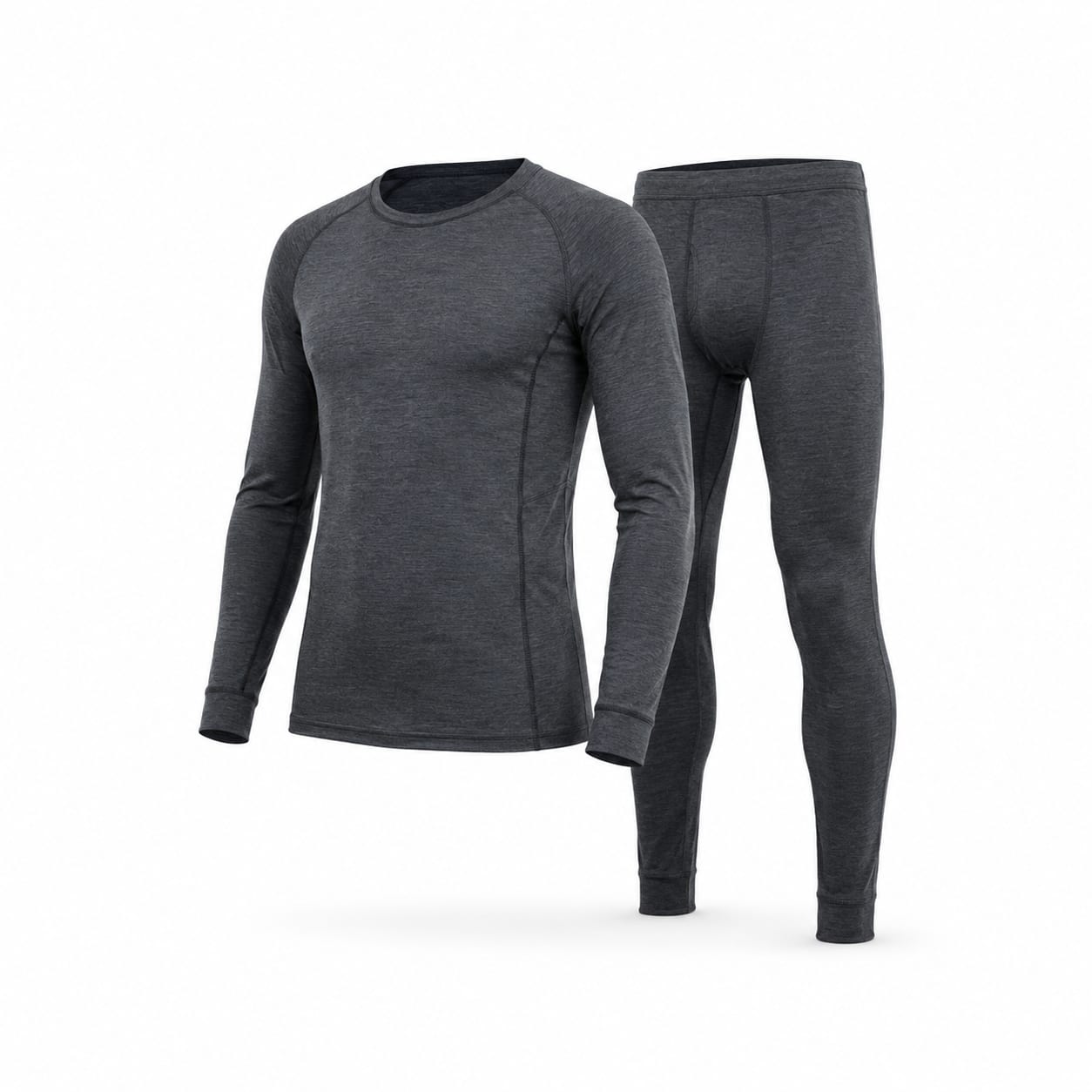
Bamboo base layers typically feature a slim, form-fitting cut that takes advantage of the fabric's natural drape and stretch. The addition of spandex (usually 3–5%) provides enough recovery to maintain shape without the restrictive feel of compression garments. The silky fabric glides smoothly under mid-layers, reducing friction and bunching.
Compared to other types
Bamboo's natural drape and softness make slim fits feel less restrictive than equivalent fits in synthetics or merino. The fabric flows rather than clings, creating a sensation of ease even in close-fitting garments. However, bamboo without adequate spandex content may bag out over the day, losing the benefits of a close fit.
Why it matters: A slim fit ensures the bamboo fabric maintains skin contact for effective moisture absorption and breathability. The fabric's natural drape means it conforms comfortably without the tightness some riders dislike in synthetic or wool base layers. Proper fit also prevents the fabric from shifting and causing chafing during dynamic movement.
What it means
The neckline and design of the upper-body base layer, affecting ventilation, layering, and comfort.
Typical for this type
Crew Neck For Simplicity And Layering; Half-Zip Mock Neck For Temperature Regulation During Variable Conditions
Most common pick: Crew Neck And Half-Zip Mock Neck
In practice
Bamboo base layers are available in crew neck and half-zip styles. Crew necks are more common due to the fabric's delicate nature—zippers can catch and damage bamboo viscose. Half-zip options exist in premium models with reinforced zipper tracks. The fabric's natural breathability reduces the need for zip ventilation, making crew necks more practical than with synthetics.
Compared to other types
Crew necks are more practical with bamboo than with synthetics because the fabric breathes better naturally. Half-zip bamboo options are less common than in merino or synthetic lines due to construction challenges with the delicate fabric. Hooded bamboo base layers are very rare.
Why it matters: Top style affects ventilation control and layering compatibility. Bamboo's excellent breathability partially compensates for the lack of zip ventilation in crew necks, but riders who run hot may still prefer half-zip options for adjustable temperature regulation during variable-output days.
What it means
The length and design of the lower-body base layer, affecting coverage, layering, and boot compatibility.
Typical for this type
Full Length For Maximum Warmth And Coverage; 3/4 Length If Available For Better Boot Compatibility
Most common pick: Full Length (Ankle)
In practice
Bamboo base layer bottoms are predominantly full length, extending to the ankle with either stirrups or a close hem. The 3/4 length option is less common in bamboo-specific lines but increasingly available from brands that cater to serious skiers. The fabric's softness makes full-length options comfortable even when slightly bunched at the ankle.
Compared to other types
Bamboo base layers offer fewer bottom style options than synthetics or merino, which are available in all lengths including 3/4 and short styles. The market for bamboo-specific 3/4 length bottoms is growing but limited. If 3/4 length is important, consider bamboo-merino blends which are more commonly available in this style.
Why it matters: Bottom length affects boot comfort and overall warmth. Full-length bamboo bottoms provide complete leg coverage but may bunch inside ski boots. The fabric's softness reduces the severity of bunching discomfort compared to stiffer materials, but boot-fit-sensitive riders should still consider 3/4 length if available.
Moisture Wicking
Moisture Wicking
What it means
The garment's ability to pull perspiration away from the skin and spread it across the fabric surface for evaporation. Critical for staying dry and warm during active skiing.
Typical for this type
Good For Resort Skiing And Moderate Output; Not Recommended For High-Output Backcountry Touring Where Excellent Wicking Is Essential
In practice
Bamboo viscose absorbs moisture readily—it can absorb up to 3x its weight in water—but transports it to the fabric surface more slowly than synthetic grid fabrics. This creates a 'good but not excellent' wicking profile: the fabric pulls sweat away from skin effectively at moderate activity levels but can feel damp during peak output. The absorbed moisture evaporates steadily from the fabric surface, providing a cooling effect in warm conditions.
Compared to other types
Bamboo wicks moisture more slowly than synthetic polyester (excellent) and polypropylene (excellent). It absorbs more total moisture than merino wool but doesn't provide merino's warm-when-wet benefit. The result is a wicking profile that's adequate for most resort skiing but insufficient for high-output backcountry use where rapid moisture transport is critical.
Why it matters: Moisture management is the primary function of any base layer. Bamboo's absorption-heavy approach differs from the transport-heavy approach of synthetics—it feels less clammy against the skin during moderate activity but dries significantly slower, creating potential chill risk during rest periods after heavy sweating.
Odor Resistance
Odor Resistance
What it means
The garment's ability to resist bacterial growth and associated odors over multiple wears. Affects how many days you can wear the base layer between washes on multi-day trips.
Typical for this type
Expect 2–3 days of odor-free wear for pure bamboo viscose; 3–4 days for bamboo-merino blends
Most common pick: Good (3–4 days)
In practice
Bamboo viscose contains natural antibacterial properties derived from 'bamboo kun,' a bio-agent present in the living bamboo plant. While the chemical viscose process reduces these properties compared to raw bamboo, the fabric still resists bacterial growth and odor better than untreated synthetics. Most riders report 2–3 days of comfortable wear before odor becomes noticeable, with bamboo-merino blends extending this to 3–4 days.
Compared to other types
Bamboo's odor resistance falls between synthetics (low to moderate, 1–2 days) and merino wool (excellent, 5+ days). It's comparable to wool-synthetic blends (good, 3–4 days). Silver-ion treated synthetics may match bamboo initially but lose effectiveness with washing, while bamboo's natural properties persist throughout the garment's life.
Why it matters: Odor resistance determines how many days you can wear a base layer on multi-day trips. Bamboo's moderate odor resistance makes it suitable for weekend ski trips without washing but not ideal for extended backcountry hut trips where merino wool's 5+ day odor resistance is preferable.
Seam Construction
Seam Construction
What it means
The type and placement of seams, which affect chafing potential, durability, and comfort under layers and gear.
Typical for this type
Flatlock At Minimum; Seamless Construction Preferred For Maximum Comfort With Bamboo'S Soft Fabric
Most common pick: Flatlock Seams
In practice
Most bamboo base layers use flatlock seam construction, which provides a low-profile seam that layers well under mid-layers. The fabric's softness makes seam comfort particularly noticeable—flatlock seams on bamboo feel smoother than the same construction on stiffer materials. Premium bamboo base layers may feature seamless or bonded construction, which pairs beautifully with the fabric's luxurious hand feel.
Compared to other types
Bamboo base layers are less commonly available with seamless or bonded construction compared to synthetics, which are more compatible with these advanced construction methods. Overlock seams should be avoided in bamboo base layers—the combination of rough seams and delicate fabric creates both comfort and durability issues.
Why it matters: Seam construction affects comfort and layering performance. Given bamboo's signature softness, rough or bulky seams are particularly noticeable and can undermine the comfort advantage. Flatlock seams are the minimum acceptable standard; seamless construction is worth the premium for riders who prioritize the full bamboo comfort experience.
What it means
The garment's ability to stretch and recover, affecting freedom of movement and long-term fit retention.
Typical for this type
2-way stretch minimum; 4-way stretch preferred for dynamic skiing movements
Most common pick: 2-way stretch (with 3–5% spandex blend)
In practice
Bamboo viscose has natural mechanical stretch (the fabric gives under tension) but poor recovery—it stretches and then sags. To address this, ski-specific bamboo base layers blend in 3–5% spandex/elastane for stretch recovery. Most offer 2-way stretch (horizontal), though premium models with higher spandex content or specialized knit structures achieve 4-way stretch.
Compared to other types
Bamboo base layers with spandex offer comparable stretch to merino-spandex blends. Pure bamboo (no spandex) has less stretch recovery than even pure merino, which has some natural elasticity. Synthetics with elastane achieve the best 4-way stretch performance. Always verify spandex content in bamboo base layers—pure bamboo viscose will not maintain fit during active skiing.
Why it matters: Stretch affects freedom of movement and long-term fit retention. Without spandex, bamboo base layers bag out significantly over a day of skiing, losing their close fit and wicking efficiency. The spandex blend is essential for maintaining shape through repeated wear and washing cycles.
What it means
The intended gender fit of the garment, which affects cut, proportions, and anatomical features.
Typical for this type
Choose Gender-Specific Fit For Optimal Performance; Women'S Cuts Are Widely Available In Bamboo Base Layers
Most common pick: Available In Women'S And Men'S Specific Cuts
In practice
Bamboo base layers are particularly popular in the women's market, where the fabric's softness and drape align with comfort preferences. Most major bamboo base layer brands offer both men's and women's specific cuts with appropriate proportional differences. Women's bamboo base layers often feature wider hip accommodation, contoured waistbands, and slightly shorter torso lengths.
Compared to other types
Bamboo base layers have a stronger presence in the women's market compared to synthetics, which skew male. Unisex bamboo options exist but are less common than gender-specific cuts. Youth bamboo base layers are rare due to durability concerns and cost.
Why it matters: Gender-specific fit ensures the bamboo fabric maintains proper skin contact for effective moisture management. The fabric's drape means poor fit is less immediately uncomfortable than with stiffer materials, but performance suffers equally when air gaps form between the fabric and skin.
Warmth Rating
Warmth Rating
What it means
The perceived warmth level of the garment, combining material, weight, and construction into a single comparative metric.
Typical for this type
Light warmth for active skiing in mild conditions (25–40°F); moderate warmth for resort skiing in typical winter conditions (15–30°F)
Most common pick: Light to Moderate Warmth
In practice
Bamboo viscose provides less insulation per gram than merino wool due to its denser fiber structure and lower loft. Most bamboo base layers fall into the light to moderate warmth category, making them best suited for mild to typical winter conditions. The fabric's breathability prevents overheating during active skiing but provides limited warmth during sedentary lift rides in cold weather.
Compared to other types
Bamboo provides less warmth than merino wool at equivalent weights and significantly less than heavyweight synthetics. It's comparable to lightweight synthetics in warmth but with better breathability. For cold-weather performance, bamboo-merino blends offer a meaningful warmth upgrade over pure bamboo while maintaining much of the softness advantage.
Why it matters: Warmth rating must match your typical skiing conditions and activity level. Bamboo base layers are not ideal for riders who run cold or ski in consistently sub-20°F conditions without substantial mid-layer support. They excel for riders who overheat easily or ski in variable conditions where breathability matters more than maximum insulation.
What it means
Whether the top includes thumbholes at the cuff to keep sleeves in place and provide hand coverage during layering.
Typical for this type
Optional; Nice-To-Have For Cold Weather Layering But Not Essential For Most Bamboo Base Layer Use Cases
Most common pick: Available On Some Premium Models
In practice
Thumbholes are available on some premium bamboo base layer tops, particularly in the women's market. The feature prevents sleeve ride-up during layering and adds wrist warmth. However, the delicate nature of bamboo viscose means thumbhole openings may stretch out over time, particularly if the spandex content is low.
Compared to other types
Thumbholes are less commonly available in bamboo base layers compared to synthetics and merino, and they're more prone to wear due to the fabric's lower durability. If thumbholes are important, look for bamboo-merino blends which handle the stress better.
Why it matters: Thumbholes add convenience and wrist coverage but may compromise durability in bamboo fabrics. If choosing a bamboo base layer with thumbholes, verify adequate spandex content (4–5%) to prevent the openings from stretching out and becoming sloppy.
Gusseted Crotch
Gusseted Crotch
What it means
Whether the bottom base layer includes a diamond or triangular fabric panel at the crotch for enhanced mobility and reduced seam stress.
Typical for this type
Preferred For Snowboarding And Athletic Skiing; Verify Availability As It'S Not Standard In Bamboo Base Layers
Most common pick: Uncommon In Pure Bamboo; More Available In Bamboo-Merino Blends
In practice
Gusseted crotches are less common in bamboo base layers compared to performance synthetics. The feature adds construction complexity and cost, and the bamboo market tends to prioritize simplicity and comfort over technical features. However, some premium bamboo and bamboo-blend models do include gusseted crotches, particularly those marketed toward snowboarders.
Compared to other types
Gusseted crotches are standard in performance synthetics and increasingly common in merino wool base layers. They're the exception rather than the rule in bamboo base layers. Riders who need this feature should consider bamboo-synthetic or bamboo-merino blends from brands like Icebreaker or Smartwool that offer natural fiber options with technical construction.
Why it matters: A gusseted crotch enhances freedom of movement and reduces seam stress during deep bends—particularly valuable for snowboarders. If you prioritize this feature, you may need to seek out bamboo-merino blend options from technical brands rather than pure bamboo lifestyle brands.
What it means
The type of front opening on men's base layer bottoms, affecting convenience and comfort.
Typical for this type
Standard Vertical Fly Is Most Common; Horizontal Fly Available In Some Performance-Oriented Bamboo Blends
Most common pick: Vertical Fly On Men'S; No Fly On Women'S
In practice
Men's bamboo base layer bottoms typically feature a traditional vertical fly. The soft, draping nature of bamboo fabric means fly construction is less noticeable against the skin compared to stiffer materials. Women's models have no fly, as is standard across all base layer materials.
Compared to other types
Fly type availability in bamboo base layers mirrors the broader market—vertical fly is standard, horizontal fly is available in performance models. No significant material-specific differences exist for this dimension.
Why it matters: Fly type is a minor convenience feature. The softness of bamboo fabric reduces any comfort differences between fly types. This dimension should not be a deciding factor when choosing bamboo base layers.
Body-Mapped Construction
Body-Mapped Construction
What it means
Whether the garment uses strategically placed fabric zones with different weights, textures, or knit structures to optimize warmth and breathability where needed.
Typical for this type
Not A Standard Feature; If Body Mapping Is Important, Consider Bamboo-Merino Blends From Technical Brands
Most common pick: Rare In Pure Bamboo; Occasionally Available In Bamboo Blends
In practice
Body-mapped construction is uncommon in bamboo base layers. The market for bamboo tends to favor simple, uniform construction that highlights the fabric's natural comfort rather than technical zoned designs. When body mapping does appear, it's typically in bamboo-merino blends that use merino panels in high-warmth zones and bamboo panels in high-breathability zones.
Compared to other types
Body mapping is far more common in synthetic and merino wool base layers, where technical construction is a selling point. Bamboo base layers from lifestyle brands almost never include this feature. Riders who want both bamboo softness and body-mapped construction should look for hybrid designs from technical outdoor brands.
Why it matters: Body mapping enhances thermoregulation by placing warmer fabric at the core and more breathable fabric under the arms. Its absence in most bamboo base layers means these garments provide uniform warmth and breathability, which can lead to overheating in high-sweat zones during aggressive skiing.
What it means
Ultraviolet Protection Factor rating indicating how effectively the fabric blocks UV radiation. Relevant for high-altitude spring skiing.
Typical for this type
Not A Primary Consideration For Bamboo Base Layers; Fabric Density Provides Adequate Protection For Most Winter Use
Most common pick: Not Rated (But Provides Inherent UV Protection)
In practice
Most bamboo base layers do not carry a formal UPF rating, but the fabric's dense knit structure provides inherent UV protection estimated at UPF 15–30 depending on weight and color. Bamboo viscose naturally absorbs UV radiation better than many synthetic fabrics. For high-altitude spring skiing, additional sunscreen is still recommended for exposed skin.
Compared to other types
Bamboo viscose provides better inherent UV protection than lightweight synthetics but less than merino wool, which naturally offers UPF 25–50+. The lack of formal UPF ratings on most bamboo base layers reflects the market positioning rather than a performance deficiency.
Why it matters: UPF rating is a minor consideration for base layers, which are typically covered by outer layers. Bamboo's inherent UV protection is adequate for the limited sun exposure base layers receive during winter skiing. For spring skiing at altitude, the fabric provides reasonable protection for covered areas.
Waistband Type
Waistband Type
What it means
The style and construction of the waistband on bottom base layers, affecting comfort under layers and during movement.
Typical for this type
Wide Yoga-Style Band For Maximum Comfort Under Layers; This Pairs Especially Well With Bamboo'S Soft Fabric
Most common pick: Wide Yoga-Style Band (Women'S); Elastic Band (Men'S)
In practice
Bamboo base layer bottoms frequently feature wide yoga-style waistbands, particularly in women's models. The soft, wide band complements the fabric's luxurious feel and distributes pressure comfortably under ski pants. Men's models more commonly use traditional elastic bands, though some premium options feature integrated knit-in waistbands.
Compared to other types
Bamboo base layers favor comfort-focused waistband designs (wide yoga-style, integrated) more than synthetics, which commonly use drawcord waistbands for performance adjustability. The yoga-style band is an excellent match for bamboo's soft, non-restrictive character.
Why it matters: Waistband comfort is particularly noticeable with bamboo fabric because the soft material makes any pressure points or digging more apparent by contrast. A wide, flat waistband that lays smoothly under layers enhances the overall comfort experience that bamboo base layers are designed to provide.