
A midweight base layer should fit noticeably slimmer than your regular clothes—it needs to hug the skin for effective moisture wicking. There shouldn't be air gaps or loose fabric, but it shouldn't be so tight that it restricts breathing or movement. If you're between sizes, size down rather than up. The thicker midweight fabric makes a loose fit more problematic than with lightweight options.
Ski Underwear · Midweight Base Layers
How should a midweight base layer fit compared to my regular clothes?
Related gear types
If this answer nudged you toward a different style, these guides compare specs and trade-offs.
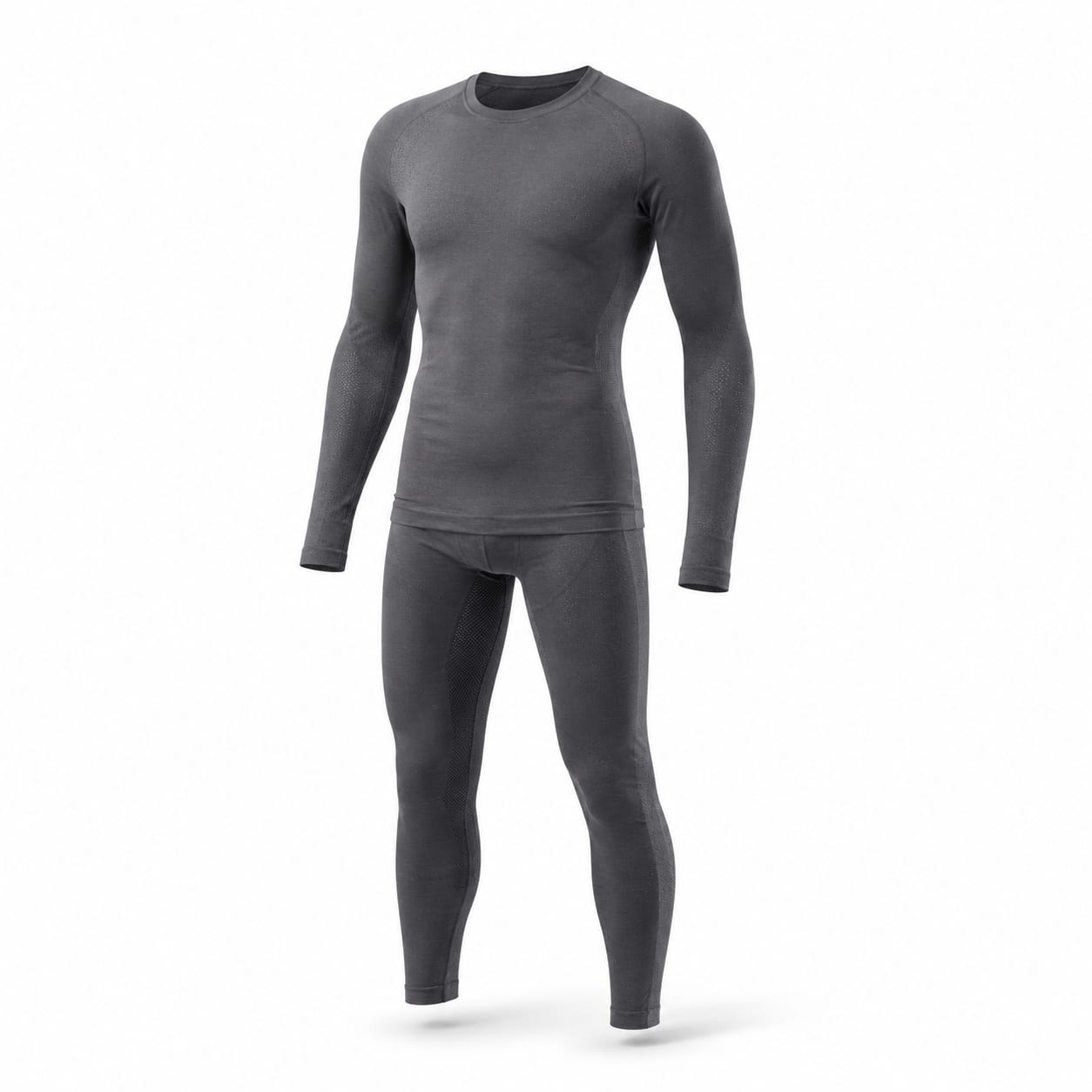
Lightweight Base Layers
$25 – $90
Thin, highly breathable base layers for high-output skiing in mild conditions or warm-skinned individuals.
ultra-thin fabrichigh breathabilityrapid moisture wicking
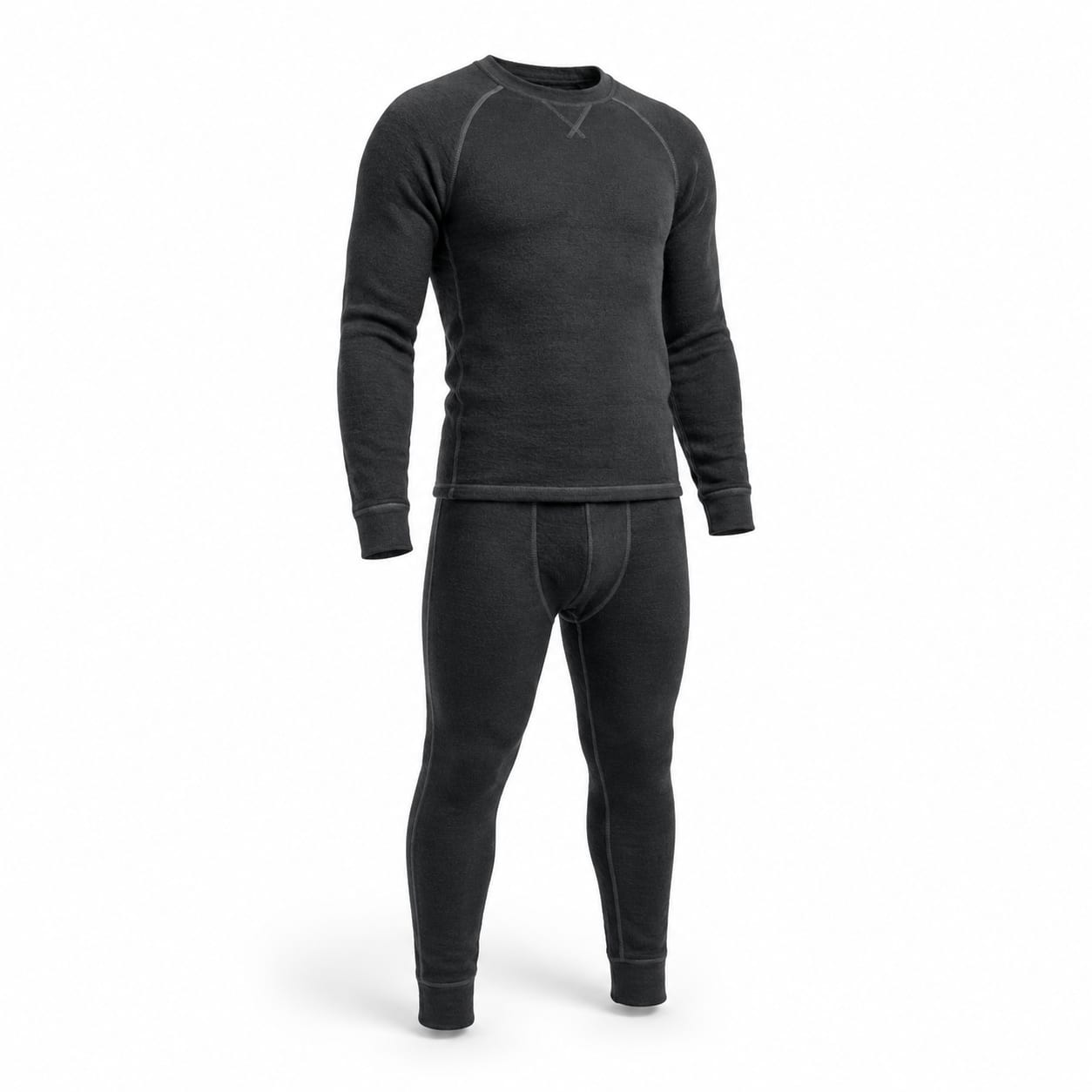
Heavyweight Base Layers
$45 – $160
Maximum-insulation base layers designed for extreme cold, low-activity skiing, or cold-sensitive individuals.
thick fabric constructionhigh insulationbrushed or fleece interior
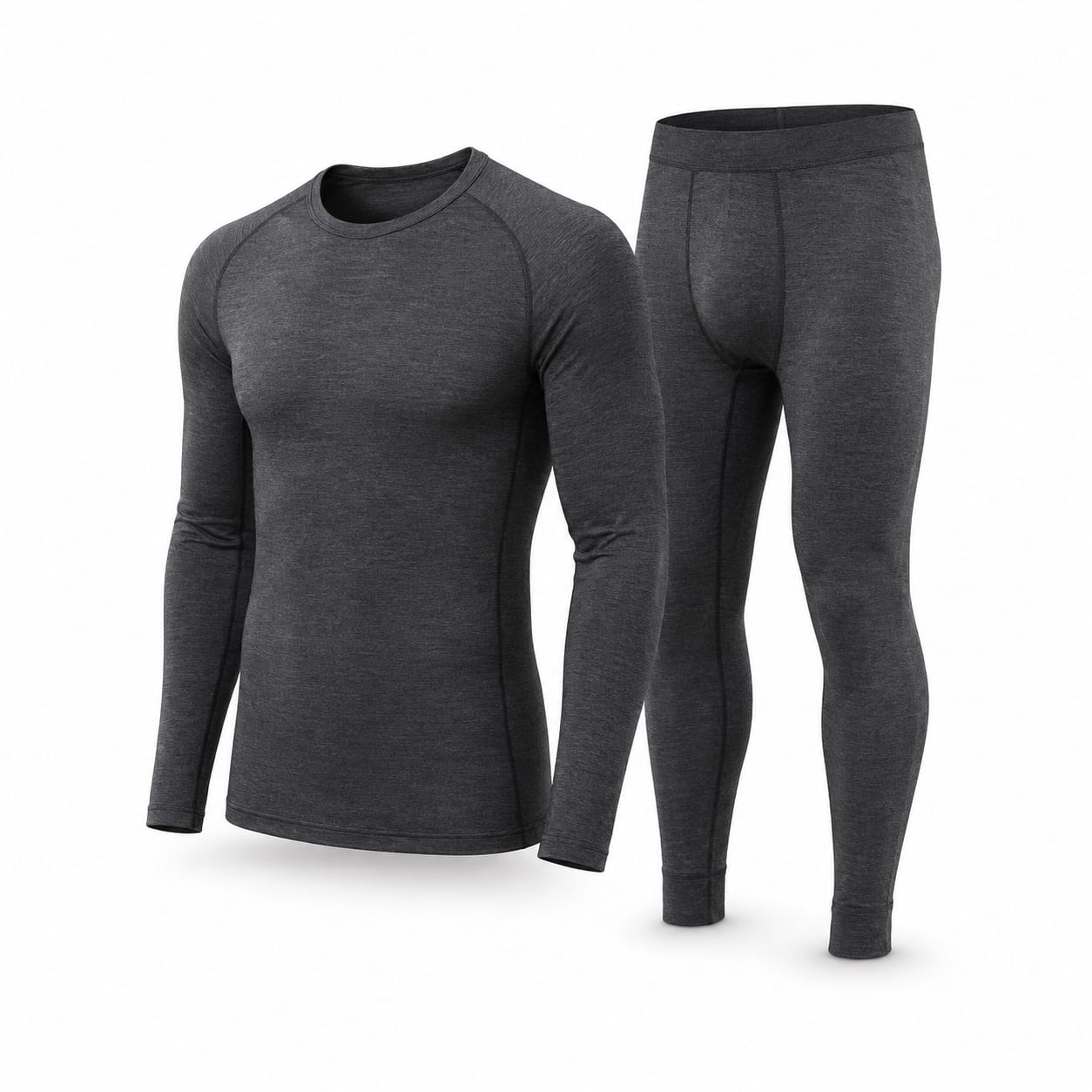
Merino Wool Base Layers
$50 – $200
Premium natural-fiber base layers prized for odor resistance, temperature regulation, and next-to-skin comfort.
natural odor resistanceexcellent thermoregulationsoft next-to-skin feel
More questions
- Is midweight the right base layer weight for most skiers?
- Can I wear a midweight base layer for backcountry touring?
- Should I get full-length or 3/4 length midweight bottoms?
- Is merino wool or synthetic better for midweight base layers?