Material Type
Material Type
What it means
The primary fabric composition of the base layer, which determines moisture management, odor resistance, warmth, durability, and care requirements.
Typical for this type
Merino Wool Or Wool Blend
In practice
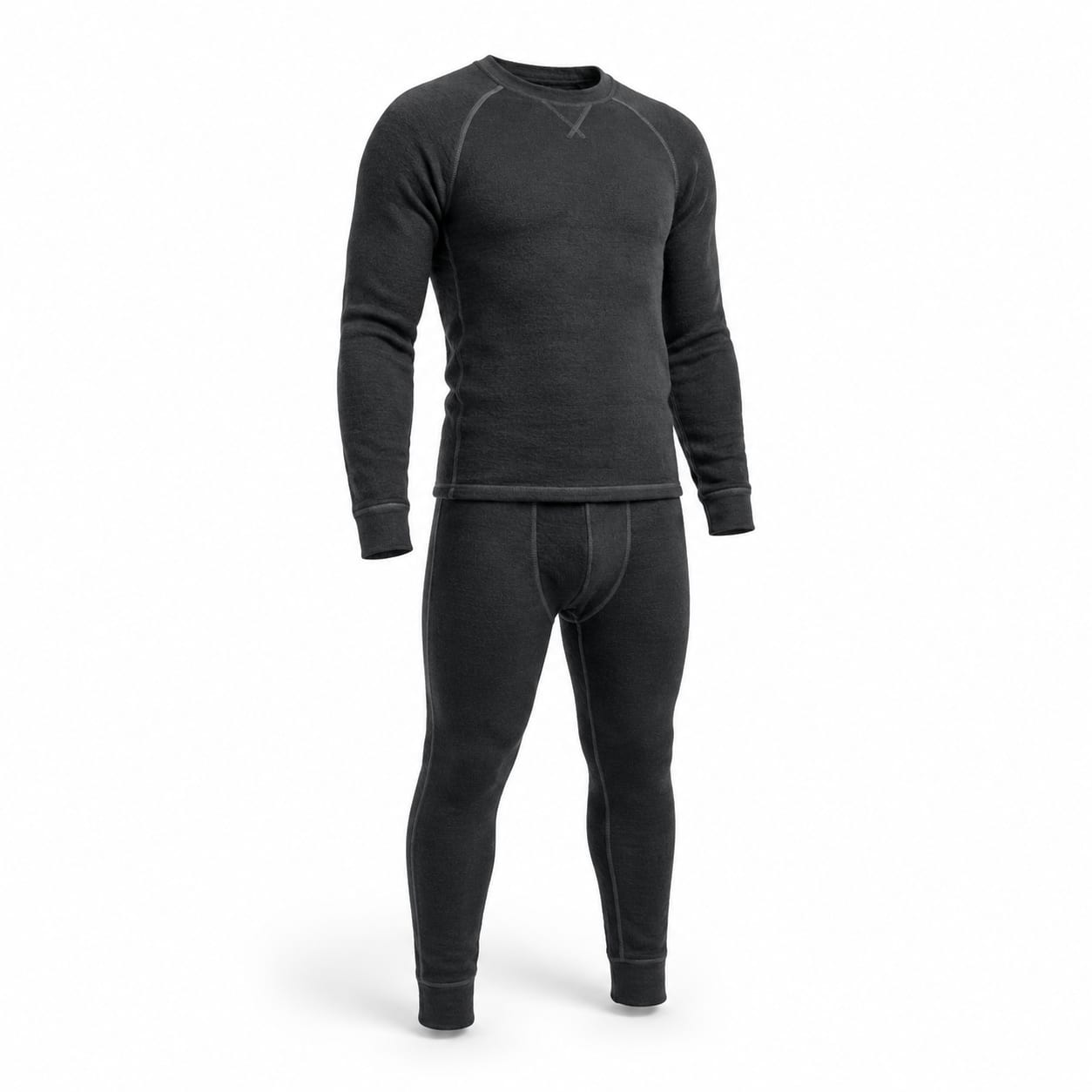
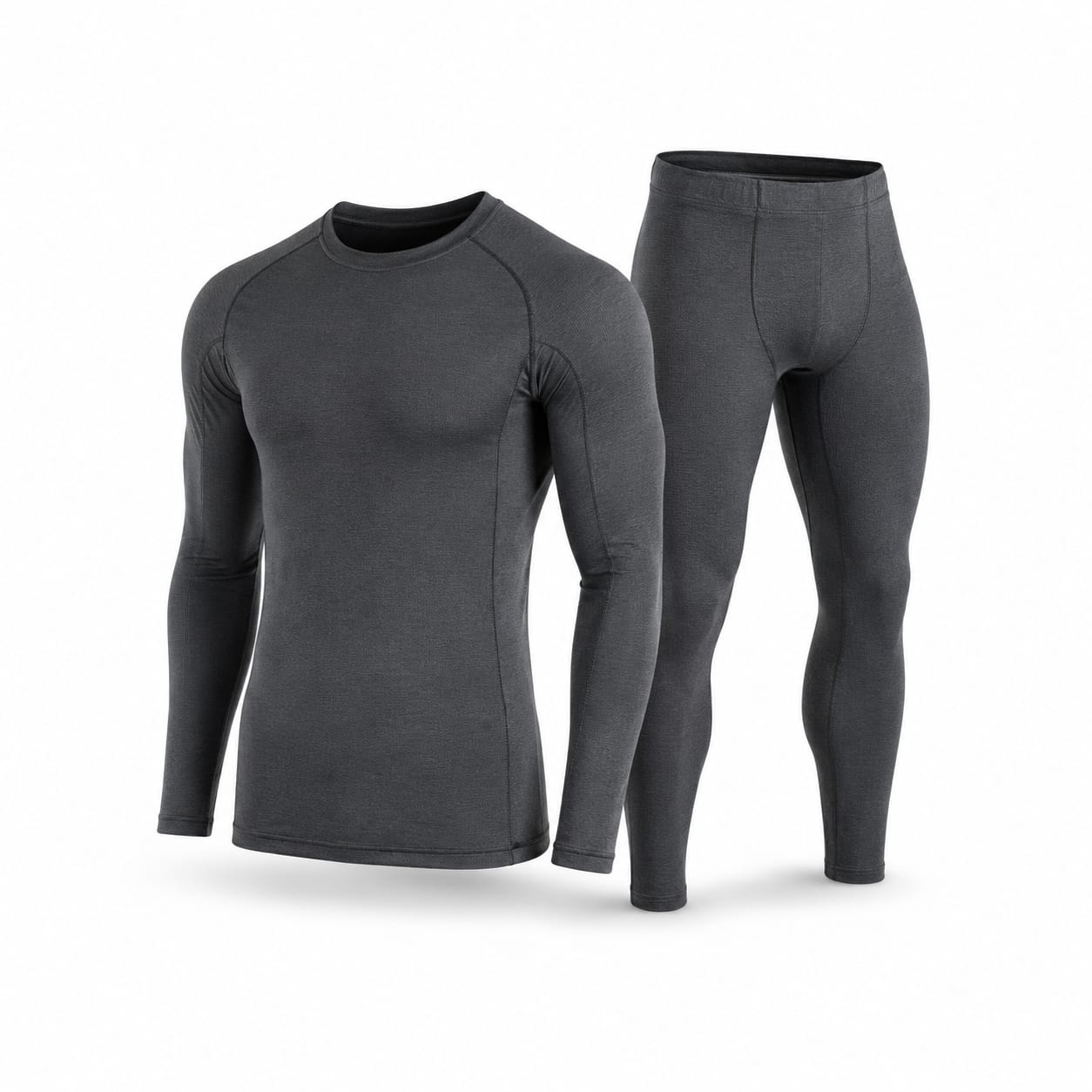
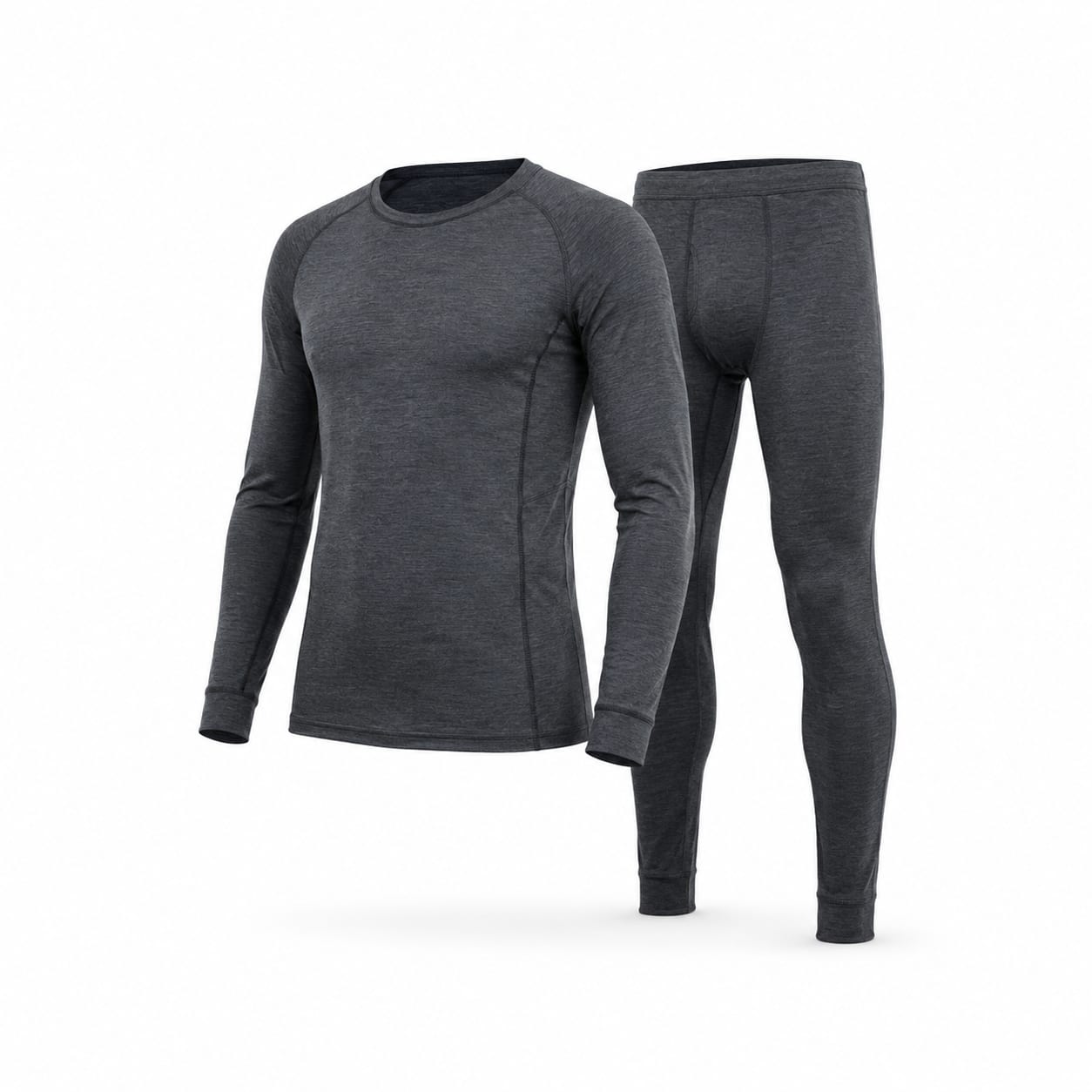
Merino wool dominates the midweight category because its natural crimp and fiber structure excel at trapping warm air while managing moisture. Wool-synthetic blends are also common, adding durability to merino's comfort. Synthetic polyester is available but less popular at this weight since the warmth advantage of midweight pairs best with merino's odor-resistant properties for multi-day use.
Compared to other types
Lightweight base layers more commonly use synthetic polyester because the thin fabric dries extremely fast and breathability is the priority. Heavyweight base layers lean toward merino wool because maximum warmth benefits most from wool's warm-when-wet properties. Midweight sits in the middle where both materials work well, but merino's versatility gives it the edge.
Why it matters: Material choice at midweight has a pronounced effect on comfort range. Merino's ability to absorb moisture without feeling clammy means the thicker fabric won't feel soggy during high-output moments, while synthetics at this weight can feel warm but stuffy if you sweat heavily.
What it means
The fabric weight category, which correlates with warmth, bulk, and intended temperature range. Measured in grams per square meter (g/m²) of fabric.
Typical for this type
180–260 g/m²
Most common pick: Midweight
In practice
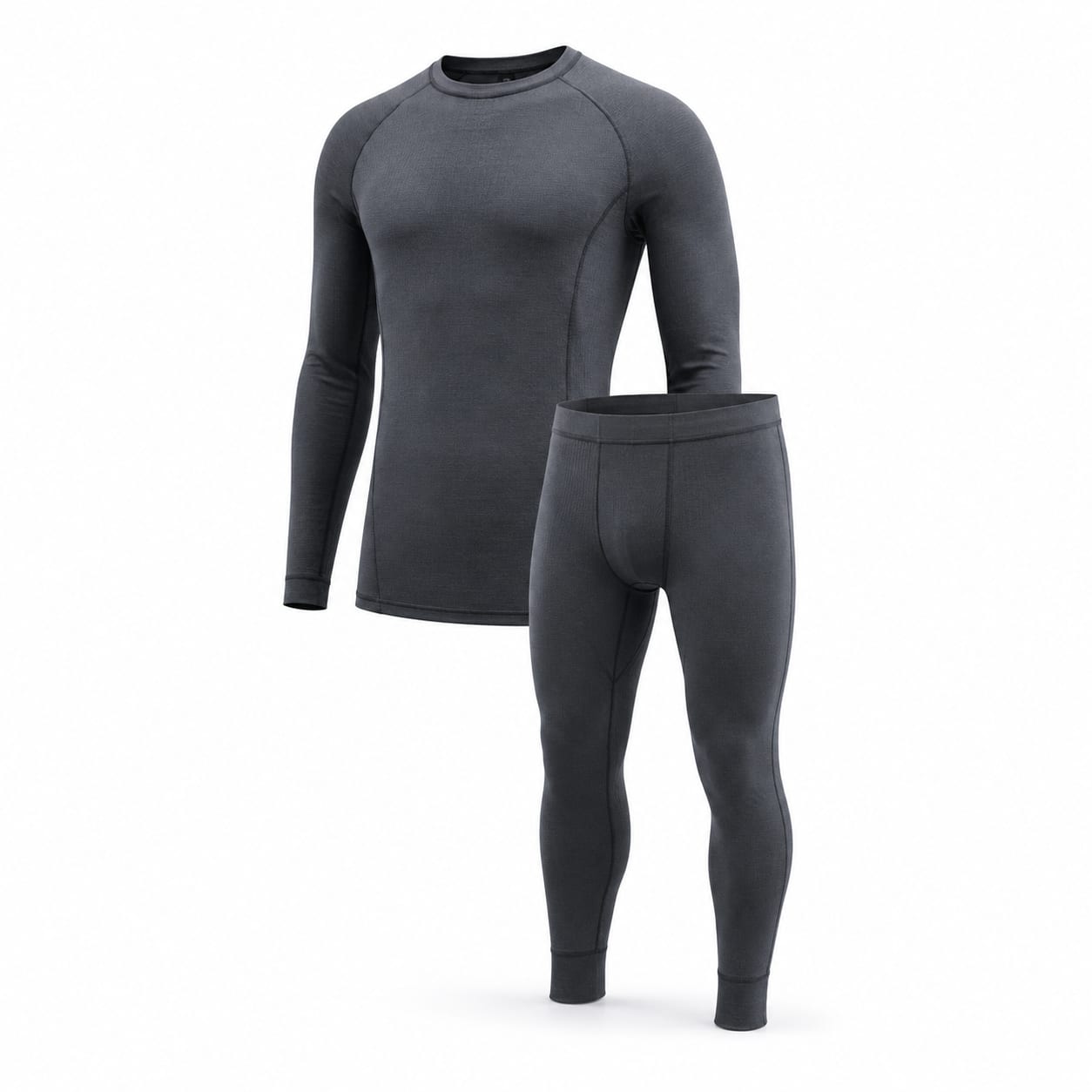
By definition, midweight base layers fall in the 180–260 g/m² range. Most popular midweight ski base layers cluster around 200–230 g/m², which provides noticeable warmth without crossing into heavyweight territory. The lower end (180–200 g/m²) suits active skiers in moderate cold, while the upper end (230–260 g/m²) is better for colder days or colder-natured riders.
Compared to other types
Lightweight base layers (130–180 g/m²) prioritize breathability and are better for warm days or hot sweaters. Heavyweight base layers (260–350 g/m²) prioritize maximum insulation but can cause overheating during active skiing. Midweight is the most versatile single-weight option for typical winter conditions.
Why it matters: The weight class directly determines the warmth-to-breathability ratio. Within the midweight range, even 20–30 g/m² differences are noticeable in both insulation and how quickly the garment dries after sweating.
What it means
How closely the garment conforms to the body, affecting moisture wicking efficiency, layering compatibility, and freedom of movement.
Typical for this type
Slim Or Compression
In practice
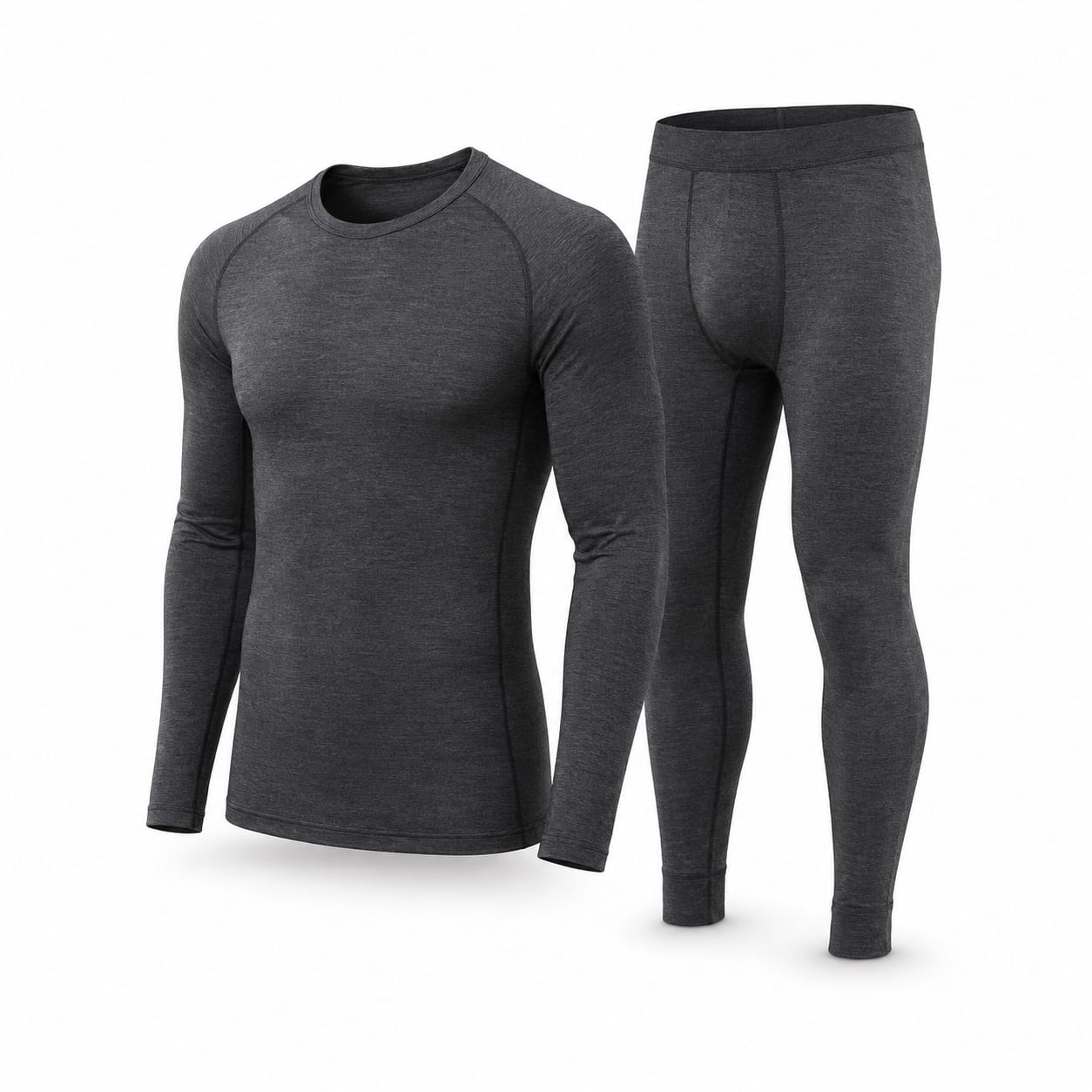
A slim fit is ideal for midweight base layers because the thicker fabric needs to maintain skin contact for efficient wicking. Loose-fitting midweight layers create air gaps that trap moisture and reduce the garment's ability to move sweat away from the skin. Compression fit works but may feel restrictive with the added fabric bulk of midweight construction.
Compared to other types
Lightweight base layers are more forgiving of slightly loose fits because the thin fabric conforms more easily. Heavyweight base layers require an even more precise fit because excess fabric at that thickness creates significant bulk and restriction. Midweight benefits most from the slim fit sweet spot.
Why it matters: Midweight fabric is thick enough that bunching from a poor fit creates noticeable discomfort and cold spots. A proper slim fit ensures the fabric lies flat under mid-layers and ski pants without creating pressure points or air pockets.
What it means
The neckline and design of the upper-body base layer, affecting ventilation, layering, and comfort.
Typical for this type
Zip Neck Half Or Zip Neck Quarter
In practice
Half-zip mock necks are the most popular top style for midweight base layers because the adjustable ventilation is especially valuable at this warmth level. When you heat up during a run, unzipping a few inches dumps excess heat quickly; when you sit down on a cold lift, zipping up seals in warmth around the neck. Crew necks work but lack this adjustability, which matters more with midweight's higher insulation.
Compared to other types
Lightweight base layers can get away with crew necks more easily because they don't provide enough warmth to cause significant overheating. Heavyweight base layers almost always feature zip necks or hoods because the warmth level demands ventilation options. Midweight sits where the zip transitions from nice-to-have to really important.
Why it matters: The ability to regulate temperature via a zip is disproportionately valuable at midweight because the fabric provides enough warmth to cause overheating during high-output moments. A half-zip effectively gives you two base layers in one.
What it means
The length and design of the lower-body base layer, affecting coverage, layering, and boot compatibility.
Typical for this type
Three Quarter Or Full Length
In practice
3/4 length bottoms are increasingly recommended for midweight base layers because the thicker fabric is more likely to bunch inside ski boots, creating pressure points and restricting circulation. Full length works if your boots have enough volume or you don't experience boot fit issues, but 3/4 length eliminates the problem entirely while ski socks cover the exposed lower calf.
Compared to other types
Lightweight base layers are thin enough that full-length bunching inside boots is rarely a problem. Heavyweight base layers almost mandate 3/4 length because the thick fabric will definitely bunch. Midweight is where the transition happens—some riders tolerate full length, but 3/4 is the safer choice.
Why it matters: Midweight fabric is thick enough that bunching inside the boot is a real concern. Even a small fold of 200 g/m² fabric can create a noticeable pressure point that worsens throughout the day, leading to cold feet and discomfort.
Moisture Wicking
Moisture Wicking
What it means
The garment's ability to pull perspiration away from the skin and spread it across the fabric surface for evaporation. Critical for staying dry and warm during active skiing.
Typical for this type
Good to Excellent
In practice
Midweight base layers typically offer good moisture wicking, with synthetics rating excellent and merino wool rating good to excellent depending on construction. The thicker fabric at midweight absorbs more total moisture than lightweight options, which means it can take slightly longer to dry completely, but the wicking mechanism—pulling moisture away from the skin—remains effective across all quality midweight layers.
Compared to other types
Lightweight base layers generally wick and dry faster due to thinner fabric with less moisture capacity. Heavyweight base layers hold more moisture and dry slower, making wicking efficiency even more critical at that weight. Midweight offers a practical balance where good wicking is sufficient for most skiers.
Why it matters: Because midweight base layers are warm enough to cause sweating during active skiing, moisture wicking performance is critical. A midweight layer that holds moisture against the skin will feel clammy and cold when you stop moving, negating the warmth benefit.
Odor Resistance
Odor Resistance
What it means
The garment's ability to resist bacterial growth and associated odors over multiple wears. Affects how many days you can wear the base layer between washes on multi-day trips.
Typical for this type
Good to Excellent
In practice
Midweight merino wool base layers typically achieve excellent odor resistance (5+ days), while synthetics rate low to moderate. Wool-synthetic blends generally fall in the good range (3–4 days). Since midweight layers are the most common choice for multi-day ski trips, odor resistance is a frequently cited reason for choosing merino or blends over pure synthetics at this weight.
Compared to other types
Lightweight base layers may not induce as much sweating, so odor builds more slowly regardless of material. Heavyweight base layers cause more sweating, making odor resistance even more important. Midweight is where odor resistance becomes a practical purchasing consideration for typical ski trips.
Why it matters: Midweight base layers are warm enough to induce sweating during active skiing, which creates the moist environment where odor-causing bacteria thrive. Merino's natural antimicrobial properties make a meaningful difference in wearability across a multi-day ski trip.
Seam Construction
Seam Construction
What it means
The type and placement of seams, which affect chafing potential, durability, and comfort under layers and gear.
Typical for this type
Flatlock Or Seamless
In practice
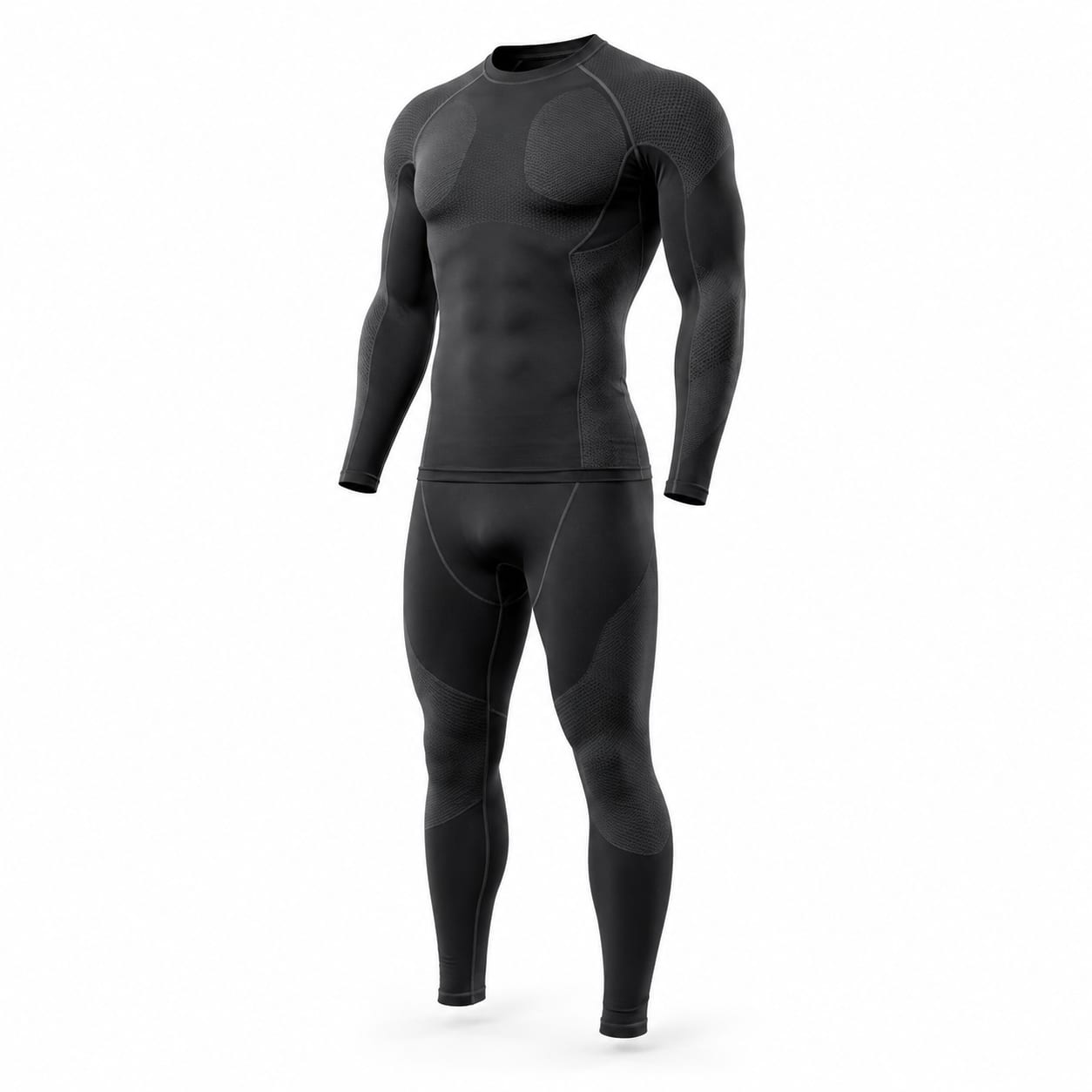
Flatlock seams are the standard for midweight base layers and provide a low-profile seam that layers well under mid-layers. Seamless construction is available in premium midweight options and eliminates any chafing concern, which is more noticeable at midweight because the thicker fabric creates more prominent seam ridges than lightweight alternatives.
Compared to other types
Lightweight base layers have thinner seams that are less noticeable regardless of construction. Heavyweight base layers have the most prominent seams, making seamless or bonded construction more valuable. Midweight is where flatlock becomes the expected minimum standard.
Why it matters: Midweight fabric makes seams more noticeable against the skin and under layers compared to lightweight options. Flatlock seams at minimum are important to prevent the thicker seam ridges from creating pressure points under pack straps, ski pants, or tight mid-layers.
What it means
The garment's ability to stretch and recover, affecting freedom of movement and long-term fit retention.
Typical for this type
Two Way to Four Way
In practice
Two-way stretch is common in midweight base layers, with many modern options—especially merino blends—incorporating elastane for four-way stretch. Pure merino midweight layers without stretch tend to bag out by the end of a ski day because the heavier fabric weighs more and stretches under its own mass during movement.
Compared to other types
Lightweight base layers have less fabric mass, so lack of stretch is less noticeable. Heavyweight base layers without stretch can feel significantly restrictive. Midweight is where adding stretch becomes a meaningful quality indicator rather than a luxury feature.
Why it matters: Midweight fabric is thick enough that lack of stretch becomes more restrictive than in lightweight layers. Even 2–3% elastane makes a significant difference in how the garment moves with your body and retains its shape throughout a full day of skiing.
What it means
The intended gender fit of the garment, which affects cut, proportions, and anatomical features.
Typical for this type
Mens Or Womens (Avoid Unisex)
Most common pick: Gender Specific
In practice
Gender-specific fits are strongly recommended for midweight base layers because the thicker fabric amplifies fit issues. A women's-specific cut that accounts for hip width and waist taper prevents the sagging and cold gaps that occur when women wear unisex or men's midweight bottoms. Similarly, men's-specific cuts provide proper shoulder room and torso length in midweight tops.
Compared to other types
Lightweight base layers are more forgiving of unisex fits because thin fabric conforms to the body more readily. Heavyweight layers require even more precise gender-specific fits. Midweight is where investing in a proper gender-specific cut starts to make a real comfort difference.
Why it matters: Midweight fabric doesn't drape or conform as easily as lightweight fabric, so a poor gender fit results in more noticeable bunching, gaps, and restriction. The thicker material makes fit precision more important.
Warmth Rating
Warmth Rating
What it means
The perceived warmth level of the garment, combining material, weight, and construction into a single comparative metric.
Typical for this type
Moderate to High
In practice
Midweight base layers typically rate moderate to high in warmth. The 180–260 g/m² fabric weight provides noticeable insulation that keeps you warm during cold lift rides while still allowing enough breathability for active skiing. Most midweight layers fall squarely in the moderate warmth category, with the upper end of the weight range approaching high warmth.
Compared to other types
Lightweight base layers rate light warmth and are primarily for moisture management. Heavyweight base layers rate high to extreme warmth and can cause overheating during active skiing. Midweight's moderate warmth is the most commonly needed rating for typical winter skiing conditions.
Why it matters: The moderate warmth rating is what makes midweight base layers so versatile for skiing. They provide enough insulation for the cold moments (lift rides, standing in line) without causing excessive overheating during the active moments (skiing down, hiking to terrain).
What it means
Whether the top includes thumbholes at the cuff to keep sleeves in place and provide hand coverage during layering.
Typical for this type
True Preferred But Not Essential
In practice
Thumbholes are increasingly common on midweight base layer tops and are more valuable at this weight than on lightweight options. The thicker midweight fabric is more likely to ride up when pulling on a jacket, and thumbholes prevent this while adding wrist warmth that complements the overall warmth level of the garment.
Compared to other types
Lightweight base layers have thinner sleeves that are easier to adjust and less likely to ride up noticeably. Heavyweight base layers almost always include thumbholes because the thick fabric definitely shifts during layering. Midweight is where thumbholes transition from nice-to-have to genuinely useful.
Why it matters: Midweight sleeves are thick enough that pushing them up is noticeable and they don't slide back down as easily as lightweight fabric. Thumbholes keep sleeves anchored in place throughout the day and provide a seamless transition to glove cuffs.
Gusseted Crotch
Gusseted Crotch
What it means
Whether the bottom base layer includes a diamond or triangular fabric panel at the crotch for enhanced mobility and reduced seam stress.
Typical for this type
True Preferred
In practice
A gusseted crotch is recommended for midweight base layer bottoms because the thicker fabric creates more restriction at the crotch seam intersection during deep bends and snowboard sitting positions. The gusset eliminates the four-seam meeting point and adds a diamond-shaped panel that provides extra range of motion.
Compared to other types
Lightweight base layers are thin enough that seam restriction is minimal even without a gusset. Heavyweight base layers almost require a gusset for any athletic movement. Midweight is where the gusset transitions from optional to recommended.
Why it matters: Midweight fabric doesn't stretch as easily at seam intersections, making the gusseted crotch more important for freedom of movement. Snowboarders particularly benefit because they spend more time in deep flexion, but skiers also notice the difference during aggressive turns and getting up from falls.
What it means
The type of front opening on men's base layer bottoms, affecting convenience and comfort.
Typical for this type
Vertical Fly Or Horizontal Fly
In practice
Vertical flies are standard on men's midweight base layer bottoms, with horizontal flies appearing on more performance-oriented options. The horizontal fly lies flatter under layers, which matters more at midweight because the thicker fabric creates more bulk at the front panel. No-fly designs are less common at midweight because the thicker fabric makes pulling down the waistband more cumbersome.
Compared to other types
Lightweight base layers have minimal bulk regardless of fly type. Heavyweight base layers have significant front bulk where fly construction matters more. Midweight is where fly type starts to affect layering comfort noticeably.
Why it matters: At midweight, any extra fabric bulk at the front is more noticeable under ski pants. A horizontal fly reduces this bulk while maintaining convenience, making it a worthwhile upgrade for performance-oriented midweight bottoms.
Body-Mapped Construction
Body-Mapped Construction
What it means
Whether the garment uses strategically placed fabric zones with different weights, textures, or knit structures to optimize warmth and breathability where needed.
Typical for this type
True Preferred For Premium Options
In practice
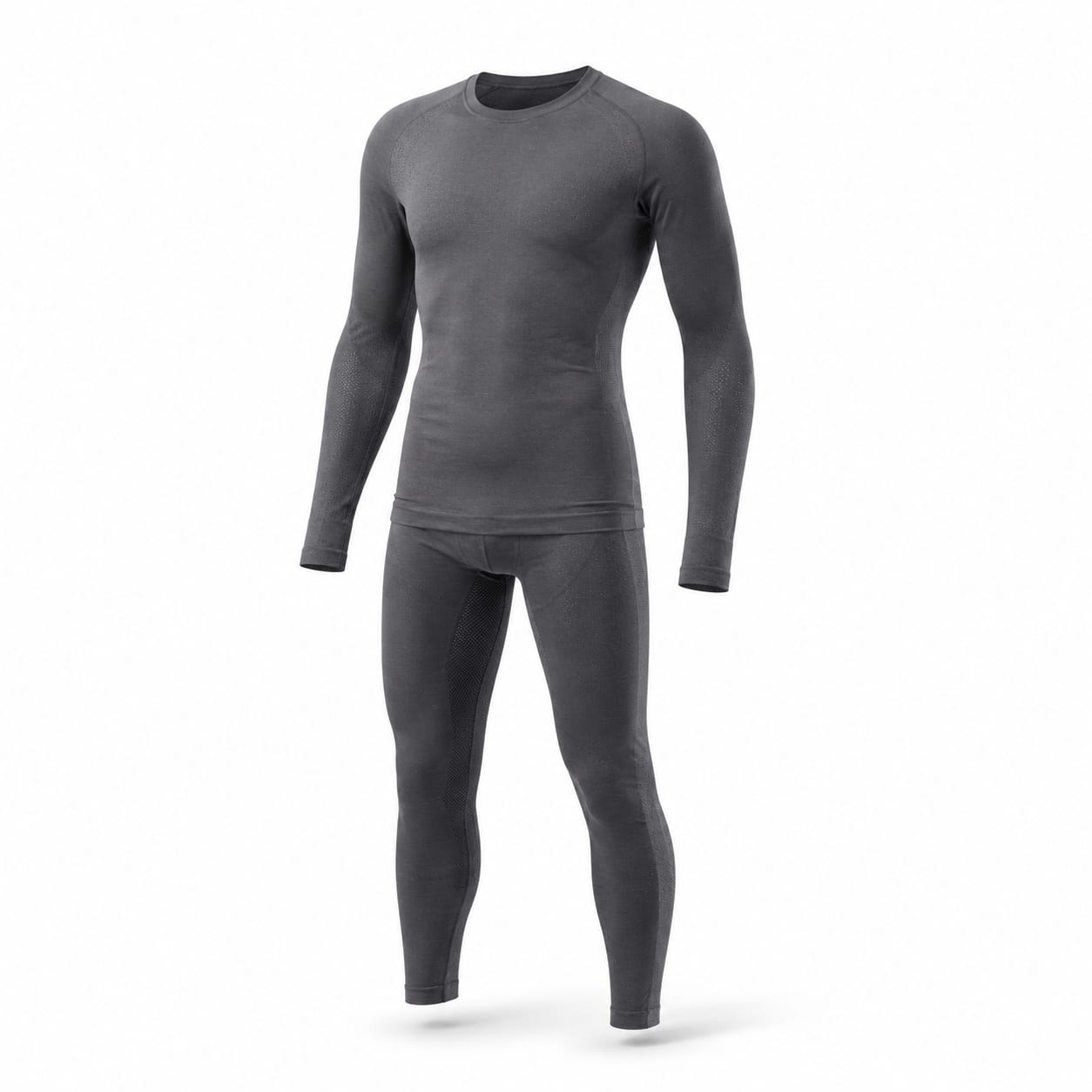
Body-mapped construction is particularly valuable in midweight base layers because the thicker fabric is more prone to causing overheating in high-sweat zones like underarms and the center back. Strategic mesh or lighter-weight panels in these areas, combined with denser knit at the core and kidneys, optimize the warmth-breathability balance that midweight layers aim to achieve.
Compared to other types
Lightweight base layers don't provide enough insulation for body mapping to make a dramatic difference. Heavyweight base layers benefit enormously from body mapping because the warmth level makes overheating a major concern. Midweight is where body mapping starts to provide a meaningful performance advantage.
Why it matters: Midweight fabric provides enough insulation to cause localized overheating during active skiing. Body mapping addresses this by placing breathable zones exactly where you sweat most while maintaining warmth where you need it, effectively expanding the comfortable temperature range of the garment.
What it means
Ultraviolet Protection Factor rating indicating how effectively the fabric blocks UV radiation. Relevant for high-altitude spring skiing.
Typical for this type
None Rated Acceptable; UPF 30+ For Spring Skiing
In practice
Most midweight base layers are not UPF-rated because they are primarily designed for winter use when sun exposure is minimal and the garments are fully covered by outer layers. However, midweight merino wool naturally provides good UV protection due to fabric density. UPF ratings become relevant for midweight layers used during spring skiing at high altitude.
Compared to other types
Lightweight base layers are more likely to be worn alone in spring conditions, making UPF ratings more relevant. Heavyweight base layers are rarely worn in conditions where sun exposure is a concern. Midweight layers may see spring use, making UPF a secondary consideration.
Why it matters: For typical midwinter use, UPF rating is irrelevant because base layers are covered by jackets and pants. For spring skiing when layers may be partially unzipped or worn alone, UV protection at altitude matters more than most skiers realize.
Waistband Type
Waistband Type
What it means
The style and construction of the waistband on bottom base layers, affecting comfort under layers and during movement.
Typical for this type
Wide Yoga Or Elastic
In practice
Elastic waistbands are standard on midweight base layer bottoms, but wide yoga-style bands are increasingly popular—especially in women's models—because they distribute pressure more evenly under the extra bulk of midweight fabric. A wide, flat waistband also layers more smoothly under ski pants without creating a visible ridge or pressure point.
Compared to other types
Lightweight base layers have minimal waistband bulk regardless of style. Heavyweight base layers can create significant waistband discomfort with the wrong style. Midweight is where waistband type starts to meaningfully affect all-day comfort under ski pants.
Why it matters: Midweight fabric adds bulk at the waistband area, making comfort and layering smoothness more important than with lightweight options. A waistband that digs in or rolls is more noticeable and uncomfortable with the thicker fabric pressing against it.