
It depends on your metabolism, activity level, and conditions. If you ski aggressively, run hot, or ski in temperatures above 25°F (-4°C), a midweight base layer may cause overheating during runs. A half-zip top helps by allowing you to vent heat quickly. If overheating is a consistent problem, switch to a lightweight base layer and add a warmer mid-layer instead—you can always add insulation, but you can't easily shed an overheating base layer.
Ski Underwear · Midweight Base Layers
Will a midweight base layer make me overheat while skiing?
Related gear types
If this answer nudged you toward a different style, these guides compare specs and trade-offs.
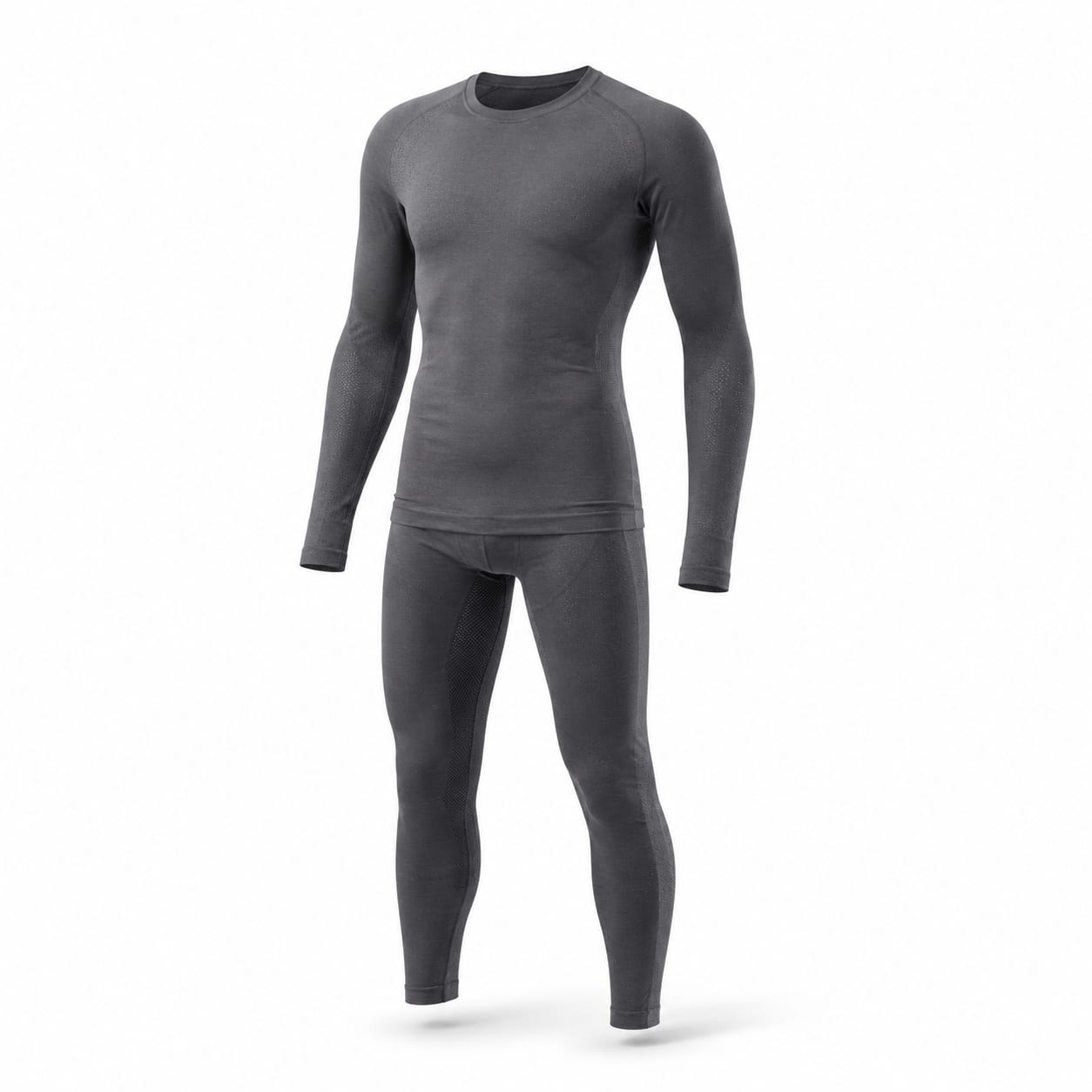
Lightweight Base Layers
$25 – $90
Thin, highly breathable base layers for high-output skiing in mild conditions or warm-skinned individuals.
ultra-thin fabrichigh breathabilityrapid moisture wicking
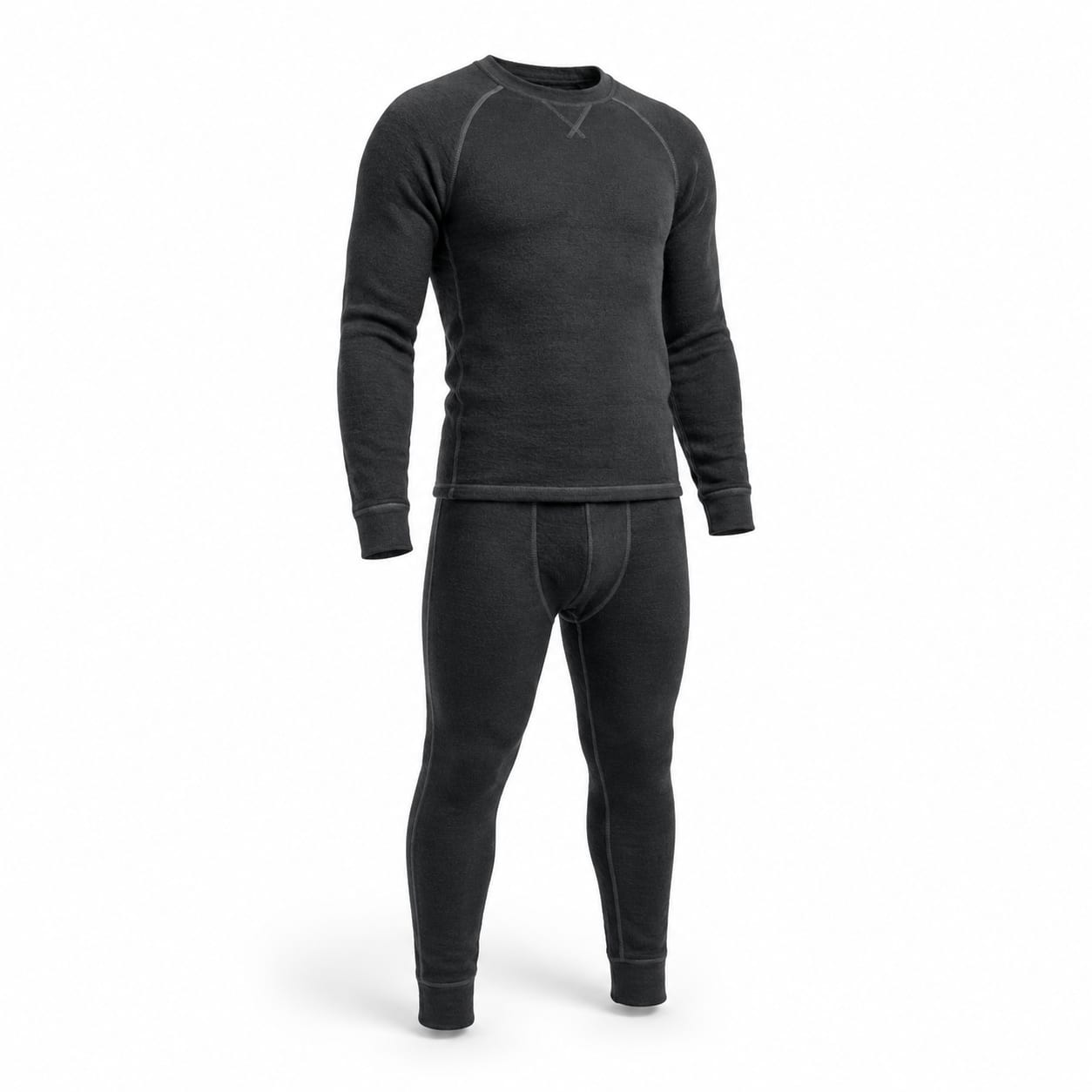
Heavyweight Base Layers
$45 – $160
Maximum-insulation base layers designed for extreme cold, low-activity skiing, or cold-sensitive individuals.
thick fabric constructionhigh insulationbrushed or fleece interior
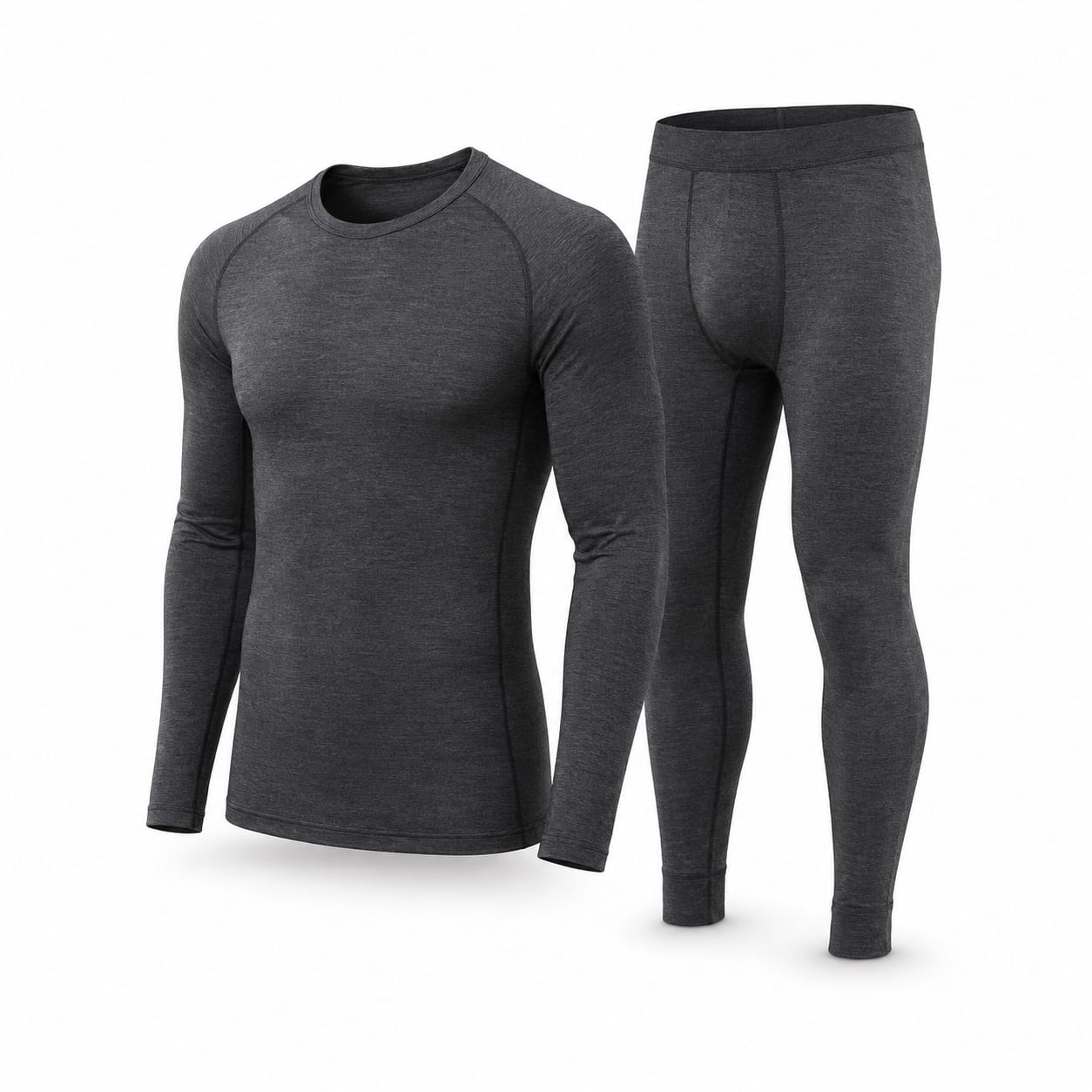
Merino Wool Base Layers
$50 – $200
Premium natural-fiber base layers prized for odor resistance, temperature regulation, and next-to-skin comfort.
natural odor resistanceexcellent thermoregulationsoft next-to-skin feel
More questions
- Is midweight the right base layer weight for most skiers?
- Can I wear a midweight base layer for backcountry touring?
- Should I get full-length or 3/4 length midweight bottoms?
- Is merino wool or synthetic better for midweight base layers?