
Ski Underwear · FAQ
Questions about Synthetic Base Layers
Straight answers on fit, specs, and when this type makes sense — each topic has its own page with links back to the buying guide.
Open Synthetic Base Layers guide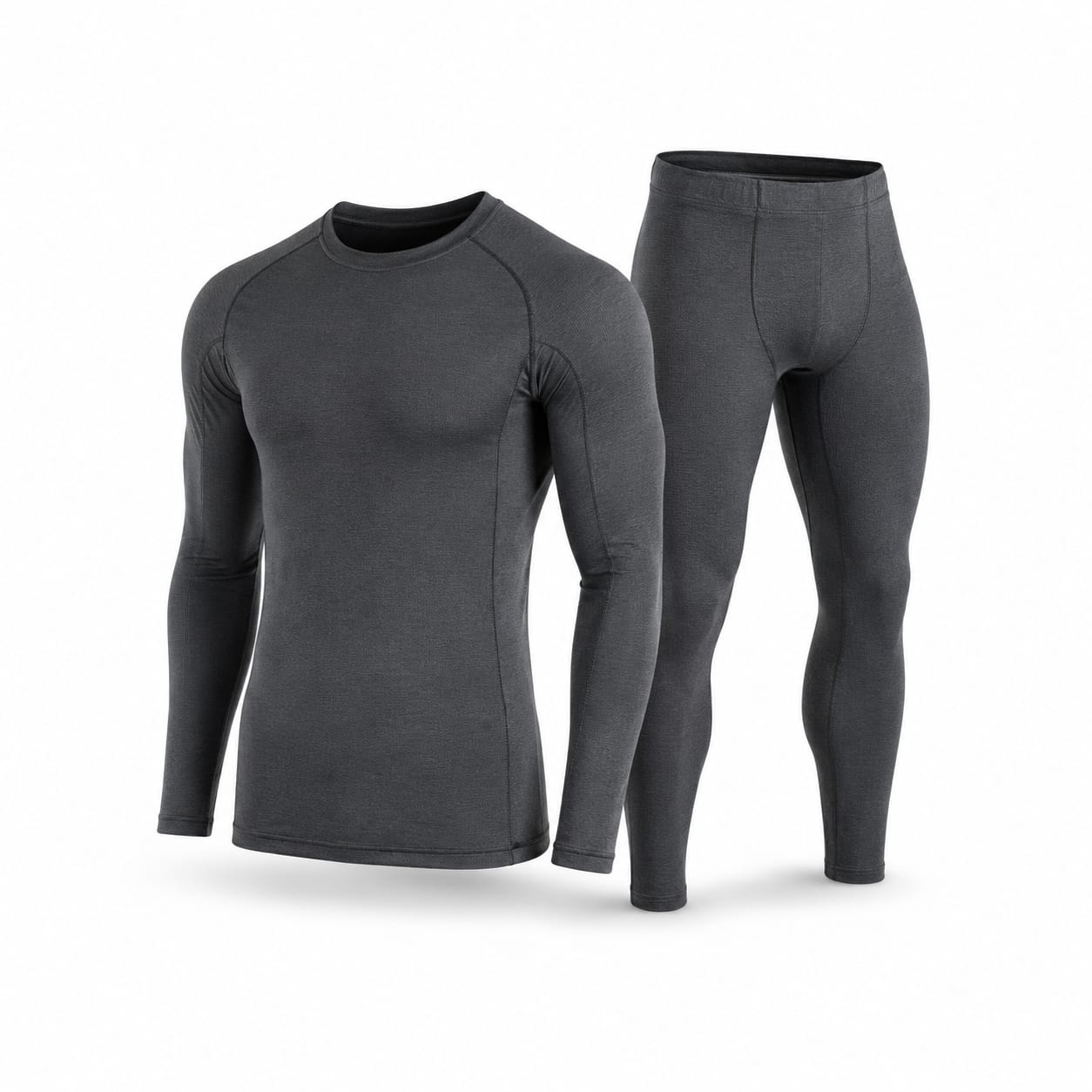
6 topics
Pick a question
Every answer links to the full subcategory guide and related gear types when it helps you decide.
How do I prevent my synthetic base layer from smelling?
Wash after every use if possible—this is the most effective approach. If you must wear it multiple days, rinse it out with water and hang it to dry overnight; this removes most bacteria and sweat residue. Soak in a 1:1 white vinegar and water solution for 30 minutes before washing to kill embedded bacteria. Look for silver-ion or polygiene-treated synthetics, which extend odor-free wear from hours to 1-2 days. Never store a damp synthetic base layer in your ski bag—that creates a bacteria incubator.
Read answer →02Is synthetic or merino better for backcountry skiing?
For the uphill approach, synthetic is generally better because you'll sweat heavily and need the fastest possible moisture transport and drying. For the descent and camp, merino's odor resistance and warm-when-wet properties are advantageous. Many experienced backcountry skiers use a hybrid approach: synthetic base layer for the skin up, then switch to a merino top for the descent and evening. If you can only choose one, synthetic's superior moisture management during the high-output climb makes it the safer choice for backcountry use.
Read answer →03Can I wear a synthetic base layer multiple days in a row?
Realistically, no—unless it has an effective anti-odor treatment and you didn't sweat heavily. Untreated synthetic base layers develop noticeable odor within 2-4 hours of active wear. Silver-ion treatments extend this to 1-2 days, but the treatments degrade with washing over the garment's life. For multi-day ski trips without laundry access, merino wool is a better choice. If you must re-wear synthetic, rinse it out and dry it completely between uses.
Read answer →04What weight synthetic base layer should I get for resort skiing?
For most resort skiing, lightweight (130-180 g/m²) is the best choice if you ski aggressively or run hot, while midweight (180-260 g/m²) is better if you run cold or spend more time sitting on lifts. Because synthetics dry so fast, you can run a lighter weight than you might with merino and still stay comfortable—your effective warmth comes from staying dry, not from fabric insulation. It's always easier to add a mid-layer for warmth than to deal with an overheating base layer.
Read answer →05Do I need body-mapped construction, or is uniform fabric fine?
Body-mapped construction makes a noticeable difference if you ski variable-output days—like backcountry touring where you alternate between high-output climbing and cold descents, or resort days where you charge hard then sit on a cold lift. The mesh underarm zones and denser core panels provide ventilation where you sweat most and insulation where you need it. If you ski at a consistent pace or primarily do short resort runs, uniform fabric is perfectly adequate and costs less.
Read answer →06Are recycled polyester base layers as good as virgin polyester?
Yes, for all practical purposes. Recycled polyester performs identically to virgin polyester in moisture wicking, drying speed, durability, and stretch. The only differences are environmental—recycled polyester uses 30-50% less energy to produce and diverts plastic bottles from landfills. Some very high-end athletic brands have noted minor differences in fiber consistency, but these are not noticeable in ski base layer applications. If recycled options are available at comparable prices, there's no performance reason to avoid them.
Read answer →