
For the uphill approach, synthetic is generally better because you'll sweat heavily and need the fastest possible moisture transport and drying. For the descent and camp, merino's odor resistance and warm-when-wet properties are advantageous. Many experienced backcountry skiers use a hybrid approach: synthetic base layer for the skin up, then switch to a merino top for the descent and evening. If you can only choose one, synthetic's superior moisture management during the high-output climb makes it the safer choice for backcountry use.
Ski Underwear · Synthetic Base Layers
Is synthetic or merino better for backcountry skiing?
Related gear types
If this answer nudged you toward a different style, these guides compare specs and trade-offs.
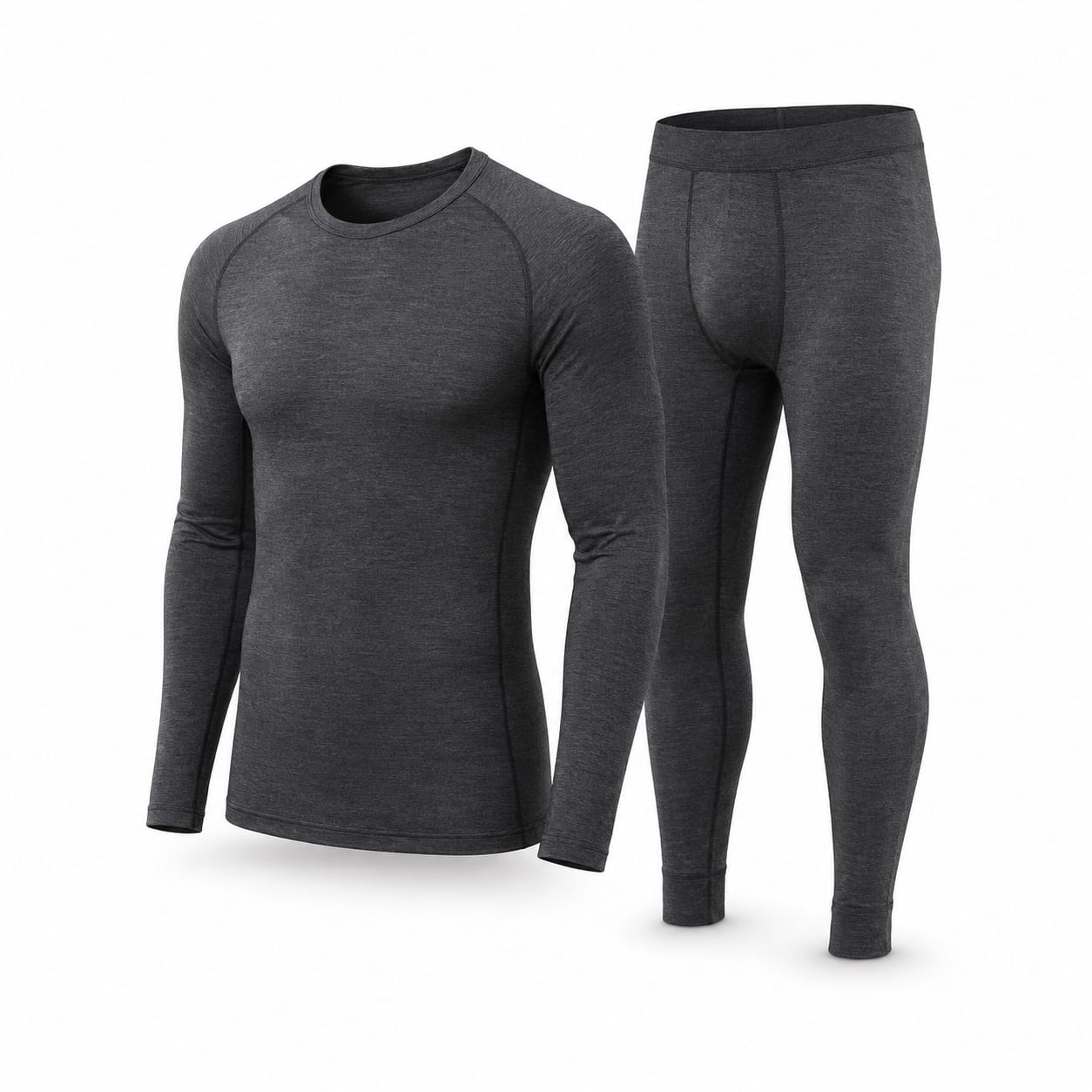
Merino Wool Base Layers
$50 – $200
Premium natural-fiber base layers prized for odor resistance, temperature regulation, and next-to-skin comfort.
natural odor resistanceexcellent thermoregulationsoft next-to-skin feel
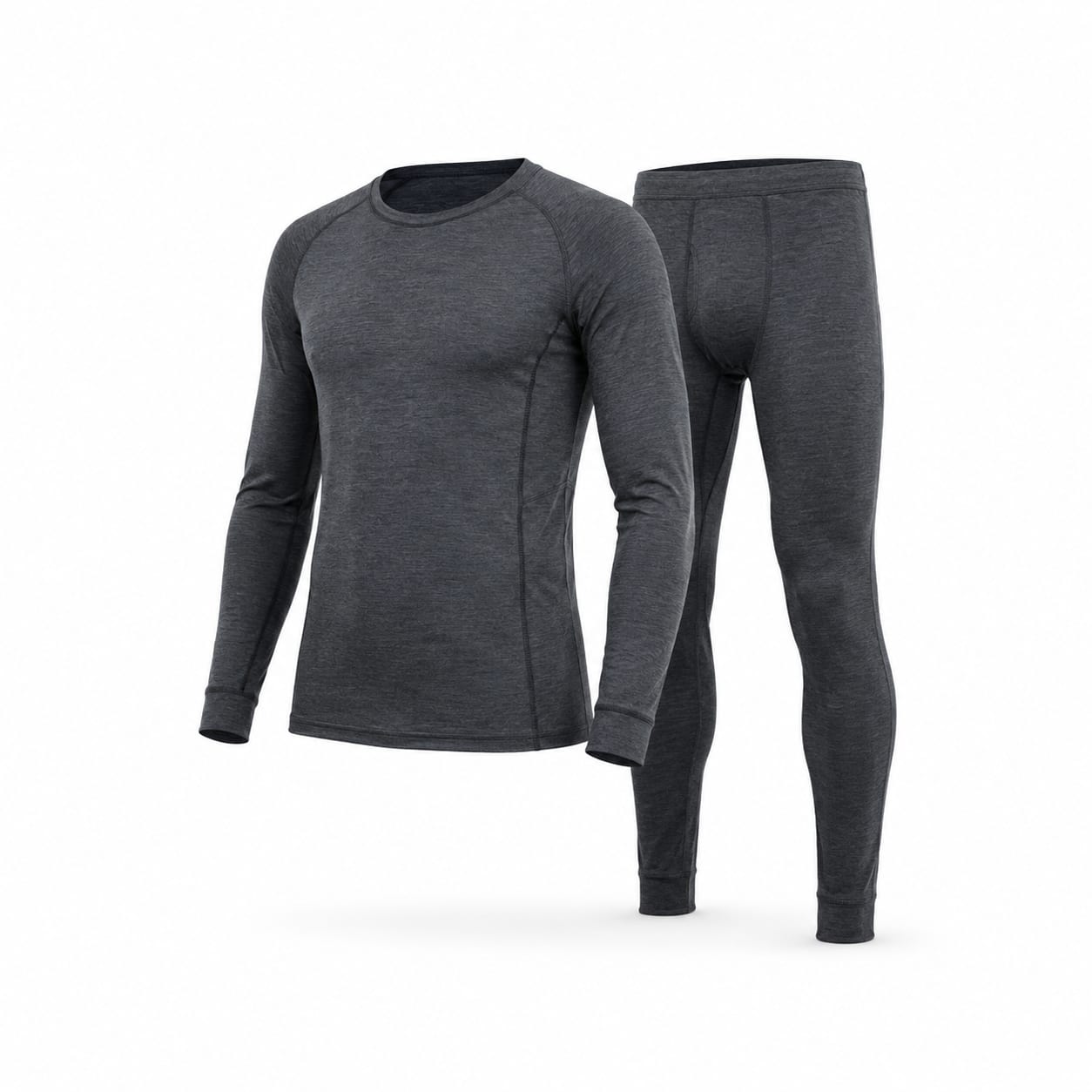
Merino-Synthetic Blend Base Layers
$40 – $140
Hybrid base layers combining merino wool comfort and odor resistance with synthetic durability and dry time.
merino interior facesynthetic exteriorbalanced odor resistance
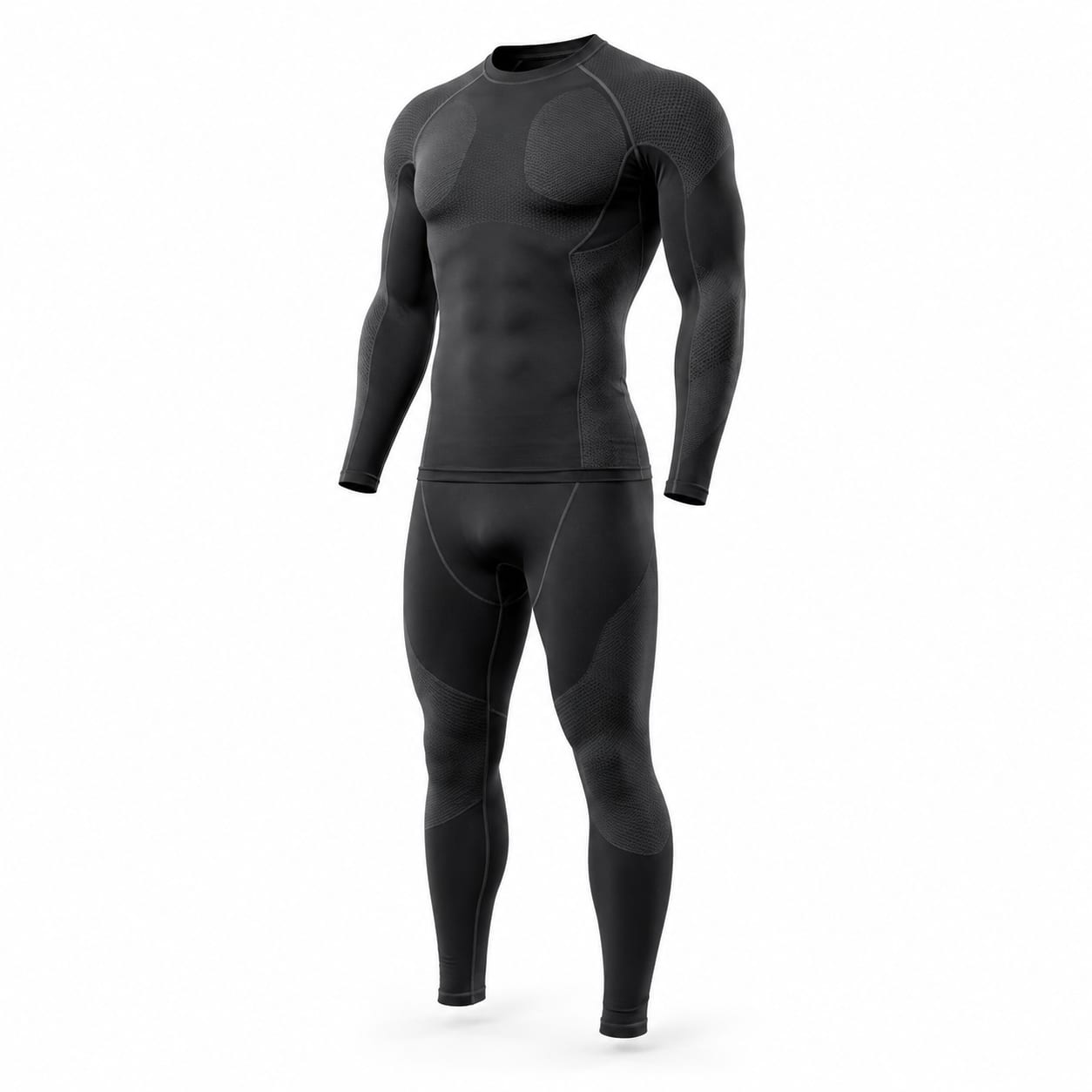
Compression Base Layers
$40 – $130
Tight-fitting performance base layers providing muscle support and enhanced circulation during skiing.
graduated compressiontight body-hugging fitmuscle stabilization
More questions
- How do I prevent my synthetic base layer from smelling?
- Can I wear a synthetic base layer multiple days in a row?
- What weight synthetic base layer should I get for resort skiing?
- Do I need body-mapped construction, or is uniform fabric fine?