Kitvore.com

Kitvore.com

Specs that matter. Gear that fits.

Ski Underwear · Subcategory

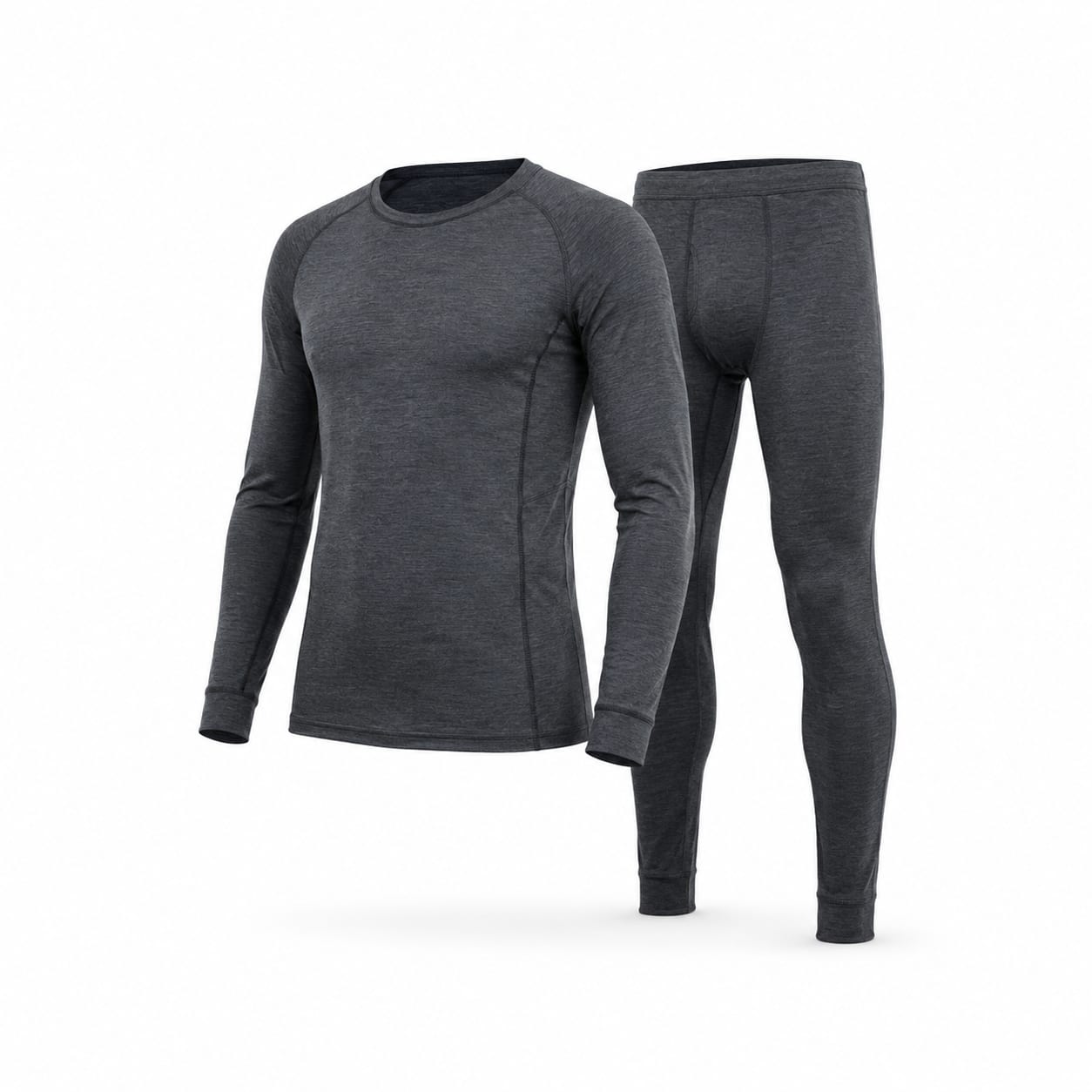
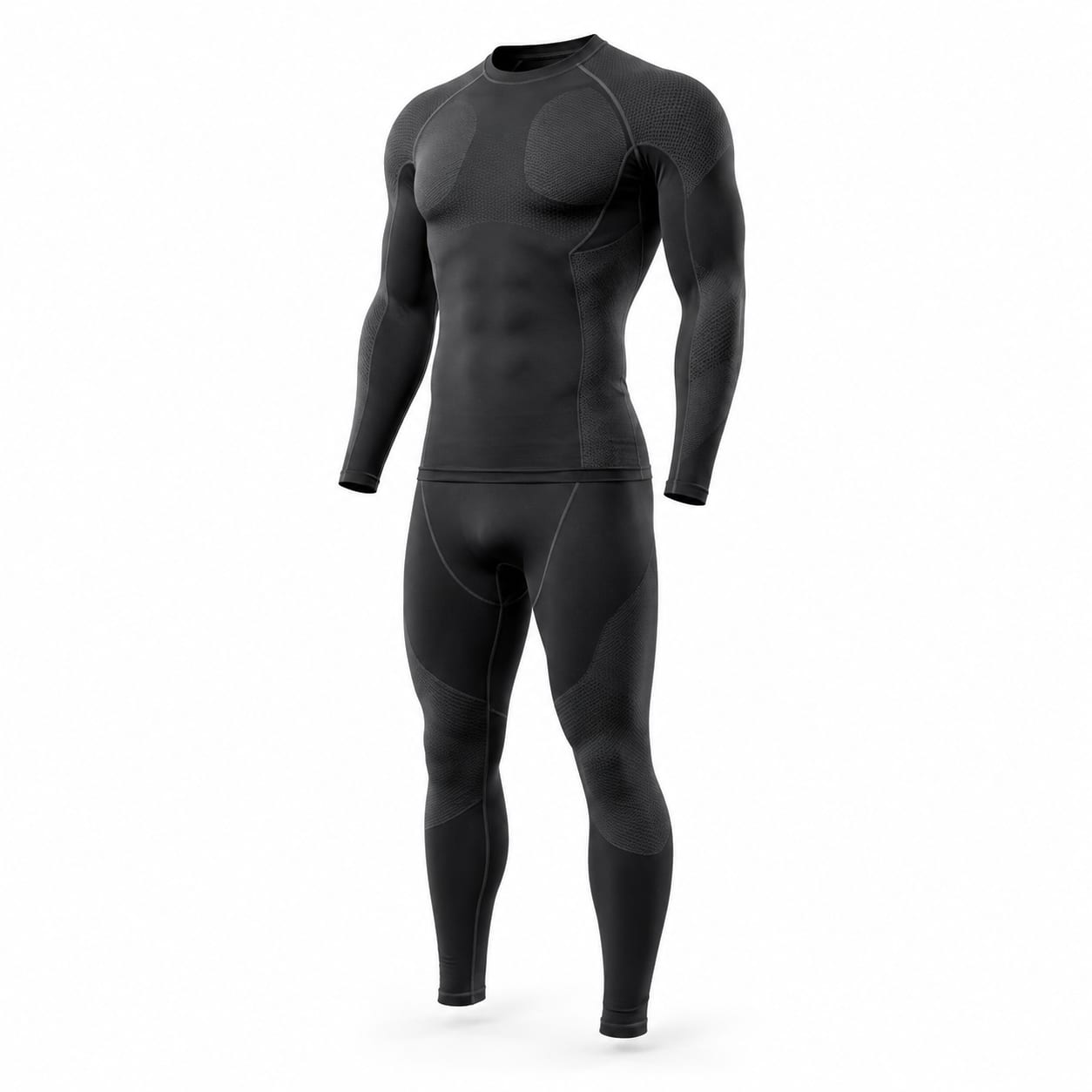
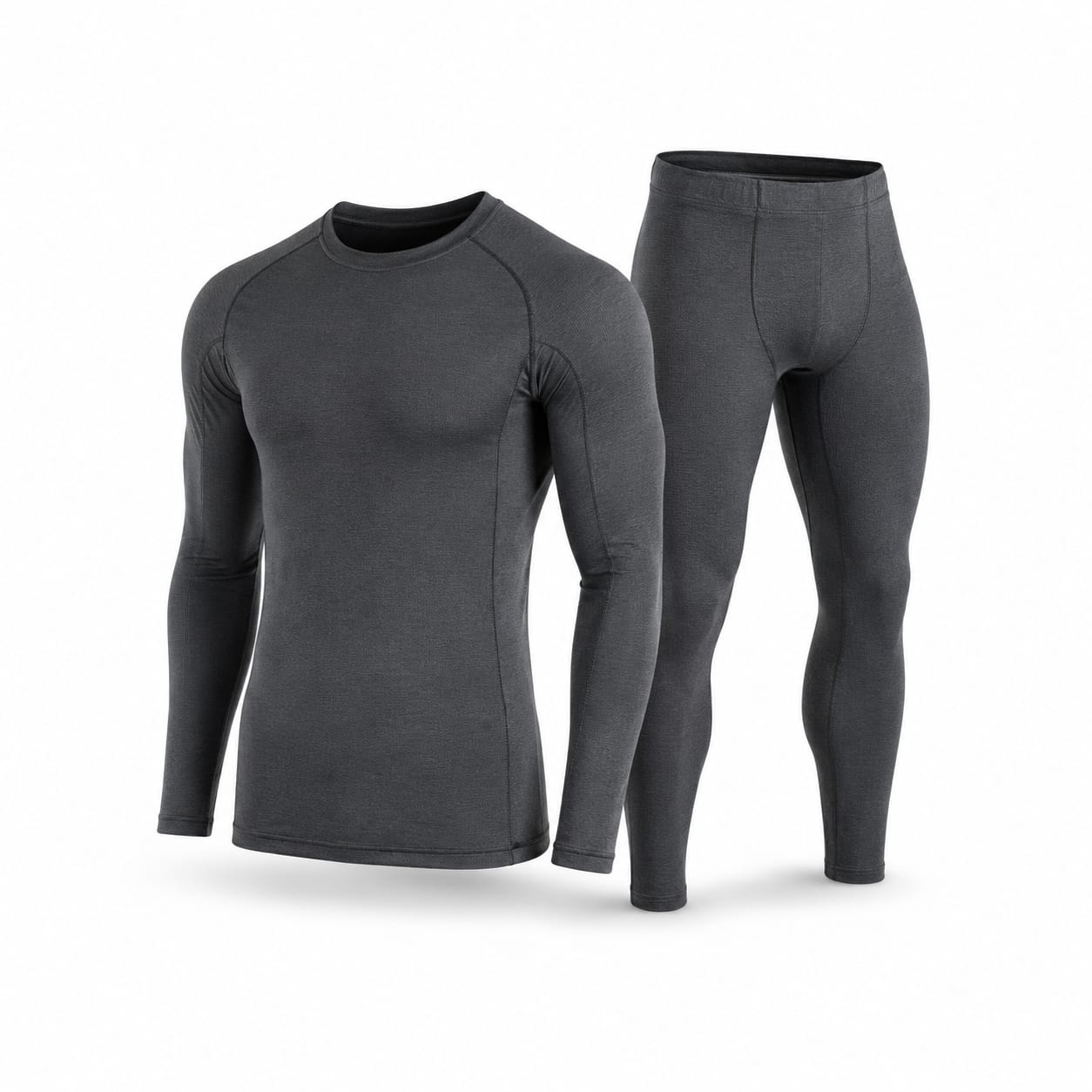
Synthetic Base Layers

Engineered polyester and nylon base layers that dry faster and last longer than any other option.

Synthetic base layers are the workhorse of high-output skiing. Made primarily from polyester or nylon, they wick moisture faster, dry quicker, and withstand more abuse than merino wool alternatives. While they lack natural odor resistance and can feel clammy when wet, their durability, affordability, and unmatched moisture transport make them the go-to choice for backcountry touring, aggressive resort skiing, and anyone who sweats heavily on the mountain.

$20 – $80budget tierbeginnerintermediateadvanced

Best known for

Fastest drying time of any base layer materialSuperior durability and shape retention over many wash cyclesBudget-friendly pricing compared to merino woolExcellent moisture wicking for high-output activitiesWide availability in body-mapped and technical constructions
Synthetic Base Layers

Guide

Detailed overview

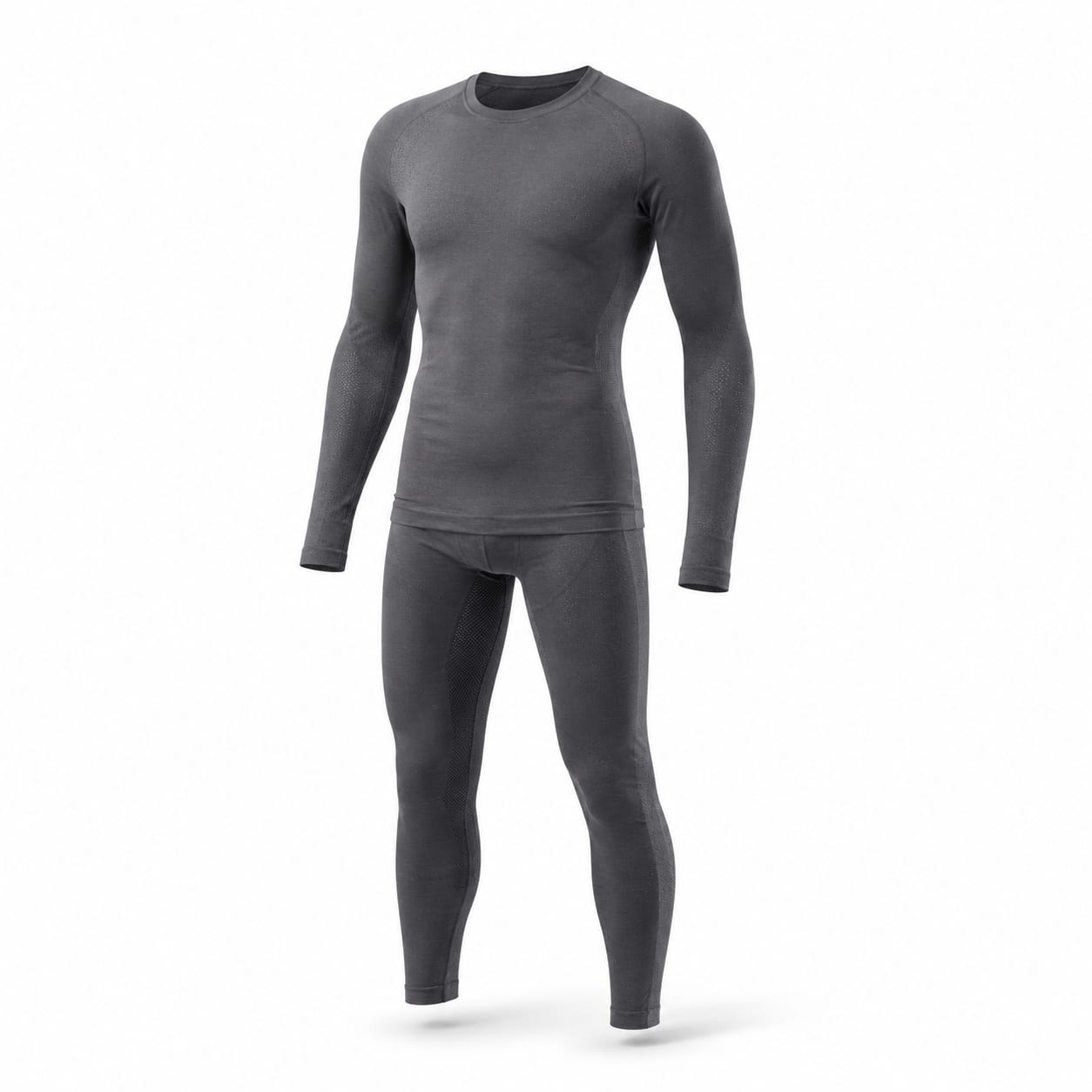
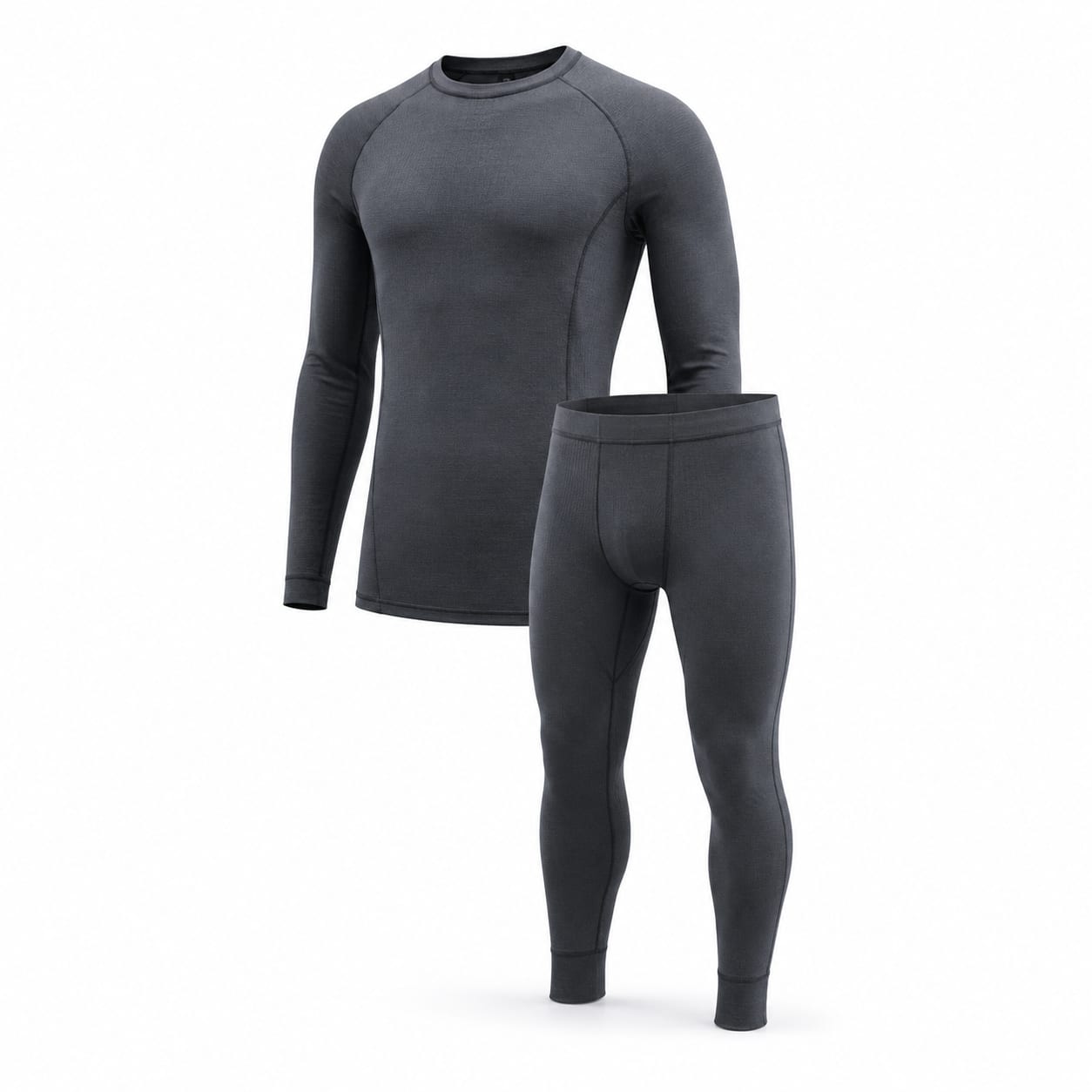
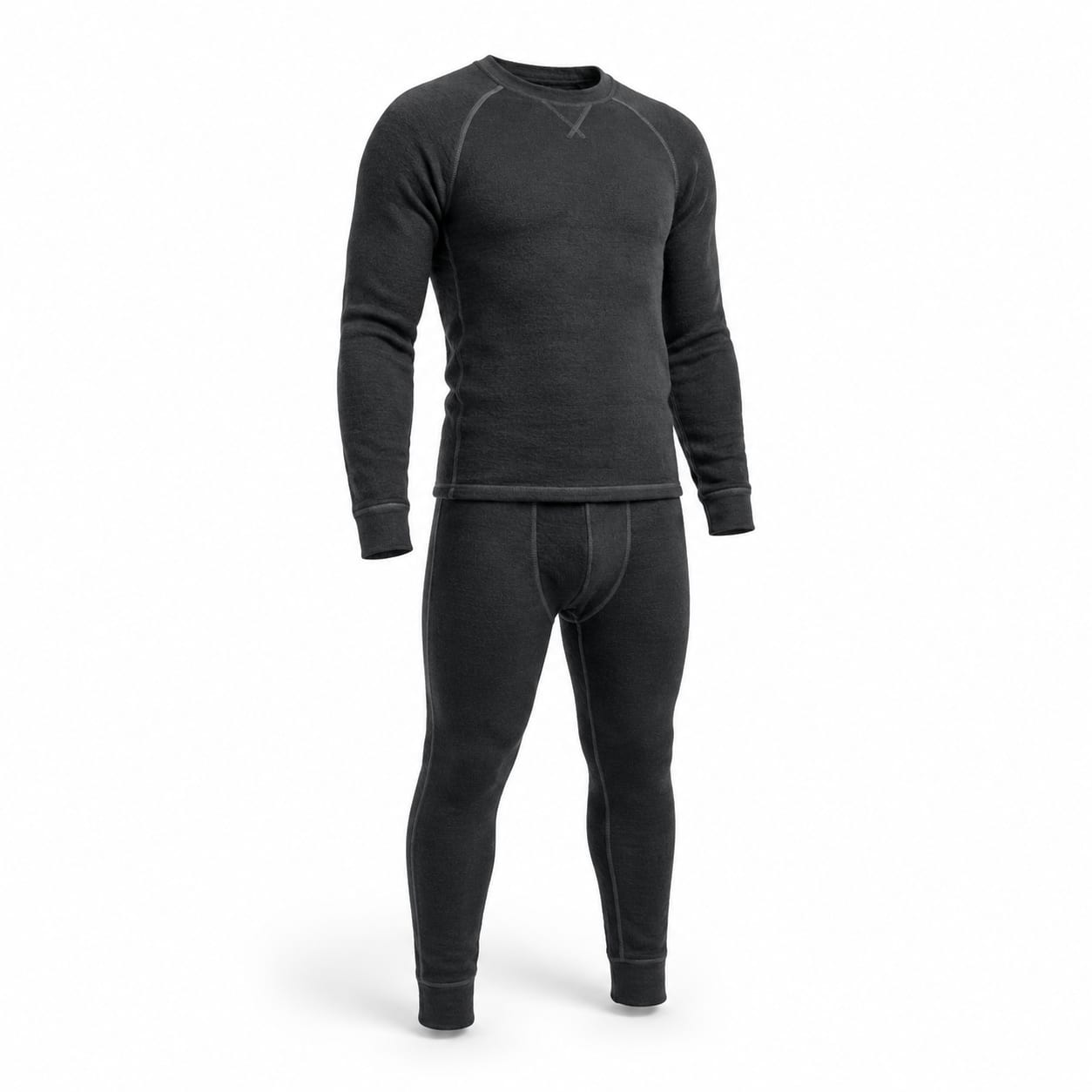
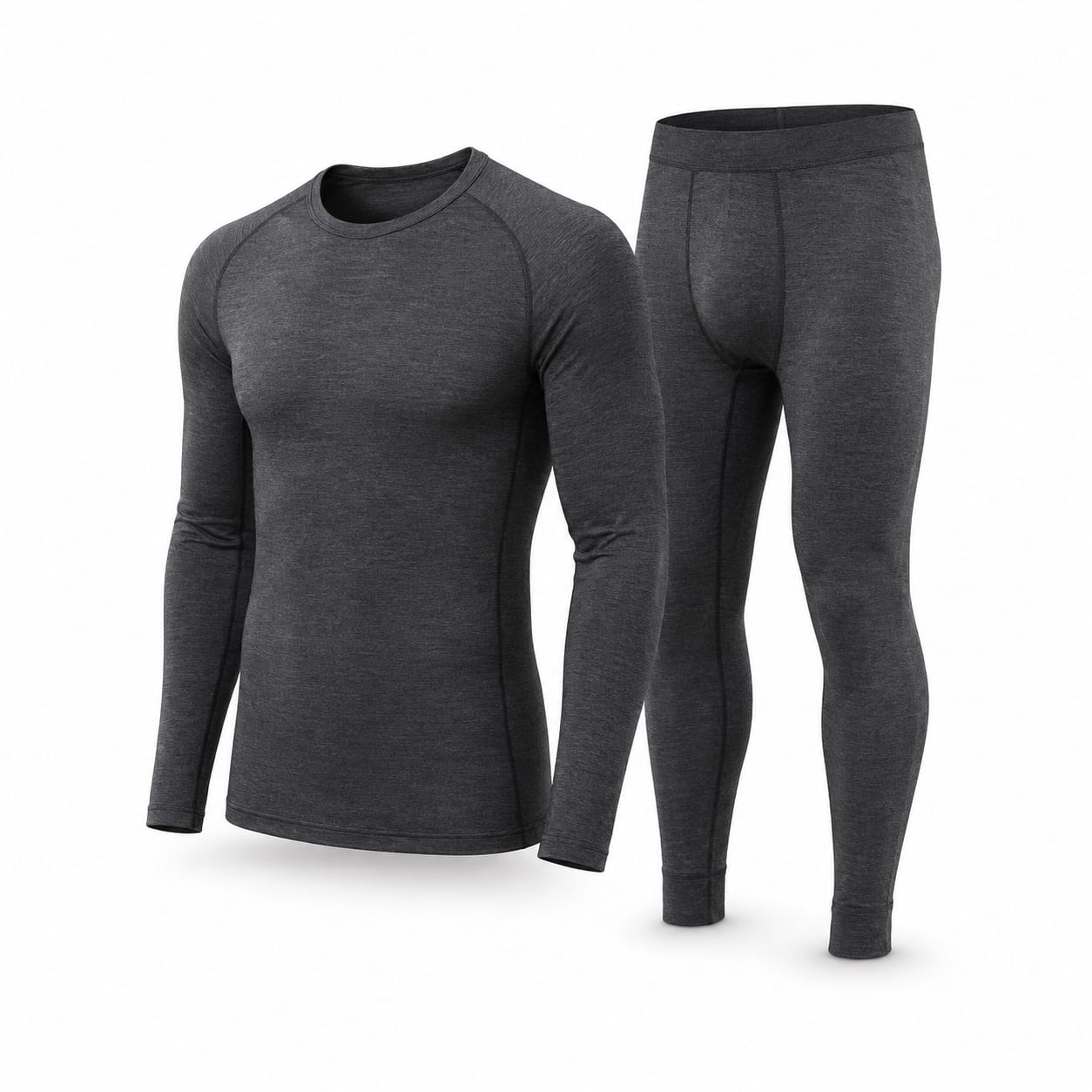
Synthetic base layers are constructed from engineered polyester or nylon fibers, often with specialized knit structures like grid fleeces, channel knits, or body-mapped zones. Unlike natural fibers, synthetics absorb virtually no moisture—polyester retains less than 1% of its weight in water—allowing sweat to move rapidly from skin to fabric surface where it can evaporate. This makes them the preferred choice for skiers who generate significant heat and moisture during activity, particularly backcountry tourers, aggressive resort skiers, and riders who naturally run hot. Modern synthetic base layers have evolved far beyond basic poly-pro undershirts. Premium options feature body-mapped construction with mesh or open-knit zones under the arms and along the spine, heavier knit panels at the core and kidneys, and four-way stretch fabrics that move with the body. Grid fleece interiors create small air pockets for insulation while maintaining channels for moisture transport. The primary trade-off is odor. Synthetic fibers provide no natural antimicrobial properties, meaning bacteria thrive and odors develop within hours of active wear. Silver-ion treatments help but diminish with washing. For multi-day trips without laundry, this is a significant drawback. However, for day trips or tours where performance matters more than freshness, synthetics are hard to beat.

Synthetic base layers dominate the high-performance end of ski underwear for good reason: no other material moves moisture as quickly from your skin to the outside air. When you're skinning up a ridge at 10,000 feet or charging bump runs in spring conditions, the ability to stay dry is the difference between comfort and misery—or worse, between safety and hypothermia when you stop moving and that sweat-soaked layer turns cold against your skin.

The science behind synthetic moisture management comes down to fiber hydrophobia. Polyester absorbs less than 1% of its weight in water compared to merino wool's 30-35%. Instead of soaking up sweat, synthetic fibers create a capillary network through their knit structure that pulls moisture along the fabric surface and spreads it for rapid evaporation. Grid and channel knit patterns amplify this effect by increasing surface area and creating pathways for air circulation. The result is a fabric that feels dry to the touch minutes after you stop sweating, even after sustained high-output activity.

Durability is where synthetics truly separate from natural fibers. A quality polyester base layer can withstand hundreds of wash cycles without pilling, losing shape, or developing holes. Merino wool, by comparison, is prone to thinning at friction points and requires gentle washing to prevent shrinkage and fiber damage. For skiers who launder their base layers frequently—or who are hard on their gear—synthetics offer significantly better long-term value despite their lower initial cost.

The elephant in the room is odor. Without natural antimicrobial properties like those found in merino wool's keratin fibers, synthetic base layers become fragrant quickly. Silver-ion and polygiene treatments applied during manufacturing can extend odor-free wear from hours to a day or two, but these treatments gradually wash out over 20-30 washes. If you're planning a multi-day hut trip or a week-long ski vacation without laundry access, this is a real limitation. Many experienced backcountry skiers solve this by wearing synthetics for high-output approaches and switching to merino for camp and sleeping.

Fit and construction have advanced dramatically in recent years. Body-mapped garments with targeted ventilation zones, seamless or bonded construction that eliminates chafing, and four-way stretch fabrics that move with aggressive skiing motions have all become standard in premium synthetic base layers. These features matter more in synthetics than in merino because the material itself is less naturally conforming—without elastane, polyester can feel rigid and plasticky against the skin. The best modern synthetic base layers incorporate 4-8% elastane for stretch recovery and use flatlock or bonded seams to create a nearly frictionless layering experience.

Quick facts

Primary purpose
Affordable, durable moisture management with rapid drying performance
Popular brands
Under ArmourCraftHelly HansenNikeAdidas
Typical terrain
all terrainresort skiingpark and pipe

What makes it different

Fastest drying time; most durable; most affordable; but retains odor quickly

Recommended ranges

How this type usually specs out

Each spec is explained in plain language, then we show what buyers usually look for on this type.

Material Type

Material Type

What it means

The primary fabric composition of the base layer, which determines moisture management, odor resistance, warmth, durability, and care requirements.

Typical for this type

Synthetic Polyester For Best Wicking And Drying; Synthetic Nylon For Smoother Hand Feel And Abrasion Resistance

In practice

Synthetic base layers are primarily made from polyester or nylon. Polyester is the dominant choice due to its superior moisture wicking, fastest drying time, and lower cost. Nylon offers a silkier hand feel and better abrasion resistance but is slightly slower to dry. Polypropylene is used in niche applications for extreme moisture transport but has significant odor and heat sensitivity drawbacks.

Compared to other types

Synthetic polyester dries 30-50% faster than merino wool and is significantly more durable. However, it lacks merino's natural odor resistance and warm-when-wet properties. Wool blends split the difference but don't excel at either extreme.

Why it matters: The specific synthetic fiber determines the base layer's wicking speed, drying time, durability, and feel against the skin. Polyester grid knits are the most versatile; nylon is preferred when smooth layering under tight outerwear is a priority.

Weight Class

Weight Class

What it means

The fabric weight category, which correlates with warmth, bulk, and intended temperature range. Measured in grams per square meter (g/m²) of fabric.

Typical for this type

Lightweight (130-180 G/M²) For Active Skiing And Touring; Midweight (180-260 G/M²) For Cold Resort Days

In practice

Lightweight synthetic base layers are the most popular because synthetics excel at moisture management during high-output activity where less insulation is needed. Midweight options add warmth for lift-focused resort days. Heavyweight synthetics are uncommon because riders who need that much warmth typically prefer merino's odor resistance for multi-day cold-weather use.

Compared to other types

Synthetic base layers tend to run lighter than merino equivalents because their superior wicking compensates for less insulation. A lightweight synthetic often performs comparably to a midweight merino in active moisture management.

Why it matters: Weight class determines the warmth-to-breathability ratio. Because synthetics dry so fast, you can run a lighter weight than you might with merino and still stay comfortable, relying on mid-layers for insulation.

Fit Type

Fit Type

What it means

How closely the garment conforms to the body, affecting moisture wicking efficiency, layering compatibility, and freedom of movement.

Typical for this type

Slim For Optimal Wicking And Layering; Compression For Racing Or Recovery Focus

In practice

Slim fit is the standard for synthetic base layers because it maintains skin contact for efficient moisture transport while allowing full range of motion. Compression fit is available in some performance-oriented synthetics and may offer muscle support benefits. The stretch inherent in most synthetic fabrics makes slim fit more comfortable than in less elastic materials.

Compared to other types

Synthetics with elastane maintain their slim fit better over a full day of skiing compared to pure merino, which tends to bag out at knees and elbows. This consistent fit is a meaningful advantage for layering performance.

Why it matters: Proper fit ensures the synthetic fabric can do its job—wicking moisture requires contact with skin. Loose-fitting synthetics create air gaps where moisture accumulates and evaporates slowly, negating the material's primary advantage.

Top Style

Top Style

What it means

The neckline and design of the upper-body base layer, affecting ventilation, layering, and comfort.

Typical for this type

Half-Zip Mock Neck For Versatility; Crew Neck For Simplicity And Budget

Most common pick: Zip Neck Half

In practice

Half-zip mock necks are the most popular style for synthetic base layers because they allow instant temperature regulation—open the zip on the skin track, seal it on the lift. The zip also makes the garment easier to put on and take off. Crew necks are common in budget options and work well under jackets with high collars.

Compared to other types

Synthetic half-zips tend to have more technical collar constructions with chin guards and zip garages compared to merino equivalents, reflecting their orientation toward high-output use where zipper chafing is a real concern.

Why it matters: Ventilation control is especially important with synthetics because they don't regulate temperature as naturally as merino. A half-zip lets you dump heat quickly before you start sweating heavily, which is critical for staying dry in the first place.

Bottom Style

Bottom Style

What it means

The length and design of the lower-body base layer, affecting coverage, layering, and boot compatibility.

Typical for this type

3/4 length for optimal boot fit; full length for maximum warmth

Most common pick: Full Length

In practice

Full length is more common in synthetic base layers due to their budget-friendly positioning, but 3/4 length is increasingly popular among performance-oriented skiers who want zero fabric bunching inside their boots. Because synthetics dry fast, the exposed calf gap (covered by ski socks) is less of a moisture concern than it would be with other materials.

Compared to other types

3/4 length is equally recommended across all base layer materials, but it's especially popular with synthetics because performance-focused skiers who choose synthetics for their technical advantages tend to also prioritize boot fit optimization.

Why it matters: Fabric bunching inside ski boots causes pressure points, restricts circulation, and creates cold spots. 3/4 length eliminates this issue entirely. Full length works if your boots have enough volume or you don't experience fit issues.

Moisture Wicking

Moisture Wicking

What it means

The garment's ability to pull perspiration away from the skin and spread it across the fabric surface for evaporation. Critical for staying dry and warm during active skiing.

Typical for this type

Excellent—This Is The Primary Reason to Choose Synthetic

In practice

Synthetic base layers deliver the best moisture wicking performance of any base layer material. Polyester grid knits can move moisture from skin to fabric surface in seconds and feel dry to the touch within minutes of heavy sweating. This is the defining advantage of the subcategory and the main reason to choose it over alternatives.

Compared to other types

Synthetics wick moisture 30-50% faster than merino wool and dry in roughly half the time. Merino absorbs more moisture into the fiber itself, which can feel less clammy initially but means the garment holds more total water. For pure moisture transport speed, synthetics are unmatched.

Why it matters: Moisture wicking is the single most important performance attribute of any ski base layer. Synthetics excel here because the fibers themselves are hydrophobic, and engineered knit structures create efficient capillary networks for moisture transport. Staying dry means staying warm when you stop moving.

Odor Resistance

Odor Resistance

What it means

The garment's ability to resist bacterial growth and associated odors over multiple wears. Affects how many days you can wear the base layer between washes on multi-day trips.

Typical for this type

Low to Moderate Depending On Anti-Odor Treatment

In practice

This is the primary weakness of synthetic base layers. Without natural antimicrobial properties, synthetic fibers provide an ideal surface for odor-causing bacteria. Untreated polyester can develop noticeable odor within 2-4 hours of active wear. Silver-ion or polygiene treatments extend this to 1-2 days but diminish with washing over the garment's life.

Compared to other types

Merino wool offers excellent odor resistance (5+ days) due to natural antimicrobial properties in the keratin fibers. Wool blends provide good resistance (3-4 days). Synthetics are the worst in this category, even with treatments. This is the most common reason skiers choose merino over synthetic.

Why it matters: Odor resistance determines how many days you can wear a base layer between washes on multi-day trips. For day trips with laundry access, this is a minor inconvenience. For hut trips, week-long ski vacations, or backcountry expeditions, it's a significant limitation that may require packing multiple base layers or choosing a different material.

Seam Construction

Seam Construction

What it means

The type and placement of seams, which affect chafing potential, durability, and comfort under layers and gear.

Typical for this type

Flatlock Minimum; Bonded Or Seamless For Premium Comfort

In practice

Flatlock seams are standard on mid-range and above synthetic base layers. The flat stitching profile reduces bulk and chafing under layers and pack straps. Premium synthetics increasingly use bonded or seamless construction for a completely smooth interior. Overlock seams are found only on budget options and should be avoided for active skiing.

Compared to other types

Synthetic base layers more frequently feature bonded and seamless construction than merino equivalents, partly because synthetic fibers are more amenable to heat-bonding techniques and partly because the performance-oriented market for synthetics demands these features.

Why it matters: Seam construction affects comfort under pack straps, harness waistbelts, and tight-fitting outerwear. Because synthetics are often chosen for high-output activities where packs and harnesses are common, seam quality matters more here than in casual merino layers.

Stretch

Stretch

What it means

The garment's ability to stretch and recover, affecting freedom of movement and long-term fit retention.

Typical for this type

4-way stretch with 4-8% elastane for best performance

Most common pick: Four Way

In practice

Most quality synthetic base layers include 4-8% elastane for four-way stretch. This is one of synthetics' advantages over pure merino—the elastane provides consistent stretch and recovery throughout the day. Two-way stretch is found in budget options, and minimal stretch is rare in modern synthetics.

Compared to other types

Synthetics with elastane maintain their fit significantly better over a full day of skiing compared to pure merino, which tends to bag out at stress points. This is a meaningful advantage for layering consistency and long-term garment life.

Why it matters: Four-way stretch allows unrestricted movement during aggressive skiing, maintains fit over long days, and helps the garment layer smoothly under other layers. The elastane also helps synthetics retain their shape over hundreds of wash cycles, a key durability advantage.

Gender

Gender

What it means

The intended gender fit of the garment, which affects cut, proportions, and anatomical features.

Typical for this type

Choose Gender-Specific For Optimal Fit; Unisex Only If Gender-Specific Unavailable

Most common pick: Mens And Womens Specific Cuts Widely Available

In practice

Synthetic base layers are available in men's and women's specific cuts from all major manufacturers. Women's cuts feature narrower shoulders, shorter torso, wider hips, and contoured waist. Men's cuts have broader shoulders, longer torso, and a front fly on bottoms. Unisex options exist in budget lines but fit neither gender optimally.

Compared to other types

Synthetic base layers tend to offer more gender-specific options than merino at equivalent price points, partly because synthetic fabrics are easier to engineer for different body shapes through varying knit structures and elastane content.

Why it matters: Proper gender-specific fit ensures the synthetic fabric maintains contact with skin for effective wicking. Poor fit at hips, waist, or shoulders creates air gaps that undermine moisture management—the primary reason to choose synthetics in the first place.

Warmth Rating

Warmth Rating

What it means

The perceived warmth level of the garment, combining material, weight, and construction into a single comparative metric.

Typical for this type

Light to Moderate For Active Skiing; Moderate

In practice

Most synthetic base layers fall in the light to moderate warmth range, reflecting their orientation toward high-output activities where breathability matters more than insulation. Because synthetics dry so fast, a lightweight synthetic often provides comparable effective warmth to a midweight merino—you stay warmer because you stay drier. Heavyweight synthetics exist but are less common.

Compared to other types

A lightweight synthetic base layer can feel warmer than a midweight merino during active skiing because it keeps you drier. However, merino provides better warmth-when-wet performance if you do get soaked, and merino feels warmer against the skin during sedentary periods like lift rides.

Why it matters: Warmth rating must be matched to your activity level and conditions. With synthetics, it's better to err on the side of less warmth and rely on mid-layers for insulation, because the material's strength is moisture management during high output, not static insulation during rest.

Thumbholes

Thumbholes

What it means

Whether the top includes thumbholes at the cuff to keep sleeves in place and provide hand coverage during layering.

Typical for this type

Yes For Cold Weather And Under-Glove Layering; No For Simplicity

Most common pick: Varies By Model

In practice

Thumbholes are available on many synthetic base layer tops, particularly midweight and heavyweight models. They prevent sleeve ride-up when putting on jackets and add wrist warmth. Some skiers find them essential; others never use them. Hidden thumbhole designs that tuck away when not in use are increasingly common.

Compared to other types

Thumbholes are equally available across material types but are slightly more common in synthetic base layers due to the performance-focused design philosophy of most synthetic garment manufacturers.

Why it matters: Thumbholes are a convenience feature that becomes valuable in cold conditions. They're more common in synthetic base layers than merino because the performance-oriented market for synthetics demands these technical features.

Gusseted Crotch

Gusseted Crotch

What it means

Whether the bottom base layer includes a diamond or triangular fabric panel at the crotch for enhanced mobility and reduced seam stress.

Typical for this type

Yes For Snowboarding And Aggressive Skiing; Acceptable to Skip For Casual Resort Skiing

Most common pick: True On Performance Models

In practice

Gusseted crotches are increasingly common in performance synthetic base layers, especially those designed for snowboarding where deep bending and sitting are frequent. The diamond-shaped panel eliminates the 4-seam intersection point, reducing chafing and increasing range of motion. Budget synthetic bottoms often lack this feature.

Compared to other types

Gusseted crotches are more common in synthetic base layers than merino because the performance market for synthetics demands these features and synthetic fabrics are easier to engineer with complex panel shapes.

Why it matters: A gusseted crotch makes a noticeable difference during high-mobility activities like snowboarding, mogul skiing, and backcountry touring where you're frequently bending, straddling, or sitting. It also reduces seam failure at the highest-stress point of the garment.

Fly Type

Fly Type

What it means

The type of front opening on men's base layer bottoms, affecting convenience and comfort.

Typical for this type

Personal Preference; Horizontal Fly For Lower Profile Under Layers

Most common pick: Vertical Fly

In practice

Vertical flies are standard on men's synthetic base layer bottoms. Horizontal flies are becoming more common in performance-oriented models because they lie flatter under layers. No-fly designs appear in some compression-style bottoms. This is a minor convenience feature with no performance impact beyond layering bulk.

Compared to other types

Fly type options are similar across material types. Horizontal flies are slightly more common in synthetic base layers because the performance market prioritizes low-profile layering.

Why it matters: Fly type is purely a personal preference issue. Horizontal flies are slightly lower profile under tight mid-layers, which matters more for performance-oriented synthetic base layers that are often layered under fitted outerwear.

Body-Mapped Construction

Body-Mapped Construction

What it means

Whether the garment uses strategically placed fabric zones with different weights, textures, or knit structures to optimize warmth and breathability where needed.

Typical for this type

Yes For Variable-Output Days; Not Critical For Consistent-Pace Skiing

Most common pick: True On Mid-Range And Premium Models

In practice

Body-mapped construction is a major trend in synthetic base layers and is more common here than in any other subcategory. Typical configurations include mesh or open-knit zones under the arms and along the spine for ventilation, denser knit at the core and kidneys for warmth, and seamless transitions between zones. This is where synthetics' engineering flexibility really shines.

Compared to other types

Body-mapped construction is more common and more sophisticated in synthetic base layers than in merino because synthetic fibers can be knit in a wider variety of structures and weights. Merino body-mapped garments exist but are less common and more expensive due to manufacturing complexity.

Why it matters: Body mapping addresses the fundamental challenge of ski base layers: you need insulation during cold lift rides but breathability during high-output skiing. Zoned construction provides both in a single garment, making it especially valuable for backcountry skiing where you alternate between climbing and descending.

UPF Rating

UPF Rating

What it means

Ultraviolet Protection Factor rating indicating how effectively the fabric blocks UV radiation. Relevant for high-altitude spring skiing.

Typical for this type

UPF 30+ For Spring Skiing At Altitude; Not Critical For Mid-Winter

Most common pick: None Rated to Upf 30

In practice

Most synthetic base layers are not UPF-rated because they're typically worn under other layers during winter. However, the dense knit structure of most synthetics provides inherent UV protection equivalent to UPF 30-50 even without a formal rating. Spring touring setups where the base layer may be worn as an outer layer benefit most from a rated garment.

Compared to other types

Merino wool naturally provides excellent UV protection (typically UPF 40-50+) due to the fiber's protein structure. Synthetics can achieve similar ratings through fabric density but don't have inherent UV-blocking properties. In practice, both provide adequate protection when worn as intended under outer layers.

Why it matters: UV protection matters during spring skiing at high altitude where radiation is intense and reflects off snow. If you tour in a base-layer-only setup during spring, a UPF rating becomes relevant. For mid-winter resort skiing under a jacket, it's irrelevant.

Waistband Type

Waistband Type

What it means

The style and construction of the waistband on bottom base layers, affecting comfort under layers and during movement.

Typical for this type

Wide Yoga-Style For Comfort; Drawcord For Adjustable Fit

Most common pick: Elastic

In practice

Elastic waistbands are standard on budget and mid-range synthetic base layer bottoms. Wide yoga-style bands are increasingly popular in women's models and premium unisex options for their comfort under layers. Drawcord waistbands appear on some performance models. Integrated knit-in waistbands are found on seamless constructions.

Compared to other types

Waistband options are similar across material types, but synthetic base layers more frequently feature drawcord waistbands because the performance market values adjustable fit during high-mobility activities.

Why it matters: Waistband comfort matters because you're wearing it under ski pants, possibly with a belt, and potentially under a harness. A waistband that digs in, rolls, or creates bulk can be a persistent annoyance throughout the day. Wide, flat waistbands are the most comfortable under layers.

Evaluation

Strengths and trade-offs

Pros

What this type does best

Fastest Drying Time

Critical

Synthetic base layers dry 30-50% faster than merino wool. A soaked synthetic top can feel dry within 10-15 minutes of ceasing activity, while merino may take 30+ minutes. This is the single most important advantage for high-output skiing where staying dry is critical for warmth and comfort.

Superior Durability

High

Polyester and nylon withstand hundreds of wash cycles without pilling, thinning, or losing shape. Merino wool is prone to holes at friction points and requires gentle washing. A synthetic base layer typically lasts 2-3 times longer with regular use and laundering.

Best Moisture Wicking

Critical

Synthetic fibers are hydrophobic and engineered with knit structures that create efficient capillary networks for moisture transport. They move sweat from skin to fabric surface faster than any other material, keeping you drier during intense activity.

Lower Cost

High

Quality synthetic base layers typically cost 30-50% less than equivalent merino wool garments. A good polyester base layer top runs $40-80 compared to $80-150 for comparable merino. This price advantage compounds if you need multiple sets for a ski week.

Excellent Shape Retention

Medium

With elastane content, synthetic base layers maintain their fit throughout a full day of skiing and over hundreds of wash cycles. Merino tends to bag out at knees and elbows by day's end, especially without stretch fibers blended in.

Wide Availability of Technical Features

Medium

Body-mapped construction, grid fleece interiors, seamless designs, and advanced seam construction are more commonly available in synthetic base layers at lower price points. The engineering flexibility of synthetic fibers enables more sophisticated garment designs.

Easy Care

Medium

Machine wash warm, tumble dry low or hang dry—synthetics are nearly indestructible in the laundry. No special detergents, no fear of shrinkage, no need for garment bags. This matters when you're washing base layers every day during a ski trip.

Cons

Trade-offs to be aware of

Poor Odor Resistance

Significant

The biggest drawback. Synthetic fibers provide no natural antimicrobial properties, and odor-causing bacteria thrive on the surface. Even with silver-ion treatments, most synthetic base layers develop noticeable smell within 1-2 days of active wear. Treatments wear off after 20-30 washes. This is the primary reason skiers choose merino over synthetic.

Clammy When Wet

Moderate

While synthetics wick and dry faster, they can feel clammy against the skin when saturated because the moisture sits on the fiber surface rather than being absorbed into it. Merino absorbs moisture into the fiber core, which can feel less immediately wet against the skin even when holding more total water.

Cold When Wet

Moderate

Unlike merino wool, which generates heat through moisture absorption (heat of sorption), synthetic fibers provide no warming effect when damp. If you do get soaked—whether from sweat or external moisture—a wet synthetic base layer feels cold against the skin immediately.

Environmental Concerns

Moderate

Synthetic base layers are made from petroleum-based fibers that shed microplastics during washing. They don't biodegrade at end of life. Recycled polyester options are increasingly available but still represent a less sustainable choice than natural fibers. This matters to environmentally conscious skiers.

Less Natural Temperature Regulation

Minor

Merino wool has a unique ability to buffer temperature changes through moisture absorption and release. Synthetics lack this property and feel more binary—either warm or cool depending on activity level. This makes them less comfortable during variable-output days without body-mapped construction or zip ventilation.

Can Feel Plastic-Like

Minor

Lower-quality synthetic base layers can have a distinctly synthetic hand feel that some skiers find uncomfortable against the skin. Premium synthetics with brushed interiors and elastane blends mitigate this, but the material never matches merino's natural softness.

Best for

Terrain

Backcountry touring routesSteep and deep powderMogul fieldsSpring corn snowSidecountry access gates

Snow conditions

Warm winter days (25-35°F / -4 to 2°C)Spring conditionsHigh-output activities in any temperatureVariable conditions with alternating exertion and rest

Skill level

Intermediate to expertAggressive skiers who generate significant heatBackcountry skiers and splitboardersRacers and race trainers

Riding style

High-output touring and skinningAggressive all-mountain skiingPark and pipeMogul skiingSpring skiing with minimal layers

Rider profile

Hot sweaters who soak through merinoBackcountry tourers prioritizing moisture managementBudget-conscious skiers needing durable daily driversSkiers who wash base layers after every useAthletic skiers who value stretch and mobilitySkiers with sensitive skin who prefer smooth, consistent texture

Not ideal for

Reasons

Odor buildup makes synthetics unsuitable for multi-day trips without washingLack of warm-when-wet performance is a liability in extreme coldClammy feel when damp is uncomfortable for low-output activitiesBeginners who move slowly generate less sweat and benefit more from merino's natural temperature regulationEnvironmental impact concerns for sustainability-focused skiers

Terrain

Extreme cold environments where static insulation matters mostMulti-day hut trips without laundry access

Skill level

Complete beginners who move slowly and generate little heatVery casual skiers who prioritize comfort over performance

Riding style

Slow-paced scenic touringSedentary lift riding in extreme coldAprès-ski lounging

Compare

How it stacks up

This page

Synthetic Base Layers

Dries significantly faster, wicks moisture better, lasts longer, costs less, and maintains fit throughout the day. Easier to care for with no special washing requirements.

Alternative

Merino Wool Base Layers

Excellent odor resistance allows 5+ days of wear between washes. Warm-when-wet properties provide safety margin in extreme conditions. Natural temperature regulation and softer hand feel against the skin.

Bottom line

Choose synthetic for high-output day trips, backcountry touring, and budget-conscious daily use. Choose merino for multi-day trips, extreme cold, and riders who prioritize odor control and natural fiber comfort.

This page

Synthetic Base Layers

Pure synthetics wick and dry faster than blends, cost less, and offer more consistent performance characteristics. No compromise on moisture management for the sake of odor resistance.

Alternative

Wool-Synthetic Blend Base Layers

Blends offer meaningful odor resistance (3-4 days) while maintaining better durability than pure merino. They provide a middle ground that works well for general resort skiing without the extremes of either pure material.

Bottom line

Choose pure synthetic if maximum wicking and drying speed is your priority, especially for high-output activities. Choose blends if you want reasonable odor resistance with better durability than pure merino, and you don't need the absolute fastest moisture transport.

This page

Synthetic Base Layers

Polyester is more versatile, easier to care for, and doesn't melt under high heat. It's more widely available in various constructions and price points. Better overall balance of performance characteristics.

Alternative

Polypropylene Base Layers

Polypropylene absorbs virtually zero moisture and transports sweat even faster than polyester. It's the ultimate moisture-moving material for extreme high-output activities in very cold conditions.

Bottom line

Choose polyester for general skiing—it's more practical and versatile. Consider polypropylene only if you're an extreme high-output user in very cold conditions who prioritizes moisture transport above all else, including odor and heat sensitivity.

This page

Synthetic Base Layers

Synthetics are far more durable, wick moisture dramatically better, and cost less. They're available in a wider range of weights and constructions suitable for serious skiing.

Alternative

Silk Base Layers

Silk offers unmatched luxury hand feel, excellent packability for travel, and natural temperature regulation. It's the most comfortable material against the skin for those who can afford and carefully maintain it.

Bottom line

Choose synthetic for any serious skiing application. Silk is only appropriate for casual resort skiing in mild conditions or travel layering where packability and comfort matter more than performance and durability.

Shopping

Buying tips

  • 1

    Prioritize grid fleece or channel knit interiors over smooth jersey knits—the textured interior creates air pockets for insulation and channels for moisture transport, significantly improving performance in both categories.

  • 2

    Look for body-mapped construction with mesh underarm panels and denser core knitting if you ski variable-output days. This feature is more commonly available and affordable in synthetics than other materials.

  • 3

    Don't over-invest in heavyweight synthetics—if you need that much warmth, merino's odor resistance makes more sense for the multi-day cold-weather use cases where heavyweight base layers are appropriate.

  • 4

    Choose half-zip over crew neck tops for the ventilation control. Synthetics don't regulate temperature as naturally as merino, so the ability to dump heat quickly before you start sweating heavily is critical.

  • 5

    Consider 3/4 length bottoms if you have any boot fit sensitivity. The elimination of fabric bunching inside your boots improves comfort and circulation more than the marginal warmth loss at the calf.

  • 6

    Check elastane content—4-8% is ideal for stretch and recovery. Below 2%, the garment may feel restrictive and bag out over time. Above 10%, the base layer may feel too tight and less breathable.

  • 7

    If odor is a concern but you want synthetic performance, look for silver-ion or polygiene treatments. They extend odor-free wear from hours to a day or two, though they do diminish with washing over the garment's life.

  • 8

    Size down rather than up if you're between sizes. Synthetic base layers with stretch are designed to fit close to the skin for optimal wicking, and the elastane will accommodate a slightly smaller size comfortably.

  • 9

    Wash new synthetic base layers before first use to remove manufacturing residues that can impede moisture wicking and cause skin irritation.

  • 10

    Consider recycled polyester options from brands like Patagonia, Outdoor Research, and others—they perform identically to virgin polyester with a significantly reduced environmental footprint.

Care

Maintenance notes

  • Machine wash in warm water (105°F / 40°C) with standard detergent. Avoid fabric softeners, which coat the fibers and dramatically reduce moisture wicking performance.
  • Tumble dry on low heat or hang dry. High heat can damage elastane fibers and reduce stretch recovery over time. Avoid ironing.
  • Do not store damp synthetic base layers in ski bags, gym bags, or enclosed spaces—the lack of odor resistance means bacteria will multiply rapidly and create permanent odor that's difficult to remove.
  • Turn garments inside out before washing to remove body oils and bacteria from the interior surface where they accumulate most.
  • If silver-ion odor treatments are present, avoid using bleach or harsh detergents that accelerate treatment degradation. Gentle detergents extend the effective life of anti-odor treatments.
  • Zip up all zippers before washing to prevent the zipper teeth from snagging and damaging the fabric or other garments in the load.
  • For persistent odor, soak in a 1:1 white vinegar and water solution for 30 minutes before washing. Vinegar kills odor-causing bacteria without damaging the fabric.
  • Replace synthetic base layers when you notice permanent odor (even after vinegar treatment), significant pilling, loss of stretch recovery, or thinning at friction points like inner thighs and underarms.

Progression

Skill development path

Synthetic base layers serve skiers across a wide skill range but are most impactful for intermediate-to-expert skiers who generate significant heat and moisture during activity. Beginners who move slowly and spend more time standing or sitting may not sweat enough to benefit from synthetics' superior wicking, and may prefer merino's natural temperature regulation. As skiers progress and push harder—charging bumps, skiing steep terrain, touring in the backcountry—the moisture management advantages of synthetics become increasingly valuable. Expert skiers and backcountry tourers often develop a quiver approach: synthetics for high-output days and approaches, merino for low-output days and camp wear, and blends for general resort skiing.

FAQ

Common questions

Each question has a dedicated page with a full answer and links to the buying guide.

How do I prevent my synthetic base layer from smelling?

Wash after every use if possible—this is the most effective approach. If you must wear it multiple days, rinse it out with water and hang it to dry overnight; this removes most bacteria and sweat residue. Soak in a 1:1 white vinegar and water solution for 30 minutes before washing to kill embedded bacteria. Look for silver-ion or polygiene-treated synthetics, which extend odor-free wear from hours to 1-2 days. Never store a damp synthetic base layer in your ski bag—that creates a bacteria incubator.

Is synthetic or merino better for backcountry skiing?

For the uphill approach, synthetic is generally better because you'll sweat heavily and need the fastest possible moisture transport and drying. For the descent and camp, merino's odor resistance and warm-when-wet properties are advantageous. Many experienced backcountry skiers use a hybrid approach: synthetic base layer for the skin up, then switch to a merino top for the descent and evening. If you can only choose one, synthetic's superior moisture management during the high-output climb makes it the safer choice for backcountry use.

Can I wear a synthetic base layer multiple days in a row?

Realistically, no—unless it has an effective anti-odor treatment and you didn't sweat heavily. Untreated synthetic base layers develop noticeable odor within 2-4 hours of active wear. Silver-ion treatments extend this to 1-2 days, but the treatments degrade with washing over the garment's life. For multi-day ski trips without laundry access, merino wool is a better choice. If you must re-wear synthetic, rinse it out and dry it completely between uses.

What weight synthetic base layer should I get for resort skiing?

For most resort skiing, lightweight (130-180 g/m²) is the best choice if you ski aggressively or run hot, while midweight (180-260 g/m²) is better if you run cold or spend more time sitting on lifts. Because synthetics dry so fast, you can run a lighter weight than you might with merino and still stay comfortable—your effective warmth comes from staying dry, not from fabric insulation. It's always easier to add a mid-layer for warmth than to deal with an overheating base layer.