
Body-mapped construction makes a noticeable difference if you ski variable-output days—like backcountry touring where you alternate between high-output climbing and cold descents, or resort days where you charge hard then sit on a cold lift. The mesh underarm zones and denser core panels provide ventilation where you sweat most and insulation where you need it. If you ski at a consistent pace or primarily do short resort runs, uniform fabric is perfectly adequate and costs less.
Ski Underwear · Synthetic Base Layers
Do I need body-mapped construction, or is uniform fabric fine?
Related gear types
If this answer nudged you toward a different style, these guides compare specs and trade-offs.
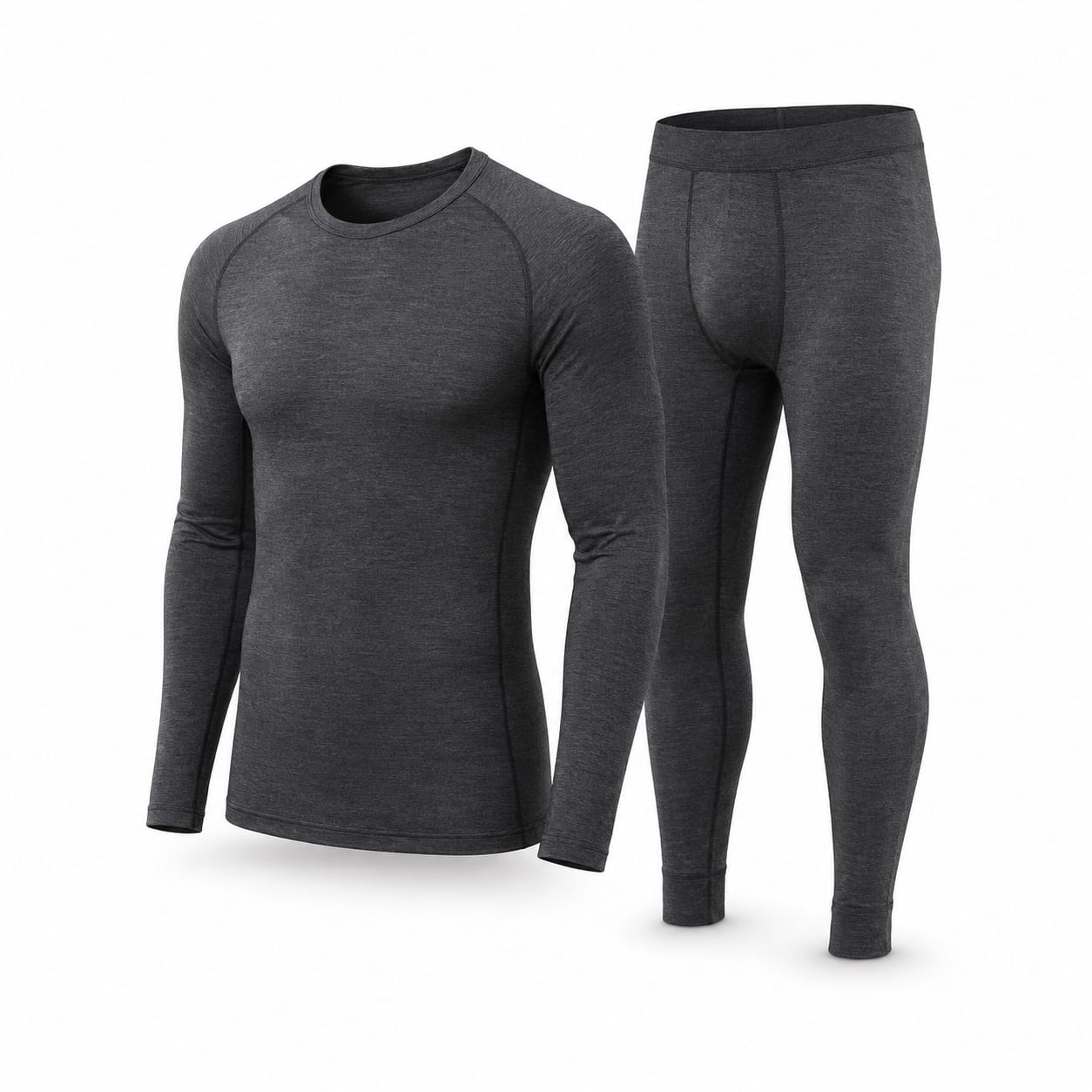
Merino Wool Base Layers
$50 – $200
Premium natural-fiber base layers prized for odor resistance, temperature regulation, and next-to-skin comfort.
natural odor resistanceexcellent thermoregulationsoft next-to-skin feel
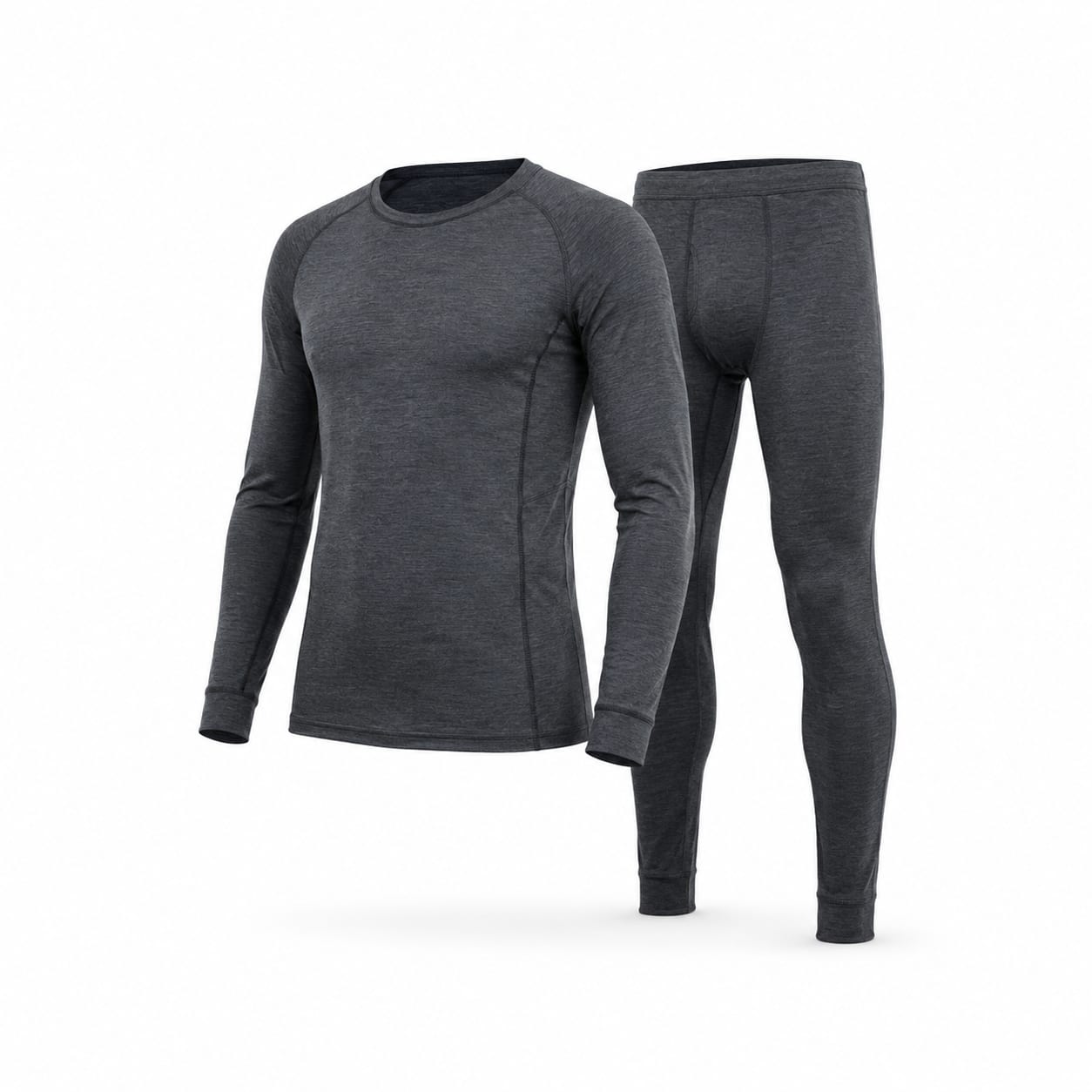
Merino-Synthetic Blend Base Layers
$40 – $140
Hybrid base layers combining merino wool comfort and odor resistance with synthetic durability and dry time.
merino interior facesynthetic exteriorbalanced odor resistance
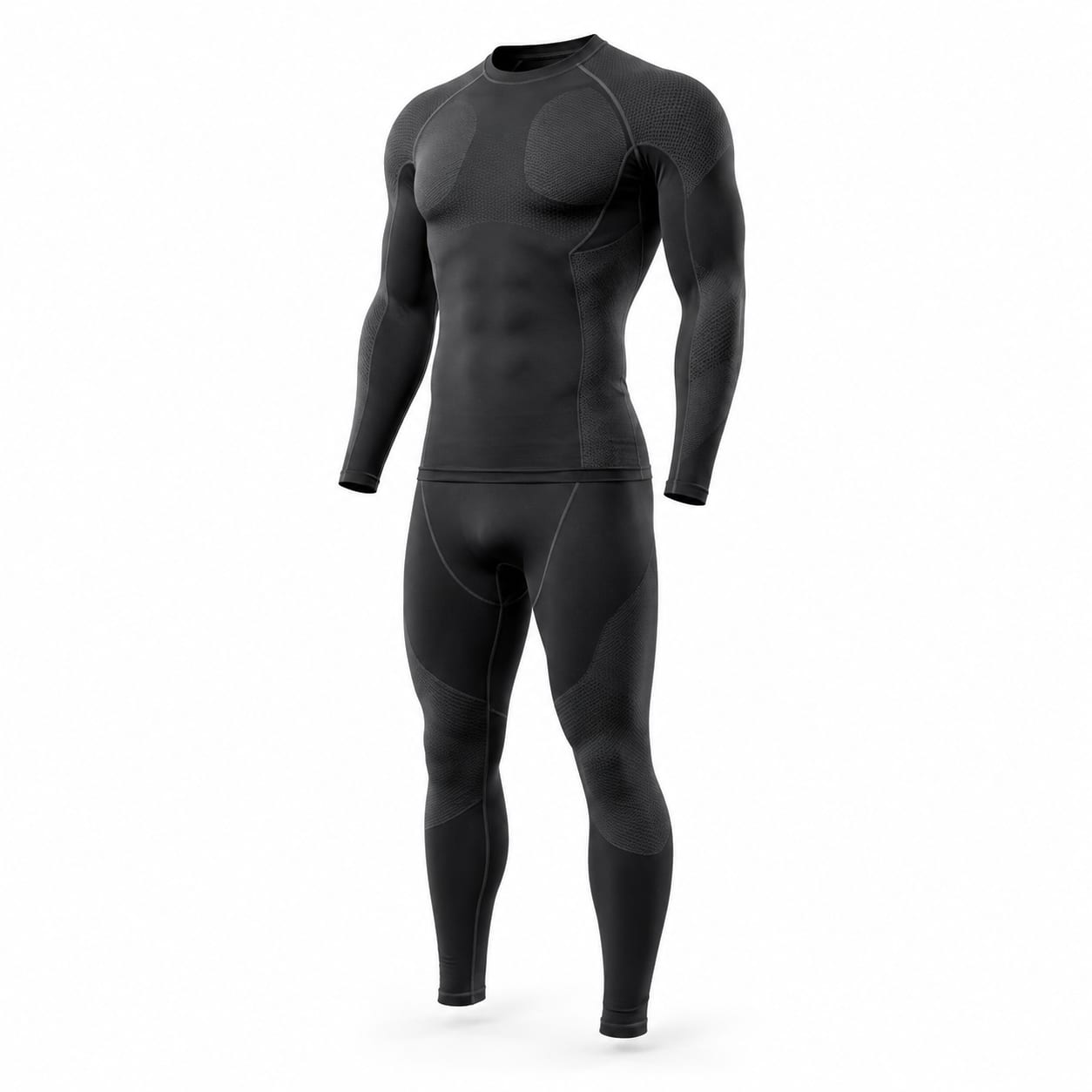
Compression Base Layers
$40 – $130
Tight-fitting performance base layers providing muscle support and enhanced circulation during skiing.
graduated compressiontight body-hugging fitmuscle stabilization
More questions
- How do I prevent my synthetic base layer from smelling?
- Is synthetic or merino better for backcountry skiing?
- Can I wear a synthetic base layer multiple days in a row?
- What weight synthetic base layer should I get for resort skiing?