
For most resort skiing, lightweight (130-180 g/m²) is the best choice if you ski aggressively or run hot, while midweight (180-260 g/m²) is better if you run cold or spend more time sitting on lifts. Because synthetics dry so fast, you can run a lighter weight than you might with merino and still stay comfortable—your effective warmth comes from staying dry, not from fabric insulation. It's always easier to add a mid-layer for warmth than to deal with an overheating base layer.
Ski Underwear · Synthetic Base Layers
What weight synthetic base layer should I get for resort skiing?
Related gear types
If this answer nudged you toward a different style, these guides compare specs and trade-offs.
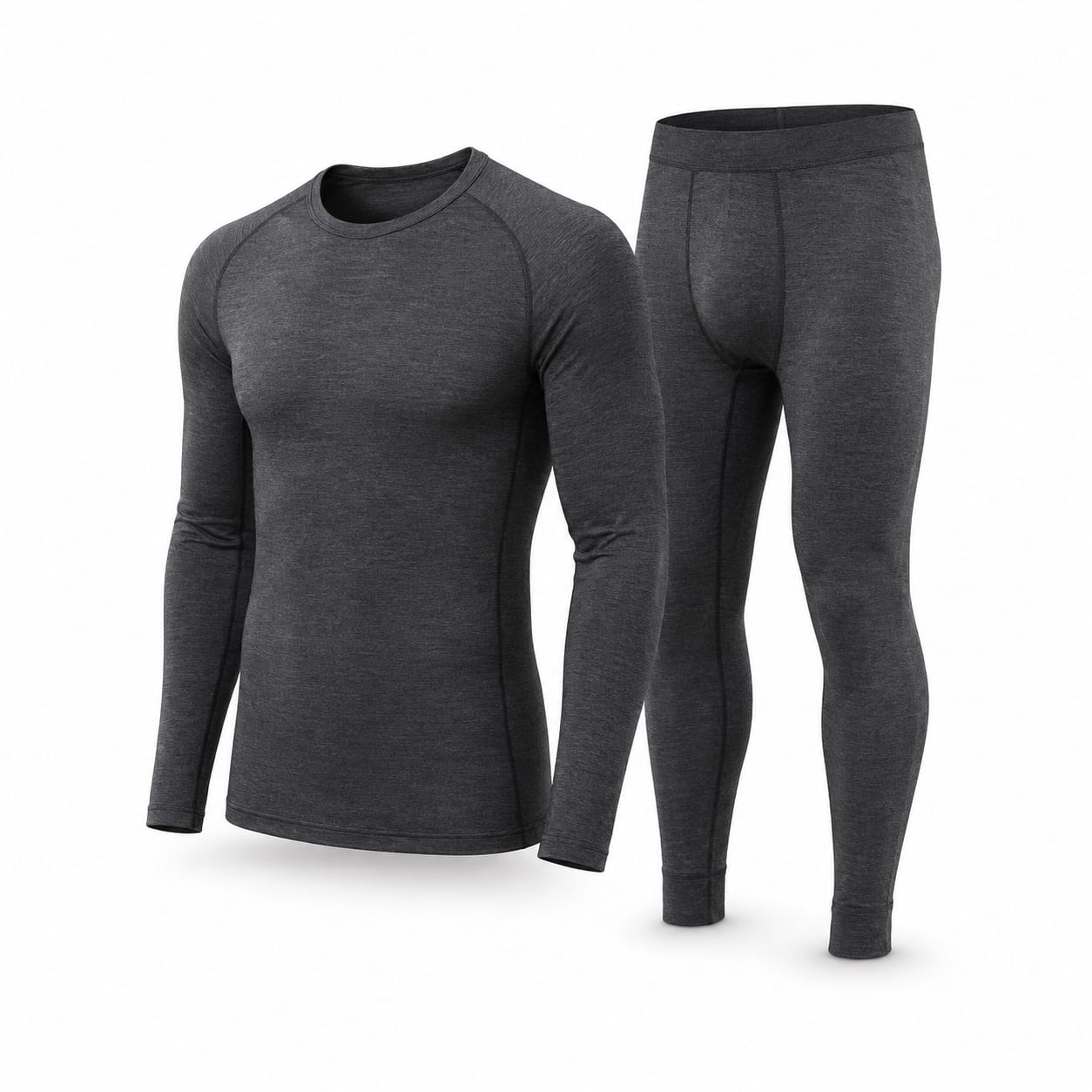
Merino Wool Base Layers
$50 – $200
Premium natural-fiber base layers prized for odor resistance, temperature regulation, and next-to-skin comfort.
natural odor resistanceexcellent thermoregulationsoft next-to-skin feel
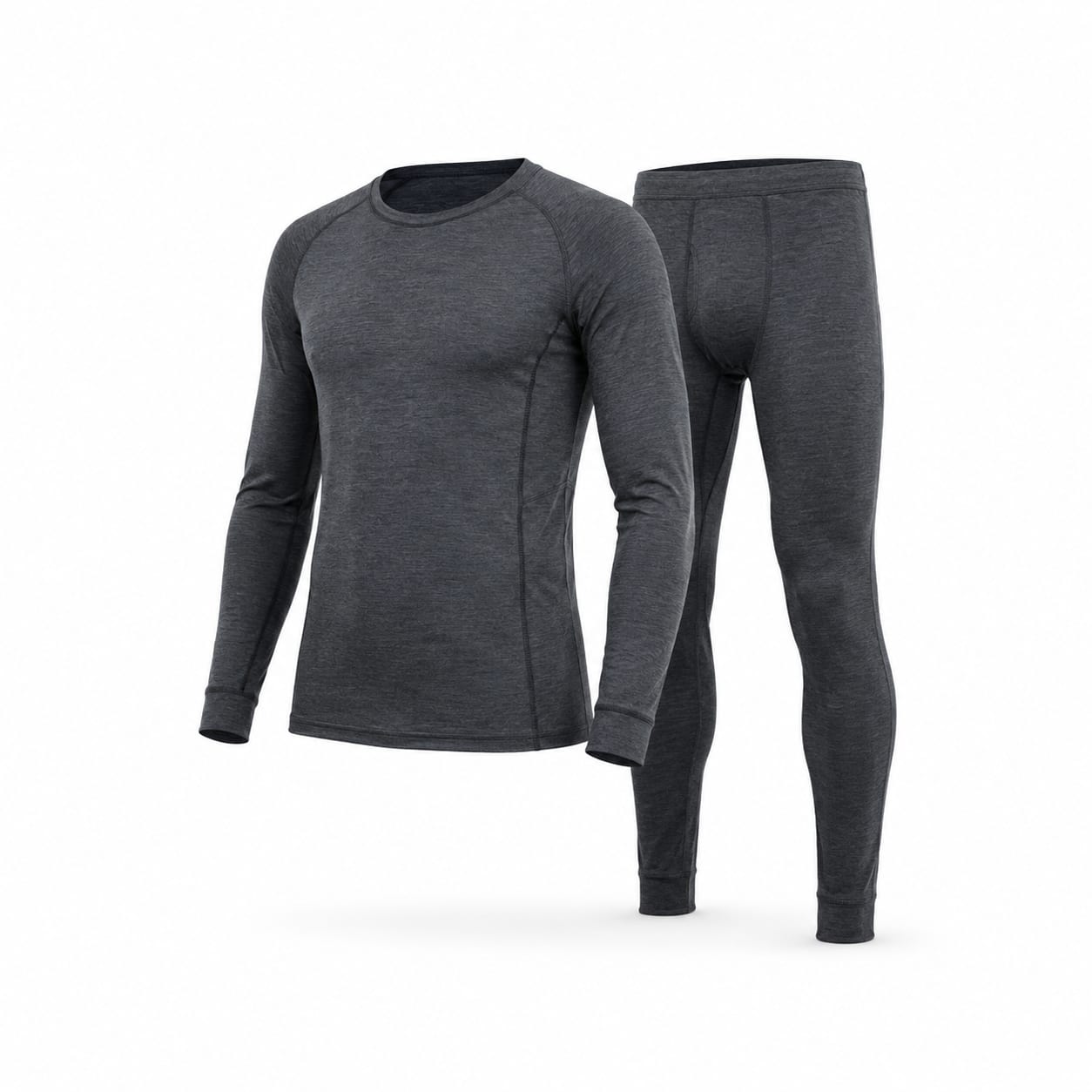
Merino-Synthetic Blend Base Layers
$40 – $140
Hybrid base layers combining merino wool comfort and odor resistance with synthetic durability and dry time.
merino interior facesynthetic exteriorbalanced odor resistance
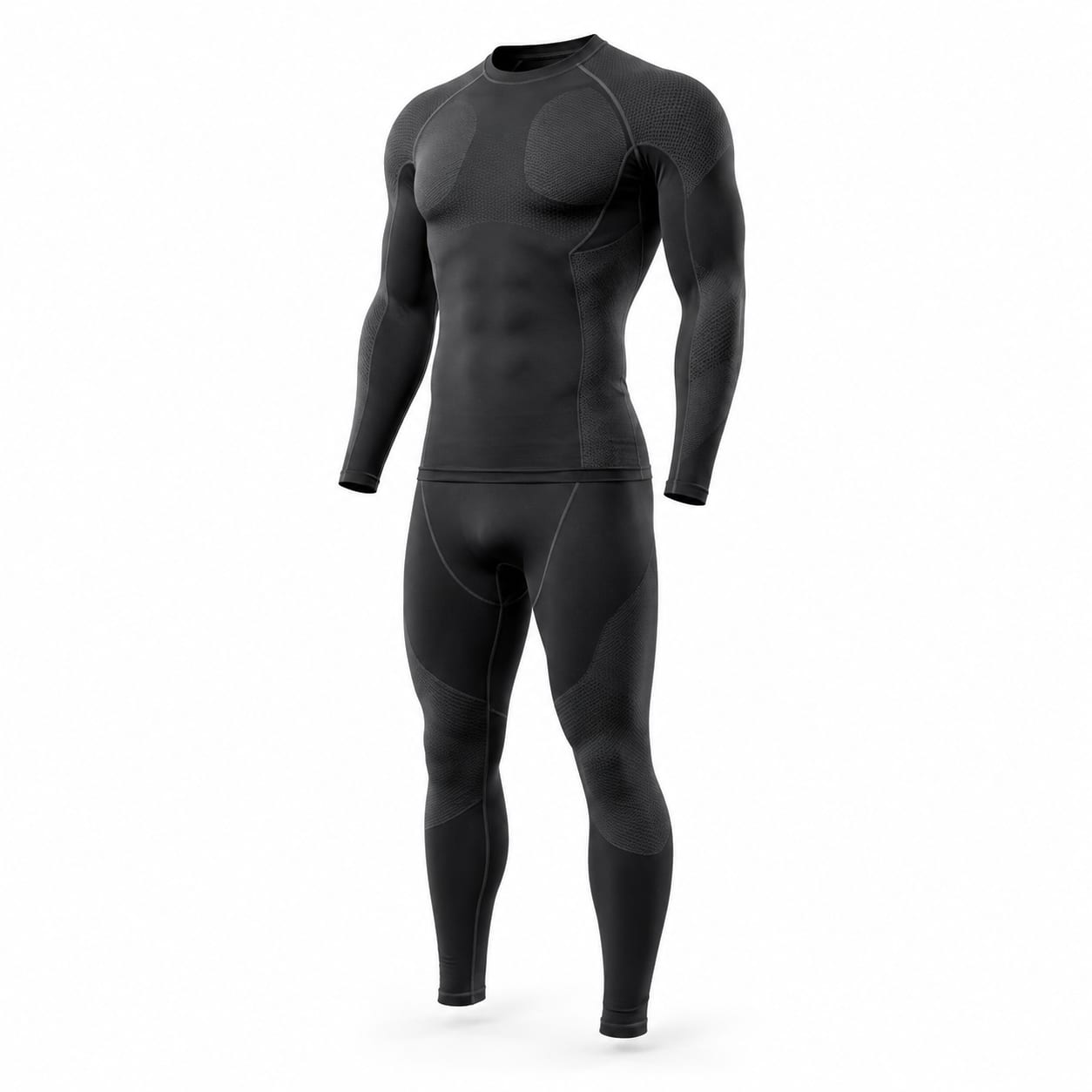
Compression Base Layers
$40 – $130
Tight-fitting performance base layers providing muscle support and enhanced circulation during skiing.
graduated compressiontight body-hugging fitmuscle stabilization
More questions
- How do I prevent my synthetic base layer from smelling?
- Is synthetic or merino better for backcountry skiing?
- Can I wear a synthetic base layer multiple days in a row?
- Do I need body-mapped construction, or is uniform fabric fine?