
Skis · FAQ
Questions about Nordic Backcountry / Touring Skis
Straight answers on fit, specs, and when this type makes sense — each topic has its own page with links back to the buying guide.
Open Nordic Backcountry / Touring Skis guide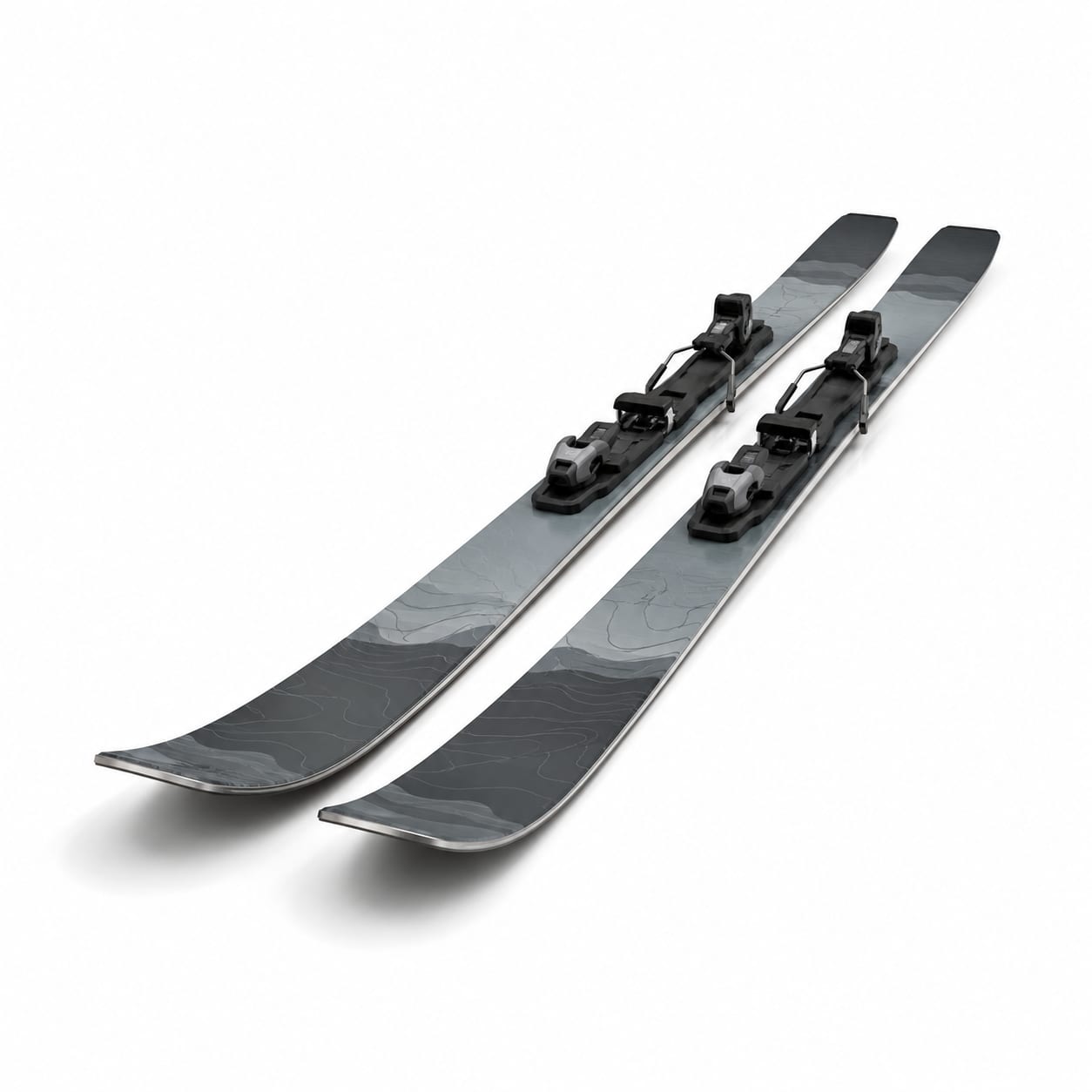
6 topics
Pick a question
Every answer links to the full subcategory guide and related gear types when it helps you decide.
Can I use climbing skins with Nordic backcountry skis?
Most Nordic backcountry skis can accept climbing skins, but it is not their primary ascent method. The fishscale base provides grip for moderate angles (up to about 15–20 degrees depending on snow conditions). For steeper terrain, you can attach climbing skins, but check that your ski has a tail notch for skin clips or that your skins use an adhesive-only attachment system. Some skiers carry short 'kicker skins' that cover just the scaled zone for steep pitches. If you regularly encounter terrain steep enough to need skins, you may be better served by an AT touring setup.
Read answer →02What is the difference between NNN-BC and 3-pin bindings?
NNN-BC (New Nordic Norm Backcountry) bindings use a single bar at the toe of the boot that pivots in the binding, similar to classic NNN but with a wider, stronger interface. They offer excellent touring efficiency and are the most popular choice. 3-pin (75mm) bindings use three pins that insert into holes in the boot sole duckbill, providing a more rigid boot-to-ski connection that many telemark skiers prefer for better turn control. 3-pin is heavier and less efficient for touring but offers superior downhill performance. The systems are not interchangeable—you must match boots to bindings.
Read answer →03Do I really need metal edges on Nordic backcountry skis?
If you plan to descend any significant hills on firm or icy snow, yes—metal edges are essential for safety and control. Without them, you have no effective braking or turning ability on hard surfaces. Partial metal edges (front and rear only) save weight but leave you without edge grip underfoot, which is where you need it most for turning. Full metal edges add about 100–200g per pair but provide much better control on firm descents. If you only tour on flat terrain with soft snow, you can skip metal edges, but most backcountry skiers encounter firm conditions often enough to justify them.
Read answer →04How do waxless fishscale bases compare to waxable bases for backcountry touring?
Waxless (fishscale) bases provide reliable kick grip across a wide range of snow conditions without any wax application, which is extremely convenient for backcountry touring where conditions change constantly. The trade-off is slightly reduced glide efficiency on firm snow due to the scaled pattern creating friction. Waxable bases offer potentially better glide and more precise grip when correctly waxed, but require knowledge of kick waxing and the right wax for current conditions—a significant hassle in the backcountry. For 90% of Nordic backcountry skiers, waxless bases are the practical choice. Experienced Nordic skiers who prioritize maximum glide efficiency may prefer waxable bases.
Read answer →05Can I ski Nordic backcountry skis at a resort?
Technically yes, but it is not recommended for several reasons. Nordic backcountry skis lack the width, stiffness, and edge hold for resort skiing at typical resort speeds and terrain. Free-heel boots provide minimal ankle support compared to alpine boots. Most importantly, many resorts do not allow free-heel skiing on their slopes for safety reasons, and you would be a hazard to other skiers due to your limited speed control and turning ability. If you want to ski both backcountry and resort, consider an AT touring setup that can handle both, or maintain separate equipment for each discipline.
Read answer →06How do I choose the right length for Nordic backcountry skis?
Nordic backcountry skis should generally be 10–20cm taller than your height, which is longer than alpine skis for the same rider. The extra length provides glide efficiency and proper kick-and-glide mechanics. Within that range, go longer if you are heavier, ski primarily on flat/rolling terrain, or prioritize touring efficiency. Go shorter if you are lighter, ski tighter terrain with more trees, or prioritize downhill maneuverability. The ski must be long enough that the camber supports your weight without fully collapsing—if the fishscales drag while you are gliding, the ski is too soft or too short for your weight.
Read answer →