
If you plan to descend any significant hills on firm or icy snow, yes—metal edges are essential for safety and control. Without them, you have no effective braking or turning ability on hard surfaces. Partial metal edges (front and rear only) save weight but leave you without edge grip underfoot, which is where you need it most for turning. Full metal edges add about 100–200g per pair but provide much better control on firm descents. If you only tour on flat terrain with soft snow, you can skip metal edges, but most backcountry skiers encounter firm conditions often enough to justify them.
Skis · Nordic Backcountry / Touring Skis
Do I really need metal edges on Nordic backcountry skis?
Related gear types
If this answer nudged you toward a different style, these guides compare specs and trade-offs.
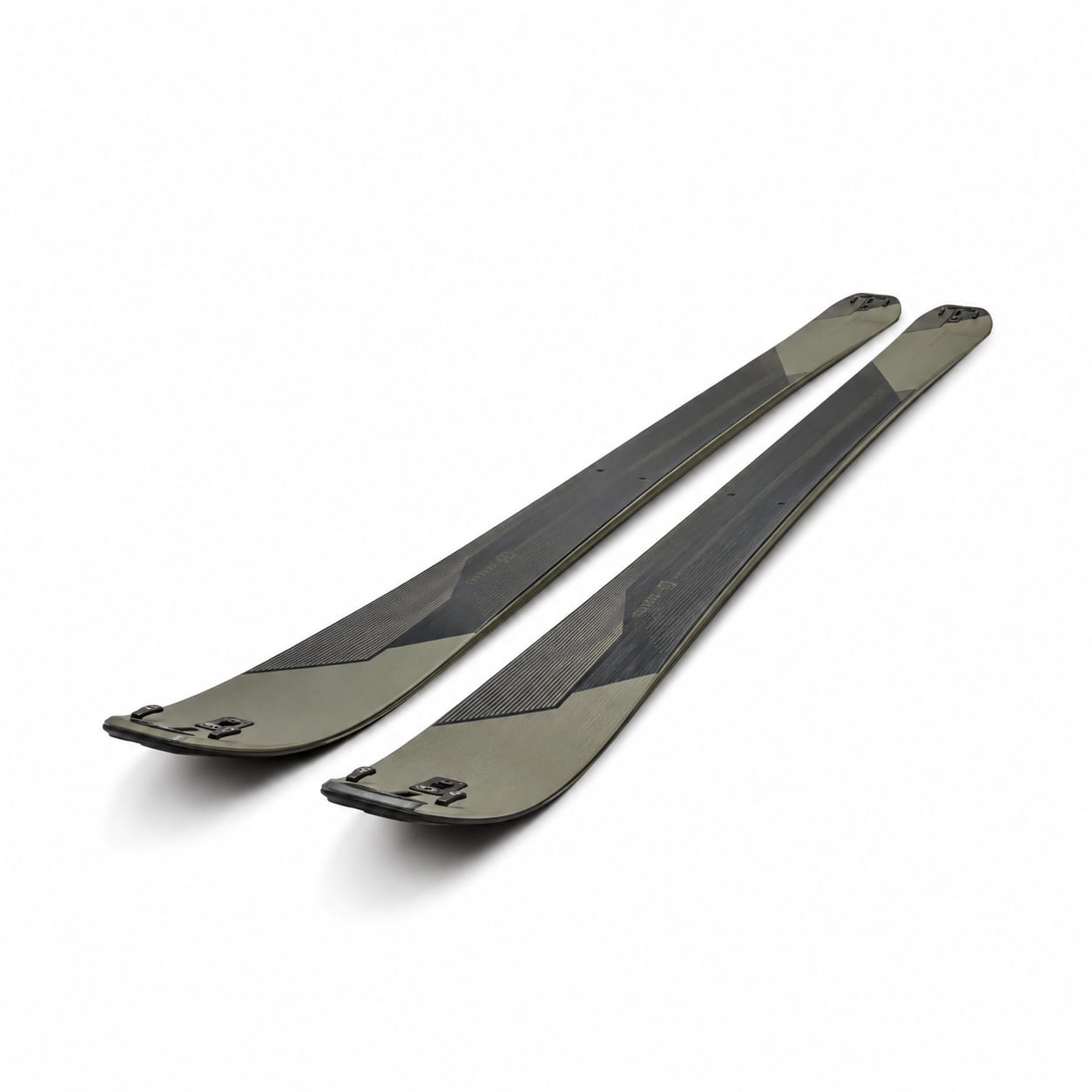
Alpine Touring (AT) / Backcountry Skis
$450 – $1200
Lightweight skis designed for uphill skinning travel and downhill performance in the backcountry.
Lightweight constructionWaist width 85–110mmRocker-camber profiles for mixed snow
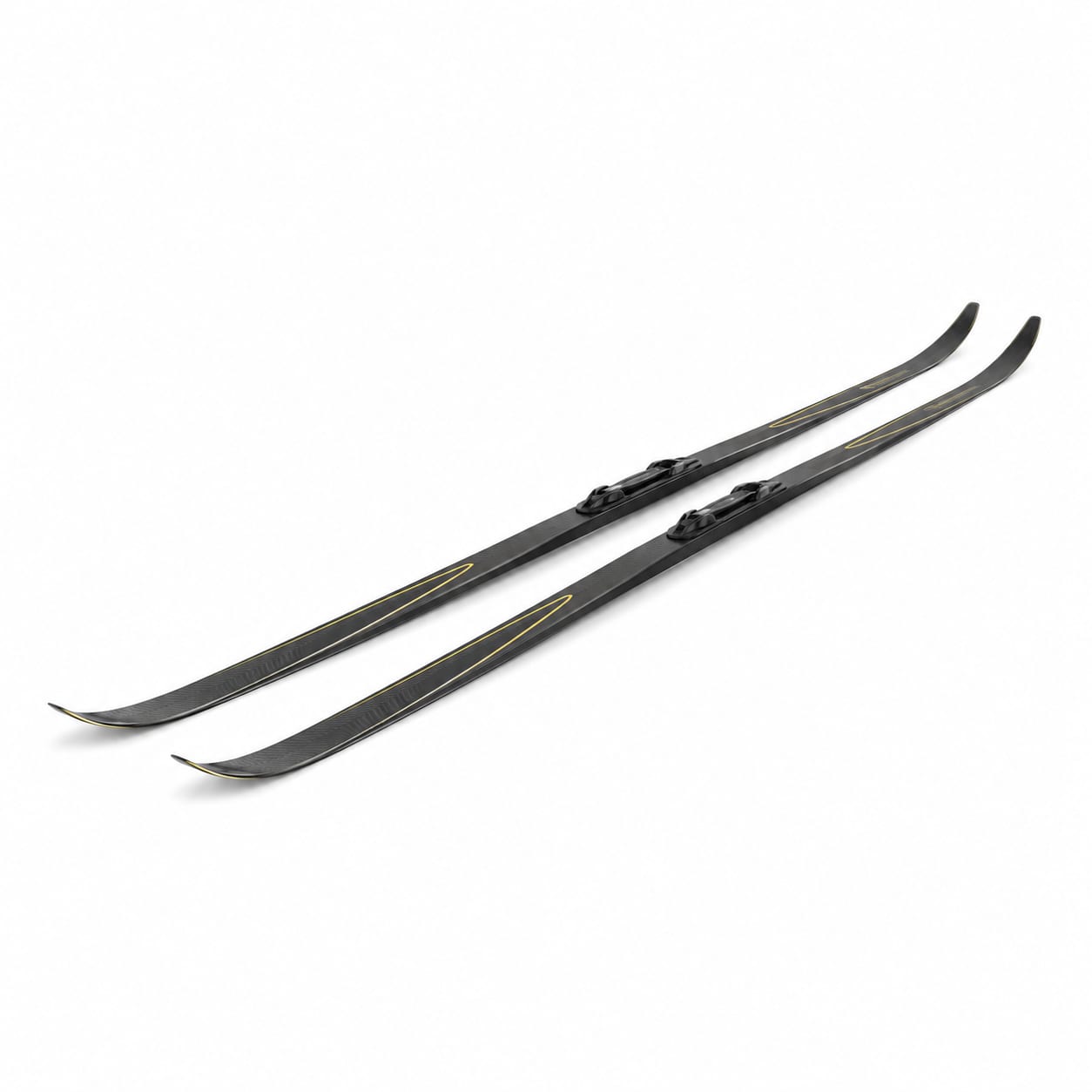
Cross-Country Classic Skis
$120 – $650
Narrow, lightweight skis designed for the classic diagonal stride technique on groomed nordic tracks.
Narrow waist (40–50mm)Long length relative to skierSpecific camber for kick and glide
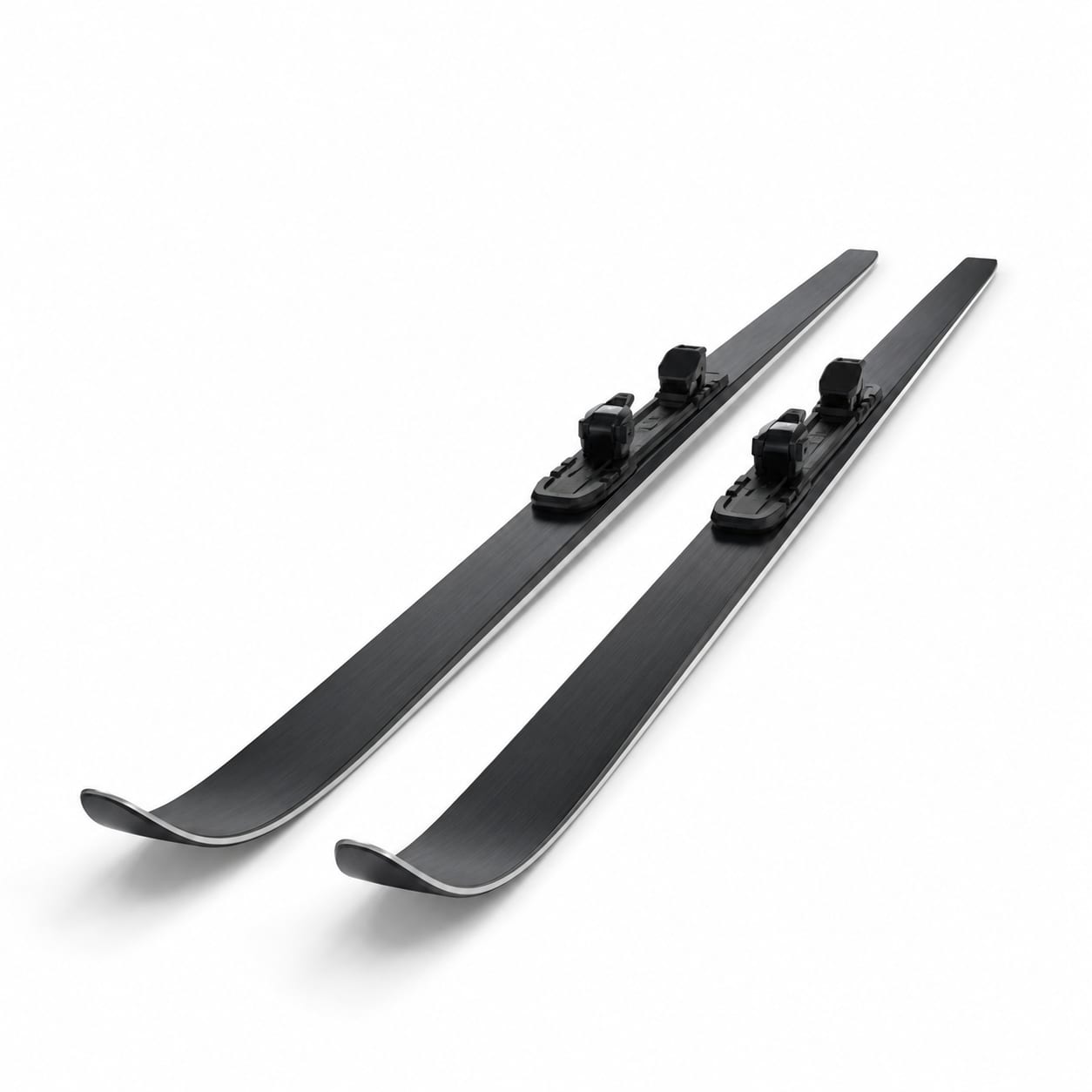
Cross-Country Skate Skis
$150 – $700
Shorter, stiffer nordic skis built for the skating technique on groomed skate lanes.
Shorter than classic skisStiffer camber profileWaist 41–45mm
More questions
- Can I use climbing skins with Nordic backcountry skis?
- What is the difference between NNN-BC and 3-pin bindings?
- How do waxless fishscale bases compare to waxable bases for backcountry touring?
- Can I ski Nordic backcountry skis at a resort?