
NNN-BC (New Nordic Norm Backcountry) bindings use a single bar at the toe of the boot that pivots in the binding, similar to classic NNN but with a wider, stronger interface. They offer excellent touring efficiency and are the most popular choice. 3-pin (75mm) bindings use three pins that insert into holes in the boot sole duckbill, providing a more rigid boot-to-ski connection that many telemark skiers prefer for better turn control. 3-pin is heavier and less efficient for touring but offers superior downhill performance. The systems are not interchangeable—you must match boots to bindings.
Skis · Nordic Backcountry / Touring Skis
What is the difference between NNN-BC and 3-pin bindings?
Related gear types
If this answer nudged you toward a different style, these guides compare specs and trade-offs.
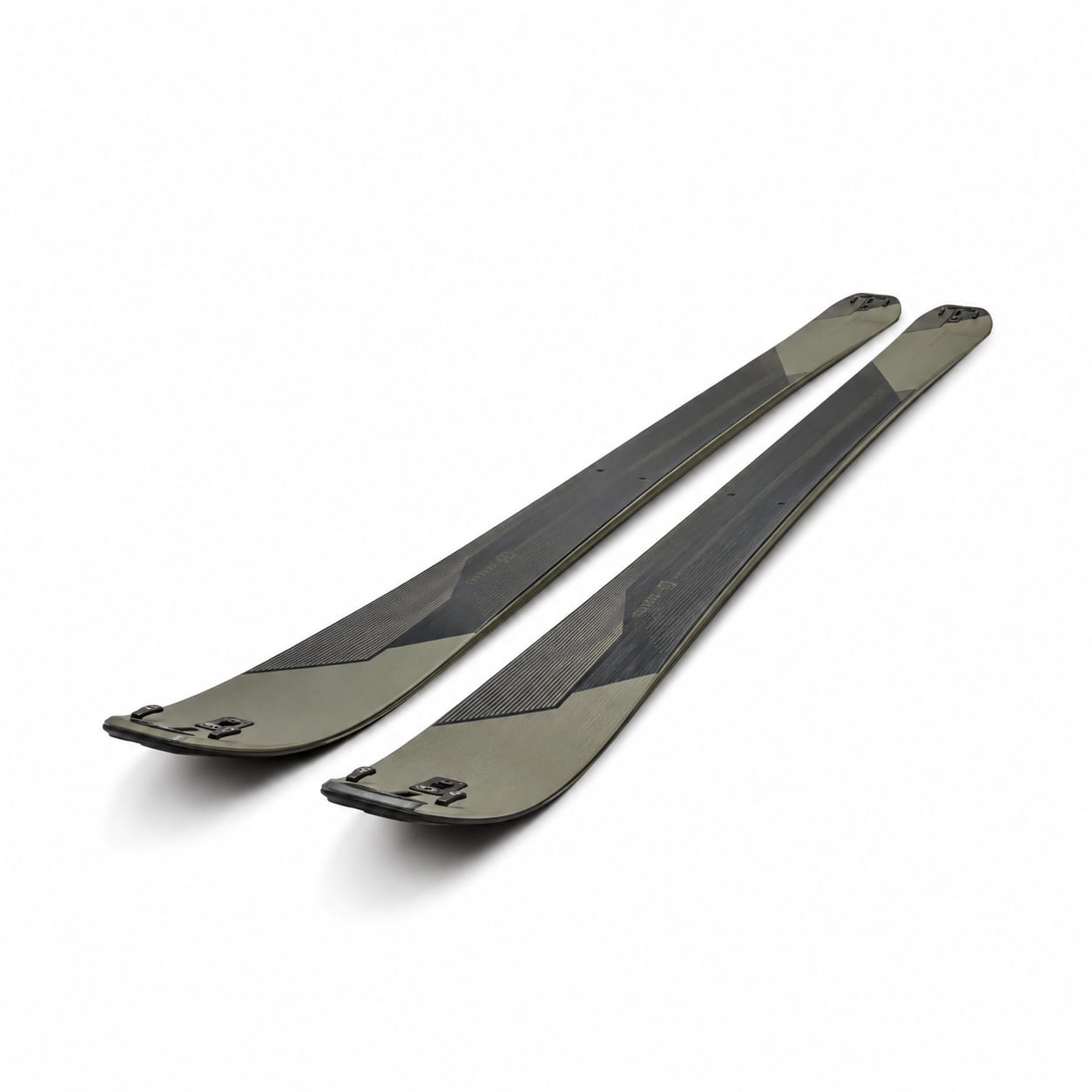
Alpine Touring (AT) / Backcountry Skis
$450 – $1200
Lightweight skis designed for uphill skinning travel and downhill performance in the backcountry.
Lightweight constructionWaist width 85–110mmRocker-camber profiles for mixed snow
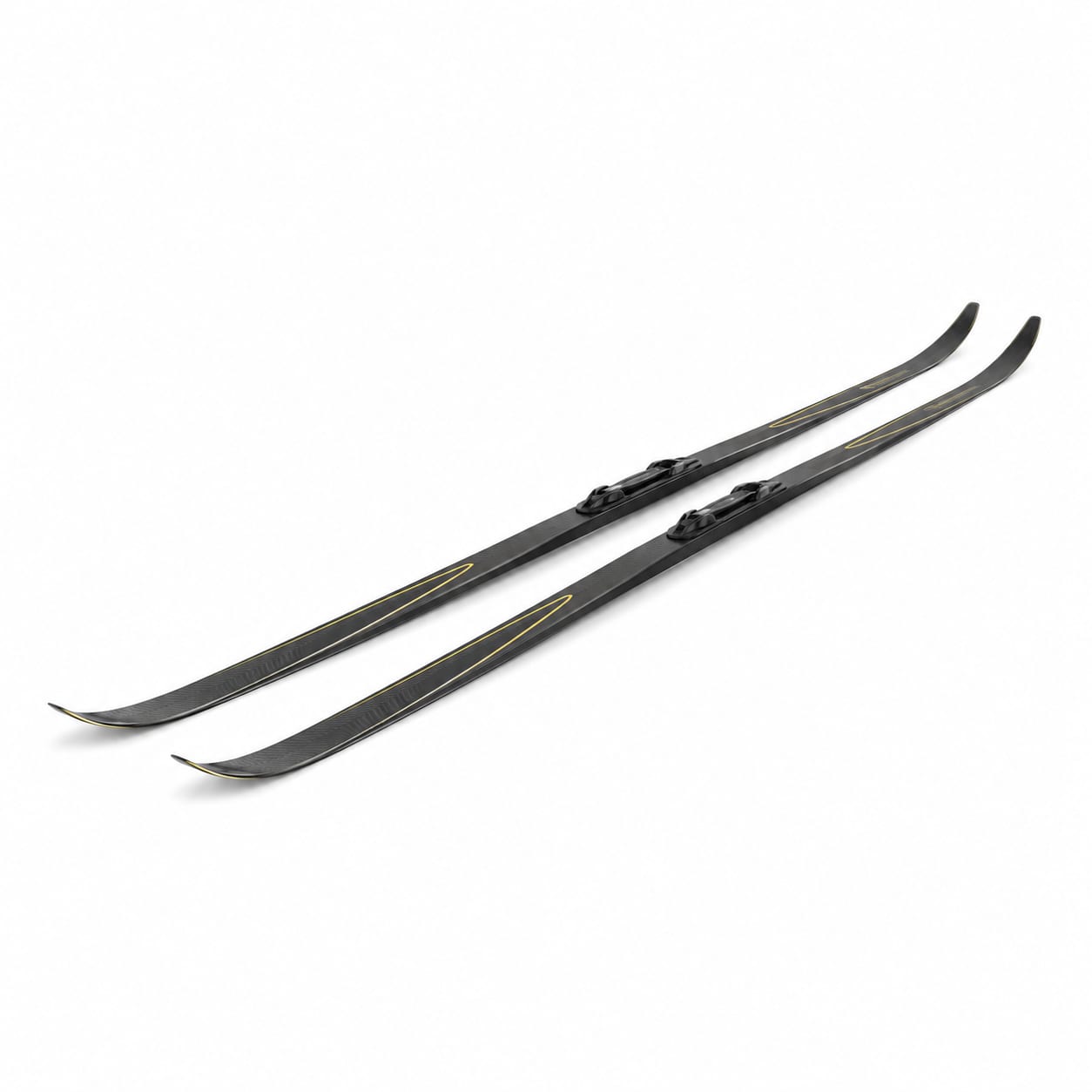
Cross-Country Classic Skis
$120 – $650
Narrow, lightweight skis designed for the classic diagonal stride technique on groomed nordic tracks.
Narrow waist (40–50mm)Long length relative to skierSpecific camber for kick and glide
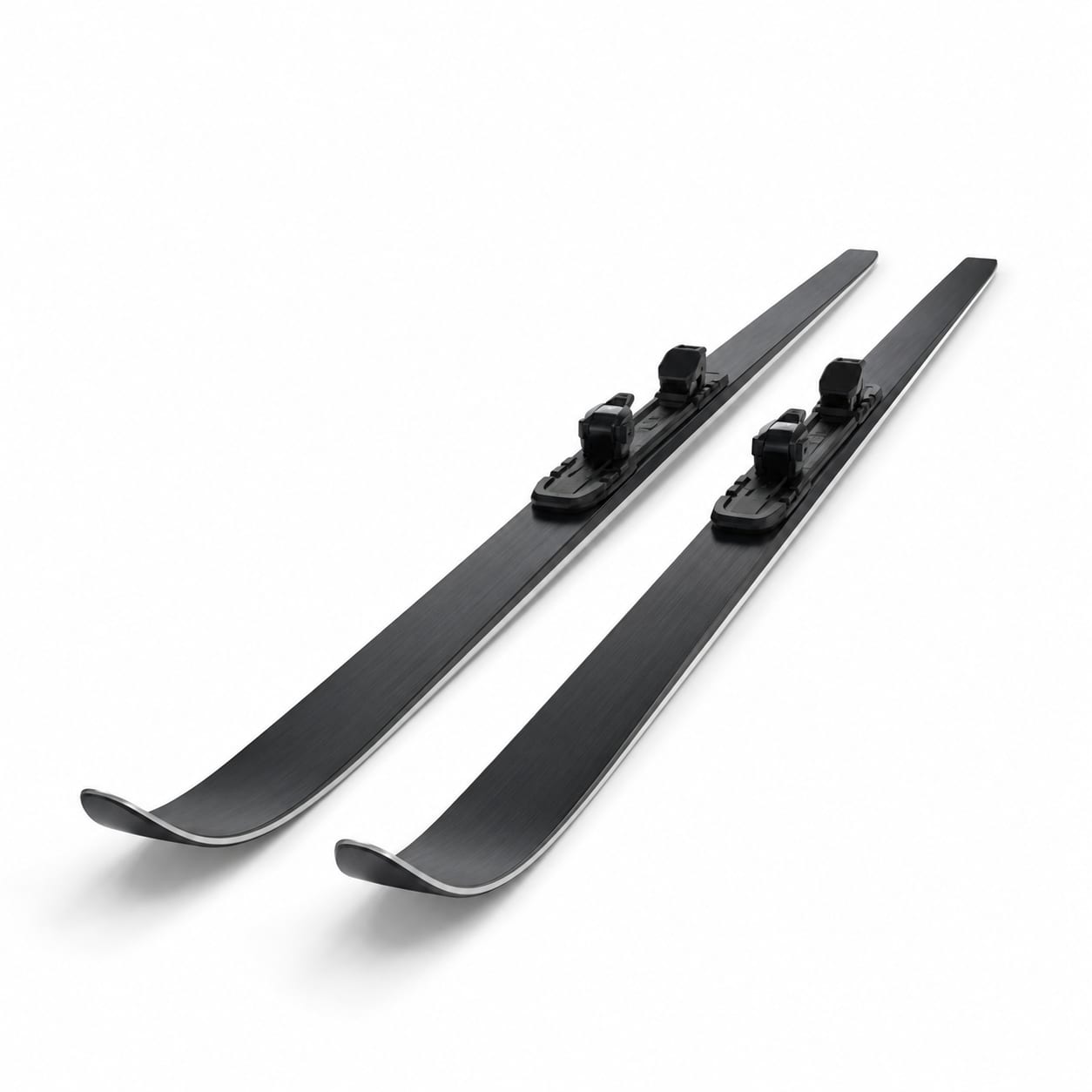
Cross-Country Skate Skis
$150 – $700
Shorter, stiffer nordic skis built for the skating technique on groomed skate lanes.
Shorter than classic skisStiffer camber profileWaist 41–45mm
More questions
- Can I use climbing skins with Nordic backcountry skis?
- Do I really need metal edges on Nordic backcountry skis?
- How do waxless fishscale bases compare to waxable bases for backcountry touring?
- Can I ski Nordic backcountry skis at a resort?