
Most Nordic backcountry skis can accept climbing skins, but it is not their primary ascent method. The fishscale base provides grip for moderate angles (up to about 15–20 degrees depending on snow conditions). For steeper terrain, you can attach climbing skins, but check that your ski has a tail notch for skin clips or that your skins use an adhesive-only attachment system. Some skiers carry short 'kicker skins' that cover just the scaled zone for steep pitches. If you regularly encounter terrain steep enough to need skins, you may be better served by an AT touring setup.
Skis · Nordic Backcountry / Touring Skis
Can I use climbing skins with Nordic backcountry skis?
Related gear types
If this answer nudged you toward a different style, these guides compare specs and trade-offs.
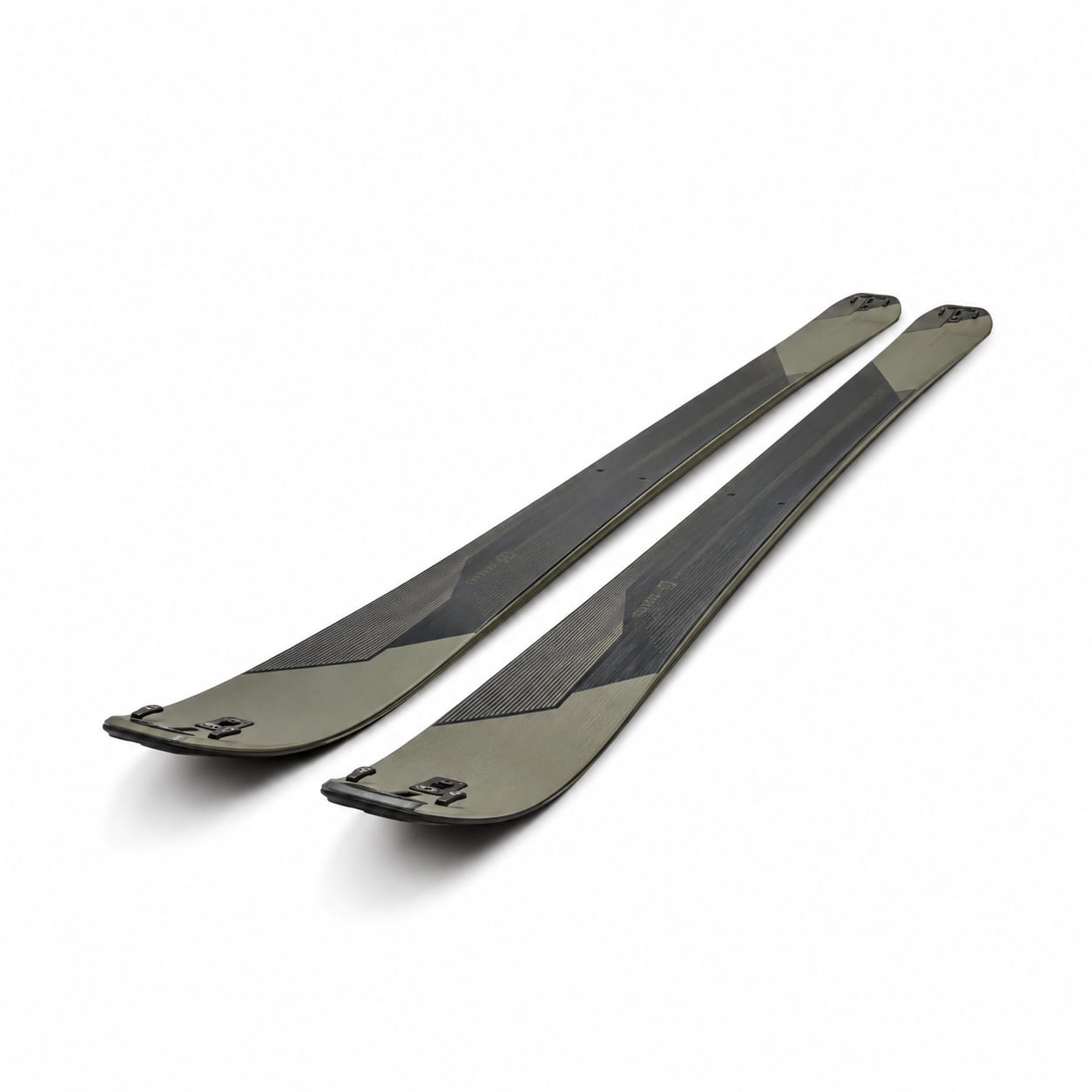
Alpine Touring (AT) / Backcountry Skis
$450 – $1200
Lightweight skis designed for uphill skinning travel and downhill performance in the backcountry.
Lightweight constructionWaist width 85–110mmRocker-camber profiles for mixed snow
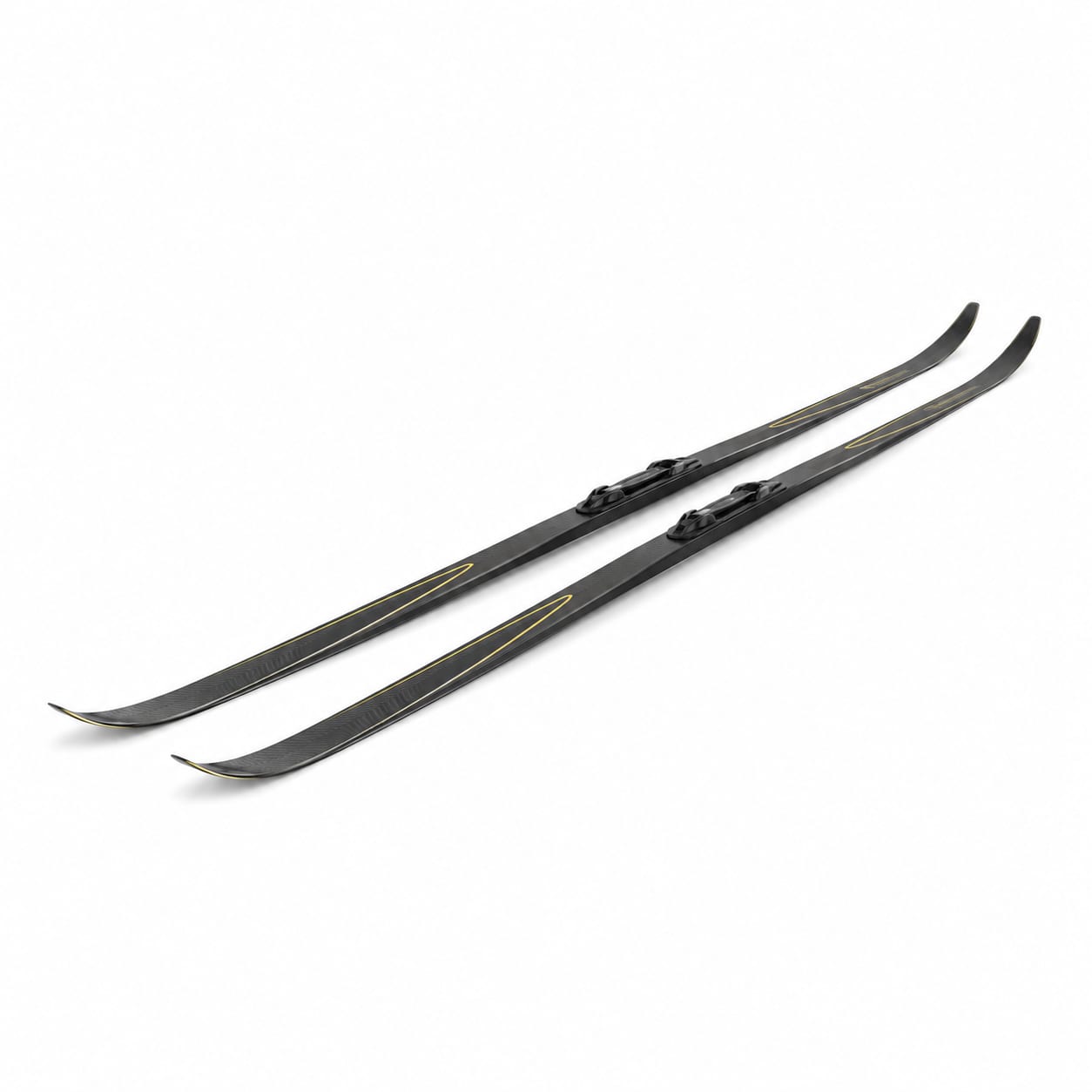
Cross-Country Classic Skis
$120 – $650
Narrow, lightweight skis designed for the classic diagonal stride technique on groomed nordic tracks.
Narrow waist (40–50mm)Long length relative to skierSpecific camber for kick and glide
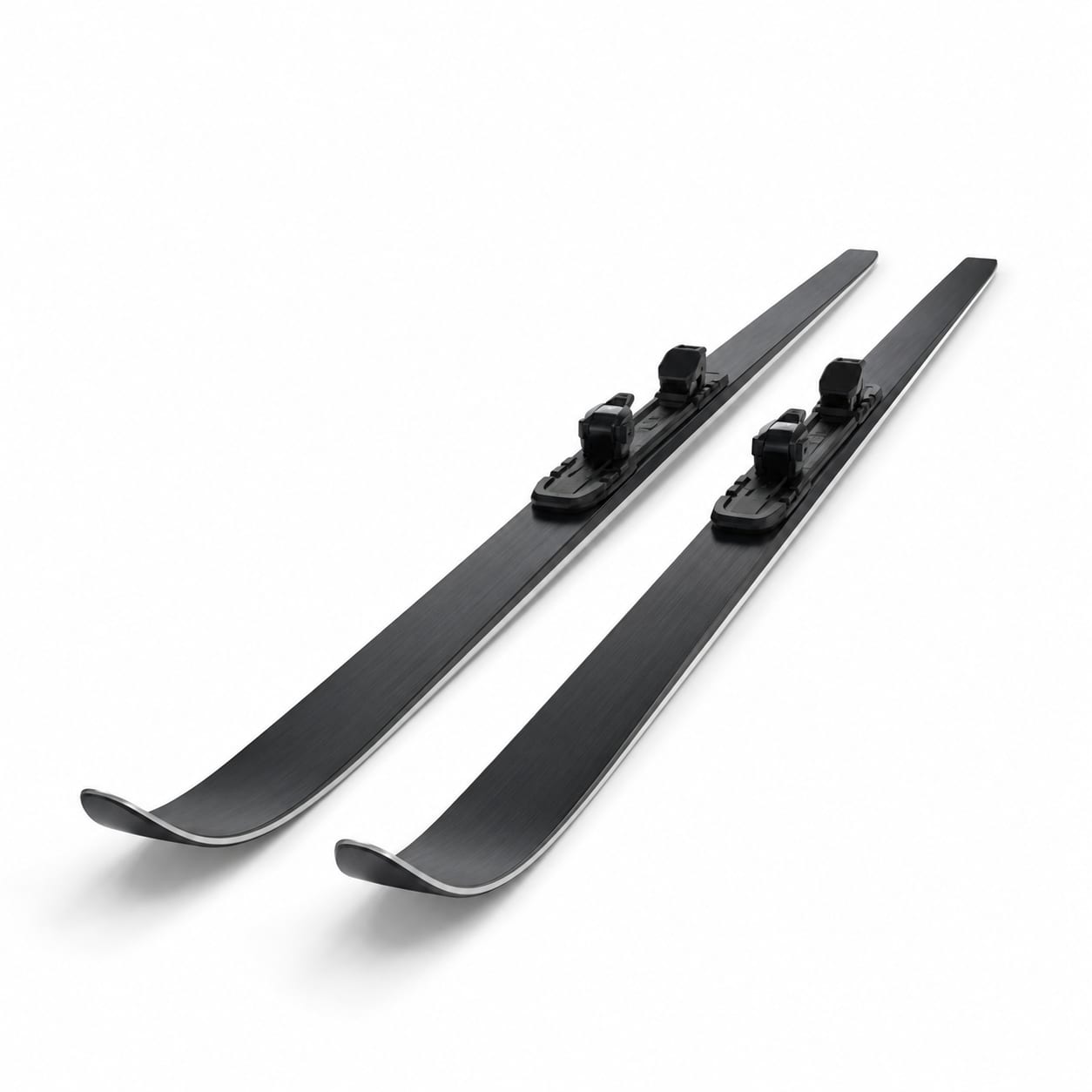
Cross-Country Skate Skis
$150 – $700
Shorter, stiffer nordic skis built for the skating technique on groomed skate lanes.
Shorter than classic skisStiffer camber profileWaist 41–45mm
More questions
- What is the difference between NNN-BC and 3-pin bindings?
- Do I really need metal edges on Nordic backcountry skis?
- How do waxless fishscale bases compare to waxable bases for backcountry touring?
- Can I ski Nordic backcountry skis at a resort?