
Only if you ride exclusively in deep snow conditions—such as heli-skiing operations or regions with extremely consistent snowfall like Hokkaido. For the vast majority of riders, a powder board is a quiver addition, not a daily driver. On firm snow, icy groomers, or in the park, a powder board will underperform significantly. If budget or storage limits you to one board, choose a powder-oriented all-mountain board with moderate taper (8–12mm) and a directional shape rather than a dedicated powder specialist.
Snowboard · Powder Snowboard
Can a powder board work as my only board?
Related gear types
If this answer nudged you toward a different style, these guides compare specs and trade-offs.
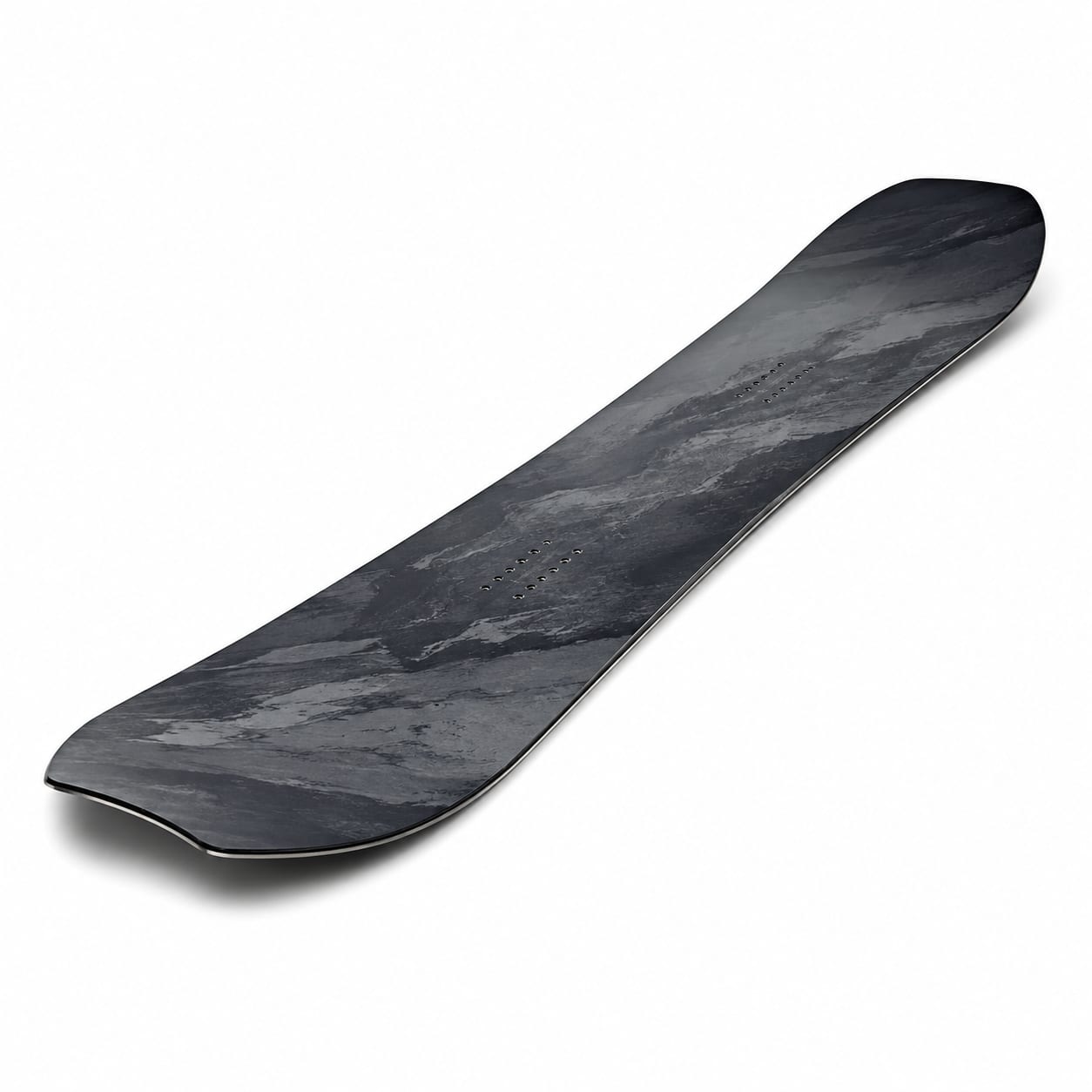
Freeride Snowboard
$400 – $900
Directional snowboard built for aggressive riding in off-piste and variable backcountry terrain.
Directional shapeStiff flexSet-back stance
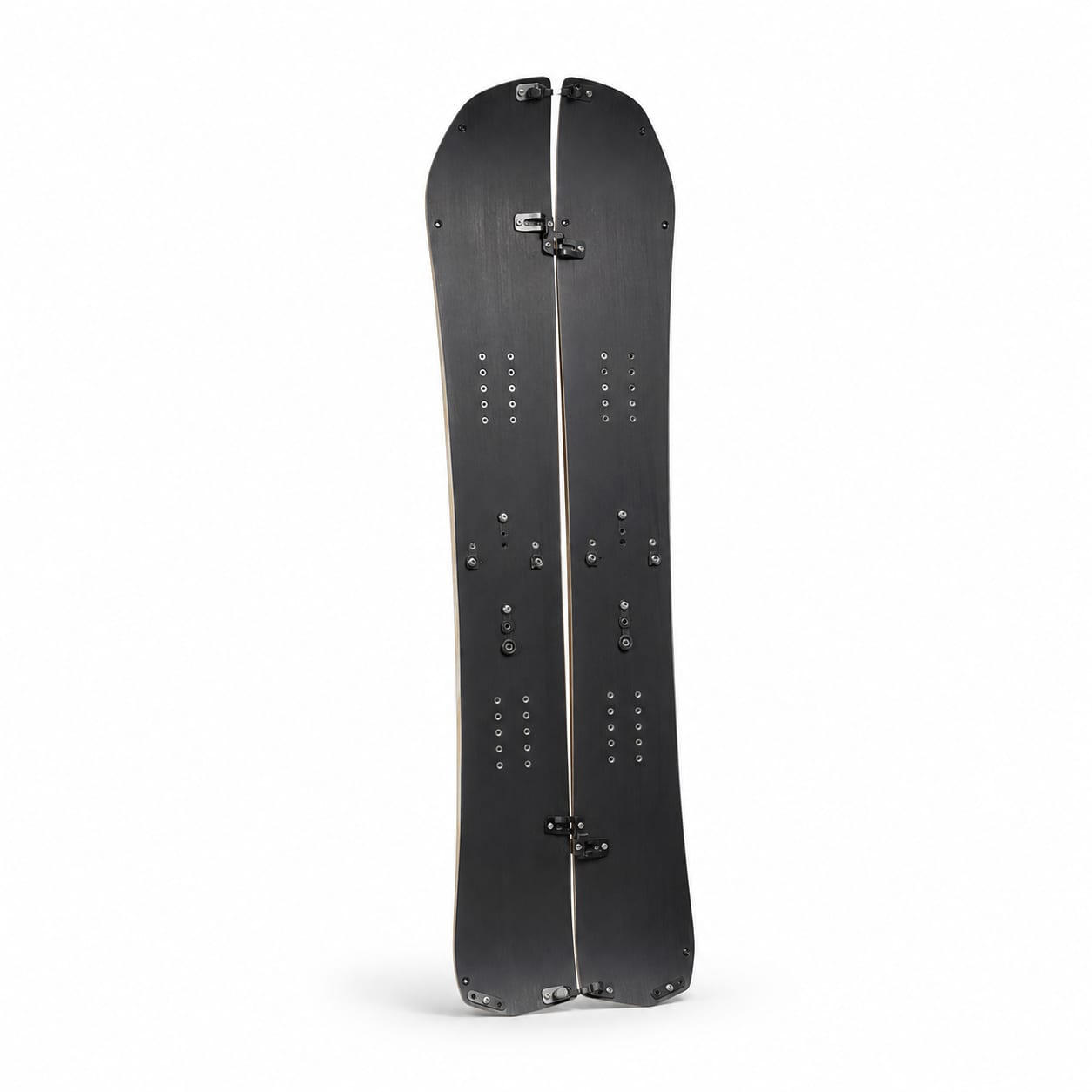
Splitboard
$600 – $1300
Snowboard that splits into two skis for uphill touring and reconnects for downhill riding.
Split-lengthwise constructionTouring hardware compatibilityHeavier than solid boards
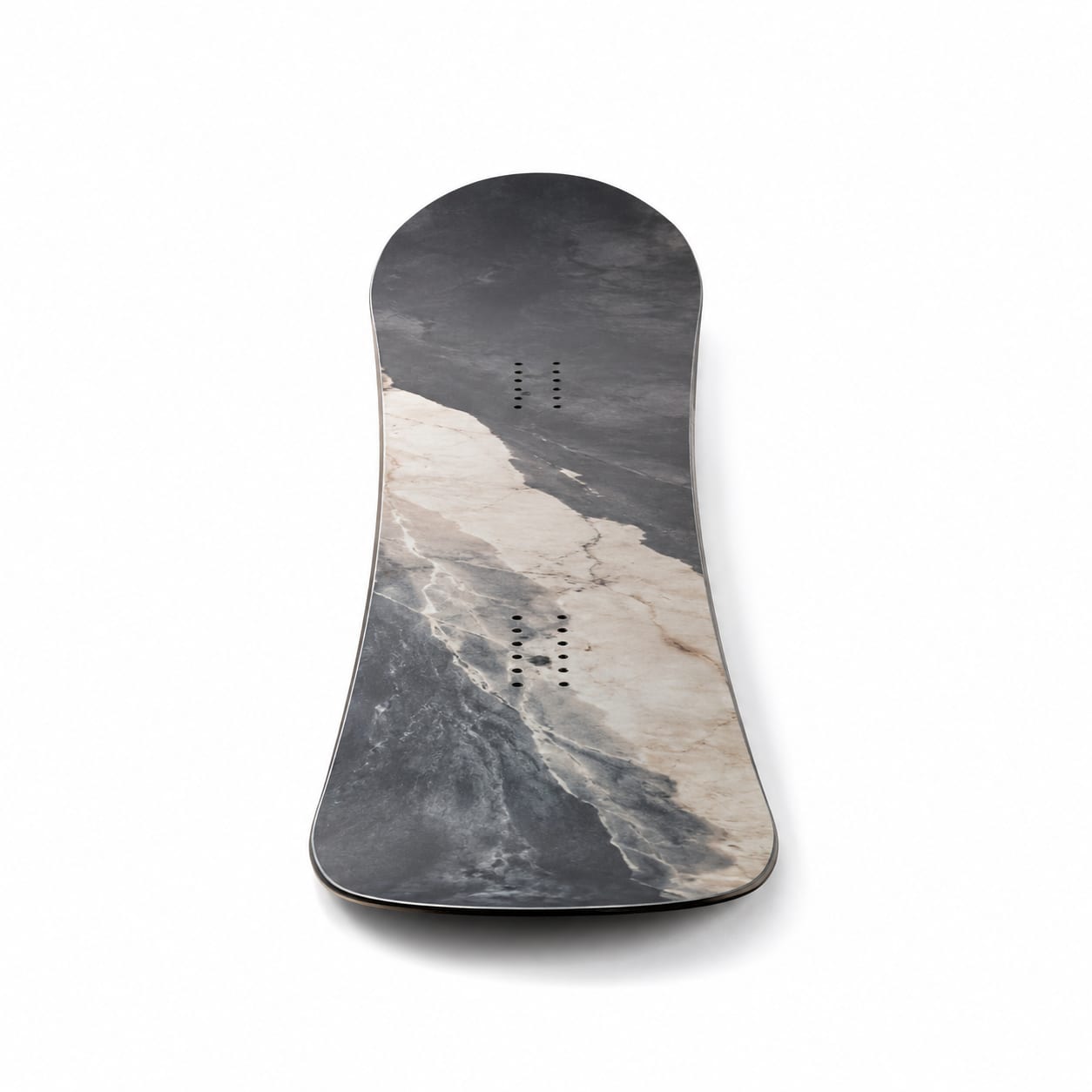
Volume-Shifted Snowboard
$350 – $750
Shorter, wider snowboard that redistributes volume for float and maneuverability in a compact package.
Shorter lengthWider waist widthMaintained surface area
More questions
- Do I really need a powder board, or can I just use my all-mountain board on deep days?
- How much taper do I actually need?
- Can I ride switch on a powder board?
- Should I size up on a powder board?