What it means
The discipline-specific category of the helmet, which determines its shape, coverage, ventilation pattern, and intended use scenario.
Typical for this type
Commuter Urban Or Mountain Bike (For Extended Coverage Models)
In practice
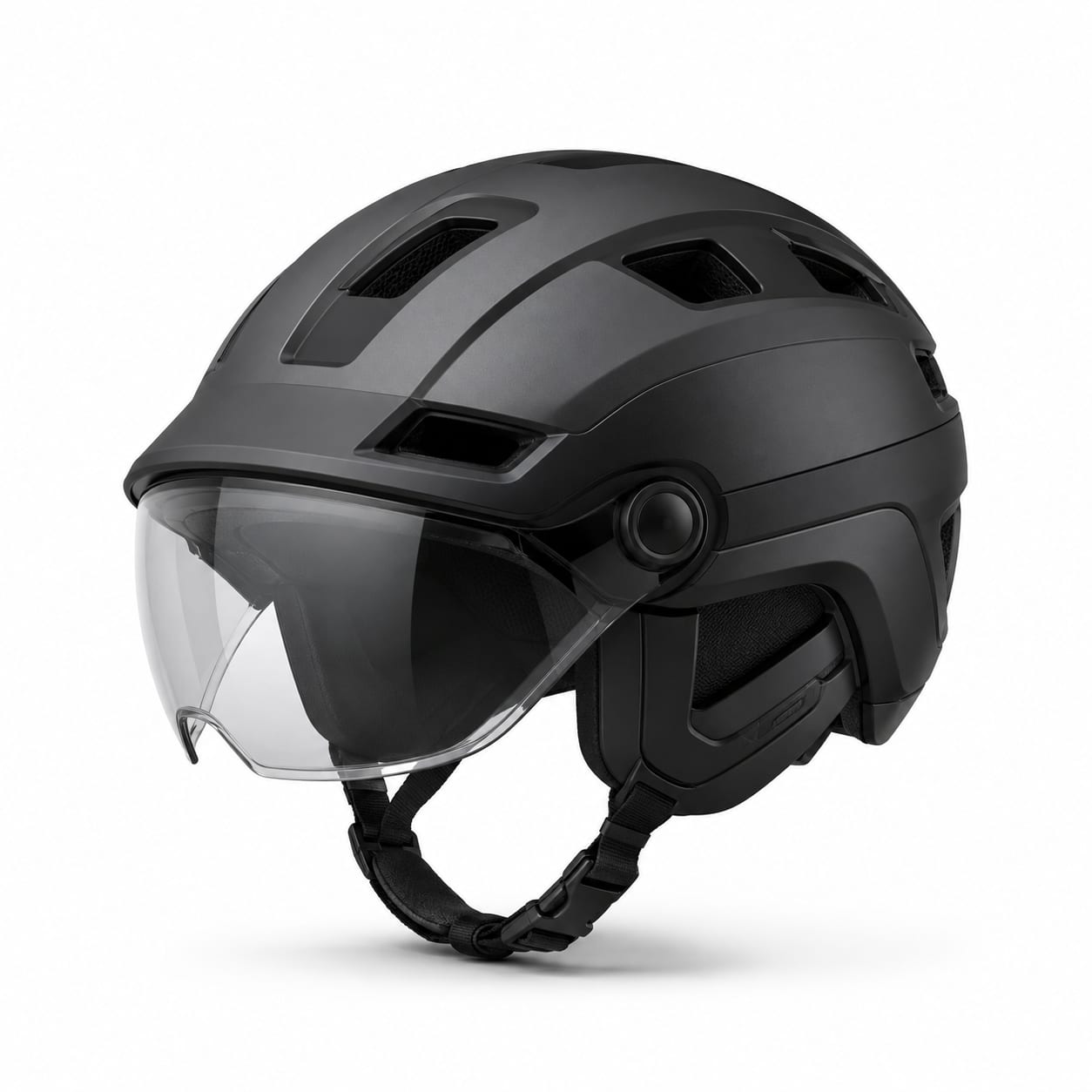
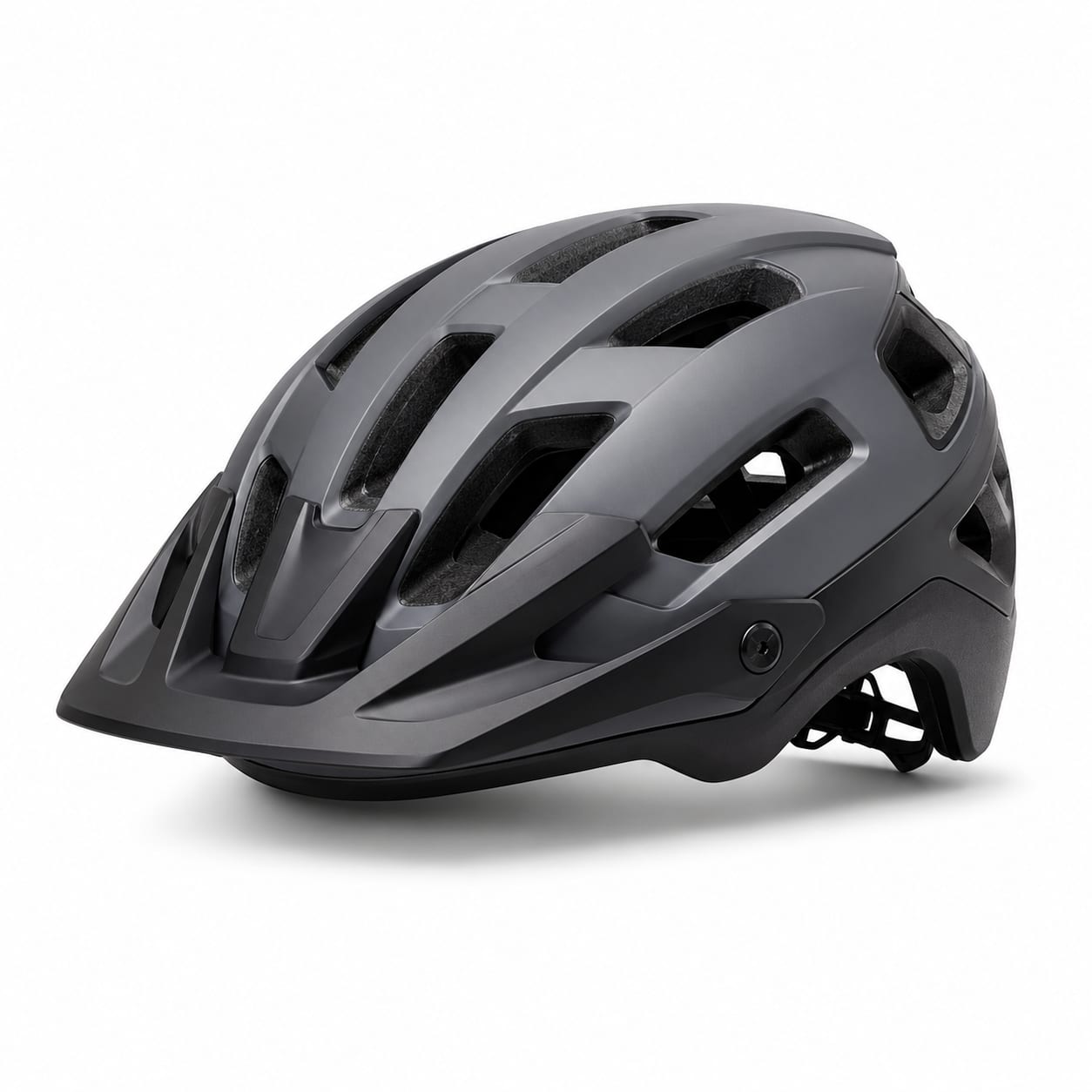
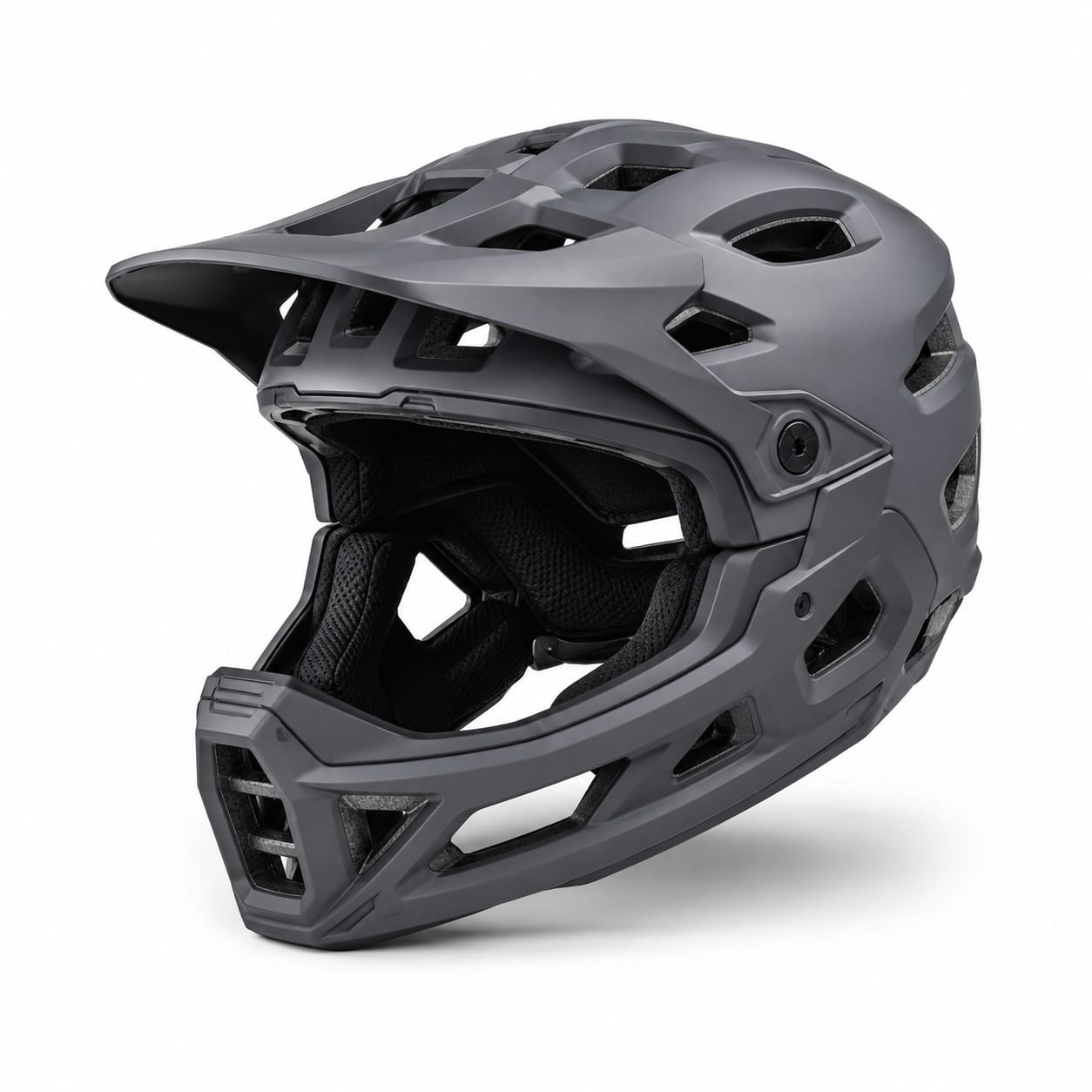
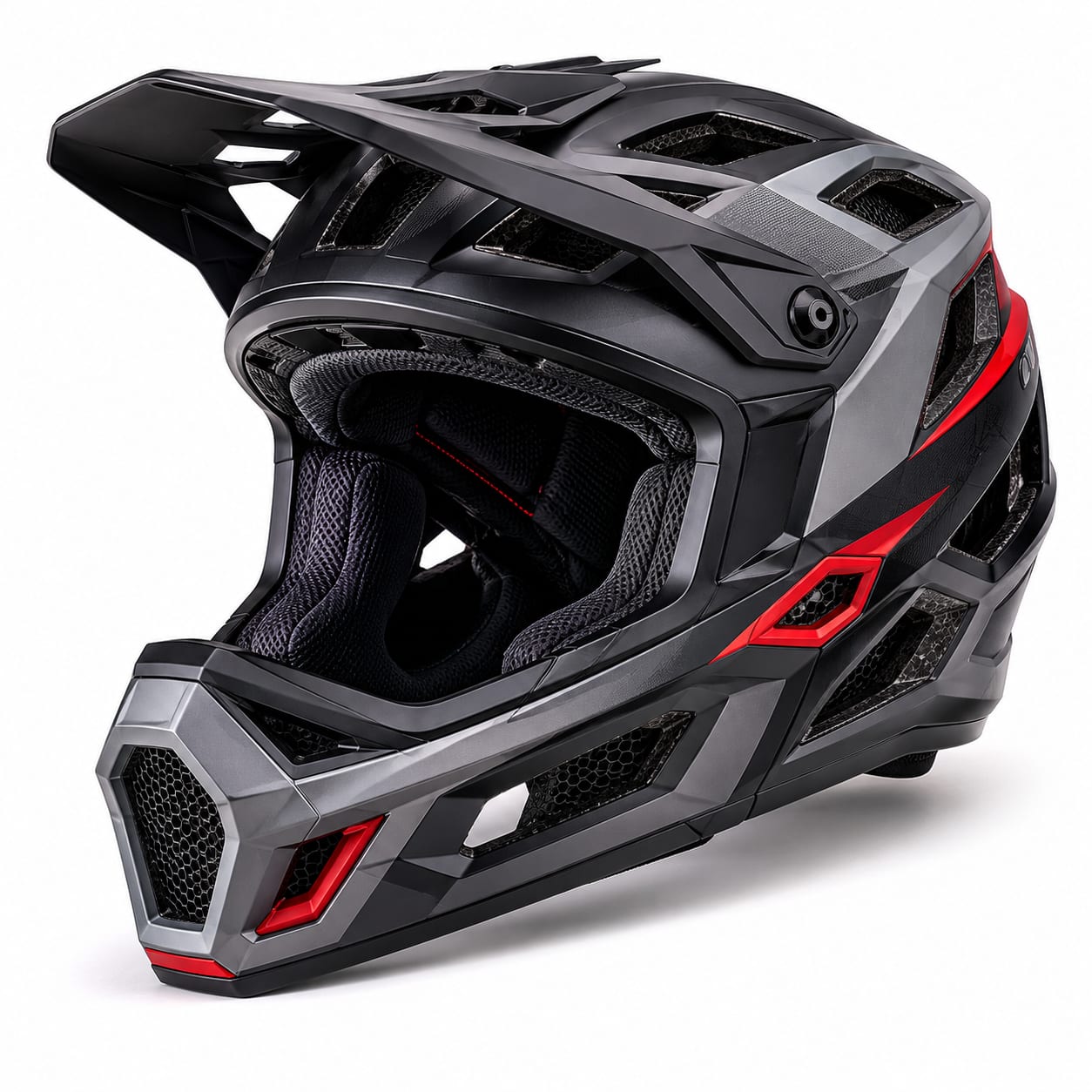
E-bike helmets most commonly fall into the commuter/urban category due to their emphasis on visibility, integrated features, and everyday practicality. Some models adopt MTB-style extended coverage for enhanced protection at speed pedelec velocities.
Compared to other types
Unlike pure road helmets that prioritize minimal weight and maximum ventilation, or aero helmets that sacrifice coverage for drag reduction, e-bike helmets prioritize protection coverage and visibility features. They share DNA with commuter helmets but exceed them in impact protection standards and coverage depth.
Why it matters: The helmet type determines the fundamental design philosophy—coverage extent, ventilation pattern, and feature set. E-bike riders need the visibility and practicality of commuter designs combined with protection levels that often exceed standard commuter helmets.
Certification Standard
certification_standard
What it means
Safety certification standards the helmet meets, indicating the impact testing protocols and minimum protection levels verified by independent testing bodies.
Typical for this type
NTA 8776 (Essential For Speed Pedelecs), CPSC Or EN 1078 (Baseline), Snell B-95 (Bonus)
Most common pick: NTA 8776 + EN 1078
In practice
NTA 8776 is the defining certification for this subcategory, testing at impact velocities approximately 60–80% higher than EN 1078. Most models also carry EN 1078 or CPSC for baseline compliance in their primary markets.
Compared to other types
Road, MTB, and commuter helmets typically carry only CPSC or EN 1078. Downhill helmets may carry ASTM F1952 for high-impact scenarios, but NTA 8776 is unique in testing specifically for e-bike speed impact profiles with a focus on the upright riding position typical of e-bike use.
Why it matters: Standard bicycle certifications (CPSC, EN 1078) do not adequately test for the impact energies generated at e-bike speeds. NTA 8776 certification is the only standard specifically designed for speed pedelec impact scenarios and provides meaningful safety assurance for higher-speed riding.
Rotational Protection System
rotational_protection_system
What it means
Technology designed to reduce rotational forces transmitted to the brain during oblique impacts, which are the most common type of cycling crash impact.
Typical for this type
MIPS Or MIPS Spherical; WaveCel Or Koroyd As Alternatives
Most common pick: Mips
In practice
MIPS is the most common rotational protection system in e-bike helmets, appearing in the majority of mid-range to premium models. Some premium models feature MIPS Spherical for enhanced rotational management.
Compared to other types
MIPS adoption is similar to road and MTB helmets, but the safety case for rotational protection is stronger in e-bike helmets due to higher impact velocities. Budget e-bike helmets without rotational protection represent a more significant safety compromise than budget road helmets without it.
Why it matters: At e-bike speeds, oblique impacts generate significantly higher rotational forces than at conventional cycling speeds. Rotational protection systems mitigate these forces, which are strongly correlated with traumatic brain injury. Given the higher crash energies, rotational protection is arguably more important in this subcategory than any other.
What it means
The total mass of the helmet including all padding, retention system, and visor (if included), measured in grams.
Typical for this type
300–450g
Most common pick: 350g
In practice
E-bike helmets typically weigh 300–450g due to extended coverage, robust shell construction, integrated features like lights, and the additional material needed to meet NTA 8776 impact standards. Premium models with optimized construction can approach 300g; feature-heavy models with integrated electronics may exceed 450g.
Compared to other types
Heavier than road helmets (200–280g) and commuter helmets (250–350g) due to greater coverage and higher certification requirements. Lighter than full-face MTB helmets (600–1000g). The weight penalty is justified by the significantly higher protection level.
Why it matters: Weight affects neck fatigue on longer rides, but e-bike riders are less sensitive to weight than road cyclists since motor assistance reduces the performance impact of carrying extra grams. The additional weight is a direct trade-off for enhanced protection and features that are essential at e-bike speeds.
Number of Vents
vent_count
What it means
The total number of intake and exhaust vents designed to channel airflow through the helmet for cooling.
Typical for this type
8–18 vents
Most common pick: 12
In practice
E-bike helmets typically have 8–18 vents, fewer than road helmets but with larger individual openings and optimized internal channeling for the lower-speed, upright airflow patterns of e-bike riding.
Compared to other types
Fewer vents than road helmets (18–28) but more than aero road helmets (4–12). Similar vent counts to MTB helmets (12–20) but with different channeling geometry optimized for upright riding positions rather than the forward lean of mountain biking.
Why it matters: E-bike riders generate less body heat from pedaling due to motor assistance, so extreme ventilation is less critical than for road cycling. However, adequate airflow remains important for comfort on commutes and longer rides. The vent count is balanced against the structural requirements of NTA 8776 certification and the need for extended coverage.
Head Circumference Range
head_circumference_range
What it means
The range of head circumferences the helmet is designed to fit, typically adjustable via the retention system within a specific size bracket.
Typical for this type
51–63cm across available sizes
Most common pick: 52–61cm (one-size or M/L sizing)
In practice
Most e-bike helmets are offered in one-size-fits-all (typically 52–61cm) or two-size ranges (S/M: 51–57cm, L/XL: 58–63cm). The extended coverage design can make precise sizing more important, as the deeper rear shell must sit properly against the occipital bone.
Compared to other types
Similar size ranges to other adult helmets, but the extended coverage design makes fit more nuanced. A helmet that fits circumference-wise may still create pressure points at the occipital region if the coverage depth doesn't match the rider's head shape. This is less of an issue with road helmets that have minimal rear coverage.
Why it matters: Proper fit is critical for any helmet but especially for e-bike helmets where higher crash energies mean that even small fit issues can result in the helmet shifting out of protective position during impact. The extended coverage design requires careful sizing to ensure the rear shell protects without creating pressure points at the base of the skull.
Retention System
retention_system
What it means
The adjustable mechanism at the rear of the helmet that secures it to the head and allows on-the-fly adjustment for a stable, comfortable fit.
Typical for this type
Dial/Ratchet (Minimum); Rear Dial With Yoke (Preferred)
Most common pick: Dial Ratchet
In practice
Dial/ratchet systems are standard on most e-bike helmets, with premium models featuring rear dial with yoke systems that provide enhanced stability for the heavier helmet and more secure fit during high-speed riding.
Compared to other types
Similar retention systems to road and MTB helmets, but the stability requirement is higher due to helmet weight and riding speeds. Budget sliding buckle systems, occasionally found on entry-level commuter helmets, are inadequate for e-bike use where the heavier helmet needs more secure retention.
Why it matters: The heavier weight of e-bike helmets and the higher speeds of riding make a secure retention system essential. A yoke-style system that wraps the occipital bone provides the most stable platform, preventing the helmet from shifting forward or backward during sudden movements or impacts. One-handed adjustability is valuable for commuters who may need to fine-tune fit at traffic lights.
Shell Construction
shell_construction
What it means
The manufacturing method used to join the outer polycarbonate shell to the inner EPS foam liner, affecting durability, weight, and safety.
Typical for this type
In-Mold (Standard); Hybrid In-Mold (Preferred For Durability)
Most common pick: In Mold
In practice
In-mold construction is most common, balancing weight and impact performance. Hybrid in-mold construction with a hardshell lower ring is increasingly popular in premium e-bike helmets, providing durability at the vulnerable lower edge where the extended coverage meets daily handling.
Compared to other types
Similar to road and MTB helmets in predominantly using in-mold construction. The hybrid approach is more common in e-bike helmets than in road helmets because the extended coverage creates a larger lower edge vulnerable to damage. Full hardshell construction, common in budget commuter helmets, is less common in e-bike helmets due to weight concerns.
Why it matters: The extended coverage of e-bike helmets means more shell area is exposed to everyday bumps, drops, and handling. Hybrid in-mold construction protects the vulnerable lower edge where in-mold shells commonly show wear and damage. The higher impact energies of NTA 8776 certification also benefit from the consistent energy transfer of in-mold construction.
Coverage Level
coverage_level
What it means
The extent of head coverage provided by the helmet, particularly at the temples, rear, and base of the skull, beyond the minimum certification requirement.
Typical for this type
Extended Rear (Minimum); Full Coverage MTB (Preferred For Speed Pedelecs)
Most common pick: Extended Rear
In practice
E-bike helmets typically feature extended rear coverage protecting the occipital bone, with some speed pedelec models offering full coverage MTB-level protection extending low on temples and the nape of the neck.
Compared to other types
Significantly more coverage than road helmets (minimal to standard road coverage) and standard commuter helmets (standard road coverage). Similar coverage to MTB and gravel helmets, reflecting the shared need for protection in varied crash scenarios. Speed pedelec riders benefit from the most coverage available without going to full-face designs.
Why it matters: Higher speeds create different crash dynamics—riders are more likely to slide and impact rear and side areas. Extended coverage addresses the specific injury patterns observed in e-bike crashes, where rear and temporal impacts are more common than in conventional cycling. The coverage level is one of the most important safety differentiators for this subcategory.
What it means
The type of visor or brim attached to the helmet for sun, rain, and debris protection, and whether it's removable or adjustable.
Typical for this type
Removable/Adjustable Visor Or Integrated Shield
Most common pick: Removable Adjustable
In practice
Removable/adjustable visors are common on e-bike helmets with MTB-inspired designs, while models with urban styling often feature integrated shields that provide eye protection and weather shielding for commuting.
Compared to other types
Unlike road helmets that typically have no visor, e-bike helmets almost always include some form of sun/eye protection. The integrated shield option is more common in this subcategory than in MTB or road helmets, reflecting the commuting focus and the practical need for weather protection at higher speeds where wind and rain are more impactful.
Why it matters: E-bike riders frequently encounter varied conditions—sun, rain, road spray, and debris—at higher speeds where eye protection becomes more important. A visor or shield provides practical protection without requiring sunglasses, which may be forgotten or incompatible with prescription eyewear. The removable option allows customization for different riding conditions.
Padding System
padding_system
What it means
The type, material, and configuration of interior padding that contacts the head, affecting comfort, moisture management, and fit customization.
Typical for this type
Removable/Washable (Minimum); Anti-Microbial Treated (Preferred)
Most common pick: Removable Washable
In practice
Removable/washable pads are standard, with anti-microbial treatments increasingly common in mid-range to premium models. The daily commuting use case makes washability and odor control particularly important.
Compared to other types
Similar to commuter helmets in prioritizing washability and anti-microbial features. Road helmets used for recreational riding may get away with basic foam pads, but daily e-bike commuting demands removable, washable pads at minimum. Premium multi-density pads are less common than in road helmets but provide meaningful comfort improvements for long commutes.
Why it matters: E-bike helmets are often used daily for commuting, meaning pads accumulate sweat and require regular washing. Anti-microbial treatment helps manage odor between washes, which is important for helmets that may be worn every day without drying time. The extended coverage also means more pad contact area, making comfort and moisture management more noticeable.
Chin Buckle Type
buckle_type
What it means
The type of buckle used on the chin strap, affecting ease of use, reliability, and safety.
Typical for this type
Standard Side-Release (Common); Magnetic Fidlock (Premium Upgrade)
Most common pick: Standard Side Release
In practice
Standard side-release buckles are most common, with magnetic Fidlock buckles appearing as a premium feature on higher-end models, valued for easy one-handed operation during commuting stops.
Compared to other types
Similar to commuter and road helmets in predominantly using side-release buckles. The Fidlock magnetic buckle is more common in e-bike helmets than in MTB or road helmets because the commuting use case benefits most from quick, easy operation. Double D-ring buckles are not used in this subcategory as they are unnecessarily slow for daily commuting.
Why it matters: Commuters frequently buckle and unbuckle their helmets multiple times per day. Magnetic Fidlock buckles offer genuine convenience for this use case, allowing easy operation with gloves in cold weather—a common scenario for year-round e-bike commuters. The buckle must be reliable, as higher-speed crashes place more force on the chin strap system.
Reflective Elements
reflective_elements
What it means
Presence and extent of reflective materials on the helmet for enhanced visibility in low-light conditions.
Typical for this type
Strategic Placement (Minimum); Full Wrap Reflective (Preferred)
Most common pick: Strategic Placement
In practice
E-bike helmets typically feature strategically placed reflective elements at key visibility points—rear, sides, and strap anchors. Premium models often include full wrap reflective striping for 360-degree visibility.
Compared to other types
Significantly more reflective elements than road or MTB helmets, which often have only minimal decals. Similar emphasis on visibility to commuter helmets, but e-bike helmets often exceed even commuter standards with full wrap reflective elements. This is one of the clearest differentiators between e-bike helmets and other subcategories.
Why it matters: E-bike riders frequently operate in mixed traffic during low-light conditions—early morning commutes, evening rides, and winter darkness. Reflective elements provide passive visibility that requires no batteries or activation, serving as a critical backup to active lights. The higher speeds of e-bikes mean riders cover more distance in low-light conditions, making visibility features more important than for slower conventional bicycles.
Integrated Light Mount
integrated_light_mount
What it means
Built-in mount or attachment point for rear lights, either as a dedicated clip, magnetic mount, or integrated light.
Typical for this type
Clip Mount (Minimum); Magnetic Mount Or Integrated Light (Preferred)
Most common pick: Clip Mount
In practice
Clip mounts for rear lights are common, with magnetic mounts and fully integrated lights increasingly popular on premium models. Some high-end e-bike helmets feature sophisticated integrated LED arrays with multiple modes and brake sensors.
Compared to other types
Much more common than in road, aero, or MTB helmets, where integrated lights are rare. Similar to commuter helmets in offering light mounting options, but e-bike helmets often feature more sophisticated integrated lighting systems with brighter LEDs, multiple modes, and smart features like brake detection. This reflects the higher-speed, mixed-traffic riding environment.
Why it matters: Integrated light mounting ensures a rear light is always available and properly positioned, which is critical for e-bike riders who share roads with faster motor traffic. The higher speeds of e-bikes mean riders are more likely to be in traffic situations where rear visibility is essential. Integrated solutions eliminate the risk of forgetting a separate light or having it poorly positioned.
Aerodynamic Optimization
aero_optimization
What it means
The degree to which the helmet is designed to reduce aerodynamic drag, from no consideration to purpose-built time trial aerodynamics.
Typical for this type
Aero-Informed Design (Standard); Aero Road Optimized (For Speed-Focused Models)
Most common pick: Aero Informed
In practice
Most e-bike helmets feature aero-informed design—shaped with aerodynamic principles but not fully optimized for drag reduction. The upright riding position and practical feature requirements limit the aero gains achievable.
Compared to other types
Less aero optimization than road or aero road helmets, which can achieve significant drag reduction through minimal vents and smooth surfaces. More aero consideration than pure commuter helmets, as e-bike riders travel at speeds where aerodynamics matter. The aero profile is comparable to MTB helmets but optimized for upright rather than forward-leaning positions.
Why it matters: Aerodynamic drag becomes increasingly significant at e-bike speeds, but the upright riding position and the need for visibility features, integrated lights, and extended coverage limit the aero optimization possible. Aero-informed design provides moderate drag reduction without sacrificing the safety and visibility features that are more important for e-bike riders.
Strap Adjustment System
strap_adjustment_system
What it means
The system used to adjust and lock the chin strap length and position, affecting ease of fitting and strap stability during use.
Typical for this type
Standard Sliding (Common); Adjustable Splitters With Locking (Preferred)
Most common pick: Standard Sliding
In practice
Standard sliding strap adjustment is most common, with adjustable splitters with locking appearing on premium models. The daily use and higher speeds make strap stability more important than for casual riding.
Compared to other types
Similar to commuter and road helmets in predominantly using standard sliding systems. The case for adjustable locking splitters is stronger in e-bike helmets than in most other subcategories due to the daily use pattern and higher crash forces. Fixed position splitters are less common because the varied head shapes of the broader e-bike rider demographic benefit from adjustability.
Why it matters: Strap stability ensures the helmet remains properly positioned during the higher forces of e-bike riding and in the event of a crash. Adjustable locking splitters prevent the strap creep that can gradually loosen fit over time—a particular concern for daily commuters who may not check strap tension regularly. Proper strap positioning also affects comfort during longer rides.