
A full face helmet should fit snugly around your entire head with even pressure and no pressure points. The chin bar should sit approximately 1–2 finger widths from your chin and jaw when your mouth is closed—close enough to protect you but with enough standoff for impact absorption. The cheek pads should contact your cheeks without excessive pressure. The visor should not obstruct your upward vision when in the lowered position. When you shake your head vigorously, the helmet should move with your head, not shift independently. Always try on multiple brands as the internal shapes vary significantly.
Cycling Helmet · Full Face Mountain Bike Helmet
How should a full face MTB helmet fit?
Related gear types
If this answer nudged you toward a different style, these guides compare specs and trade-offs.
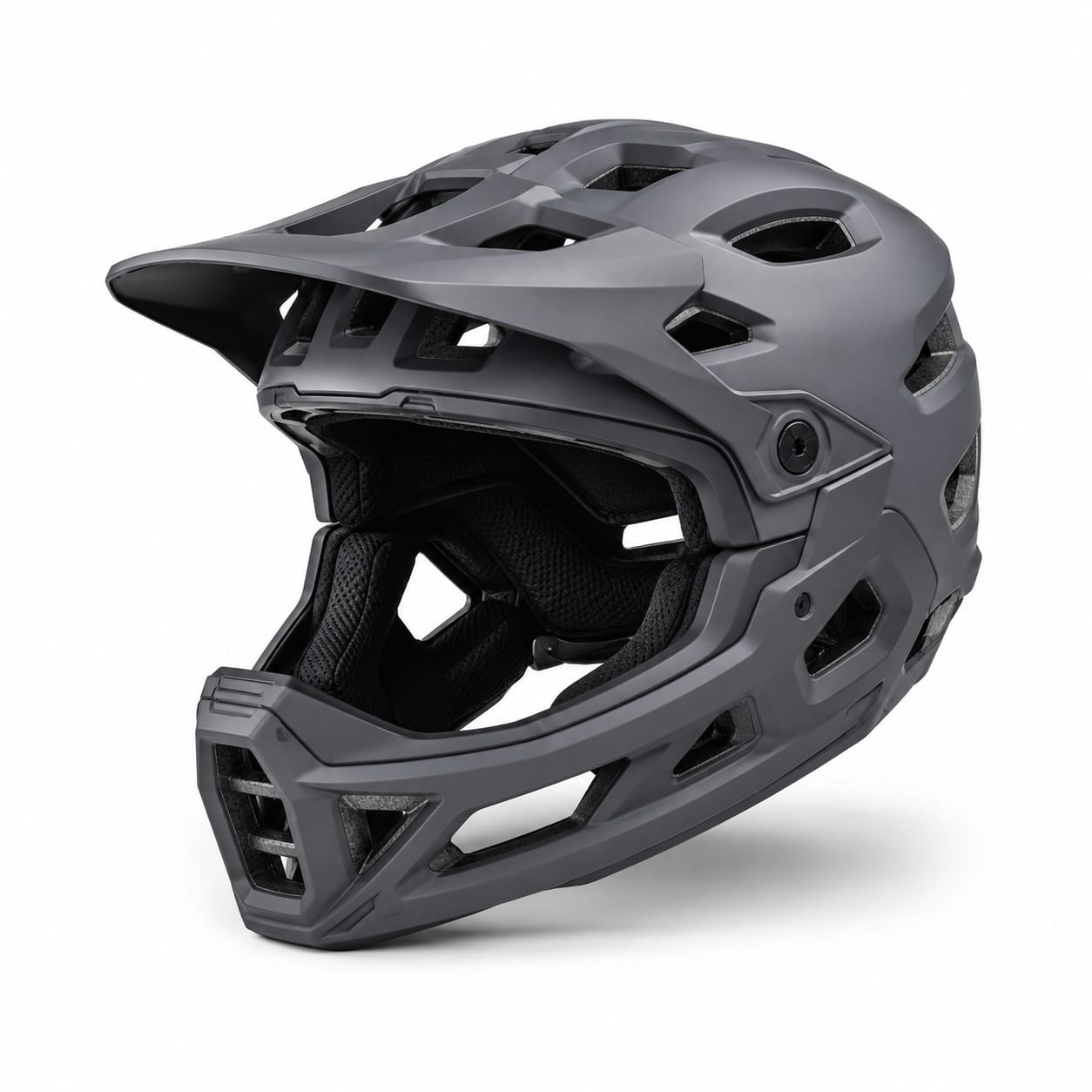
Enduro / All-Mountain Helmet
$80 – $350
Enhanced-coverage half-shell helmets bridging the gap between trail and full-face protection for aggressive riding.
maximum half-shell coverageremovable chin bar on some modelsaggressive ventilation
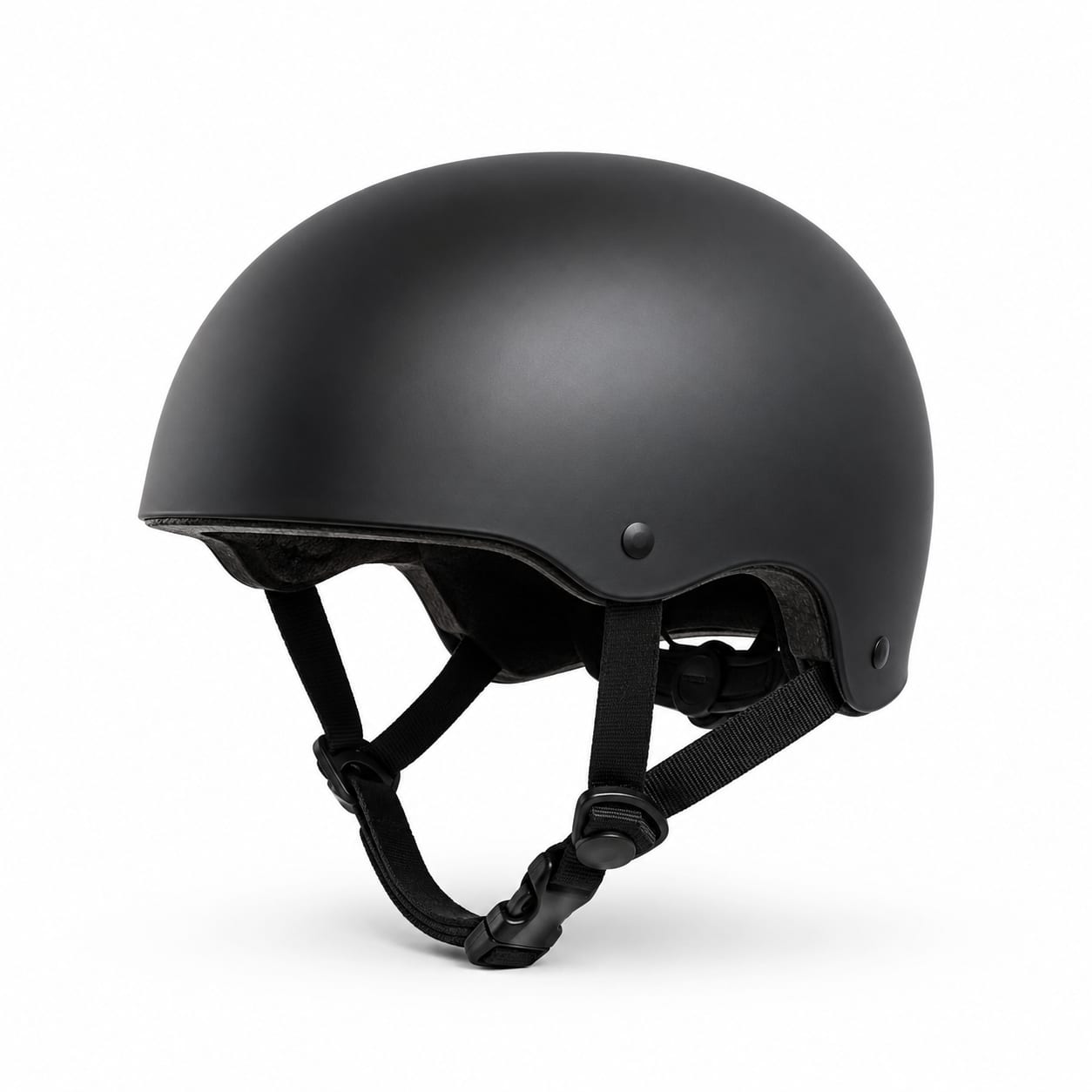
BMX / Dirt Jump Helmet
$30 – $200
Durable hard-shell helmets with skate-inspired profiles for BMX racing, dirt jumping, and skatepark riding.
hard outer shellskate-style profileminimal ventilation
More questions
- Do I really need a full face helmet for downhill mountain biking?
- What's the difference between a bicycle full face helmet and a motocross helmet?
- Are convertible full face helmets with removable chin bars as safe as fixed chin bar helmets?
- How hot are full face helmets, and can I do climbs in one?