What it means
The discipline-specific category of the helmet, which determines its shape, coverage, ventilation pattern, and intended use scenario.
Typical for this type
Enduro Full Face
In practice
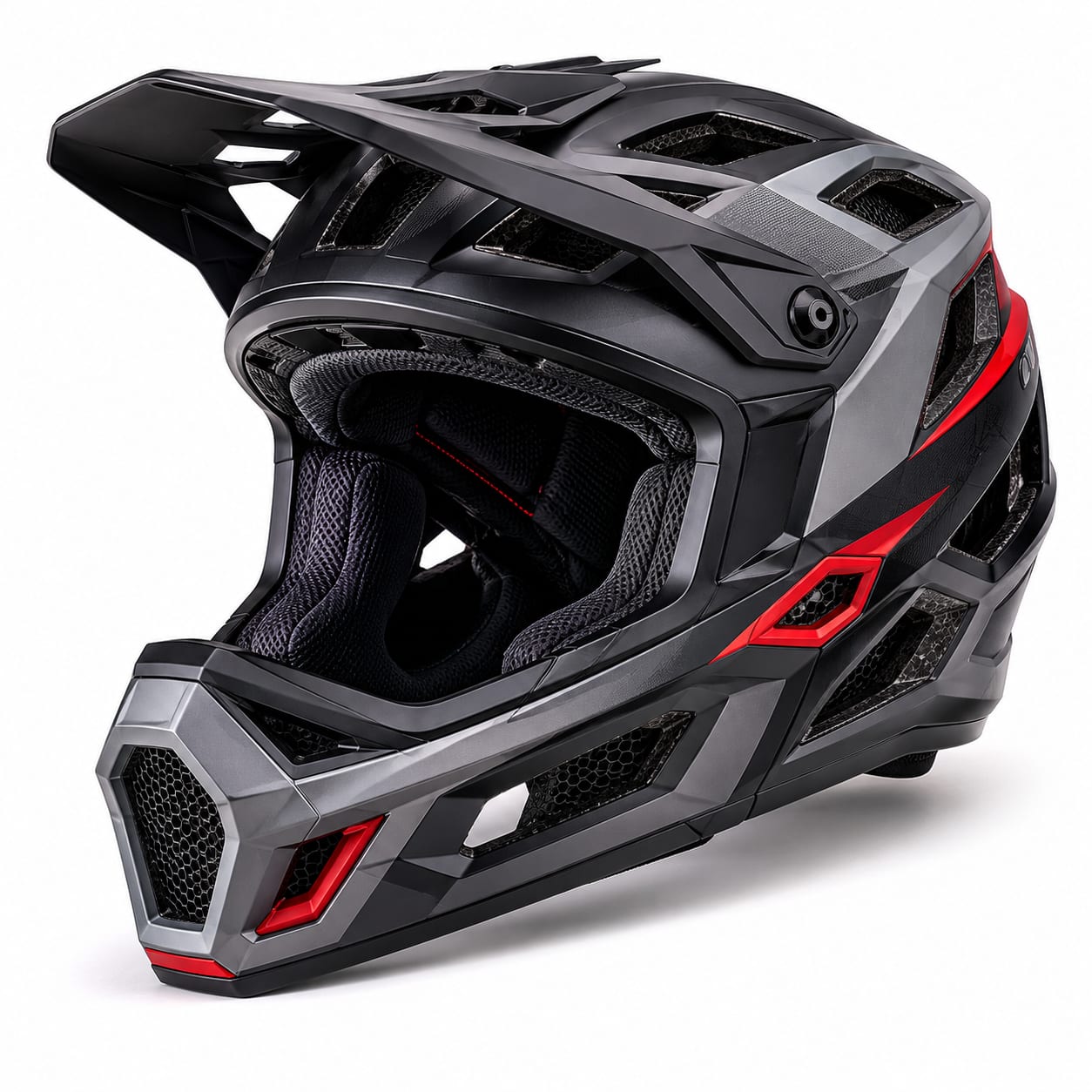
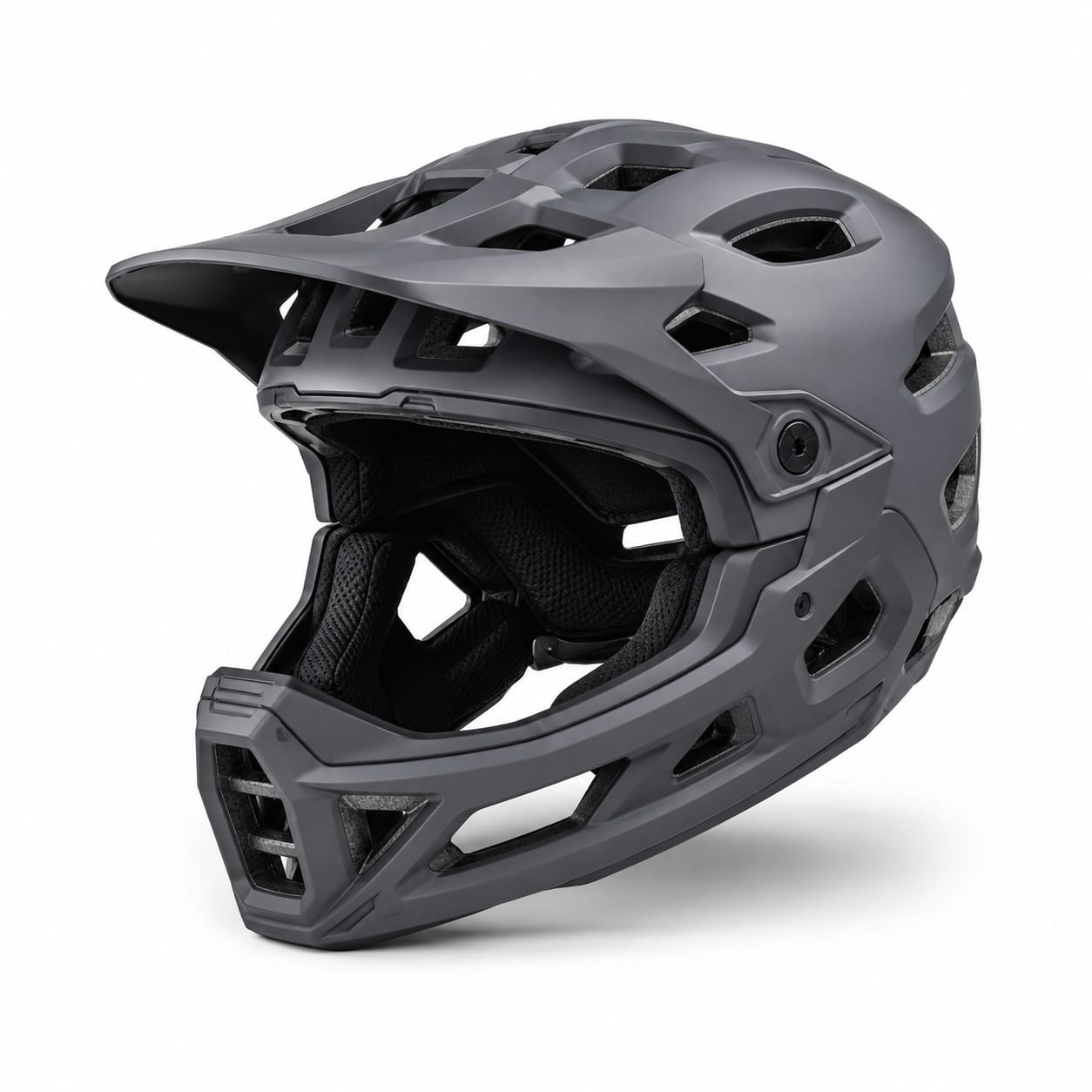
Full face MTB helmets fall under the enduro/full-face category, featuring an integrated chin bar that provides complete coverage of the head, face, and jaw. This is the defining characteristic that separates them from all other helmet types.
Compared to other types
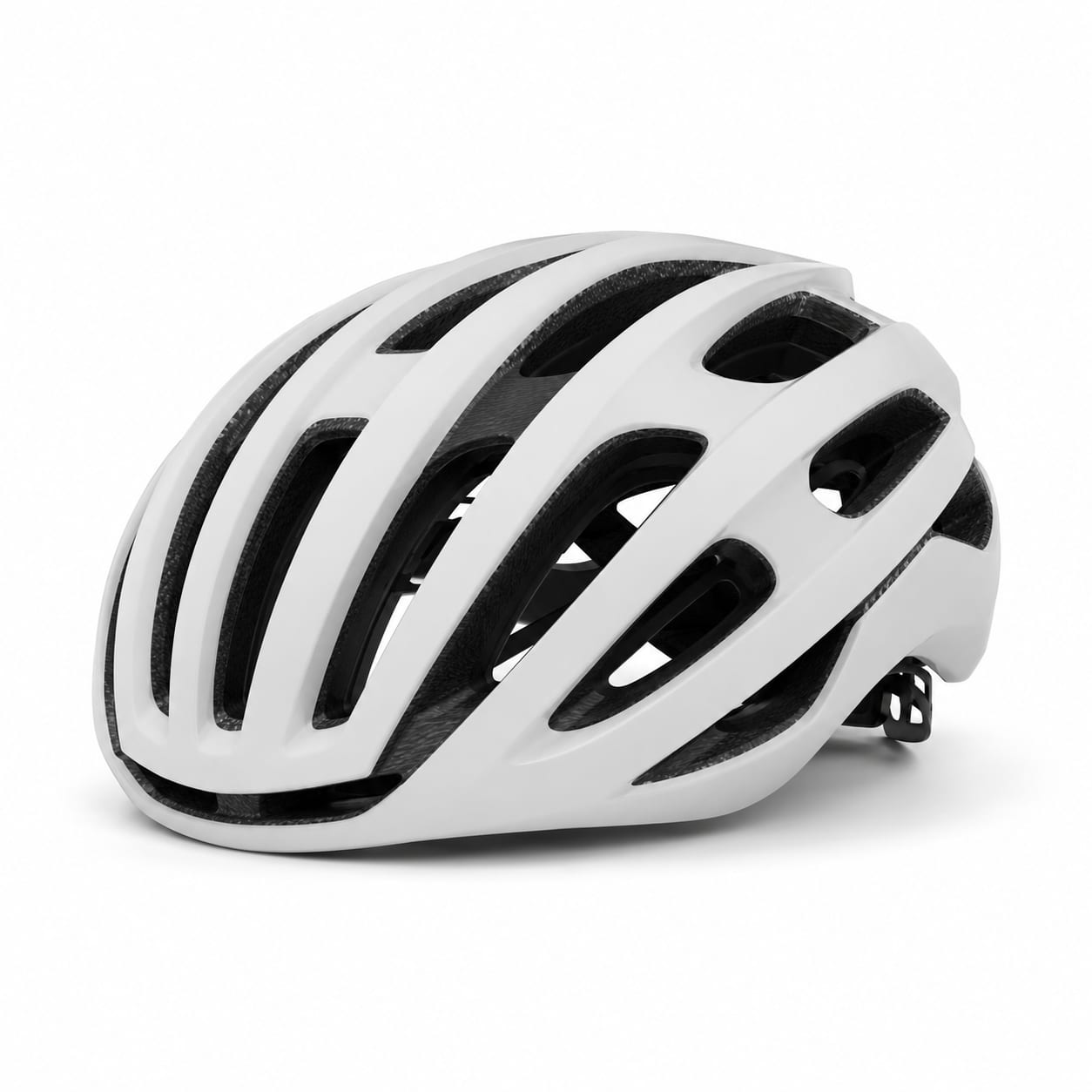
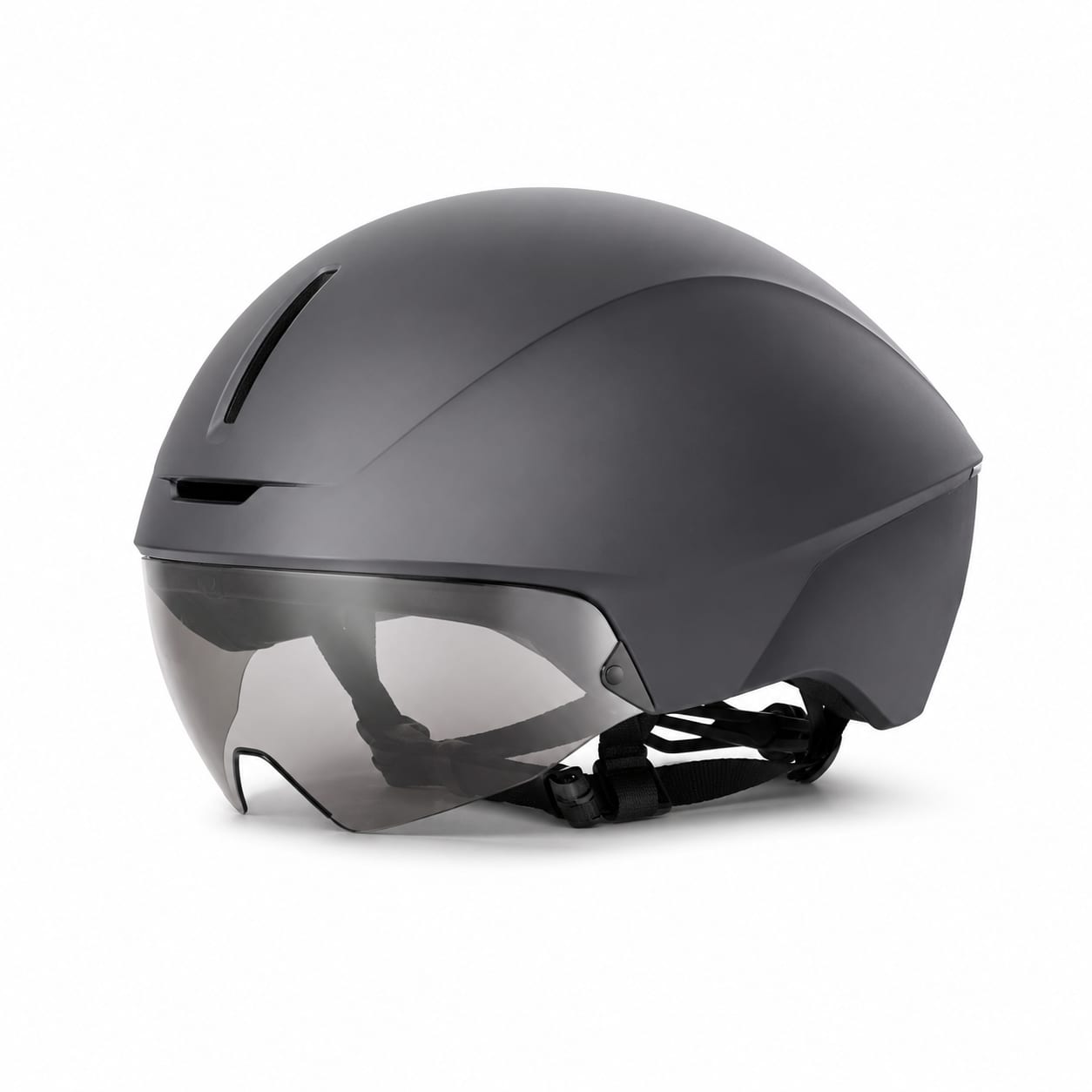
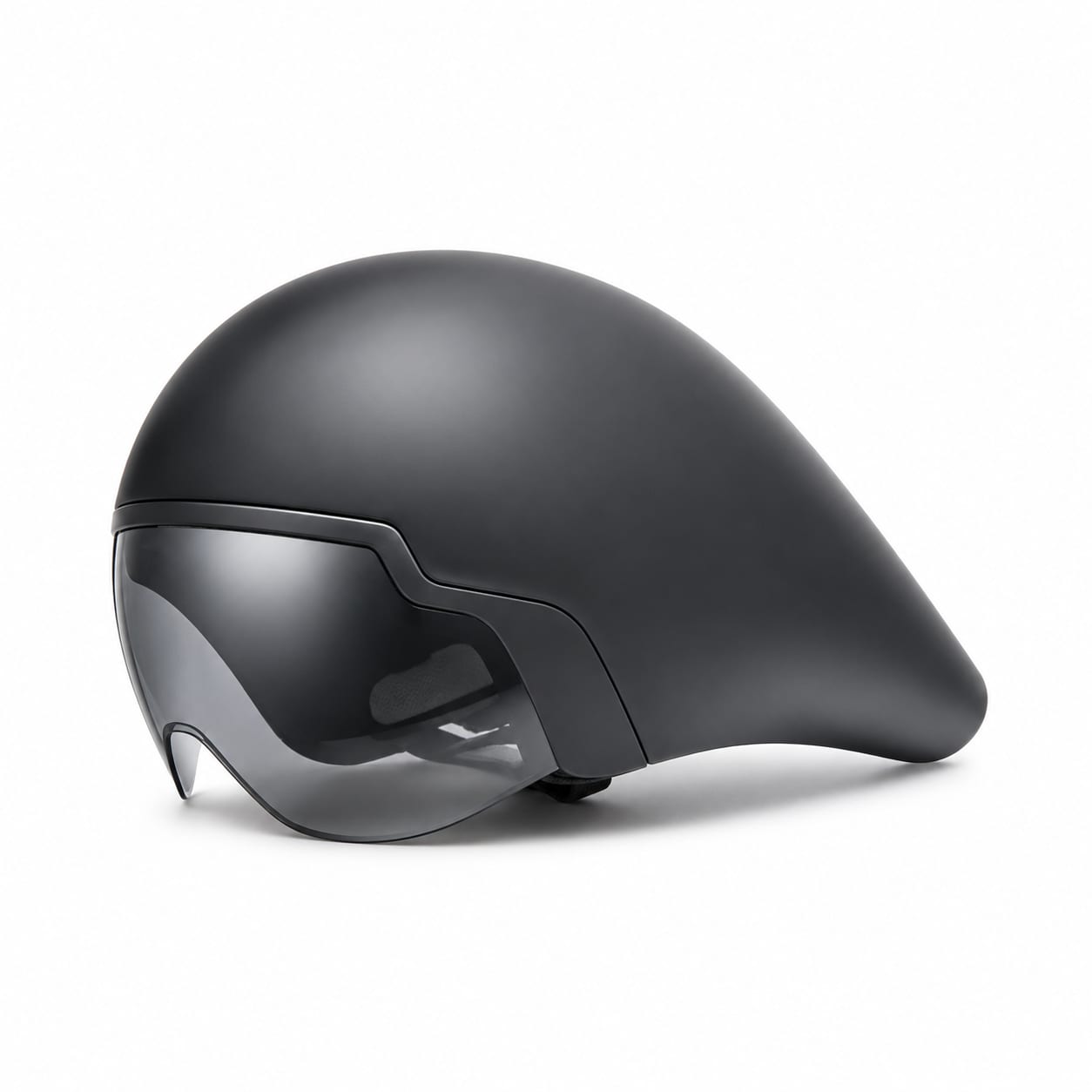
Unlike road, aero, or open-face MTB helmets that leave the face exposed, full face helmets provide complete facial protection. Compared to TT/triathlon helmets optimized for aerodynamics, full face helmets are optimized purely for impact protection at the cost of aerodynamic efficiency and cooling.
Why it matters: The helmet type determines the fundamental protection philosophy. Full face helmets sacrifice ventilation and weight for maximum protection, which is essential for the high-speed, high-consequence crashes typical of downhill and aggressive enduro riding.
Certification Standard
Certification Standard
What it means
Safety certification standards the helmet meets, indicating the impact testing protocols and minimum protection levels verified by independent testing bodies.
Typical for this type
CPSC + EN 1078 + ASTM F1952 Minimum; Snell B-95 Desirable
Most common pick: CPSC, EN 1078, ASTM F1952
In practice
Full face MTB helmets should meet at minimum CPSC (US) or EN 1078 (EU) baseline standards, plus the ASTM F1952 downhill-specific standard which tests at higher impact energies. Premium models may also carry Snell B-95 certification for even greater verified protection.
Compared to other types
Road and commuter helmets typically only carry CPSC or EN 1078. The ASTM F1952 standard is unique to downhill/MTB full face helmets and represents a significantly higher impact threshold, making it essential for this subcategory but unnecessary for lower-speed disciplines.
Why it matters: ASTM F1952 is specifically designed for the higher-impact forces encountered in downhill mountain biking. A full face helmet without this certification may not provide adequate protection for the speeds and forces typical of its intended use. This is the most critical differentiator between a real DH helmet and a casual full face helmet.
Rotational Protection System
Rotational Protection System
What it means
Technology designed to reduce rotational forces transmitted to the brain during oblique impacts, which are the most common type of cycling crash impact.
Typical for this type
MIPS Minimum; MIPS Spherical Preferred For Premium Models
In practice
Most modern full face MTB helmets include MIPS as standard, with premium models offering MIPS Spherical which uses dual-density foam layers with a ball-and-socket interface for more effective rotational force management. WaveCel and Koroyd are less common in this category.
Compared to other types
Full face MTB helmets almost universally include rotational protection, whereas budget road and commuter helmets sometimes omit it. MIPS Spherical is particularly well-suited to full face helmets because the dual-density foam construction also improves overall impact management at the higher energies these helmets face.
Why it matters: Oblique impacts are extremely common in mountain bike crashes, and rotational forces are a primary cause of traumatic brain injuries. Given the higher crash energies in downhill riding, rotational protection is arguably more important here than in any other cycling discipline.
What it means
The total mass of the helmet including all padding, retention system, and visor (if included), measured in grams.
Typical for this type
600–900g for dedicated DH; 650–850g for enduro convertible
Most common pick: 750g
In practice
Full face MTB helmets typically weigh between 600g and 1100g, with modern carbon-shelled models at the lighter end and less expensive models or those with more features at the heavier end. Enduro-oriented convertible helmets tend to be lighter than dedicated DH helmets.
Compared to other types
Full face helmets are roughly 2–3 times heavier than road helmets (200–280g) and 1.5–2 times heavier than open-face MTB helmets (280–380g). This weight penalty is the trade-off for the dramatically increased protection coverage.
Why it matters: Weight affects neck fatigue on long days, especially during bike park sessions with many laps. However, weight should never be prioritized over protection in this category—a lighter helmet that compromises impact performance defeats the purpose of wearing a full face helmet.
Number of Vents
Number of Vents
What it means
The total number of intake and exhaust vents designed to channel airflow through the helmet for cooling.
Typical for this type
8–18 vents
Most common pick: 12
In practice
Full face MTB helmets typically have 8 to 18 vents, with the chin bar area limiting where vents can be placed. The most ventilated designs use large intake vents above the brow line and exhaust vents at the rear, with internal channeling to maximize airflow through the limited vent count.
Compared to other types
Road helmets typically have 18–28 vents and aero helmets have 4–12. Full face helmets fall in between in raw vent count but are significantly hotter due to the chin bar restricting airflow. Internal channeling design matters more than raw vent count in this category.
Why it matters: Ventilation is the primary comfort limitation of full face helmets. Inadequate ventilation leads to overheating and fogged goggles, especially during climbs or in warm weather. However, more vents can compromise structural integrity, so there is a careful balance in full face design.
Head Circumference Range
Head Circumference Range
What it means
The range of head circumferences the helmet is designed to fit, typically adjustable via the retention system within a specific size bracket.
Typical for this type
Ensure your measurement falls within the specific model's range; most cover 52–63cm across sizes
Most common pick: 53–62cm
In practice
Full face MTB helmets typically come in 2–3 size brackets covering approximately 52–63cm total. Some brands offer XS/S (52–55cm), M/L (55–59cm), and XL/XXL (59–63cm). Proper fit is especially critical because the chin bar must align correctly with the jaw.
Compared to other types
The size ranges are similar to other helmet types, but the consequences of poor fit are more severe in full face helmets because the chin bar must maintain proper positioning relative to the face. Open-face helmets have more tolerance for slight sizing issues.
Why it matters: An improperly fitting full face helmet can allow the chin bar to shift during impact, reducing facial protection. Too large and the helmet may rotate forward exposing the back of the head; too small and the chin bar will press against the jaw uncomfortably and may not provide adequate standoff distance for impact absorption.
Retention System
Retention System
What it means
The adjustable mechanism at the rear of the helmet that secures it to the head and allows on-the-fly adjustment for a stable, comfortable fit.
Typical for this type
Dial/Ratchet Minimum; Rear Dial With Yoke Preferred For Aggressive Riding
Most common pick: Dial Ratchet
In practice
Most full face MTB helmets use a dial/ratchet retention system for secure fit adjustment. Premium models may feature rear dial with yoke systems that wrap around the occipital bone for enhanced stability, which is particularly valuable for keeping the helmet stable during aggressive riding and impacts.
Compared to other types
Full face helmets benefit more from yoke-style retention systems than road helmets because the forces involved in MTB crashes are more severe and multi-directional. Budget sliding buckle systems, occasionally found on entry-level helmets in other categories, are essentially never used on full face MTB helmets.
Why it matters: The retention system must keep the helmet firmly in place during high-speed crashes where rotational and translational forces are extreme. A secure yoke-based system provides more stable positioning than a simple dial, reducing the chance of the helmet shifting on impact.
Shell Construction
Shell Construction
What it means
The manufacturing method used to join the outer polycarbonate shell to the inner EPS foam liner, affecting durability, weight, and safety.
Typical for this type
Hybrid In-Mold Or Dual-Density Foam Preferred; In-Mold Acceptable For Budget Models
Most common pick: Hybrid In Mold
In practice
Premium full face MTB helmets typically use hybrid in-mold construction (in-mold top with hardshell lower ring) or dual-density foam construction for progressive impact absorption. Carbon fiber shell options are available at the highest price points for weight reduction without compromising strength. Budget models may use standard in-mold construction.
Compared to other types
Full face helmets are more likely to use hybrid or dual-density construction than road helmets, which are predominantly standard in-mold. The higher impact energies and need for durability in MTB justify the more complex and expensive construction methods.
Why it matters: The chin bar and lower helmet edges take the most abuse from everyday handling and crashes. Hybrid construction provides durability where it's needed most while keeping weight down. Dual-density foam with MIPS Spherical offers the best impact management across different crash energies.
Coverage Level
Coverage Level
What it means
The extent of head coverage provided by the helmet, particularly at the temples, rear, and base of the skull, beyond the minimum certification requirement.
Typical for this type
Full Coverage MTB (The Standard For This Subcategory)
Most common pick: Full Coverage Mtb
In practice
Full face MTB helmets provide the maximum coverage level, extending low on the temples, fully enclosing the rear skull and nape, and adding the chin bar for complete facial protection. This goes beyond even the 'full coverage MTB' open-face category by adding the jaw and face enclosure.
Compared to other types
Full face helmets provide the most coverage of any cycling helmet type, exceeding even full coverage MTB open-face helmets by adding the chin bar. Road helmets provide minimal to standard coverage, leaving the face, temples, and lower skull far more exposed.
Why it matters: The comprehensive coverage is the entire reason this helmet type exists. It protects areas that no other helmet category covers, specifically the jaw, mouth, chin, and lower face—areas that are highly vulnerable in forward-facing and side impacts common in downhill crashes.
What it means
The type of visor or brim attached to the helmet for sun, rain, and debris protection, and whether it's removable or adjustable.
Typical for this type
Removable/Adjustable Visor With Goggle Compatibility
Most common pick: Removable Adjustable
In practice
Full face MTB helmets universally feature removable and adjustable visors designed to accommodate goggles. The visor can be raised to store goggles on the helmet during climbs or between runs, and lowered for sun and debris protection during descents. Screw-attached visors are common for secure positioning.
Compared to other types
Unlike road helmets with no visor or commuter helmets with fixed short visors, full face MTB visors are purpose-built for goggle integration. The adjustability range is typically greater than on open-face MTB helmets to accommodate the specific goggle-to-helmet interface requirements.
Why it matters: Goggle compatibility is essential for full face helmets because goggles are the standard eye protection for downhill riding. The visor must be adjustable enough to create a proper seal between the goggle frame and the helmet's brow line, and must be able to be raised to store goggles when not descending.
Padding System
Padding System
What it means
The type, material, and configuration of interior padding that contacts the head, affecting comfort, moisture management, and fit customization.
Typical for this type
Removable/Washable Minimum; Anti-Microbial Treated Preferred; Premium Multi-Density For Best Comfort
Most common pick: Removable Washable
In practice
Full face MTB helmets typically feature removable and washable padding systems, often with anti-microbial treatment. Premium models may include multi-density zoned padding with dedicated brow pads featuring sweat channels to keep sweat out of the eyes and off goggles.
Compared to other types
The padding demands on full face helmets are greater than on road or commuter helmets due to the increased heat and sweat. Premium multi-density padding with sweat management features is more justified in this category than in any other.
Why it matters: Full face helmets are hotter and cause more sweating than any other helmet type, making moisture management critical. Removable pads allow regular washing to manage odor and hygiene. A good brow pad with sweat channel prevents sweat from dripping onto goggles, which is a significant safety concern when riding technical terrain.
Chin Buckle Type
Chin Buckle Type
What it means
The type of buckle used on the chin strap, affecting ease of use, reliability, and safety.
Typical for this type
Double D-Ring For Dedicated DH; Magnetic Fidlock Acceptable For Enduro Convertible
Most common pick: Double D Ring
In practice
The double D-ring buckle is the traditional and most common chin strap fastener on full face MTB helmets, providing the most secure fastening that cannot unintentionally release during a crash. Some enduro-oriented convertible models use magnetic Fidlock buckles for easier on/off during stage transitions.
Compared to other types
Full face MTB helmets are the only cycling helmet category where double D-ring buckles are standard. Road, commuter, and open-face MTB helmets use standard side-release or occasionally magnetic buckles. The D-ring reflects the higher safety requirements of the discipline.
Why it matters: In a high-speed crash, the chin strap must remain fastened to keep the helmet on the head. Double D-rings are the most reliable fastening method and are required by many racing organizations. The security they provide is essential for the extreme forces experienced in downhill crashes.
Reflective Elements
Reflective Elements
What it means
Presence and extent of reflective materials on the helmet for enhanced visibility in low-light conditions.
Typical for this type
Minimal Decal Is Standard; Not A Primary Concern For This Subcategory
Most common pick: Minimal Decal
In practice
Most full face MTB helmets include only minimal reflective decals or logos, as they are primarily used during daylight hours on dedicated trails. Low-light visibility is typically handled by lights on the bike rather than helmet-mounted reflectors.
Compared to other types
Commuter and urban helmets prioritize reflective elements far more than full face MTB helmets, which are designed for trail use where passive reflectivity is less relevant. Road helmets also typically have minimal reflective elements.
Why it matters: Reflective elements are a lower priority for full face helmets because downhill and bike park riding rarely occurs in low-light conditions. Riders who do ride in low light should use active lights on their bike and body rather than relying on helmet reflectors.
Integrated Light Mount
Integrated Light Mount
What it means
Built-in mount or attachment point for rear lights, either as a dedicated clip, magnetic mount, or integrated light.
Typical for this type
No Mount Is Standard And Expected For This Subcategory
Most common pick: None
In practice
Full face MTB helmets virtually never include integrated light mounts, as they are designed for trail and bike park use where rear visibility to motorists is not a concern. The chin bar and visor design also make light mounting impractical.
Compared to other types
Commuter helmets frequently feature clip, magnetic, or integrated light mounts. Full face MTB helmets have no need for this feature, and it would be unusual to find it on any model in this category.
Why it matters: Light mounts are irrelevant for the intended use case of full face helmets. Riders who need rear visibility should mount lights on their bike or body. Adding a light mount would add unnecessary weight and complexity to a helmet already optimized for protection.
Aerodynamic Optimization
Aerodynamic Optimization
What it means
The degree to which the helmet is designed to reduce aerodynamic drag, from no consideration to purpose-built time trial aerodynamics.
Typical for this type
No Aero Optimization to Aero-Informed Design; Aero Is Not A Priority For This Subcategory
Most common pick: None
In practice
Full face MTB helmets are designed purely for protection with no meaningful aerodynamic optimization. The chin bar, visor, and goggle-compatible design create significant aerodynamic drag, but this is irrelevant at the speeds and riding contexts where these helmets are used.
Compared to other types
Road and TT helmets are heavily optimized for aerodynamics, which is a primary design driver. Full face MTB helmets are at the opposite end of the spectrum, where aero optimization is essentially absent and would be counterproductive to the protection-first design philosophy.
Why it matters: Aerodynamics are essentially irrelevant for downhill and enduro riding where speeds are typically below 60 km/h and the primary concern is protection, not efficiency. Any aero shaping would be secondary to structural integrity and ventilation design.
Strap Adjustment System
Strap Adjustment System
What it means
The system used to adjust and lock the chin strap length and position, affecting ease of fitting and strap stability during use.
Typical for this type
Adjustable Splitters With Locking Preferred; Standard Sliding Acceptable
Most common pick: Adjustable Splitters Locking
In practice
Full face MTB helmets often feature adjustable strap splitters with locking mechanisms to keep the straps securely positioned under the ears. This prevents strap movement during aggressive riding and ensures the chin strap maintains proper alignment for the double D-ring fastening.
Compared to other types
Full face helmets are more likely to feature locking adjustable splitters than road or commuter helmets, which commonly use standard sliding systems. The more extreme riding conditions justify the more secure strap adjustment system.
Why it matters: Strap stability is more important in full face helmets than in other categories because the chin strap must maintain precise positioning to keep the helmet secure during crashes. Locking splitters prevent the straps from creeping during the vibration and impacts of aggressive riding.