Kitvore.com

Kitvore.com

Specs that matter. Gear that fits.

Cycling Helmet · Subcategory

Enduro / All-Mountain Helmet

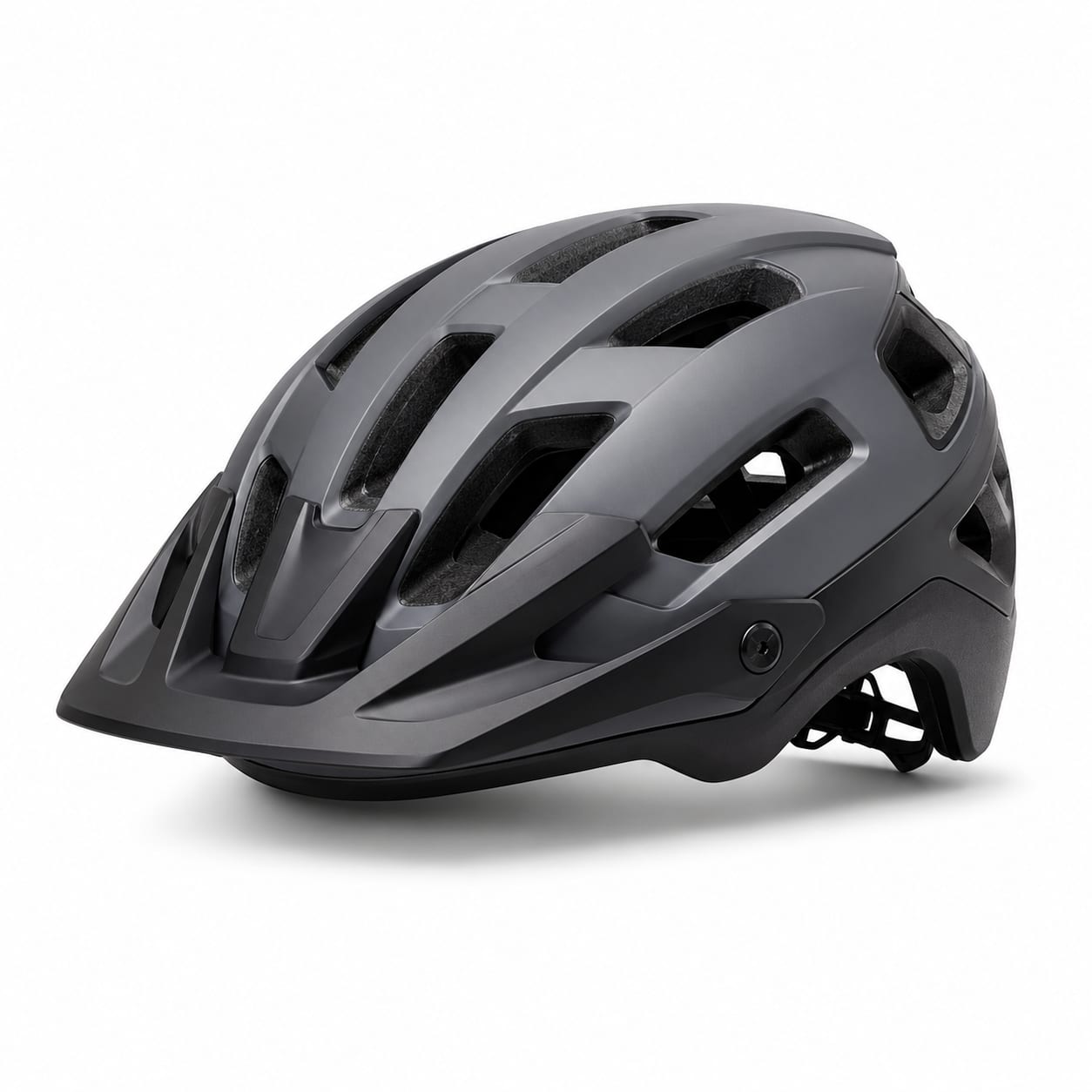
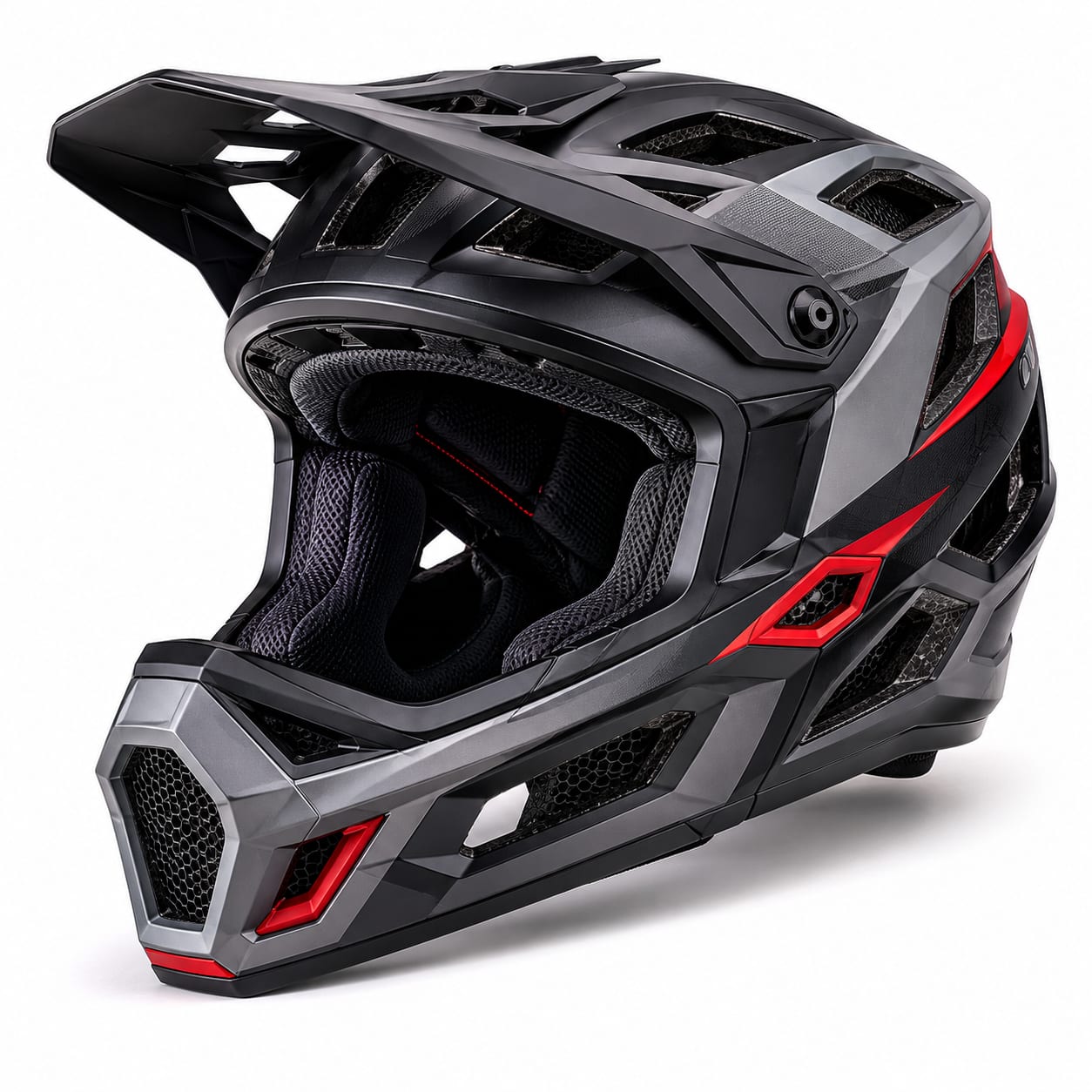
Extended-coverage mountain bike helmet designed for aggressive trail and enduro riding, balancing maximum protection with pedalable ventilation.

Enduro and all-mountain helmets are built for riders who charge technical descents but still need to pedal uphill. They feature deeper rear and temple coverage than standard trail helmets, robust visors for debris and sun protection, and often include premium rotational protection systems. Whether you choose a half-shell with maximum coverage or a convertible full-face with a removable chin bar, these helmets are engineered for the demands of enduro racing and aggressive all-mountain riding where crashes are more severe and protection is non-negotiable.

$80 – $350premium tierintermediateadvancedexpert

Best known for

Extended rear and temple coverage beyond standard MTB helmetsRemovable or adjustable visors with goggle compatibilityConvertible chin bar designs on select modelsPremium rotational protection systems (MIPS, MIPS Spherical, WaveCel)Robust construction balancing downhill protection with climb-worthy ventilation
Enduro / All-Mountain Helmet

Guide

Detailed overview

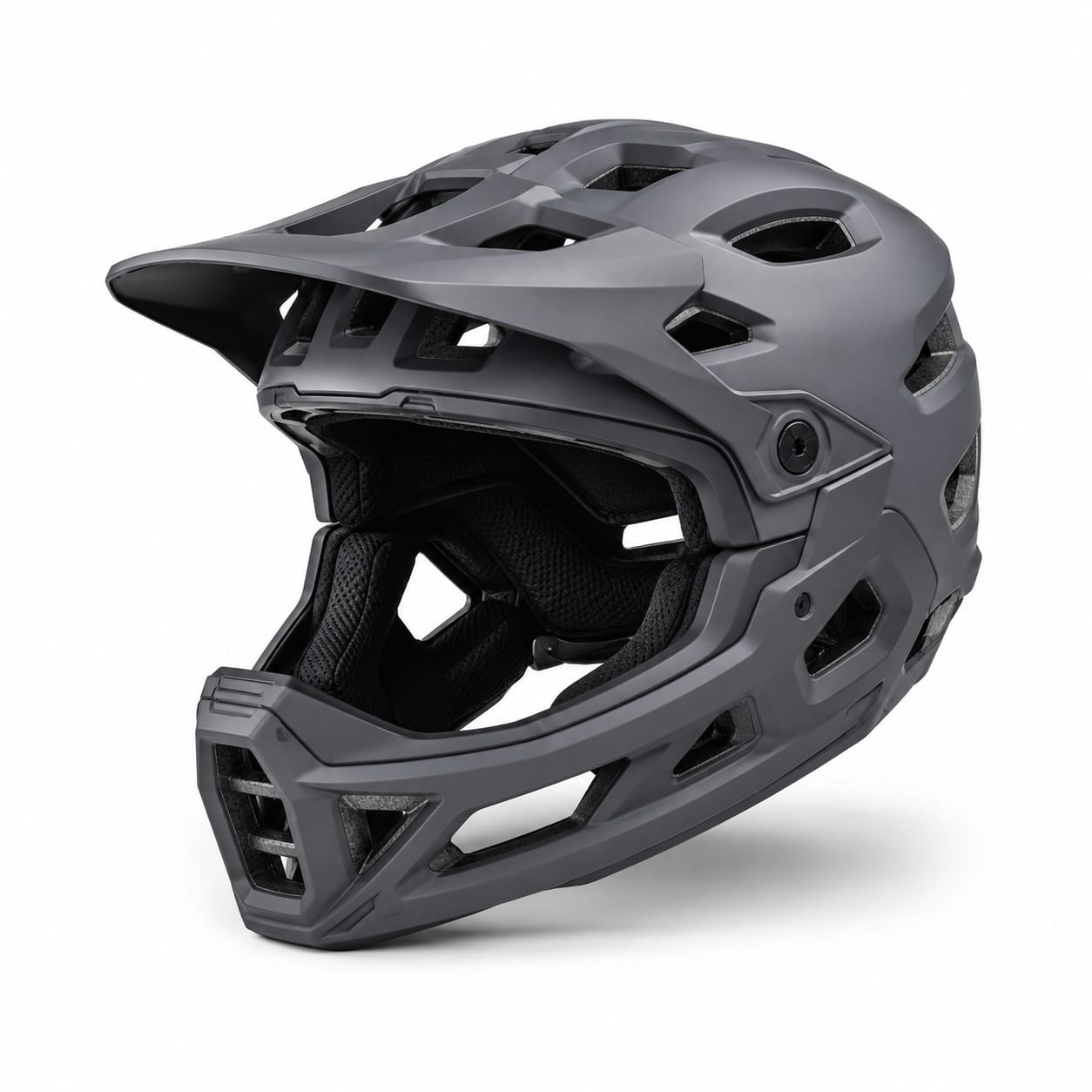
Enduro and all-mountain helmets occupy the space between standard trail helmets and full-face downhill helmets, delivering the protection aggressive riding demands without the penalty of a dedicated DH lid. They feature noticeably deeper coverage at the temples, occipital bone, and base of the skull compared to cross-country or trail helmets. This extended coverage is the defining characteristic—protecting areas that are vulnerable in the sideways and backwards falls common in technical terrain. Most models incorporate a removable or adjustable visor designed to accommodate goggles underneath, a practical necessity for enduro stages. The visor can be pushed up for goggle storage during climbs or adjusted low for sun and debris shielding on descents. Premium models frequently feature MIPS or more advanced rotational protection systems like MIPS Spherical, which uses a dual-density foam ball-and-socket interface for superior rotational force management. Construction typically uses hybrid in-mold methods, combining a lightweight in-mold upper shell with a durable hardshell lower ring to resist the dings and crashes endemic to aggressive riding. Ventilation is carefully engineered with 12 to 18 vents and internal channeling to maintain airflow during sustained climbing, because enduro racing demands self-powered ascents between timed descents. A subset of enduro helmets features a removable chin bar, converting from a half-shell to a full-face configuration, offering versatility for riders who want face protection on the most aggressive stages without committing to a dedicated DH helmet for the entire ride.

Enduro and all-mountain helmets represent the most demanding segment of non-motorized cycling head protection. Unlike cross-country helmets that prioritize minimal weight and maximum ventilation, or downhill helmets that provide full-face coverage at the cost of climbability, enduro helmets must excel across both disciplines. The core design philosophy is simple: protect the rider on violent, high-speed descents while remaining tolerable during the 20-to-40-minute climbs between stages. This dual mandate drives every design decision, from vent placement to visor geometry to retention system choice.

The most immediately noticeable feature of an enduro helmet is its extended coverage. Where a standard trail helmet might end just below the certification line at the rear, an enduro helmet extends significantly lower, wrapping around the occipital bone and the base of the skull. Temple coverage is also deeper, protecting an area that is frequently the first point of contact in sideways falls on technical terrain. This additional coverage adds weight and reduces ventilation compared to lighter helmets, but the safety trade-off is considered essential for the discipline. Studies of mountain bike crash patterns consistently show that rear and side impacts are overrepresented in off-road falls, making this extended coverage one of the most meaningful safety differentiators in the helmet market.

Rotational protection systems have become near-universal in this category, and for good reason. The types of crashes common in enduro and aggressive trail riding—oblique impacts with rocks, roots, and hardpack—produce significant rotational forces that standard EPS foam alone cannot adequately address. MIPS is the most common system, found in the majority of enduro helmets at mid-range and premium price points. More advanced implementations like MIPS Spherical and Trek's WaveCel offer enhanced rotational force management and are increasingly available in top-tier models. While no rotational protection system can prevent all concussions, the consensus among safety researchers is that these systems provide a meaningful reduction in rotational acceleration during oblique impacts.

The convertible full-face segment has grown significantly, with models like the Bell Super Air R Chin Bar and Giro Switchblade offering a removable chin bar that transforms the helmet from a half-shell to a full-face configuration. This versatility appeals to riders who want face and jaw protection for bike park days or the most aggressive enduro stages but prefer the lighter, cooler half-shell configuration for pedaling. It is important to note that convertible helmets are generally not rated to the same ASTM F1952 downhill standard as dedicated DH full-face helmets, so riders regularly hitting bike park features at high speed may still want a dedicated DH lid. For most enduro racers and aggressive trail riders, however, the convertible design provides an excellent balance of versatility and protection.

Fit and retention are particularly critical for enduro helmets because the helmet must stay securely in place during violent crashes while remaining comfortable during long climbs. Rear dial with yoke retention systems are increasingly common in this category, providing superior stability by wrapping adjustable arms around the occipital bone. This design prevents the helmet from shifting forward or backward during rough descents, a common issue with simpler dial systems. Padding systems in premium enduro helmets often feature multi-density zone pads with anti-microbial treatment and integrated sweat channels, recognizing that these helmets will be worn for multi-hour rides in hot conditions. The chin buckle is typically a standard side-release, though some premium models now feature magnetic Fidlock buckles for easier operation with gloves.

Quick facts

Primary purpose
Maximum half-shell protection for aggressive all-mountain and enduro riding with climbing ventilation needs
Popular brands
FoxBellPOCTroy Lee DesignsGiroLeatt
Typical terrain
steep technical descentsenduro race coursesbike parksrough singletrack

What makes it different

Deepest coverage of any half-shell; some convertible to full-face with removable chin bar; often ASTM DH-certified; reinforced shell edges for durability

Recommended ranges

How this type usually specs out

Each spec is explained in plain language, then we show what buyers usually look for on this type.

Helmet Type

Helmet Type

What it means

The discipline-specific category of the helmet, which determines its shape, coverage, ventilation pattern, and intended use scenario.

Typical for this type

Enduro Full Face Or Mountain Bike For Half-Shell Enduro Models

In practice

Enduro/all-mountain helmets are classified as enduro/full-face type, encompassing both extended-coverage half-shells and convertible full-face designs with removable chin bars.

Compared to other types

More coverage and impact protection than mountain_bike type; lighter and more ventilated than dedicated enduro_full_face DH helmets; far more coverage than road or aero_road types.

Why it matters: This classification determines the helmet's coverage profile, impact standards, and intended use scenario. An enduro-rated helmet provides significantly more protection than a standard mountain_bike type while remaining pedalable.

Certification Standard

Certification Standard

What it means

Safety certification standards the helmet meets, indicating the impact testing protocols and minimum protection levels verified by independent testing bodies.

Typical for this type

CPSC + EN 1078 Minimum; ASTM F1952 For Models Used In Bike Park Or High-Speed DH

Most common pick: CPSC, EN 1078

In practice

Most enduro half-shell helmets meet CPSC and EN 1078 baseline standards. Convertible full-face models may additionally meet ASTM F1952 for higher-impact downhill protection, though not all do.

Compared to other types

Standard road and XC helmets only require CPSC/EN 1078. Dedicated DH full-face helmets should carry ASTM F1952. Enduro helmets sit between these—most meet baseline standards, premium models add ASTM F1952.

Why it matters: ASTM F1952 certification indicates the helmet has been tested to higher impact energy thresholds, which is relevant for the higher-speed crashes common in enduro racing and bike park riding. Without it, the helmet only meets baseline bicycle standards.

Rotational Protection System

Rotational Protection System

What it means

Technology designed to reduce rotational forces transmitted to the brain during oblique impacts, which are the most common type of cycling crash impact.

Typical for this type

Mips Minimum; Mips Spherical Or Wavecel For Premium Protection

In practice

MIPS is the most common rotational protection system in enduro helmets, found in the majority of models from mid-range upward. Premium models increasingly feature MIPS Spherical or WaveCel for enhanced rotational force management.

Compared to other types

Enduro helmets almost universally include rotational protection, unlike budget road or commuter helmets where 'none' is common. The prevalence of MIPS Spherical and WaveCel is higher in enduro than in most other subcategories due to the demanding crash scenarios.

Why it matters: Oblique impacts into rocks, roots, and hardpack are the most common crash type in enduro riding. Rotational protection systems reduce the rotational acceleration transmitted to the brain during these impacts, which is linked to reduced concussion risk.

Weight

Weight

What it means

The total mass of the helmet including all padding, retention system, and visor (if included), measured in grams.

Typical for this type

300-380g for half-shell enduro; 600-800g for convertible full-face with chin bar

Most common pick: 340g

In practice

Half-shell enduro helmets typically weigh 300-380g due to extended coverage and robust construction. Convertible full-face models weigh 600-800g with the chin bar installed and 350-420g without it.

Compared to other types

Heavier than road helmets (200-280g) and XC MTB helmets (260-320g) due to extended coverage. Lighter than dedicated DH full-face helmets (800-1100g). Convertible models span a wide range depending on chin bar configuration.

Why it matters: Weight matters during long climbs between enduro stages. A 380g enduro helmet is noticeably heavier than a 280g XC helmet, but the added coverage is worth the penalty for aggressive riding. Weight differences under 30g between enduro models are rarely perceptible on trail.

Number of Vents

Number of Vents

What it means

The total number of intake and exhaust vents designed to channel airflow through the helmet for cooling.

Typical for this type

12-18 vents

Most common pick: 15

In practice

Enduro helmets typically feature 12-18 vents with substantial internal channeling. The vent count is lower than road helmets because extended coverage and structural integrity take priority, but internal channeling design compensates.

Compared to other types

Fewer vents than road helmets (18-28) and XC MTB helmets (16-22) due to coverage requirements. More vents than aero road helmets (4-12) and far more than DH full-face helmets (4-10). Internal channeling is more sophisticated than in road helmets to maximize airflow per vent.

Why it matters: Ventilation is critical for enduro riding because you must pedal uphill between descents. Too few vents and you overheat on climbs; too many compromise the structural integrity needed for high-speed impacts. Internal channeling design matters as much as raw vent count.

Head Circumference Range

Head Circumference Range

What it means

The range of head circumferences the helmet is designed to fit, typically adjustable via the retention system within a specific size bracket.

Typical for this type

51-63cm across available sizes (S/M/L)

Most common pick: 52-62cm

In practice

Enduro helmets are typically offered in 2-3 size brackets covering approximately 51-63cm. Common sizing is S (51-55cm), M (55-59cm), L (59-63cm). Some brands offer XL up to 65cm.

Compared to other types

Size range is similar across all adult helmet subcategories. Enduro helmets may fit slightly tighter due to deeper coverage wrapping the occipital bone, so riders between sizes should consider sizing up.

Why it matters: Proper fit is critical for enduro helmets because they must stay in place during violent crashes. A helmet that shifts on impact exposes the areas the extended coverage is designed to protect. Measure at the widest point above the eyebrows and try before buying if possible.

Retention System

Retention System

What it means

The adjustable mechanism at the rear of the helmet that secures it to the head and allows on-the-fly adjustment for a stable, comfortable fit.

Typical for this type

Rear Dial Yoke Preferred For Aggressive Riding; Dial Ratchet Acceptable

In practice

Rear dial with yoke systems are increasingly standard in enduro helmets because the adjustable yoke arms wrap around the occipital bone, preventing the helmet from shifting forward or backward during rough descents and crashes.

Compared to other types

Enduro helmets favor yoke systems more than road or XC helmets, where simple dial_ratchet systems are common. The stability advantage of yoke systems is less critical on smooth roads but essential on rough descents.

Why it matters: Enduro riding involves violent terrain where helmet stability is paramount. A yoke system provides significantly more secure vertical retention than a simple dial, keeping the helmet correctly positioned over the temples and base of skull during impacts.

Shell Construction

Shell Construction

What it means

The manufacturing method used to join the outer polycarbonate shell to the inner EPS foam liner, affecting durability, weight, and safety.

Typical for this type

Hybrid In Mold Preferred; In Mold Acceptable; Dual Density Foam For Premium Models

In practice

Hybrid in-mold construction is common in enduro helmets, combining a lightweight in-mold upper with a durable hardshell lower ring that resists damage from crashes, trail debris, and everyday handling. Premium models may use dual-density foam with MIPS Spherical integration.

Compared to other types

Road helmets predominantly use in_mold construction for weight savings. Enduro helmets favor hybrid_in_mold for durability. Premium enduro models with MIPS Spherical use dual_density_foam construction, which is rare in other subcategories.

Why it matters: Enduro helmets take more abuse than road helmets—crashes into rocks, tossing the helmet in a truck, and general rough handling. The hybrid construction's durable lower ring prevents the shell from separating at the edges, a common failure point for pure in-mold helmets in rough use.

Coverage Level

Coverage Level

What it means

The extent of head coverage provided by the helmet, particularly at the temples, rear, and base of the skull, beyond the minimum certification requirement.

Typical for this type

Full Coverage Mtb For Enduro; Extended Rear Acceptable For All-Mountain

In practice

Enduro helmets provide full coverage MTB protection, extending low on the temples, wrapping the occipital bone, and covering the nape of the neck. This is the maximum coverage available in a half-shell design.

Compared to other types

Significantly more coverage than standard_road or minimal coverage. More coverage than extended_rear found on trail and gravel helmets. Equivalent coverage to DH half-shell designs. Only full-face DH helmets provide more protection by adding chin bar coverage.

Why it matters: Full coverage MTB is the defining feature of enduro helmets. The extended temple and rear coverage protects against the sideways and backwards falls that are common in technical terrain and disproportionately result in head impacts to areas not covered by standard helmets.

Visor Type

Visor Type

What it means

The type of visor or brim attached to the helmet for sun, rain, and debris protection, and whether it's removable or adjustable.

Typical for this type

Removable Adjustable Essential For Enduro

In practice

Enduro helmets feature removable and adjustable visors that can be set at multiple angles, pushed up for goggle storage, or removed entirely. The visor is typically longer and more robust than on trail helmets to deflect trail debris.

Compared to other types

Unlike road helmets (none) and commuter helmets (fixed_short), enduro visors must be adjustable for goggle compatibility. The visor is typically longer and more robust than on XC/trail helmets. Some enduro visors feature breakaway attachment points for safety.

Why it matters: The adjustable visor serves multiple functions: sun shielding, rain deflection, debris protection from low branches, and goggle compatibility. The ability to push the visor up for goggle storage during climbs is essential for enduro racing where goggles are worn on descents but stored on the helmet during transitions.

Padding System

Padding System

What it means

The type, material, and configuration of interior padding that contacts the head, affecting comfort, moisture management, and fit customization.

Typical for this type

Anti Microbial Minimum; Premium Multi Density For Long Rides In Hot Conditions

In practice

Enduro helmets typically feature removable, washable, anti-microbial treated pads. Premium models upgrade to multi-density zone pads with integrated sweat channels at the brow, recognizing that these helmets are worn for multi-hour rides in demanding conditions.

Compared to other types

Enduro helmets more commonly feature anti-microbial and premium padding than road or XC helmets due to the harsher conditions of use. The brow sweat channel found in premium enduro pads is particularly valuable because the visor limits forehead airflow.

Why it matters: Enduro riding generates significant sweat during climbs, and the extended coverage of enduro helmets traps more heat than lighter helmets. Anti-microbial treatment prevents odor buildup over multi-day riding trips. Removable pads are essential for washing after muddy rides.

Chin Buckle Type

Chin Buckle Type

What it means

The type of buckle used on the chin strap, affecting ease of use, reliability, and safety.

Typical for this type

Standard Side Release Most Common; Magnetic Fidlock For Premium Models; Double D Ring For Convertible Full-Face

In practice

Standard side-release buckles are most common on enduro half-shells. Premium models increasingly feature magnetic Fidlock buckles for easy operation with gloves. Convertible full-face enduro helmets may use double D-ring buckles for maximum security.

Compared to other types

Similar to trail and XC helmets which use standard_side_release. Premium enduro models adopt magnetic_fidlock more readily than other MTB subcategories. Convertible full-face enduro helmets may use double_d_ring like DH helmets, but this is less common.

Why it matters: Enduro riders frequently remove helmets between stages and at the top of climbs, making buckle ease-of-use a daily consideration. Gloved operation is important in cooler conditions. For convertible full-face models, the security of the buckle is critical for chin bar effectiveness.

Reflective Elements

Reflective Elements

What it means

Presence and extent of reflective materials on the helmet for enhanced visibility in low-light conditions.

Typical for this type

Minimal Decal Typical; Strategic Placement If Riding In Low Light

In practice

Most enduro helmets include only minimal reflective decals or logos, typically on the rear. This reflects the discipline's primarily daytime, off-road focus. Some models add reflective elements to strap anchors.

Compared to other types

Less reflective coverage than commuter helmets (strategic_placement or full_wrap) which prioritize low-light visibility. Similar to road and XC helmets. Riders who commute on their enduro bike should consider adding reflective accessories.

Why it matters: Reflective elements are less critical for enduro riding, which primarily occurs on trails during daylight. However, riders who pedal on roads between trailheads or ride in low-light conditions should consider helmets with more reflective elements or add stick-on reflective tape.

Integrated Light Mount

Integrated Light Mount

What it means

Built-in mount or attachment point for rear lights, either as a dedicated clip, magnetic mount, or integrated light.

Typical for this type

None Typical; Clip Mount Available On Some Models

In practice

Enduro helmets rarely include integrated light mounts, as the discipline is focused on daytime trail riding. A few models include a clip mount at the rear, but this is the exception rather than the rule.

Compared to other types

Commuter helmets frequently offer magnetic_mount or integrated_light options. Road helmets occasionally include clip_mount. Enduro helmets almost universally have none, reflecting the discipline's daytime trail focus.

Why it matters: Light mounts are largely irrelevant for enduro riding but matter for riders who use their enduro helmet for commuting or night trail riding. Without a dedicated mount, lights must be strapped to vents, which is less secure and can damage thin shell sections.

Aerodynamic Optimization

Aerodynamic Optimization

What it means

The degree to which the helmet is designed to reduce aerodynamic drag, from no consideration to purpose-built time trial aerodynamics.

Typical for this type

Aero Informed Typical; Aero Gains Are Secondary to Protection And Ventilation

In practice

Enduro helmets incorporate aero-informed design principles—shaped vents and smoothed surfaces that reduce drag without sacrificing coverage or ventilation. However, aerodynamic optimization is a low priority compared to protection, ventilation, and goggle compatibility.

Compared to other types

Far less aero optimization than aero_road or tt_optimized helmets, which sacrifice ventilation and coverage for drag reduction. Similar aero-informed approach to trail and gravel helmets. The visor alone creates significant drag that cannot be designed away.

Why it matters: Aerodynamics matter less for enduro than for road racing because speeds are lower and the riding position is more upright. The visor and extended coverage inherently create more drag than road helmets, making aero optimization a secondary concern.

Strap Adjustment System

Strap Adjustment System

What it means

The system used to adjust and lock the chin strap length and position, affecting ease of fitting and strap stability during use.

Typical for this type

Adjustable Splitters Locking Preferred; Standard Sliding Acceptable

In practice

Premium enduro helmets increasingly feature adjustable splitters with locking mechanisms that prevent strap creep during rough riding. Standard sliding systems are still common on mid-range models.

Compared to other types

Enduro helmets are more likely to feature locking splitters than road or XC helmets, reflecting the need for stability in rough terrain. Fixed_position_splitters are rare in enduro because they limit fit customization with goggles and varying head shapes.

Why it matters: Strap positioning must remain stable during aggressive riding and crashes. Locking splitters prevent the straps from shifting out of position, ensuring the V-shape below the earlobes is maintained and the helmet stays properly secured during impacts.

Evaluation

Strengths and trade-offs

Pros

What this type does best

Maximum half-shell coverage

Critical

Enduro helmets provide the deepest temple, occipital, and nape coverage available in a half-shell design, protecting the areas most vulnerable in technical terrain crashes where sideways and backwards falls are common.

Goggle-compatible adjustable visor

High

The removable, adjustable visor can be positioned for sun and debris shielding, pushed up for goggle storage during climbs, or removed entirely—essential versatility for enduro racing and aggressive trail riding.

Near-universal rotational protection

Critical

Virtually all mid-range and premium enduro helmets include MIPS or an equivalent rotational protection system, reflecting the discipline's high crash risk and the prevalence of oblique impacts on technical terrain.

Durable hybrid construction

High

Hybrid in-mold construction with a hardshell lower ring resists the dings, crashes, and rough handling that are inevitable in aggressive mountain biking, preventing the shell separation issues common with pure in-mold designs.

Climb-worthy ventilation

High

Despite the extended coverage, well-designed internal channeling maintains sufficient airflow for sustained climbing, a critical requirement for enduro racing where self-powered ascents separate timed descents.

Convertible full-face option

Medium

Select models offer removable chin bars that transform the helmet from a half-shell to a full-face, providing jaw and face protection for the most aggressive stages without committing to a dedicated DH helmet for the entire ride.

Secure yoke retention systems

High

The rear dial with yoke retention systems common in this category wrap around the occipital bone for superior stability, preventing the helmet from shifting during rough descents and ensuring it stays correctly positioned during impacts.

Premium padding for harsh conditions

Medium

Anti-microbial treated, removable pads with sweat channels are standard in this category, addressing the reality of multi-hour rides in hot, muddy conditions where hygiene and comfort matter.

Cons

Trade-offs to be aware of

Heavier than trail and XC helmets

Moderate

Extended coverage, robust construction, and visors add 50-100g compared to lighter trail and XC helmets. The weight is noticeable on long climbs, though the safety trade-off is justified for aggressive riding.

Hotter than lighter helmets

Moderate

The extended coverage that makes enduro helmets safer also traps more heat. Even with good vent channeling, they run warmer than XC and trail helmets, which can be uncomfortable on hot climb-heavy days.

Convertible chin bars are not DH-rated

Significant

Most convertible full-face enduro helmets do not meet ASTM F1952 downhill certification standards. Riders hitting large bike park features at high speed should use a dedicated DH helmet rather than relying on a convertible chin bar.

Visor can obstruct vision on steep climbs

Minor

The visor that shields debris on descents can obstruct the view when the head is tilted back on steep climbs. Riders must push the visor up or remove it for climb-heavy rides, adding a minor inconvenience.

Premium pricing

Moderate

Enduro helmets with MIPS, hybrid construction, and yoke retention systems typically cost $150-300+, significantly more than basic trail helmets. The safety features justify the cost, but the price of entry is high.

Bulkier profile than trail helmets

Minor

The extended coverage and visor create a larger, more bulbous profile than sleeker trail or road helmets. This is a purely aesthetic concern but matters to riders who prefer a lower-profile look.

Best for

Surfaces & terrain

Technical singletrackSteep descentsRock gardensRoot-laden trailsBike park (with convertible or dedicated full-face)Enduro race courses

Riding conditions

Technical descents with high crash riskMixed climb-and-descend ridingHot conditions with sustained climbingMuddy and wet trail conditionsVariable light conditions under tree canopy

Skill level

IntermediateAdvancedExpert

Riding discipline

Enduro racingAggressive all-mountainTrail riding with technical descentsBike park laps (convertible full-face)Enduro-stage training

Rider profile

Enduro racers needing pedalable protectionAggressive trail riders who push limits on descentsAll-mountain riders seeking maximum half-shell coverageBike park riders wanting convertible versatilityRiders recovering from previous head injuries who prioritize coverage

Not ideal for

Reasons

Excessive coverage and weight for low-risk riding scenariosVisor and extended coverage create unnecessary aero drag on roadHotter than necessary for casual riding where crash risk is minimalHigher cost than needed for riders not tackling technical terrainVisor obstructs forward vision in road riding positions

Surfaces & terrain

Smooth paved roadsFlat gravel pathsPaved bike paths

Skill level

Beginner

Riding discipline

Casual recreational ridingRoad cyclingCross-country racingCommuting on paved roads

Compare

How it stacks up

This page

Enduro / All-Mountain Helmet

Significantly deeper rear, temple, and nape coverage; more robust construction; goggle-compatible adjustable visor; more likely to include premium rotational protection and yoke retention systems.

Alternative

Trail / XC MTB Helmet

Lighter weight (260-320g vs 300-380g); better ventilation with more vents; lower profile aesthetic; lower cost; adequate protection for non-technical trail riding.

Bottom line

Choose enduro if you regularly ride technical descents, race enduro, or want maximum half-shell coverage. Choose trail/XC if your riding is primarily flow trails and cross-country where the coverage and weight penalty are unnecessary.

This page

Enduro / All-Mountain Helmet

Much lighter and cooler for climbing; can be worn comfortably for full ride including ascents; convertible models offer versatility; significantly better ventilation; easier to carry and store.

Alternative

Dedicated DH Full-Face Helmet

Full chin and jaw protection; meets ASTM F1952 higher impact standard; maximum protection for high-speed bike park and DH racing; more robust construction for repeated crashes.

Bottom line

Choose enduro for ride-up, ride-down days and enduro racing where you must pedal between stages. Choose dedicated DH for lift-accessed bike park days and DH racing where you never pedal uphill and maximum face protection is essential.

This page

Enduro / All-Mountain Helmet

Dramatically more coverage at temples, rear, and base of skull; visor for sun and debris; more robust construction; designed for the crash types common in off-road riding.

Alternative

Aero Road Helmet

Much lighter (200-280g); significantly better ventilation; aerodynamic optimization; lower profile; cooler on climbs; lower cost for equivalent quality.

Bottom line

Never use a road helmet for aggressive mountain biking—the coverage is inadequate for off-road crash patterns. Use enduro helmets for any riding involving technical terrain, rocks, roots, or high-speed descents on dirt.

This page

Enduro / All-Mountain Helmet

Better ventilation for sustained effort; lighter for climbing; superior retention systems; designed for high-speed trail impacts rather than low-speed urban falls; goggle compatibility.

Alternative

Commuter / Urban Helmet

Better reflective elements and visibility features; integrated light mounts; often more affordable; style-oriented for urban aesthetics; adequate for low-speed commuting crashes.

Bottom line

Choose enduro for trail riding and any off-road use. Choose commuter for paved urban riding where visibility features, style, and casual comfort matter more than technical protection and ventilation.

Shopping

Buying tips

  • 1

    Prioritize coverage and rotational protection over weight savings—the 50-100g penalty of an enduro helmet over a trail helmet is negligible compared to the additional protection of extended coverage and MIPS.

  • 2

    If you ride both bike park and pedal-accessed trails, consider a convertible full-face model with a removable chin bar rather than buying two separate helmets.

  • 3

    Check that the visor has at least three adjustable positions and can be pushed up high enough to store goggles underneath—this is essential for enduro stage transitions.

  • 4

    Try the helmet with your goggles before buying. Not all enduro helmets are compatible with all goggle brands, and poor goggle-to-helmet integration causes fogging and fit issues.

  • 5

    Look for hybrid in-mold construction with a hardshell lower ring—pure in-mold helmets are more prone to edge damage from the crashes and rough handling common in enduro riding.

  • 6

    If between sizes, size up and use thicker pads. Enduro helmets fit more snugly around the occipital bone than trail helmets, and a too-small helmet will create pressure points on long rides.

  • 7

    Verify that the chin strap forms a V directly below your earlobes and allows 1-2 fingers between the strap and your chin. Improper strap positioning is the most common fit mistake and compromises safety.

  • 8

    Consider replacing your helmet every 3-5 years or after any significant impact, even if damage isn't visible. EPS foam degrades over time and compresses after impacts, reducing protection.

Care

Maintenance notes

  • Remove and hand-wash padding every 5-10 rides using mild soap and cold water. Air dry completely before reinserting. Never machine wash or use heat.
  • Inspect the shell for cracks, delamination, or separation at the lower edge after any crash. Even hairline cracks compromise structural integrity and require replacement.
  • Clean the helmet exterior with mild soap and water only. Avoid solvents, degreasers, or petroleum-based cleaners that can degrade the polycarbonate shell and EPS foam.
  • Store the helmet in a cool, dry place away from direct sunlight. UV exposure degrades the shell and foam over time. Avoid leaving helmets in hot cars where temperatures can exceed foam softening points.
  • Check the visor attachment points regularly for cracks or looseness. A visor that detaches during a crash can become a projectile or expose the mounting hardware.
  • Replace the helmet after any impact where your head hits the ground, even if no damage is visible. EPS foam is designed to compress once and does not recover.
  • If your helmet uses a magnetic Fidlock buckle, periodically verify that it fully engages by tugging firmly after clicking. Debris can interfere with the magnetic alignment.
  • Keep spare padding sets on hand if available for your model. Pads degrade faster than the helmet shell and are the primary comfort component.

Progression

Skill development path

Enduro helmets are appropriate for intermediate riders and above who are progressing to technical terrain and higher speeds. Beginners on flat, smooth trails don't need the coverage and can start with a lighter trail helmet. As riders advance to steeper descents, rock gardens, and higher speeds, the transition to an enduro helmet is a safety-critical upgrade. Expert riders and enduro racers should consider convertible full-face models for maximum versatility across training and competition scenarios. The key progression trigger is when crash risk increases due to terrain difficulty and speed—this is when the extended coverage and premium protection of an enduro helmet becomes essential rather than optional.

FAQ

Common questions

Each question has a dedicated page with a full answer and links to the buying guide.

Do I need an enduro helmet if I only ride flow trails?

If your trails are smooth, groomed, and lack technical features like rocks, roots, and steep descents, a standard trail or XC helmet provides adequate protection with less weight and better ventilation. Enduro helmets become necessary when crash risk increases due to technical terrain, higher speeds, or larger features. If you're unsure, err on the side of more coverage—you can always remove the visor and open the vents on an enduro helmet, but you can't add coverage to a trail helmet.

Are convertible full-face enduro helmets as safe as dedicated DH helmets?

Most convertible full-face enduro helmets do not meet the ASTM F1952 downhill standard that dedicated DH helmets are designed around. The chin bar attachment mechanisms on convertible helmets are generally not as robust as the one-piece construction of a dedicated DH helmet. For lift-accessed bike park days with large features and high speeds, a dedicated DH helmet is recommended. Convertible models are excellent for enduro racing and aggressive trail riding where you need face protection on some stages but must pedal on others.

Is MIPS worth the extra cost in an enduro helmet?

Yes. The types of crashes common in enduro riding—oblique impacts with rocks, roots, and hardpack—are precisely the scenarios where rotational protection systems provide the most benefit. MIPS reduces rotational acceleration by 10-35% in oblique impacts, which is linked to reduced concussion risk. Given that enduro helmets already represent a premium purchase for aggressive riding, the additional $20-40 for MIPS is a worthwhile investment in brain protection. MIPS Spherical and WaveCel offer enhanced protection at higher price points.

How should an enduro helmet fit with goggles?

The goggle strap should sit flat against the back of the helmet without gaps, and the goggle frame should nest seamlessly against the helmet's brow and visor with no exposed forehead skin. The visor should be adjustable enough to accommodate the goggle frame underneath when pushed up for storage. If there's a gap between the goggle and helmet, debris and sunlight will enter. Try your specific goggle and helmet combination before purchasing, as compatibility varies between brands.