
Bicycle full face helmets are designed for the specific impact energies of cycling (typically up to ~60 km/h) and are much lighter (600–1100g vs 1200–1700g for MX helmets) with better ventilation for the physical exertion of pedaling. MX helmets meet DOT or ECE motorcycling standards for much higher impact energies, making them overbuilt and excessively heavy for bicycle use. Using an MX helmet for mountain biking means carrying unnecessary weight, poorer ventilation, and a helmet optimized for the wrong impact range. Always choose a bicycle-specific full face helmet for MTB.
Cycling Helmet · Full Face Mountain Bike Helmet
What's the difference between a bicycle full face helmet and a motocross helmet?
Related gear types
If this answer nudged you toward a different style, these guides compare specs and trade-offs.
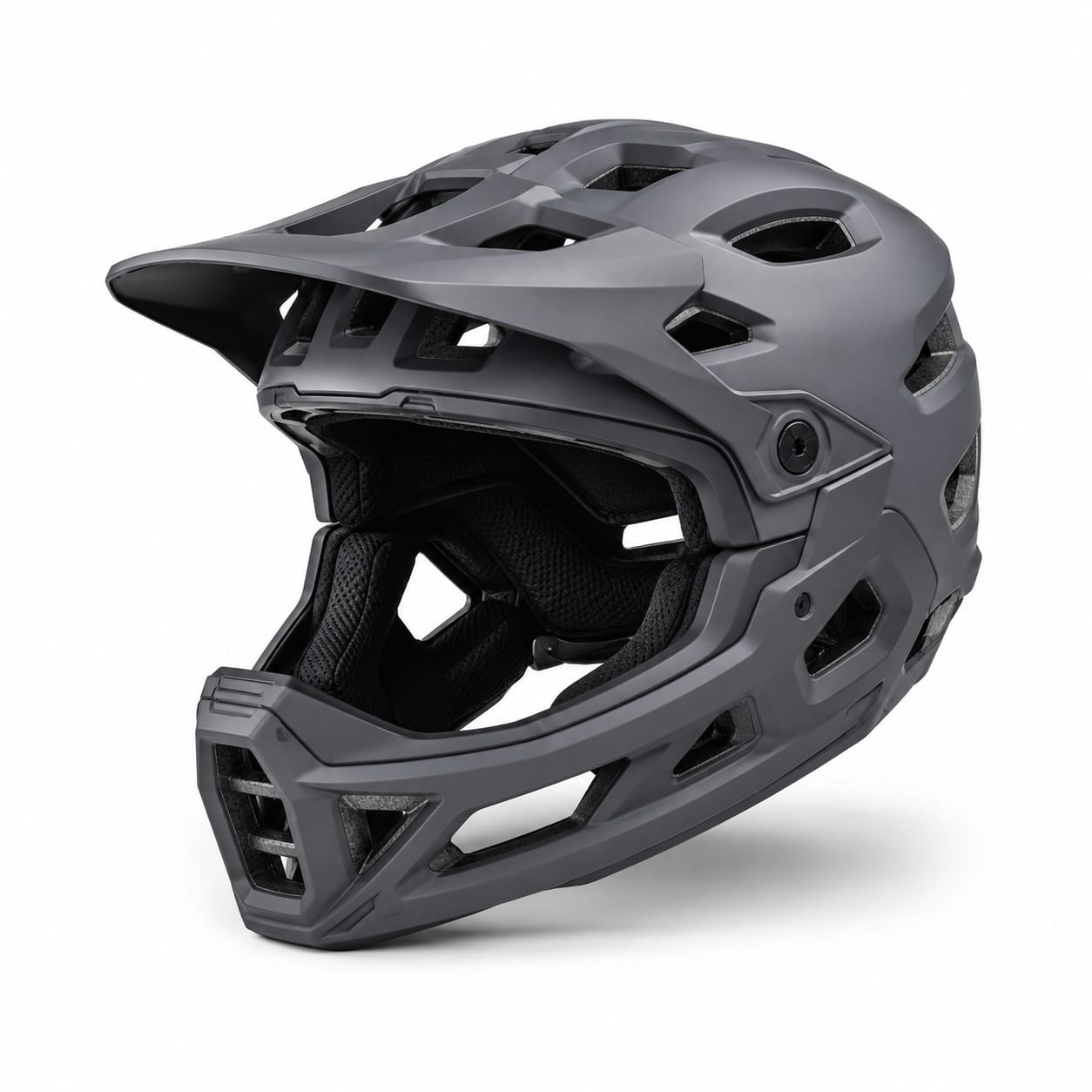
Enduro / All-Mountain Helmet
$80 – $350
Enhanced-coverage half-shell helmets bridging the gap between trail and full-face protection for aggressive riding.
maximum half-shell coverageremovable chin bar on some modelsaggressive ventilation
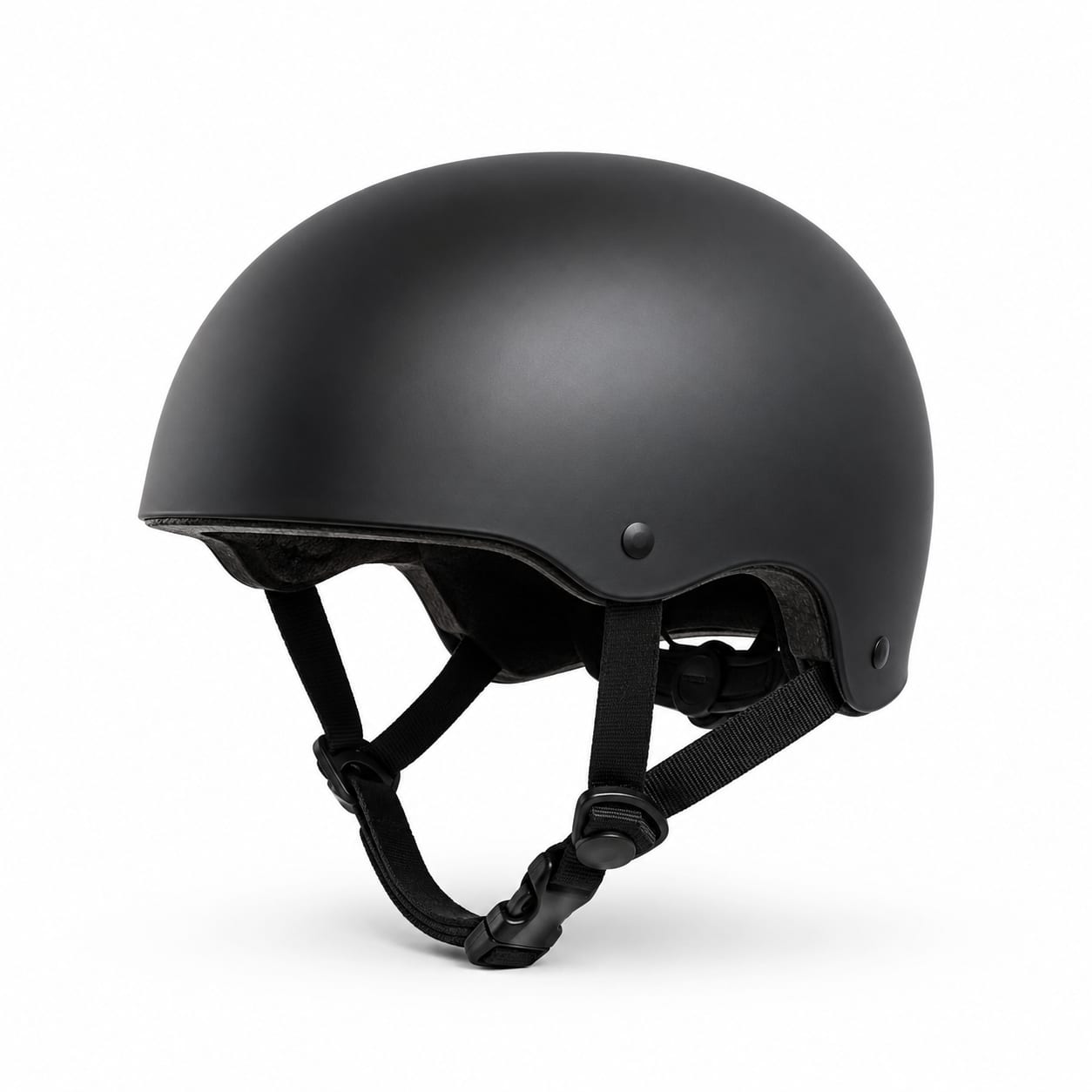
BMX / Dirt Jump Helmet
$30 – $200
Durable hard-shell helmets with skate-inspired profiles for BMX racing, dirt jumping, and skatepark riding.
hard outer shellskate-style profileminimal ventilation
More questions
- Do I really need a full face helmet for downhill mountain biking?
- Are convertible full face helmets with removable chin bars as safe as fixed chin bar helmets?
- How should a full face MTB helmet fit?
- How hot are full face helmets, and can I do climbs in one?