Kitvore.com

Kitvore.com

Specs that matter. Gear that fits.

Cycling Jersey · Subcategory

Commuter / Urban Jersey

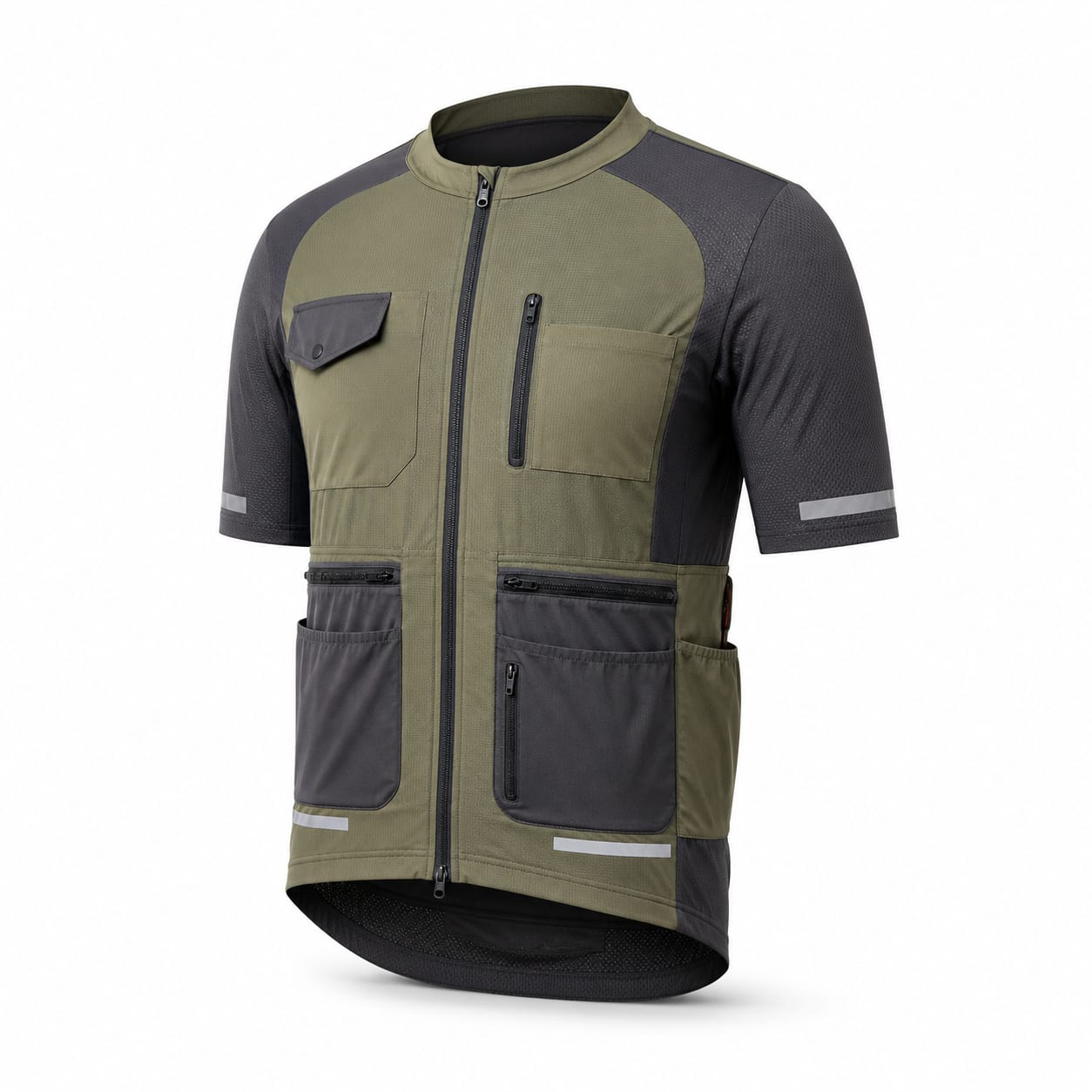
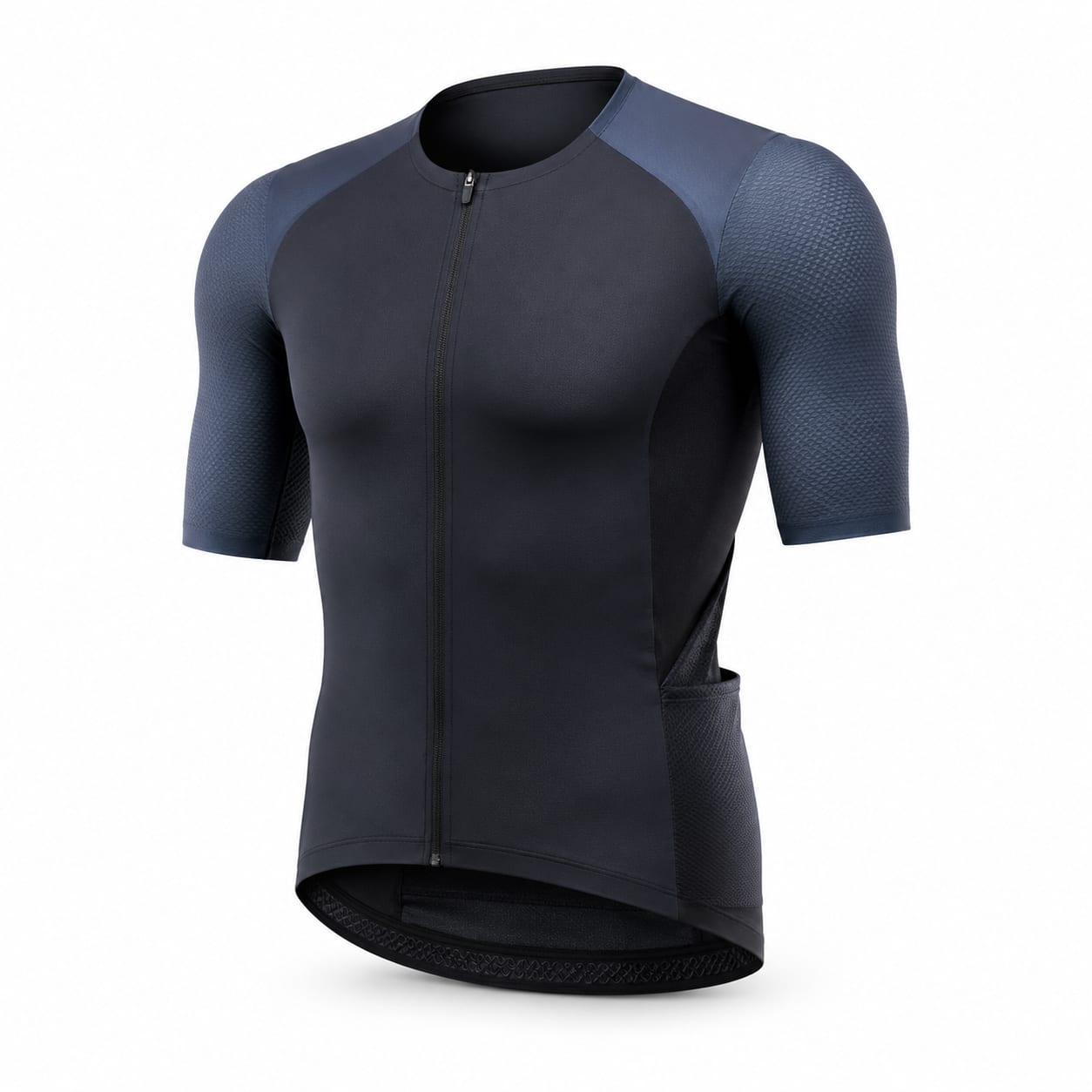
A cycling jersey designed to look at home on the bike and at the office, blending practical commuter features with off-bike style.

Commuter and urban jerseys bridge the gap between technical cycling apparel and everyday clothing. They prioritize versatility, with subtle styling that works at a coffee shop or workplace, while still offering moisture-wicking fabrics, practical storage, and reflective details for safety. Ideal for riders who want performance on the commute without looking like they just finished a stage of the Tour de France.

$40 – $180budget tierbeginnerintermediate

Best known for

Off-bike aesthetic that passes as casual or business-casual wearReflective elements and visibility features for low-light commutingHidden or zippered pockets for securing phone, wallet, and keysVersatile layering-friendly design for variable urban weather
Commuter / Urban Jersey

Guide

Detailed overview

Commuter and urban jerseys are designed specifically for the daily cyclist who needs their kit to perform on the bike and look presentable off it. Unlike race-oriented jerseys with loud graphics and skin-tight fits, commuter jerseys feature subdued colors, relaxed silhouettes, and design cues borrowed from casual button-ups and polos. Under the surface, they retain the technical DNA of cycling apparel: moisture-wicking synthetic or merino fabrics, rear pocket storage, and ventilation where it matters. The key differentiator is intentionality around the commuting experience — reflective elements for dawn and dusk rides, secure pockets for valuables, and a fit that accommodates layering over a base layer or under a jacket when weather shifts mid-ride.

The commuter jersey occupies a unique niche in cycling apparel, born from the reality that most daily riders do not want to change outfits at every destination. Traditional road jerseys, with their loud branding, race-position-specific tailoring, and minimal off-bike appeal, are poorly suited to the stop-and-go reality of urban cycling where you might lock up and walk into a meeting, a grocery store, or a restaurant. Commuter jerseys solve this by borrowing the visual language of everyday clothing — button plackets, collar options, solid or heathered fabrics — while engineering in the features cyclists actually need.

Storage is reimagined for the commuter context. While road jerseys rely on open rear pockets accessed while riding, commuter jerseys often add zippered security pockets for a phone, wallet, or transit card. Some designs integrate stash pockets on the side seams or hidden interior pockets, recognizing that urban riders frequently dismount and need quick access without reaching behind. The pocket layout tends to be more versatile, sometimes including a single rear pocket with a zip rather than the traditional three open pockets, though many commuter jerseys retain the three-pocket standard with an added fourth zippered option.

Visibility is a defining concern. Commuters frequently ride in low light — early mornings, late evenings, or overcast winter days — and a jersey designed for this purpose typically includes reflective elements that go beyond the minimal tabs found on race jerseys. Reflective strips across the back, subtle reflective logos, and sometimes entire panels of reflective fabric that only reveal themselves under headlights are common. Some commuter jerseys use high-visibility colorways as well, though many brands opt for stylish tones with hidden reflectivity to maintain the off-bike aesthetic.

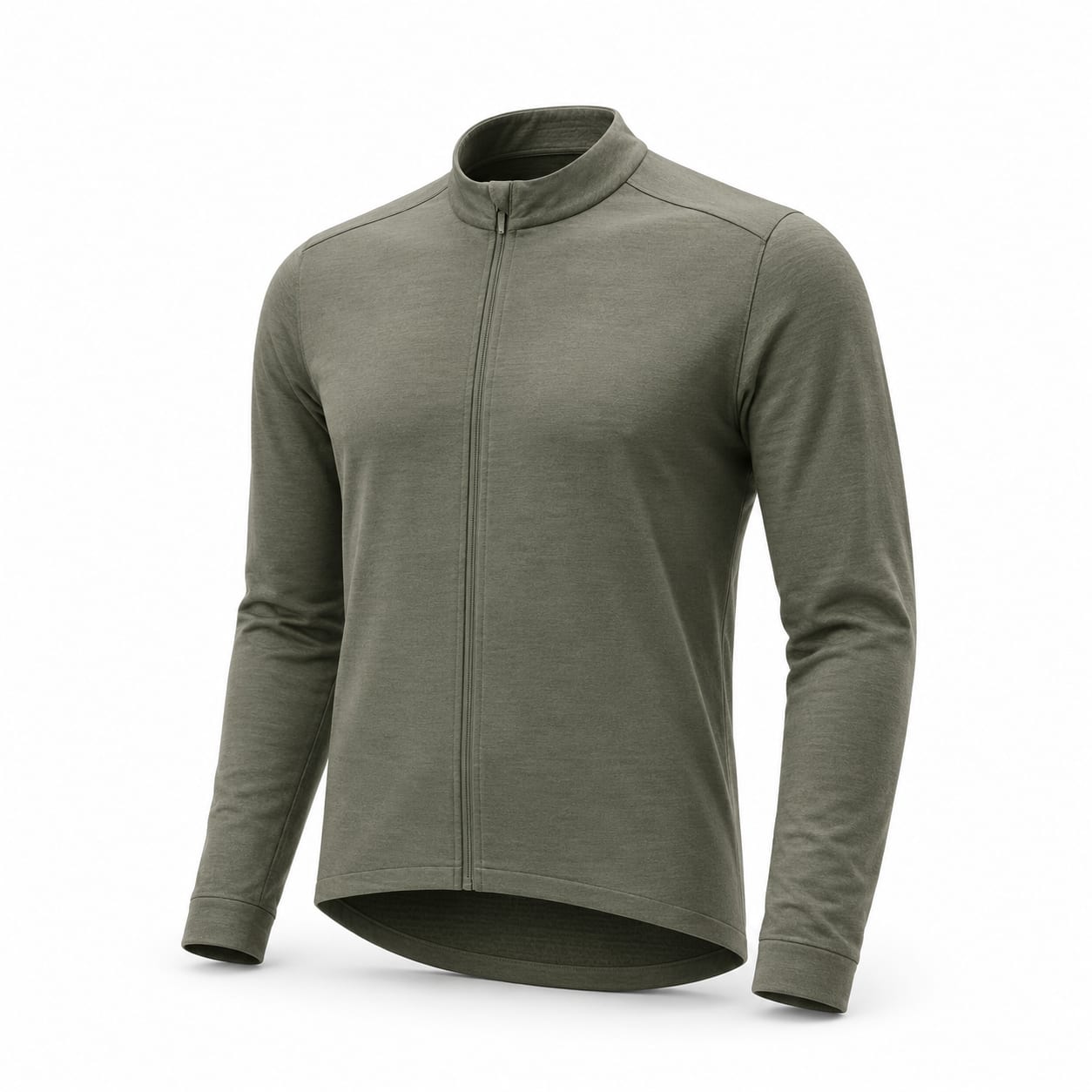
Fabric choice in commuter jerseys often leans toward merino wool or merino blends, valued for their natural odor resistance over multi-day wear without washing. Polyester remains common for its durability and quick-drying properties, and recycled polyester is increasingly popular among eco-conscious urban cyclists. The fit is typically relaxed or club, allowing freedom of movement on the bike and a natural look off it. Full-zip designs dominate for easy on-off and temperature regulation during variable-pace urban riding, where you might sprint across an intersection and then wait at a long traffic light.

Quick facts

Primary purpose
Providing cycling functionality with casual styling for daily commuting and lifestyle riding
Popular brands
RaphaLevi's CommuterClub RideDZNUTSVolerSwrve
Typical terrain
city streetsbike pathsurban commutesgreenways

What makes it different

Deliberately designed to not look like cycling clothing; bridges the gap between technical performance and everyday fashion; often uses merino wool blends

Recommended ranges

How this type usually specs out

Each spec is explained in plain language, then we show what buyers usually look for on this type.

Fit Type

Fit Type

What it means

The overall cut and tightness of the jersey, affecting aerodynamics, comfort, and style. Fit is the single most important decision as it impacts every ride experience.

Typical for this type

Relaxed Or Club

In practice

Commuter jerseys almost universally use a relaxed or club fit. The relaxed cut allows comfortable movement in varied riding positions (upright to moderate lean) and looks natural off the bike. Club fit is chosen by riders who want a slightly more tailored look without the skin-tight race aesthetic.

Compared to other types

Race jerseys use race fit for aerodynamics; club jerseys use club fit for a balance of aero and comfort. Commuter jerseys prioritize off-bike appearance and on-bike comfort over aerodynamic performance, making relaxed fit the standard.

Why it matters: A relaxed fit is central to the commuter jersey's purpose — it needs to feel like normal clothing when you step off the bike and walk into an office or café. Tight race-fit jerseys look out of place in non-cycling settings and restrict comfort in the more upright positions common on commuter bikes.

Sleeve Length

Sleeve Length

What it means

The length of the jersey sleeves, determining coverage, sun protection, and temperature regulation. Some modern jerseys feature extended sleeves for aerodynamic benefit.

Typical for this type

Short Or Long

In practice

Short sleeve is the default for most commuter jerseys, offering versatility across seasons with layering. Long sleeve options exist for cooler commutes and provide added sun protection and visibility for riders with extended exposure.

Compared to other types

Similar to road and gravel jerseys, short sleeve dominates. However, commuter long-sleeve jerseys are more common than in race categories because commuters prioritize coverage and protection over maximum cooling.

Why it matters: Commuters ride year-round in varying conditions. Short sleeve with arm warmers or a base layer covers the widest range. Long sleeve commuter jerseys are valued in cooler climates or by riders who want maximum sun and abrasion protection.

Fabric Weight

Fabric Weight

What it means

The weight class of the jersey fabric, directly correlating to warmth, packability, and intended season of use. Measured informally by category rather than GSM for most consumers.

Typical for this type

Lightweight to Midweight

In practice

Most commuter jerseys use lightweight (100-150 GSM) fabric for daily comfort in varied conditions. Midweight options are popular for spring/fall commuting. The emphasis is on versatility since commuters often cannot choose to skip a ride based on weather.

Compared to other types

Race jerseys may use ultralight fabrics for maximum cooling. Commuter jerseys tend slightly heavier because they need to look opaque and substantial off the bike, and they often use merino blends which are naturally slightly heavier.

Why it matters: Commuters ride regardless of conditions and often cannot change jerseys mid-day. Lightweight fabric with good wicking handles the heat of exertion while still working under a jacket in cooler morning temperatures.

Pocket Count

Pocket Count

What it means

The number of rear pockets on the jersey. Pockets are the primary storage system for ride essentials like food, phone, tools, and spare tubes.

Typical for this type

3 to 4

In practice

Three rear pockets remain the most common layout, but commuter jerseys frequently add a fourth zippered pocket for securing a phone, wallet, keys, or transit card. Some designs use non-traditional pocket layouts including side-entry pockets.

Compared to other types

Road jerseys typically have 3 open pockets. Commuter jerseys are more likely to have 4 pockets with at least one zippered, reflecting the need to secure valuables during multi-stop urban rides.

Why it matters: Commuters carry different items than recreational riders — phones, wallets, keys, work badges, and transit cards that need secure storage. A zippered pocket is a highly valued feature in this subcategory that is less critical in road or race jerseys.

Zipper Type

Zipper Type

What it means

The front zipper configuration controlling ventilation adjustment. Critical for temperature regulation during variable effort levels and weather.

Typical for this type

Full Zip Or Three Quarter Zip

In practice

Full zip is the most common and practical choice for commuter jerseys, allowing easy on-off over a base layer and maximum ventilation control during variable-pace urban riding. Some commuter jerseys use a button placket or partial zip for a more casual appearance.

Compared to other types

Race jerseys use full zip for similar reasons. Commuter jerseys may occasionally use half-zip or button plackets for style, trading some ventilation for a more casual look.

Why it matters: Commuters experience wide temperature swings — cool mornings, warm afternoons, and the stop-start nature of urban riding with traffic lights. Full zip provides the ventilation range to handle all of these without removing a layer.

UV Protection (UPF)

UV Protection (UPF)

What it means

Ultraviolet Protection Factor rating indicating how effectively the fabric blocks UV radiation. Critical for long sun-exposed rides, especially at altitude.

Typical for this type

Upf 25 to Upf 50

In practice

UPF 25 is common, with UPF 50+ increasingly available. Commuters accumulate significant sun exposure through daily riding, making UV protection more important than occasional riders might realize.

Compared to other types

Race jerseys often lack UPF ratings in pursuit of ultralight fabrics. Commuter jerseys tend to offer better UPF protection because the fabrics are slightly heavier and the rider demographic is more conscious of cumulative daily exposure.

Why it matters: Daily commuters rack up far more sun exposure than weekend riders. Even a 30-minute commute each way adds up to over 5 hours per week of direct sun, making UPF-rated fabric a meaningful health consideration.

Collar Type

Collar Type

What it means

The style of the neck/collar opening, affecting comfort, sun protection, and layering capability with jackets and base layers.

Typical for this type

Crew Or Zip Guard

In practice

Crew collars are standard, providing a clean look that works on and off the bike. Some commuter jerseys feature a casual collar style resembling a polo or button-down for a more dressed-up appearance. Zip guard collars are common on performance-oriented commuter models.

Compared to other types

Race jerseys may use stand-up collars for aero benefit. Commuter jerseys prioritize a collar style that looks normal in everyday settings.

Why it matters: The collar is a subtle but important style element for commuter jerseys. A crew or casual collar looks appropriate in workplace and social settings, unlike the stand-up aero collars found on race jerseys that look odd off the bike.

Hem Gripper / Silicone Strip

Hem Gripper / Silicone Strip

What it means

Whether the jersey has silicone or elastic gripper strips at the hem to prevent the jersey from riding up during cycling.

Typical for this type

True Preferred

In practice

Most quality commuter jerseys include a hem gripper, though some very casual designs omit it. The gripper is valuable for keeping the jersey in place during the varied movements of urban cycling and when carrying items in pockets.

Compared to other types

Race jerseys almost always have hem grippers. Commuter jerseys sometimes omit them for a more casual drape, but this is a trade-off that can result in the jersey shifting during rides with loaded pockets.

Why it matters: Urban riding involves frequent standing, sitting, and reaching at intersections. A hem gripper prevents the jersey from riding up and exposing the lower back, which is especially noticeable in the more upright commuter riding position.

Reflective Elements

Reflective Elements

What it means

Presence and extent of reflective details for visibility in low-light conditions. Important for commuters and riders who may be out in dawn/dusk.

Typical for this type

Moderate to Extensive

In practice

Moderate to extensive reflective elements are a hallmark of commuter jerseys. Many feature reflective strips across the back pockets, shoulders, and sometimes subtle reflective threads woven into the fabric that only show under headlights.

Compared to other types

Race jerseys typically have minimal or no reflective elements. Commuter jerseys are the subcategory where reflective elements are most prioritized, often serving as a key differentiating feature and selling point.

Why it matters: Commuters frequently ride in low-light conditions — early mornings, evenings, and overcast days. Reflective elements are a critical safety feature that can be the difference between being seen and not being seen by motorists at intersections.

Primary Fabric Composition

Primary Fabric Composition

What it means

The main fiber type used in the jersey, affecting moisture management, durability, odor resistance, and environmental impact.

Typical for this type

Polyester, Recycled Poly, Or Merino Wool

In practice

Polyester is most common for its durability, quick-drying, and affordability. Merino wool is disproportionately popular in commuter jerseys compared to other subcategories because of its natural odor resistance over repeated daily wear. Recycled polyester is increasingly common as eco-consciousness aligns with commuter values.

Compared to other types

Race jerseys almost exclusively use polyester blends. Commuter jerseys have the highest adoption of merino wool and recycled polyester, reflecting the subcategory's emphasis on practical daily performance and environmental consciousness.

Why it matters: Commuters wear their jerseys repeatedly, sometimes for multiple days between washes. Merino's odor resistance is a significant practical advantage. Polyester and recycled polyester offer the best durability for daily use and quick drying after rain commutes.

Intended Season

Intended Season

What it means

The primary season or temperature range the jersey is designed for, guiding fabric choice, ventilation features, and construction.

Typical for this type

Spring Fall Or All Season

In practice

Spring/fall is the most common designation, as commuters need versatile jerseys that handle the widest range of conditions. All-season jerseys are also popular since commuters ride year-round and value a single garment that adapts through layering.

Compared to other types

Road jerseys are often specifically summer or spring/fall. Commuter jerseys lean toward all-season versatility because the rider cannot simply skip a commute due to imperfect jersey conditions.

Why it matters: Unlike recreational riders who can choose when to ride, commuters ride in all conditions. A spring/fall or all-season jersey with good layering capability covers the most riding days per year, making it the most practical and economical choice.

Sleeve Gripper

Sleeve Gripper

What it means

Silicone or elastic gripper at the sleeve opening to keep sleeves in place. Especially important for aero jerseys where sleeve position matters.

Typical for this type

False Preferred For Comfort

In practice

Most commuter jerseys omit sleeve grippers for a more casual look and feel. The relaxed fit means sleeves are not skin-tight, so grippers are less necessary and can feel constrictive on arms that vary in size throughout the day.

Compared to other types

Race and aero jerseys use sleeve grippers to maintain a smooth aerodynamic surface. Commuter jerseys almost always omit them, as the relaxed fit and slower speeds make them unnecessary and potentially uncomfortable.

Why it matters: Sleeve grippers are an aero feature that serves little purpose in urban commuting speeds. Omitting them contributes to the casual aesthetic and all-day comfort that commuter jerseys prioritize.

Mesh Ventilation Panels

Mesh Ventilation Panels

What it means

Presence of mesh or perforated panels in high-heat areas (underarms, back, sides) for enhanced airflow and cooling.

Typical for this type

None to Underarm

In practice

Underarm mesh panels are common on performance-oriented commuter jerseys. Many casual commuter designs omit mesh entirely for a cleaner look and better wind protection during cool morning commutes.

Compared to other types

Summer race jerseys may use full back mesh for maximum cooling. Commuter jerseys use minimal or no mesh because they need to function in cooler conditions and mesh panels can look less polished off the bike.

Why it matters: Commuters experience variable exertion levels — hard efforts at intersections followed by waiting at lights. Targeted underarm ventilation helps manage the resulting heat without the full-open mesh that would be too cold on a brisk morning commute.

Cycling Discipline

Cycling Discipline

What it means

The primary cycling discipline the jersey is designed for, affecting fit, durability, pocket placement, and style.

Typical for this type

Commuter

In practice

By definition, this subcategory is designed for the commuter/urban discipline. These jerseys are purpose-built for daily urban cycling with features and styling specific to that use case.

Compared to other types

Road jerseys prioritize aerodynamics and speed. MTB jerseys prioritize durability and armor compatibility. Commuter jerseys uniquely prioritize versatility, visibility, and off-bike appearance.

Why it matters: The commuter discipline designation means the jersey is optimized for stop-and-go urban riding, visibility in traffic, practical storage for daily essentials, and an appearance that transitions seamlessly to off-bike settings.

Gender-Specific Design

Gender-Specific Design

What it means

Whether the jersey is designed with gender-specific patterning for anatomical differences in torso length, shoulder width, and chest shape.

Typical for this type

Mens, Womens, Or Unisex

In practice

Commuter jerseys are available across all gender designations. Unisex designs are more common in this subcategory than in race-oriented jerseys because the relaxed fit is more forgiving across body types. However, women's-specific designs offer better fit for female proportions.

Compared to other types

Race and club jerseys are more likely to be gender-specific because the close fit demands anatomical patterning. Commuter jerseys have more unisex options because the relaxed fit is more accommodating, though women's-specific designs are still recommended for best comfort.

Why it matters: The relaxed fit of commuter jerseys makes unisex sizing more viable than in race-fit categories, but women will still get a better fit from women's-specific designs that account for torso length, shoulder width, and chest shape differences.

Total Jersey Weight

Total Jersey Weight

What it means

The total weight of the jersey in grams. Lighter jerseys are preferred for hot weather and racing; heavier jerseys often indicate thermal or durable construction.

Typical for this type

140g to 230g

Most common pick: 170g

In practice

Commuter jerseys typically weigh 140-230g, with the average around 170g. This is slightly heavier than ultralight race jerseys due to the use of more substantial fabrics, additional pockets, and reflective elements.

Compared to other types

Race jerseys can be as light as 80-120g. Commuter jerseys are typically 30-60g heavier due to more substantial fabrics, extra pockets, reflective elements, and sometimes merino wool content.

Why it matters: The weight reflects the commuter jersey's balance of durability for daily wear, fabric substantial enough to look opaque off the bike, and enough lightness for comfortable riding. Heavier commuter jerseys often include merino wool or additional reflective/feature content.

Evaluation

Strengths and trade-offs

Pros

What this type does best

Off-bike versatility

Critical

Looks like normal clothing, allowing you to ride to work, a café, or a social event without needing to change. The subdued styling and relaxed fit pass in almost any casual or business-casual setting.

Superior visibility features

Critical

Commuter jerseys typically include more reflective elements than any other jersey subcategory, with reflective strips, logos, and sometimes full panels designed to catch headlights in low-light conditions.

Secure storage for valuables

High

Zippered pockets and hidden stash pockets keep your phone, wallet, keys, and transit card secure during rides and easily accessible when you dismount. This is a practical advantage over open road jersey pockets.

Odor-resistant fabric options

High

Merino wool and treated synthetic options are more common in this subcategory, allowing multi-day wear without offensive odors — essential for daily commuters who may not wash their jersey after every ride.

Layering-friendly design

High

The relaxed fit and full-zip design accommodate base layers underneath and jackets over the top, making commuter jerseys versatile across a wide temperature range with simple layering adjustments.

Durable construction

Medium

Built for daily use, commuter jerseys often use slightly heavier, more abrasion-resistant fabrics that withstand frequent washing, backpack straps, and the general wear of daily urban cycling.

Eco-conscious fabric choices

Medium

Recycled polyester and sustainably sourced merino wool are more commonly available in commuter jerseys, aligning with the environmental values common among daily cyclists.

Cons

Trade-offs to be aware of

Poor aerodynamic performance

Moderate

The relaxed fit creates significantly more drag than race or club fit jerseys. At speeds above 25 km/h, the extra fabric catches wind and can feel noticeably less efficient.

Limited high-performance features

Moderate

Commuter jerseys lack the advanced aerodynamic fabrics, aero sleeve construction, and race-specific tailoring found in performance jerseys. They are not suitable for fast group rides or racing.

Higher price for casual appearance

Moderate

Commuter jerseys often cost as much or more than equivalent road jerseys because the subtle styling, hidden reflective elements, and merino fabric options add manufacturing complexity and material cost.

Pocket sag with heavy loads

Minor

The relaxed fit and sometimes lighter hem grippers mean loaded pockets can cause the jersey to sag or ride up more than on a close-fitting road jersey, especially when carrying a phone, lock, and other daily items.

May look too casual for fast group rides

Minor

Wearing a commuter jersey on a fast club ride can look out of place among riders in coordinated race kit. The relaxed fit and casual styling may also lead to being underestimated by other riders.

Best for

Surfaces & terrain

Urban streetsBike pathsCommuter routesFlat to rolling terrain

Riding conditions

Variable weatherLow-light conditionsDawn and dusk commutingMild to warm temperatures

Skill level

BeginnerIntermediateCasual

Riding discipline

Daily commutingUrban utility cyclingCasual recreational ridingBike-to-workGrocery runs and errands

Rider profile

Daily bike commutersUrban cyclists who value styleEco-conscious ridersRiders who bike to social eventsAnyone who wants one jersey for everything

Not ideal for

Reasons

Relaxed fit creates excessive drag at racing speeds above 30 km/hLacks the aerodynamic construction needed for competitive performanceCasual appearance does not match the aesthetic of fast group rides or race eventsNot designed for the abrasion resistance needed in MTB crashes

Surfaces & terrain

Technical mountain bike trailsHigh-speed descents requiring aero kit

Skill level

RacingAdvanced performance riders

Riding discipline

Road racingTime trialingFast group ridesDownhill mountain biking

Compare

How it stacks up

This page

Commuter / Urban Jersey

Off-bike appearance, reflective elements for safety, secure zippered pockets, and a comfortable relaxed fit that works for everyday life. Merino options for multi-day odor resistance.

Alternative

Road Race Jersey

Superior aerodynamics, lighter weight, better moisture management at high intensity, and a professional appearance in race and fast group ride settings.

Bottom line

Choose the commuter jersey if you ride primarily for transportation and value off-bike appearance. Choose a road race jersey if you train, race, or do fast group rides regularly.

This page

Commuter / Urban Jersey

Better reflective elements for urban visibility, more casual off-bike appearance, and typically more secure pocket designs for carrying daily valuables in stop-and-go riding.

Alternative

Gravel / Adventure Jersey

More rear pocket capacity for long rides, slightly more performance-oriented fit, and durable construction designed for mixed-surface riding including dirt and gravel.

Bottom line

Choose the commuter jersey for daily urban riding where visibility and off-bike style matter. Choose a gravel jersey if your rides include significant off-road sections or multi-hour adventures.

This page

Commuter / Urban Jersey

More tailored appearance suitable for workplace and social settings, reflective elements for road visibility, and rear pocket storage accessible in an upright riding position.

Alternative

Mountain Bike Jersey

Looser fit accommodates body armor, more durable fabric resists crashes and brush, and front pockets are accessible while wearing a backpack or hydration pack.

Bottom line

Choose the commuter jersey for paved and path-based urban riding. Choose an MTB jersey if you ride technical trails where crash durability and armor compatibility are priorities.

This page

Commuter / Urban Jersey

More reflective elements, secure zippered pockets, and a style that transitions off the bike. Often available in merino for odor resistance during daily wear.

Alternative

Club / Recreational Jersey

Slightly more aerodynamic fit for faster riding, lighter weight, and typically lower price point. Club jerseys are the most versatile all-around option for recreational cyclists.

Bottom line

Choose the commuter jersey if you ride daily and need off-bike versatility. Choose a club jersey if you ride primarily for recreation and want a balance of performance and comfort without the urban-specific features.

Shopping

Buying tips

  • 1

    Prioritize reflective elements if you commute in low light — look for reflective strips across the back and shoulders, not just small logos. Some commuter jerseys have reflective threads woven into the fabric that are nearly invisible in daylight but light up under headlights.

  • 2

    Choose merino wool or a merino blend if you commute daily and cannot wash your jersey after every ride. The odor resistance is a genuine quality-of-life improvement for multi-day wear.

  • 3

    Insist on at least one zippered pocket for your phone and valuables. Open rear pockets are fine for snacks and tools, but a secure pocket prevents loss during the frequent dismounts of urban commuting.

  • 4

    Size for layering — you will likely wear a base layer underneath in cooler months and need room for it. If between sizes, size up rather than down in commuter jerseys.

  • 5

    Consider hi-visibility colorways if your commute includes high-traffic roads. Many commuter jerseys offer bright yellow or orange options that significantly improve daytime visibility alongside the reflective elements for nighttime.

  • 6

    Check that the full-length zipper is high quality — you will use it daily, and a broken zipper renders the jersey nearly useless. YKK zippers are a reliable indicator of quality.

  • 7

    If you carry a backpack or messenger bag, look for a jersey with durable shoulder fabric or reinforced areas, as bag straps cause significant wear over months of daily use.

Care

Maintenance notes

  • Wash after every 2-3 rides for synthetic fabrics, or every 3-5 rides for merino wool, which naturally resists odor buildup longer.
  • Close all zippers before washing to prevent snagging and protect the zipper teeth from damage in the machine.
  • Hang dry whenever possible — high heat from dryers degrades elastic fibers and reflective elements, reducing the jersey's lifespan and visibility features.
  • Avoid fabric softeners, which coat moisture-wicking fibers and reduce their ability to pull sweat away from your skin.
  • For merino wool jerseys, use a wool-specific detergent and never tumble dry to prevent shrinkage and maintain the fabric's natural properties.
  • Inspect reflective elements periodically — they can delaminate or crack after many wash cycles. If reflectivity is fading, it may be time to replace the jersey for safety reasons.
  • Treat stains promptly, especially chain grease and road grime common in urban riding. A dedicated degreaser applied to chain marks before washing is far more effective than regular detergent alone.

Progression

Skill development path

Commuter jerseys are accessible to all skill levels from day one. Beginners should start with a relaxed fit, full-zip model in a versatile spring/fall weight with at least one zippered pocket and moderate reflective elements. As you gain experience with your commute patterns, you may add a merino wool option for multi-day wear, a long-sleeve version for cooler months, or a hi-visibility colorway if your route includes high-traffic roads. Advanced commuters often build a small rotation of 2-3 jerseys to avoid daily washing and to have appropriate options for varying weather conditions.

FAQ

Common questions

Each question has a dedicated page with a full answer and links to the buying guide.

Can I wear a commuter jersey to work without changing?

Yes, that is the primary purpose. Commuter jerseys are designed to look like casual or athletic shirts rather than cycling kit. In a business-casual or casual workplace, a solid-color commuter jersey in merino or a subtle heathered polyester will pass without comment. For formal offices, you may still want to change, but the jersey will look far more appropriate than a race jersey with team graphics.

Is merino wool worth the extra cost for a commuter jersey?

For daily commuters, merino is often worth the premium. Its natural odor resistance means you can wear it for multiple commutes between washes, which is a significant practical advantage when you ride every day. It also regulates temperature well across a range of conditions and feels comfortable against the skin. However, merino is less durable than polyester and slower to dry, so if you ride in heavy rain frequently, a synthetic option may be more practical.

Do I really need reflective elements on my jersey?

If you ever commute in low light — early morning, evening, or overcast winter days — reflective elements are a critical safety feature. Studies consistently show that reflective material dramatically increases detection distance for drivers. Unlike a tail light that can be obscured or run out of battery, reflective elements on your jersey are always working when headlights hit them. For commuters, this is not optional — it is a core safety requirement.

Can I use a commuter jersey for weekend recreational rides?

Absolutely. A commuter jersey works fine for casual weekend rides, especially at moderate speeds. The main limitation is aerodynamic drag at speeds above 25-30 km/h, where the relaxed fit catches more wind. For leisurely rides, bike paths, and social cycling, a commuter jersey is perfectly appropriate and may be more comfortable than a tight race jersey.