Kitvore.com

Kitvore.com

Specs that matter. Gear that fits.

Cycling Jersey · Subcategory

Endurance / Club Road Jersey

A comfort-oriented road jersey engineered for long days in the saddle without sacrificing on-bike performance.

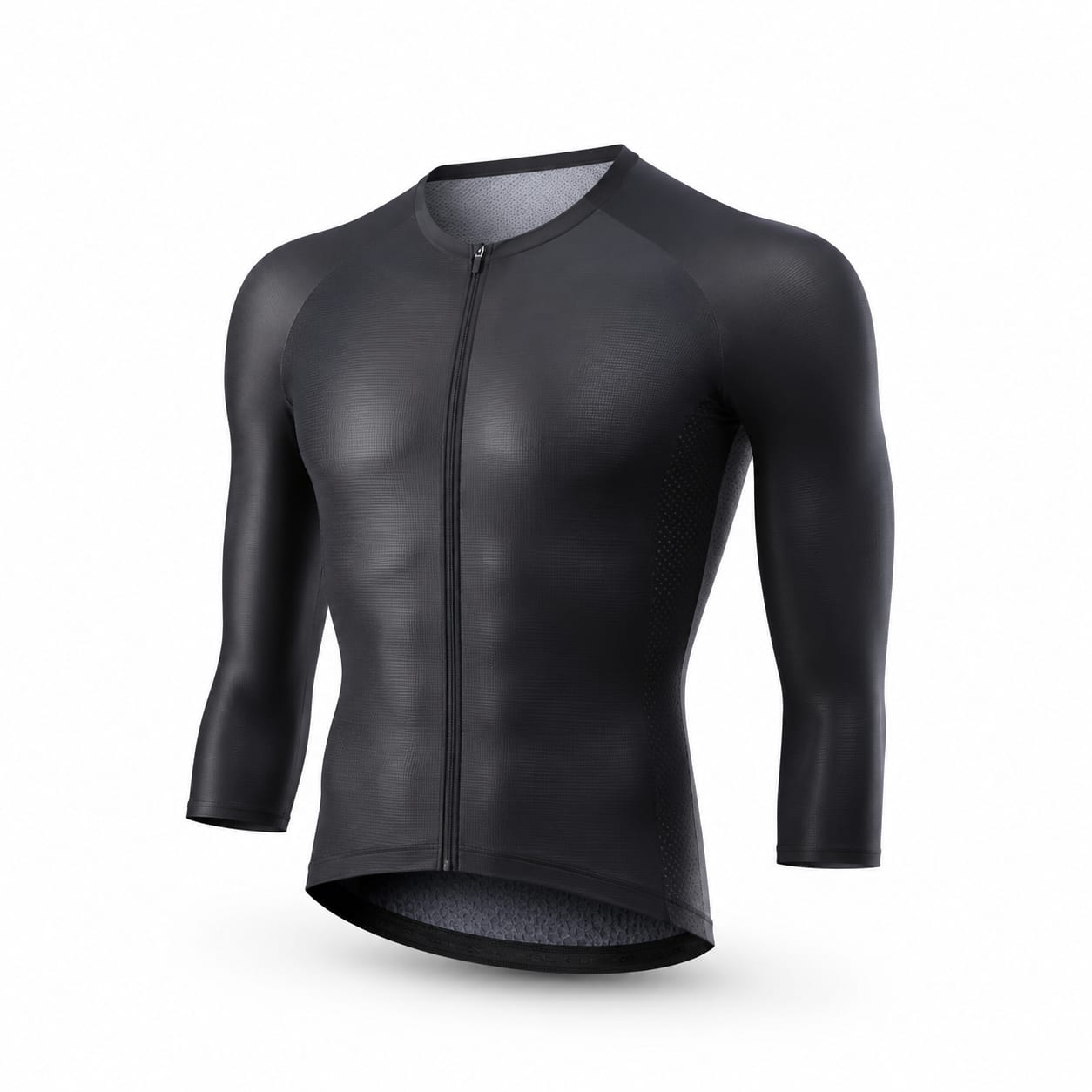
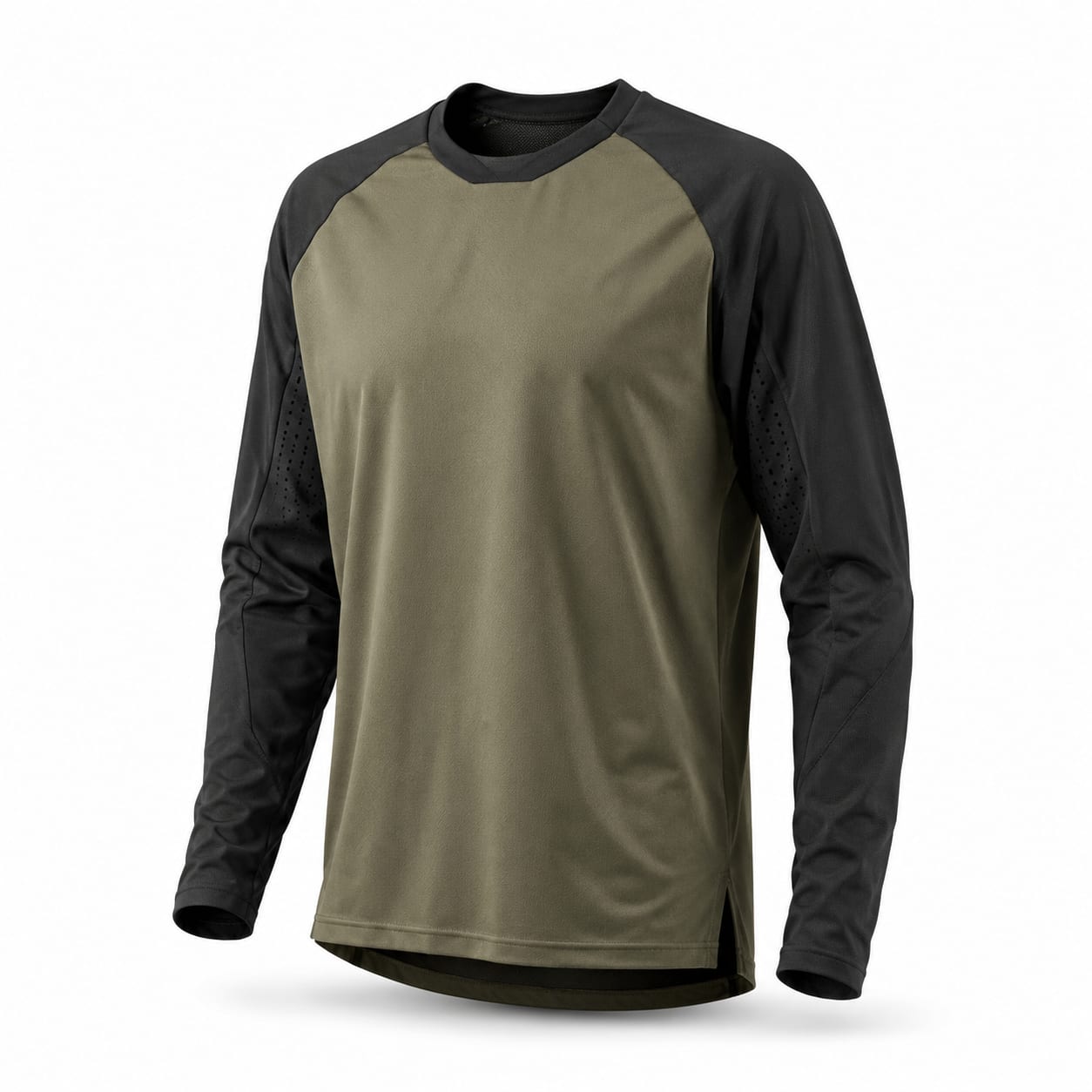
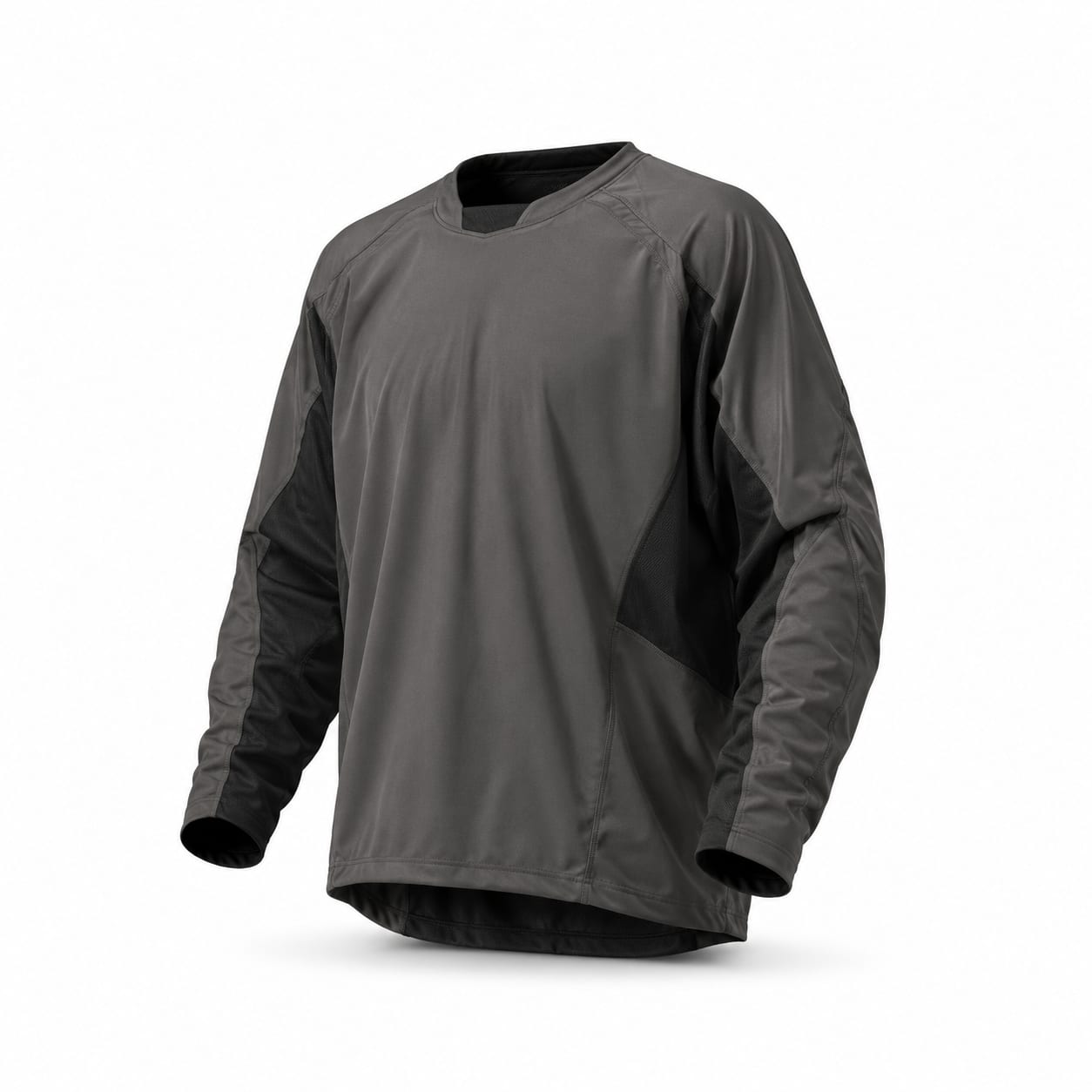
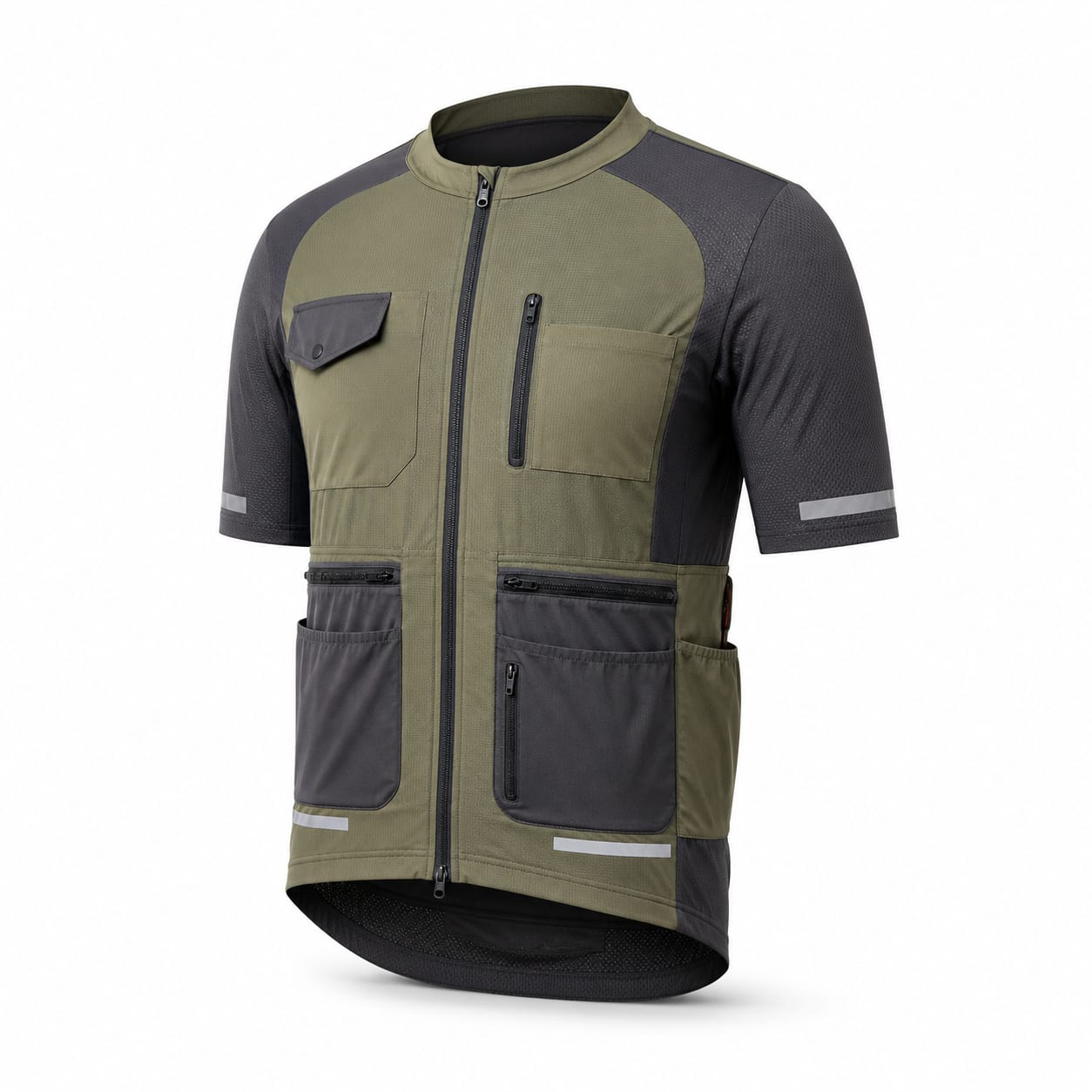
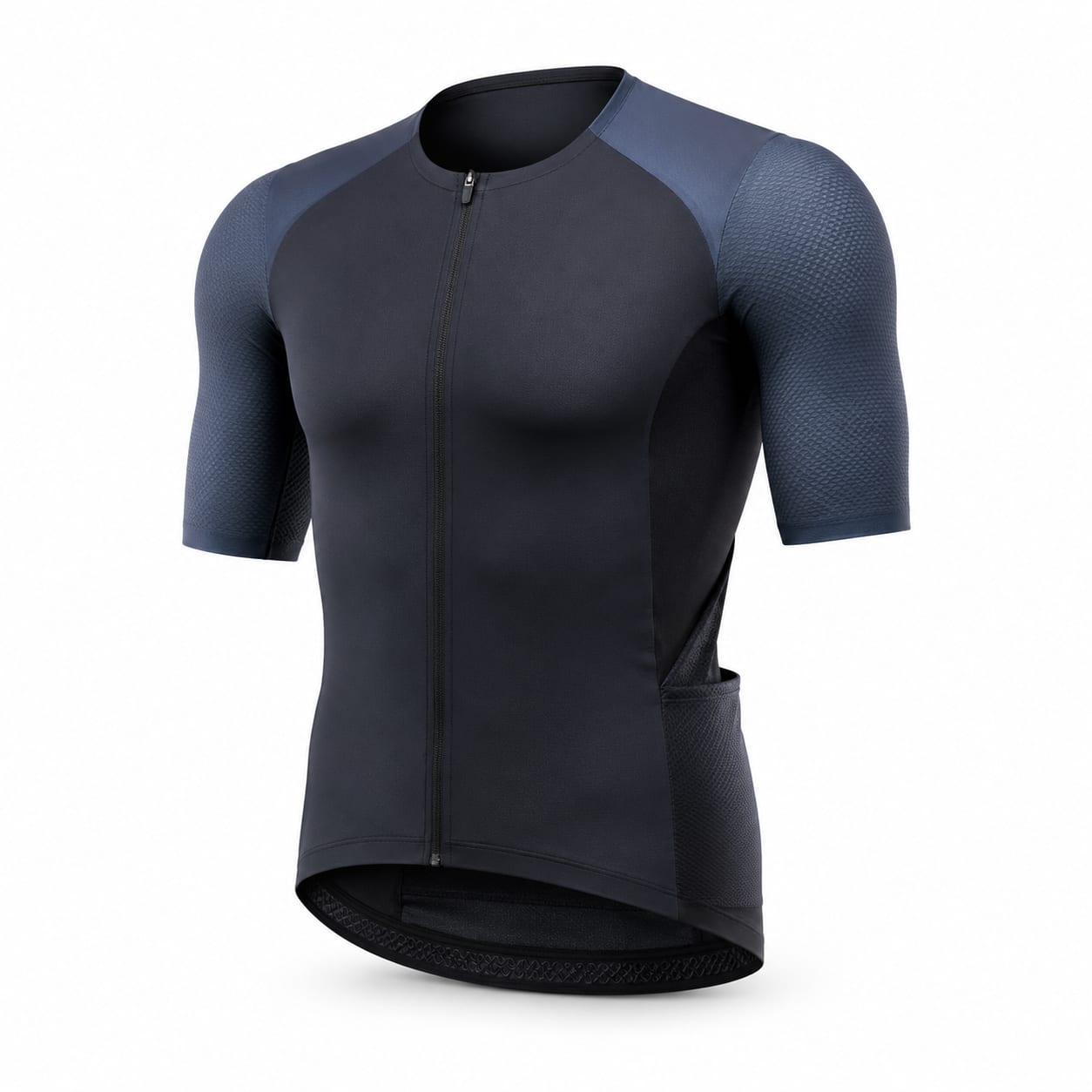
The endurance or club road jersey is the sweet spot between race-day aero and casual comfort. Designed with a slightly longer torso, moderate compression, and generous pocket capacity, it is built for gran fondos, century rides, and long training blocks where chafing, overheating, and pocket sag become real issues over hours 3 through 6. If you ride far more than you race, this is your jersey.

$50 – $280mid tierbeginnerintermediateadvanced

Best known for

Long-distance comfort over 4+ hour ridesBalanced aero profile with room to breatheExtended torso cut that stays tucked at speedExtra or deeper pockets for ride fuel and essentialsVersatility across training, sportives, and club rides
Endurance / Club Road Jersey

Guide

Detailed overview

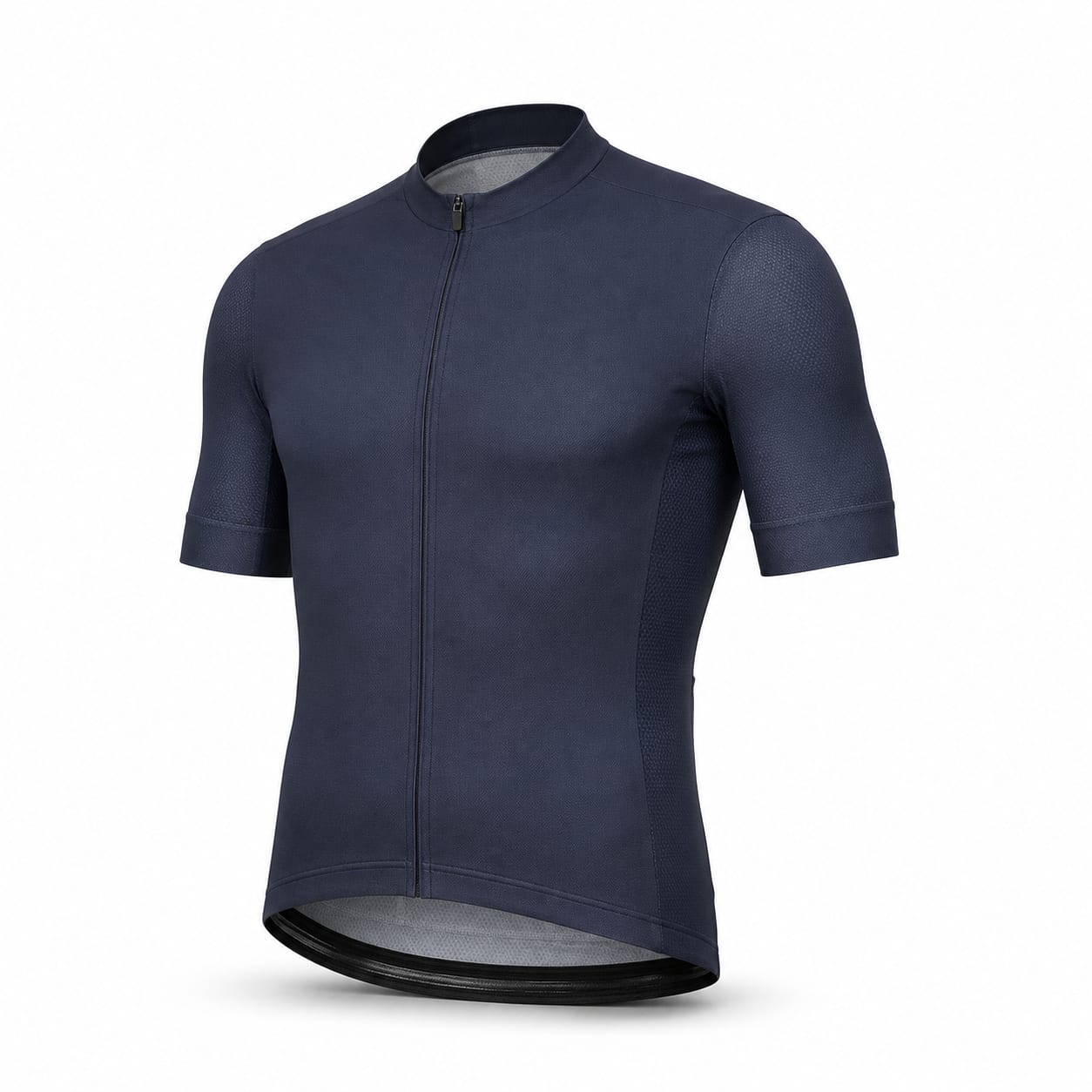
The endurance or club road jersey occupies the practical middle ground in road cycling apparel. Unlike a race-fit jersey that clings like a second skin and demands an aggressive on-bike posture to feel right, the endurance jersey is cut with a slightly more generous chest, a longer rear hem, and sleeves that sit comfortably without pinching. The fit is still slim enough to avoid flapping fabric at 35 km/h, but it will not restrict your breathing or dig into your shoulders after five hours. Most endurance jerseys feature a full-length zipper for maximum ventilation control, three deep rear pockets (often with a fourth zippered pocket for valuables), and silicone hem grippers to keep everything anchored when pockets are loaded. The fabric is typically a lightweight polyester-elastane blend with targeted mesh panels under the arms or along the sides, balancing breathability with enough substance to block light wind on descents. UPF 50+ ratings are increasingly common, reflecting the reality that endurance riders spend full days in the sun. This subcategory is the default recommendation for most road cyclists who ride regularly but do not compete in criteriums or road races where every watt of aerodynamic drag matters.

Endurance road jerseys emerged as a distinct subcategory as cycling culture shifted from pure racing toward gran fondos, sportives, and long-distance challenge events. Riders discovered that race-fit jerseys, while optimal for 90-minute criteriums, became sources of discomfort on six-hour rides: waistbands dug in, pockets sagged under the weight of spare tubes and energy bars, and the tight fit restricted breathing on long climbs when heart rates were already high. Manufacturers responded with patterns that added 2–3 cm to the torso length, raised the rear hem angle, deepened pockets by 1–2 cm, and eased the chest and shoulder measurements by a similar margin. The result is a jersey that still reads as performance road wear but feels dramatically better over long distances.

The fabric strategy for endurance jerseys differs subtly from race jerseys. Where a race jersey might use a single ultralight mesh across the entire front panel to shave grams and maximize cooling, an endurance jersey often employs a slightly heavier main body fabric (120–160 GSM) that provides better wind resistance on fast descents and more durable construction for repeated washing. Mesh panels are typically concentrated under the arms and along the side seams, where they provide ventilation without compromising the structural integrity of the rear pockets. Some endurance jerseys incorporate dual-density fabrics: a lighter, more open weave on the front and underarms paired with a denser, more supportive fabric across the back and shoulders where pockets attach.

Pocket design is a defining feature. Endurance jerseys frequently feature deeper pockets (14–16 cm versus 11–13 cm on race jerseys) and may include a fourth zippered pocket for a phone, wallet, or keys. The pocket opening is sometimes slightly wider and angled to allow easier access while riding, and the pocket fabric itself is often a sturdier mesh or reinforced panel to prevent sagging when loaded with a tube, CO2 cartridge, multi-tool, and six hours of nutrition. Hem grippers are essentially mandatory on endurance jerseys because the combination of a longer torso and loaded pockets creates a strong tendency for the jersey to ride up without them.

For riders building a jersey wardrobe, the endurance or club fit should be the first purchase. It covers the widest range of conditions and riding styles, works for everything from solo training rides to organized centuries, and will not leave you feeling overexposed at a coffee stop the way a painted-on race jersey might. Pair it with arm warmers and a gilet for spring and fall, and it will handle temperatures from 12°C to 30°C with appropriate layering. Most major brands offer an endurance-specific model in their lineup, often positioned as their best-seller precisely because it serves the largest segment of the road cycling market.

Quick facts

Primary purpose
Providing comfortable performance for long-distance road cycling and training
Popular brands
RaphaPearl IzumiCastelliGiordanaCraftdhb
Typical terrain
paved roadsrolling terrainclimbing routes

What makes it different

Balanced fit that is aerodynamic on the bike but not uncomfortably tight; versatile for most road riding scenarios

Recommended ranges

How this type usually specs out

Each spec is explained in plain language, then we show what buyers usually look for on this type.

Fit Type

Fit Type

What it means

The overall cut and tightness of the jersey, affecting aerodynamics, comfort, and style. Fit is the single most important decision as it impacts every ride experience.

Typical for this type

Endurance Or Club

In practice

Endurance fit is the defining characteristic of this subcategory. It sits between race and club fit, with a slightly longer torso, moderate compression, and room for varying body positions during long rides.

Compared to other types

More generous than race fit across the chest and shoulders, but slimmer and more aero than relaxed fit. The longer torso is the key differentiator from standard club fit.

Why it matters: The endurance fit reduces fatigue on long rides by avoiding pressure points and restricted breathing while maintaining enough compression for efficient moisture wicking and reasonable aerodynamics.

Sleeve Length

Sleeve Length

What it means

The length of the jersey sleeves, determining coverage, sun protection, and temperature regulation. Some modern jerseys feature extended sleeves for aerodynamic benefit.

Typical for this type

Short

In practice

Short sleeves are the standard for endurance road jerseys, offering maximum versatility across seasons when paired with arm warmers.

Compared to other types

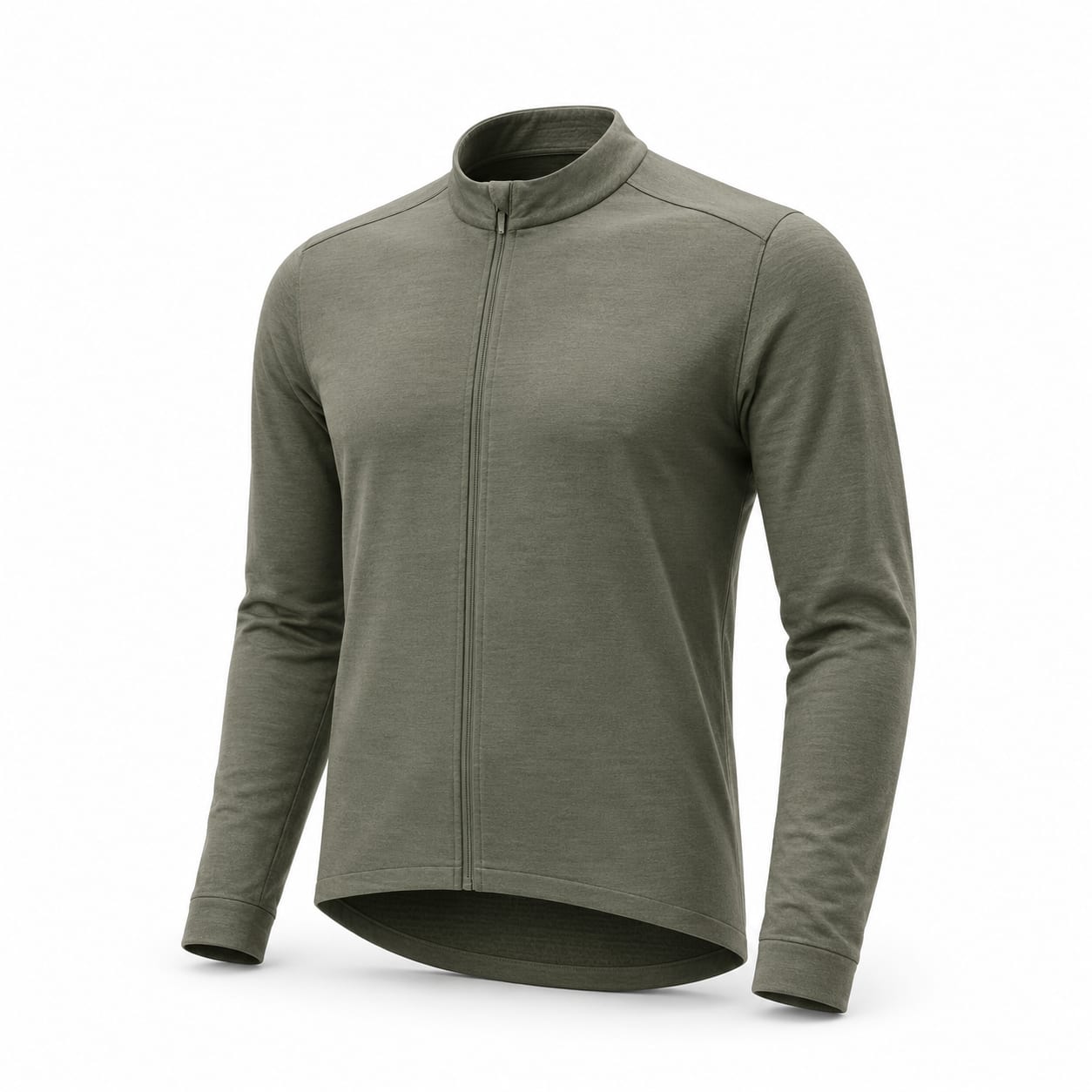
Same as race jerseys. Long-sleeve endurance jerseys exist but are less common and typically marketed as thermal or spring/fall specific models.

Why it matters: Short sleeves allow layering with arm warmers for early starts that warm up later, which is a common scenario on long endurance rides. They also provide the best ventilation for sustained climbing efforts.

Fabric Weight

Fabric Weight

What it means

The weight class of the jersey fabric, directly correlating to warmth, packability, and intended season of use. Measured informally by category rather than GSM for most consumers.

Typical for this type

lightweight (100–150 GSM)

In practice

Endurance jerseys typically use lightweight fabrics (110–150 GSM) that balance breathability with enough substance for wind resistance on descents and pocket durability under load.

Compared to other types

Heavier than ultralight race jerseys (under 100 GSM) but lighter than midweight spring/fall jerseys. The fabric weight reflects the priority of all-day comfort over minimum weight.

Why it matters: A slightly heavier fabric than ultralight race jerseys provides better durability for frequent washing, more wind protection on fast descents, and stronger pocket construction. The trade-off is a small weight penalty that is irrelevant for endurance riding.

Pocket Count

Pocket Count

What it means

The number of rear pockets on the jersey. Pockets are the primary storage system for ride essentials like food, phone, tools, and spare tubes.

Typical for this type

3–4

In practice

Three standard rear pockets plus a fourth zippered pocket is the most popular configuration for endurance jerseys. The fourth pocket secures a phone, cards, or keys without risk of losing them on rough roads.

Compared to other types

Race jerseys often have 3 pockets with minimal depth to save weight. Endurance jerseys typically have deeper pockets and frequently include a 4th zippered pocket. Gravel jerseys may have 5+ pockets.

Why it matters: Endurance riders carry more: spare tube, CO2, multi-tool, phone, nutrition for 4+ hours, and possibly a lightweight jacket. Deeper, more numerous pockets prevent overloading and sagging. A zippered pocket provides security for valuables on long rides far from home.

Zipper Type

Zipper Type

What it means

The front zipper configuration controlling ventilation adjustment. Critical for temperature regulation during variable effort levels and weather.

Typical for this type

Full Zip

In practice

Full-length zippers are standard on endurance jerseys, providing maximum ventilation control for long rides with variable effort levels and weather conditions.

Compared to other types

Same preference as race jerseys. Some club-fit jerseys use 3/4 zip, but full zip is the dominant choice for endurance models due to the long-duration, variable-condition use case.

Why it matters: On a six-hour ride, you may climb in full sun, descend into a shaded valley, and face changing wind conditions. A full zipper lets you dump heat instantly on climbs and seal up for descents. It also makes the jersey easier to put on and take off when sweaty.

UV Protection (UPF)

UV Protection (UPF)

What it means

Ultraviolet Protection Factor rating indicating how effectively the fabric blocks UV radiation. Critical for long sun-exposed rides, especially at altitude.

Typical for this type

Upf 25 to Upf 50

In practice

UPF 50+ is increasingly common on endurance jerseys because these jerseys are worn for full-day rides with maximum sun exposure. Many premium models now include UPF 50+ as standard.

Compared to other types

Race jerseys may skip UPF ratings to save weight with thinner fabrics. Casual jerseys often lack UPF ratings. Endurance jerseys are the most likely subcategory to prioritize UPF 50+ because of the duration of sun exposure.

Why it matters: Endurance riders spend 4–8+ hours in direct sun, often at altitude where UV radiation is stronger. A UPF 50+ jersey eliminates the need to apply and reapply sunscreen under the jersey, which can sweat off during long rides.

Collar Type

Collar Type

What it means

The style of the neck/collar opening, affecting comfort, sun protection, and layering capability with jackets and base layers.

Typical for this type

Zip Guard Or Crew

In practice

A zip garage or guard collar is the most common on modern endurance jerseys, providing comfort at the neck without the warmth of a stand-up collar.

Compared to other types

Similar to race jerseys. Stand-up collars are more common on aero race jerseys. V-necks are rare in endurance road jerseys.

Why it matters: On long rides, even minor irritation from a zipper rubbing against the neck becomes noticeable. A zip garage prevents this. A crew collar provides slightly more sun protection on the back of the neck.

Hem Gripper / Silicone Strip

Hem Gripper / Silicone Strip

What it means

Whether the jersey has silicone or elastic gripper strips at the hem to prevent the jersey from riding up during cycling.

Typical for this type

True (Essential)

In practice

Silicone hem grippers are essentially mandatory on endurance jerseys. The combination of a longer torso and loaded pockets makes riding up a significant problem without them.

Compared to other types

Hem grippers are standard across all performance road jerseys but are most critical on endurance jerseys due to the heavier pocket loads and longer ride durations.

Why it matters: Without hem grippers, a loaded jersey will ride up within minutes, exposing the lower back and shifting pocket weight upward where it bounces and chafes. On a long ride, this is a constant annoyance that hem grippers eliminate entirely.

Reflective Elements

Reflective Elements

What it means

Presence and extent of reflective details for visibility in low-light conditions. Important for commuters and riders who may be out in dawn/dusk.

Typical for this type

Minimal to Moderate

In practice

Most endurance jerseys include small reflective logos or tabs. Some models add reflective strips on the pocket edges for better visibility on rides that extend into dusk.

Compared to other types

More reflective elements than race jerseys (which often have none) but fewer than commuter jerseys. Endurance riders are more likely than racers to be caught in fading light.

Why it matters: Long rides often start early or finish later than planned. Even if you do not intend to ride in low light, having at least minimal reflective elements provides a safety margin for unexpected delays.

Primary Fabric Composition

Primary Fabric Composition

What it means

The main fiber type used in the jersey, affecting moisture management, durability, odor resistance, and environmental impact.

Typical for this type

Polyester + Elastane Spandex Blend; Recycled Poly As Eco Alternative

Most common pick: Polyester, Elastane Spandex

In practice

The standard endurance jersey uses a polyester-elastane blend (typically 85–92% polyester, 8–15% elastane). Recycled polyester variants are increasingly common at no performance penalty.

Compared to other types

Same as race jerseys. Merino wool is more common in touring and bikepacking jerseys where multi-day odor resistance matters. Nylon is more common in MTB jerseys for abrasion resistance.

Why it matters: Polyester provides excellent wicking, quick drying, and durability for frequent washing. Elastane enables the moderate compression that defines the endurance fit and helps the jersey retain its shape over many rides. Merino blends are available but less common due to slower drying and lower durability.

Intended Season

Intended Season

What it means

The primary season or temperature range the jersey is designed for, guiding fabric choice, ventilation features, and construction.

Typical for this type

Spring Fall Or All Season

In practice

Most endurance jerseys are designed for the spring/fall temperature range (12–22°C / 54–72°F), which covers the widest range of riding conditions with layering. Many are versatile enough to serve as all-season jerseys.

Compared to other types

Race jerseys are often summer-specific with ultralight fabrics. Endurance jerseys prioritize versatility over peak hot-weather performance.

Why it matters: Endurance riders ride year-round and need a jersey that works across the broadest temperature range. A spring/fall jersey paired with arm warmers and a base layer handles cool mornings and warm afternoons equally well.

Sleeve Gripper

Sleeve Gripper

What it means

Silicone or elastic gripper at the sleeve opening to keep sleeves in place. Especially important for aero jerseys where sleeve position matters.

Typical for this type

True Preferred But Not Essential

In practice

Sleeve grippers are common on endurance jerseys to keep sleeves in position during long rides, but they are not universal. Some riders with larger arms prefer jerseys without them.

Compared to other types

More common than on casual jerseys but less critical than on race-fit aero jerseys where sleeve position affects aerodynamics.

Why it matters: Sleeve grippers prevent the annoying creep of sleeves sliding up the arm during a ride, which is more noticeable over many hours. However, they can feel constricting on larger arms, so fit testing is important.

Mesh Ventilation Panels

Mesh Ventilation Panels

What it means

Presence of mesh or perforated panels in high-heat areas (underarms, back, sides) for enhanced airflow and cooling.

Typical for this type

Underarm Or Underarm Side

In practice

Underarm mesh panels are the most common ventilation configuration on endurance jerseys, providing targeted cooling without compromising pocket structure or wind protection on descents.

Compared to other types

Less mesh than ultralight summer race jerseys (which may have full back mesh) but more than winter jerseys (which have none). The underarm or underarm-side configuration is the endurance sweet spot.

Why it matters: Targeted mesh under the arms provides ventilation where heat builds up most during sustained climbing efforts, while maintaining solid fabric across the back for pocket support and wind protection on descents. Full back mesh is too exposed for variable endurance ride conditions.

Cycling Discipline

Cycling Discipline

What it means

The primary cycling discipline the jersey is designed for, affecting fit, durability, pocket placement, and style.

Typical for this type

Road

In practice

Endurance jerseys are designed specifically for road cycling, with rear pocket placement optimized for the road bike riding position and a fit that assumes a forward-leaning posture.

Compared to other types

Road discipline shares rear pocket placement with gravel jerseys but has a slimmer fit. MTB jerseys are looser with different pocket placement. Commuter jerseys prioritize off-bike appearance.

Why it matters: The road discipline designation means the jersey is optimized for on-road performance: rear pockets are positioned for access while in the drops or on the hoods, the fit accounts for the road bike position, and the fabric prioritizes aerodynamics and wicking over crash durability.

Gender-Specific Design

Gender-Specific Design

What it means

Whether the jersey is designed with gender-specific patterning for anatomical differences in torso length, shoulder width, and chest shape.

Typical for this type

Gender-Specific (Mens Or Womens)

In practice

Endurance jerseys are widely available in both men's and women's specific cuts. Women's models feature narrower shoulders, shorter torso proportions, and bust accommodations. Unisex models exist but are less common in this subcategory.

Compared to other types

Gender-specific designs are standard across all performance road jersey subcategories. Unisex cuts are more common in casual and commuter jerseys.

Why it matters: A gender-specific cut is important for the endurance fit to work as intended. The longer torso that defines the endurance fit needs to be proportioned correctly for the rider's body. A women's-specific endurance jersey will have the right torso length relative to shoulder width, preventing the common issue of jerseys being too long in the shoulders or too short in the torso.

Total Jersey Weight

Total Jersey Weight

What it means

The total weight of the jersey in grams. Lighter jerseys are preferred for hot weather and racing; heavier jerseys often indicate thermal or durable construction.

Typical for this type

120–180g

Most common pick: 140g

In practice

Endurance jerseys typically weigh 120–180g in a size medium, reflecting the use of lightweight but not ultralight fabrics and the inclusion of features like extra pockets and hem grippers.

Compared to other types

Heavier than ultralight race jerseys (80–120g) due to deeper pockets, hem grippers, and slightly heavier fabric. Lighter than thermal winter jerseys (220–300g) and most gravel jerseys with extensive pocket systems.

Why it matters: The weight reflects the balance between breathability and substance. Lighter than 120g suggests ultralight construction that may sacrifice pocket durability. Heavier than 180g suggests thermal or overly heavy construction that may overheat on long climbs.

Evaluation

Strengths and trade-offs

Pros

What this type does best

All-day comfort for 4+ hour rides

Critical

The endurance fit eliminates pressure points, restricted breathing, and chafing that become unbearable on long rides in race-fit jerseys. The slightly longer torso stays put, and the more generous cut across the chest and shoulders allows natural breathing even at climbing heart rates.

Superior storage capacity

High

Deeper pockets and often a fourth zippered pocket provide ample room for spare tubes, CO2, multi-tool, phone, nutrition, and a lightweight jacket. The pocket construction is reinforced to handle these loads without sagging or tearing over repeated use.

Versatile across conditions and ride types

High

An endurance jersey with a full zipper and spring/fall weight fabric handles temperatures from 12°C to 30°C with appropriate layering. It works for solo training, club rides, gran fondos, and even casual group rides without looking out of place.

Better sun protection for long exposure

High

Many endurance jerseys feature UPF 50+ ratings as standard, reflecting the reality of full-day sun exposure. This is more common than in race or casual jerseys and eliminates the need to apply sunscreen under the jersey.

More forgiving fit for diverse body types

Medium

The endurance fit accommodates a wider range of body shapes than race fit, including riders with broader shoulders, larger chests, or less aggressive cycling posture. It looks performance-oriented without requiring a racer's physique.

Durable construction for frequent use

Medium

The slightly heavier fabric and reinforced pocket construction stand up to frequent washing and heavy pocket loads better than ultralight race jerseys. This makes the endurance jersey a reliable daily driver.

Practical for cafe stops and off-bike moments

Medium

The less extreme fit looks more natural off the bike than a race jersey. You will not feel self-conscious at a coffee stop or post-ride meal, which matters on long rides that include social breaks.

Cons

Trade-offs to be aware of

Aerodynamic penalty versus race fit

Minor

The more generous cut creates slightly more drag than a skin-tight race jersey, particularly in the chest and shoulder area. At racing speeds above 40 km/h, this can translate to a measurable wattage penalty of 5–15W depending on the jersey and rider.

Can feel too warm in extreme heat

Moderate

The slightly heavier fabric and less open mesh configuration that provides wind protection on descents can feel warm on 35°C+ climbing days. Ultralight race jerseys with full back mesh are better for extreme heat.

Less snappy feel for fast group rides

Minor

If you regularly ride fast chain gangs or race-oriented group rides, the endurance fit may feel slightly loose and less connected than a race jersey. The fabric does not compress as firmly, which some riders find less supportive during high-intensity efforts.

Heavier than dedicated race jerseys

Minor

The extra pocket material, hem grippers, and slightly heavier fabric add 20–40g compared to ultralight race jerseys. This weight is negligible for endurance riding but matters to weight-obsessed racers.

May not fit very slim riders tightly enough

Moderate

Riders with very slim builds may find that even the smallest size does not provide enough compression, leading to fabric flapping at speed. These riders may be better served by a race-fit jersey that conforms to their body shape.

Less aero sleeve positioning than race jerseys

Minor

Without the pre-shaped, tight sleeves of a race jersey, the sleeve fabric may catch wind slightly at high speeds. Sleeve grippers help but do not fully replicate the aero advantage of a race-cut sleeve.

Best for

Surfaces & terrain

Paved roadsRolling countrysideLong alpine climbsMixed terrain with smooth gravel sections

Riding conditions

Warm weather (18–30°C)Mild weather (12–18°C) with layeringVariable conditions on long ridesFull sun exposure

Skill level

IntermediateAdvancedExpert

Riding discipline

Gran fondo / sportiveClub ridesLong-distance trainingCentury ridesTouring with road bike

Rider profile

Road cyclists who ride 3+ hours regularlyGran fondo participantsCentury ridersClub riders who prioritize comfortRiders with athletic but not racer body typesCyclists who carry significant pocket cargo

Not ideal for

Reasons

Too much aero drag for competitive racing where watts matterNot durable enough for MTB crashes and brushRear pockets are not ideal for upright MTB riding positionRace-fit jerseys provide a competitive advantage that endurance jerseys sacrifice for comfortCasual riders may find the features and fit unnecessary for short, easy rides

Surfaces & terrain

Technical mountain bike trailsRough gravel and fire roadsDownhill MTB

Skill level

Complete beginners who may prefer more casual styling

Riding discipline

Criterium racingRoad racingTime trialingBMXDownhill MTB

Compare

How it stacks up

This page

Endurance / Club Road Jersey

Dramatically more comfortable on rides over 3 hours. Deeper pockets carry more. More forgiving fit accommodates real-world body types. Better wind protection on descents. More durable construction.

Alternative

Race / Aero Road Jersey

Lower aerodynamic drag at high speeds (5–15W savings). Tighter compression feels supportive during intense efforts. Lighter weight. More aero sleeve construction. Preferred aesthetic for racing.

Bottom line

Choose endurance if your rides regularly exceed 3 hours or you prioritize comfort. Choose race if you compete in road races, criteriums, or fast group rides where aerodynamic drag matters.

This page

Endurance / Club Road Jersey

Better aerodynamics at speed. More effective moisture wicking due to closer fit. Rear pockets positioned correctly for road bike position. Hem grippers keep jersey in place. More performance-oriented appearance.

Alternative

Relaxed / Recreational Jersey

Maximum comfort with no compression. More casual appearance off the bike. Often less expensive. Better for riders who feel constrained by any degree of tightness. Works well for short, easy rides.

Bottom line

Choose endurance if you ride a road bike at speed and want performance features. Choose relaxed if you ride casually, commute, or strongly prioritize comfort over any performance benefit.

This page

Endurance / Club Road Jersey

Slimmer, more aero fit for road speeds. Lighter weight. More streamlined appearance for road group rides. Better moisture management for sustained road efforts.

Alternative

Gravel / Adventure Jersey

More pockets for bikepacking and adventure riding. More durable fabric for abrasion resistance. Looser fit accommodates layering and body movement on mixed terrain. Often includes additional storage features like side pockets.

Bottom line

Choose endurance for paved road riding. Choose gravel if you regularly ride mixed surfaces, do bikepacking, or need the extra storage and durability for off-road use.

This page

Endurance / Club Road Jersey

Better performance for sustained road riding. Rear pockets designed for on-bike access. Lighter and more breathable. More effective moisture management. Hem grippers prevent riding up at speed.

Alternative

Commuter / Urban Jersey

More stylish off the bike. Often includes features like hidden pockets and more casual aesthetics. Better reflective elements for commuting. May look like regular clothing for office arrival.

Bottom line

Choose endurance for road cycling and long training rides. Choose commuter if you primarily ride for transportation, need off-bike style, or ride in urban environments with low-light visibility needs.

Shopping

Buying tips

  • 1

    Prioritize fit over features. An endurance jersey that fits well with 3 pockets is better than one with 4 pockets that is too loose or too tight. Try it on in your riding position if possible.

  • 2

    Look for a fourth zippered pocket if you carry a phone on rides. It prevents the phone from bouncing out on rough roads and provides secure storage for cards and keys.

  • 3

    Check pocket depth by loading them with your typical ride cargo before buying. Deeper pockets (14+ cm) prevent items from bouncing out when standing to climb.

  • 4

    If you ride in hot climates, prioritize mesh panel placement (underarm + side) and UPF 50+ rating. If you ride in variable conditions, a spring/fall weight with full zipper provides the most versatility.

  • 5

    Size up one size from race fit if you are between sizes. The endurance fit should be close but not constricting. You should be able to take a full breath without feeling the jersey restrict your chest expansion.

  • 6

    Invest in at least one quality endurance jersey before buying multiple cheaper jerseys. A well-constructed jersey with good fabric, proper pockets, and hem grippers will outlast and outperform two budget jerseys.

  • 7

    Consider recycled polyester options from major brands. They offer identical performance to virgin polyester with reduced environmental impact, often at the same price point.

  • 8

    If you have larger arms, check that sleeve grippers are not too tight. Some brands use narrower silicone bands that can feel constricting. Try before you buy if this is a concern.

Care

Maintenance notes

  • Wash after every ride in cold water (30°C) on a gentle cycle. Polyester retains odor more than natural fibers, and sweat left in the fabric degrades elastane over time.
  • Always close the zipper before washing to prevent the zipper from catching and damaging the fabric or other garments.
  • Turn the jersey inside out before washing to protect the outer surface and any printed or sublimated graphics.
  • Never use fabric softener. It coats the polyester fibers and dramatically reduces wicking performance, which is difficult to reverse.
  • Hang dry only. Machine drying degrades elastane and can melt silicone grippers. Hang by the hem, not the shoulders, to avoid stretching the collar.
  • Do not iron. The synthetic fabric will melt at iron temperatures. If you must remove wrinkles, use a garment steamer on a low setting.
  • Store jerseys hanging rather than folded to maintain the shape of the collar and prevent creasing in the silicone grippers.
  • Inspect pocket seams and hem grippers periodically. Pocket seams are the most common failure point on endurance jerseys due to heavy loads. Reinforce with fabric adhesive at the first sign of separation.

Progression

Skill development path

The endurance road jersey is appropriate for intermediate riders and above who have committed to regular road cycling and understand the benefits of proper cycling apparel. Beginners may start with a relaxed-fit jersey and upgrade to an endurance jersey once they are riding 2+ hours regularly and notice the limitations of casual jerseys (riding up, inadequate pockets, poor moisture management). Advanced and expert riders often maintain both endurance and race-fit jerseys, using the endurance jersey for training and long rides and the race jersey for competition and fast group rides. The key progression point is recognizing that jersey fit and features directly impact ride quality on long distances, which typically becomes apparent after 10–20 rides over 2 hours.

FAQ

Common questions

Each question has a dedicated page with a full answer and links to the buying guide.

What is the difference between an endurance jersey and a race jersey?

An endurance jersey has a slightly more generous fit across the chest and shoulders, a longer torso, deeper pockets, and often a fourth zippered pocket. A race jersey is skin-tight for maximum aerodynamics with shallower pockets and lighter fabric. Endurance jerseys prioritize comfort over 4+ hours; race jerseys prioritize minimal drag for competition. If you do not race, the endurance jersey is almost always the better choice.

Should I size up or down for an endurance jersey?

Size to your normal measurements first. The endurance fit is designed to be close but not constricting. If you are between sizes, size up rather than down. The jersey should feel snug but allow full chest expansion for breathing. A jersey that is too tight will restrict breathing on climbs and cause discomfort on long rides. Remember that the jersey should fit correctly in your riding position, not standing upright.

Do I need a fourth zippered pocket on an endurance jersey?

It depends on what you carry. If you ride with a phone, wallet, or keys, a zippered pocket prevents these items from bouncing out on rough roads or during standing climbs. It is a valuable feature for most endurance riders. If you carry only a tube, CO2, and multi-tool, three standard pockets may suffice. The zippered pocket adds minimal weight and is worth having for the security it provides.

Can I wear an endurance jersey for racing?

Yes, but you will have a small aerodynamic disadvantage compared to a race-fit jersey. At speeds above 35 km/h, the looser fit creates slightly more drag (roughly 5–15W depending on the jersey and rider). For most amateur races, this penalty is less significant than fitness and tactics. If you race competitively at a high level, a dedicated race jersey is worth the investment.