
Nylon soles are perfectly adequate for recreational riders and those who ride at moderate intensities. Carbon soles become worthwhile when you're riding at higher power outputs, racing, or doing long rides where efficiency matters. The stiffness difference is noticeable during sprints and hard climbing. If budget is a concern, carbon-reinforced nylon offers a good middle ground with most of the stiffness benefits at lower cost.
Cycling Shoes · Road Cycling Shoes
Do I really need carbon soles, or are nylon soles good enough?
Related gear types
If this answer nudged you toward a different style, these guides compare specs and trade-offs.
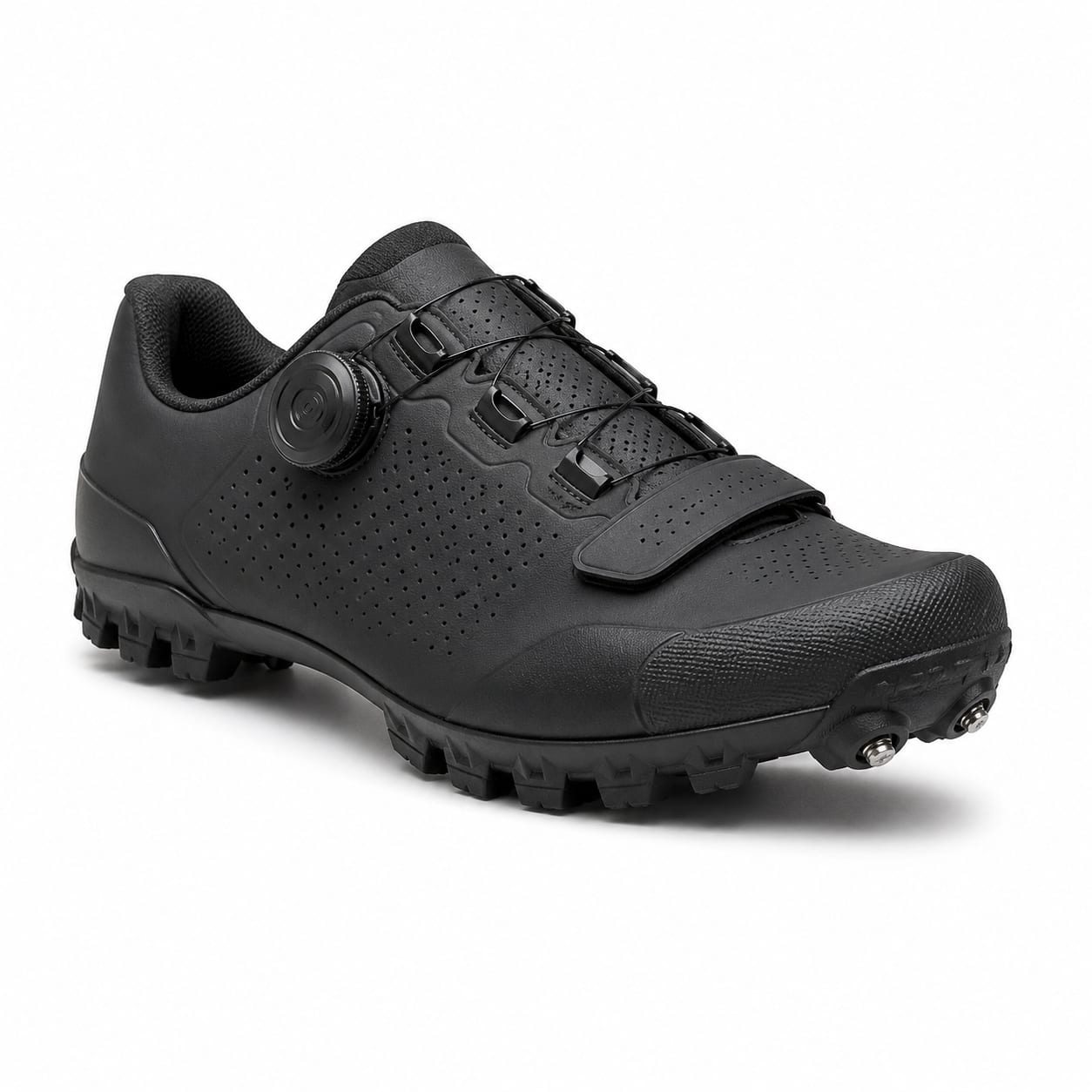
Gravel / Cyclocross Shoes
$100 – $350
Versatile off-road shoes blending road efficiency with trail walkability for mixed-terrain riding.
2-bolt cleat compatibilitymoderate sole stiffnessaggressive tread for mud
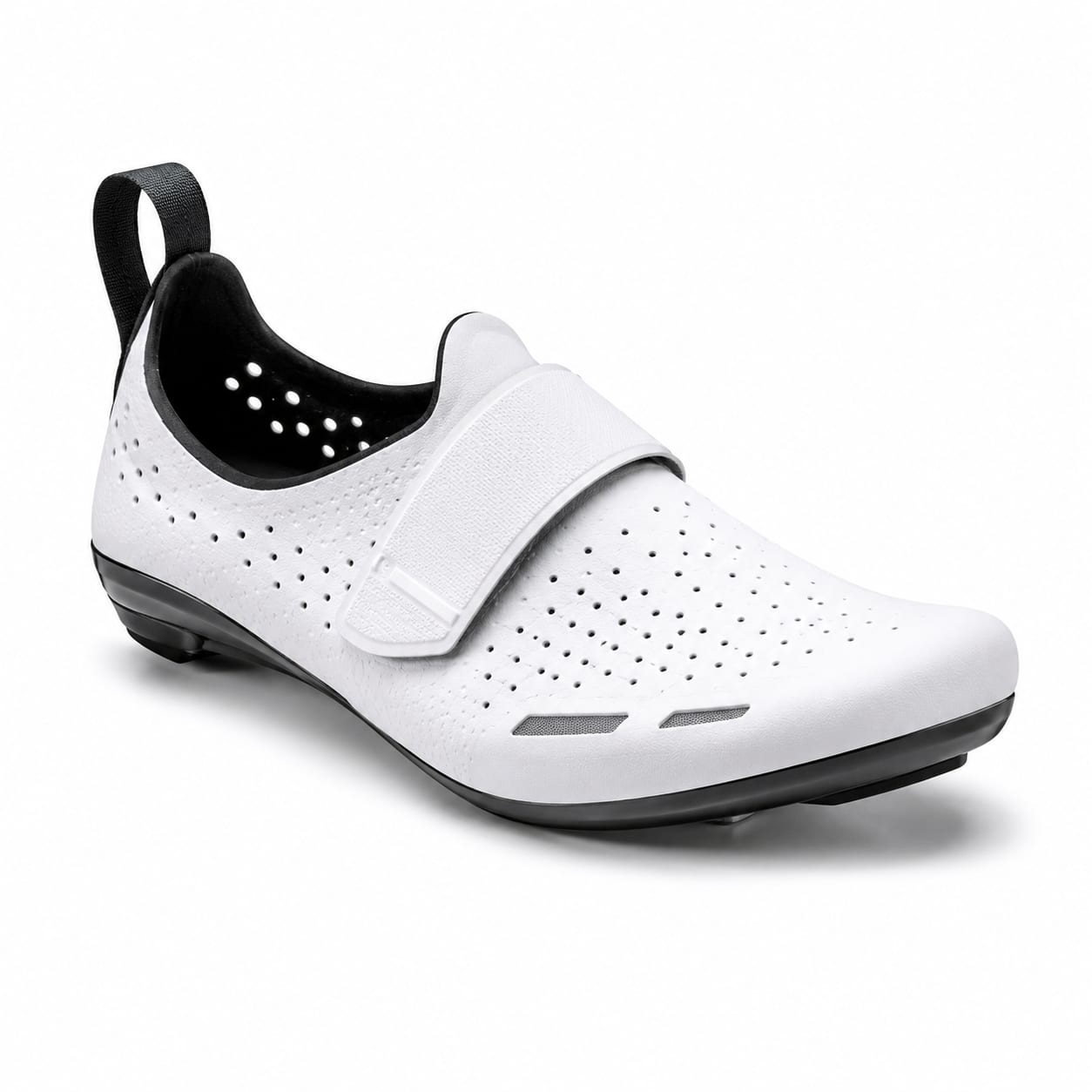
Triathlon Shoes
$100 – $450
Quick-entry road shoes optimized for fast transitions in triathlon racing.
heel pull loopsingle strap closureunlined interior
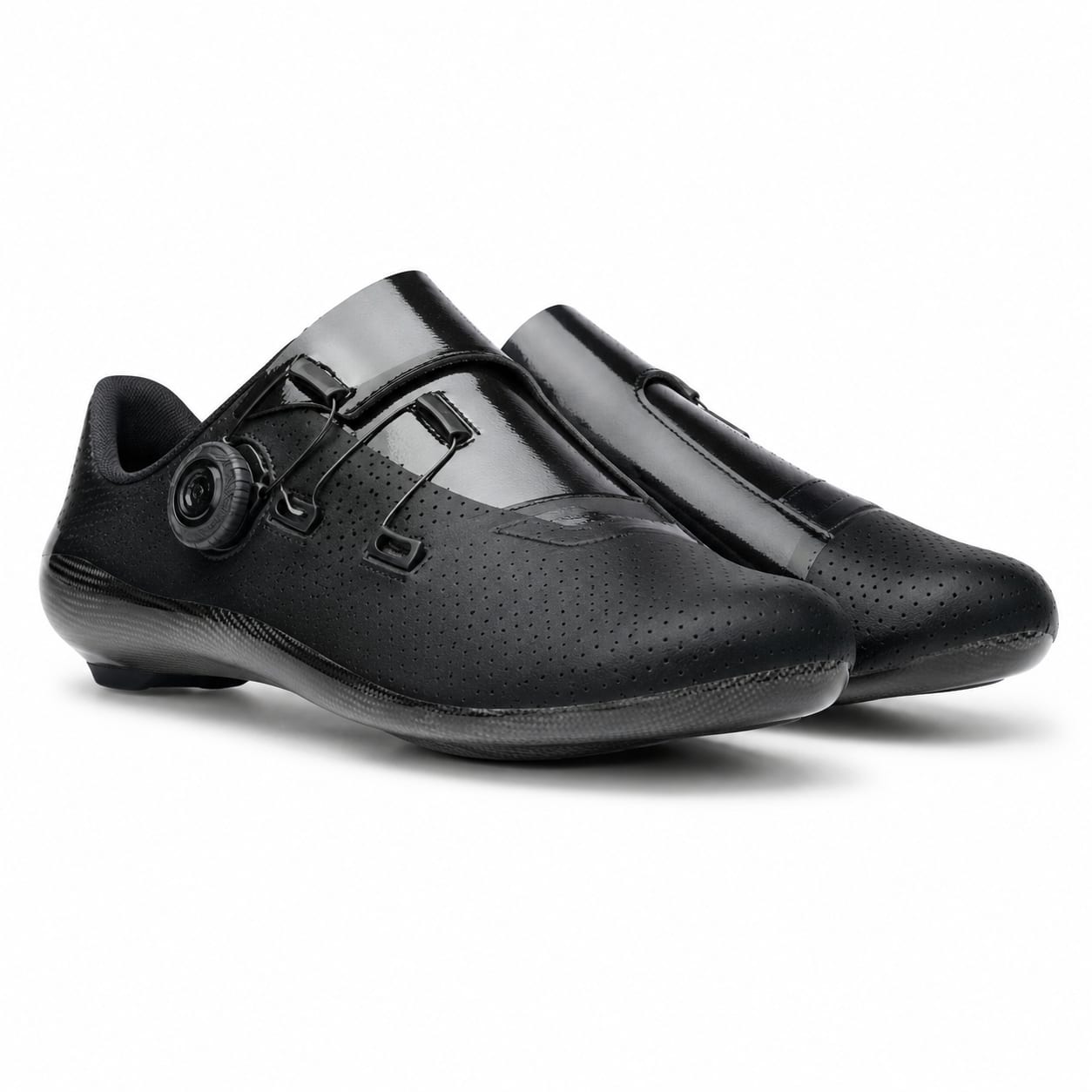
Track Cycling Shoes
$150 – $500
Ultra-stiff, aerodynamic shoes for velodrome racing and fixed-gear track riding.
maximum sole stiffnessfull carbon soleaerodynamic upper
More questions
- How do road cycling shoes differ from mountain bike shoes?
- How should road cycling shoes fit?
- Can I walk in road cycling shoes?
- What's the difference between single and dual BOA dials?