Kitvore.com

Kitvore.com

Specs that matter. Gear that fits.

Gravel Bike · Subcategory

Groad / Mountain-Gravel

The burliest gravel bikes built to blur the line between gravel riding and mountain biking, with massive tire clearance, slack geometry, and off-road-first design.

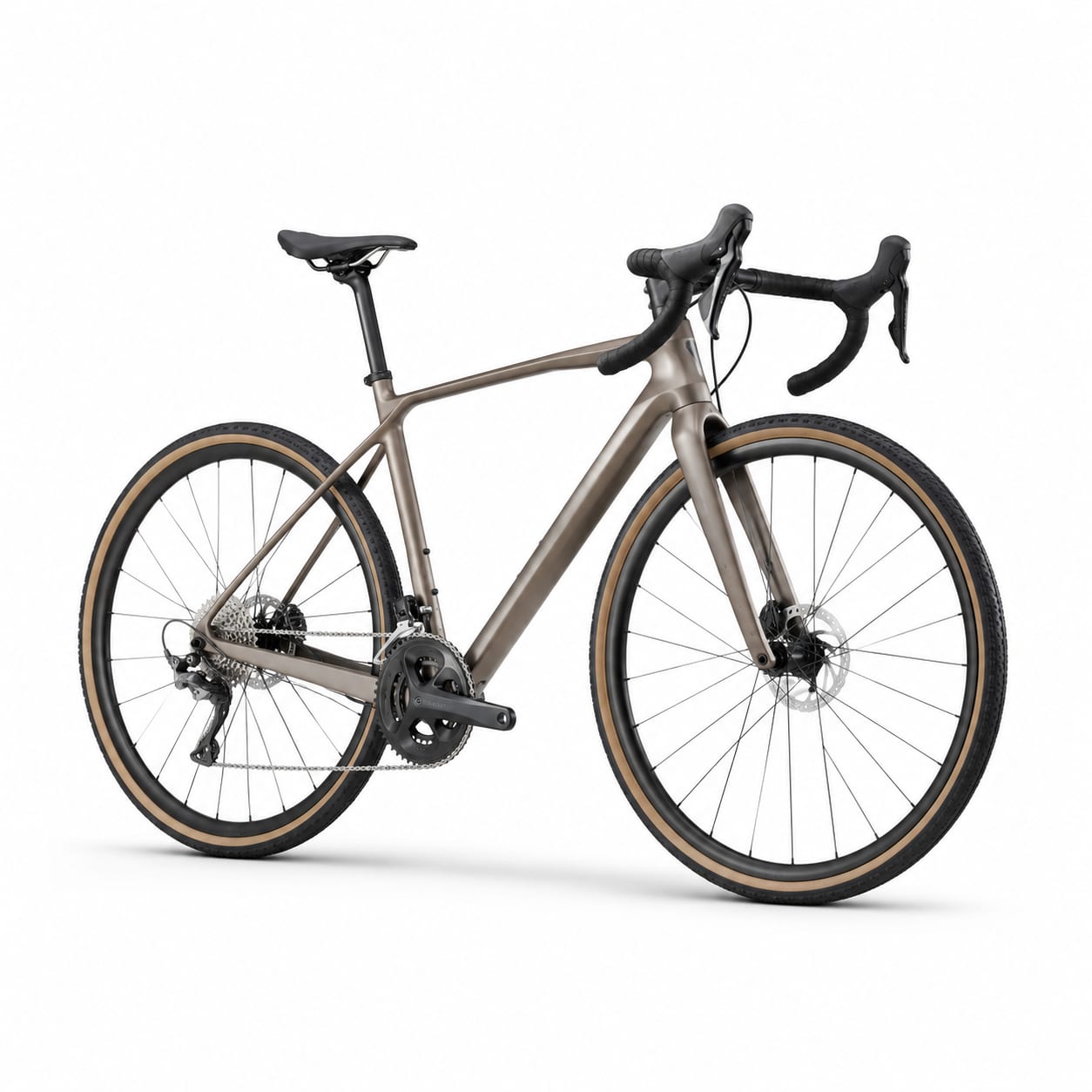
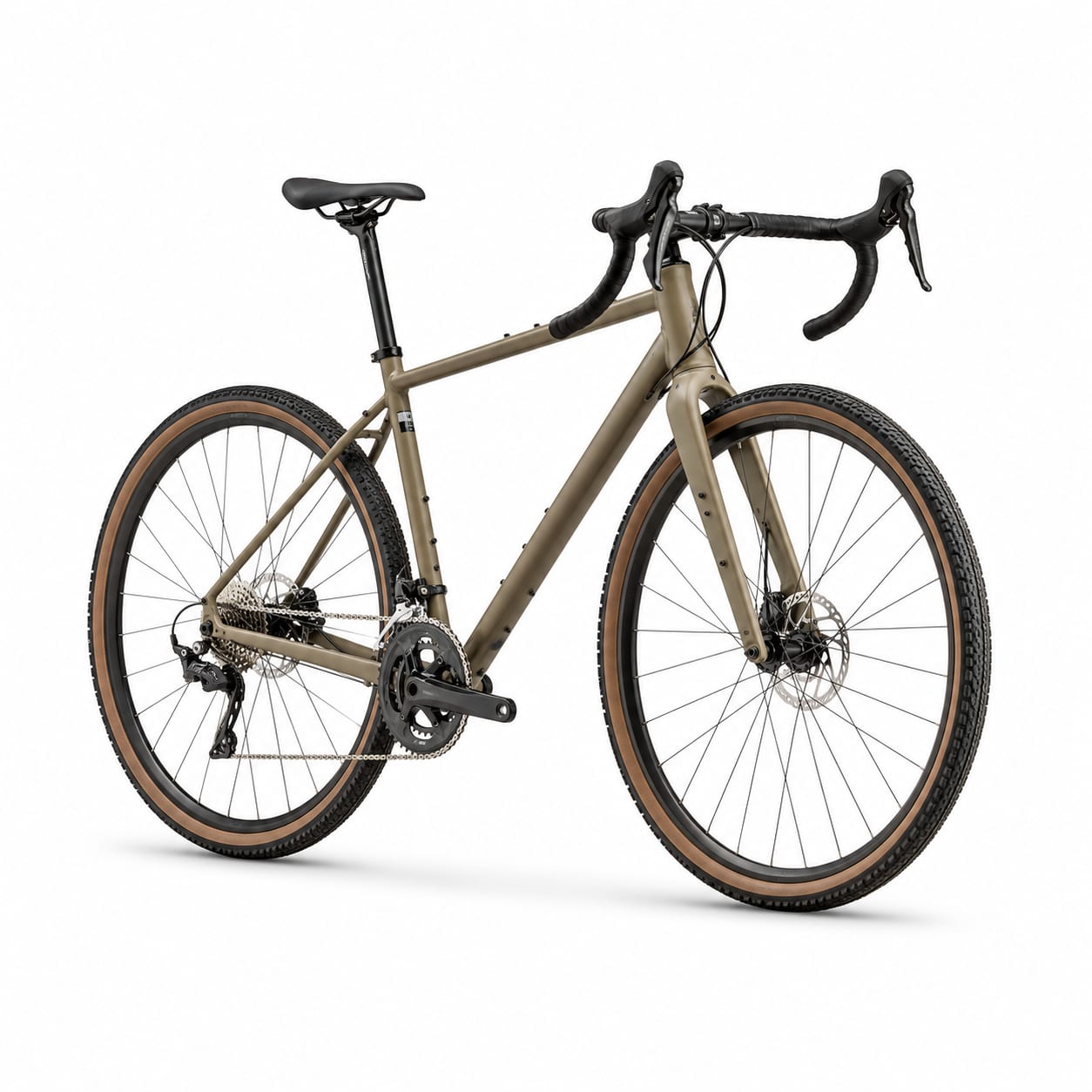
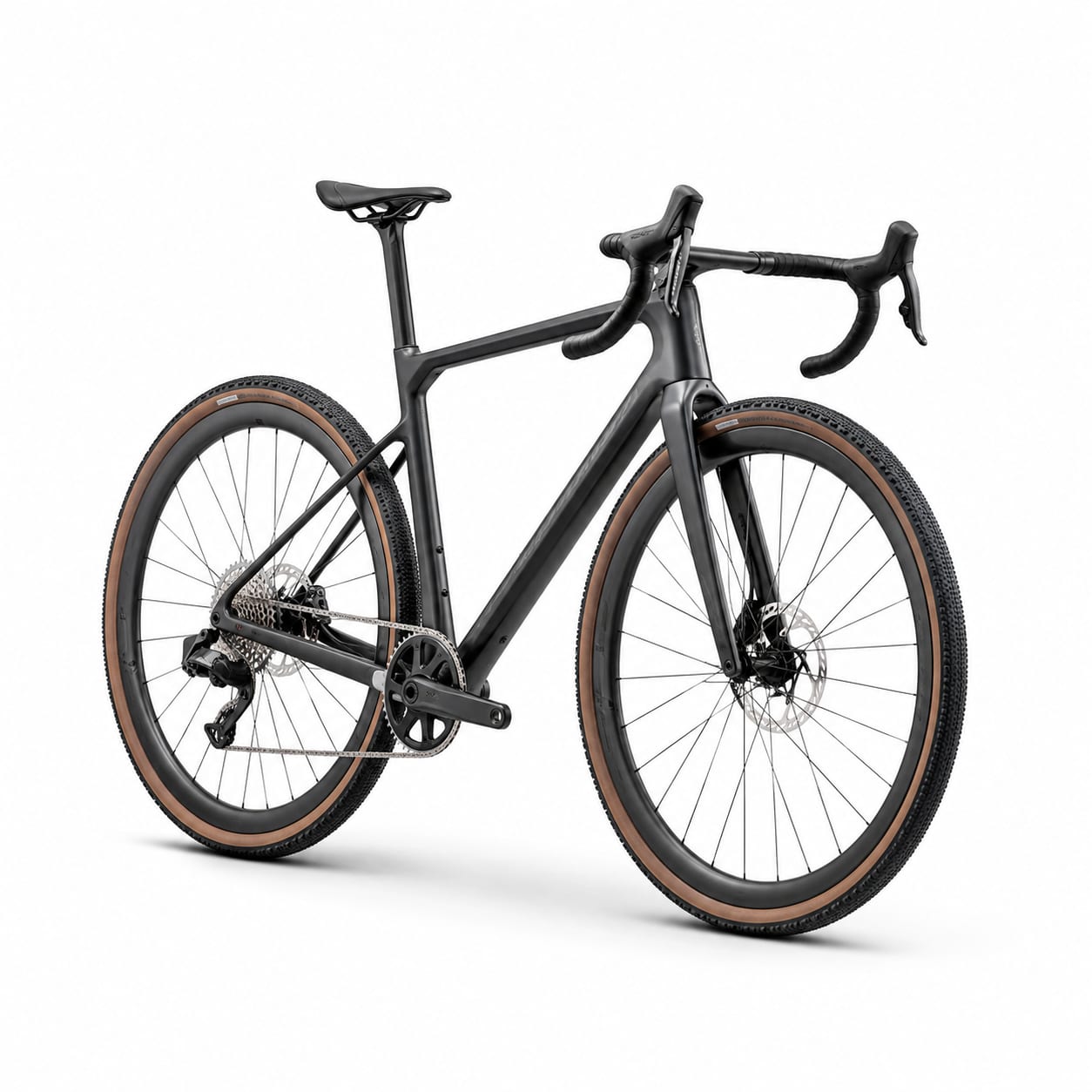
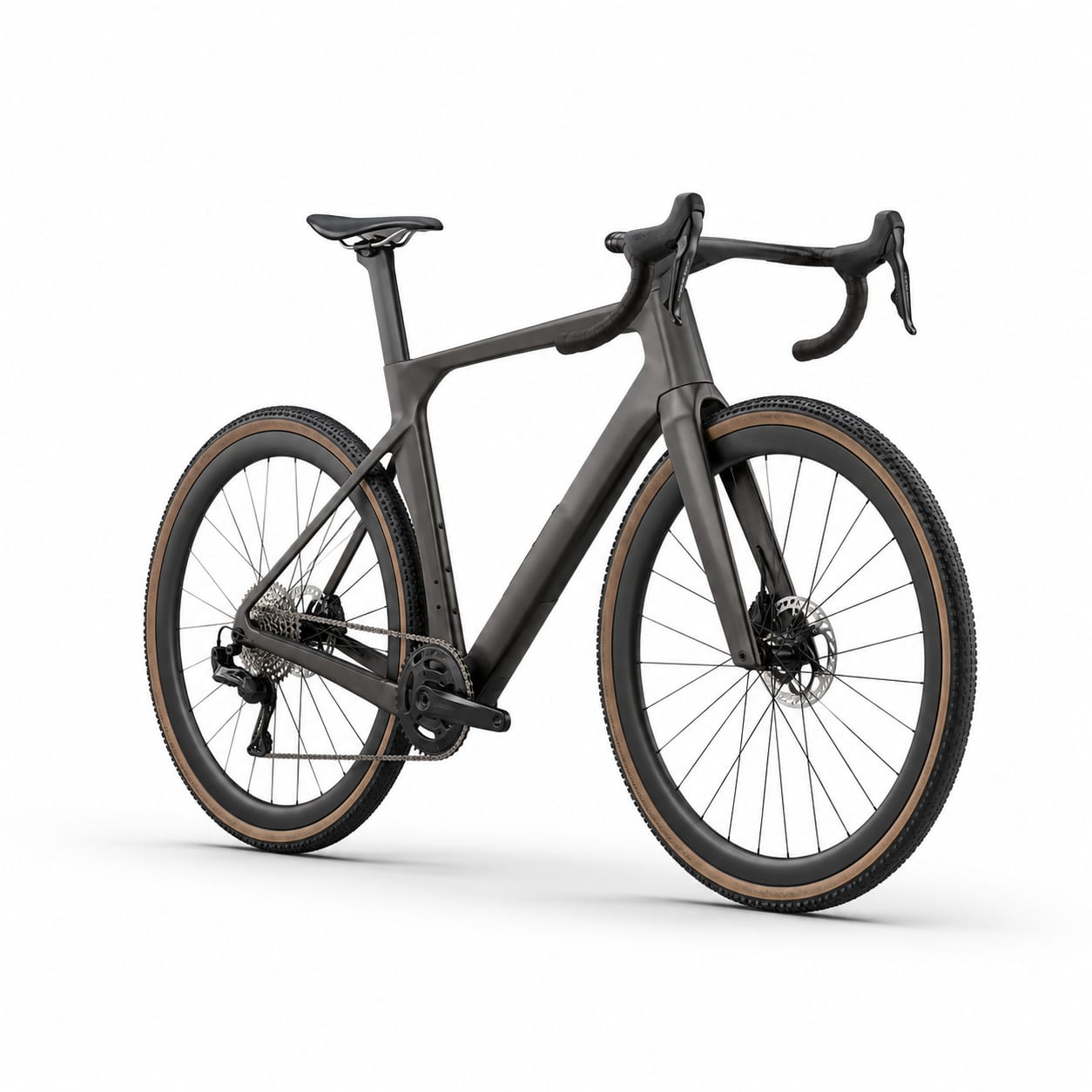
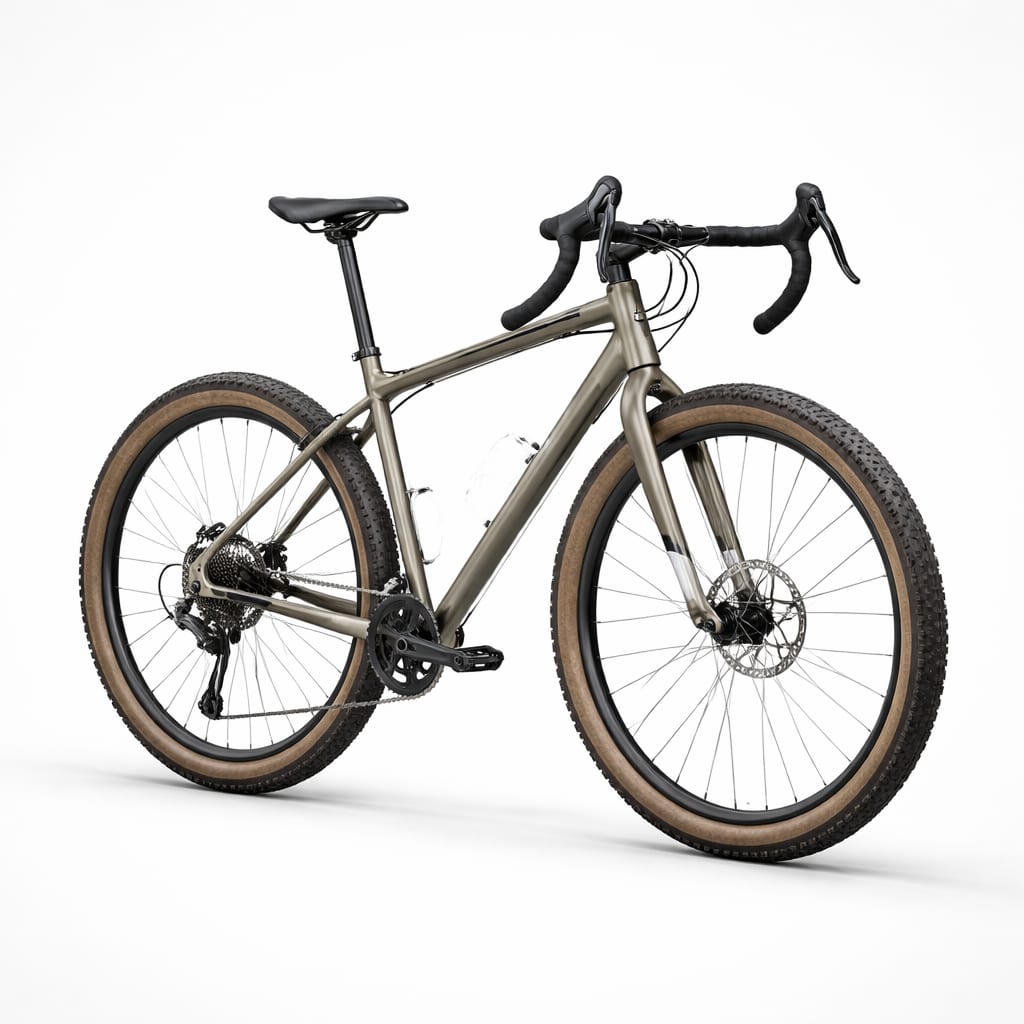
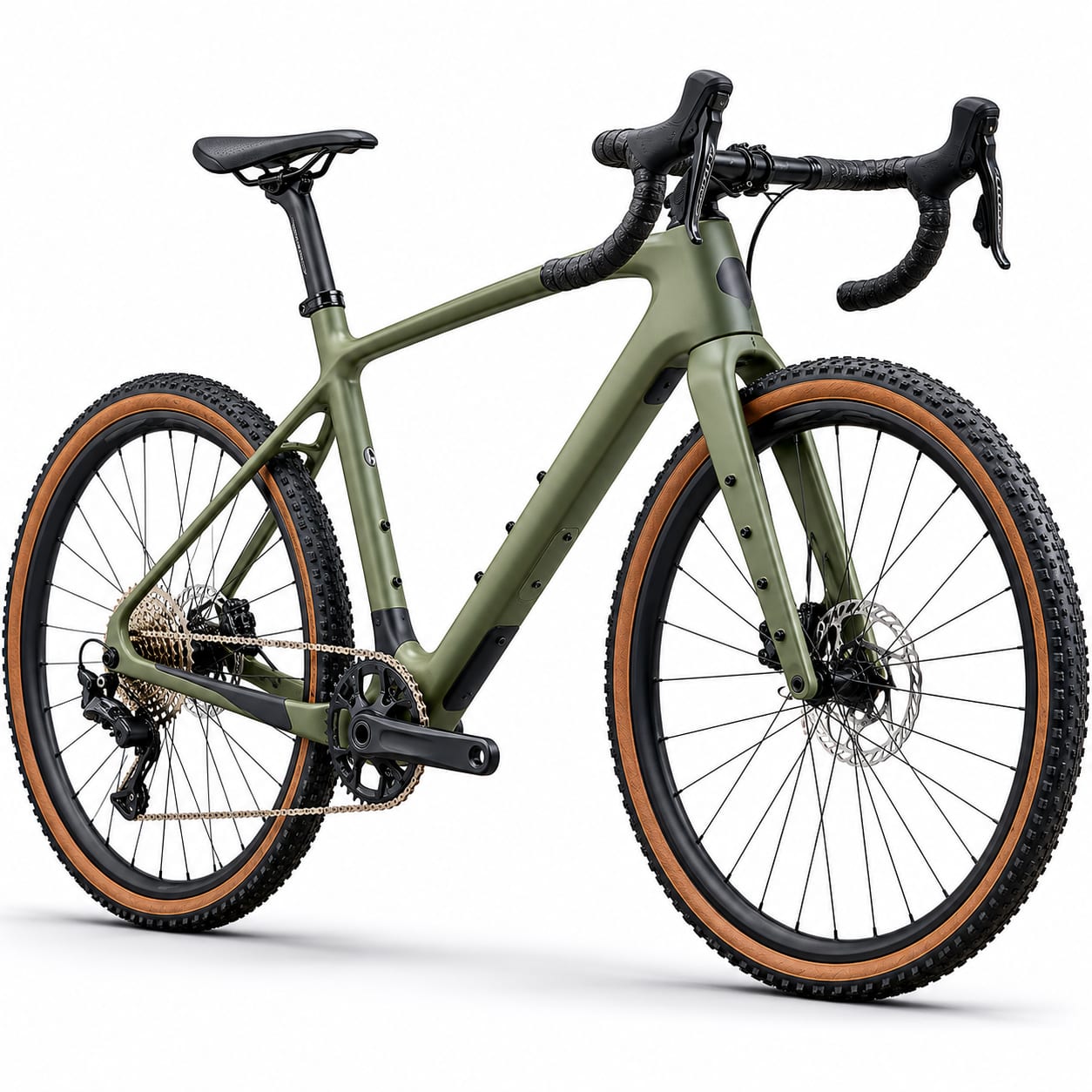
Groad bikes — also called mountain-gravel or adventure gravel bikes — are the most capable machines in the gravel spectrum. Designed around 50mm+ tire clearance, slacker head angles, longer chainstays, and often equipped with dropper posts and micro-suspension, they thrive where gravel roads turn into rough singletrack, jeep trails, and technical descents. If a standard gravel bike feels like a road bike with knobby tires, a groad bike feels like a flat-bar mountain bike that happens to have drop bars. They are the weapon of choice for bikepackers heading into the mountains, riders who seek out the roughest lines, and anyone who refuses to turn back when the gravel ends.

$2000 – $8000mid tierintermediateadvancedexpert

Best known for

Massive tire clearance (50mm+ in 700c, 2.1"+ in 650b)Confident handling on technical terrain and steep descentsDropper post compatibility and often stock droppersBikepacking-ready mounting points and stable loaded handlingBridging the gap between gravel bikes and hardtail mountain bikes
Groad / Mountain-Gravel

Guide

Detailed overview

The groad subcategory represents the most off-road capable segment of the gravel bike market. These bikes are purpose-built for riders who regularly encounter terrain that would challenge a lightweight cross-country mountain bike — loose rock gardens, steep rutted descents, sandy washes, and root-laden singletrack. The design philosophy prioritizes capability and confidence over speed and efficiency, resulting in bikes that can genuinely replace a mountain bike for many riders while retaining the versatility of drop bars and the efficiency of a rigid frame on smoother terrain. Key design hallmarks include tire clearances of 50mm or more in 700c (often exceeding 2.0 inches in 650b), head tube angles slacker than 71 degrees, chainstays stretching past 435mm, and stack-to-reach ratios that place the rider in a commanding, upright position. Dropper posts are either stock or strongly supported, and many models feature micro-suspension forks or compliance-engineered frames. The groad category has exploded as riders discover that a single bike with 2.1-inch tires and a dropper post can handle 90% of what a hardtail mountain bike can, while still being enjoyable on the 20-mile paved connector between trails.

The term 'groad' — a portmanteau of 'gravel' and 'road' that has evolved to mean something closer to 'gravel meets mountain' — emerged as riders began pushing standard gravel bikes beyond their intended limits. Early gravel bikes with 35-40mm tire clearance and road-derived geometry were being ridden on increasingly technical terrain, leading to a clear market demand for something burlier. Manufacturers responded by stretching chainstays, slackening head angles, opening up tire clearance, and borrowing features from the mountain bike world like dropper posts, wider bar flare, and even short-travel suspension forks.

What distinguishes a groad bike from a standard gravel bike is not one single specification but a holistic design approach centered on off-road confidence. The slacker head tube angle (typically 69.5-71°) combined with longer chainstays (435-450mm) creates a longer wheelbase that tracks straight through rough terrain and resists pitching on steep descents. The massive tire clearance allows riders to run 50-57mm tires at low pressures, providing traction and float that approaches mountain bike capability. The higher stack-to-reach ratio (1.50-1.65) puts the rider in a position to shift weight behind the saddle on steep drops and maintain control when the trail gets rowdy.

The practical advantage of a groad bike is its do-anything capability. A single bike can handle a fast group ride on pavement Saturday morning, a 100-mile gravel race Saturday afternoon, and a technical singletrack session Sunday morning — all without changing tires or components. This versatility comes with trade-offs: groad bikes are heavier than race-oriented gravel bikes (typically 9.5-11kg), less efficient on smooth terrain due to their upright position and wide tires, and can feel sluggish on tight, smooth corners compared to bikes with quicker handling. However, for riders whose terrain skews rough and whose priorities favor confidence and capability over pure speed, these trade-offs are well worth making.

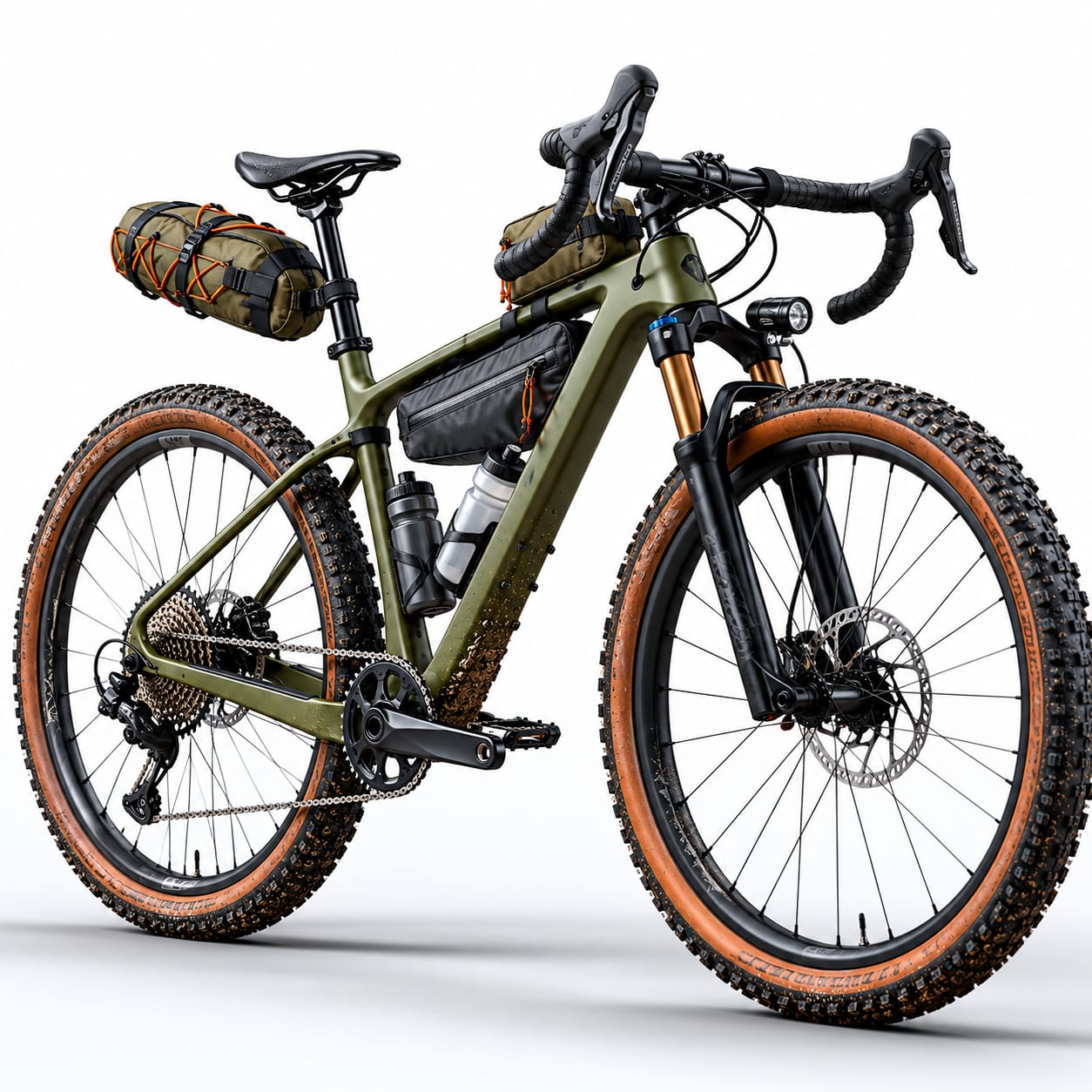
The bikepacking community has embraced groad bikes enthusiastically because their stable geometry, abundant mounting points, and massive tire clearance make them ideal for multi-day off-road adventures. The longer chainstays provide critical clearance for frame bags, the stable handling remains composed under heavy loads, and the wide tires absorb punishment that would exhaust a rider on narrower rubber. Many of the most popular bikepacking routes — the Arizona Trail, the Colorado Trail, the Divide — feature terrain that demands a groad bike's capability, and riders on standard gravel bikes often find themselves walking sections that a groad bike could ride.

Looking forward, the groad category continues to evolve. Fork manufacturers are developing lighter, more capable micro-suspension options. Dropper post travel is increasing while weight decreases. Tire manufacturers are creating gravel tires with actual side knobs for cornering traction on dirt. The line between groad bikes and lightweight hardtails with drop bars is becoming increasingly blurred, and that is exactly the point — for a growing number of riders, the groad bike is the one bike that does everything well enough.

Quick facts

Primary purpose
Riding aggressive off-road terrain including singletrack, technical gravel, and rough dirt
Popular brands
Lauf3TCanyonSanta CruzNinerBombtrack
Typical terrain
SingletrackTechnical gravelRough jeep roadsRocky fire roadsMountain bike trails

What makes it different

Only gravel subcategory commonly offered with suspension forks; widest tire clearance; most mountain-bike-like geometry; dropper post compatibility; designed for terrain other gravel bikes cannot handle

Recommended ranges

How this type usually specs out

Each spec is explained in plain language, then we show what buyers usually look for on this type.

Frame Material

Frame Material

What it means

The primary material used in frame construction, affecting weight, compliance, durability, and cost.

Typical for this type

Carbon, Aluminum, Steel

In practice

Carbon dominates mid-to-high-end groad bikes for its ability to engineer compliance into the frame while maintaining stiffness where needed. Aluminum offers the best value for riders who will subject the bike to rough treatment. Steel is favored by bikepackers who value durability and repairability in remote locations.

Compared to other types

Steel is more common in groad bikes than in race-gravel subcategories because the weight penalty matters less when capability is the priority. Titanium appears more frequently here as well, appealing to riders making a lifetime investment in an expedition-capable machine.

Why it matters: Groad bikes encounter more impacts and vibration than any other gravel subcategory, making frame material compliance and durability critical. Carbon's tunable layup allows engineers to create frames that absorb chatter while remaining torsionally stiff for technical climbing and descending.

Max Tire Width

Maximum Tire Clearance

What it means

The widest tire the frame and fork can accommodate, measured in millimeters. Determines terrain capability and comfort potential.

Typical for this type

50-57mm (700c), 2.0-2.2" (650b)

Most common pick: 53mm

In practice

Groad bikes are defined by their massive tire clearance. 50mm is the minimum that distinguishes this subcategory, with most models offering 53-57mm in 700c. Switching to 650b wheels typically allows 2.0-2.2 inch mountain bike tires.

Compared to other types

Race-gravel bikes typically max out at 35-42mm. All-road bikes often stop at 38mm. Groad bikes exceed both by 10-20mm, which represents a fundamental capability difference rather than a marginal improvement.

Why it matters: Tire volume is the single most important factor for off-road capability. A 55mm tire at 25psi provides dramatically more traction, float, and comfort than a 40mm tire at 40psi. On rocky, sandy, or root-covered terrain, tire volume is the difference between riding and walking.

Wheel Size

Wheel Size Compatibility

What it means

The wheel diameter standard the frame supports. Many modern gravel bikes accept both 700c and 650b.

Typical for this type

Dual 700c + 650b Compatibility Strongly Preferred

Most common pick: 700c_and_650b

In practice

Most groad bikes support both 700c and 650b wheel sizes. This is especially valuable in this subcategory because 650b wheels allow mountain bike tire widths (2.0-2.2") that transform the bike into a near-mountain-bike machine, while 700c wheels with 45-50mm tires are better for faster mixed-terrain rides.

Compared to other types

Race-gravel bikes are increasingly 700c-only to save weight and optimize for one wheelset. Groad bikes almost universally offer dual compatibility because their riders demand maximum versatility.

Why it matters: Dual wheel compatibility effectively gives you two bikes in one. 650b with 2.1" tires for technical singletrack days, 700c with 45mm tires for faster gravel rides. This versatility is more valuable in the groad category than any other because the terrain range is wider.

Drivetrain

Drivetrain Type

What it means

The gear system configuration including number of chainrings and cassette range, critical for terrain versatility.

Typical for this type

1x with wide-range cassette (10-50T or 10-52T)

In practice

1x drivetrains dominate the groad category with near-universal adoption. The simplified shifting, superior chain retention on rough terrain, and elimination of front derailleur interference with rear suspension or dropper routing make 1x the clear choice. Wide-range cassettes (10-50T or 10-52T) provide the low gears needed for steep, technical climbing.

Compared to other types

All-road and some race-gravel bikes still use 2x for tight gear steps on pavement. Groad bikes almost universally use 1x because off-road chain security and simplicity outweigh the benefit of tight gear ratios.

Why it matters: On technical terrain, chain retention is critical — a dropped chain on a steep, rocky climb can mean a foot-down or worse. 1x systems with clutch derailleurs and narrow-wide chainrings virtually eliminate dropped chains. The simplified cockpit (no front shifter) also leaves room for a dropper post lever.

Lowest Gear (Climbing)

Lowest Gear Ratio

What it means

The gear ratio of the easiest climbing gear, expressed as chainring teeth divided by largest cassette cog. Lower values enable easier climbing.

Typical for this type

0.68-0.83

Most common pick: 0.78

In practice

Groad bikes need lower climbing gears than any other gravel subcategory. A typical setup is a 38T chainring with a 10-50T cassette, yielding a 0.76 lowest ratio. Riders in mountainous terrain or those carrying bikepacking loads should target 0.73 or lower (e.g., 36T × 10-50T = 0.72).

Compared to other types

Race-gravel bikes often have lowest ratios of 0.85-0.95, which is adequate for unloaded racing but insufficient for loaded technical climbing. Groad bikes typically offer ratios 10-15% lower.

Why it matters: Steep, loose, technical climbs at altitude with a loaded bike demand extremely low gears. A gear ratio above 0.85 will have you walking on 15%+ gradients with bikepacking bags. The lowest gear is often the most important specification for a groad bike's real-world usability.

Front Suspension

Front Suspension Type

What it means

The type of front impact absorption system, ranging from rigid to short-travel suspension forks.

Typical for this type

Micro-Suspension (20-40mm) Or Rigid Carbon With Compliance Engineering

Most common pick: Micro Suspension

In practice

Micro-suspension forks (Fox 32TC, RockShox Rudy, Cane Creek eeSilk) are more common on groad bikes than any other subcategory. The rough terrain these bikes are designed for benefits significantly from 20-40mm of suspension travel. However, many groad bikes still use rigid carbon forks with compliance-engineered blades, relying on massive tire volume for bump absorption.

Compared to other types

Race-gravel and all-road bikes almost exclusively use rigid carbon forks. Groad bikes are the only gravel subcategory where micro-suspension is a common and sensible option.

Why it matters: On sustained rough terrain — washboard gravel, rocky jeep roads, root-covered singletrack — front suspension dramatically reduces hand and arm fatigue. It also improves front-wheel traction and control on technical descents. The weight penalty (400-600g) is more justifiable on a groad bike where capability trumps weight.

Stack/Reach Ratio

Stack-to-Reach Ratio

What it means

The ratio of frame stack height to reach length. Higher values indicate a more upright, endurance-oriented position. Key indicator of a gravel bike's intended riding style.

Typical for this type

1.50-1.65

Most common pick: 1.56

In practice

Groad bikes have the highest stack-to-reach ratios in the gravel category, placing the rider in an upright, commanding position. This position improves visibility on technical terrain, makes it easier to shift weight behind the saddle on steep descents, and reduces fatigue on long bikepacking days.

Compared to other types

Race-gravel bikes typically have ratios of 1.42-1.50 for an aggressive, aerodynamic position. All-road bikes range from 1.48-1.55. Groad bikes at 1.50-1.65 are noticeably more upright, which is exactly the point.

Why it matters: On technical terrain, an upright position is a safety feature — it allows you to see further down the trail, react to obstacles, and maintain balance at low speeds. On steep descents, the higher stack makes it easier to get your weight back without fully committing to a dropper post.

Chainstay Length

Chainstay Length

What it means

Distance from bottom bracket center to rear axle. Affects stability, traction, and bikepacking bag clearance.

Typical for this type

435-450mm

Most common pick: 440mm

In practice

Groad bikes feature the longest chainstays in the gravel category. This extra length provides stability on rough descents, predictable handling under heavy bikepacking loads, and critical clearance for frame bags between the seat tube and rear wheel.

Compared to other types

Race-gravel bikes use 415-425mm chainstays for snappy handling. All-road bikes range from 420-430mm. Groad bikes at 435-450mm are 10-25mm longer, which is a significant and intentional geometry difference.

Why it matters: Longer chainstays are a key enabler of the groad bike's confident handling. They increase the wheelbase for high-speed stability, move the rider's weight forward for better front-wheel traction on climbs, and create space for the frame bags that are essential for multi-day bikepacking trips.

Head Tube Angle

Head Tube Angle

What it means

The angle of the head tube from horizontal. Steeper angles create quicker steering; slacker angles add stability.

Typical for this type

69.5-71.0°

Most common pick: 70.5°

In practice

Groad bikes use the slackest head tube angles in the gravel category. This slacker angle slows down steering response for more stability on rough, high-speed descents and reduces the tendency for the front wheel to tuck in loose corners.

Compared to other types

Race-gravel bikes use 71.5-72.5° for quick, responsive steering. All-road bikes range from 71-72°. Groad bikes at 69.5-71° are 1-3 degrees slacker, which is a meaningful handling difference borrowed from mountain bike geometry.

Why it matters: On steep, technical descents with loose rocks and roots, a slacker head angle provides a more stable, confidence-inspiring feel. The trade-off is slower steering response on smooth terrain, but groad riders prioritize descending confidence over quick handling.

Brakes

Brake Type

What it means

The braking system type. Hydraulic disc brakes are the standard for gravel; flat-mount vs post-mount affects frame compatibility.

Typical for this type

Hydraulic Disc Brakes With 180mm Front Rotor Minimum

Most common pick: Hydraulic Disc Post

In practice

Post-mount hydraulic disc brakes are more common on groad bikes than flat-mount because they offer better compatibility with mountain bike brake calipers and larger rotors. 180mm front rotors should be considered the minimum for groad bikes, with 180/180mm or even 203mm front rotors recommended for loaded riding in steep terrain.

Compared to other types

Race-gravel and all-road bikes typically use flat-mount calipers with 160mm rotors. Groad bikes often use post-mount with 180mm rotors, reflecting their mountain-bike-influenced design and heavier intended loads.

Why it matters: Groad bikes carry more speed on descents, weigh more due to larger tires and frames, and are more likely to be loaded with bikepacking gear. All of these factors demand more braking power. Undersized rotors lead to brake fade on long descents, which is a safety issue.

Mount Points

Mounting Points Count

What it means

Total number of threaded mounting bosses on the frame and fork for bottles, racks, and fenders. Indicates bikepacking and touring capability.

Typical for this type

12-18 points

Most common pick: 14

In practice

Groad bikes are designed for bikepacking and carry the most mounting points in the gravel category. Expect 3+ bottle cage mounts (including under-downtube), fork blade mounts for anything cages or bottle cages, top tube feed bag mounts, rack and fender eyelets, and sometimes seatstay rack mounts.

Compared to other types

Race-gravel bikes have 4-8 mounting points (minimal, weight-saving). All-road bikes have 6-10 points. Groad bikes at 12-18 points are the clear choice for riders who want to carry gear for multi-day off-road adventures.

Why it matters: The groad bike's bikepacking orientation makes mounting points a critical feature. Fork mounts enable front-loading setups that are essential for multi-day trips. Under-downtube mounts add water capacity without frame bags. Top tube mounts provide accessible snack storage.

Seatpost

Seatpost Type

What it means

The seatpost design, which significantly affects saddle compliance and off-road comfort on gravel terrain.

Typical for this type

Dropper Seatpost (60-100mm Travel For Most Riders; 120mm+ For Aggressive Terrain)

Most common pick: Dropper Post

In practice

Dropper posts are more common on groad bikes than any other gravel subcategory, and many models now include them as stock equipment. The ability to lower the saddle for technical descents is transformative on the steep, rough terrain that groad bikes are designed for.

Compared to other types

Race-gravel and all-road bikes rarely include dropper posts. Groad bikes increasingly offer them stock or at minimum have internal routing to support easy installation. This is one of the clearest differentiators of the subcategory.

Why it matters: On steep, technical descents, a lowered saddle allows you to shift your weight dramatically behind the bike, maintain balance through rough sections, and dab a foot if needed. Without a dropper, you must stop and manually lower the saddle or risk being launched over the bars on steep drops.

Bar Flare

Handlebar Flare

What it means

The outward angle of the drop sections from the hoods position. Flare improves control in the drops on rough terrain and widens the stance for stability.

Typical for this type

12-25°

Most common pick: 16°

In practice

Groad bikes use the most aggressively flared handlebars in the gravel category. The wider stance in the drops provides more control on rough descents and technical terrain, similar to how mountain bikers use wide flat bars for stability.

Compared to other types

Race-gravel bikes use 0-8° flare for aerodynamic efficiency. All-road bikes use 5-12°. Groad bikes at 12-25° prioritize control over aerodynamics, with some models approaching mountain bike handlebar width in the drops.

Why it matters: On technical descents, you spend more time in the drops where flare provides a wider, more stable grip. The flared drops also create more wrist clearance when cornering aggressively, reducing the chance of your hands contacting the bar on rough terrain.

Weight

Complete Bike Weight

What it means

Total weight of the complete bicycle without pedals or accessories. Affects acceleration, climbing, and handling.

Typical for this type

9.0-11.5kg

Most common pick: 10.2kg

In practice

Groad bikes are the heaviest gravel subcategory due to their robust frames, massive tire clearance, dropper posts, and often suspension forks. A typical complete bike weighs 9.5-11kg, with carbon models at the lower end and steel or suspension-equipped models at the upper end.

Compared to other types

Race-gravel bikes weigh 7.5-8.5kg. All-road bikes weigh 8.0-9.5kg. Groad bikes at 9.0-11.5kg are 1-3kg heavier, which is the cost of massive tire clearance, dropper posts, and robust construction.

Why it matters: Weight matters less on a groad bike than on a race-gravel bike because the terrain is slower and the priority is capability. However, extremely heavy builds (over 11kg) will feel sluggish on climbs and accelerate poorly. The key is finding the balance between capability features and manageable weight.

Bottom Bracket

Bottom Bracket Standard

What it means

The bottom bracket shell standard affecting crank compatibility, maintenance ease, and frame stiffness.

Typical for this type

BSA Threaded Or T47 Preferred

Most common pick: Bsa Threaded

In practice

Threaded bottom brackets (BSA or T47) are strongly preferred on groad bikes due to the mud, water, and grit exposure from off-road riding. T47 is increasingly common on premium groad frames as it combines threaded reliability with the wider shell stiffness of press-fit designs.

Compared to other types

Race-gravel bikes often use press-fit (PF30, BB86) for weight savings. Groad bikes skew toward threaded standards because reliability and serviceability matter more than 30-50 grams of weight savings.

Why it matters: Groad bikes see more mud, stream crossings, and abrasive dust than any other gravel subcategory. Press-fit bottom brackets are prone to creaking under these conditions, and field servicing is difficult. Threaded standards can be removed, cleaned, and reinstalled with basic tools — a significant advantage on multi-day bikepacking trips.

Front Axle

Front Axle Standard

What it means

The front wheel axle standard, affecting wheel compatibility and stiffness. Thru-axles are standard on modern gravel bikes.

Typical for this type

12x100mm (15x100mm if suspension fork equipped)

In practice

Most groad bikes use the standard 12x100mm front thru-axle. However, models equipped with suspension forks (Fox 32TC, RockShox Rudy) use the 15x100mm MTB standard that these forks require. This limits wheel swap options but is necessary for suspension compatibility.

Compared to other types

All other gravel subcategories use 12x100mm exclusively. Groad bikes are the only ones that might use 15x100mm, and only when equipped with suspension forks.

Why it matters: If your groad bike has a suspension fork, you are locked into the 15x100mm standard and must choose wheels compatible with that specification. If you have a rigid fork, 12x100mm gives you access to the broader gravel/road wheel ecosystem.

Evaluation

Strengths and trade-offs

Pros

What this type does best

Unmatched terrain capability among drop-bar bikes

Critical

With 50mm+ tire clearance, slack geometry, and often suspension, groad bikes can handle terrain that would stop any other gravel bike. Rocky singletrack, steep loose descents, sandy washes, and root-covered trails are all rideable.

Descending confidence from geometry and dropper posts

Critical

The combination of slacker head angles, longer wheelbases, and dropper posts creates a bike that descends with mountain bike-like confidence. Steep, technical descents that would terrify you on a race-gravel bike become genuinely fun on a groad bike.

Superior bikepacking platform

High

Long chainstays provide frame bag clearance, abundant mounting points accept any configuration of bags and bottles, and stable geometry remains composed under heavy loads. Groad bikes are the optimal choice for multi-day off-road adventures.

One-bike quiver potential

High

A groad bike with dual wheel compatibility can serve as a road bike (700c with slicks), a gravel racer (700c with 40mm tires), and a mountain bike substitute (650b with 2.1" knobbies). No other gravel subcategory offers this range.

Traction and float from massive tire volume

High

55mm tires at 25psi provide dramatically more traction and float than 38mm tires at 40psi. This means fewer hike-a-bike sections, more confidence in corners, and less fatigue from vibration on long days.

Comfort on long, rough days

Medium

The upright position, wide tires, and often compliance features (micro-suspension, engineered flex zones) make groad bikes the most comfortable gravel bikes for long days on rough terrain. Hand, back, and saddle fatigue are all reduced.

Durability for remote adventures

Medium

Groad bikes are built to survive rough treatment far from help. Threaded bottom brackets, robust frame construction, and mountain-bike-influenced components prioritize reliability over weight savings.

Cons

Trade-offs to be aware of

Heavy and slow on smooth terrain

Moderate

At 9.5-11kg with wide, knobby tires, groad bikes are noticeably slower on pavement and smooth gravel than race-gravel bikes. The upright position adds aerodynamic drag, and the heavy rotating mass of wide tires makes acceleration sluggish.

Sluggish handling on tight, smooth terrain

Moderate

The long wheelbase and slack head angle that provide stability on rough descents make the bike feel slow to respond on tight, smooth corners. It will never feel as snappy or playful as a shorter, steeper gravel bike.

Limited road group ride compatibility

Moderate

On fast road group rides, a groad bike with 50mm+ tires is a significant handicap. You will work harder to maintain the pace, and the handling will feel vague compared to road or all-road bikes. A second wheelset with road tires partially addresses this but adds cost.

Higher price for capability features

Minor

Dropper posts, micro-suspension forks, and robust frames with massive tire clearance all add cost. A comparably equipped groad bike typically costs $300-800 more than a race-gravel bike from the same brand.

Wider Q-factor and stance

Minor

The wide tire clearance and often mountain-bike-influenced drivetrain components can result in a wider Q-factor (pedal stance width), which some riders find less comfortable on long rides, especially those accustomed to road bikes.

Suspension maintenance complexity

Minor

If equipped with a micro-suspension fork, you inherit mountain bike maintenance requirements including seal replacement, oil changes, and travel adjustments that rigid forks do not require.

Best for

Surfaces & terrain

Rough jeep tracks and 4x4 roadsTechnical singletrack (blue and some black MTB trails)Rocky, loose, and sandy terrainSteep alpine gravel climbs and descentsWashboard gravel roadsMixed terrain with significant off-road sections

Riding conditions

Loose, rocky, and unpredictable surfacesSteep climbs and descentsWet and muddy conditions requiring maximum tractionLong days in the saddle over rough terrainRemote areas where reliability matters

Skill level

Intermediate riders wanting to progress to more technical terrainAdvanced riders who want one bike for everythingMountain bikers transitioning to drop-bar riding

Riding discipline

Bikepacking and expedition ridingAdventure riding with technical terrain focusGravel riding with mountain bike sensibilitiesExploration and route-finding on unknown terrain

Rider profile

Riders who seek out the roughest available routeBikepackers planning multi-day off-road adventuresMountain bikers who want drop-bar capabilityRiders in mountainous regions with steep, technical gravelAnyone who has felt underbiked on a standard gravel bike

Not ideal for

Reasons

The weight and rolling resistance penalty is significant on smooth terrain where capability is unnecessaryThe upright position and slack geometry reduce efficiency and speed on flat, fast coursesIf your terrain is 80%+ smooth gravel or pavement, a lighter, faster gravel subcategory is more appropriateThe additional capability comes at a financial premium that is wasted on easy terrain

Surfaces & terrain

Primarily paved roads and smooth bike pathsFlat, fast gravel racing coursesTight, twisty smooth gravel where quick handling matters

Skill level

Complete beginners who may find the bike's capability overwhelming on simple terrainRoad-focused riders who rarely leave pavement

Riding discipline

Gravel racing at competitive speedsFast group rides on pavementRoad cycling with occasional gravel sections

Compare

How it stacks up

This page

Groad / Mountain-Gravel

Dramatically more capable on technical terrain, more comfortable on long rough days, better bikepacking platform, more confident descending with dropper post and slack geometry.

Alternative

Race-Gravel

Significantly lighter and faster on smooth terrain, more efficient climbing on smooth gradients, tighter gear steps with 2x options, more responsive handling for racing.

Bottom line

Choose groad if you regularly ride technical terrain, want a dropper post, or plan bikepacking trips. Choose race-gravel if you primarily ride smooth gravel, race competitively, or prioritize speed over capability.

This page

Groad / Mountain-Gravel

Far more tire clearance for rough terrain, more stable geometry for technical descents, better bikepacking capability with more mounting points, dropper post compatibility.

Alternative

All-Road

Lighter, more efficient on pavement and smooth gravel, more road-like handling and feel, often less expensive due to simpler construction, better for riders who split time between road and gravel.

Bottom line

Choose groad if your riding skews more off-road than on-road and you need genuine mountain-bike-adjacent capability. Choose all-road if you ride 50%+ pavement and want one bike that feels good on both road and moderate gravel.

This page

Groad / Mountain-Gravel

Drop bars provide multiple hand positions for long days, more aerodynamic on flat terrain, lighter overall weight, faster on pavement and smooth gravel, more versatile across surface types.

Alternative

Lightweight Hardtail Mountain Bike

Real suspension (100-120mm) provides far more capability on truly technical terrain, flat bars offer more direct control on steep descents, wider range of tire sizes (2.2-2.6"), better for sustained technical riding.

Bottom line

Choose groad if you want one bike that can handle occasional technical terrain but is still enjoyable on long mixed-surface rides. Choose a hardtail if your rides are primarily technical singletrack where suspension and flat-bar control are essential.

This page

Groad / Mountain-Gravel

More capable off-road with slacker geometry and wider tire clearance, better descending confidence, more likely to have dropper post and suspension options, lighter for the same capability level.

Alternative

Bikepacking / Touring Gravel

Even more mounting points for expedition-level loads, often steel construction for maximum durability and repairability, more stable under extremely heavy loads, traditional touring geometry optimized for loaded comfort.

Bottom line

Choose groad if your bikepacking involves technical terrain and you want capability beyond just carrying gear. Choose bikepacking/touring gravel if you prioritize maximum load capacity and durability for long-distance, low-technicality touring.

Shopping

Buying tips

  • 1

    Prioritize tire clearance above all else — 50mm minimum, 53mm+ preferred. This is the defining feature that enables the groad bike's capability and cannot be upgraded later.

  • 2

    Get a dropper post, even if it means buying a bike without one and adding it yourself. On technical terrain, it is the single most impactful upgrade for confidence and safety.

  • 3

    Choose 1x drivetrain with the widest available cassette range. A 38T chainring with 10-50T cassette gives a 0.76 lowest ratio — go lower (36T ring) if you ride steep terrain with loads.

  • 4

    Consider micro-suspension if you regularly ride rough terrain for 4+ hours at a time. The hand fatigue reduction is significant on long days. If most rides are under 3 hours, rigid with wide tires is sufficient.

  • 5

    Budget for a second wheelset if you want road capability. 650b wheels with 2.1" mountain bike tires transform the bike for technical days; 700c wheels with 35-40mm slicks make it road-rideable.

  • 6

    Check dropper post routing before buying — internal routing is cleaner but limits post options; external routing is more versatile but less clean. Ensure the frame supports the dropper travel you want.

  • 7

    Do not over-gear. Many groad bikes come with 40T or 42T chainrings that are too large for steep, loaded climbing. A 38T or 36T ring is almost always the better choice for this subcategory.

  • 8

    Test ride with the tire pressure you will actually use. Groad bikes with 50mm+ tires at 25psi feel dramatically different from the 40psi that shops often set for test rides.

Care

Maintenance notes

  • Micro-suspension forks require regular service intervals (50-100 hour lower leg service, 200-hour full service). Budget $100-200 annually for suspension maintenance if equipped.
  • Wide tires at low pressures are more susceptible to punctures. Consider tubeless setup with sealant and carry a plug kit — it is the most impactful reliability upgrade for groad bikes.
  • Dropper posts need periodic cable/housing replacement and collar cleaning. Internal routing can collect mud; clean the stanchion and collar after muddy rides to prevent sticking.
  • Check thru-axle torque regularly, especially on the front axle. Rough terrain can loosen axles over time, and a loose front axle affects brake rotor alignment and handling precision.
  • Wide tires create more frame clearance for mud and debris. Clean the chainstay and seatstay bridge areas regularly to prevent abrasive wear on the frame from trapped grit.
  • If running 650b wheels, verify brake rotor size compatibility — some 650b wheelsets have rotor size limitations that differ from 700c configurations.
  • Threaded bottom brackets should be removed, cleaned, and re-greased annually. Groad bikes see more water and mud than other gravel bikes, accelerating thread corrosion.

Progression

Skill development path

Groad bikes are uniquely suited to helping riders progress from smooth gravel to technical terrain. Start on familiar gravel roads with the wide tires at moderate pressure to build confidence in the bike's traction and stability. Gradually introduce rougher terrain — first washboard and loose gravel, then rocky doubletrack, then mild singletrack. The dropper post is your key tool for progression: practice dropping the saddle on gentle descents before attempting steep ones. As confidence builds, reduce tire pressure in small increments (2-3psi at a time) to discover how much traction is available. Within a season, most riders on groad bikes find themselves comfortably riding terrain they would have walked on a standard gravel bike. The bike's capability will outpace your skills initially — respect this gap and progress gradually.

FAQ

Common questions

Each question has a dedicated page with a full answer and links to the buying guide.

Can a groad bike replace my mountain bike?

For many riders, yes — with caveats. A groad bike with 2.1" 650b tires and a dropper post can handle 80-90% of the terrain that a cross-country hardtail can, including blue and some black singletrack trails. However, it cannot match a mountain bike's capability on sustained technical terrain, steep rock gardens, or jump lines. If your mountain biking consists primarily of flow trails and cross-country riding, a groad bike can replace it. If you ride aggressive enduro or technical downhill trails, keep your mountain bike.

Do I need suspension on a groad bike?

It depends on your terrain and ride duration. If you regularly ride rough terrain for 4+ hours, micro-suspension significantly reduces hand and arm fatigue and is worth the weight and cost. If your rides are shorter or your terrain is moderately rough, wide tires (50mm+) at appropriate pressure provide sufficient comfort for most riders. Many groad riders start rigid and add suspension later if needed. The Fox 32TC and RockShox Rudy are the most popular options and can be retrofitted to some frames.

What is the ideal tire setup for a groad bike?

For maximum versatility, run 700c wheels with 45-50mm tires for general mixed-terrain riding, and have a 650b wheelset with 2.0-2.1" mountain bike tires for technical days. If you can only have one wheelset, 700c with 50-53mm tires is the best all-around choice. Tire pressure is critical: most riders run 22-28psi tubeless for a 75kg rider. Use a pressure calculator like Silca's or SRAM's Zipp tool to find your optimal pressure based on tire width, rider weight, and terrain.

How much dropper travel do I need on a groad bike?

For most riders on groad terrain, 60-80mm of dropper travel is sufficient. This provides enough saddle drop to shift your weight back on steep descents without requiring a very long seatpost insertion depth. Aggressive riders on very steep terrain may want 100-120mm. The limiting factor is usually frame insertion depth — check the manufacturer's maximum insertion depth before buying a dropper. Many groad frames are designed around specific dropper posts, so verify compatibility.