
It depends on your terrain. If you only ride smooth, well-maintained gravel roads, 38–40mm is sufficient. But if you encounter washboard, chunky limestone, rocky doubletrack, or ride in wet conditions, 45mm+ tires at lower pressures provide dramatically better comfort and control. More clearance also preserves future options — you cannot make a 40mm-max frame fit 45mm tires later. Most riders who start on gravel find they want wider tires over time as they explore rougher terrain.
Gravel Bike · Endurance Gravel
Do I really need 45mm+ tire clearance?
Related gear types
If this answer nudged you toward a different style, these guides compare specs and trade-offs.
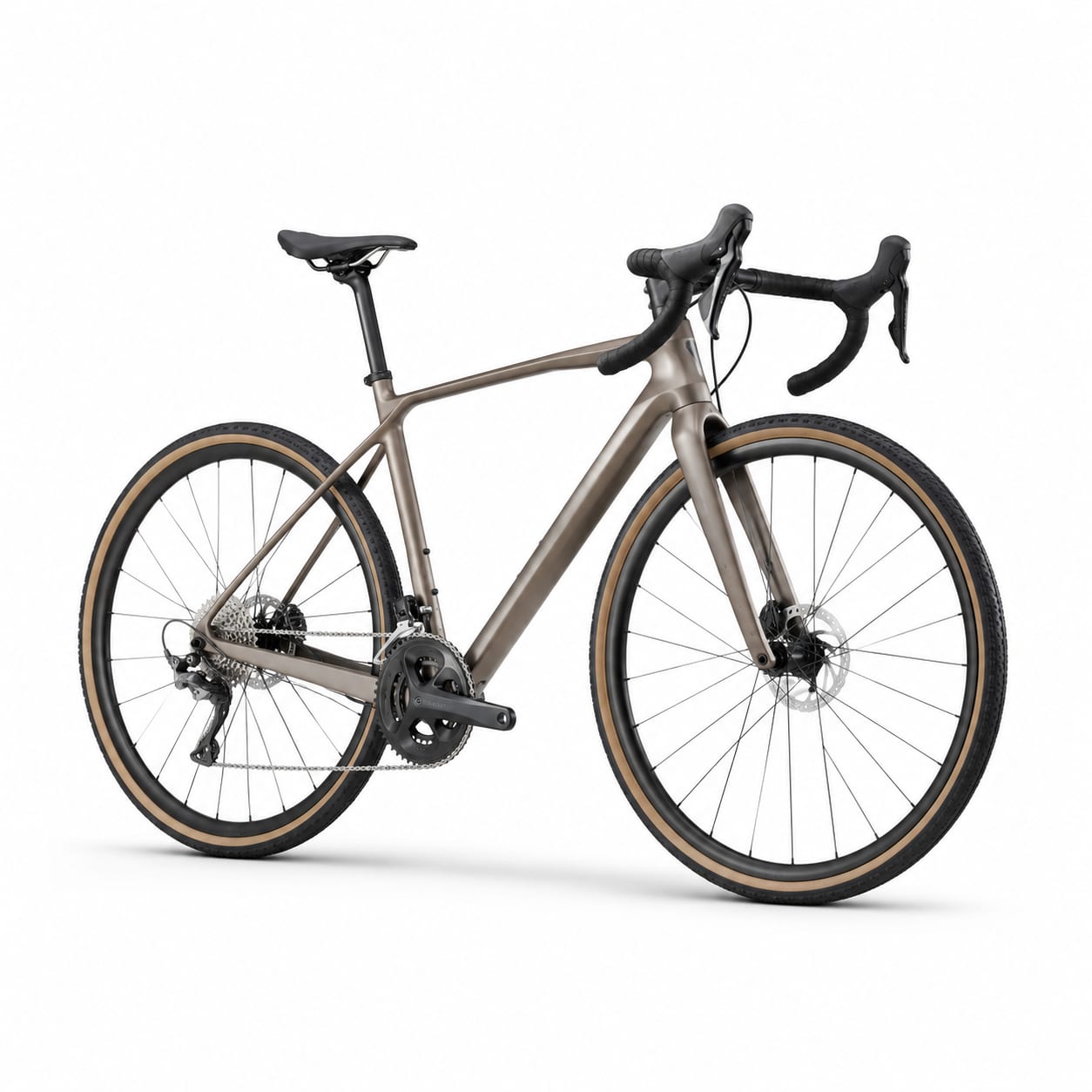
All-Road
$1500 – $10000
Road-oriented gravel bikes with modest tire clearance optimized for smooth gravel and paved surfaces.
Tire clearance 32–38mmRoad-adjacent geometryLower stack and longer reach
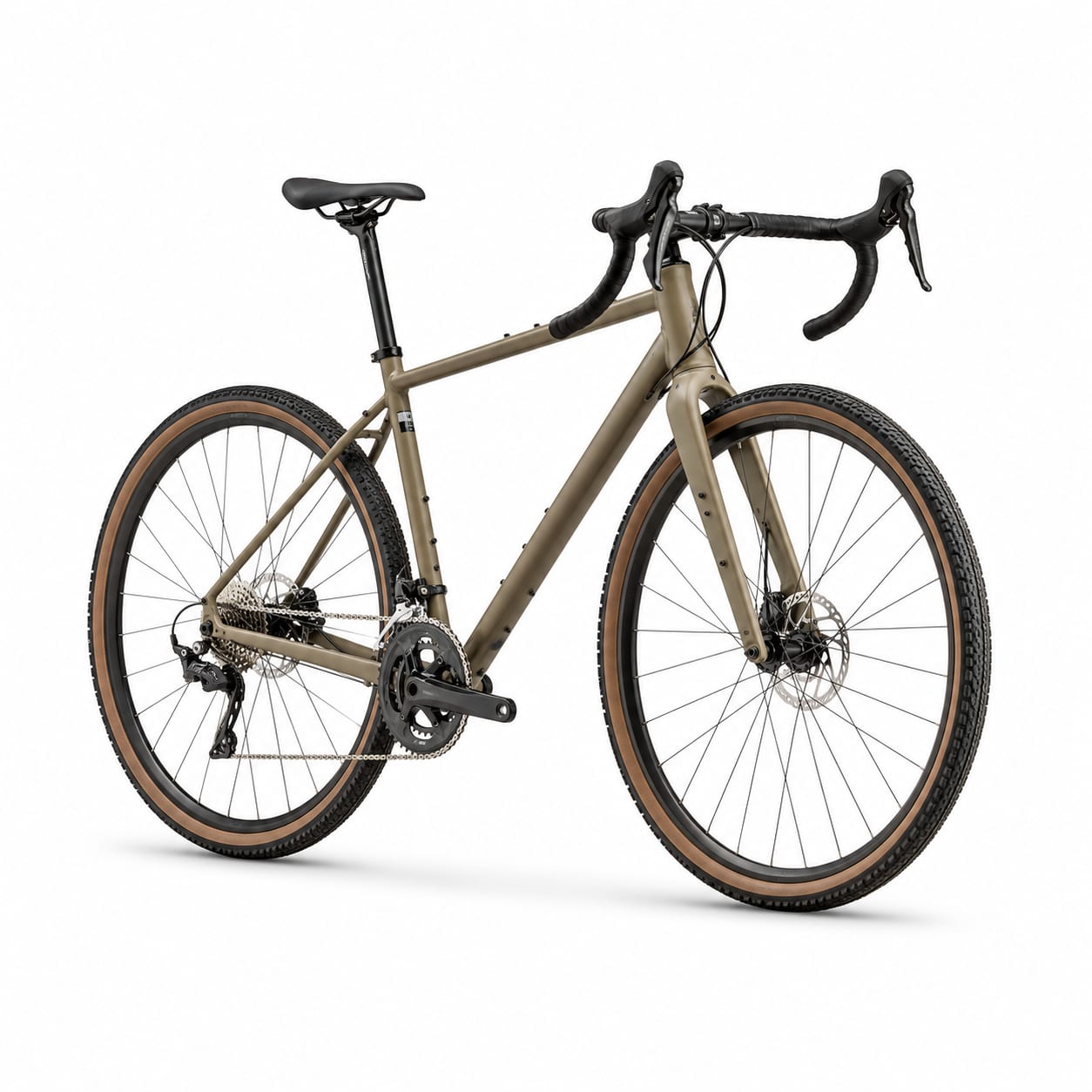
Classic Gravel
$1200 – $8000
The original do-it-all gravel bike with balanced geometry and mid-range tire clearance for mixed-terrain riding.
Tire clearance 38–45mmBalanced endurance geometryMultiple bottle and rack mounts
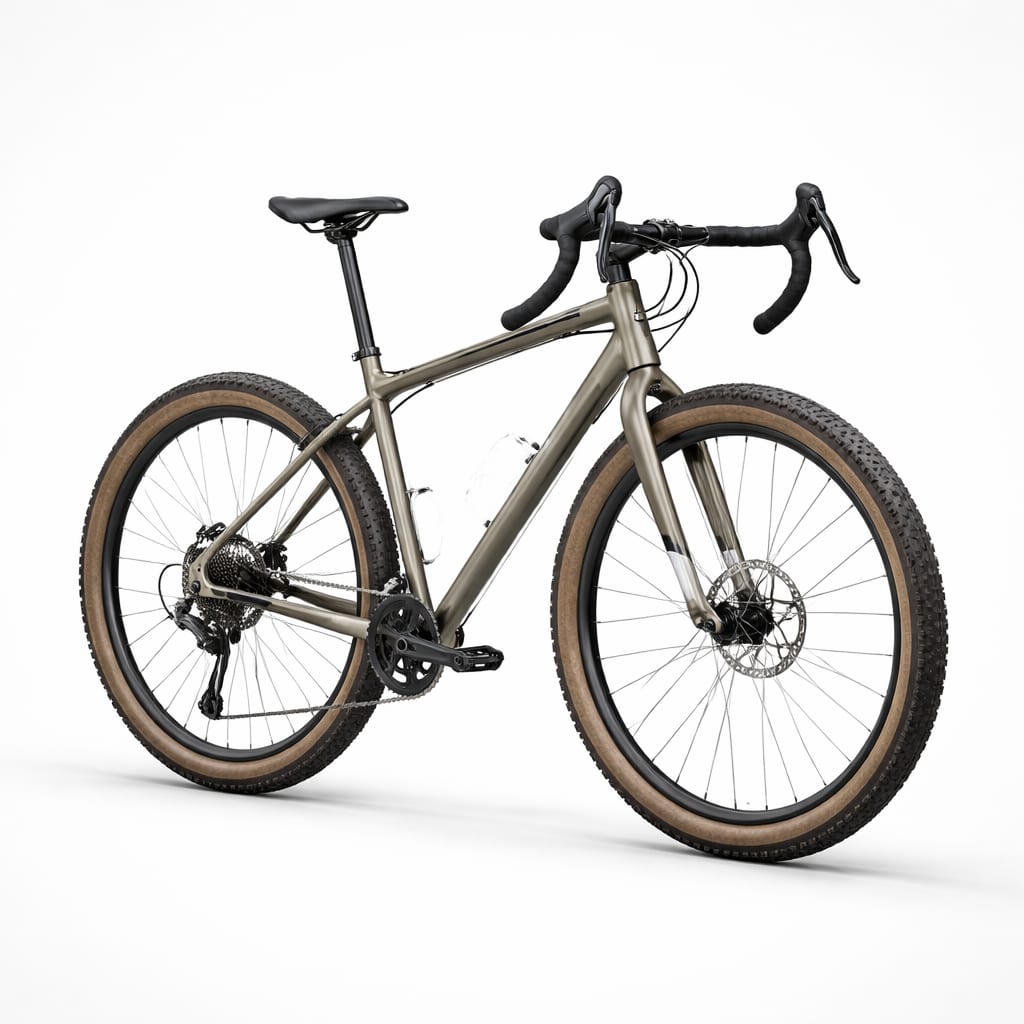
Bikepacking / Expedition Gravel
$1500 – $7000
Gravel bikes purpose-built for multi-day bikepacking adventures with extensive mounting points and stable, load-friendly geometry.
Extensive mounting points45–50mm+ tire clearanceStable loaded geometry
More questions
- Can I race on an endurance gravel bike?
- Is a compliance seatpost worth it?
- Should I choose 1x or 2x drivetrain for endurance gravel?
- Can I use an endurance gravel bike for bikepacking?