
It depends on your budget, terrain, and priorities. Hardtails are lighter, simpler, lower-maintenance, and less expensive—ideal for smoother trails, budget-conscious riders, and those who value pedaling efficiency above all. Full-suspension XC bikes provide better traction, comfort, and control on rough terrain, and modern designs minimize the efficiency penalty. If your trails are rocky or rooty, or you plan to race, full-suspension is worth the investment. For smooth trails and fitness riding, a hardtail is an excellent choice.
Mountain Bike · Cross-Country (XC) Mountain Bike
Should I buy a hardtail or full-suspension XC bike?
Related gear types
If this answer nudged you toward a different style, these guides compare specs and trade-offs.
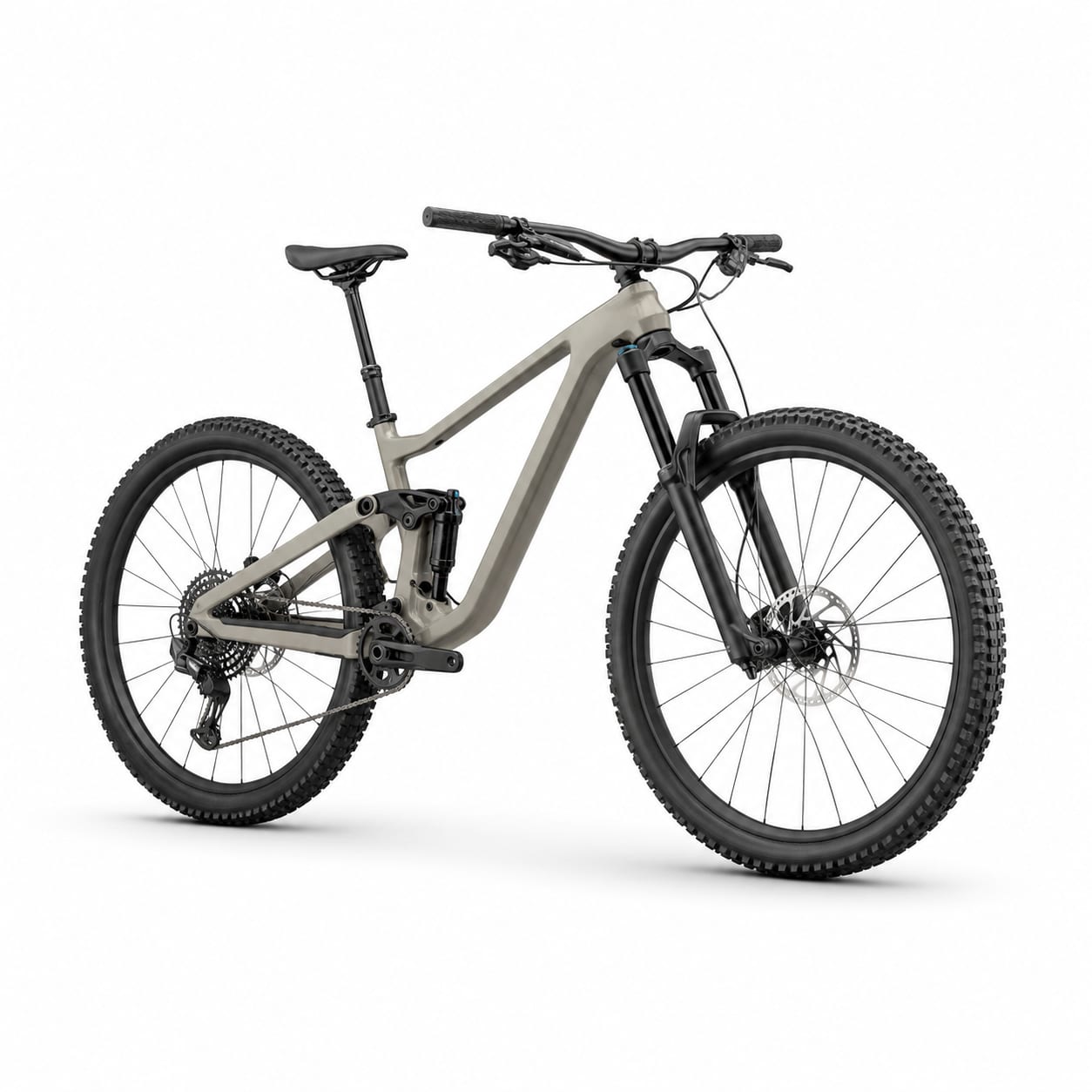
Trail Mountain Bike
$1200 – $13000
Versatile all-around mountain bikes balanced for climbing and descending on varied trail terrain.
130-150mm suspension travelbalanced geometry (65-67° head tube)mid-width tires (2.3-2.5")
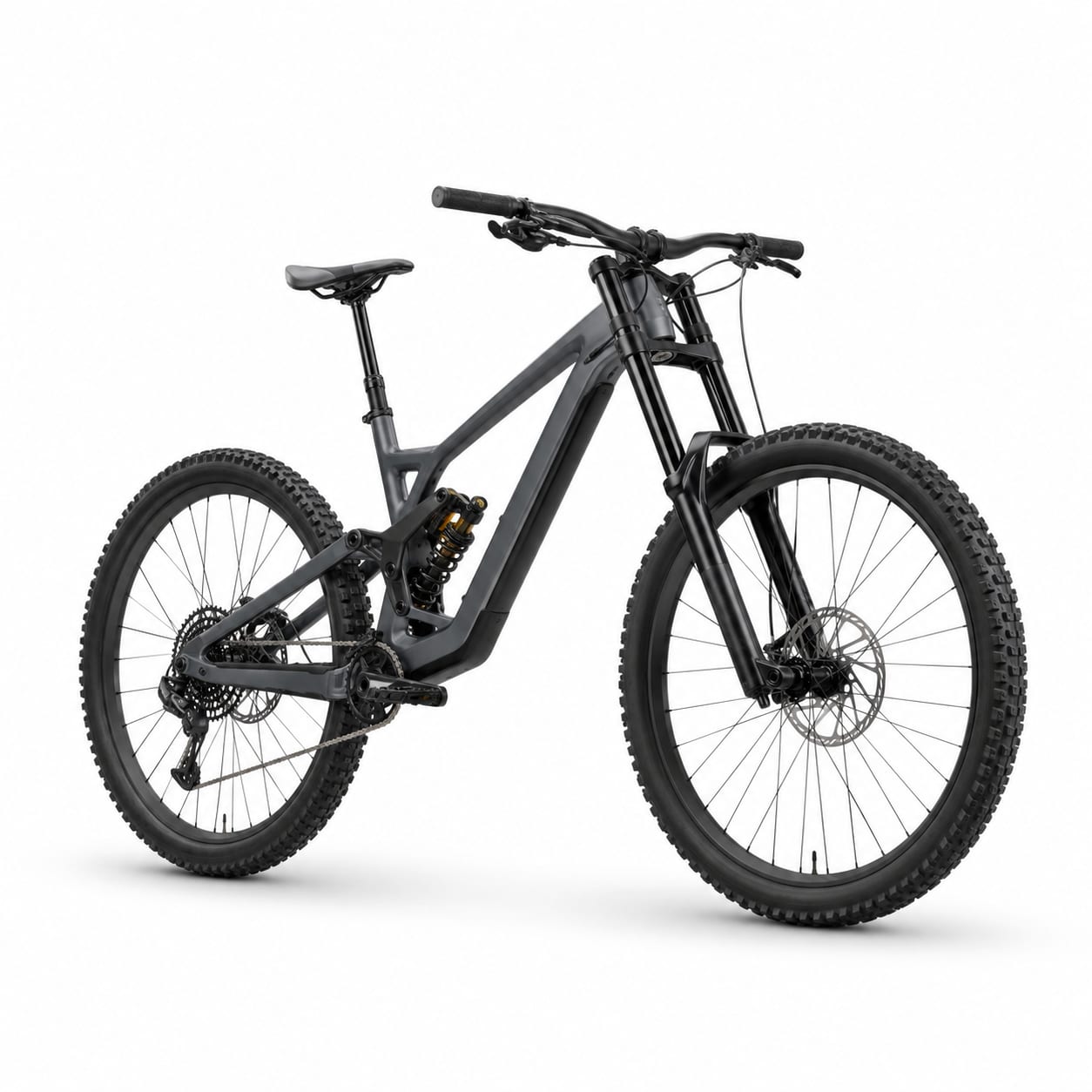
Enduro Mountain Bike
$2000 – $14000
Long-travel mountain bikes built for aggressive descending while maintaining climb capability for enduro racing.
150-180mm suspension travelslack head tube angle (63-65°)long reach and wheelbase
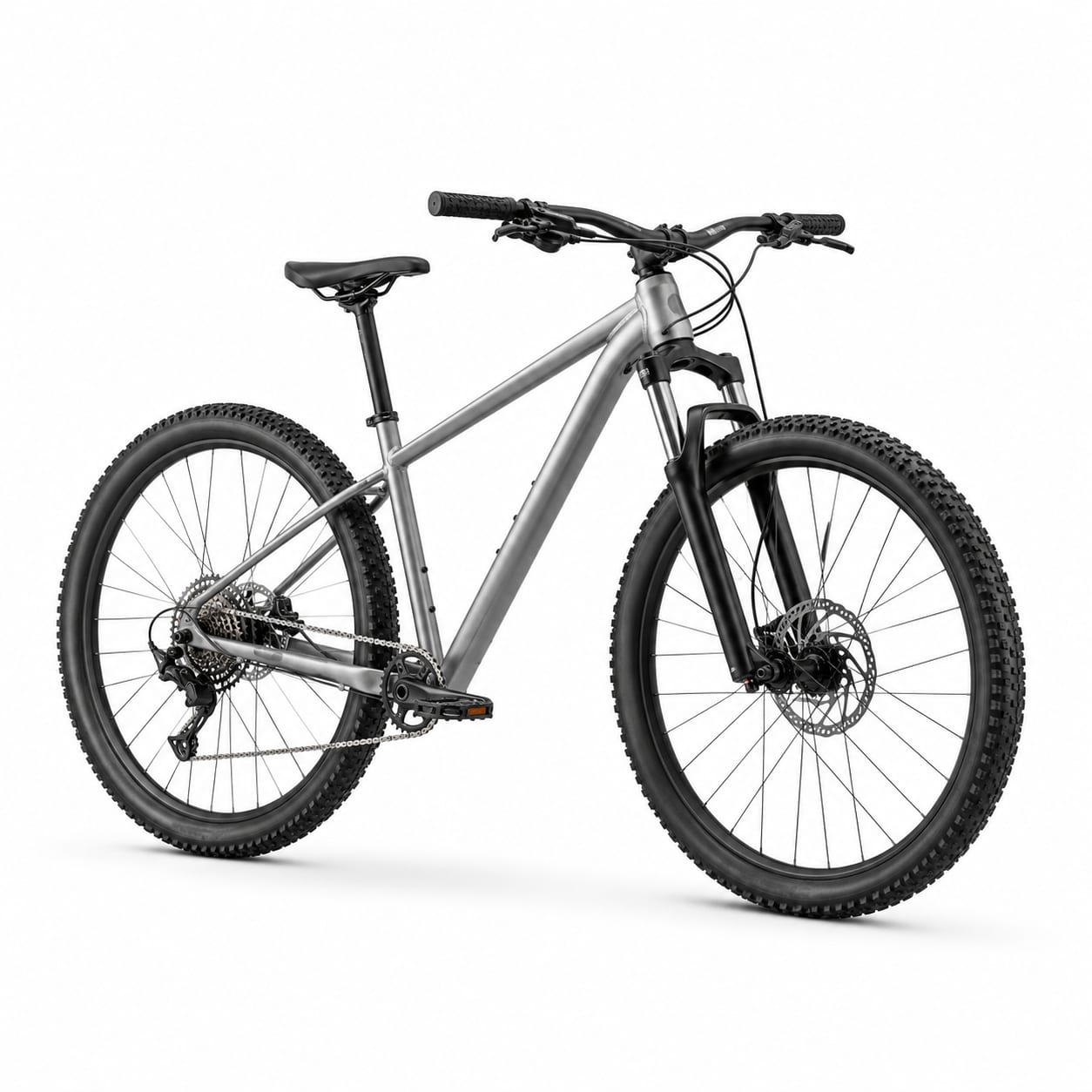
Hardtail Mountain Bike
$400 – $9000
Mountain bikes with front suspension only, offering simplicity, low weight, and value for less technical terrain.
front suspension only (100-140mm)no rear suspensionlighter at same price point
More questions
- Is 100mm or 120mm travel better for an XC bike?
- Can I ride an XC bike on technical trails and bike parks?
- How much should I spend on an XC mountain bike?
- Are XC bikes good for beginners?