Kitvore.com

Kitvore.com

Specs that matter. Gear that fits.

Mountain Bike · Subcategory

Enduro Mountain Bike

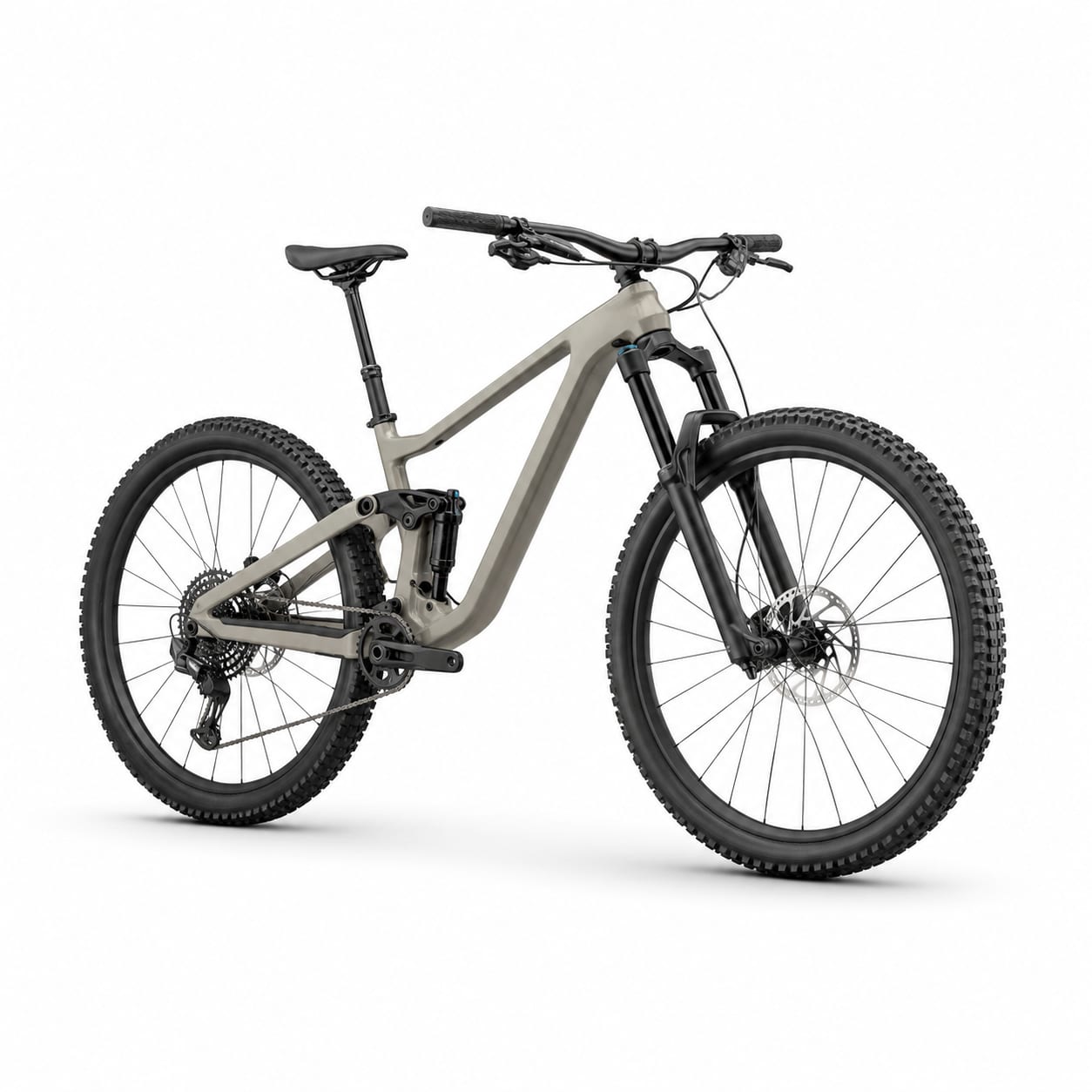
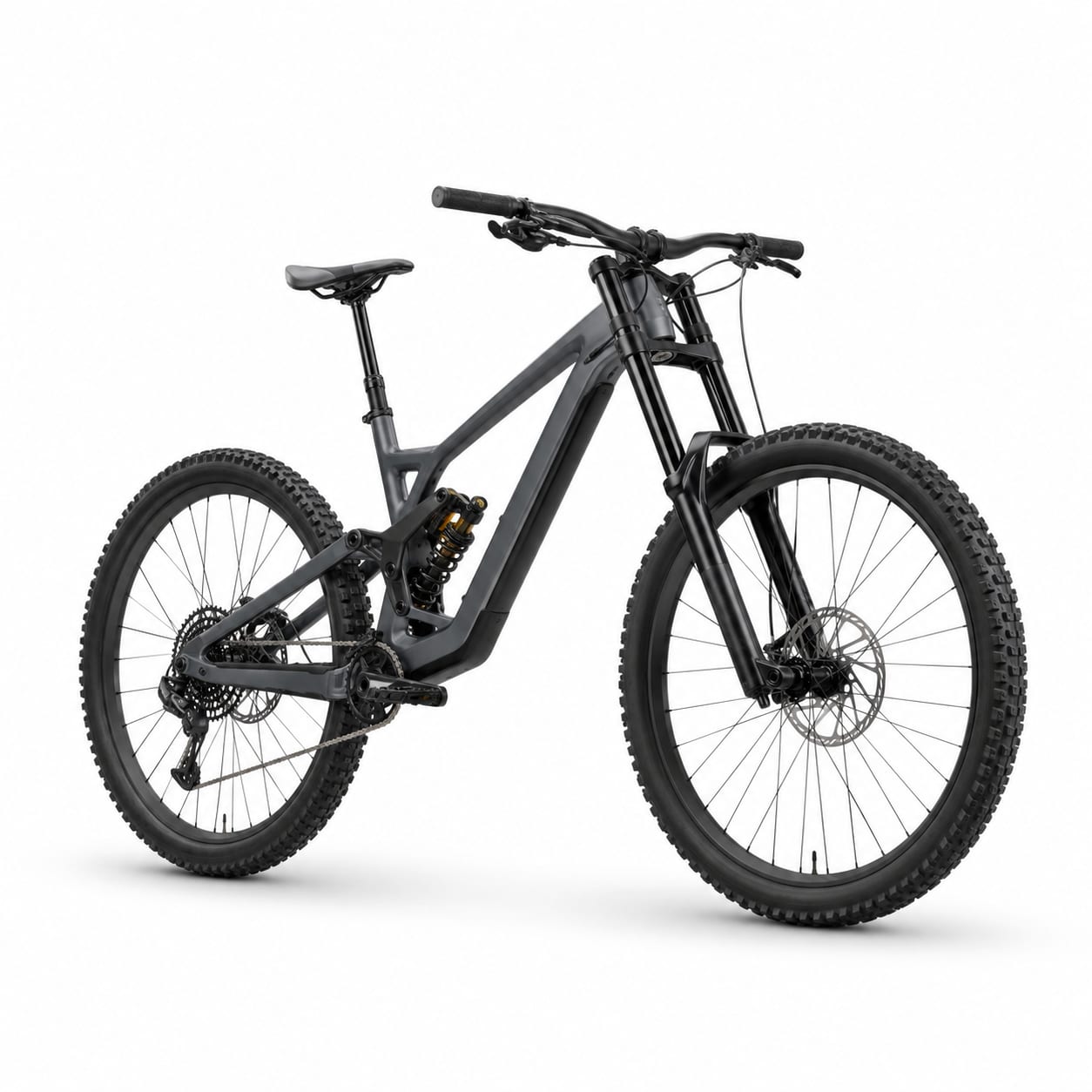
Aggressive full-suspension mountain bikes built for dominating steep, technical descents while retaining the climbing ability for self-powered laps.

Enduro mountain bikes are the ultimate all-mountain weapons, blending long-travel suspension for high-speed downhill performance with pedaling efficiency to get you back to the top. If your riding leans heavily toward aggressive descents, rough terrain, and enduro racing, this is your category.

$2000 – $14000premium tieradvancedexpert

Best known for

Steep technical descentsEnduro racingBike park access climbsAggressive all-mountain riding
Enduro Mountain Bike

Guide

Detailed overview

Enduro mountain bikes represent the pinnacle of aggressive all-mountain design, engineered to descend the roughest, steepest terrain at speed while still climbing efficiently enough to earn your laps. Characterized by 150-170mm of suspension travel, slack head tube angles, and steep seat tube angles, these bikes strike a distinct balance between downhill capability and climbing viability. They are the weapon of choice for enduro racing, where timed descents and untimed climbs demand a bike that can do both.

The defining characteristic of an enduro bike is its dual personality. On the descents, it behaves like a mini-downhill bike: slack geometry keeps the rider centered and confident at high speeds, while long-travel suspension absorbs repeated heavy impacts. Modern enduro bikes feature head tube angles between 63.5° and 65.5°, providing unmatched stability in steep, chaotic terrain. When the trail points down, an enduro bike encourages you to let off the brakes and trust the machine.

However, unlike a pure downhill bike, an enduro bike must climb under its own power. To achieve this, engineers use steep seat tube angles—often 76° to 78°—to position the rider's weight directly over the bottom bracket. This aggressive pedaling posture counteracts the slack front end, keeping the front wheel tracking on steep climbs. While the climbing experience is heavier and less efficient than on a trail or XC bike, modern suspension designs and lockout switches make the ascent entirely manageable.

Component spec on enduro bikes reflects their abusive intended use. 4-piston hydraulic brakes with 200mm rotors are standard, providing the heat dissipation and stopping power required for long, steep descents. Wide tires (2.4"-2.6") offer grip and pinch-flat protection, and long-travel dropper posts (150-210mm) get the saddle completely out of the way. The mullet wheel setup (29" front, 27.5" rear) has also surged in popularity in this category, offering the rollover advantage of a 29er up front with the agility and shorter chainstay length of a 27.5" wheel out back.

For riders who spend the majority of their time on steep, technical terrain—or those who race enduro—this category offers the highest level of descending confidence without abandoning self-powered climbing. The trade-offs are real: enduro bikes are heavier, more expensive, and can feel sluggish on flat or mellow trails. But when the trail gets steep and rough, nothing else inspires the same level of confidence and control.

Quick facts

Primary purpose
Enduro racing and aggressive all-mountain riding with emphasis on technical descending
Popular brands
Santa CruzSpecializedYetiCanyonCommencalOrbea
Typical terrain
steep technical descentsenduro race coursesrough chunderbike park trails

What makes it different

Race-bred descending capability with climbing efficiency; slack geometry for high-speed stability; robust frame construction for big hits; designed for EWS/EDR race compliance

Recommended ranges

How this type usually specs out

Each spec is explained in plain language, then we show what buyers usually look for on this type.

Bike Category / Discipline

Mountain Bike Category

What it means

The primary riding discipline the mountain bike is designed for, which dictates frame geometry, suspension travel, and component selection.

Typical for this type

Enduro

In practice

Enduro bikes are purpose-built for the enduro discipline, prioritizing descending speed with acceptable climbing performance.

Compared to other types

Slacker and longer travel than trail/XC; more pedal-friendly than DH.

Why it matters: Defines the core design philosophy, geometry, and travel of the bike.

Suspension Type

Suspension Type

What it means

Whether the bike has front suspension only (hardtail) or both front and rear suspension (full suspension), fundamentally affecting comfort, traction, and efficiency.

Typical for this type

Full Suspension

In practice

All enduro bikes are full suspension to handle rough, high-speed descents.

Compared to other types

Unlike hardtails, full suspension is mandatory for the descending demands of enduro.

Why it matters: Rear suspension is essential for traction, control, and bump absorption on aggressive terrain.

Front Travel

Front Suspension Travel

What it means

The maximum distance the front suspension fork can compress, measured in millimeters. Determines the size of obstacles the bike can absorb and influences frame geometry.

Typical for this type

150mm - 170mm

Most common pick: 160mm

In practice

Long front travel absorbs large impacts and maintains control at speed.

Compared to other types

Significantly more travel than trail (130-150mm) and XC (100-120mm), less than DH (180-200mm).

Why it matters: Directly correlates to the bike's ability to handle steep, rough terrain without bottoming out.

Rear Travel

Rear Suspension Travel

What it means

The maximum distance the rear wheel can move vertically on full suspension bikes, measured in millimeters. Works in conjunction with front travel to absorb impacts.

Typical for this type

150mm - 170mm

Most common pick: 155mm

In practice

Rear travel matches front travel to provide balanced suspension performance.

Compared to other types

More travel than trail (120-140mm), comparable to some mini-DH bikes.

Why it matters: Ensures the bike feels predictable and balanced through rough terrain.

Wheel Size

Wheel Size

What it means

The nominal diameter of the wheel/rim, which affects rollover ability, acceleration, handling precision, and tire volume availability.

Typical for this type

29" or Mullet (29" front / 27.5" rear)

In practice

29er dominates for speed and rollover; mullet adds rear agility.

Compared to other types

Mullet is very popular in enduro compared to XC/Trail where full 29er is standard.

Why it matters: Wheel size affects rollover capability, handling quickness, and rear tire clearance.

Frame Material

Frame Material

What it means

The primary material used in the main triangle and frame construction, affecting weight, ride quality, durability, and cost.

Typical for this type

Aluminum (Value) Or Carbon Fiber (Performance)

Most common pick: Carbon Fiber Or Aluminum

In practice

Carbon offers weight savings and vibration damping; alloy offers durability and lower cost.

Compared to other types

Enduro frames often use heavier-duty carbon layups or alloy to withstand aggressive riding impacts.

Why it matters: Affects the bike's weight, ride feel, and price point.

Head Tube Angle

Head Tube Angle

What it means

The angle of the head tube relative to the ground, measured in degrees. A primary determinant of steering speed and high-speed stability. Slacker angles (lower numbers) provide more stability at speed.

Typical for this type

63.5° - 65.5°

Most common pick: 64°

In practice

Slack head angles provide stability on steep, high-speed descents.

Compared to other types

Much slacker than XC (67-69°) and trail (65-67.5°), slightly steeper than DH (62-64°).

Why it matters: Prevents the bike from feeling twitchy or prone to going over the bars on steep terrain.

Reach

Reach

What it means

The horizontal distance from the center of the bottom bracket to the top of the head tube, measured in millimeters. The most important sizing metric for modern mountain bikes as it determines the rider's fore-aft position while standing.

Typical for this type

460mm - 510mm (size dependent)

Most common pick: 475mm (Large)

In practice

Long reach provides a stable front end and room to shift weight on descents.

Compared to other types

Enduro bikes have longer reach than trail/XC to enhance high-speed stability.

Why it matters: Crucial for keeping weight centered on steep descents without going over the bars.

Stack

Stack Height

What it means

The vertical distance from the center of the bottom bracket to the top of the head tube, measured in millimeters. Determines how tall the front end feels and affects rider position between seated and standing.

Typical for this type

610mm - 640mm

Most common pick: 625mm

In practice

Stack height dictates the front-end height, balancing descending control and climbing comfort.

Compared to other types

Generally higher stack than XC to provide a more confident, less stretched-out descending position.

Why it matters: Affects how easily the front wheel lifts and the rider's weight distribution on steep climbs.

Chainstay Length

Chainstay Length

What it means

The distance from the center of the bottom bracket to the center of the rear axle, measured in millimeters. Affects how easily the bike manuals, wheelies, and navigates tight turns.

Typical for this type

435mm - 445mm

Most common pick: 440mm

In practice

Moderate chainstay length balances high-speed stability with maneuverability.

Compared to other types

Slightly longer than playful trail bikes, shorter than DH bikes.

Why it matters: Too short and the bike becomes nervous at speed; too long and it becomes hard to manual or turn tightly.

Drivetrain Speed

Drivetrain Speed

What it means

The number of rear sprockets in the cassette, which determines the number of gear ratios available and the size range of the cassette.

Typical for this type

12-Speed

In practice

12-speed drivetrains offer the wide gear range needed for steep climbs and high-speed descents.

Compared to other types

Standard across modern mid-to-high-end mountain bikes, but the wide-range cassette is especially critical for enduro.

Why it matters: A 10-52T cassette provides the low gears for climbing and high gears for sprinting.

Brake Type

Brake Type

What it means

The type of braking system, specifically the actuation method and rotor standard, which determines stopping power, modulation, and maintenance requirements.

Typical for this type

Hydraulic Disc (4-Piston)

In practice

4-piston brakes provide the necessary stopping power and heat dissipation for long, steep descents.

Compared to other types

Mandatory for enduro, whereas 2-piston is common on XC bikes.

Why it matters: Essential for safety and control when carrying high speeds into rough corners.

Brake Rotor Size

Brake Rotor Size

What it means

The diameter of the brake rotors in millimeters. Larger rotors provide more stopping power and better heat dissipation, critical for sustained descents.

Typical for this type

200mm Front / 180mm Rear

In practice

Large rotors maximize braking power and prevent brake fade on extended descents.

Compared to other types

Larger than XC (160mm) and trail (180mm front), smaller than DH (220mm front).

Why it matters: Heat management is critical in enduro to maintain consistent brake performance.

Tire Width

Tire Width

What it means

The nominal width of the tires mounted on the bike, measured in inches. Affects traction, rolling resistance, bump absorption, and frame clearance requirements.

Typical for this type

2.4" - 2.6"

Most common pick: 2.5"

In practice

Wide tires provide maximum grip and impact protection for aggressive descending.

Compared to other types

Wider than XC (2.0-2.3") and trail (2.3-2.5"), narrower than plus/fat bikes.

Why it matters: Traction is paramount in enduro; wider tires allow lower pressures without risking rim damage.

Dropper Post Travel

Dropper Post Travel

What it means

The maximum distance the dropper seatpost can drop the saddle, measured in millimeters. More travel allows the saddle to get further out of the way for descending.

Typical for this type

150mm - 210mm (size dependent)

Most common pick: 170mm

In practice

Maximum dropper travel gets the saddle completely out of the way for descending.

Compared to other types

Longer travel than XC (100-125mm) and trail (125-150mm) droppers.

Why it matters: Allows unrestricted body English and lowers the center of gravity on technical descents.

Weight

Complete Bike Weight

What it means

The total weight of the complete bicycle without pedals, measured in kilograms or pounds. Affects acceleration, climbing speed, and maneuverability.

Typical for this type

13.0 kg - 15.5 kg

Most common pick: 14.5 kg

In practice

Enduro bikes are heavier due to robust frames, long-travel suspension, and durable components.

Compared to other types

Heavier than XC (9-11kg) and trail (12-14kg), lighter than DH (15-18kg).

Why it matters: Weight affects climbing speed and acceleration, but is a trade-off for descending capability.

Effective Seat Tube Angle

Effective Seat Tube Angle

What it means

The angle of the seat tube relative to the ground, measured in degrees at saddle height. Affects climbing position and pedaling efficiency. Steeper angles position the rider more directly over the bottom bracket.

Typical for this type

76° - 78°

Most common pick: 77°

In practice

Steep seat tube angles position the rider over the bottom bracket for efficient climbing.

Compared to other types

Steeper than traditional trail/XC bikes to compensate for long travel forks and slack head angles.

Why it matters: Counteracts the slack head tube angle, making steep climbs manageable by keeping the front wheel down.

Evaluation

Strengths and trade-offs

Pros

What this type does best

Exceptional Descending Capability

Critical

Long-travel suspension and slack geometry provide unmatched confidence and control on steep, rough, and high-speed descents.

High-Speed Stability

High

Long wheelbase and slack head angle allow the bike to track straight and remain composed through chaotic, rough terrain at speed.

Robust Component Durability

High

Built to withstand aggressive riding, enduro bikes feature heavy-duty wheels, tires, and brakes that resist damage and wear.

Climbing Viability

Medium

Steep seat tube angles and efficient suspension designs allow enduro bikes to climb technical terrain far better than downhill bikes.

Versatility

High

Capable of handling bike park laps, aggressive backcountry descents, and technical climbs, making it a true quiver-killer for aggressive riders.

Cons

Trade-offs to be aware of

Climbing Efficiency Penalty

Moderate

Heavier weight and more suspension travel mean enduro bikes are noticeably slower and less efficient on climbs compared to trail or XC bikes.

Sluggish on Mellow Terrain

Moderate

On flat or rolling, smooth trails, the bike's slack geometry and long travel can feel unresponsive, dull, and overbuilt.

Higher Cost and Maintenance

Significant

Complex suspension linkages, long-travel dampers, and premium components result in higher purchase prices and more frequent servicing needs.

Can Mask Poor Technique

Minor

The immense capability of the suspension can allow riders to rely on the bike rather than developing proper line choice and bike handling skills.

Best for

Surfaces & terrain

steep technical descentsrough rooty trailsbike parksrock gardens

Riding conditions

dry and loosesteep and technicalhigh speedrough and rocky

Skill level

intermediateadvancedexpert

Riding discipline

enduro racingaggressive all-mountainfreeridebike park laps

Rider profile

descend-focused ridersenduro racersaggressive trail ridersriders seeking confidence on steep terrain

Not ideal for

Reasons

Excessive travel and weight for flat terrainClimbing efficiency penalty on long grindsCan feel sluggish and unresponsive at low speedsHigh cost for casual use

Surfaces & terrain

flat smooth singletrackpaved roadsmellow flow trailslong gravel grinds

Skill level

complete beginners

Riding discipline

XC racingmarathon ridingbikepacking

Compare

How it stacks up

This page

Enduro Mountain Bike

Superior descending capability, more suspension travel, slacker geometry for steep terrain

Alternative

Trail Mountain Bike

Lighter, more efficient climbing, more playful and responsive on mellow trails

Bottom line

Choose enduro if you regularly ride steep, technical descents; choose trail for general all-around riding.

This page

Enduro Mountain Bike

Can climb under its own power, much more versatile for all-mountain rides

Alternative

Downhill Mountain Bike

Supreme descending performance, purpose-built for bike parks and DH racing

Bottom line

Choose enduro for self-powered riding and versatility; choose DH exclusively for lift-served bike parks and DH racing.

This page

Enduro Mountain Bike

Vastly more capable and confident on steep, rough descents

Alternative

Cross Country Mountain Bike

Significantly lighter, faster climbing, more efficient for racing and fitness

Bottom line

Choose enduro if descending is your priority; choose XC if climbing speed and efficiency are paramount.

Shopping

Buying tips

  • 1

    Prioritize suspension quality over frame material; a well-damped fork and shock make a bigger difference than carbon vs. alloy.

  • 2

    Ensure the dropper post has maximum travel for your frame size—getting the seat completely out of the way is crucial for descending.

  • 3

    Consider a mullet setup if you prefer a more playful rear end without sacrificing front-end rollover capability.

  • 4

    Don't undersize rotors; 200mm front / 180mm rear is the minimum for aggressive riding.

  • 5

    Test ride if possible—enduro geometry varies significantly between brands, and personal preference for reach and stack is highly subjective.

Care

Maintenance notes

  • Long-travel suspension requires frequent lower leg service and full rebuilds to maintain performance; budget for this.
  • 4-piston brakes need regular pad checks and occasional bleeds, especially after long, steep descents.
  • Wide tires and aggressive tread wear faster; check sidewalls for cuts regularly.
  • Dropper posts need periodic cable/housing replacement and seal service to maintain smooth operation.
  • Check suspension pivots for play and torque pivot bolts regularly, as full suspension linkages undergo significant stress.

Progression

Skill development path

Enduro bikes reward aggressive riding and commitment. Progress from mellow trail riding to steeper terrain by focusing on looking far ahead, keeping your heels down and weight centered on descents, and trusting the suspension to absorb obstacles. As skills develop, increase speed and tackle more technical features, relying on the bike's capability to carry momentum through rough sections. Mastering body position—staying off the brakes in rough sections and pumping terrain—is key to unlocking the bike's potential.

FAQ

Common questions

Each question has a dedicated page with a full answer and links to the buying guide.