Kitvore.com

Kitvore.com

Specs that matter. Gear that fits.

Mountain Bike · Subcategory

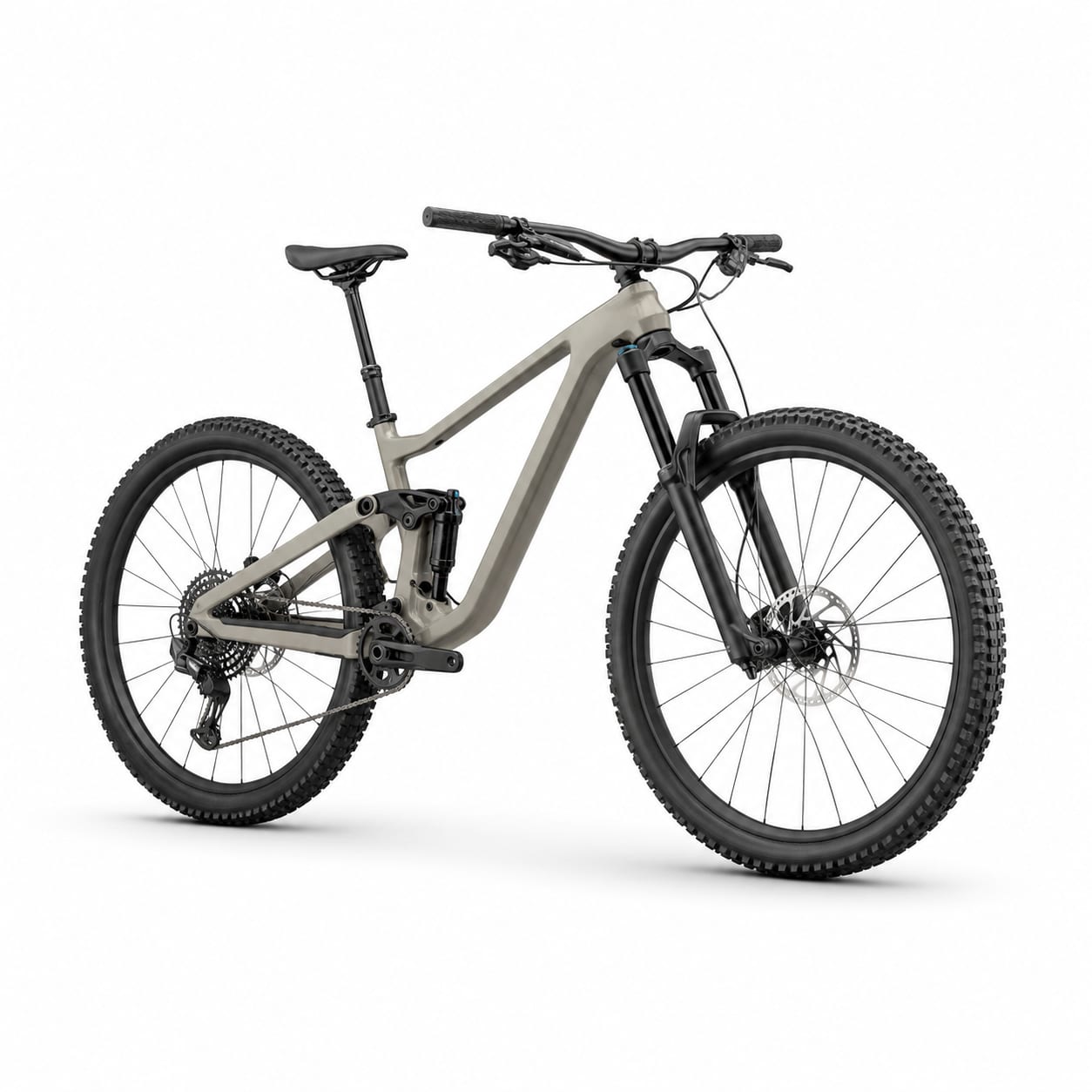
Trail Mountain Bike

The versatile all-rounder of mountain biking, balancing climbing efficiency with confident descending capability.

Trail mountain bikes are the Swiss Army knives of the MTB world, designed to handle everything from flowing singletrack to technical descents with equal competence. With 130-150mm of suspension travel, moderate geometry that climbs as well as it descends, and component specs built for all-day riding, trail bikes are the most popular and practical choice for the majority of mountain bikers. Whether you're exploring new trail systems, tackling all-day epics, or sessioning your local loops, a trail bike delivers the confidence and capability to ride it all without the penalties of overbuilt freeride rigs or the harshness of under-suspended XC racers.

$1200 – $13000mid tierbeginnerintermediateadvanced

Best known for

Versatility across the widest range of terrainBalanced climbing and descending performanceAll-day ride comfort for epic trail adventuresBeing the most popular mountain bike categoryConfidence-inspiring handling for developing riders
Trail Mountain Bike

Guide

Detailed overview

Trail mountain bikes occupy the sweet spot in the mountain bike spectrum, offering enough suspension travel and capable geometry to handle technical descents while remaining efficient enough to climb back to the top under your own power. Typically featuring 130-150mm of front suspension travel and 120-140mm of rear travel, trail bikes strike a balance that makes them the most versatile option for the majority of riders and terrain. Modern trail bikes have evolved significantly, adopting slacker head tube angles (65-67.5°), steeper seat tube angles (75-77°), and longer reach measurements that provide stability at speed without sacrificing climbing ability. Most trail bikes are full suspension, though hardtail trail bikes remain popular for their simplicity and lower cost. The category dominates mountain bike sales globally because it serves the largest number of riders well — from enthusiastic beginners to seasoned veterans who value all-around capability over specialization.

Trail mountain bikes represent the most versatile and popular category in mountain biking, and for good reason. They are designed to excel across the broadest possible range of terrain and riding styles, making them the default recommendation for most riders. With suspension travel typically ranging from 130-150mm front and 120-140mm rear, trail bikes provide enough cushion to handle rough descents, rock gardens, and moderate drops while maintaining pedaling efficiency for long climbs and rolling terrain. This balance is what sets trail bikes apart from their more specialized siblings — they climb better than enduro bikes and descend better than XC racers.

The geometry of modern trail bikes has evolved dramatically over the past decade. Today's trail bikes feature slacker head tube angles (65-67.5°) that provide confidence on steep descents, paired with steep seat tube angles (75-77°) that keep the rider in an efficient pedaling position on climbs. Reach measurements have grown longer, providing a more stable platform at speed, while chainstays remain relatively short (430-445mm) to maintain playfulness and maneuverability. This modern geometry package allows a single bike to feel composed on aggressive terrain while remaining nimble enough for tight singletrack and efficient on climbs.

Component selection on trail bikes reflects their all-around purpose. Wide-range 12-speed drivetrains with 10-52T cassettes provide gearing for everything from steep climbs to fast descents. Four-piston hydraulic brakes offer reliable stopping power for sustained descents, typically paired with 180mm rotors front and rear or a 180/160mm combination. Dropper seatposts are standard equipment, with travel ranging from 125mm on smaller frames to 170mm+ on larger sizes. Tire widths in the 2.3-2.5" range provide a balance of traction, bump absorption, and rolling efficiency. Wheel size is predominantly 29" for rollover capability, though 27.5" options remain for smaller riders and those who prefer a more playful feel.

Frame materials for trail bikes span the full spectrum, with aluminum alloy dominating the mid-range and providing excellent value, while carbon fiber appears on higher-end models for weight savings and tuned ride characteristics. Steel trail hardtails maintain a loyal following for their ride quality and durability. Complete bike weights typically range from 12-14kg, with carbon models at the lower end and alloy builds at the higher end. The weight penalty compared to XC bikes is modest, and the capability gained is substantial for most riders.

For riders unsure of which mountain bike category suits them, the trail bike is almost always the safest starting point. It will handle the vast majority of trail systems comfortably, progress with you as your skills develop, and won't hold you back from exploring new terrain. Only riders with very specific needs — competitive XC racing, dedicated bike park riding, or extreme technical descending — should look beyond the trail category for their primary bike. Many experienced riders who own multiple bikes still consider their trail bike their most-ridden machine.

Quick facts

Primary purpose
All-around trail riding on varied terrain with balanced climbing and descending performance
Popular brands
TrekSpecializedGiantSanta CruzYetiIbis
Typical terrain
singletracktrail centerstechnical climbsflow trailsrooty and rocky terrain

What makes it different

Best balance of climbing and descending; most versatile MTB subcategory; widest range of price points; highest sales volume segment

Recommended ranges

How this type usually specs out

Each spec is explained in plain language, then we show what buyers usually look for on this type.

Bike Category / Discipline

Mountain Bike Category

What it means

The primary riding discipline the mountain bike is designed for, which dictates frame geometry, suspension travel, and component selection.

Typical for this type

Trail

In practice

Trail bikes are defined by their category — they sit between cross country and enduro, prioritizing versatility over specialization. This is the defining characteristic that determines all other geometry and component choices.

Compared to other types

Trail bikes offer more suspension and slacker geometry than XC bikes for descending confidence, but climb significantly better than enduro bikes. They are the most versatile category, suitable for the widest range of terrain.

Why it matters: The trail category dictates the fundamental design philosophy: balanced climbing and descending capability with enough suspension and geometry for technical terrain without the weight and efficiency penalties of longer-travel bikes.

Suspension Type

Suspension Type

What it means

Whether the bike has front suspension only (hardtail) or both front and rear suspension (full suspension), fundamentally affecting comfort, traction, and efficiency.

Typical for this type

Full Suspension (Hardtail For Budget Or Simplicity Preference)

In practice

The majority of trail bikes are full suspension, providing superior traction, control, and comfort on rough terrain. Hardtail trail bikes exist but are less common, appealing to riders who prioritize simplicity, lower maintenance, and lower cost.

Compared to other types

Trail full suspension bikes use less travel than enduro or DH bikes, making them more efficient pedalers. Compared to XC full suspension, trail bikes have more travel and more sophisticated linkage designs optimized for all-around performance rather than pure efficiency.

Why it matters: Full suspension dramatically improves control and comfort on technical descents and rough terrain. Modern full suspension designs minimize pedaling efficiency losses, making the weight and maintenance trade-offs worthwhile for most trail riders.

Front Travel

Front Suspension Travel

What it means

The maximum distance the front suspension fork can compress, measured in millimeters. Determines the size of obstacles the bike can absorb and influences frame geometry.

Typical for this type

130-150mm

Most common pick: 140mm

In practice

Trail bikes typically feature 130-150mm of front suspension travel. 140mm is the most common, providing enough bump absorption for technical terrain while maintaining responsive handling. 130mm suits smoother trail systems, while 150mm is found on more aggressive trail bikes that blur the line with enduro.

Compared to other types

Trail bike front travel (130-150mm) sits between XC (100-120mm) and enduro (150-170mm). This provides significantly more capability than XC on descents while remaining more efficient climbing than enduro bikes.

Why it matters: Front travel determines the size of obstacles you can comfortably absorb and influences the bike's overall geometry. More travel provides confidence on rough descents but adds weight and can make the bike feel less responsive on smooth terrain and climbs.

Rear Travel

Rear Suspension Travel

What it means

The maximum distance the rear wheel can move vertically on full suspension bikes, measured in millimeters. Works in conjunction with front travel to absorb impacts.

Typical for this type

120-140mm

Most common pick: 130mm

In practice

Rear travel on trail bikes typically ranges from 120-140mm, often slightly less than front travel. 130mm is the most common, providing a balanced feel that absorbs trail chatter and moderate impacts while maintaining pedaling efficiency. Some aggressive trail bikes push to 140mm for more capability on steep terrain.

Compared to other types

Trail rear travel (120-140mm) provides more comfort and traction than XC (100-120mm) while being more pedal-efficient than enduro (150-170mm). The difference is most noticeable on sustained rough descents where enduro bikes maintain composure longer.

Why it matters: Rear travel works in concert with front travel to absorb impacts. Balanced front/rear travel provides consistent handling. The linkage design and suspension kinematics matter as much as raw travel numbers for how the bike performs on trail.

Wheel Size

Wheel Size

What it means

The nominal diameter of the wheel/rim, which affects rollover ability, acceleration, handling precision, and tire volume availability.

Typical for this type

29" (27.5" for smaller riders or playful preference; mullet for aggressive trail)

In practice

29" wheels dominate the trail bike category for their superior rollover capability, momentum retention, and larger contact patch. 27.5" remains available for smaller riders and those who prefer a more playful, nimble feel. Mullet setups (29" front / 27.5" rear) are emerging in aggressive trail bikes for combined benefits.

Compared to other types

Trail bikes predominantly use 29" wheels like XC bikes, while enduro and DH bikes have more mullet and 27.5" options. The trend toward 29" in trail bikes is stronger than in any category except XC.

Why it matters: Wheel size affects rollover ability, acceleration, handling precision, and tire volume availability. 29" wheels roll over obstacles more easily and carry speed better, while 27.5" wheels accelerate quicker and feel more maneuverable in tight terrain.

Frame Material

Frame Material

What it means

The primary material used in the main triangle and frame construction, affecting weight, ride quality, durability, and cost.

Typical for this type

Aluminum (Best Value); Carbon Fiber (Performance Premium)

In practice

Aluminum alloy is the most common frame material for trail bikes, offering excellent strength-to-weight ratio at a reasonable price. Carbon fiber appears on higher-end models for weight savings and tuned ride characteristics. Steel is found on some hardtail trail bikes for ride quality and durability.

Compared to other types

Trail bikes use the same material options as other categories. The weight difference between aluminum and carbon is more noticeable on trail bikes than on enduro or DH bikes where overall weight is higher. Carbon trail bikes can approach XC bike weights while maintaining much more capability.

Why it matters: Frame material affects weight, ride quality, durability, and cost. Aluminum provides the best value for most riders. Carbon fiber offers the lowest weight and can be tuned for specific ride characteristics but at a significant price premium.

Head Tube Angle

Head Tube Angle

What it means

The angle of the head tube relative to the ground, measured in degrees. A primary determinant of steering speed and high-speed stability. Slacker angles (lower numbers) provide more stability at speed.

Typical for this type

65-67.5°

Most common pick: 66°

In practice

Trail bikes feature head tube angles between 65-67.5°, with 66° being the modern sweet spot. This provides stability on steep descents while maintaining responsive steering for tight singletrack and climbing. Bikes at the slacker end (65°) lean toward aggressive trail/enduro, while steeper angles (67-67.5°) favor climbing and nimble handling.

Compared to other types

Trail bike head angles (65-67.5°) are slacker than XC (67-69°) for more descending stability but steeper than enduro (63.5-65.5°) to maintain climbing capability. This middle ground is what makes trail bikes so versatile.

Why it matters: Head tube angle is a primary determinant of steering feel and high-speed stability. Slacker angles provide more confidence on steep descents but make climbing steering feel less precise. A half-degree change is noticeable to experienced riders.

Reach

Reach

What it means

The horizontal distance from the center of the bottom bracket to the top of the head tube, measured in millimeters. The most important sizing metric for modern mountain bikes as it determines the rider's fore-aft position while standing.

Typical for this type

S: 415-430mm, M: 435-455mm, L: 460-480mm, XL: 485-510mm

Most common pick: 450mm (Medium)

In practice

Reach is the primary sizing metric for modern trail bikes. A medium trail bike typically has 435-455mm of reach. Longer reach provides more stability at speed and room to move on the bike, while shorter reach feels more nimble. Trail bike reach has grown significantly over the past decade as geometry has evolved.

Compared to other types

Trail bike reach values are similar to enduro bikes at the same size, as both categories prioritize stability. XC bikes may have slightly shorter reach for a more responsive feel. The key difference is how reach interacts with other geometry measurements across categories.

Why it matters: Reach determines the rider's fore-aft position while standing, which is the primary riding position on technical terrain. Correct reach is essential for balanced weight distribution, control, and comfort during long rides.

Stack

Stack Height

What it means

The vertical distance from the center of the bottom bracket to the top of the head tube, measured in millimeters. Determines how tall the front end feels and affects rider position between seated and standing.

Typical for this type

590-640mm depending on size

Most common pick: 615mm (Medium)

In practice

Trail bike stack heights typically range from 590-640mm depending on frame size, with a medium around 610-620mm. Stack-to-reach ratio around 1.4-1.5 is typical for trail bikes, providing a balanced position between aggressive and comfortable.

Compared to other types

Trail bike stack is typically higher than XC bikes for more comfort and easier front wheel lifting, but lower than enduro bikes which prioritize high-speed stability. The stack-to-reach ratio is the key metric for comparing front-end feel across categories.

Why it matters: Stack determines how tall the front end feels and affects the rider's position between seated and standing. Higher stack provides a more upright, comfortable position; lower stack enables a more aggressive, aerodynamic position.

Chainstay Length

Chainstay Length

What it means

The distance from the center of the bottom bracket to the center of the rear axle, measured in millimeters. Affects how easily the bike manuals, wheelies, and navigates tight turns.

Typical for this type

430-445mm

Most common pick: 437mm

In practice

Trail bike chainstays typically measure 430-445mm, with 435-440mm being most common. This length provides a balance between playful handling (shorter) and climbing traction plus high-speed stability (longer). Some modern trail bikes feature size-specific chainstay lengths that grow with frame size.

Compared to other types

Trail bike chainstays (430-445mm) are similar to enduro bikes but shorter than DH bikes. XC bikes may have slightly shorter chainstays for responsiveness. The trend across all categories is toward slightly longer chainstays for stability.

Why it matters: Chainstay length affects how easily the bike manuals, wheelies, and navigates tight turns. Shorter chainstays make the bike more playful and easier to maneuver; longer chainstays provide more stability at speed and better climbing traction.

Drivetrain Speed

Drivetrain Speed

What it means

The number of rear sprockets in the cassette, which determines the number of gear ratios available and the size range of the cassette.

Typical for this type

12-speed (11-speed acceptable on budget)

Most common pick: 12_speed

In practice

12-speed drivetrains are the standard on modern trail bikes, offering wide gear range (typically 10-52T cassette) with 1x simplicity. The wide range is essential for trail bikes that must climb steep grades and descend at speed. 11-speed is found on budget models but has narrower range.

Compared to other types

All modern mountain bike categories use 12-speed drivetrains. Trail bikes benefit particularly from the wide range because they encounter the most varied terrain. The 10-52T cassette is especially popular on trail bikes for the bailout climbing gear.

Why it matters: 12-speed provides the widest gear range with a single chainring, eliminating front derailleur complexity while offering gears for steep climbs and fast descents. Parts availability and upgrade paths are best with 12-speed.

Brake Type

Brake Type

What it means

The type of braking system, specifically the actuation method and rotor standard, which determines stopping power, modulation, and maintenance requirements.

Typical for this type

Hydraulic Disc 4p (Hydraulic Disc 2p Acceptable For Lighter Riders On Moderate Terrain)

In practice

Four-piston hydraulic disc brakes are the standard for trail bikes, providing the stopping power and heat dissipation needed for sustained descents. Two-piston brakes are acceptable for lighter riders on moderate terrain but may fade on long, steep descents. Mechanical disc brakes should be avoided for trail riding.

Compared to other types

Trail bikes use the same 4-piston brakes as enduro bikes, reflecting the need for consistent power on descents. XC bikes often use 2-piston brakes to save weight. DH bikes use heavy-duty 4-piston calipers with larger pistons.

Why it matters: Reliable braking power is essential for safety and confidence on technical terrain. Four-piston calipers provide more consistent power, better modulation, and superior heat management during sustained descending compared to two-piston options.

Brake Rotor Size

Brake Rotor Size

What it means

The diameter of the brake rotors in millimeters. Larger rotors provide more stopping power and better heat dissipation, critical for sustained descents.

Typical for this type

Front: 180-200mm, Rear: 160-180mm

Most common pick: 180mm front / 160mm rear

In practice

The most common rotor setup on trail bikes is 180mm front / 160mm rear, providing good power and heat management for most riding. Aggressive trail riders and heavier riders benefit from 200mm front / 180mm rear for maximum power and heat dissipation on long descents.

Compared to other types

Trail bike rotor sizes (180mm front) are larger than XC (160mm front) for more power on descents, but smaller than enduro (200mm front) and DH (200-220mm front) which face more extreme braking demands.

Why it matters: Larger rotors provide more stopping power and better heat dissipation, which is critical for sustained descents. Upsizing rotors is one of the most cost-effective braking upgrades. Front rotor size matters most as the front brake does 70-80% of the stopping work.

Tire Width

Tire Width

What it means

The nominal width of the tires mounted on the bike, measured in inches. Affects traction, rolling resistance, bump absorption, and frame clearance requirements.

Typical for this type

2.3-2.5" (2.4" front / 2.3" rear is a popular combo)

In practice

Trail bikes typically run 2.3-2.5" wide tires, with 2.4" being the most common. Many riders run a slightly wider front tire (2.4-2.5") for cornering grip and a slightly narrower rear (2.3-2.4") for rolling efficiency. This width provides excellent traction and bump absorption without excessive weight or rolling resistance.

Compared to other types

Trail bike tire widths (2.3-2.5") are wider than XC (2.0-2.3") for more traction and comfort, but narrower than enduro (2.4-2.6") which prioritizes maximum grip. Plus-size tires (2.8") have fallen out of favor in the trail category.

Why it matters: Tire width affects traction, rolling resistance, bump absorption, and frame clearance. Wider tires provide more grip and comfort but increase weight and rolling resistance. The front/rear split optimizes cornering grip up front while maintaining efficiency at the rear.

Dropper Post Travel

Dropper Post Travel

What it means

The maximum distance the dropper seatpost can drop the saddle, measured in millimeters. More travel allows the saddle to get further out of the way for descending.

Typical for this type

S: 100-125mm, M: 125-150mm, L: 150-170mm, XL: 170-200mm

Most common pick: 150mm (Medium frame)

In practice

Dropper posts are standard equipment on trail bikes, with travel varying by frame size. Medium frames typically come with 125-150mm travel droppers. The goal is maximum travel that fits the frame and allows full leg extension at the top. More travel is better for getting the saddle out of the way on descents.

Compared to other types

Trail bikes use similar dropper travel to enduro bikes. XC bikes may use shorter travel droppers or none at all on race bikes to save weight. DH bikes use very short seat tubes with minimal dropper travel since climbing isn't a priority.

Why it matters: A dropper post is essential for trail riding, allowing the saddle to drop out of the way for descending and technical terrain while maintaining proper climbing height. Insufficient travel limits your ability to move around the bike on descents.

Weight

Complete Bike Weight

What it means

The total weight of the complete bicycle without pedals, measured in kilograms or pounds. Affects acceleration, climbing speed, and maneuverability.

Typical for this type

12-14kg (carbon: 11.5-13kg, Aluminum: 13-14.5kg)

Most common pick: 13.0kg

In practice

Trail bikes typically weigh 12-14kg complete, with carbon models at the lower end and aluminum at the higher end. 13kg is a common average for a well-equipped trail bike. Weight matters for climbing and acceleration but shouldn't come at the expense of reliability or capability.

Compared to other types

Trail bikes (12-14kg) are heavier than XC bikes (9-11kg) due to more suspension, burlier components, and wider tires, but lighter than enduro (13-15.5kg) and DH bikes (15-18kg). The weight difference between trail and XC is noticeable on climbs but the capability gain is substantial.

Why it matters: Bike weight affects climbing speed, acceleration, and maneuverability. However, for trail bikes, capability and reliability are more important than minimal weight. Rotating weight (wheels and tires) has a larger effect on ride feel than static frame weight.

Effective Seat Tube Angle

Effective Seat Tube Angle

What it means

The angle of the seat tube relative to the ground, measured in degrees at saddle height. Affects climbing position and pedaling efficiency. Steeper angles position the rider more directly over the bottom bracket.

Typical for this type

75-77°

Most common pick: 76°

In practice

Modern trail bikes feature steep seat tube angles of 75-77°, with 76° being common. This positions the rider more directly over the bottom bracket for efficient climbing, especially on steep grades. The steep seat angle is one of the most significant geometry improvements in modern trail bikes.

Compared to other types

Trail bike seat angles (75-77°) are steeper than older designs and similar to modern enduro bikes. XC bikes may have slightly steeper angles (76-78°) for maximum climbing efficiency. DH bikes have much slacker seat angles since climbing isn't a priority.

Why it matters: Steeper seat tube angles keep weight forward on steep climbs, preventing the front wheel from wandering and maintaining traction. This is critical for trail bikes that must climb efficiently to access descents. Effective angle changes with saddle height.

Evaluation

Strengths and trade-offs

Pros

What this type does best

Unmatched Versatility

Critical

Trail bikes handle the widest range of terrain and riding styles competently. From flowing singletrack to technical descents, steep climbs to flat traverses, a trail bike does it all without feeling out of its element.

Balanced Climbing and Descending

Critical

Modern trail bike geometry with steep seat angles and moderate head angles provides efficient climbing position while maintaining confidence on descents. You won't suffer on climbs or feel sketchy on descents.

All-Day Ride Comfort

High

With enough suspension travel to take the edge off rough terrain and geometry that doesn't beat you up, trail bikes are comfortable for multi-hour epics. The balanced position reduces fatigue compared to more extreme geometries.

Skill Development Platform

High

Trail bikes are forgiving enough for beginners learning fundamentals while capable enough to progress with advancing skills. The balanced handling teaches good technique without masking poor form or punishing mistakes harshly.

Widest Component and Model Selection

High

As the most popular mountain bike category, trail bikes have the most options from every manufacturer at every price point. This means better availability, more competition driving value, and easier parts sourcing.

Strong Resale Value

Medium

The high demand for used trail bikes means they hold their value better than more specialized categories. When you're ready to upgrade, selling a trail bike is typically faster and more lucrative than selling niche models.

Lower Maintenance Than Longer-Travel Bikes

Medium

With less suspension travel than enduro or DH bikes, trail bikes have fewer pivot points, smaller shocks, and less suspension maintenance. Components last longer because they're not subjected to the extreme forces of aggressive riding.

Cons

Trade-offs to be aware of

Jack of All Trades, Master of None

Moderate

Trail bikes are competent everywhere but exceptional nowhere. On flat XC courses, they're slower than XC bikes. On extreme enduro tracks, they're less capable than enduro bikes. If you specialize in one type of riding, a more focused bike may serve you better.

Weight Penalty Versus XC

Minor

Trail bikes carry 1-3kg more than comparable XC bikes due to additional suspension, burlier components, and wider tires. This is noticeable on long climbs and during acceleration, though the capability gain is substantial.

Can Feel Overbuilt on Easy Trails

Minor

On smooth, flowy trails with minimal technical features, a trail bike can feel sluggish and over-suspended compared to a lighter, more responsive XC or downcountry bike. The extra travel and weight aren't being utilized.

May Struggle on Extreme Terrain

Moderate

On very steep, rough, or sustained technical descents that push into enduro territory, trail bikes can feel overwhelmed. The suspension may bottom out, the geometry may feel too steep, and the components may not handle the abuse.

Full Suspension Maintenance Complexity

Minor

Most trail bikes are full suspension, which means pivot bearings, shock servicing, and linkage maintenance in addition to fork service. This adds cost and complexity compared to hardtail options.

Best for

Surfaces & terrain

Varied singletrack with climbs and descentsTechnical blue and black diamond trailsRocky, rooty natural terrainFlow trails and jump linesAll-day backcountry epicsBike parks with mixed difficulty trails

Riding conditions

Dry and loose over hardpackRocky and rooty technical terrainMixed conditions with some mudAlpine and high-altitude riding

Skill level

Enthusiastic beginners ready to investIntermediate riders developing skillsAdvanced riders who value versatilityRiders who ride varied terrain regularly

Riding discipline

All-mountain trail ridingEndurance and epic ridesTechnical climbing and descendingTrail exploration and adventure ridingSocial group rides at mixed paces

Rider profile

Riders who want one bike for everythingRiders new to mountain biking who want capability to grow intoRiders who split time between climbing and descendingRiders who value confidence and comfort over pure speedRiders who explore new trail systems regularly

Not ideal for

Reasons

Too heavy and over-suspended for competitive XC racingNot enough travel or capability for extreme DH terrainFull suspension adds maintenance and cost that casual riders may not needGeometry too moderate for riders who exclusively ride extreme terrain

Surfaces & terrain

Flat, smooth XC race coursesExtreme DH-only terrain with mandatory gaps and dropsDeep sand or snow (fat bike territory)Paved roads and bike paths

Skill level

Complete beginners on very tight budgets (consider hardtail)Professional XC racersProfessional DH racers

Riding discipline

Competitive XC racing at elite levelDedicated bike park riding with lift access onlyDirt jumping and slopestyleUltra-endurance racing on smooth courses

Compare

How it stacks up

This page

Trail Mountain Bike

Significantly more capable on technical descents, more comfortable suspension for rough terrain, more confident handling on steep trails, and better equipped for aggressive riding with dropper posts and 4-piston brakes as standard.

Alternative

Cross-Country (XC) Mountain Bike

Lighter weight (1-3kg less), faster acceleration and climbing, more efficient pedaling on smooth terrain, and lower entry price for hardtail options. XC bikes are more responsive and feel sportier on flowy terrain.

Bottom line

Choose a trail bike if your riding includes technical descents, rough terrain, or you value confidence and comfort over pure speed. Choose XC if you primarily ride smooth trails, race competitively, or prioritize climbing speed above all else.

This page

Trail Mountain Bike

Lighter weight, more efficient climbing, more responsive handling on flat and rolling terrain, less suspension maintenance, and typically lower cost. Trail bikes are more playful and require less effort on all-day rides.

Alternative

Enduro / All-Mountain Mountain Bike

More suspension travel for rough descents, slacker geometry for steep terrain confidence, burlier components for aggressive riding, and more capability on extreme terrain. Enduro bikes excel when descending is the priority.

Bottom line

Choose a trail bike if you climb as much as you descend, ride varied terrain, or want one bike for everything. Choose enduro if you spend over 70% of your time on steep, technical descents, ride bike parks regularly, or race enduro.

This page

Trail Mountain Bike

Trail bikes can climb under their own power, are dramatically lighter, cost significantly less, and can be ridden on any trail. They're practical for self-propelled riding and don't require lift access or shuttle vehicles.

Alternative

Downhill (DH) Mountain Bike

Maximum suspension travel and capability for extreme terrain, purpose-built for high-speed descending, most durable components for abuse, and safest option for the most aggressive riding including large jumps and drops.

Bottom line

Choose a trail bike for any riding that involves climbing or varied terrain. Choose a DH bike only if you exclusively ride lift-served bike parks or race downhill, and accept that it cannot be ridden uphill efficiently.

This page

Trail Mountain Bike

Dramatically lighter, faster on all normal terrain, far more capable on technical trails, much wider component selection, and more efficient pedaling. Trail bikes are superior for virtually all mountain biking except soft surface riding.

Alternative

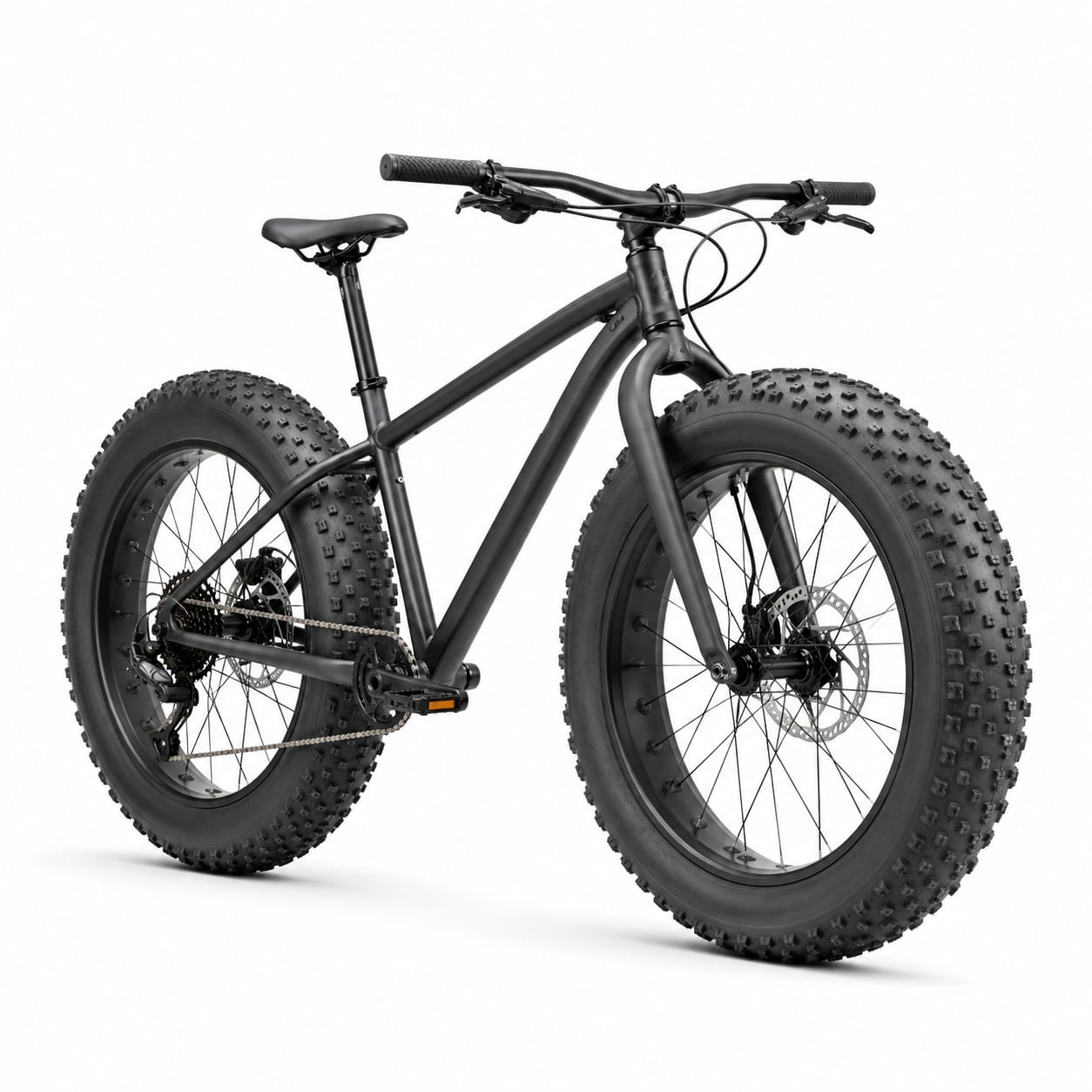
Fat Bike

Unmatched traction and flotation on snow, sand, and ultra-loose surfaces. Fat bikes can ride terrain that is impassable on any other bike and provide unique adventure opportunities in extreme conditions.

Bottom line

Choose a trail bike for all normal mountain biking. Choose a fat bike only if you specifically ride on snow, sand, or other soft surfaces where standard tires cannot maintain traction.

Shopping

Buying tips

  • 1

    Prioritize fit (reach) over component specs — a correctly sized bike with mid-range components will always outperform an incorrectly sized bike with top-tier parts.

  • 2

    Full suspension is worth the investment for most trail riders. The traction, control, and comfort benefits on technical terrain far outweigh the weight and maintenance penalties for the majority of riders.

  • 3

    Don't over-bike for your terrain. If your local trails are mostly smooth and flowy, a 130mm travel trail bike will feel better than a 150mm bike. Match travel to terrain, not aspirations.

  • 4

    Budget for a dropper post if the bike doesn't come with one. It's the single biggest confidence and capability upgrade for trail riding, transforming how you ride descents.

  • 5

    Consider buying last year's model to save 20-30% on identical geometry and very similar components. Mountain bike technology evolves incrementally, not revolutionarily.

  • 6

    Test ride multiple bikes if possible — suspension kinematics vary significantly between brands and designs. How a bike feels on trail matters more than spec sheet numbers.

  • 7

    Invest in quality tires and wheels. These are the components that most directly affect how the bike rides, and they're often where manufacturers cut costs on complete bikes.

  • 8

    Size up if you're between sizes and prefer stability at speed; size down if you value nimble handling. Modern trail bike sizing is based on reach, not seat tube length.

  • 9

    Check that the frame has room for wider tires than stock. Tire clearance is a useful upgrade path, and you may want to run 2.5" or wider tires in muddy conditions.

  • 10

    Don't neglect brake rotor size. If you're a heavier rider or ride steep terrain, budget for upsizing to 200mm front / 180mm rear rotors — it's a cheap and effective upgrade.

Care

Maintenance notes

  • Service suspension pivots every 100-150 riding hours or annually. Worn pivot bearings cause play and affect suspension performance. Most pivots use sealed cartridge bearings that are relatively inexpensive to replace.
  • Fork and shock service intervals are typically 50-125 hours for basic service (oil change, seals) and 200-250 hours for full rebuild. Neglecting suspension service leads to degraded performance and costly damage.
  • Check and adjust suspension sag monthly. Sag settings affect how the bike rides and handles. As shocks break in, sag may change, requiring air pressure adjustments.
  • Inspect brake pads regularly and replace when pad material is less than 1mm thick. Trail riding wears pads faster than XC, especially in wet and muddy conditions.
  • Clean and lubricate the chain every 3-5 rides depending on conditions. A well-maintained drivetrain shifts better, lasts longer, and saves significant replacement costs.
  • Check tire pressure before every ride. Tubeless setups lose air gradually, and running too low pressure can damage rims or cause burping. Invest in a quality floor pump with a gauge.
  • Inspect wheels for loose spokes and true rims periodically. Trail riding puts significant stress on wheels, and a loose spoke can lead to wheel failure.
  • Torque suspension pivot bolts to spec after the first few rides and then quarterly. Pivots that are too loose cause play; too tight can crush bearings and cause premature wear.
  • Re-torque stem bolts and check headset for play monthly. These are safety-critical connections that can loosen over time from trail vibration.
  • Store the bike with suspension at rest (not compressed) and avoid hanging by the wheel with tubeless tires for extended periods to prevent seal pooling.

Progression

Skill development path

Trail bikes support a natural skill progression from beginner to advanced rider. Beginners benefit from the confidence-inspiring geometry and suspension that absorbs mistakes, allowing them to focus on fundamentals like body position, braking, and line choice. As skills develop, the bike's capability reveals itself — the same stability that felt reassuring on green trails provides composure on steep black diamond descents. Intermediate riders learn to use the full suspension travel, exploit the dropper post for body positioning, and develop cornering and jumping technique. Advanced riders appreciate how trail bikes reward precise technique while remaining forgiving of minor errors. The balanced handling teaches good habits rather than masking poor form (as longer-travel bikes can) or punishing mistakes harshly (as shorter-travel bikes do). Many riders find that a trail bike remains their preferred ride even after adding more specialized bikes to their quiver, because it demands and rewards the most well-rounded riding skills.

FAQ

Common questions

Each question has a dedicated page with a full answer and links to the buying guide.

How much suspension travel do I need on a trail bike?

For most trail riding, 130-140mm of front travel and 120-140mm of rear travel is ideal. If your local trails are relatively smooth and rolling, 130mm front / 120mm rear provides a responsive, efficient ride. If you regularly ride steep, rough terrain with rock gardens and moderate drops, 150mm front / 140mm rear gives more capability. The key is matching travel to your actual terrain, not your aspirations — over-suspended bikes feel sluggish on easy trails.

Should I get a hardtail or full suspension trail bike?

For most trail riders, full suspension is the better choice. It provides significantly more traction, control, and comfort on rough terrain, and modern designs minimize the pedaling efficiency penalty. Hardtails make sense if you're on a tight budget (they're typically $500-1000 less for equivalent components), prefer simpler maintenance, or ride primarily smooth trails. Hardtails also teach better line choice because you can't rely on rear suspension to cover mistakes. However, for technical terrain with rocks, roots, and descents, full suspension is transformative.

What wheel size is best for a trail bike?

29" wheels are the best choice for most trail riders. They roll over obstacles more easily, carry momentum better, and provide a larger contact patch for traction. 27.5" wheels are a good option for smaller riders (under 5'4") who find 29" wheels feel too large, or for riders who prioritize a playful, maneuverable feel over raw rollover capability. Mullet setups (29" front / 27.5" rear) are emerging for aggressive trail riders who want front rollover with rear agility, but these require frame-specific design. For the majority of riders on standard trail systems, 29" is the optimal choice.

How much should I spend on a trail mountain bike?

A quality entry-level full suspension trail bike starts around $2,000-2,500 with aluminum frame and mid-range components. The sweet spot for most riders is $3,000-5,000, where you get reliable suspension, quality brakes, and durable drivetrain. Above $5,000, you're paying for weight savings (carbon frame), premium suspension, and higher-end components with diminishing returns on trail performance. Hardtail trail bikes offer excellent value, with capable options starting around $1,200-1,500. Budget an additional $200-400 for essential accessories like a helmet, pump, and basic tools.