
Dual-crown forks clamp the steerer tube at both the top and bottom of the head tube, dramatically increasing torsional and fore-aft stiffness. This is critical for DH because the extreme loads of high-speed rough terrain can cause single-crown forks to flex, reducing steering precision. Dual-crown forks also allow 200mm of travel while maintaining chassis stiffness. The trade-off is weight, cost, and a taller front end.
Mountain Bike · Downhill Mountain Bike
Why do downhill bikes use dual-crown forks?
Related gear types
If this answer nudged you toward a different style, these guides compare specs and trade-offs.
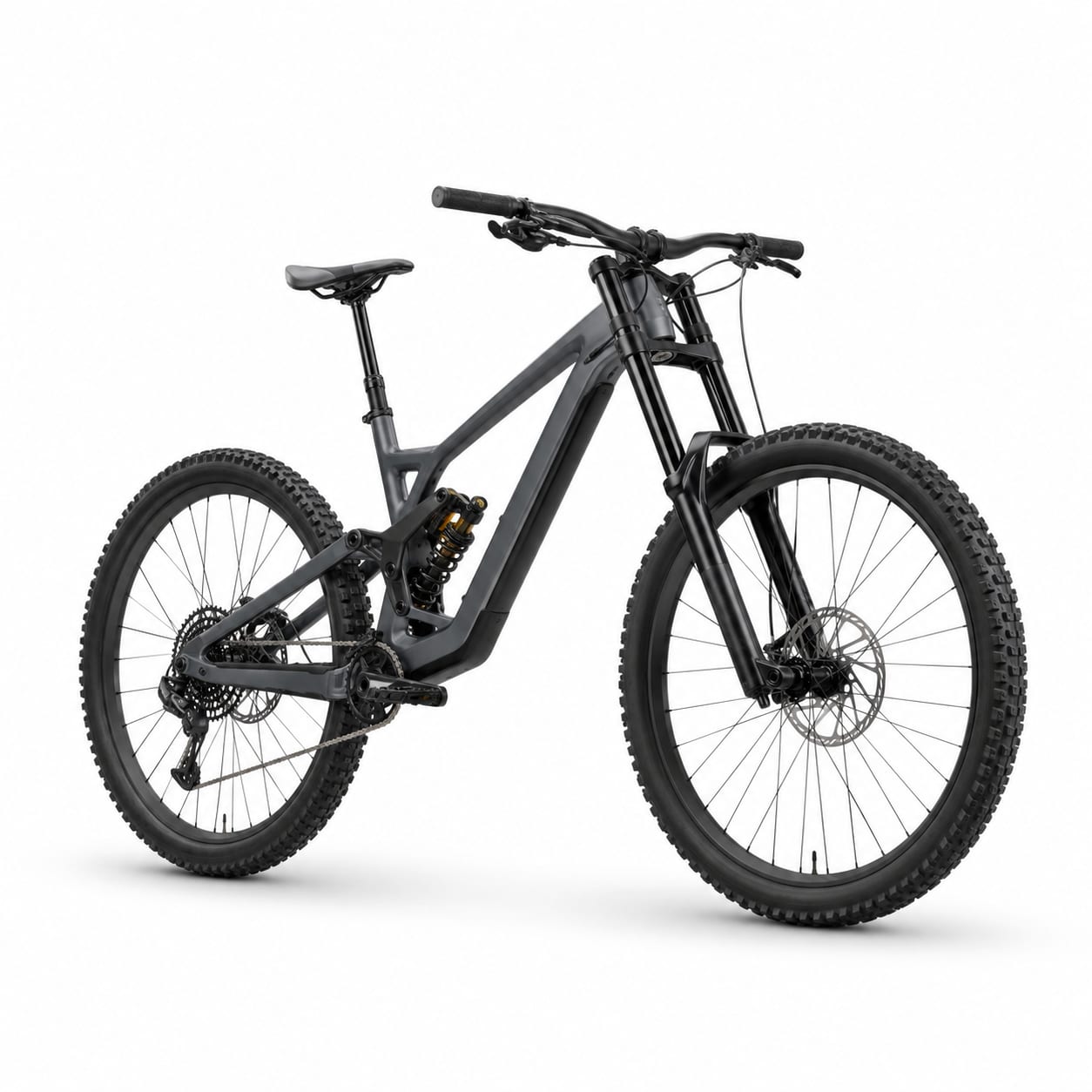
Enduro Mountain Bike
$2000 – $14000
Long-travel mountain bikes built for aggressive descending while maintaining climb capability for enduro racing.
150-180mm suspension travelslack head tube angle (63-65°)long reach and wheelbase
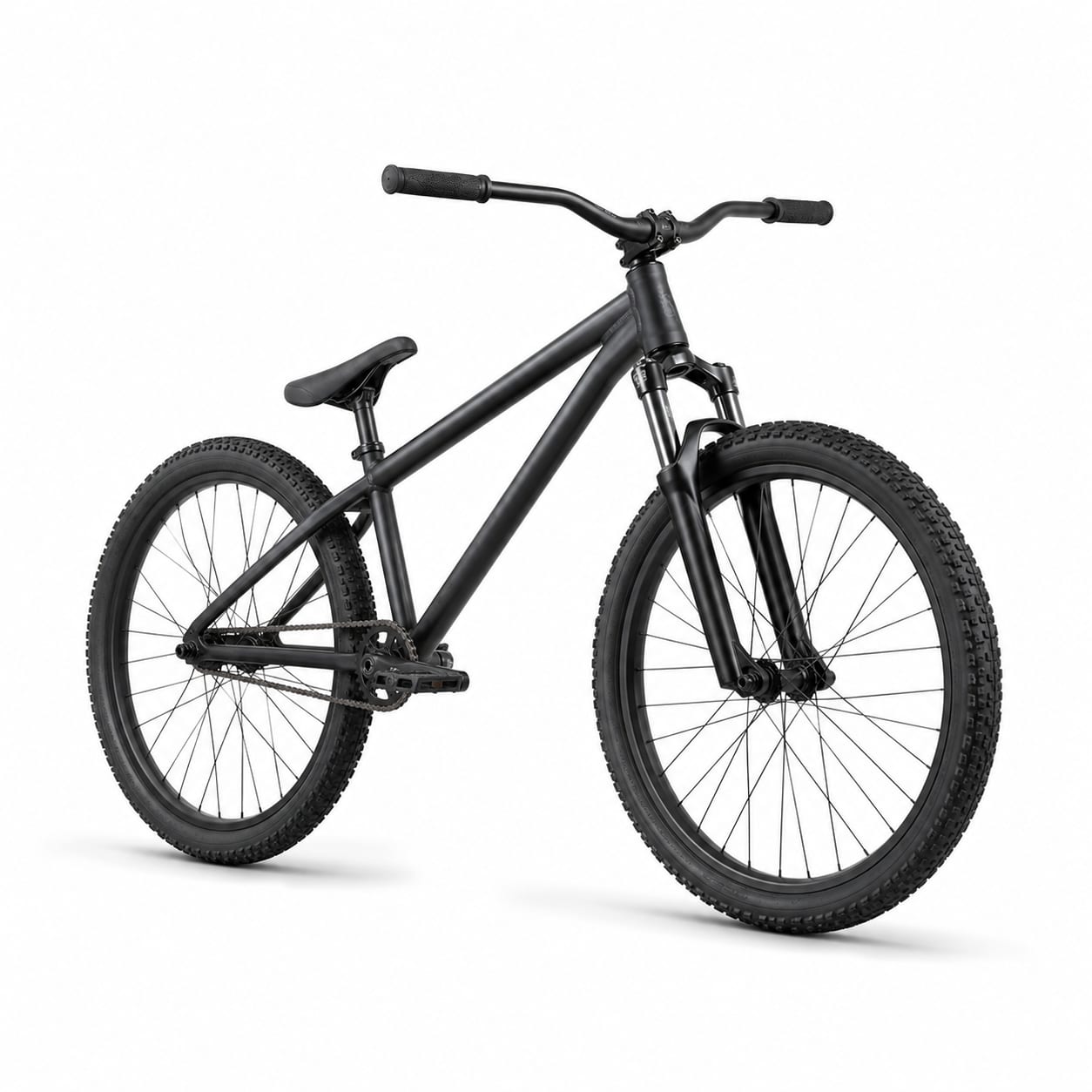
Dirt Jump / Slopestyle Bike
$500 – $4000
Compact, agile bikes built for jumps, tricks, and freestyle riding at dirt jumps and bike parks.
low standover heightshort chainstays80-120mm fork or rigid
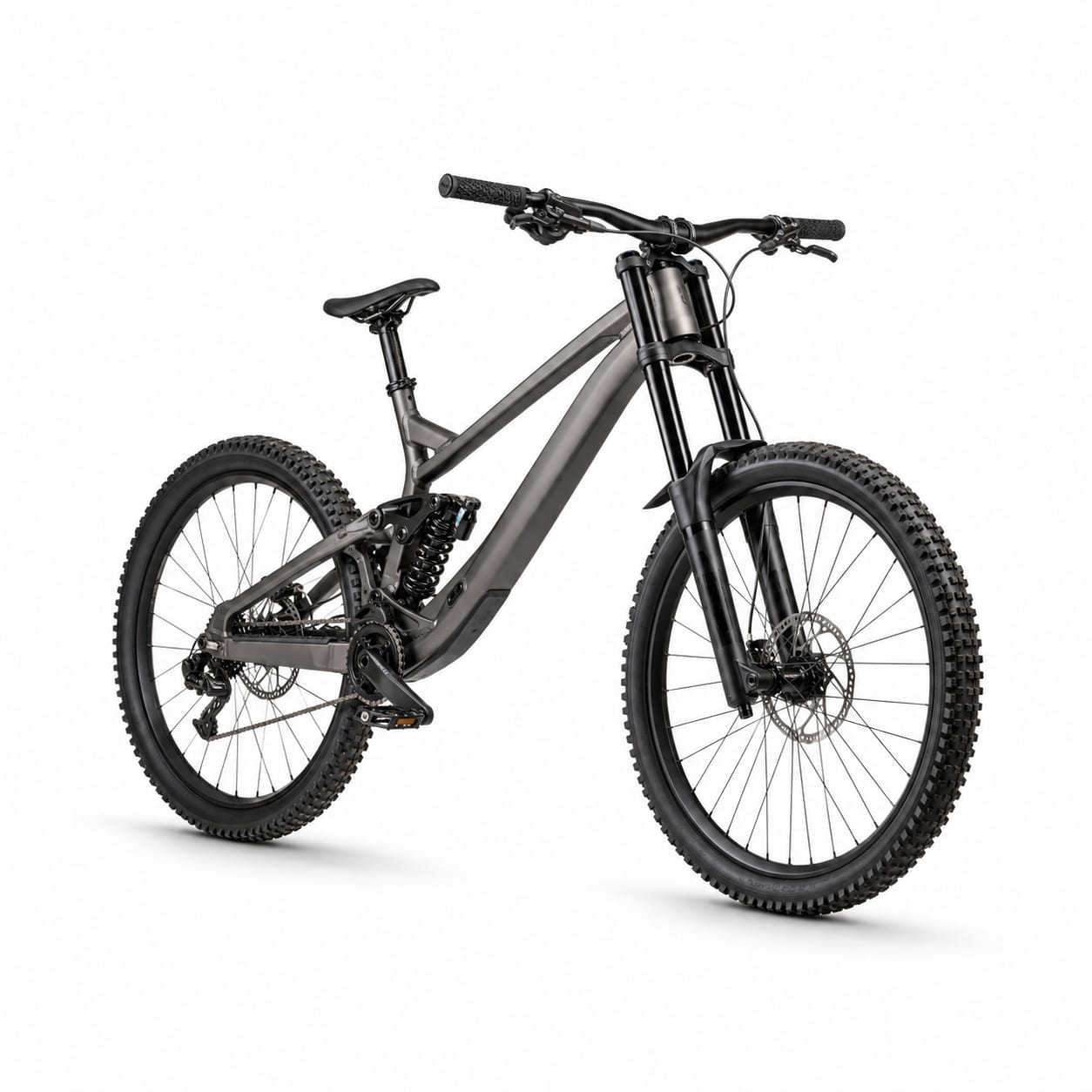
Freeride Mountain Bike
$3000 – $10000
Long-travel bikes for big mountain riding, hucks, and natural terrain features bridging enduro and downhill.
170-200mm suspension travelslack geometryrobust frame and components
More questions
- Can I ride a downhill bike on regular trails?
- Do I need a downhill bike for bike park riding?
- What is the difference between a downhill bike and an enduro bike?
- How much does a downhill bike cost?