Kitvore.com

Kitvore.com

Specs that matter. Gear that fits.

Mountain Bike · Subcategory

Dirt Jump / Slopestyle Bike

Purpose-built bikes for catching air, hitting jumps, and throwing tricks at dirt jump parks, slopestyle courses, and pump tracks.

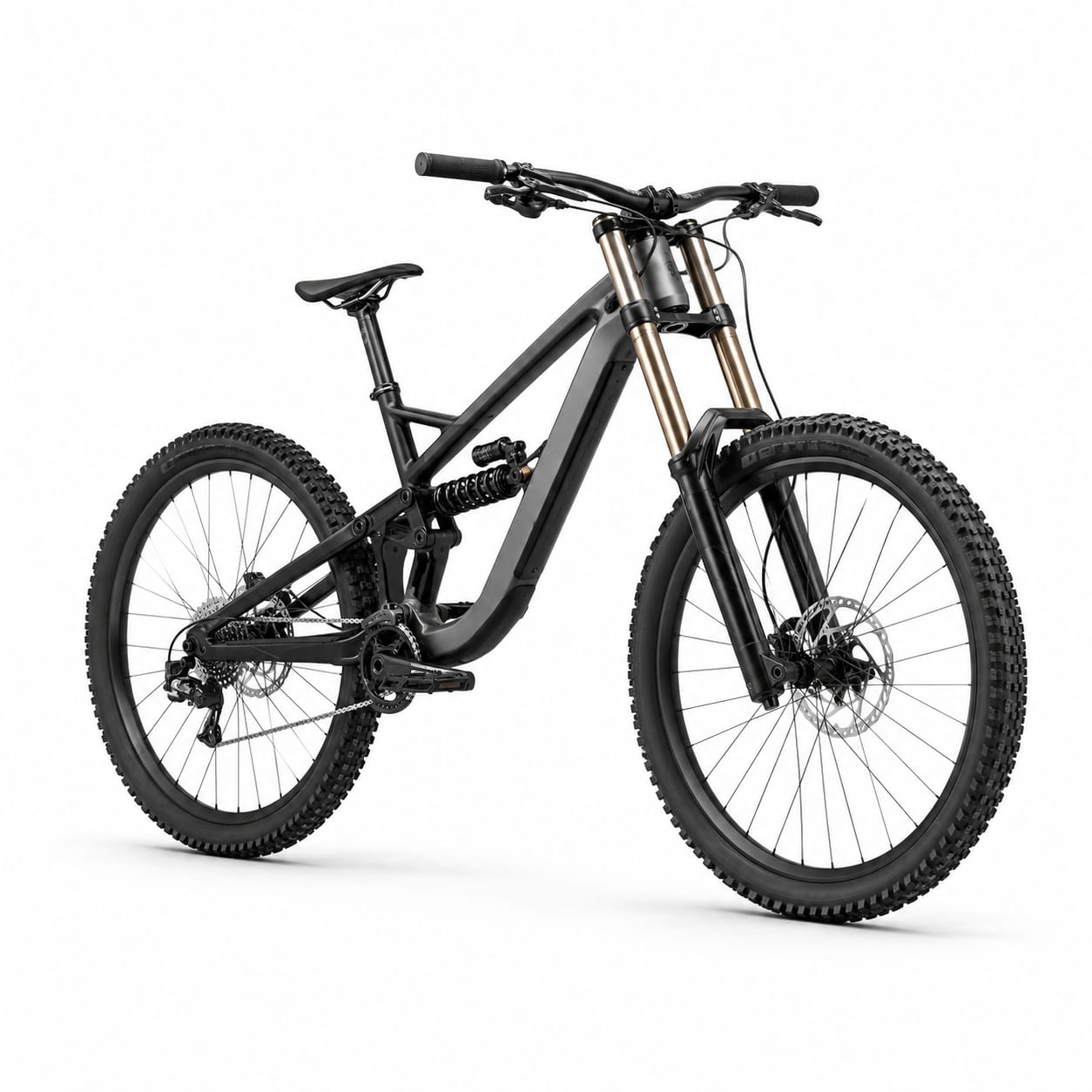
Dirt jump and slopestyle bikes are the BMX of the mountain bike world—compact, ultra-durable, and engineered specifically for airborne antics. With ultra-short chainstays, low standover heights, and minimal suspension, these bikes are designed to launch, spin, flip, and land with confidence. Whether you're sessioning dirt jumps, competing in slopestyle, or ripping a pump track, this is your weapon of choice.

$500 – $4000mid tierintermediateadvancedexpert

Best known for

Airborne trick riding and slopestyle competitionPump track dominationDirt jump park sessionsBombproof construction that survives repeated hard landings
Dirt Jump / Slopestyle Bike

Guide

Detailed overview

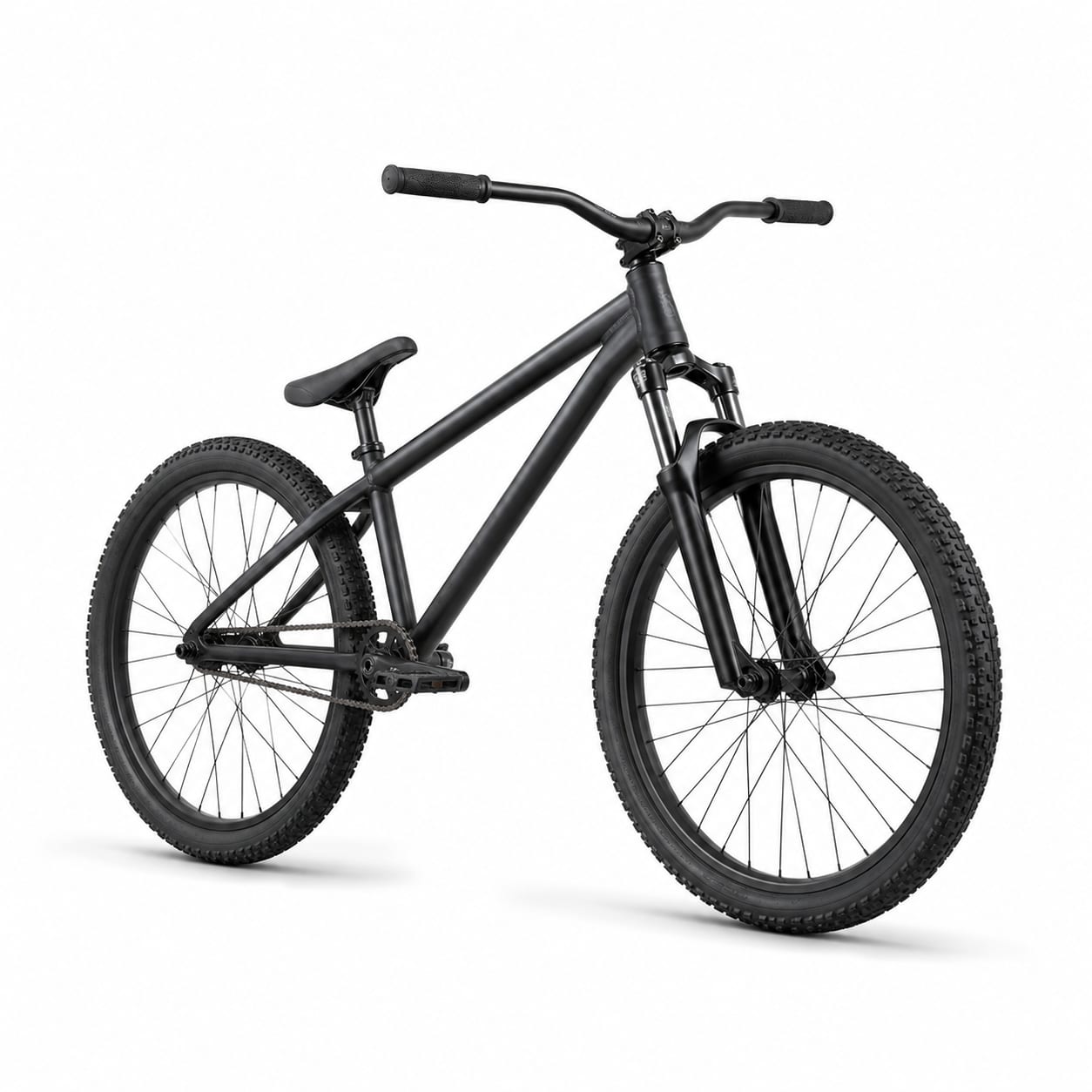
Dirt jump and slopestyle bikes occupy a unique niche in mountain biking, blending BMX-inspired geometry with mountain bike components to create machines purpose-built for flight. These bikes prioritize strength, maneuverability, and predictability in the air above all else. Frames are typically constructed from chromoly steel or heavy-duty aluminum, engineered to withstand the repeated impacts of hard landings that would destroy lighter frames. The geometry is instantly recognizable: ultra-short chainstays (often under 420mm), low standover heights for easy bailout, and a compact cockpit that keeps the rider centered over the bike during rotations. Suspension is minimal—most dirt jump bikes are hardtails with 100mm forks, while slopestyle bikes may feature up to 120mm of front travel and occasionally 80-100mm of rear travel. Wheel sizes have evolved from the traditional 26-inch standard to include 27.5-inch options, though 26-inch remains popular for its snappy acceleration and rotational characteristics during tricks. Drivetrains are typically simplified, with single-speed setups or narrow-range cassettes, and many riders run only a rear brake to keep the cockpit clean for bar spins and tail whips.

Dirt jump and slopestyle bikes represent the purest expression of freestyle mountain biking. Born from the intersection of BMX culture and mountain bike technology, these machines are designed with a singular focus: getting airborne and staying in control while doing it. Unlike trail or enduro bikes that try to balance competing priorities, dirt jump bikes unapologetically optimize for jump lines, trick execution, and impact survival.

The geometry tells the story. With chainstays as short as 415mm, these bikes manual and bunny hop with minimal effort. The steep head tube angles (68-70°) provide responsive steering for setting up takeoffs, while the ultra-low standover height gives riders room to move and a safer bailout when tricks go wrong. Reach numbers are compact—typically 410-440mm—keeping the rider centered and the bike easy to throw around. This is not a bike designed for covering distance; it's designed for covering vertical distance.

Frame material choice is telling. Chromoly steel remains the gold standard for dirt jump frames, prized for its combination of strength, fatigue resistance, and subtle compliance that takes the edge off hard landings. Aluminum is used in some models for lighter weight, but steel's ability to absorb repeated impacts without cracking makes it the preferred choice for riders who session jumps daily. The best frames feature butted tubing with reinforced head tubes and dropouts, often with removable brake mounts and integrated chain tensioners.

Component selection reflects the specialized nature of these bikes. Forks are typically 100mm travel with stiff 32mm stanchions—enough to absorb landings without being so plush that the bike wallows on takeoff. Many riders run rigid forks for maximum pump track efficiency and trick consistency. Drivetrains range from single-speed with a chain tensioner to simplified 7-11 speed setups with narrow-range cassettes. Brake rotors are small (160mm) since high-speed descending isn't the goal, and many riders remove the front brake entirely for bar spin clearance. Tires are typically 2.2-2.4" with a semi-slick or low-tread rear for pump track speed and a more aggressive front for landing traction.

The distinction between dirt jump and slopestyle bikes has blurred considerably. Traditional dirt jump bikes are hardtails designed for dirt jump lines and pump tracks, while slopestyle bikes may feature short-travel rear suspension (80-100mm) for the bigger features and high-speed sections of slopestyle competition courses. However, many modern bikes blur this line, offering versatile platforms that work for both disciplines. If you're primarily riding dirt jumps and pump tracks, a hardtail is the way to go. If you're hitting slopestyle courses with big mountain-style features, a short-travel full suspension option may be worth considering.

Quick facts

Primary purpose
Dirt jumping, slopestyle competition, pump track riding, and freestyle trick riding
Popular brands
CommencalDMRNS BikesPivotSpecializedYT Industries
Typical terrain
dirt jump linespump tracksslopestyle coursesskateparks

What makes it different

Compact frame for maneuverability in the air; designed for repeated hard landings; minimal or no rear suspension; BMX-inspired geometry and handling

Recommended ranges

How this type usually specs out

Each spec is explained in plain language, then we show what buyers usually look for on this type.

Bike Category / Discipline

Mountain Bike Category

What it means

The primary riding discipline the mountain bike is designed for, which dictates frame geometry, suspension travel, and component selection.

Typical for this type

N/A — This IS The Category

Most common pick: Dirt Jump / Slopestyle (Specialized Freestyle Category)

In practice

Dirt jump/slopestyle is a distinct freestyle discipline that doesn't align with the traditional XC-to-DH spectrum. These bikes are purpose-built for airborne trick riding rather than trail traversal.

Compared to other types

Unlike XC/trail/enduro/DH which focus on terrain traversal at varying speeds, dirt jump bikes focus entirely on aerial trick execution and jump park performance.

Why it matters: This category dictates every design decision: geometry for air maneuverability, component strength for impact survival, and minimal weight for trick execution.

Suspension Type

Suspension Type

What it means

Whether the bike has front suspension only (hardtail) or both front and rear suspension (full suspension), fundamentally affecting comfort, traction, and efficiency.

Typical for this type

Hardtail For Dirt Jump; Full Suspension (80-100mm Rear) Optional For Slopestyle

In practice

The vast majority of dirt jump bikes are hardtails, which provides a consistent, predictable platform for takeoffs and landings. Some slopestyle-specific bikes feature short-travel rear suspension for bigger competition features.

Compared to other types

Dirt jump is the only MTB category where hardtail is the preferred choice even at high price points. Other categories increasingly default to full suspension.

Why it matters: Hardtails offer direct power transfer for pumping, consistent takeoff feel, and lower maintenance. Rear suspension can help on larger slopestyle features but adds complexity and weight.

Front Travel

Front Suspension Travel

What it means

The maximum distance the front suspension fork can compress, measured in millimeters. Determines the size of obstacles the bike can absorb and influences frame geometry.

Typical for this type

80-120mm (100mm most common)

In practice

Dirt jump bikes use short-travel forks that provide enough impact absorption for landings without being so plush that the bike sinks on takeoff lips. 100mm is the industry standard, with 80mm common on pump track-focused rigs and 120mm on slopestyle-oriented builds.

Compared to other types

Significantly less travel than trail (130-150mm), enduro (150-170mm), and DH (180-200mm). Only XC bikes approach similar travel numbers but for entirely different reasons.

Why it matters: Too much travel makes the bike unpredictable on takeoff and adds unnecessary weight. Too little travel increases impact stress on the rider's joints during repeated landings.

Rear Travel

Rear Suspension Travel

What it means

The maximum distance the rear wheel can move vertically on full suspension bikes, measured in millimeters. Works in conjunction with front travel to absorb impacts.

Typical for this type

0mm for dirt jump; 80-100mm for slopestyle full suspension

Most common pick: 0mm (hardtail)

In practice

Most dirt jump bikes have no rear suspension. The few slopestyle-specific full suspension options feature 80-100mm of rear travel, designed for the bigger features and high-speed transitions of slopestyle competition courses.

Compared to other types

Dirt jump is unique in having 0mm rear travel as the standard. Even XC full suspension bikes have 100-120mm. Slopestyle full suspension is the minimum rear travel in the entire MTB spectrum.

Why it matters: A rigid rear end provides consistent, predictable landings and maximum pump efficiency. Rear suspension can help absorb big landings but reduces pump track efficiency and adds weight.

Wheel Size

Wheel Size

What it means

The nominal diameter of the wheel/rim, which affects rollover ability, acceleration, handling precision, and tire volume availability.

Typical for this type

26" or 27.5" (26" preferred by many for trick riding)

In practice

26-inch wheels remain the standard for dirt jump bikes due to their compact size, quick acceleration, and favorable rotational characteristics during spins and flips. 27.5-inch options are increasingly available and offer slightly better rollover on transition features. Note: 26" is not listed in the standard enum but is the dominant size for this subcategory.

Compared to other types

Dirt jump is the only MTB category where 26-inch wheels remain the preferred choice. All other categories have moved to 27.5" or 29".

Why it matters: 26-inch wheels spin up faster, are easier to maneuver in the air, and have a smaller overall footprint that fits the compact frame geometry. 27.5" offers marginally better momentum carrying through transitions.

Frame Material

Frame Material

What it means

The primary material used in the main triangle and frame construction, affecting weight, ride quality, durability, and cost.

Typical for this type

Steel Preferred; Aluminum Also Common

Most common pick: Steel (Chromoly)

In practice

Chromoly steel is the dominant frame material for dirt jump bikes, prized for its exceptional fatigue resistance, impact durability, and subtle compliance that absorbs hard landing forces. Aluminum is used in some models for lighter weight but is more prone to fatigue cracking under repeated jump impacts.

Compared to other types

Dirt jump is one of the few categories where steel is the preferred material at all price points. Most other categories default to aluminum or carbon fiber.

Why it matters: Steel frames survive the repeated high-impact landings that define dirt jump riding. The material's natural vibration damping also reduces rider fatigue during long sessions. Repairability is a bonus—steel frames can be welded if cracked.

Head Tube Angle

Head Tube Angle

What it means

The angle of the head tube relative to the ground, measured in degrees. A primary determinant of steering speed and high-speed stability. Slacker angles (lower numbers) provide more stability at speed.

Typical for this type

68-70°

Most common pick: 69°

In practice

Dirt jump bikes use relatively steep head tube angles that provide quick, responsive steering for precise takeoff alignment and trick initiation. This is steeper than enduro or DH bikes but appropriate for the low-speed, high-maneuverability requirements of jump lines.

Compared to other types

Steeper than enduro (63.5-65.5°) and DH (62-64°), similar to older trail bikes. The steering needs of jump riding are fundamentally different from high-speed descending.

Why it matters: Steeper head angles allow quick corrections on takeoff ramps and responsive steering in tight pump track transitions. Slacker angles would make the bike feel sluggish when setting up for jumps.

Reach

Reach

What it means

The horizontal distance from the center of the bottom bracket to the top of the head tube, measured in millimeters. The most important sizing metric for modern mountain bikes as it determines the rider's fore-aft position while standing.

Typical for this type

410-445mm

Most common pick: 425mm

In practice

Dirt jump bikes feature compact reach numbers that keep the rider centered over the bike for optimal control during airborne maneuvers. Shorter reach makes the bike easier to spin, whip, and maneuver in the air.

Compared to other types

Significantly shorter than trail (435-480mm), enduro (445-510mm), and DH bikes. Only BMX bikes have shorter reach in the cycling world.

Why it matters: Compact reach allows the rider to easily shift weight fore and aft for takeoffs, landings, and trick execution. Too long a reach makes the bike feel sluggish and difficult to control in the air.

Stack

Stack Height

What it means

The vertical distance from the center of the bottom bracket to the top of the head tube, measured in millimeters. Determines how tall the front end feels and affects rider position between seated and standing.

Typical for this type

575-610mm

Most common pick: 590mm

In practice

Low stack heights keep the front end of the bike low, making it easier to initiate rotations, tuck for flips, and maintain a compact body position in the air. The low front end also facilitates manuals and nose picks.

Compared to other types

Lower than most other MTB categories. Trail and enduro bikes typically run 600-660mm stack. The low stack is a defining characteristic of dirt jump geometry.

Why it matters: A lower stack makes the bike easier to manipulate in the air and provides more room for the rider to tuck during rotations. Higher stack would make the bike feel tall and unwieldy during tricks.

Chainstay Length

Chainstay Length

What it means

The distance from the center of the bottom bracket to the center of the rear axle, measured in millimeters. Affects how easily the bike manuals, wheelies, and navigates tight turns.

Typical for this type

415-425mm

Most common pick: 418mm

In practice

Dirt jump bikes feature the shortest chainstays in the mountain bike world, typically 415-425mm. Ultra-short chainstays make the bike incredibly easy to manual, bunny hop, and rotate around the rear axle during tricks.

Compared to other types

The shortest chainstays in mountain biking. Trail bikes run 430-445mm, enduro 435-450mm, DH 440-455mm. The 15-35mm difference is dramatic and immediately noticeable.

Why it matters: Short chainstays are essential for the playful, maneuverable handling that defines dirt jump riding. They make it easy to lift the front wheel, hold manuals, and initiate tail whips. This is perhaps the most defining geometry number for the category.

Drivetrain Speed

Drivetrain Speed

What it means

The number of rear sprockets in the cassette, which determines the number of gear ratios available and the size range of the cassette.

Typical for this type

Single Speed For Pure Dirt Jump; 7-11 Speed For Versatile Slopestyle/Park Riding

Most common pick: Single Speed Or 7-11 Speed

In practice

Many dirt jump bikes run single-speed drivetrains for simplicity, reliability, and clean cockpit aesthetics. Those that use geared setups typically run 7-11 speed with narrow-range cassettes. 12-speed systems are overkill and add unnecessary complexity for jump park riding.

Compared to other types

Dirt jump is the only MTB category where single speed is a common and respected choice. All other categories have standardized on 11-12 speed drivetrains.

Why it matters: Single speed eliminates derailleur damage from crashes, reduces maintenance, and provides a clean look. Geared options help if you ride to the jump park or ride slopestyle courses with varying speeds.

Brake Type

Brake Type

What it means

The type of braking system, specifically the actuation method and rotor standard, which determines stopping power, modulation, and maintenance requirements.

Typical for this type

Hydraulic Disc 2-Piston; Rear-Only Common For Trick Riders

Most common pick: Hydraulic Disc (2-Piston) Rear Only, Or Front And Rear

In practice

Most dirt jump bikes use 2-piston hydraulic disc brakes, which provide adequate stopping power for the relatively low speeds of jump park riding. Many riders run only a rear brake to keep the handlebar clean for bar spins and tail whips. 4-piston brakes are unnecessary for this application.

Compared to other types

Dirt jump is the only category where running a single brake is common. Trail, enduro, and DH bikes all require powerful 4-piston brakes for sustained descending.

Why it matters: 2-piston brakes are lighter and sufficient for jump park speeds. Running rear-only eliminates cable interference during bar spins and tail whips. Front brake removal is a personal choice based on trick repertoire.

Brake Rotor Size

Brake Rotor Size

What it means

The diameter of the brake rotors in millimeters. Larger rotors provide more stopping power and better heat dissipation, critical for sustained descents.

Typical for this type

160mm front and rear

In practice

Small 160mm rotors are standard on dirt jump bikes. The low speeds and relatively flat terrain of jump parks don't require the heat dissipation of larger rotors. Smaller rotors also save weight and are less vulnerable to damage during crashes.

Compared to other types

The smallest common rotor size in mountain biking. Trail bikes typically use 180mm, enduro 200mm, and DH 200-220mm. The speed and terrain of jump parks simply don't require more.

Why it matters: 160mm rotors provide more than enough stopping power for jump park speeds. Larger rotors would add unnecessary weight and be more prone to damage in crashes. Smaller rotors also keep the bike looking clean.

Tire Width

Tire Width

What it means

The nominal width of the tires mounted on the bike, measured in inches. Affects traction, rolling resistance, bump absorption, and frame clearance requirements.

Typical for this type

2.2-2.4"

Most common pick: 2.3"

In practice

Dirt jump tires typically run 2.2-2.4" wide, providing enough volume for impact absorption on landings without excessive weight. Rear tires are often semi-slick or low-tread for pump track speed, while front tires use more aggressive tread for landing traction.

Compared to other types

Narrower than trail (2.3-2.5"), enduro (2.4-2.6"), and much narrower than plus/fat bikes. Tire choice is more about trick performance than terrain capability.

Why it matters: Moderate tire width balances landing cushion, traction, and rotational weight. Wider tires add rotating mass that makes the bike harder to spin and flip. Narrower tires don't provide enough impact absorption.

Dropper Post Travel

Dropper Post Travel

What it means

The maximum distance the dropper seatpost can drop the saddle, measured in millimeters. More travel allows the saddle to get further out of the way for descending.

Typical for this type

No Dropper Post; Saddle Kept At Lowest Position Or Removed Entirely

Most common pick: None — Rigid Seatpost Kept At Minimal Height

In practice

Dirt jump bikes almost never use dropper posts. The saddle is kept at the lowest possible position (or removed entirely) to stay out of the way during tricks. A dropper post would add unnecessary weight and complexity to a bike that never needs the saddle raised.

Compared to other types

Dirt jump is the only MTB category where a dropper post is not just unnecessary but actively undesirable. Every other category benefits from or requires a dropper post.

Why it matters: The saddle must be completely out of the way for tricks like tail whips, no-footed cans, and seat grabs. A dropper post is dead weight on a dirt jump bike since the saddle is never used during riding.

Weight

Complete Bike Weight

What it means

The total weight of the complete bicycle without pedals, measured in kilograms or pounds. Affects acceleration, climbing speed, and maneuverability.

Typical for this type

11-13.5kg

Most common pick: 12kg

In practice

Dirt jump bikes typically weigh 11-13.5kg, balancing the need for strength and durability with the desire for a manageable weight during aerial maneuvers. Lighter bikes are easier to spin and flip, but must still survive repeated hard landings.

Compared to other types

Similar to lightweight trail bikes but built much stronger. Lighter than enduro (13-15.5kg) and DH (15-18kg) but heavier than XC race bikes (9-11kg) relative to frame strength.

Why it matters: Weight directly affects how easily the bike can be manipulated in the air. However, going too light compromises durability. The sweet spot is a bike that's light enough to trick easily but strong enough to survive daily abuse.

Effective Seat Tube Angle

Effective Seat Tube Angle

What it means

The angle of the seat tube relative to the ground, measured in degrees at saddle height. Affects climbing position and pedaling efficiency. Steeper angles position the rider more directly over the bottom bracket.

Typical for this type

73-76°

Most common pick: 74°

In practice

Dirt jump bikes have relatively slack seat tube angles because climbing efficiency is irrelevant—the saddle is never used for seated pedaling. The seat tube angle is primarily determined by frame design constraints around achieving the desired head angle and standover height.

Compared to other types

Slacker than modern trail and enduro bikes (75-78°) which prioritize climbing position. Dirt jump seat angle is irrelevant to the bike's intended use.

Why it matters: Seat tube angle is largely irrelevant for dirt jump riding since the saddle is kept at minimum insertion and never used for climbing. The angle is a byproduct of the overall frame design rather than a performance consideration.

Evaluation

Strengths and trade-offs

Pros

What this type does best

Unmatched aerial maneuverability

Critical

The compact geometry, short chainstays, and low weight make dirt jump bikes the most maneuverable mountain bikes in the air. Spins, flips, whips, and grabs all come easier on a purpose-built jump bike.

Bombproof durability

Critical

Built to survive repeated hard landings and crashes, dirt jump frames and components are over-engineered compared to other MTB categories. Chromoly steel frames can take abuse that would destroy lighter frames.

Low maintenance simplicity

High

Single-speed drivetrains, rigid rear ends, and minimal moving parts mean less time wrenching and more time riding. No derailleurs to bend in crashes, no rear suspension to service, and fewer wear items overall.

Exceptional pump track efficiency

High

The rigid rear end and short chainstays make dirt jump bikes incredibly efficient at generating speed through pumping. On a pump track, a skilled rider can maintain speed indefinitely without pedaling.

Affordable entry point

Medium

Compared to full suspension mountain bikes, dirt jump bikes offer a relatively affordable entry into mountain biking. The simplicity of the design means even budget models are competent jump machines.

Skill development platform

High

Learning to jump on a dedicated dirt jump bike builds fundamental skills (bunny hops, manuals, air awareness) that transfer to all mountain biking disciplines. The forgiving geometry and low standover build confidence.

Easy to transport

Medium

Compact frame size and relatively light weight make dirt jump bikes easy to throw in a car trunk or back seat. No need for a bike rack for most vehicles.

Cons

Trade-offs to be aware of

Single-purpose design

Significant

Dirt jump bikes are terrible for trail riding, climbing, or covering distance. They have no climbing gears, no suspension comfort, and geometry that's exhausting on anything other than jump lines. This is not a versatile bike.

Harsh ride on anything but smooth transitions

Moderate

The rigid rear end and minimal front suspension transmit every bump directly to the rider. Riding dirt jump bikes on rough trails is punishing and fatiguing. They're designed for smooth takeoff lips and landing transitions, not rocky descents.

Limited gear range for pedaling

Moderate

Single-speed or narrow-range drivetrains make riding to the jump park a sweaty affair if there are any hills. You'll be spinning out on flats or grinding up climbs. This bike is meant to be ridden at the park, not to the park.

No comfortable seated position

Moderate

The saddle is essentially decorative—kept at minimum height and never used for actual riding. If you need to sit and pedal, this is the wrong bike. Long rides are not in the cards.

Small niche market limits options

Minor

Fewer brands make dirt jump bikes compared to trail or enduro bikes, which means fewer model options, less frequent updates, and potentially harder parts sourcing. Test rides may be difficult to arrange at local shops.

High injury risk discipline

Moderate

While not a fault of the bike itself, the discipline of dirt jumping carries inherent crash risk. The bike is designed for taking flight, and what goes up must come down—sometimes not as planned.

Best for

Surfaces & terrain

Dirt jump parksPump tracksSlopestyle coursesSkateparks (with BMX-style transitions)Backyard jump lines

Riding conditions

Dry, well-maintained jump linesPacked dirt or clay surfacesSmooth wooden ramp transitionsDry weather (wet dirt jumps become dangerous)

Skill level

Intermediate riders learning to jumpAdvanced riders progressing tricksExpert riders competing in slopestyle

Riding discipline

Freestyle / trick-focused ridingPump track racingSlopestyle competitionSession-oriented riding (repeat same features)

Rider profile

BMX riders transitioning to mountain bikesMountain bikers wanting to progress air skillsSlopestyle competitorsPump track enthusiastsRiders who prioritize fun over distance

Not ideal for

Reasons

No climbing gears or comfortable seated position for distance ridingMinimal suspension makes rough terrain punishingGeometry optimized for air, not trail traversalSingle-speed or narrow-range drivetrain limits versatilityNo dropper post and non-functional saddle position

Surfaces & terrain

Rocky technical trailsLong cross-country loopsSteep sustained descentsRooty singletrackAny terrain requiring climbing

Skill level

Complete beginners who haven't mastered basic bike handlingRiders with no interest in jumping or tricks

Riding discipline

Endurance/fitness ridingTrail explorationDownhill racingBikepacking or touringCasual cruising

Compare

How it stacks up

This page

Dirt Jump / Slopestyle Bike

Far more maneuverable in the air, significantly stronger frame for impacts, better pump track performance, and more confidence-inspiring geometry for jumping. Shorter chainstays make manuals and bunny hops effortless.

Alternative

Trail Hardtail

Trail hardtails can actually ride trails—they have climbing gears, functional saddle position, and geometry that works for singletrack. Far more versatile for general riding and fitness.

Bottom line

Choose dirt jump if you spend 80%+ of your time at jump parks and pump tracks. Choose trail hardtail if you want to ride trails and occasionally hit jumps. A trail hardtail is the better 'only bike' choice.

This page

Dirt Jump / Slopestyle Bike

Larger wheels roll better over rough landings, front suspension absorbs impact on bigger jumps, disc brakes provide more stopping power, and mountain bike components are more durable for big hits. More capable on larger features.

Alternative

BMX Race Bike

BMX bikes are lighter, more responsive for technical tricks, have a deeper trick ecosystem, and are the standard for BMX-style riding. Cheaper entry point and more widely available.

Bottom line

Choose dirt jump if you're coming from mountain biking, riding mountain bike-sized features, or want front suspension. Choose BMX if you're riding BMX tracks, street, or prefer the BMX trick vocabulary.

This page

Dirt Jump / Slopestyle Bike

Dramatically lighter and more maneuverable in the air, far easier to spin and flip, much lower maintenance, and significantly cheaper. The right tool for jump park riding.

Alternative

Enduro Bike

Enduro bikes can actually ride to the jump park, handle rough terrain, and descend steep trails. They're real mountain bikes that can also hit jumps, not single-purpose tools.

Bottom line

Choose dirt jump as a second bike for dedicated jump sessions. Choose enduro if you need one bike for everything including aggressive trail riding. Enduro bikes can hit jumps; dirt jump bikes cannot ride trails.

This page

Dirt Jump / Slopestyle Bike

Vastly lighter and more maneuverable, actually possible to ride uphill (barely), much cheaper, and far better suited for trick riding. DH bikes are overkill for jump parks.

Alternative

Downhill Bike

DH bikes can handle massive features, high speeds, and rough terrain that would destroy a dirt jump bike. They're designed for steep, fast, rough descending—not jumping.

Bottom line

These serve completely different purposes. Choose dirt jump for jump parks and tricks. Choose DH for bike parks and steep descents. The only overlap is that both can hit large jumps, but with very different riding styles.

Shopping

Buying tips

  • 1

    Prioritize frame quality over components—chromoly steel frames from reputable brands (DMR, NS Bikes, Commencal, Specialized P-Series) will outlast cheaper aluminum frames under jump abuse.

  • 2

    Don't overspend on drivetrain complexity—single speed or simple geared setups are preferred by most riders. Put the budget into a stronger wheelset instead.

  • 3

    Wheel strength is critical—look for 32-hole rims laced to quality hubs with butted spokes. Cheap wheels collapse under jump landings quickly. This is often the first upgrade needed on budget bikes.

  • 4

    Consider buying used—dirt jump bikes lead hard lives, but quality steel frames are nearly indestructible. A used chromoly frame with fresh components can be a great value.

  • 5

    Test the standover height—make sure you can comfortably stand over the top tube with both feet flat. Low standover is essential for confidence and safety when learning new tricks.

  • 6

    Budget for protective gear separately—a full-face helmet, knee pads, and gloves are non-negotiable for dirt jump riding. Factor $150-300 into your total budget for safety equipment.

  • 7

    26-inch vs 27.5-inch is mostly personal preference—26-inch is traditional and preferred by many for trick riding, while 27.5-inch offers slightly better rollover. Neither is objectively better; choose based on feel.

  • 8

    If you plan to ride to the park, consider a geared setup with at least 7 speeds. If the park is walking distance, single speed is simpler and more reliable.

Care

Maintenance notes

  • Check chain tension before every session—single-speed chains can derail under hard landings if too loose. Maintain approximately 10-15mm of chain slack at the midpoint.
  • Inspect frame welds regularly, especially at the head tube and dropouts. Steel frames can develop cracks over time, but they're usually visible before catastrophic failure. Aluminum cracks are harder to spot.
  • True wheels frequently—jump landings knock wheels out of true faster than trail riding. Learn to true wheels yourself or budget for regular shop visits. Loose spokes lead to broken spokes.
  • Front fork service intervals should be shorter than recommended—dirt jump riding subjects forks to repeated high-impact forces that degrade oil and seals faster than trail riding. Service every 50-75 hours of riding.
  • Replace handlebars after any significant crash that impacts the bar ends—bent bars can fail catastrophically on subsequent crashes. This is a safety-critical component.
  • Check tire pressure before every session—consistent pressure ensures predictable landings. Most riders run 25-35 PSI depending on rider weight and preference. Too low risks pinch flats on landings.
  • Grease pedal threads and check crank arm tightness monthly—repeated hard landings can loosen crank bolts and pedals. A loose crank arm will round out and require replacement.
  • Keep the drivetrain clean—dirt jump parks are dusty environments that accelerate chain and cog wear. A clean, lubricated chain lasts significantly longer.

Progression

Skill development path

Dirt jump riding follows a clear progression: start with basic pump track skills (pumping, manualing, bunny hopping) to develop bike control and air awareness. Move to small dirt jumps focusing on consistent takeoff and landing technique—look at the landing, stay relaxed, and let the bike come up to you. Progress to tabletop jumps where you can safely case landings without consequence. As confidence builds, move to gap jumps and begin adding style: one-hander, one-footer, no-footer can-can. Advanced tricks include 360s, tail whips, backflips, and combinations. Slopestyle riding adds technical trail features between jumps, requiring the ability to carry speed through berms and rollers while setting up for aerial tricks. The key to progression is session repetition—dirt jump riding rewards focused practice on the same features until tricks become consistent. Film your sessions to analyze technique and track progress. Ride with more skilled riders who can provide feedback and push your limits safely. Most importantly, know when to walk away—a tired rider making mistakes is how injuries happen.

FAQ

Common questions

Each question has a dedicated page with a full answer and links to the buying guide.

Can I ride a dirt jump bike on regular trails?

Technically yes, but it will be miserable. Dirt jump bikes have no climbing gears, no comfortable saddle position, minimal suspension, and geometry that's exhausting on anything but jump lines. You'll be walking up hills, getting beaten up on rough terrain, and spinning out on flats. If you want to ride trails, get a trail bike. If you want to ride trails AND hit jumps, a trail hardtail is a much better compromise.

Should I get a hardtail or full suspension dirt jump bike?

For most riders, hardtail is the way to go. It's simpler, lighter, cheaper, and provides a more consistent platform for learning tricks. Full suspension slopestyle bikes are really only necessary for competitive slopestyle riding on courses with large, high-speed features. The rear suspension adds complexity and reduces pump track efficiency. If you're not competing in slopestyle events, go hardtail.

Why do some dirt jump riders only have a rear brake?

Running only a rear brake eliminates the front brake cable that would wrap around the stem during bar spins and tail whips. It's a trick-oriented choice—bar spins and tail whips are core tricks in dirt jump and slopestyle, and a front brake cable gets in the way. If you're not doing bar spins or tail whips, keep the front brake for safety. Many riders start with both brakes and remove the front only when they begin learning rotational tricks.

Is 26-inch or 27.5-inch better for dirt jumping?

26-inch remains the most popular choice for dirt jump riding because the smaller wheel is easier to accelerate, more compact in the air, and has a long-established parts ecosystem. 27.5-inch wheels roll slightly better through transitions and maintain momentum better, but the difference is subtle. Most experienced riders prefer 26-inch for its snappy feel and trick-friendly rotational characteristics. If you're coming from BMX, 26-inch will feel more natural. If you're coming from mountain biking, 27.5-inch may feel less dramatically different from what you're used to.